
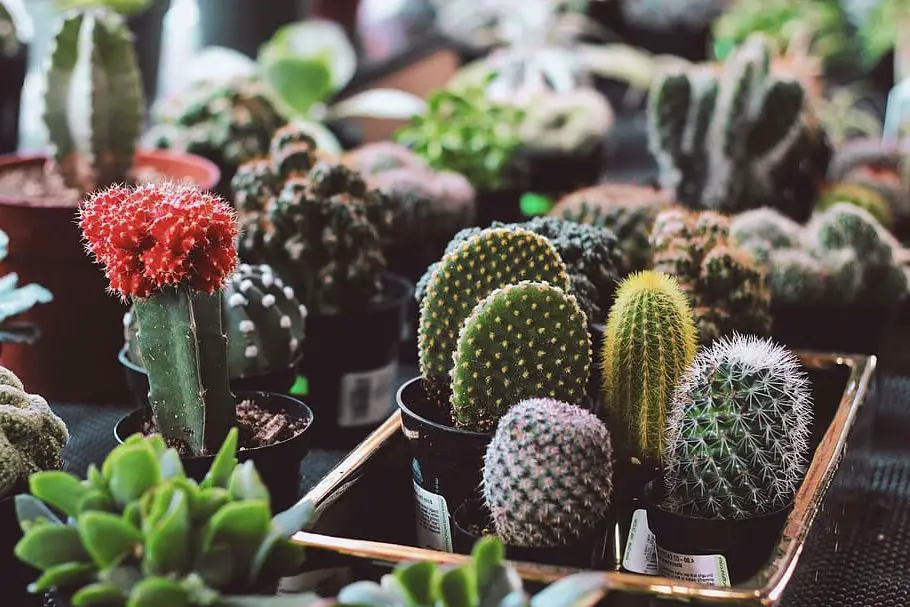
Benefits of Growing Succulents Indoors go far beyond their attractive appearance. These versatile plants are loved for their unique shapes, colorful foliage, and ability to thrive with minimal care, making them ideal for busy households and beginner gardeners alike.
Succulents fit comfortably into almost any living space, from apartment windowsills and office desks to shelves, plant stands, and sunny rooms. Their compact size and drought tolerance make them some of the most practical houseplants available.
This guide explores the many Benefits of Growing Succulents Indoors, including their decorative appeal, ease of care, space-saving advantages, and the ways they can help create a more enjoyable indoor environment.
What You’ll Learn
- Why succulents are some of the easiest houseplants to grow
- How succulents fit into small spaces and indoor décor
- The practical benefits of low-maintenance indoor plants
- Popular succulent varieties for beginners
- Simple care tips for long-term success
Quick Answer
Growing succulents indoors gives you an easy way to add color, texture, and living greenery without taking up much space. Many succulents need less frequent watering than typical houseplants, fit easily on windowsills and shelves, and can be propagated to create new plants. With enough light and a well-draining growing mix, they can be a practical choice for beginners, apartments, offices, and busy households.
17 Benefits of Indoor Succulents at a Glance
| Benefit | Why It Matters Indoors |
|---|---|
| 1. Decorative Variety | Choose from rosettes, upright forms, trailing plants, unusual textures, and colorful foliage. |
| 2. Easy-Care Routines | Many succulents have simple care routines once you provide enough light and proper drainage. |
| 3. Less Frequent Watering | Water-storing leaves and stems allow many types to go longer between waterings. |
| 4. Small-Space Friendly | Compact varieties fit easily on windowsills, shelves, desks, and small plant stands. |
| 5. Flexible Displays | Use them on windowsills, shelves, plant stands, tabletops, and in hanging planters. |
| 6. Slow, Manageable Growth | Many varieties remain manageable indoors without quickly overwhelming their location. |
| 7. Easy Propagation | Many succulents can produce new plants from leaves, cuttings, or offsets. |
| 8. Budget Friendly | Small starter plants can be inexpensive, and propagation can expand your collection. |
| 9. Learning Basic Plant Care | Succulents can help you learn how light, watering, drainage, and growing mix affect plants. |
| 10. Teaching Kids About Plants | Roots, offsets, propagation, and water-storing leaves provide hands-on learning opportunities. |
| 11. Bringing Nature Indoors | Even a small succulent can add living greenery to a desk, shelf, or apartment windowsill. |
| 12. Relaxing, Welcoming Décor | Greenery can help a room feel softer, more inviting, and connected to nature. |
| 13. Long-Lived Plants | With appropriate light, watering, and drainage, many succulents can remain attractive for years. |
| 14. Pet-Safe Choices | Some succulent species are considered non-toxic to cats and dogs, although others are toxic. |
| 15. Practical Uses | A few succulents, including Aloe and certain prickly pears, have traditional practical uses. |
| 16. Colors, Textures & Growth Forms | Different colors, leaf textures, sizes, and growth habits make it easier to find a plant that fits your style. |
| 17. Easy to Share | Offsets and propagated plants can become inexpensive gifts or plants to trade with other growers. |
Quick Tip: Succulents are low-maintenance, but they are not no-light plants. Most indoor succulents perform best with plenty of usable light, so a bright window or supplemental grow light can make a big difference.
Why Succulents Make Great Indoor Plants
Succulents have become popular indoor plants for good reason. Their unusual shapes, colorful foliage, compact growth, and water-storing leaves give you plenty of options for adding living greenery throughout your home.
They can also be relatively easy to maintain when you give them enough light, good drainage, and allow the growing mix to dry appropriately between waterings.
What Makes Succulents So Popular?
One of the biggest advantages of succulents is variety. You can find compact rosettes, upright plants, trailing varieties, and sculptural forms in shades of green, silver, red, purple, and blue-green.
Their water-storing leaves and stems also allow many varieties to tolerate longer periods between waterings than typical tropical houseplants. This can make them a practical choice if you want attractive plants without a demanding watering routine.
Succulents Aren’t All the Same
The term succulent covers a huge range of plants, so their needs aren’t identical. Some want several hours of strong light, while others are more forgiving of bright indirect light. Mature size, watering needs, growth rate, and pet safety can also vary considerably.
That variety is part of their appeal. Whether you’re looking for a tiny windowsill plant, a trailing succulent for a hanging planter, or a larger statement plant, there’s likely a succulent that fits the space.
1. Decorative Variety for Almost Any Room

One of the biggest benefits of growing succulents indoors is the incredible variety of plants you can choose from. Succulents range from tiny rosettes to upright architectural plants and long trailing varieties that spill over the sides of containers.
This makes it easy to use succulents as part of your home décor rather than simply finding a place to put another houseplant. A single echeveria can add interest to a sunny windowsill, while a trailing String of Pearls or Burro’s Tail can soften the edge of a shelf or hanging planter.
Succulents Work With Different Decorating Styles
Succulents can fit surprisingly well with modern, minimalist, rustic, boho, and traditional interiors. A sculptural plant in a simple pot can become a small focal point, while a collection of different varieties can create a more colorful and informal display.
2. Easy-Care Routines
Many succulents have relatively simple care requirements. You don’t usually need complicated watering schedules, constant pruning, or high indoor humidity to keep them looking good.
The basic routine is straightforward: provide enough light, use a fast-draining growing mix, water thoroughly when needed, and allow the mix to dry appropriately before watering again.
Low Maintenance Doesn’t Mean No Maintenance
Succulents still need the right growing conditions. One of the most common problems indoors is insufficient light, especially when sun-loving varieties are placed far from a window.
Once you find a location with enough light and learn how quickly the pot dries, however, caring for many common succulents can become a very simple routine.
3. Less Frequent Watering
Succulents are adapted to store water in their leaves, stems, roots, or a combination of these structures. This gives many varieties the ability to tolerate longer periods between waterings than typical tropical houseplants.
That can be a real advantage if you’re busy, travel occasionally, or simply don’t want a large collection of plants that needs frequent watering.
Let the Growing Mix Dry
Instead of watering succulents on a fixed calendar, check the growing mix first. Many common indoor succulents prefer the mix to dry substantially before they’re watered again.
When it is time to water, soak the growing mix thoroughly and allow excess water to drain from the container. Constantly wet roots are much more troublesome for most succulents than an occasional dry spell.
4. Excellent Plants for Small Spaces

You don’t need a large room to enjoy an indoor succulent collection. Many varieties stay compact enough for windowsills, desks, narrow shelves, kitchen counters, and small plant stands.
This makes succulents especially useful in apartments and other homes where floor space is limited. Instead of giving up valuable floor area to a large planter, you can add several small plants to spaces that might otherwise go unused.
Match the Plant to the Available Space
Small echeverias, haworthias, gasterias, and similar plants work well where surface space is limited. Trailing varieties can take advantage of vertical space when you have more room above a shelf than on it.
Just remember that small spaces still need adequate light. A sunny windowsill may be far better for a succulent than an empty but dark corner.
5. Easy to Display in Different Ways
Succulents give you plenty of decorating options because they come in so many sizes and growth habits. You can display a single plant in a decorative container or combine several plants with similar growing requirements into a larger arrangement.
- Windowsills: Ideal for compact varieties that appreciate plenty of light.
- Shelves: Small pots add greenery without using floor space.
- Hanging planters: Great for trailing varieties such as String of Pearls and Burro’s Tail.
- Plant stands: Use different heights to create a layered display.
- Tabletop arrangements: A few compatible succulents can make an attractive centerpiece.
Open containers are generally a better choice than enclosed terrariums for typical succulents because good airflow and fast drainage help keep roots and foliage from remaining excessively damp.
6. Slow Growth Makes Their Size Easier to Manage
Many popular indoor succulents grow relatively slowly. That’s useful when you have limited space because your small windowsill plant is less likely to become an oversized houseplant in a single growing season.
Slower growth can also mean less frequent pruning and repotting. A healthy succulent may remain comfortable in the same container for quite some time before it needs a larger pot.
Check the Mature Size Before You Buy
Not every succulent stays small. Aloe, jade plants, agaves, and some other types can eventually become substantial plants. Always check the mature size rather than assuming a plant will remain the size it was at the garden center.
7. Many Succulents Are Easy to Propagate
Propagation is one of the most enjoyable benefits of growing succulents. Depending on the species, you may be able to produce new plants from leaves, stem cuttings, or offsets that develop around the parent plant.
Watching a cutting form roots and begin producing new growth can also help you understand how the plant grows.
Different Succulents Need Different Propagation Methods
Some echeverias and related plants can be propagated from individual leaves. Jade plants are commonly propagated from leaves or stem cuttings, while Aloe and many haworthias may produce offsets that can eventually be separated.
Propagation isn’t identical for every succulent, so check the preferred method for the particular plant you’re growing.
8. An Affordable Way to Expand Your Plant Collection
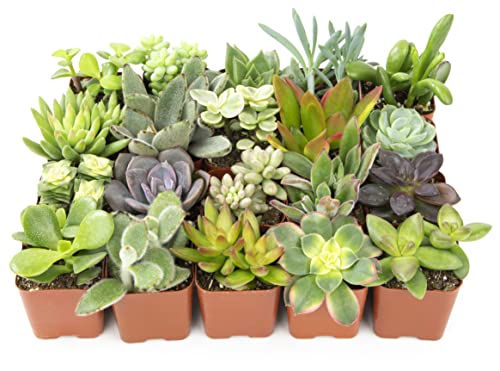
You don’t necessarily have to buy a new plant every time you want to expand your indoor garden. Once you have healthy mature succulents, propagation can provide additional plants at very little cost.
Small starter succulents are also widely available and often cost less than larger houseplants. You can begin with just a few plants and gradually build a collection as they grow and produce material for propagation.
Reuse Pots as Your Collection Grows
Small nursery pots and containers with drainage holes can often be cleaned and reused for newly propagated plants. This keeps the cost of expanding your collection even lower.
9. Easy Plants for Learning Basic Plant Care
Succulents can be useful plants for learning some of the fundamentals of indoor gardening. You’ll quickly see how light, water, drainage, container size, and growing mix work together to influence plant health.
They can also teach one of the most valuable lessons in houseplant care: check what the plant actually needs instead of automatically reaching for the watering can.
Learn to Read the Plant
Stretching or weak growth may indicate insufficient light. Soft or translucent leaves can accompany excess moisture, while wrinkling can sometimes indicate that stored water is being depleted.
Learning to recognize these signals gives you skills you can use with many other indoor plants.
10. Useful for Teaching Kids About Plants
Growing succulents can also be a hands-on way to introduce children to gardening. Kids can watch roots develop, see offsets form around a parent plant, and observe how thick leaves store water.
Simple jobs such as checking the growing mix, rotating a pot toward the light, or helping transplant an offset can introduce basic plant-care responsibilities.
Choose Kid-Friendly Plants Carefully
If young children will handle the plants, choose non-toxic varieties without sharp spines or irritating sap. Not every plant commonly sold as a succulent is appropriate for children or pets.
11. Succulents Bring Nature Into Indoor Spaces
Even if you don’t have a yard, balcony, or large indoor garden, a few succulents can bring living greenery into your everyday surroundings.
A small plant beside your computer, several rosettes on a sunny windowsill, or a trailing succulent near a bright window can help visually connect an indoor room with the natural world.
A Little Greenery Can Make a Difference to a Room
You don’t need to fill every available surface with plants. One well-placed succulent can add color and life to a desk, side table, shelf, or windowsill without making the room feel crowded.
12. They Can Create a Relaxing, Welcoming Atmosphere

Houseplants are often used to make indoor spaces feel softer, more comfortable, and more connected to nature. Succulents can provide that effect without requiring a large amount of room.
Their geometric rosettes, unusual foliage, and shades of green can add visual interest while helping a room feel more inviting. Caring for plants can also be an enjoyable routine for people who like tending to living things.
Enjoy Plants Without Overstating the Benefits
You don’t need to rely on claims that succulents dramatically clean indoor air or transform your health to appreciate them. Their beauty, the satisfaction of watching them grow, and the simple presence of living greenery are worthwhile benefits on their own.
13. Succulents Can Be Long-Lived Houseplants
With appropriate care, many succulents can remain part of your indoor plant collection for years. Some gradually develop thicker stems, larger rosettes, branching growth, or clusters of offsets as they mature.
That longevity can make a favorite succulent feel very different from temporary décor. You get to watch the plant change and develop over time.
Good Growing Conditions Matter
Longevity depends on the plant receiving enough light, appropriate watering, good drainage, and protection from damaging temperature extremes. Choosing the right location from the beginning gives your succulent a much better chance of becoming a long-term houseplant.
14. Some Succulents Are Pet-Safe
Having a cat or dog doesn’t mean you have to give up on succulents. Some varieties are considered non-toxic to cats and dogs, giving pet owners several attractive options.
Haworthia and many echeverias are among the succulents commonly chosen for pet-friendly homes. Burro’s Tail (Sedum morganianum) is another option that can work particularly well in a hanging planter.
Not Every Succulent Is Pet-Safe
Always check the individual species before bringing it into a home with pets. Aloe, jade plants, and snake plants, for example, should not be treated as pet-safe simply because they’re commonly grown indoors.
You can check individual plants using the ASPCA Toxic and Non-Toxic Plants database.
15. Some Succulents Have Practical Uses
Most indoor succulents are grown primarily as ornamental plants, but a few have practical uses that extend beyond decoration.
Aloe vera is probably the best-known example. The clear inner gel has a long history of topical use and is also widely used as an ingredient in commercial skin-care products.

Prickly pear (Opuntia) is another example. Certain species produce edible pads and fruit that are used as foods in several cuisines.
Know Exactly What You’re Growing
Don’t assume a plant is edible or suitable for medicinal use simply because it’s a succulent. Correct identification matters, and some succulent plants contain irritating or toxic compounds.
For an ordinary indoor collection, it’s safest to enjoy unidentified succulents as ornamental plants rather than experimenting with eating them.
16. A Wide Range of Colors, Textures, and Growth Forms
Succulents aren’t limited to plain green rosettes. Their foliage can be green, silver, blue-green, burgundy, purple, red-edged, striped, spotted, or variegated, depending on the species and cultivar.
Their textures are just as varied. You can find smooth waxy leaves, fuzzy foliage, pointed leaves, bead-like stems, thick paddles, and tightly packed rosettes.
Use Growth Form to Decorate Your Space
Upright succulents can add height to a display. Rosette-forming plants provide compact focal points, while trailing varieties draw the eye downward from shelves and hanging planters.
Mixing different forms can create an interesting collection even if you keep the pots and surrounding décor simple.
17. Succulents Are Easy to Share as Cuttings, Offsets, and Gifts
A healthy succulent collection can eventually give you plants to share with friends and family. Instead of buying a new plant as a gift, you may be able to root a cutting, separate an offset, or pot up a young propagated plant from your own collection.
Small succulents also make convenient gifts because they’re easy to transport and don’t require a large decorative container.
Plant Swaps Can Expand Your Collection Too
Trading propagated plants with other growers gives you a chance to try new varieties without continually purchasing plants. It’s also a fun way to compare growing experiences and learn how other people care for their succulents.
From a single leaf or small offset, you may eventually end up with a completely new plant to keep, trade, or give away.
Which Succulent Benefit Matters Most for Your Space?
The best reason to grow succulents indoors depends on your home, available light, and how you want to use your plants. A small apartment may benefit most from compact varieties, while a sunny windowsill gives you more freedom to choose colorful, light-loving succulents.
Use this quick guide to match your space and priorities with the succulent qualities that may be most useful to you.
| Your Space or Priority | Benefit That Matters Most | Succulents to Consider |
|---|---|---|
| Small apartment | Compact size and slow growth | Haworthia, Gasteria, small Echeveria |
| Sunny windowsill | Color, shape, and decorative variety | Echeveria, Crassula, Sedum |
| Busy household | Less frequent watering and simple care | Haworthia, Gasteria, Jade Plant |
| Desk or small shelf | Small footprint and manageable growth | Haworthia, Gasteria, compact Echeveria |
| Hanging display | Vertical decorating without using floor space | String of Pearls, Burro’s Tail |
| Beginner plant collection | Learning basic watering, light, and drainage | Haworthia, Gasteria, Jade Plant |
| Home with cats or dogs | Availability of pet-safe choices | Haworthia, Echeveria, Burro’s Tail |
| Growing collection on a budget | Easy propagation | Jade Plant, Echeveria, Sedum |
| Want a statement plant | Larger size and architectural form | Aloe, mature Jade Plant, larger Crassula |
Quick Tip: Choose your growing location before choosing the succulent. The prettiest plant at the garden center may not be the best choice if your available space doesn’t provide the light it needs.
Are Succulents Really Easy Indoor Plants?

Costa Farms Premium Live Indoor Snake Sansevieria Floor Plant Shipped in Décor Planter, 2-Feet Tall
Succulents are often described as some of the easiest indoor plants, and many of them can be very low maintenance. But their reputation for being nearly impossible to kill can be misleading.
The biggest advantage is that most succulents don’t need constant attention. Their water-storing leaves and stems allow them to go longer between waterings, and many grow slowly enough that frequent pruning and repotting aren’t necessary.
The challenge indoors is usually providing enough light while avoiding too much water. A succulent sitting in a dark room and watered every few days may actually be more difficult to keep healthy than a tropical houseplant suited to lower light.
What Makes Indoor Succulents Easy to Grow?
- They generally don’t need frequent watering.
- Many varieties remain compact for a long time.
- Most don’t require high indoor humidity.
- Pruning is usually minimal.
- Many can be propagated from cuttings, leaves, or offsets.
- They can grow well in ordinary household temperatures.
What Makes Indoor Succulents Difficult?
- Insufficient light: Many popular succulents need considerably more light than typical low-light houseplants.
- Overwatering: Keeping the growing mix constantly wet can damage roots and lead to decline.
- Poor drainage: Containers without drainage and dense growing mixes can hold too much moisture around the roots.
- Choosing the wrong location: An attractive shelf isn’t necessarily a good growing location if it’s several feet from usable natural light.
Bottom Line: Succulents can be excellent beginner houseplants when you have enough light and let the growing mix dry appropriately between waterings. If your home is naturally dark, choosing a lower-light houseplant or adding a grow light may give you better results.
Frequently Asked Questions About Growing Succulents Indoors
Can succulents grow indoors without direct sunlight?
Some succulents can grow indoors without hours of direct sun, but they still need enough usable light to maintain healthy, compact growth. Haworthia and Gasteria are generally more forgiving of bright indirect light than many sun-loving succulents.
If your available location is too dark, moving the plant closer to a bright window or adding a grow light is usually better than trying to make a sun-loving succulent adapt to inadequate light.
Where is the best place to put succulents indoors?
A bright windowsill or a location close to a sunny window is a good starting point for many indoor succulents. South- and west-facing windows often provide strong light, although the best location depends on the particular plant and your home’s conditions.
Succulents that have been growing in lower light should be introduced to stronger direct sun gradually to reduce the chance of leaf damage.
How often should indoor succulents be watered?
There isn’t one watering schedule that works for every succulent. Instead, check the growing mix and water according to how quickly it dries.
When watering is needed, thoroughly wet the growing mix and allow excess water to drain. Then wait until the mix has dried appropriately before watering again. Pot size, light, temperature, season, and the type of succulent can all affect how quickly the container dries.
Do indoor succulents purify the air?
Plants can exchange gases with their environment, and laboratory research has examined the ability of some plants to absorb certain airborne compounds. However, a few succulents in an ordinary room should not be expected to noticeably clean household air.
Grow succulents for their beauty, easy-care qualities, compact size, and the enjoyment of having living plants indoors rather than relying on them as a replacement for normal ventilation or air filtration.
What are the best indoor succulents for beginners?
Good choices can include Haworthia, Gasteria, jade plants, Aloe, and some echeverias. The best choice depends largely on how much light you can provide.
If your home doesn’t have a very sunny location, start with a variety that tolerates bright indirect light reasonably well rather than choosing a sun-loving succulent simply because you like its appearance.
Final Thoughts on the Benefits of Growing Succulents Indoors
The benefits of growing succulents indoors aren’t limited to easy care. These plants give you an enormous range of colors, shapes, textures, and growth habits while fitting into spaces where larger houseplants may not be practical.
They can sit on sunny windowsills, brighten shelves and desks, trail from hanging planters, and become part of larger plant displays. Many need less frequent watering than typical tropical houseplants, and some are easy to propagate, giving you an inexpensive way to expand your collection or grow plants to share.
The key is remembering that low maintenance doesn’t mean no maintenance. Most succulents still need plenty of usable light, good drainage, and a watering routine based on the plant and growing conditions rather than a fixed calendar.
Choose varieties that fit the light and space you actually have, and succulents can become attractive, manageable, and long-lasting additions to your indoor garden.
With so many colors, shapes, sizes, and growth habits to choose from, you can build an indoor succulent collection that fits both your growing conditions and your decorating style.
Key Takeaway: The best reason to grow succulents indoors is their combination of variety, manageable care, compact size, and versatility. Give them enough light and good drainage, and you can enjoy these distinctive plants for years.
🌵 Indoor Succulent Guides
Discover how to grow, care for, and enjoy stunning indoor succulents! These guides cover everything from light needs to individual plant care.
- 🌱 Indoor Succulent Plant Care (Pillar Guide)
- 💡 Light Requirements for Indoor Succulents
- 🌙 Best Indoor Succulents for Low Light
- 🌵 Succulents and Cacti for Indoors
- 🌿 How to Grow Jade Plants
- 🪴 How to Grow Gasteria
- 🔥 Crassula Capitella ‘Campfire’ Plant
- 🌸 Sedum Burrito Care
- 🍃 Crassula Capitella Varieties
- 🌼 Kalanchoe Care Indoors
- 🌴 Caring for Ponytail Palm
- 💎 String of Pearls Care
- See all articles in our Indoor Succulents category
References
- University of Minnesota Extension – Cacti and Succulents
- University of Illinois Extension – Exploring the World of Succulents
- University of Illinois Extension – Low-Maintenance Succulents
- ASPCA – Toxic and Non-Toxic Plants
Related Content

Visit my Amazon Influencer Page for videos and gardening products Grow Your Own Garden