
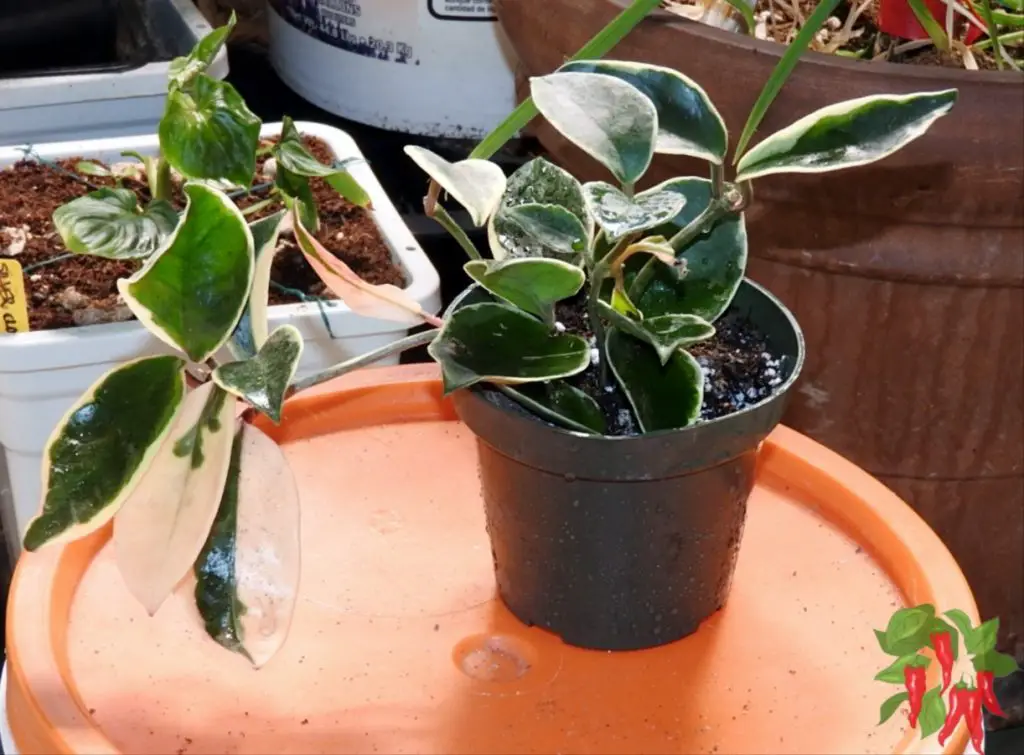
Air-Purifying Plants for Pet Owners make it possible to enjoy indoor greenery while creating a safer environment for cats, dogs, and other curious pets.
Pet-safe plants like spider plants, Boston ferns, parlor palms, hoyas, and prayer plants are popular because they work well indoors while adding greenery, texture, and a fresher atmosphere to apartments, living rooms, bedrooms, and offices.
This guide covers air-purifying plants for pet owners, including beginner-friendly plant choices, safer indoor placement ideas, lighting tips, and practical ways to decorate with plants in homes shared with pets.
What You’ll Learn
- The best air-purifying plants for pet owners and indoor spaces
- Easy-care pet-safe plants for apartments, bedrooms, and living rooms
- How to decorate with indoor plants safely around cats and dogs
- Which pet-friendly plants work best in low light and smaller homes
- Ways to use shelves, hanging baskets, and plant stands around pets
- Common mistakes to avoid when combining pets and indoor plants
Quick Answer: Best Air-Purifying Plants for Pet Owners
The best air-purifying plants for pet owners include Spider Plants, Areca Palms, Boston Ferns, Bamboo Palms, Prayer Plants, Money Trees, Gerbera Daisies, Dendrobium Orchids, Parlor Palms, and Hoyas. These plants are generally considered non-toxic to cats and dogs when correctly identified.
For beginners, Spider Plants, Parlor Palms, and Hoyas are good starting choices. Boston Ferns and Prayer Plants are attractive options for homes where you can provide more consistent moisture and humidity. Areca Palms, Bamboo Palms, and Money Trees work well when you want larger plants that add height and tropical greenery.
Gerbera Daisies and Dendrobium Orchids offer colorful flowers for brighter indoor locations.
Although houseplants interact naturally with their surrounding air, their greatest everyday benefits include attractive greenery, a more welcoming atmosphere, and the enjoyment of growing living plants indoors. Choose varieties that suit your lighting, available space, and pets’ habits.
At a Glance: 10 Air-Purifying Plants for Pet Owners
These 10 houseplants offer different sizes, growth habits, and decorating possibilities. Use this quick comparison to find pet-friendly plants that fit your home and growing conditions.
| Plant | Light Requirements | Best Indoor Placement | Pet Safety |
|---|---|---|---|
| Spider Plant | Bright indirect; tolerates lower light | Hanging baskets, shelves, apartments | Non-toxic |
| Areca Palm | Bright indirect | Living rooms, open corners | Non-toxic |
| Boston Fern | Bright indirect | Hanging baskets, humid rooms | Non-toxic |
| Bamboo Palm | Bright indirect to partial shade | Living room corners, beside furniture | Non-toxic |
| Prayer Plant | Low to medium indirect | Shelves, desks, smaller rooms | Non-toxic |
| Money Tree | Bright indirect | Home offices, living rooms, plant stands | Non-toxic |
| Gerbera Daisy | Bright light | Bright windows, sunny indoor displays | Non-toxic |
| Dendrobium Orchid | Bright indirect | Bright shelves, windowside displays | Generally non-toxic |
| Parlor Palm | Low to bright indirect | Apartments, bedrooms, living rooms | Non-toxic |
| Hoya Plant | Bright indirect | Hanging baskets, shelves, plant stands | Non-toxic |
Pet Safety Tip: Non-toxic doesn’t mean a plant should be eaten. Even pet-friendly foliage can cause digestive upset if your cat or dog chews large amounts. Always confirm the plant’s identity, especially when buying palms or orchids, and keep fertilizers and other plant-care products away from pets.
Indoor Plants, Air Quality, and Pet-Safe Homes
Indoor plants are often associated with fresher-feeling indoor spaces because they add greenery, natural texture, and a calmer atmosphere to the home.
Many people first became interested in air-purifying plants after the NASA Clean Air Study helped popularize the idea that certain plants may interact with airborne compounds in controlled indoor environments.
Modern homes are much different from sealed laboratory settings, so indoor plants should not be viewed as replacements for air filters, ventilation, or regular cleaning. Instead, most people use indoor plants to create healthier-feeling spaces that feel more comfortable, relaxing, and visually balanced.
For pet owners, choosing the right plants becomes even more important because many common houseplants are unsafe for cats and dogs. Pet-safe plants allow you to enjoy indoor greenery while reducing the risks associated with toxic foliage.
Why Pet-Safe Indoor Plants Still Matter
Pet-friendly plants can help soften indoor spaces, add humidity around grouped plants, and make apartments, bedrooms, offices, and living rooms feel more inviting.
Plants like spider plants, prayer plants, parlor palms, hoyas, and Boston ferns are especially popular because they combine manageable indoor care with safer plant choices for homes shared with pets.
Using shelves, hanging baskets, wall planters, and elevated plant stands also makes it easier to decorate with greenery while helping keep plants farther from curious pets.
Top Pet Safe Air-Purifying Plants
Choosing the right plants can feel overwhelming, but we’ve made it simple by selecting plants that excel at cleaning indoor air while being completely safe for your furry friends.
Each of these plants has been chosen for its proven air-purifying abilities and pet-safe status, so you can breathe easier knowing your home is both beautiful and safe.
• Spider Plant

Spider plants are one of the easiest pet-safe houseplants for beginners because they adapt well to normal indoor conditions and work in many decorating styles.
- Best placement: Hanging baskets, floating shelves, or elevated plant stands.
- Why it works indoors: The arching leaves add soft texture and movement without taking up much floor space.
- Lighting: Bright indirect light is ideal, though spider plants tolerate lower light fairly well.
- Good for: Apartments, pet owners, and beginner-friendly indoor setups.
• Areca Palm

Areca palms are popular for living rooms and open indoor spaces because they add height and a softer tropical look without feeling too heavy visually.
- Best placement: Empty corners, beside couches, or near bright windows with filtered light.
- Why it works indoors: Feathery foliage helps soften modern furniture lines and adds a relaxed atmosphere.
- Lighting: Bright indirect light.
- Good for: Larger rooms, pet-safe homes, and tropical-style decor.
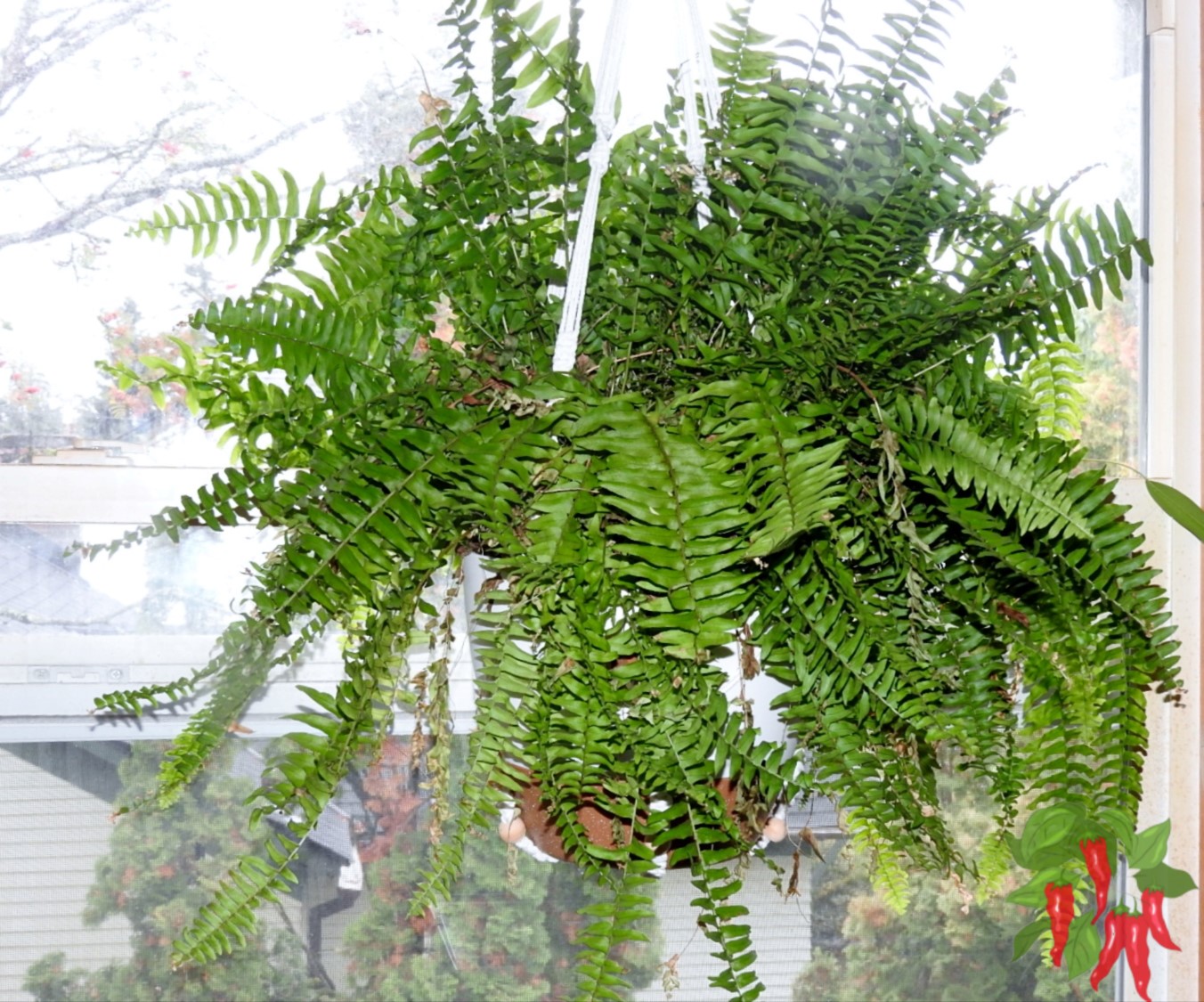
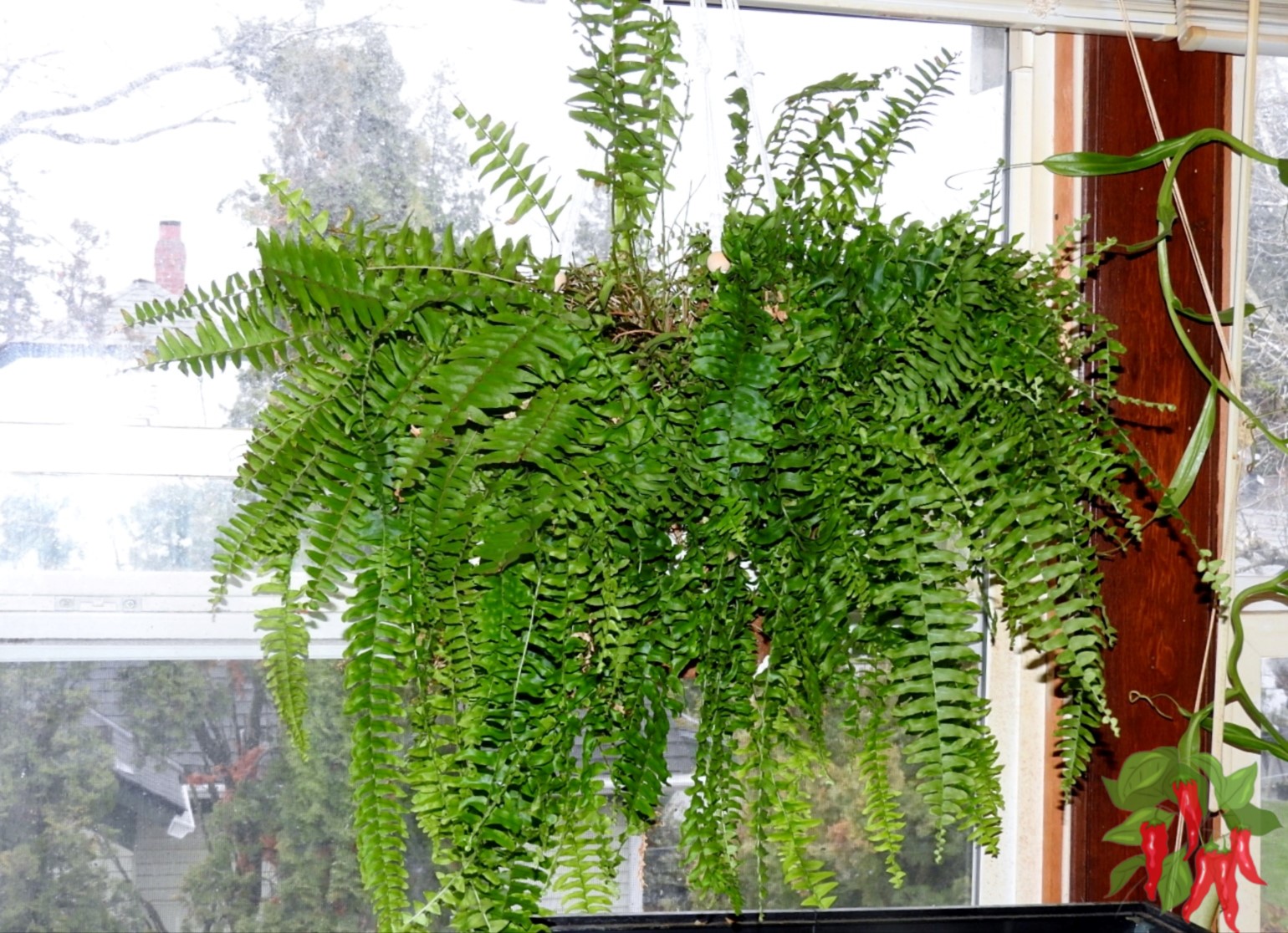
• Boston Fern

Boston ferns are great for adding fuller greenery and softer textures to indoor spaces while remaining safer for homes with pets.
- Best placement: Hanging baskets, bathrooms, plant stands, or humid rooms.
- Why it works indoors: Ferns help make rooms feel softer and more layered without needing bold statement foliage.
- Lighting: Bright indirect light with higher humidity.
- Good for: Bathrooms, apartments, and pet-friendly plant collections.
• Bamboo Palm

Bamboo palms are popular indoor plants for pet owners because they add height, softness, and a tropical look without feeling overly difficult to manage indoors.
- Best placement: Living room corners, beside furniture, or near bright windows with filtered light.
- Why it works indoors: Feathery foliage helps soften indoor spaces and fills empty corners naturally.
- Lighting: Bright indirect light to partial shade.
- Good for: Larger rooms, tropical decor, and pet-friendly homes.
• Prayer Plant

Prayer plants are compact indoor plants known for decorative patterned leaves and manageable growth indoors.
- Best placement: Shelves, desks, side tables, or smaller rooms.
- Why it works indoors: Colorful foliage adds visual interest without needing large floor space.
- Lighting: Low to medium indirect light.
- Good for: Small apartments, low-light rooms, and beginner plant owners.
• Money Tree

Money trees are beginner-friendly indoor plants that combine upright growth with a softer tree-like appearance suitable for many indoor spaces.
- Best placement: Plant stands, living rooms, home offices, or bright indoor corners.
- Why it works indoors: Braided trunks and glossy leaves create a clean decorative focal point without overwhelming the room.
- Lighting: Bright indirect light.
- Good for: Beginner plant owners, apartments, and indoor decorating.
• Gerbera Daisy
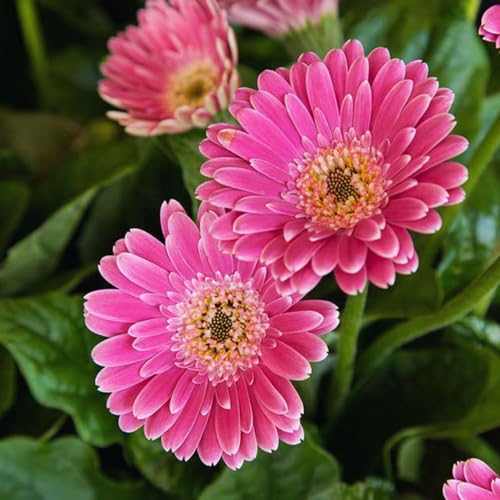
Benefits: Removes benzene and adds cheerful color
Care: Needs bright light and consistent moisture
Bonus: Brings rainbow colors to your air-purifying collection
• Dendrobium Orchid
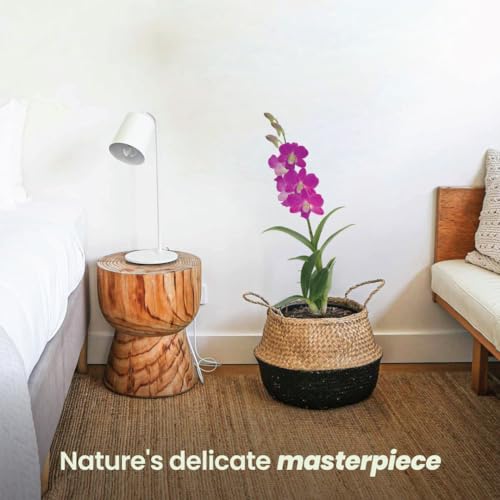
Benefits: Filters xylene and toluene effectively
Care: Weekly watering, bright indirect light
Note: Blooms multiple times a year with proper care
• Parlor Palm

Costa Farms Neanthebella Palm Parlor Palm Live Indoor Plant 12-Inches Tall, Ships in Grower’s Pot
Benefits: Removes formaldehyde and benzene
Care: Tolerates low light, and water when the top inch of soil dries
Fun fact: One of the most popular indoor palms since Victorian times
• Hoya Plant
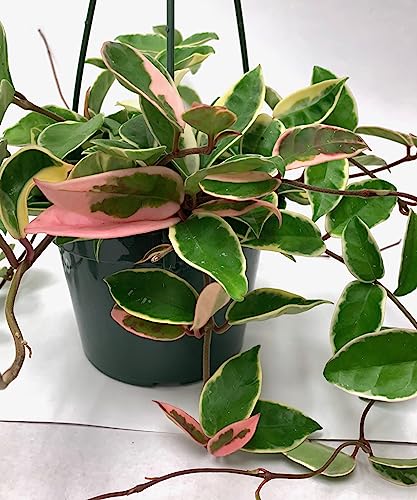
Tricolor Hoya Krimson Queen, Hoya Carnosa Variegata Tricolor Hoya Ships from CA (4″ Pot)
Benefits: Excellent at filtering formaldehyde and benzene
Care: Bright indirect light, let the soil dry between waterings
Bonus: Produces sweet-smelling flowers when mature
Creating a Pet-Safe Plant Environment
The key to success with indoor plants and pets is all about smart placement and observation. Creating a space that works for everyone means thinking about both your plants’ needs and your pets’ habits. Here’s how to make it work seamlessly in your home.
• Smart Placement
Place plants on elevated surfaces
Use hanging baskets for trailing plants
Create dedicated plant areas
• Monitoring Tips
Watch how your pets interact with new plants
Look for any signs of plant tampering
Keep an eye on pet behavior changes
Beyond Air Purification: More Benefits of Indoor Plants
Adding these pet-safe plants to your home does more than just clean your air. Research shows that bringing nature indoors can transform your living space in surprising ways. From boosting your mood to creating a more peaceful environment, these green additions offer multiple benefits for everyone in your household.
• Mood Enhancement
Plants can help reduce stress levels
Looking at greenery can improve focus
Natural elements promote relaxation
• Better Indoor Environment
Many of these plants add healthy humidity
They can reduce noise levels in your home
Some even help regulate room temperature
• Home Aesthetics
Create natural room dividers
Add texture and visual interest
Bring life to empty corners
Tips for Success with Plants and Pets
• Plant Placement Strategies
Keep toxic varieties completely out of your home
Use raised plant stands or wall-mounted planters
Create designated pet-free plant zones
• Pet Safety First
Start with just one or two plants
Watch for any unusual pet behavior
Keep plant cleanup tools handy
• Maintenance Made Easy
Group plants with similar care needs
Set up a regular watering schedule
Check plants weekly for any issues
Are These Air-Purifying Plants Safe for Cats and Dogs?
One of the biggest advantages of the houseplants featured in this guide is that they are generally considered safe choices for homes with cats and dogs. Spider Plants, Boston Ferns, Parlor Palms, Areca Palms, Bamboo Palms, Prayer Plants, Money Trees, Gerbera Daisies, and Hoyas are recognized as non-toxic to pets. Dendrobium Orchids are also generally considered non-toxic.
That makes these plants attractive options when you want to decorate your home with living greenery while reducing the risk of accidental plant poisoning.
Non-Toxic Doesn’t Mean Edible
Even a non-toxic houseplant can cause stomach upset if your pet eats enough leaves, stems, or flowers. Cats may be especially interested in the long, arching leaves of Spider Plants or the feathery foliage of indoor palms.
It’s best to discourage chewing and provide your pets with their own appropriate toys and activities rather than allowing them to nibble on houseplants.
Make Sure You’re Buying the Right Plant
Common plant names can sometimes be confusing. This is especially important when shopping for palms because not every plant sold with “palm” in its name is safe for pets.
For example, the Sago Palm is highly toxic to cats and dogs, even though it isn’t a true palm. By contrast, Parlor Palms, Areca Palms, and Bamboo Palms are considered non-toxic.
When possible, check the botanical name on the plant label and confirm its safety before bringing it home.
Simple Ways to Keep Pets Safe Around Houseplants
- Use hanging baskets and shelves: Spider Plants, Hoyas, and Boston Ferns look attractive in elevated displays and can be kept farther from curious pets.
- Choose stable containers: Larger palms and Money Trees should be planted in secure pots that pets cannot easily knock over.
- Keep fertilizers and plant-care products out of reach: A non-toxic plant can still present risks if your pet encounters fertilizers, pesticides, or other products used around it.
- Remove fallen leaves and flowers: Regular cleanup helps discourage chewing and keeps your indoor plant displays looking attractive.
- Watch your pets around new plants: Some animals ignore houseplants, while others enjoy digging in containers or playing with dangling leaves.
What If Your Pet Eats a Houseplant?
If your cat or dog chews a plant, remove any remaining plant material from reach and identify what was eaten. Watch for vomiting, diarrhea, drooling, or unusual behavior.
If symptoms develop, the plant’s identity is uncertain, or you suspect exposure to a toxic plant, contact your veterinarian or the ASPCA Animal Poison Control Center at (888) 426-4435. Do not induce vomiting unless a veterinarian instructs you to do so.
For additional information, visit the ASPCA Toxic and Non-Toxic Plants Database to check individual plants before adding them to your home.
<di
Air-Purifying Plants for Pet Owners FAQs
Choosing houseplants for a home with cats or dogs means finding plants that fit your growing conditions while keeping your pets safe. Here are answers to common questions about pet-friendly indoor greenery.
What are the best air-purifying plants for pet owners?
Some of the best choices include Spider Plants, Boston Ferns, Areca Palms, Bamboo Palms, Parlor Palms, Prayer Plants, Hoyas, and Money Trees. These plants are generally considered non-toxic to cats and dogs and offer a variety of growth habits for decorating indoor spaces. Gerbera Daisies and Dendrobium Orchids are additional options when you want colorful flowers.
Are air-purifying houseplants safe for cats and dogs?
Many popular houseplants are safe for pets, but others can be toxic if eaten. The 10 plants featured in this guide are generally considered non-toxic to cats and dogs when correctly identified. Always check the botanical name before buying a plant, especially when shopping for palms, since some plants with similar common names have very different toxicity ratings.
Do pet-safe houseplants really purify indoor air?
Houseplants naturally interact with their surroundings through photosynthesis, gas exchange, and other biological processes. Research has shown that certain plants can absorb airborne compounds under controlled conditions. However, the amount removed by ordinary potted plants in a home is generally small. Their most noticeable everyday benefits are greenery, natural beauty, and a more inviting indoor atmosphere.
Which pet-safe plants are best for low-light rooms?
Parlor Palms and Prayer Plants are good choices for rooms with lower levels of indirect light. Boston Ferns can also grow in moderate indirect light when their moisture and humidity needs are met. Remember that low-light tolerance doesn’t mean a plant can grow without light. A truly windowless room may require supplemental grow lighting.
What are the easiest pet-safe plants for beginners?
Spider Plants, Parlor Palms, and Hoyas are good starting choices for beginners. Spider Plants adapt to a range of indoor conditions, Parlor Palms tolerate lower light, and many Hoyas are relatively forgiving when allowed to dry somewhat between waterings. Choose a plant that matches your available light and watering habits.
Where should I place pet-friendly houseplants?
Hanging baskets, shelves, plant stands, and bright corners are all useful locations. Spider Plants and Hoyas work beautifully in hanging displays, while Areca Palms, Bamboo Palms, and Money Trees can fill larger spaces. Place each plant where it receives suitable light and where curious pets are less likely to knock over containers or chew leaves.
Can cats and dogs eat non-toxic houseplants?
Non-toxic doesn’t mean edible. Even pet-friendly plants can cause vomiting or digestive upset when animals eat enough foliage. It’s best to discourage chewing, remove fallen leaves, and provide appropriate toys or activities for curious pets.
What should I do if my pet chews a houseplant?
First, identify the plant and remove any remaining material from your pet’s reach. Watch for drooling, vomiting, diarrhea, or unusual behavior. If symptoms appear, you’re uncertain about the plant’s identity, or you suspect poisoning, contact your veterinarian or the ASPCA Animal Poison Control Center at (888) 426-4435.
v style=”background: #fff8e1; margin: 0 auto; padding: 20px; margin-top: 40px; margin-bottom: 40px; border-radius: 8px; max-width: 720px;”>
Final Thoughts on Air-Purifying Plants for Pet Owners
Air-Purifying Plants for Pet Owners offer a wonderful way to bring natural greenery into your home while making thoughtful choices for the cats and dogs that share your space.
From the arching leaves of Spider Plants to the tropical foliage of Areca Palms and the colorful flowers of Gerbera Daisies and Dendrobium Orchids, there are plenty of attractive options for creating a pet-friendly indoor plant collection.
You don’t need a large home or an elaborate plant display to enjoy them. A Hoya growing from a hanging basket, a Prayer Plant on a shelf, or a Parlor Palm in a quiet corner can add color, texture, and a little more life to an everyday room.
The best approach is to choose plants that suit your lighting, available space, and normal care routine. Healthy plants are more attractive, easier to maintain, and better able to carry out the natural processes that make houseplants so interesting.
A Few Pet-Friendly Plant Tips to Remember
- Choose correctly identified plants: Check botanical names and pet-toxicity information before bringing new houseplants home.
- Use hanging baskets and shelves: Elevated displays can help discourage chewing and digging while making good use of smaller indoor spaces.
- Match plants to your lighting: Parlor Palms and Prayer Plants tolerate lower indirect light, while Gerbera Daisies and many orchids need brighter conditions.
- Mix different plant shapes: Combine palms, ferns, trailing Hoyas, and compact tabletop plants to create an attractive, balanced display.
- Watch your pets: Some cats and dogs ignore houseplants, while others investigate every new leaf. Adjust placement according to your pets’ behavior.
- Keep plant-care products secure: Store fertilizers, pesticides, and other supplies where pets cannot reach them.
While the air-purifying abilities of houseplants have received plenty of attention, their value goes beyond the research. Living plants can make your rooms feel calmer, more welcoming, and connected to nature.
Start with a few plants you enjoy, give them the conditions they need, and gradually build a collection that works for both you and your pets. With thoughtful plant choices and placement, you can create a beautiful indoor space where greenery and pets belong together.
Happy growing, and don’t forget to stay green! 🌿
🍃 Air Purifying Houseplant Guides
Want to freshen your air naturally? These expert guides on air purifying houseplants will help you choose, grow, and care for plants that keep your home healthy and green!
- 🌿 Air Purifying Houseplants (Pillar Guide)
- 🌱 Best Air Purifying Plants for Beginners
- 🚿 Best Air Purifying Plants for Bathrooms
- 💨 How Air Purifying Plants Work
- 🌿 Indoor Vines with Air Purifying Benefits
- 🐾 Air Purifying Plants for Pet Owners
- 🛋️ Best Air Purifying Plants for Living Rooms
- 🌺 Rare Air Purifying Houseplants
- 🏡 Top Air Purifying Plants for Your Home
- See all articles in our Air Purifying Houseplants category
References and Further Reading
For more information about pet-safe houseplants, indoor air quality, and growing healthy plants indoors, these resources provide additional guidance:
- ASPCA – Toxic and Non-Toxic Plants. Searchable information about plants that are toxic or non-toxic to cats, dogs, and horses.
ASPCA Plant Safety Database - U.S. Environmental Protection Agency – Guide to Air Cleaners in the Home. Explains indoor air filtration, ventilation, and practical ways to improve household air quality.
EPA Guide to Air Cleaners - University of Minnesota Extension – Growing Indoor Plants with Success. Practical guidance on light, watering, humidity, and other conditions that help houseplants thrive.
University of Minnesota Houseplant Guide - University of Georgia Extension – Growing Indoor Plants with Success. Information on selecting and caring for indoor plants, including light requirements and growing conditions.
University of Georgia Indoor Plant Guide
Related Content


Visit my Amazon Influencer Page for videos and gardening products Grow Your Own Garden