
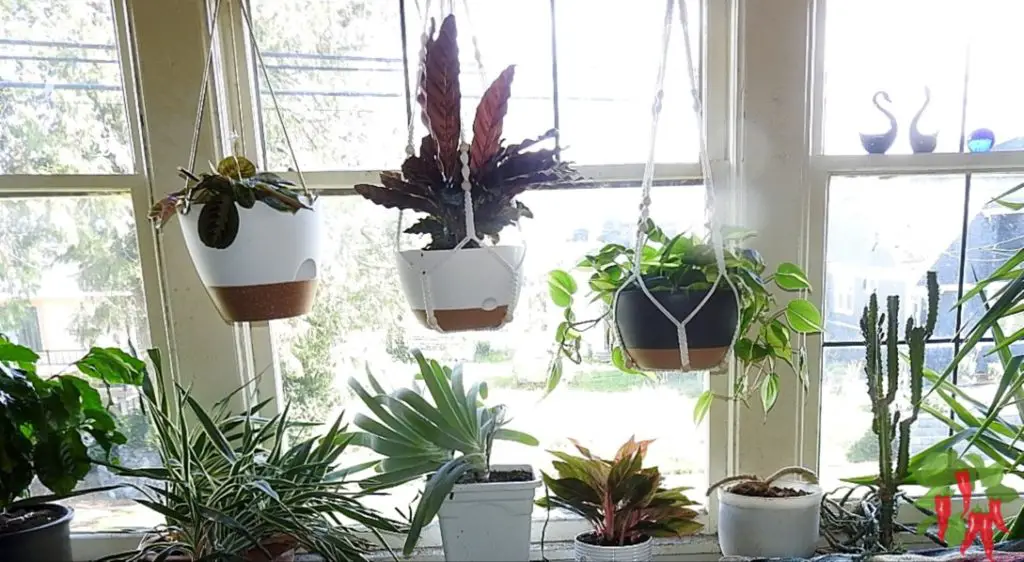
Beginner-friendly hanging indoor plants are a wonderful way to bring greenery into your home while making the most of your available space. Whether you’re decorating a small apartment, brightening a bedroom, or adding plants to a cozy corner, hanging baskets let you enjoy beautiful foliage without taking up valuable floor space.
Some of the best hanging plants for beginners include pothos, spider plants, heartleaf philodendrons, and tradescantia. These plants offer attractive trailing growth, interesting leaf shapes, and relatively simple care requirements that make them excellent choices for everyday homes.
You can hang plants near windows, arrange them at different heights, or let their vines cascade from shelves and decorative planters. Even one well-placed hanging plant can soften an empty corner and make a room feel more welcoming.
In this guide, you’ll discover seven beginner-friendly hanging indoor plants, along with practical advice on lighting, watering, choosing containers, and creating attractive displays. The goal is to help you choose plants that fit both your growing conditions and your decorating style.
What You’ll Learn
- Seven beginner-friendly hanging indoor plants that add beauty to small spaces.
- Which hanging plants are easiest to grow in normal household conditions.
- How to match your plants to the natural light available in your home.
- Simple watering and care tips to keep hanging plants healthy.
- How to use hanging baskets, shelves, and decorative containers to save space.
- Practical ways to prevent dripping water and protect your furniture and floors.
Quick Answer: What Are the Best Hanging Indoor Plants for Beginners?
The best beginner-friendly hanging indoor plants include pothos, spider plants, heartleaf philodendrons, tradescantia, arrowhead vines, air plants, and string of pearls. These plants offer attractive foliage and different growth habits that work well in hanging baskets, decorative holders, and small indoor spaces.
For the easiest start, choose pothos, spider plants, or heartleaf philodendrons. They adapt well to typical household conditions and tolerate some variation in watering and lighting. Tradescantia adds colorful trailing foliage, while arrowhead vines provide attractive leaves that change shape as the plant matures.
Air plants are useful for creative hanging displays because they don’t need potting soil. String of pearls is another beautiful option, especially in a bright location, although it requires more careful watering than most of the other plants on this list.
For the best results, match each plant to your available light, check its watering needs, and choose a hanging location where you can easily reach it for routine care.
Beginner-Friendly Hanging Indoor Plants: At a Glance
Each of these hanging plants offers something different. Use this quick comparison to find one that suits your lighting, available space, and decorating style.
| Plant | Preferred Light | Watering | Best Display |
|---|---|---|---|
| Spider Plant | Bright, indirect; tolerates lower light | When soil begins drying | Hanging baskets with cascading baby plants |
| Pothos | Low to bright, indirect | When upper soil dries | Shelves, hanging baskets, corners |
| Heartleaf Philodendron | Medium to bright, indirect | When soil feels dry near surface | Trailing baskets and elevated shelves |
| String of Pearls | Bright light | Allow mix to dry well | Sunny shelves and hanging planters |
| Air Plants | Bright, indirect | Mist or soak; dry afterward | Hanging holders and decorative displays |
| Arrowhead Vine | Medium to bright, indirect | Water when upper soil dries | Hanging baskets with trailing stems |
| Tradescantia | Bright, indirect | When topsoil dries | Colorful hanging baskets near windows |
Grower’s Tip: For a beginner’s first hanging basket, pothos, spider plants, and heartleaf philodendrons are excellent starting points. Choose a location with enough light for healthy growth and where watering won’t become a chore. A beautiful hanging display is much easier to maintain when you can reach the plants comfortably.
Benefits of Indoor Hanging Plants
Indoor hanging plants are one of the easiest ways to add greenery to your home without sacrificing valuable floor or shelf space. They work especially well in apartments, offices, bathrooms, and smaller indoor spaces where traditional potted plants can feel crowded.
Space-Saving Benefits
- Great for small spaces: Hanging plants add greenery without using valuable floor space.
- Apartment-friendly: Perfect for smaller rooms, offices, shelves, corners, and compact indoor living areas.
- Uses vertical space: Hanging baskets help turn unused walls, ceilings, and corners into plant displays.
Aesthetic Benefits
- Adds texture and movement: Trailing vines and cascading foliage soften indoor spaces naturally.
- Works with many decor styles: Hanging plants fit modern, minimalist, bohemian, tropical, and natural indoor designs.
- Brings life to empty spaces: Hanging plants help fill bare walls, windows, shelves, and unused corners with natural greenery.
Top Beginner-Friendly Hanging Indoor Plants
Ready to start your hanging garden? These top picks are perfect for plant newbies:
Spider Plant (Chlorophytum comosum)

This plant is like the gift that keeps on giving – it produces baby plants!
• Care tips: Thrives in bright, indirect light but tolerates low light. Water when the soil dries out.
• Why it’s great: Hardy and produces “baby” plants, making it easy to propagate. Perfect for beginners looking for low-maintenance greenery.
Pothos (Epipremnum aureum)

Pothos is like that easy-going friend who’s always up for anything – it’ll grow just about anywhere!
• Care tips: Tolerates low light and irregular watering. Grows quickly in hanging baskets.
• Why it’s great: Pothos is nearly impossible to kill, making it one of the best choices for new plant owners.
Heartleaf Philodendron (Philodendron hederaceum)

This plant will steal your heart with its beautiful trailing vines!
• Care tips: Prefers indirect light and needs watering only when the soil feels dry.
• Why it’s great: Known for its beautiful trailing vines and ability to bounce back if neglected.
String of Pearls (Senecio rowleyanus)

Like a necklace for your home, this plant adds a unique touch to any space!
• Care tips: Requires bright, indirect light and sparse watering, as it’s prone to root rot if overwatered.
• Why it’s great: Its unique “pearl-like” foliage makes it a standout decorative plant.
Air Plants (Tillandsia)

These plants are like the magicians of the plant world – they grow without soil!
• Care tips: No soil required; mist weekly or soak in water for 15-20 minutes once a week.
• Why it’s great: Their versatility allows them to be hung in decorative holders, creating a modern aesthetic.
Arrowhead Vine (Syngonium podophyllum)

This plant is like a chameleon, changing leaf shape as it grows!
• Care tips: Prefers medium to bright, indirect light and regular watering.
• Why it’s great: A fast grower with lush, colorful foliage that thrives in high humidity.
Tradescantia (Tradescantia zebrina)

Add a pop of color to your space with this vibrant trailing plant!
• Care tips: Grows best in bright, indirect light and needs watering when the top of the soil is dry.
• Why it’s great: Its vibrant purple and green foliage cascades beautifully from hanging baskets.
🐾 Are Hanging Indoor Plants Safe for Cats and Dogs?
If you share your home with cats or dogs, pet safety is an important part of choosing hanging plants. Hanging baskets can help keep plants away from curious pets, but trailing vines may still hang within reach.
Hanging Plants That Are Generally Pet-Safe
- Spider Plant: Considered non-toxic to cats and dogs. Its long, arching leaves and baby plants make it an attractive choice for pet-friendly hanging baskets.
- Air Plants (Tillandsia): Generally considered non-toxic to cats and dogs. Their compact size makes them useful for hanging displays and decorative holders.
Even non-toxic plants are best kept out of reach. Chewing on leaves or swallowing plant material can still cause an upset stomach.
Hanging Plants to Keep Away From Pets
- Pothos: Contains insoluble calcium oxalate crystals that can irritate the mouth and digestive tract if chewed.
- Heartleaf Philodendron: Contains calcium oxalate crystals that can cause mouth irritation, drooling, and difficulty swallowing.
- Arrowhead Vine: Contains calcium oxalate crystals and can cause similar irritation if eaten.
- String of Pearls: Should be kept away from pets because ingestion may cause digestive upset and other adverse reactions.
- Tradescantia zebrina: Can cause skin irritation in some pets and may cause digestive upset if eaten.
Tips for Pet-Friendly Hanging Displays
Choose secure hanging locations, trim long vines that grow within reach, and avoid placing baskets above furniture that pets can climb. Remember that cats are especially good at reaching places you might think are inaccessible.
For additional information, consult the ASPCA Toxic and Non-Toxic Plants Database. If you suspect your pet has eaten a harmful plant, contact your veterinarian or an animal poison control service.
Tips for Displaying Hanging Basket Plants
Make your hanging garden a showstopper with these display tips:
Use Vertical Space:
• Hang plants in unused corners or above furniture to maximize room.
• Create a living wall effect by hanging multiple plants at different heights.
Choose Decorative Containers:
• Experiment with hanging planters made from different materials like macrame, ceramics, or wire for added style.
• Mix and match container styles for an eclectic, bohemian look.
Common Care Mistakes to Avoid
Even with easy-care plants, there are a few pitfalls to watch out for:
Overwatering:
• Many hanging plants, especially succulents and air plants, need minimal water.
• Always check the soil before watering – when in doubt, wait a day or two.
Insufficient Light:
• Ensure your plants receive the right amount of indirect sunlight to thrive.
• Rotate your plants occasionally to ensure even growth.
Self-Watering Hanging Planters and Drip Prevention
Tired of water dripping on your floor or furniture? Let’s explore smart solutions that keep your plants happy and your floors dry.
Self-watering planters and creative watering techniques can make maintaining your hanging garden much easier and cleaner.
Self-Watering Hanging Planters
These clever planters use a reservoir system that provides consistent moisture while preventing drips:
• Double-walled design creates a water reservoir beneath the soil
• Wicking system draws water up as needed
• Plants access water through their roots
• Excess water stays contained in the reservoir
• Requires refilling only every 2-4 weeks depending on plant needs
Why Self-Watering Planters Don’t Drip:
• Built-in overflow protection prevents overwatering
• Water stays in the reservoir rather than draining through
• Sealed bottom design contains all moisture
• Plants only take what they need through capillary action
Alternative Methods to Prevent Dripping
Watering Techniques:
• Ice cube method: Place 2-3 ice cubes on the soil surface weekly
• Bottom watering: Dip the entire planter in water for 15 minutes
• Spray bottle watering: Mist soil surface until moist
• Drip irrigation systems with controlled flow
Smart Planter Modifications:
• Insert a plastic liner between the basket and the decorative pot
• Add a layer of water-absorbing polymer crystals to soil
• Place cork or foam at drainage holes to slow water flow
• Use a moisture-control potting mix like coco coir that retains water better
Catch Systems:
• Attach clear plastic saucers beneath planters
• Hang decorative catch plates that complement your decor
• Create custom drip catchers from recycled containers
• Install a drainage management system for multiple plants
Strategic Placement:
• Hang plants over non-sensitive areas when possible
• Group plants together with a shared catch system
• Position plants near windows or in bathrooms where moisture is less problematic
• Use plant stands under hanging baskets as backup protection
With these solutions, you can enjoy your hanging garden without worrying about water damage to floors or furniture below. The key is choosing the right system for your specific needs and plant types.
Frequently Asked Questions About Hanging Indoor Plants
What are the easiest hanging plants for beginners?
Pothos, spider plants, and heartleaf philodendrons are among the easiest hanging indoor plants for beginners. They adapt well to normal household conditions and look attractive in hanging baskets. Tradescantia is another good choice if you want colorful foliage and have a bright location.
How often should I water beginner-friendly hanging plants?
Check the growing mix rather than watering on a fixed schedule. Pothos, spider plants, and philodendrons generally appreciate watering when the upper portion of the mix begins to dry. Succulents like string of pearls need to dry out more thoroughly between waterings. Remember that small hanging baskets can dry faster than larger pots.
Which hanging indoor plants grow best in low light?
Pothos and heartleaf philodendrons are two of the better choices for lower-light rooms. Spider plants can also tolerate somewhat reduced light. However, these plants still need natural or artificial light to grow well. For dark corners or windowless spaces, consider adding a small grow light.
How do I keep hanging plants from dripping after watering?
One of the easiest methods is to take your hanging basket down, water it thoroughly in a sink or bathtub, and let the excess water drain before rehanging it. You can also use hanging planters with attached drip trays, decorative outer pots, or suitable self-watering systems to protect furniture and floors.
Where is the best place to hang indoor plants?
A location near a window with bright, indirect light is ideal for many hanging houseplants. You can also use hanging baskets beside bookshelves, above plant stands, or in unused corners that receive enough light. Keep plants away from heating vents, cold drafts, and areas where people might bump into them.
What are the best hanging plants for small apartments?
Pothos, heartleaf philodendrons, spider plants, and air plants are excellent choices for small apartments. Their growth habits allow you to decorate vertically rather than using valuable floor space. A single trailing plant near a window or a few small hanging planters at different heights can make a room feel greener without looking crowded.
Can I use self-watering hanging planters for indoor plants?
Yes. Self-watering hanging planters can make caring for plants easier, especially when baskets are difficult to reach. They work well for many moisture-loving houseplants when the growing mix and reservoir are managed properly. Check the moisture level occasionally, and remember that plants such as string of pearls generally prefer a different watering approach.
Do beginner-friendly hanging plants need fertilizer?
Most hanging houseplants benefit from occasional feeding while actively growing. A balanced houseplant fertilizer at a reduced strength is usually sufficient. Plants growing slowly in lower light need less fertilizer than those producing vigorous new growth. Follow the product instructions and adjust feeding to the plant’s growth rather than relying only on the season.
Are hanging indoor plants safe for cats and dogs?
Some are, but others can be harmful if chewed or eaten. Spider plants and Tillandsia air plants are generally considered non-toxic to cats and dogs. Pothos, philodendrons, arrowhead vines, and string of pearls should be kept out of reach. Tradescantia may also cause irritation. Always consider how far vines will trail and whether pets can reach the baskets from nearby furniture.
Final Thoughts: Decorating With Hanging Indoor Plants
Beginner-friendly hanging indoor plants are a wonderful way to bring greenery into your home without taking up valuable floor space. Whether you live in a small apartment or simply want to make better use of your rooms, hanging baskets let you turn unused vertical space into attractive living displays.
Pothos, spider plants, and heartleaf philodendrons are excellent starting points. Their attractive foliage and trailing growth can soften bare walls, brighten corners, and add natural texture around windows and shelves. Tradescantia brings colorful foliage into the mix, while air plants offer creative possibilities for smaller decorative displays.
One of the easiest decorating tricks is to hang plants at different heights. You can combine a trailing pothos with a fuller spider plant or use a few small baskets to create a layered display. Even a single well-placed hanging plant can make an ordinary corner feel more welcoming.
The important thing is to choose locations where your plants receive enough light and where you can reach them for watering and routine care. A beautiful hanging display should also be practical to maintain.
Beginner Hanging Plant Tips
- Start with easy plants: Pothos, spider plants, and heartleaf philodendrons are forgiving choices for beginners.
- Match plants to your lighting: Choose hanging locations that provide the light each plant needs for healthy growth.
- Use vertical space: Make the most of windows, corners, and unused wall space without crowding floors or furniture.
- Check before watering: Feel the growing mix and water according to the plant’s needs rather than following a fixed schedule.
- Protect your furnishings: Use drip trays, decorative outer containers, or self-watering planters where appropriate.
- Experiment with arrangements: Combine different leaf shapes, colors, and trailing lengths to create a display that fits your decorating style.
You don’t need dozens of plants to make an impact. Start with one or two hanging baskets, find the locations where they grow best, and gradually build a collection that suits your home.
With a little creativity and simple care, hanging indoor plants can make even the smallest spaces feel greener, softer, and more inviting.
Happy growing, and don’t forget to stay green!
🌱 Best Indoor Plants for Beginners
Just getting started with houseplants? These beginner-friendly guides will help you pick, grow, and care for indoor plants with confidence!
- 🌿 Best Indoor Plants for Beginners (Pillar Guide)
- 🐛 Common Indoor Plant Pests and How to Avoid Them
- 💨 Top Indoor Plants for Air Purification
- 🌱 How to Propagate Indoor Plants for Beginners
- 💧 Watering Tips for New Indoor Plant Owners
- 🌼 Easiest Indoor Plants to Grow
- 🪴 How to Choose the Right Indoor Pot for Beginners
- ⏳ Best Indoor Plants for Busy People
- 🌿 Beginner Guide to Indoor Plant Fertilizers
- 🏡 Indoor Plants for Small Spaces
- 😊 Best Indoor Plants for Improving Mood
- 💵 Budget-Friendly Indoor Plants for Beginners
- 🔄 How to Repot Indoor Plants for Beginners
- ❄️ Best Winter Indoor Plants for Beginners
- 🪴 Beginner-Friendly Hanging Indoor Plants
- 🐾 Pet-Friendly Indoor Plants for Beginners
- 🌵 Beginner-Friendly Succulents
- 💧 Best Indoor Plants for Low Humidity
- ⚠️ Common Mistakes Beginners Make with Indoor Plants
- 🌨️ Best Indoor Plants for Winter Months
- 🌸 Beginner-Friendly Indoor Flowering Plants
- ⚡ Indoor Plants with Fast Growth
- 🖤 Best Indoor Plants for Minimalist Decor
- 🌿 Best Indoor Plants to Start a Collection
- See all articles in our Best Indoor Plants for Beginners category
References and Further Reading
For additional information about growing and caring for hanging indoor plants, these university Extension and animal safety resources provide helpful guidance.
- University of Minnesota Extension: Growing Indoor Plants — Practical information about indoor lighting, watering, humidity, and general houseplant care.
- Iowa State University Extension and Outreach: How to Care for Houseplants — Guidance on maintaining healthy indoor plants, including watering and growing conditions.
- Clemson Cooperative Extension: Indoor Plants: Cleaning, Fertilizing, Containers & Light Requirements — Advice on containers, fertilizing, and choosing appropriate light conditions for indoor plants.
- ASPCA Animal Poison Control: Toxic and Non-Toxic Plants — A searchable reference for checking whether houseplants may be harmful to cats, dogs, and other pets.
Related Content

Visit my Amazon Influencer Page for videos and gardening products Grow Your Own Garden