
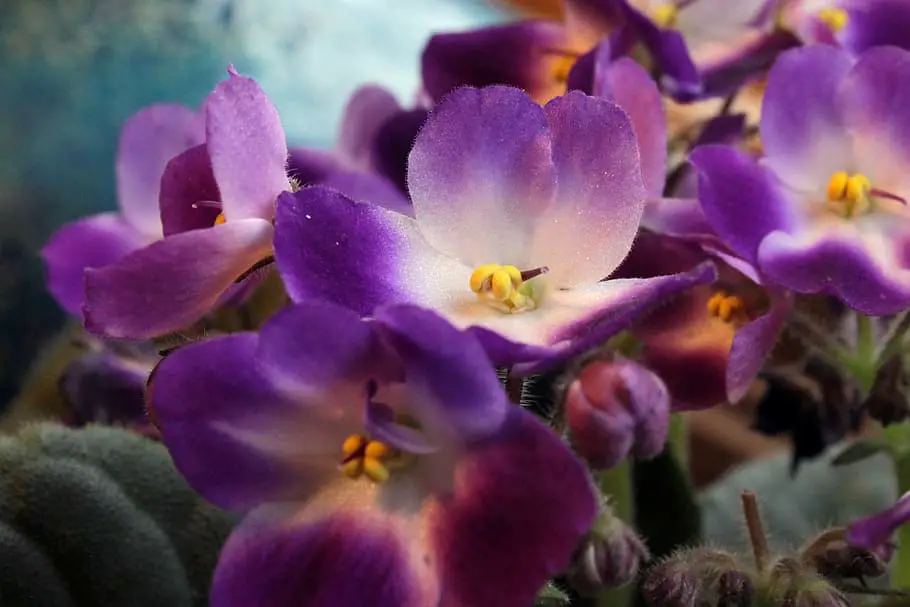
Beginner-Friendly Indoor Flowering Plants make it possible to add color and blooms to indoor spaces without needing advanced gardening experience or complicated plant care routines.
Easy indoor flowering plants like African violets, peace lilies, orchids, begonias, and cyclamen can grow well in apartments, bedrooms, offices, and small indoor spaces while producing long-lasting flowers throughout the year.
This guide covers beginner-friendly indoor flowering plants, including simple care tips, lighting needs, watering basics, and ways to encourage healthy indoor blooms without overwhelming maintenance.
What You’ll Learn
- The best beginner-friendly indoor flowering plants for apartments and homes
- Indoor flowering plants that bloom well with simple care routines
- How to choose flowering plants based on lighting and indoor conditions
- Simple watering and humidity tips for healthier indoor blooms
- Ways to encourage more flowers and longer bloom periods indoors
- Common mistakes that can prevent indoor flowering plants from blooming
Quick Answer: What Are the Best Beginner-Friendly Indoor Flowering Plants?
The best beginner-friendly indoor flowering plants include African violets, peace lilies, Phalaenopsis orchids, flowering begonias, angel wing begonias, and cyclamen. These plants bring beautiful blooms and attractive foliage into your home without requiring advanced gardening experience.
African violets are especially good for small spaces and can bloom repeatedly with proper care. Peace lilies offer elegant white flowers and glossy foliage, while Phalaenopsis orchids produce long-lasting blooms that can remain attractive for weeks or even months.
Flowering begonias add colorful blooms to shelves and tabletops, while angel wing begonias combine decorative leaves with clusters of flowers. Cyclamen are excellent choices for cooler indoor rooms, especially during the fall and winter months.
For the best results, choose flowering plants that match your home’s lighting and temperature. Most prefer bright, indirect light, careful watering, and a little patience between flowering cycles.
At a Glance: Best Indoor Flowering Plants for Beginners
Use this quick comparison to find flowering houseplants that fit your indoor growing conditions, available space, and care routine.
| Flowering Plant | Light Needs | Blooming Characteristics | Best Indoor Location |
|---|---|---|---|
| African Violet | Bright indirect light | Can bloom repeatedly throughout the year | Windowsills, shelves, small tables |
| Peace Lily | Medium to bright indirect light | White spathes surrounding small flowers; blooms best with adequate light | Plant stands, side tables, bright corners |
| Phalaenopsis Orchid | Bright indirect light | Long-lasting flowers that may remain attractive for several months | Bright windows, desks, decorative tables |
| Flowering Begonias | Bright indirect light | Colorful flowers; bloom periods depend on variety | Tables, windowsills, hanging baskets |
| Angel Wing Begonia | Bright indirect light | Clusters of flowers with decorative, often spotted leaves | Plant stands, bright corners, side tables |
| Cyclamen | Bright indirect light | Colorful blooms during cooler months; seasonal resting period | Cool windowsills, bright rooms away from heaters |
Beginner growing tip: Flowering houseplants often need more light to produce blooms than they need simply to stay alive. If your plant has healthy green leaves but few flowers, check its lighting before increasing fertilizer or changing your watering routine.
Pet safety note: Peace lilies, begonias, and cyclamen are toxic to cats and dogs. African violets and Phalaenopsis orchids are generally considered non-toxic. Always check a plant’s identity before bringing it into a home with pets.
Beginner-Friendly Indoor Flowering Plants
Are you looking to add a splash of color to your indoor space but worried about your lack of gardening experience?
Good news! There’s a world of beautiful, beginner-friendly indoor flowering plants waiting to brighten up your home.
Let’s explore some easy-to-grow options that will have you feeling like a green thumb in no time.
Top Beginner-Friendly Indoor Flowering Plants
African Violets
African Violets are a perfect starting point for novice indoor gardeners. These compact beauties are known for their vibrant blooms and velvety leaves. Here’s why they’re great for beginners:

• Thrive in bright, indirect light
• Prefer small pots, making them ideal for limited spaces
• Bloom frequently with proper care
• Tolerate average indoor humidity levels
Peace Lilies
Peace Lilies are not only beautiful but also excellent air purifiers. Their elegant white blooms add a touch of sophistication to any room. Beginners will appreciate:

• Ability to thrive in low to medium light conditions
• Tolerance for occasional overwatering
• Clear signals when they need water (drooping leaves)
• Low maintenance requirements
Phalaenopsis Orchids
Don’t let their exotic appearance fool you – Phalaenopsis Orchids are surprisingly easy to care for. These stunning plants can bloom for months, offering long-lasting beauty. Beginners will love:
• Preference for indirect light, perfect for most indoor spaces
• Infrequent watering needs (once a week is often enough)
• Long-lasting blooms that can last up to three months
• Availability in a wide range of colors

Begonias
Begonias are versatile plants that offer both beautiful foliage and colorful blooms. They’re ideal for adding a pop of color to your indoor garden.

Beginners will appreciate:
• Adaptability to various light conditions
• Attractive foliage even when not in bloom
• Suitability for hanging baskets or tabletop displays
• Variety of species to choose from, each with unique characteristics
Angel Wing Begonias

Cyclamen
Cyclamen plants are known for their heart-shaped leaves and upswept blooms. They’re perfect for adding a burst of color during the colder months. Beginners should note:

• Preference for cooler temperatures and bright, indirect light
• Unique watering needs (water from the base to avoid crown rot)
• Dormancy period during summer months
• Vibrant blooms in shades of pink, red, and white
Key Care Considerations for Flowering Plants
Light and Watering
Understanding the light and water needs of your plants is crucial for their health and blooming:
• Most flowering plants prefer bright, indirect light
• Avoid placing plants in direct sunlight, which can scorch leaves
• Water needs vary by plant – always check the soil before watering
• Many plants prefer to dry out slightly between waterings
Humidity Needs
While often overlooked, humidity plays a vital role in plant health, especially for flowering plants:
• Use humidity trays filled with pebbles and water to increase moisture around plants
• Group plants together to create a microclimate with higher humidity
• Consider using a small humidifier near your plants during dry winter months
• Mist plants regularly, especially those that prefer higher humidity like orchids
Pest Management for Flowering Plants
Even indoor plants can fall victim to pests. Here’s how to keep your flowering beauties healthy:
• Regularly inspect your plants for signs of pests like aphids, spider mites, or mealybugs
• Use neem oil or insecticidal soap for natural pest control
• Isolate affected plants immediately to prevent spread to other plants
• Maintain good air circulation to discourage pest infestations
Encouraging More Blooms
To keep your plants flowering beautifully:
• Use a balanced, water-soluble fertilizer during the growing season
• Provide the right amount of light – too little can prevent blooming
• Deadhead spent blooms to encourage new flower production
• Respect each plant’s dormancy period, adjusting care as needed
Are Indoor Flowering Plants Safe for Cats and Dogs?
If you have cats or dogs, choosing indoor flowering plants takes a little extra care. Some popular flowering houseplants are considered non-toxic to pets, while others can cause irritation, vomiting, or more serious problems if chewed or swallowed.
Fortunately, you can still enjoy colorful indoor blooms while keeping your pets in mind. The important thing is knowing which plants are suitable for your household before bringing them home.
Pet Safety of Popular Indoor Flowering Plants
| Flowering Plant | Pet Safety | What to Know |
|---|---|---|
| African Violet | Non-toxic | Considered non-toxic to cats and dogs. A good choice for small tables and windowsills. |
| Peace Lily | Toxic | Contains insoluble calcium oxalate crystals that can cause mouth irritation, drooling, and difficulty swallowing. |
| Phalaenopsis Orchid | Non-toxic | Moth orchids are considered non-toxic to cats and dogs and offer long-lasting indoor flowers. |
| Flowering Begonias | Toxic | Contain soluble calcium oxalates. The underground portions are particularly concerning if eaten. |
| Angel Wing Begonia | Toxic | Like other begonias, it should be kept away from pets that chew plants. |
| Cyclamen | Toxic | Contains irritating saponins. Eating the tuber can cause particularly serious poisoning. |
Best Pet-Friendlier Flowering Plants for Beginners
Of the flowering plants featured in this guide, African violets and Phalaenopsis orchids are especially good choices for homes with cats and dogs.
African violets stay compact and can bloom repeatedly with proper care, making them excellent for shelves, small tables, and bright windowsills. Phalaenopsis orchids provide elegant, long-lasting flowers without taking up much floor space.
Remember that non-toxic does not mean edible. Even pet-friendly plants can cause stomach upset if an animal eats enough leaves, flowers, or potting material.
An Important Note About Peace Lilies
Despite their name, peace lilies (Spathiphyllum) are not true lilies. They contain calcium oxalate crystals that can irritate a pet’s mouth and digestive tract.
True lilies, including many plants in the Lilium and Hemerocallis groups, present a much more serious danger to cats because exposure can cause life-threatening kidney damage. Both types should be kept away from pets, but they should not be confused with one another.
Simple Ways to Protect Your Pets
- Choose non-toxic plants when possible: African violets and Phalaenopsis orchids are attractive flowering choices for pet-friendly homes.
- Use secure locations: Keep toxic flowering plants in rooms your pets cannot access. High shelves alone may not stop a determined cat.
- Remove fallen flowers and leaves: Pick up plant material before curious pets have a chance to chew it.
- Store plant-care products safely: Fertilizers, pesticides, and other growing supplies should be kept away from pets.
- Know your plant’s botanical name: Common names can be confusing, especially when different plants share similar names.
If you suspect your pet has eaten a toxic flowering plant, contact your veterinarian or the ASPCA Animal Poison Control Center at (888) 426-4435. Do not induce vomiting unless directed by a veterinarian.
For more information about individual plants, visit the ASPCA Toxic and Non-Toxic Plants Database.
Beginner-Friendly Indoor Flowering Plants FAQs
Growing flowering houseplants indoors is easier when you understand what each plant needs to produce healthy blooms. Here are answers to some common questions about choosing, growing, and enjoying indoor flowering plants.
What are the easiest indoor flowering plants for beginners?
African violets, peace lilies, and Phalaenopsis orchids are among the easiest indoor flowering plants for beginners. African violets stay compact and can bloom repeatedly, while peace lilies offer attractive foliage and occasional white flowers. Phalaenopsis orchids are especially popular because their blooms can last for several months. Flowering begonias are another good option when you can provide suitable light and watering.
Do indoor flowering plants need direct sunlight?
Most beginner-friendly indoor flowering plants grow well in bright, indirect light. African violets, Phalaenopsis orchids, and peace lilies are good examples. Some flowering begonias can tolerate gentle morning sunlight, but strong afternoon sun may damage their leaves. The important thing is providing enough light for flowering without exposing sensitive plants to excessive heat.
Why is my indoor flowering plant not blooming?
Insufficient light is one of the most common reasons indoor flowering plants fail to bloom. A plant may produce healthy leaves but few flowers when it receives too little light. Watering problems, unsuitable temperatures, and normal seasonal growth cycles can also affect flowering. Before adding more fertilizer, check whether your plant is receiving enough light for its particular needs.
What indoor flowering plants work well in apartments?
African violets, compact Phalaenopsis orchids, and smaller flowering begonias are excellent choices for apartments. They fit comfortably on windowsills, shelves, and small tables. Peace lilies also work well indoors, although some varieties become fairly large. Cyclamen are especially attractive for apartments with cool, bright rooms during winter.
How often should I water indoor flowering plants?
Watering frequency depends on the plant, growing medium, container size, temperature, and available light. Rather than watering on a fixed schedule, check the moisture level before adding water. African violets often respond well to careful bottom watering, while Phalaenopsis orchids need a well-aerated growing medium that allows their roots to dry appropriately between waterings. Cyclamen also benefit from careful watering that keeps excess moisture away from the crown.
Are indoor flowering plants harder to care for than foliage plants?
Not necessarily. Many flowering houseplants are easy to maintain once you understand their basic needs. The biggest difference is that flowering usually requires adequate light and, for some plants, specific seasonal conditions. African violets and Phalaenopsis orchids are good examples of plants that can provide beautiful blooms without complicated daily care.
How do I get indoor flowering plants to bloom again?
Start by providing suitable light, consistent watering, and the right temperatures for your plant. Remove spent flowers when appropriate and fertilize during active growth. Some plants, such as African violets, can bloom repeatedly under favorable conditions. Others, including cyclamen, follow a seasonal flowering cycle and need a resting period before producing new growth and flowers.
Which indoor flowering plants are safe for cats and dogs?
African violets and Phalaenopsis orchids are considered non-toxic to cats and dogs, making them good choices for pet-friendly homes. Peace lilies, begonias, and cyclamen are toxic to pets and should be kept in areas animals cannot access. Even non-toxic plants should not be treated as edible, since chewing plant material can still cause digestive upset. You can check individual plants using the ASPCA Toxic and Non-Toxic Plants Database.
Final Thoughts: Enjoying Indoor Flowering Plants
Growing beginner-friendly indoor flowering plants is a wonderful way to bring color, texture, and a little extra life into your home. You don’t need years of gardening experience or a large indoor growing area to enjoy beautiful flowers.
African violets are excellent for small spaces, Phalaenopsis orchids provide long-lasting blooms, and peace lilies combine attractive foliage with elegant white flowers. Begonias offer colorful flowers and interesting leaves, while cyclamen can brighten a cool room during the colder months.
One of the things I enjoy about growing houseplants is discovering how much difference the right location can make. A flowering plant on a windowsill or small table can become a beautiful focal point without taking over the room.
The secret to success is choosing plants that match your home’s growing conditions. Give them the light they need, check moisture before watering, and remember that some flowering plants naturally take breaks between blooming cycles.
A Few Flowering Plant Tips to Remember
- Provide enough light: Most indoor flowering plants need bright, indirect light to produce their best blooms.
- Check before watering: Water according to the needs of each plant rather than following a fixed weekly schedule.
- Pay attention to humidity: Some flowering plants appreciate additional humidity, especially during dry indoor winters. A small humidifier can help when needed.
- Remove spent flowers: Keeping plants tidy helps you monitor their health and can encourage continued flowering in varieties that produce successive blooms.
- Understand seasonal changes: Cyclamen and some other flowering plants have natural resting periods. A pause in blooming does not always mean something is wrong.
- Consider your pets: Choose non-toxic flowering plants when possible and keep toxic varieties away from cats and dogs.
If you’re just getting started, I’d suggest choosing one or two flowering plants that suit your available light. Learn how they grow, enjoy their flowers, and gradually expand your collection as you become more comfortable with their care.
Whether you have a bright windowsill, a small apartment, or a cozy corner that needs a little color, flowering houseplants can make your indoor space feel more welcoming throughout the year.
Happy growing, and don’t forget to stay green! 🌿
🌱 Best Indoor Plants for Beginners
Just getting started with houseplants? These beginner-friendly guides will help you pick, grow, and care for indoor plants with confidence!
- 🌿 Best Indoor Plants for Beginners (Pillar Guide)
- 🐛 Common Indoor Plant Pests and How to Avoid Them
- 💨 Top Indoor Plants for Air Purification
- 🌱 How to Propagate Indoor Plants for Beginners
- 💧 Watering Tips for New Indoor Plant Owners
- 🌼 Easiest Indoor Plants to Grow
- 🪴 How to Choose the Right Indoor Pot for Beginners
- ⏳ Best Indoor Plants for Busy People
- 🌿 Beginner Guide to Indoor Plant Fertilizers
- 🏡 Indoor Plants for Small Spaces
- 😊 Best Indoor Plants for Improving Mood
- 💵 Budget-Friendly Indoor Plants for Beginners
- 🔄 How to Repot Indoor Plants for Beginners
- ❄️ Best Winter Indoor Plants for Beginners
- 🪴 Beginner-Friendly Hanging Indoor Plants
- 🐾 Pet-Friendly Indoor Plants for Beginners
- 🌵 Beginner-Friendly Succulents
- 💧 Best Indoor Plants for Low Humidity
- ⚠️ Common Mistakes Beginners Make with Indoor Plants
- 🌨️ Best Indoor Plants for Winter Months
- 🌸 Beginner-Friendly Indoor Flowering Plants
- ⚡ Indoor Plants with Fast Growth
- 🖤 Best Indoor Plants for Minimalist Decor
- 🌿 Best Indoor Plants to Start a Collection
- See all articles in our Best Indoor Plants for Beginners category
References
- University of Minnesota Extension – Growing Indoor Plants with Success — Guidance on indoor lighting, watering, humidity, temperature, and general houseplant care.
- Iowa State University Extension – How to Care for African Violets — Information about growing African violets indoors, including lighting, watering, fertilizing, and encouraging flowers.
- American Orchid Society – Orchid Care Basics — Practical guidance on growing orchids, including light, watering, growing media, and maintaining healthy plants.
- ASPCA – Toxic and Non-Toxic Plants — A searchable database for checking whether flowering houseplants are toxic or non-toxic to cats and dogs.
Related Content


Visit my Amazon Influencer Page for videos and gardening products Grow Your Own Garden