
Best Air-Purifying Plants for Beginners can help indoor spaces feel greener, calmer, and more inviting while adding easy-care houseplants to your home.
Beginner-friendly plants like snake plants, spider plants, pothos, peace lilies, dracaena, and rubber plants are popular because they adapt well to indoor conditions and do not require complicated care routines.
This guide covers the best air-purifying plants for beginners, including low-maintenance plant choices, indoor placement ideas, lighting tips, and realistic ways plants can help indoor spaces feel fresher and more comfortable.
What You’ll Learn
- The best beginner-friendly air-purifying plants for indoor spaces
- Easy-care plants that work well in apartments, bedrooms, and living rooms
- Which indoor plants tolerate lower light and occasional missed watering
- How to place indoor plants for better styling and healthier growth
- Realistic expectations for indoor plants and air quality
- Common beginner mistakes to avoid with indoor houseplants
🌿 Quick Answer: What Are the Best Air-Purifying Plants for Beginners?
The best air-purifying plants for beginners include Spider Plants, Snake Plants, Peace Lilies, Pothos, Dracaenas, Boston Ferns, Rubber Plants, Areca Palms, Aloe Vera, and Chinese Evergreens. These popular houseplants have been associated with the removal of certain airborne pollutants in controlled studies, and many are easy to grow in ordinary homes.
For the easiest care, start with a Snake Plant, Pothos, Spider Plant, or Chinese Evergreen. If you have a bright window, consider Aloe Vera or a Rubber Plant. Boston Ferns and Areca Palms are attractive choices when you can provide the moisture and humidity they prefer.
Although these plants have demonstrated air-cleaning abilities under experimental conditions, a few houseplants will not replace proper ventilation or air filtration in a typical home. Their everyday appeal comes from combining attractive greenery, manageable care, and the potential to interact with airborne compounds.
🌱 Best Air-Purifying Plants for Beginners at a Glance
Use this quick comparison to find an air-purifying houseplant that matches your lighting, watering habits, and available space.
| Houseplant | Preferred Light | Watering | Beginner Care |
|---|---|---|---|
| Spider Plant | Bright indirect light | Allow slight drying between waterings | Very easy |
| Snake Plant | Low to bright indirect light | Let growing medium dry between waterings | Very easy |
| Peace Lily | Low to medium indirect light | Keep evenly moist without waterlogging | Easy |
| Pothos | Low to bright indirect light | Allow upper growing medium to dry | Very easy |
| Dracaena | Medium to bright indirect light | Allow upper growing medium to dry | Easy |
| Boston Fern | Bright indirect light | Maintain consistent moisture | Moderate |
| Rubber Plant | Bright indirect light | Allow upper growing medium to dry | Easy |
| Areca Palm | Bright indirect light | Keep lightly and consistently moist | Moderate |
| Aloe Vera | Bright light, some direct sun | Allow growing medium to dry thoroughly | Easy |
| Chinese Evergreen | Low to medium indirect light | Allow upper growing medium to dry | Very easy |
Beginner tip: Choose your first plant based on the light you actually have, rather than its reputation for air purification alone. A healthy, actively growing houseplant will be more rewarding than one struggling in an unsuitable location.
Understanding Air-Purifying Indoor Plants
Indoor plants are often associated with fresher-feeling indoor spaces because they add greenery, natural texture, and a calmer atmosphere to the home.
Research like the NASA Clean Air Study helped popularize the idea that certain plants may interact with airborne compounds in controlled environments. Over time, this led to growing interest in air-purifying houseplants for homes and offices.
Modern homes are very different from sealed laboratory conditions, so indoor plants should not be viewed as replacements for air filters, ventilation, or regular cleaning. Instead, most people use indoor plants to create healthier-feeling spaces that feel more comfortable, relaxing, and visually balanced.
Indoor plants can also help soften rooms, add humidity around grouped plants, and make apartments, bedrooms, offices, and living rooms feel more inviting overall.
Why Beginner-Friendly Plants Matter
For beginners, the best indoor plants are usually the ones that tolerate normal household conditions without needing constant attention.
Plants like snake plants, pothos, spider plants, dracaena, and rubber plants are popular because they combine manageable care routines with attractive indoor growth.
Many beginner-friendly plants also work well on shelves, in corners, hanging baskets, and on plant stands, making them easy to style throughout apartments, bedrooms, offices, and living rooms.
10 Best Air-Purifying Plants for Beginners
Looking for the 10 Best Air-Purifying Plants for Beginners? These easy-care plants not only purify your air by filtering out common household toxins but also add a touch of natural beauty to your space.
From the nearly indestructible Snake Plant to the communicative Peace Lily, we’ve curated a list of low-maintenance champions that will help you breathe easier while making plant parenthood a breeze.
Let’s explore these air-cleaning powerhouses, each selected for their combination of air-purifying abilities and beginner-friendly care requirements.
Whether you have a sunny window or a dim corner, there’s a perfect plant waiting to help you create a healthier home environment.
1. Spider Plant (Chlorophytum comosum)

Bonnie Curly Spider Plant – Easy – Cleans The Air – 4″ Pot – Grown by Hirt’s Gardens
Meet the perfect starter plant! Spider Plants are as forgiving as they are friendly. With their arching green and white striped leaves, they’re not just pretty, they’re powerhouses at removing formaldehyde and xylene from your air.
Place them in a hanging basket near a window with indirect light, and watch them flourish.
They’ll even tell you when they need water when their leaves start to look a bit pale. Bonus: they’ll reward you with baby plants you can share with friends!
The Gift That Keeps Giving
Spider Plants are like the friendly neighbors of the plant world. They’re super easy to grow and soon you’ll have baby plants (called “spiderettes”) to share with friends. These cheerful plants are champion air cleaners and totally safe around pets.
Description and Appearance:
• Arching green and white striped leaves
• Produces long stems with baby plants (spiderettes)
• Compact size, perfect for hanging baskets
Care Requirements:
• Light: Bright indirect light
• Water: Keep the soil lightly moist, tolerates drying between waterings
• Soil: Well-draining potting mix
• Extra: Can tolerate brief periods of neglect
Air-purifying Capabilities:
• Removes formaldehyde, xylene, and carbon monoxide
• One of NASA’s top-rated air-purifying plants
• Works continuously with minimal care
2. Snake Plant (Sansevieria trifasciata) – The Ultimate Survivor

Meet your new best friend in the plant world. Snake Plants are practically indestructible and perfect if you’re just starting out.
These striking plants with their sword-like leaves don’t just look cool – they’re working overtime to clean your air, even while you sleep.
They’re especially good at removing formaldehyde and benzene, making them perfect for bedrooms.
The best part? They thrive on neglect and won’t complain if you forget to water them occasionally.
Why Choose a Snake Plant?
If you’re worried about keeping plants alive, the Snake Plant is your new best friend.
These tough customers convert CO2 to oxygen at night (perfect for bedrooms!) and filter out nasty chemicals like benzene and trichloroethylene.
They’ll survive low light and irregular watering – perfect for busy or forgetful plant parents.
Description and Appearance:
• Tall, sturdy upright leaves
• Sharp, sword-like appearance
• Various patterns and heights available
Care Requirements:
• Light: Adapts to any light level
• Water: Let the soil dry between waterings
• Soil: Well-draining, sandy mix
• Extra: Extremely drought tolerant
Air-purifying Capabilities:
• Converts CO2 to oxygen at night
• Removes benzene, formaldehyde, trichloroethylene, and xylene
• Excellent bedroom plant
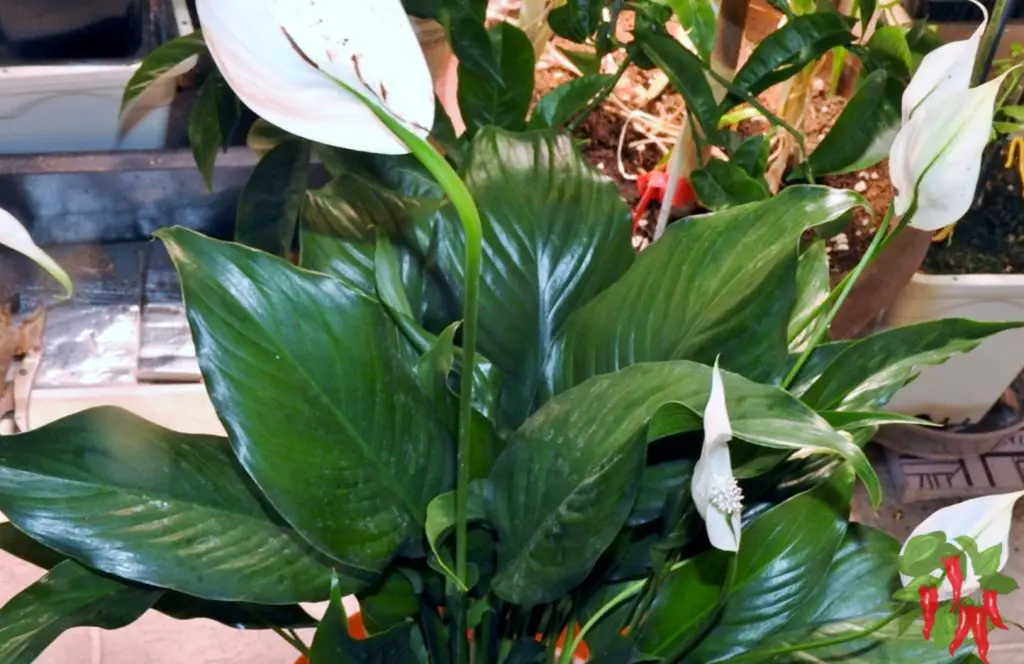
3. Peace Lily (Spathiphyllum) – The Drama Queen (in a Good Way)

Costa Farms Spathiphyllum Peace Lily Live Indoor Plant, 3-Foot
Want a plant that communicates clearly? Peace Lilies will let you know exactly when they need water by drooping their leaves and perk right back up after a drink.
Their gorgeous white flowers add a touch of elegance to any room, while they quietly remove common household pollutants.
Perfect for Beginners
These expressive plants will droop when they need water, then perk right back up after drinking making them perfect for beginners learning plant care.
Their elegant white flowers brighten up dark spaces while they busily remove common household toxins like ammonia and formaldehyde.
They thrive in low to medium light, making them ideal for darker corners and bathrooms, just remember to keep them away from curious pets.
Description and Appearance:
• Glossy dark green leaves
• Elegant white blooms
• Compact to medium size
Care Requirements:
• Light: Low to medium indirect light
• Water: Keep consistently moist
• Soil: Rich, well-draining potting mix
• Extra: Droops when needs water
Air-purifying Capabilities:
• Removes ammonia, benzene, formaldehyde, and trichloroethylene
• Excellent bathroom plant
• High transpiration rate for humidity
4. Pothos (Epipremnum aureum): The Fast Learner

Looking for quick results? Pothos grows fast and adapts to almost any environment.
These trailing beauties come in various patterns and are excellent at removing formaldehyde from your air.
Hang them up high or let them cascade down a bookshelf – they’ll thrive either way.
The “Can’t Kill It” Champion
Meet the ultimate survivor of houseplants! Pothos adapts to almost any light condition and grows like crazy, making it incredibly forgiving if you’re still learning your watering routine.
These trailing beauties excel at clearing formaldehyde from the air and come in gorgeous varieties from marble queen to neon. They’re perfect for shelves, hanging baskets, or climbing up a moss pole.
Description and Appearance:
• Heart-shaped leaves
• Various color patterns available
• Trailing or climbing growth habit
Care Requirements:
• Light: Adaptable to all light conditions
• Water: Allow top soil to dry between waterings
• Soil: Standard potting mix
• Extra: Very forgiving of neglect
Air-purifying Capabilities:
• Excellent at removing formaldehyde
• Filters xylene and benzene
• Continues purifying in low light conditions
5. Dracaena (Dracaena spp.)

With over 40 different varieties, Dracaenas offer something for everyone. These striking plants with their sword-like leaves are champion benzene and trichloroethylene fighters.
They’re slow growers that don’t need much fuss – just moderate light and occasional watering.
Description and Appearance:
• Long, striped leaves
• Multiple varieties and sizes
• Tree-like growth pattern
Care Requirements:
• Light: Medium to bright indirect light
• Water: Moderate, allow the top of the soil to dry
• Soil: Well-draining potting mix
• Extra: Sensitive to fluoride in water
Air-purifying Capabilities:
• Removes benzene, formaldehyde, and trichloroethylene
• Excellent for large spaces
• Long-lasting air cleaning effects
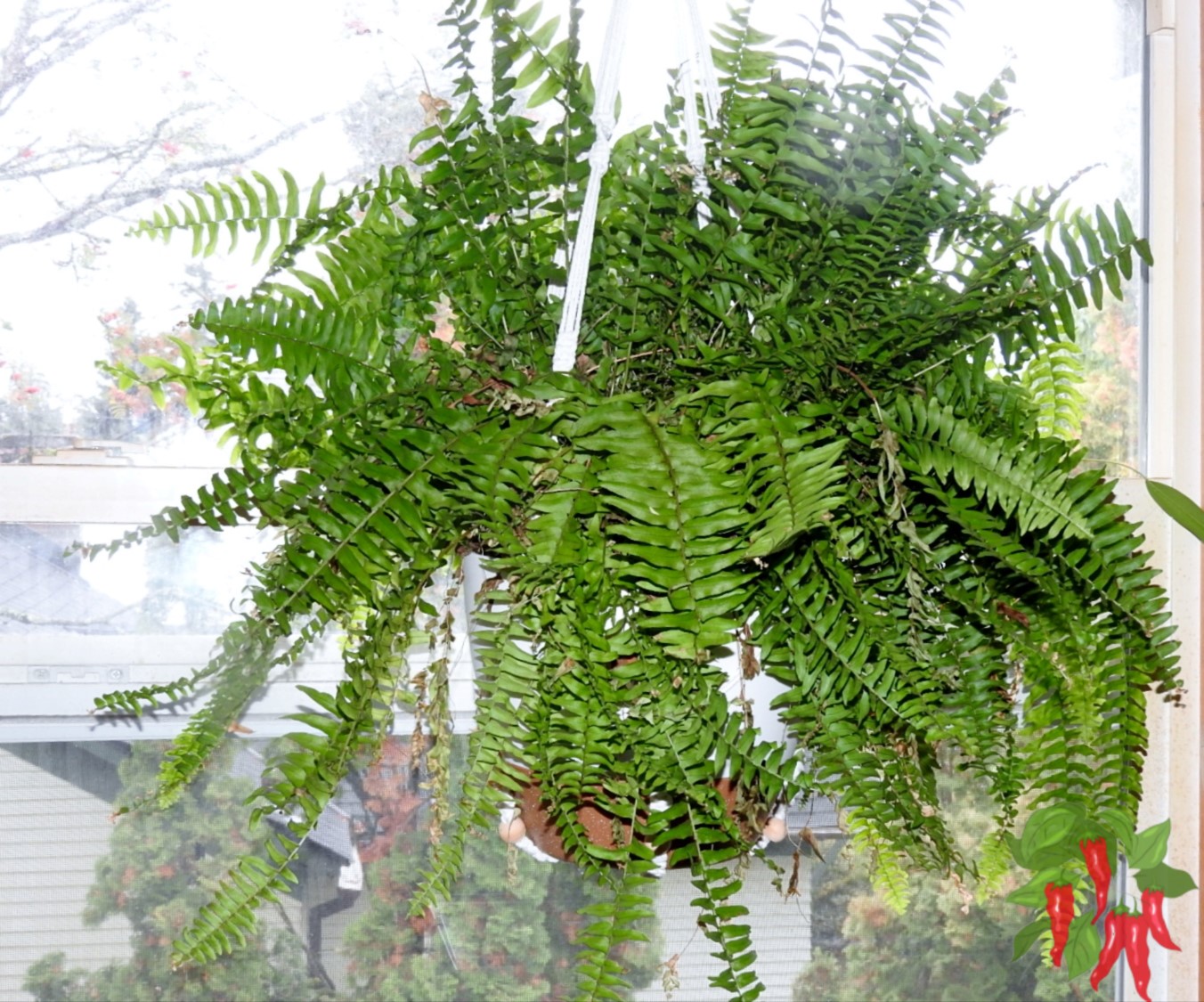
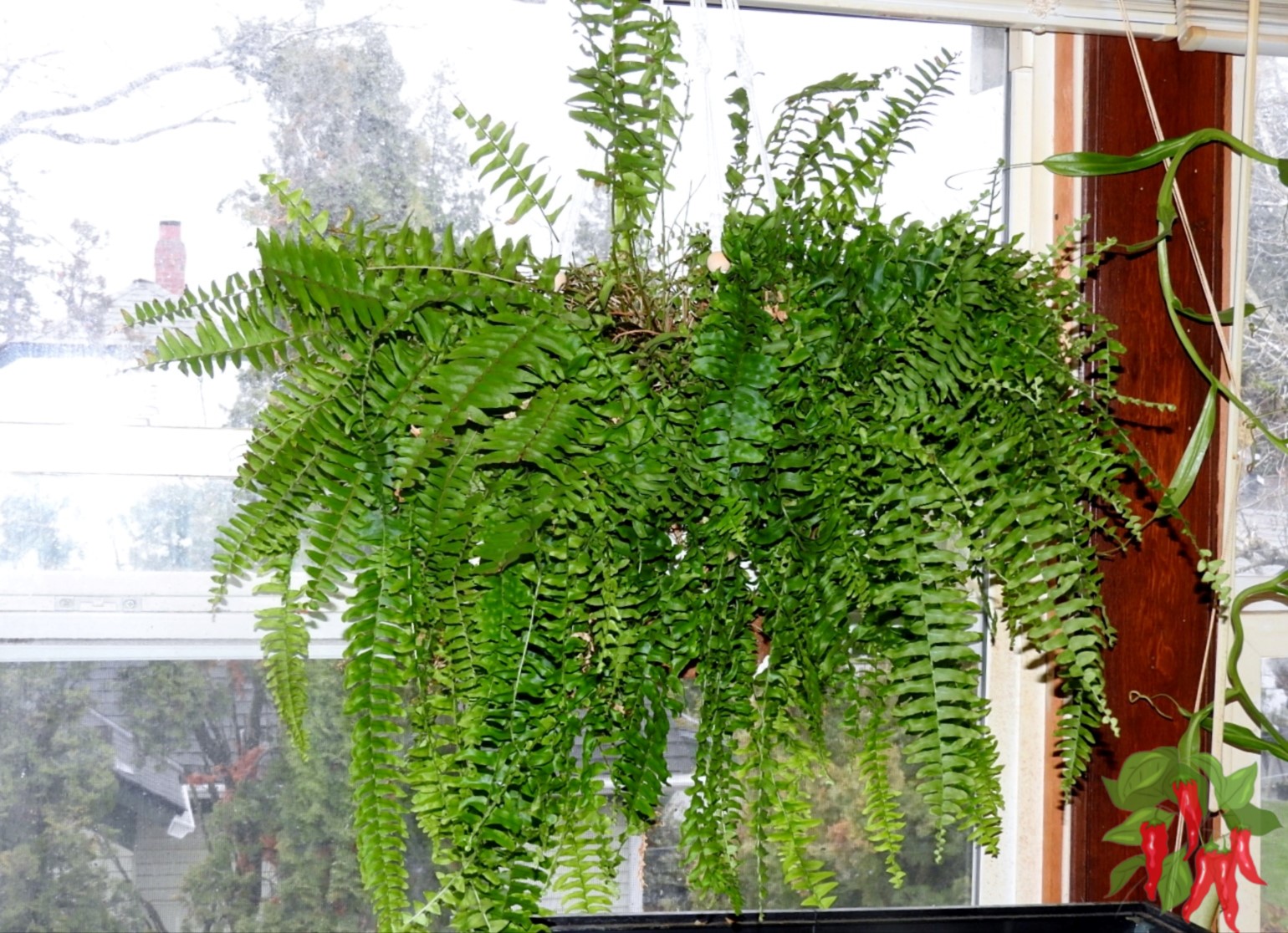
6. Boston Fern (Nephrolepis exaltata)

Looking for a plant to thrive in your bathroom? Boston Ferns love humidity and excel at removing formaldehyde while adding tropical vibes.
Their feathery fronds need consistent moisture and indirect light, but they’ll reward your attention with lush, air-purifying growth.
Description and Appearance:
• Delicate, arching fronds
• Bright green color
• Full, bushy appearance
Care Requirements:
• Light: Bright indirect light
• Water: Keep consistently moist
• Soil: Rich, organic potting mix
• Extra: Needs high humidity
Air-purifying Capabilities:
• Removes formaldehyde and xylene
• Natural air humidifier
• High purification rate
7. Rubber Plant (Ficus elastica)

These glossy-leaved beauties make a bold statement while cleaning your air. Rubber Plants are particularly good at removing airborne particles and can grow quite tall – perfect for filling empty corners.
They prefer bright, indirect light and like their soil to dry slightly between waterings.
Description and Appearance:
• Large, glossy leaves
• Upright growth habit
• Can grow quite tall
Care Requirements:
• Light: Bright indirect light
• Water: Moderate, allow the top inch to dry
• Soil: Well-draining, rich potting mix
• Extra: Wipe leaves to maintain shine
Air-purifying Capabilities:
• Excellent at removing airborne particles
• Filters formaldehyde
• High oxygen producer
8. Areca Palm (Dypsis lutescens)

Areca Palm in 4 inch grower’s Pot Sold by California Tropicals
Want to feel like you’re in a tropical paradise? Areca Palms are natural humidifiers and excellent air purifiers.
While they need a bit more attention than some others on our list, their feathery fronds and air-cleaning abilities make them worth the effort.
Give them bright, indirect light and keep their soil consistently moist.
Description and Appearance:
• Feathery, arching fronds
• Multiple stems
• Tropical appearance
Care Requirements:
• Light: Bright indirect light
• Water: Keep consistently moist
• Soil: Well-draining palm mix
• Extra: Needs good air circulation
Air-purifying Capabilities:
• Natural humidifier
• Removes xylene and toluene
• Excellent CO2 absorption
9. Aloe Vera (Aloe barbadensis miller)
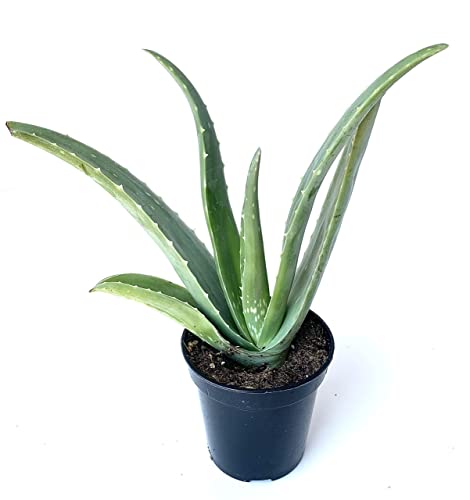
Live Aloe Vera Succulent Aloe Barbadensis Aloe 8″-12″ Tall, 4″ Pot
Not just for sunburns! Aloe Vera plants filter out formaldehyde and benzene, plus they’re super easy to care for.
These succulents love bright light and can go weeks without water. As a bonus, they’ll let you know if there are harmful chemicals in the air – their leaves will develop brown spots.
Description and Appearance:
• Thick, succulent leaves
• Compact rosette form
• Gray-green color
Care Requirements:
• Light: Bright direct light
• Water: Allow to dry between waterings
• Soil: Cactus or succulent mix
• Extra: Drought tolerant
Air-purifying Capabilities:
• Removes formaldehyde and benzene
• Indicates air quality through leaf spots
• Releases oxygen at night
10. Chinese Evergreen (Aglaonema): The Office Hero

Chinese Evergreens are the perfect “set it and forget it” plant. Their beautiful patterned leaves brighten up low-light spots while filtering out air toxins.
They’re ideal for offices or rooms that don’t get much natural light.
The Low-Light Champion
Perfect for darker corners, these stunning plants come in various patterns and quietly clean your air without demanding much attention.
They remove multiple air toxins while handling low light conditions with ease.
Just water them when the top soil feels dry, and they’ll reward you with steady, reliable growth making them truly the ultimate low-maintenance air purifier.
Description and Appearance:
• Patterned leaves in various colors
• Low, bushy growth habit
• Multiple varieties available
Care Requirements:
• Light: Low to moderate light
• Water: Keep moderately moist
• Soil: Well-draining potting mix
• Extra: Tolerates low light well
Air-purifying Capabilities:
• Removes multiple air toxins
• Works well in low light conditions
• Steady, consistent air cleaning
Placement Tips for Optimal Air Purification
Strategic placement makes all the difference in your plants’ air-cleaning effectiveness:
- Place larger plants in room corners where air tends to stagnate
- Group plants together to create humidity zones
- Keep plants away from direct AC/heating vents
- Aim for one medium-to-large plant per 100 square feet
- Consider high-traffic areas like living rooms and bedrooms first
Common Care Mistakes and How to Avoid Them
Let’s tackle the biggest plant-parent pitfalls:
Overwatering:
More plants die from drowning than from drought. Check the soil moisture with your finger before watering.
Poor Lighting:
Learn to read your plants’ light needs. Yellowing leaves often signal too much or too little light.
Ignoring Humidity:
Many air-purifying plants are tropical and love moisture. Consider a humidifier or pebble tray.
🐾 Are Air-Purifying Houseplants Safe for Cats and Dogs?
Air-purifying houseplants can add beautiful greenery to your home, but not every popular indoor plant is safe for cats and dogs. Some plants commonly featured in air-purification studies contain substances that can cause mouth irritation, vomiting, or other symptoms if pets chew or swallow their leaves.
Fortunately, you still have some attractive choices if you want beginner-friendly houseplants in a home with pets. Spider Plants, Boston Ferns, and Areca Palms are among the non-toxic options featured in this guide.
Pet Safety of the 10 Air-Purifying Plants
Here is how the ten houseplants in this article compare for households with cats and dogs.
| Houseplant | Pet Safety |
|---|---|
| Spider Plant | Non-toxic to cats and dogs. A good choice for hanging baskets and shelves. |
| Snake Plant | Toxic to cats and dogs. Ingestion may cause nausea, vomiting, and diarrhea. |
| Peace Lily | Toxic to cats and dogs. Contains insoluble calcium oxalate crystals that can cause painful mouth irritation, drooling, and difficulty swallowing. |
| Pothos | Toxic to cats and dogs. Chewing the leaves can cause mouth irritation, drooling, and vomiting. |
| Dracaena | Toxic to cats and dogs. Several commonly grown Dracaena species contain saponins that may cause vomiting and other digestive symptoms. |
| Boston Fern | Non-toxic to cats and dogs. A good option for homes that can provide suitable moisture and humidity. |
| Rubber Plant (Ficus elastica) | Toxic to cats and dogs. Its milky sap can irritate the mouth and skin and may cause digestive upset. |
| Areca Palm | Non-toxic to cats and dogs. A pet-friendly tropical palm for bright indoor locations. |
| Aloe Vera | Toxic to cats and dogs if ingested. Certain compounds in the plant can cause vomiting, diarrhea, and other symptoms. |
| Chinese Evergreen | Toxic to cats and dogs. Contains insoluble calcium oxalate crystals that can irritate the mouth and digestive tract. |
Best Pet-Friendly Air-Purifying Plants for Beginners
If you have cats or dogs, three plants from our air-purifying houseplant list are particularly worth considering:
- Spider Plant: One of the easiest houseplants for beginners. Its arching leaves look attractive in hanging baskets, on shelves, and in decorative containers. Spider Plants have also been included in research examining how plants interact with certain airborne pollutants.
- Boston Fern: A lush, attractive fern with a long history in indoor air-purification research. It prefers consistent moisture, indirect light, and higher humidity than many beginner houseplants.
- Areca Palm: A graceful tropical palm with feathery fronds. It works especially well as a floor plant in a bright living room or bedroom and is considered non-toxic to cats and dogs.
These plants offer a combination of attractive foliage, indoor growing potential, and non-toxic classifications. Remember that even non-toxic plants can cause an upset stomach if a pet eats a large amount of foliage.
How to Keep Your Pets Safe Around Indoor Plants
A little planning can help you enjoy your houseplant collection while reducing the chances of accidental chewing or overturned containers.
- Choose non-toxic plants for accessible areas: Use Spider Plants, Boston Ferns, or Areca Palms in rooms where pets regularly spend time.
- Remember that cats can climb: A high shelf or hanging basket does not always keep a toxic plant out of reach.
- Watch trailing foliage: Long stems and dangling leaves may attract pets that enjoy playing with plants.
- Keep containers stable: Use sturdy pots and secure plant stands to reduce the chance of accidents.
- Store plant-care products safely: Keep fertilizers, insecticides, and other gardening supplies away from pets.
- Check botanical names: Common names can be misleading. For example, the Rubber Plant (Ficus elastica) is toxic, while the Baby Rubber Plant (Peperomia obtusifolia) is considered non-toxic.
Check the ASPCA Plant Toxicity Database
Before purchasing a new air-purifying houseplant, check its botanical name against the ASPCA Toxic and Non-Toxic Plants Database. This resource provides information about common indoor and outdoor plants and their potential effects on cats, dogs, and other animals.
If you suspect your pet has eaten a toxic plant, contact your veterinarian or an animal poison control service promptly.
Bottom line: You don’t have to give up your interest in air-purifying houseplants because you have pets. Choose suitable non-toxic varieties for accessible locations, provide the growing conditions they need, and enjoy the greenery they bring into your home.
Enhancing Air Purification
For maximum air-cleaning power:
- Combine plants with HEPA air purifiers
- Open windows regularly for fresh air circulation
- Dust plant leaves weekly to maximize their filtering ability
- Maintain healthy humidity levels (30-60%)
Personalizing Your Indoor Garden
Make your air-purifying garden uniquely yours:
- Mix and match decorative pots that complement your decor
- Use plant stands to create different height levels
- Consider wall-mounted planters for vertical interest
- Group plants with similar care needs together
Seasonal Care Tips
Adjust your plant care routine with the seasons:
- Spring/Summer: Increase watering, watch for growth spurts
- Fall/Winter: Reduce watering, protect from cold drafts
- Year-round: Monitor humidity, especially with indoor heating/cooling
- Growth Season: Feed with balanced fertilizer monthly
Troubleshooting Common Issues
Watch for these common problems:
- Yellow leaves often indicate overwatering
- Brown leaf tips usually mean low humidity
- Leggy growth signals insufficient light
- Small leaves might mean it’s time to repot
Benefits Beyond Air Purification
Your indoor garden offers more than clean air:
- Reduces stress levels
- Increases productivity
- Improves mood and creativity
- Creates a more inviting living space
- Helps maintain healthy humidity levels
🌿 Frequently Asked Questions About Air-Purifying Plants for Beginners
What are the best air-purifying plants for beginners?
Some of the best air-purifying plants for beginners include Spider Plants, Snake Plants, Pothos, Peace Lilies, Dracaenas, Rubber Plants, and Chinese Evergreens. These popular houseplants have been studied for their ability to interact with certain airborne pollutants under controlled conditions. They also offer attractive foliage and relatively manageable care requirements. For the easiest start, try a Spider Plant, Pothos, Snake Plant, or Chinese Evergreen.
Do air-purifying plants really clean indoor air?
Yes, certain houseplants have demonstrated the ability to absorb or help remove airborne compounds such as formaldehyde, benzene, and xylene in controlled experiments. However, the results of laboratory studies do not translate directly to normal household conditions. A few potted plants are unlikely to produce a measurable improvement in whole-room air quality. Indoor plants are best enjoyed alongside proper ventilation, filtration when needed, and other healthy indoor air practices.
Which air-purifying houseplants are easiest to keep alive?
Snake Plants, Pothos, Spider Plants, Chinese Evergreens, and many Dracaena varieties are among the easiest choices. They tolerate ordinary indoor temperatures and are generally forgiving of occasional missed watering. Snake Plants are particularly useful if you prefer a plant that can dry between waterings, while Spider Plants and Pothos are excellent choices for shelves and hanging baskets.
What are the best air-purifying plants for low-light rooms?
Snake Plants, Pothos, Chinese Evergreens, Peace Lilies, and some Dracaena varieties can tolerate lower indoor light levels. These plants are useful for apartments, offices, and rooms with limited natural light. However, low light does not mean complete darkness. All living houseplants need enough light for photosynthesis, and most will grow better with suitable indirect light or supplemental LED grow lighting.
Are air-purifying plants good for bedrooms?
Yes. Air-purifying houseplants can make bedrooms feel greener, calmer, and more inviting. Snake Plants, Pothos, Spider Plants, and Chinese Evergreens are popular bedroom choices because they adapt to typical indoor conditions. Snake Plants also use a form of photosynthesis called CAM, which allows them to take in carbon dioxide primarily at night. However, the oxygen exchange and pollutant removal from a few bedroom plants are too small to provide a meaningful substitute for fresh air or ventilation.
How many air-purifying plants do I need in a room?
There is no scientifically established number of ordinary houseplants that will effectively purify the air in a typical room. Recommendations such as one plant per 100 square feet are not reliable measures of indoor air-cleaning performance. Instead, choose the number of plants you can comfortably accommodate and maintain. One healthy plant can make an attractive addition to a desk or shelf, while several plants can create a fuller indoor garden display.
Which air-purifying plants are safe for cats and dogs?
Spider Plants, Boston Ferns, and Areca Palms are three non-toxic choices featured in this guide. They provide attractive foliage and have been associated with indoor air-purification research. Pothos, Peace Lilies, Snake Plants, Dracaenas, Rubber Plants, Aloe Vera, and Chinese Evergreens are toxic to cats and dogs if ingested. Always check the exact plant species using the ASPCA Toxic and Non-Toxic Plants Database before bringing a new houseplant home.
Where should I place air-purifying plants for the best results?
Place your houseplants where they receive the light, temperature, and growing conditions they need to remain healthy. Bright windows, plant stands, shelves, and well-lit room corners are all useful locations, depending on the species. Grouping plants can create an attractive display, but placement near a particular wall or corner has not been shown to significantly improve whole-room air purification. Healthy plant growth and practical care should come first.
🌿 Final Thoughts on the Best Air-Purifying Plants for Beginners
Adding air-purifying houseplants to your home is a wonderful way to bring more greenery into your everyday surroundings. Whether you’re decorating a small apartment, brightening a bedroom, or creating a more inviting living room, there are plenty of beginner-friendly plants that can make your space feel fresher, calmer, and more comfortable.
The best air-purifying plants for beginners include familiar favorites like Spider Plants, Snake Plants, Pothos, Peace Lilies, Dracaenas, and Chinese Evergreens. These plants have been associated with indoor air-purification research, and many are especially appealing because they adapt well to ordinary household conditions.
Although research has shown that certain plants can remove airborne pollutants under controlled conditions, their effects in typical homes are much more limited. That doesn’t take away from their value as houseplants. Healthy indoor greenery adds natural beauty, softens room designs, and creates a more welcoming environment.
Choose Plants That Fit Your Home and Growing Style
If you’re just getting started, choose plants that match your available light and watering habits. Snake Plants and Pothos are forgiving choices for busy households, while Spider Plants are excellent for shelves and hanging baskets. Chinese Evergreens are attractive options for rooms with moderate or lower light.
For brighter locations, Rubber Plants and Aloe Vera can make attractive additions. If you enjoy plants that prefer more consistent moisture, Boston Ferns and Areca Palms can bring a lush, tropical appearance to your indoor space.
You don’t need to collect every plant on this list. Start with one or two varieties you enjoy growing, learn how they respond to your home’s conditions, and expand your collection as your confidence grows.
🌱 Simple Beginner Plant Tips
- Start with easy-care plants: Snake Plants, Pothos, and Spider Plants are forgiving choices for beginners.
- Match plants to your lighting: Healthy plants grow better and look fuller when they receive the light they need.
- Use shelves and plant stands: Display plants at different heights to create attractive arrangements without taking up too much floor space.
- Avoid overwatering: Learn the moisture preferences of each plant and check the growing medium before adding more water.
- Choose pet-friendly varieties when needed: Spider Plants, Boston Ferns, and Areca Palms are non-toxic options for households with cats and dogs.
- Keep foliage clean: Occasionally wipe dust from broad leaves so they can receive light efficiently and maintain their attractive appearance.
- Think beyond air purification: Enjoy the greenery, natural textures, and relaxing atmosphere that living plants bring into your home.
Enjoy the Benefits of a Greener Home
Air-purifying houseplants have remained popular for good reason. Their ability to interact with certain airborne compounds has attracted scientific interest, while their attractive foliage and manageable care requirements make them rewarding additions to everyday living spaces.
The most important thing is to keep your plants healthy. Give them suitable light, water according to their needs, and choose locations where they have room to grow. With a little attention, even a small collection can become a beautiful part of your home.
Whether you begin with a single Spider Plant or build a collection of different air-purifying houseplants, you’re creating a greener, more inviting space that you can enjoy throughout the year.
🍃 Air Purifying Houseplant Guides
Want to freshen your air naturally? These expert guides on air purifying houseplants will help you choose, grow, and care for plants that keep your home healthy and green!
- 🌿 Air Purifying Houseplants (Pillar Guide)
- 🌱 Best Air Purifying Plants for Beginners
- 🚿 Best Air Purifying Plants for Bathrooms
- 💨 How Air Purifying Plants Work
- 🌿 Indoor Vines with Air Purifying Benefits
- 🐾 Air Purifying Plants for Pet Owners
- 🛋️ Best Air Purifying Plants for Living Rooms
- 🌺 Rare Air Purifying Houseplants
- 🏡 Top Air Purifying Plants for Your Home
- See all articles in our Air Purifying Houseplants category
References and Further Reading
- NASA (1989). A Study of Interior Landscape Plants for Indoor Air Pollution Abatement. Original NASA research examining the ability of common indoor plants to remove airborne chemicals, including benzene, formaldehyde, and trichloroethylene, under experimental conditions.
- Cummings, B. E., and Waring, M. S. (2020). Drexel University. Potted Plants Do Not Improve Indoor Air Quality: A Review and Analysis of Reported VOC Removal Efficiencies. Published in the Journal of Exposure Science & Environmental Epidemiology. Examines how pollutant removal measured in sealed chambers compares with ventilation and air exchange in real buildings.
- University of Georgia Cooperative Extension. Growing Indoor Plants with Success. A comprehensive houseplant guide covering light, temperature, humidity, watering, growing media, and the selection and care of indoor plants.
- University of Minnesota Extension. Lighting for Indoor Plants and Starting Seeds. Explains photosynthesis, indoor lighting requirements, low-light houseplants, and supplemental lighting for healthy indoor growth.
Related Content

Visit my Amazon Influencer Page for videos and gardening products Grow Your Own Garden