
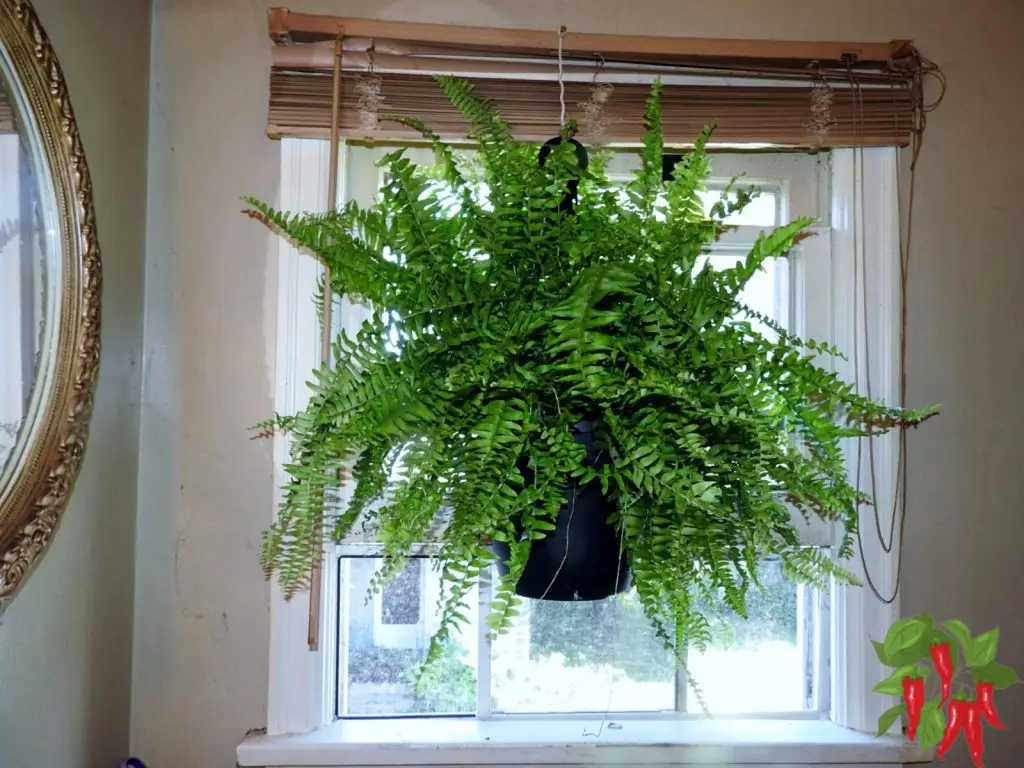
A bathroom can be one of the most inviting places to decorate with indoor ferns. Their lush green foliage, graceful fronds, and natural textures can turn an ordinary bathroom into a relaxing, spa-inspired space.
Whether you have a small bathroom with a narrow windowsill or a spacious bathroom with room for hanging baskets and floor plants, there’s a fern that can complement your decorating style.
Some ferns have delicate, feathery foliage that softens mirrors and tile. Others have broad, sculptural leaves that look beautiful in modern bathrooms. You can even use compact ferns in terrariums or on small shelves when counter space is limited.
The best ferns for bathroom decor are plants that look attractive in your available space while receiving the light, moisture, and growing conditions they need.
Bathrooms can offer a useful advantage for humidity-loving plants, especially when showers and baths temporarily increase moisture in the air. However, good lighting and proper watering remain just as important as humidity.
In this guide, we’ll explore eight beautiful bathroom ferns, where to display them, and how to choose varieties that fit your bathroom’s size and style.
What You’ll Learn
- Eight attractive ferns for decorating bathrooms
- Which ferns work best on vanities, shelves, and plant stands
- How to use hanging ferns to create a lush bathroom display
- Which varieties suit small bathrooms and larger spaces
- How lighting, humidity, and watering affect bathroom fern growth
- Simple ways to create a natural, spa-inspired bathroom
Quick Answer: What Are the Best Ferns for Bathroom Decor?
The best ferns for bathroom decor include Bird’s Nest Fern, Boston Fern, Lemon Button Fern, Maidenhair Fern, Rabbit’s Foot Fern, Blue Star Fern, Heart Fern, and Kimberly Queen Fern. For small bathrooms, Lemon Button Fern and Heart Fern fit nicely on shelves or countertops. Boston Fern and Rabbit’s Foot Fern look beautiful in hanging baskets, while Bird’s Nest Fern and Blue Star Fern create attractive displays on vanities and plant stands. Kimberly Queen Fern is an excellent choice for larger bathrooms with enough room for its upright foliage.
Best Ferns for Bathroom Decor at a Glance
Different ferns offer different shapes, sizes, and growing habits. This comparison will help you choose a fern that fits your bathroom and the type of display you want to create.
| Fern | Approximate Indoor Size | Best Bathroom Placement |
|---|---|---|
| Bird’s Nest Fern | 1–3 feet tall and wide; sometimes larger | Vanity counters, side tables, plant stands |
| Boston Fern | 1–3 feet tall with arching fronds | Hanging baskets, elevated stands |
| Lemon Button Fern | 6–12 inches tall and wide; sometimes larger | Small shelves, vanity counters |
| Maidenhair Fern | 12–24 inches tall and wide, depending on species | Bright bathroom shelves, decorative tables |
| Rabbit’s Foot Fern | 12–24 inches long; spreads outward | Hanging baskets, elevated shelves |
| Blue Star Fern | 1–3 feet tall and wide | Modern vanities, plant stands |
| Heart Fern | 6–12 inches tall; sometimes larger | Terrariums, compact shelves |
| Kimberly Queen Fern | 2–4 feet tall and wide | Floor planters, spacious bathrooms |
These sizes are approximate. Mature dimensions depend on the species or cultivar, growing conditions, and container size.
What Makes a Bathroom a Good Place for Ferns?
Bathrooms often have conditions that can benefit certain indoor ferns. Warm showers and baths temporarily increase humidity, and many bathrooms have countertops, shelves, or unused corners where plants can become part of the decor.
However, not every bathroom provides suitable growing conditions. The amount of natural light, room temperature, ventilation, and daily humidity all influence how well a fern will grow.
Humidity From Showers and Baths
Many tropical ferns appreciate moderate to higher humidity. Bathrooms can provide temporary increases in humidity that may benefit these plants.
The important word is temporary. Once the ventilation fan runs or the room dries out, humidity may return to normal household levels.
For humidity-loving ferns such as Maidenhair Fern and Heart Fern, a bathroom with consistently suitable humidity can be helpful. If the room remains dry most of the day, a small humidifier or terrarium may provide more reliable conditions.
Natural Light Makes a Difference
A bathroom window can make a big difference when growing indoor ferns.
Many ferns grow well in bright, indirect light. A bathroom with an east-facing window may provide gentle morning sunlight, while a north-facing window can offer softer indirect light when the window is large enough.
Ferns can also grow in bathrooms with stronger sunlight if they’re positioned away from harsh direct exposure.
If your bathroom has no windows, you’ll need suitable artificial lighting to support healthy plant growth.
Choose a Location That Stays Comfortable
Most tropical indoor ferns appreciate temperatures that are comfortable for people.
Avoid placing plants directly against cold window glass, beside heating vents, or where strong drafts repeatedly strike the foliage.
Also consider splashes from sinks and showers, cleaning products, and whether the plant will be easy to reach for watering and maintenance.
8 Beautiful Ferns for Bathroom Decorating
These eight ferns offer a range of foliage shapes, colors, and growth habits. Some work beautifully in small bathrooms, while others are better suited to larger spaces where their fronds can spread naturally.
1. Bird’s Nest Fern (Asplenium nidus)

Bird’s Nest Fern is one of the most attractive choices for a modern bathroom. Instead of delicate, feathery fronds, it produces broad, glossy green leaves that grow outward from a central rosette.
The leaves create a sculptural appearance that works especially well with simple bathroom fixtures, natural stone, white tile, and wood accents.
Young Bird’s Nest Ferns are compact enough for vanity counters or small plant stands. However, standard varieties can eventually reach several feet across, so allow enough room for their leaves to develop.
Bird’s Nest Fern appreciates indirect light, moderate to higher humidity, and a well-aerated growing medium that retains some moisture.
When watering, avoid repeatedly pouring water directly into the central crown, where moisture can collect.
Best bathroom decorating idea: Place a Bird’s Nest Fern in a simple ceramic pot beside a mirror or on a low plant stand. Its broad leaves provide a bold contrast to the straight lines of bathroom fixtures.
2. Boston Fern (Nephrolepis exaltata)
Boston Fern is a classic choice for creating a lush, tropical bathroom. Its long, arching fronds are covered with numerous small leaflets, giving the plant a full, feathery appearance.
This is an excellent fern when you want greenery that softens the appearance of tile, mirrors, and hard bathroom surfaces.
Boston Ferns commonly grow 1–3 feet tall and can spread considerably wider as their fronds mature.
They appreciate indirect light, consistent root moisture, and moderate to higher humidity. Dry conditions can cause leaflets to turn brown or drop.
Because Boston Ferns develop long, arching foliage, they are particularly attractive in hanging baskets or elevated planters.
Best bathroom decorating idea: Hang a Boston Fern near a bright bathroom window or display it on a tall stand where the fronds can arch freely without brushing against the floor.
3. Lemon Button Fern (Nephrolepis cordifolia ‘Duffii’)
Lemon Button Fern is an excellent choice for decorating a small bathroom. Its compact size and soft green foliage make it easy to fit on a vanity, windowsill, or narrow shelf.
The fronds carry small, rounded leaflets that create a delicate appearance without requiring as much space as a mature Boston Fern.
Many Lemon Button Ferns remain around 6–12 inches tall and wide, although established plants can become larger.
This fern appreciates indirect light, consistent moisture, and moderate to higher humidity.
Its compact foliage looks especially attractive in white ceramic pots, small decorative planters, or natural-colored containers.
Best bathroom decorating idea: Place a Lemon Button Fern on a narrow shelf beside folded towels or a small decorative container. Its soft foliage adds greenery without overwhelming the space.
4. Maidenhair Fern (Adiantum species)
Maidenhair Fern is one of the most graceful ferns you can use in bathroom decorating. Its fine, delicate leaflets grow along slender, often dark-colored stems, creating a soft and airy appearance.
The foliage looks especially beautiful in bathrooms with natural materials, light-colored walls, and simple decorative accents.
Different Maidenhair Fern species vary in size, but many indoor varieties grow approximately 12–24 inches tall and wide.
Maidenhair Fern appreciates indirect light, consistently moist growing conditions, and higher humidity.
It can be sensitive to prolonged dryness, so choose a location where you can easily monitor the growing medium.
A bright bathroom with reliable humidity can be a particularly attractive place to grow this fern.
Best bathroom decorating idea: Display Maidenhair Fern on a small table or vanity near a window. Its delicate fronds can soften the appearance of mirrors, tile, and modern fixtures.
5. Rabbit’s Foot Fern (Davallia species)
Rabbit’s Foot Fern brings something unusual to bathroom decor. Its finely divided green fronds create a soft, airy appearance, while fuzzy creeping rhizomes extend across the surface of the pot and often hang over the edges.
These furry rhizomes give the plant its common name and make it particularly interesting when displayed in an elevated container.
Depending on the species, Rabbit’s Foot Fern may develop fronds around 12–24 inches long and spread outward as it matures.
It prefers indirect light and a well-aerated growing medium that provides suitable moisture without remaining waterlogged.
Keep the creeping rhizomes near the surface rather than burying them deeply.
Rabbit’s Foot Fern works beautifully in hanging baskets because the foliage and rhizomes can spill naturally over the sides.
Best bathroom decorating idea: Hang Rabbit’s Foot Fern near a bathroom window or place it on a high shelf where the fuzzy rhizomes and delicate fronds can be seen from below.
6. Blue Star Fern (Phlebodium aureum)
Blue Star Fern is an excellent choice when you want bathroom greenery with a more modern appearance.
Its unusual blue-green fronds have irregular, lobed edges that look very different from the traditional feathery foliage of Boston Fern or Maidenhair Fern.
The muted foliage color works beautifully with white tile, gray stone, natural wood, and neutral-colored bathroom accessories.
Blue Star Fern can eventually reach 1–3 feet tall and wide, so it is better suited to a roomy vanity, side table, or plant stand than a narrow shelf.
It appreciates indirect light, an airy growing medium, and appropriate moisture without prolonged waterlogging.
Its creeping rhizomes should remain near the growing medium’s surface.
Best bathroom decorating idea: Place Blue Star Fern in a matte white or charcoal-colored pot on a plant stand. Its blue-green foliage creates an attractive contrast with simple bathroom finishes.
7. Heart Fern (Hemionitis arifolia)
Heart Fern is a charming choice for smaller bathrooms, especially when you want a plant with unusual foliage.
Instead of long, feathery fronds, this fern produces glossy, heart-shaped green leaves carried on slender dark stems.
Its compact growth habit makes it useful for terrariums, narrow shelves, and decorative containers.
Heart Fern commonly grows around 6–12 inches tall, although its size can vary with growing conditions.
It appreciates warm temperatures, indirect light, consistent moisture, and relatively high humidity.
Because Heart Fern can be sensitive to dry air, a bathroom with stable humidity or a protected terrarium display may provide better conditions than an exposed shelf in a dry room.
Best bathroom decorating idea: Use Heart Fern in a small glass terrarium or decorative planter on a vanity. Its glossy leaves create an attractive focal point without taking up much room.
8. Kimberly Queen Fern (Nephrolepis obliterata)
Kimberly Queen Fern is a good choice for larger bathrooms where you want a substantial plant with a more upright growth habit.
Unlike the long, arching fronds of Boston Fern, Kimberly Queen Fern typically develops a more upright, fountain-like shape.
Its dense green foliage makes it useful for filling an empty corner or creating a natural screen beside a bathtub.
Kimberly Queen Fern may reach approximately 2–4 feet tall and wide under favorable growing conditions, making it better suited to floor planters than small shelves.
It appreciates bright, indirect light, regular watering, and a well-drained growing medium that retains suitable moisture.
This fern can tolerate somewhat drier indoor air than some more delicate ferns, although it still benefits from favorable humidity.
Best bathroom decorating idea: Place Kimberly Queen Fern in a tall decorative floor planter beside a freestanding bathtub or in a bright bathroom corner. Its upright foliage creates a lush, natural appearance without needing a hanging basket.
How to Decorate a Bathroom With Ferns
Decorating a bathroom with ferns is a wonderful way to bring natural color and texture into a space filled with hard surfaces. Green foliage softens tile, mirrors, countertops, and bathroom fixtures while creating a fresh, welcoming atmosphere.
You can create a beautiful display with a single fern or combine several varieties with different foliage shapes. The key is choosing plants that fit the room and placing them where they receive suitable growing conditions.
A compact Lemon Button Fern may be all you need for a small vanity. In a larger bathroom, a hanging Boston Fern and an upright Kimberly Queen Fern can create a much more tropical appearance.
Start With the Space You Have
Before choosing a fern, look at the available surfaces and the amount of natural light reaching them.
Consider whether you have room for a plant on the vanity, an unused shelf, a hanging basket, or a floor planter beside the bathtub.
Leave enough space for the fern’s mature foliage without interfering with drawers, cabinet doors, mirrors, or everyday bathroom activities.
Choose Ferns With Contrasting Foliage
Different fern varieties can create an interesting display without requiring a large collection of plants.
For example, the broad leaves of Bird’s Nest Fern look beautiful beside the delicate foliage of Maidenhair Fern. Blue Star Fern adds a different texture and a distinctive blue-green color.
You can also combine a compact fern on the vanity with a larger hanging fern to add greenery at different heights.
Best Ferns for Small Bathroom Decorating
Small bathrooms often have limited counter and floor space, but they can still accommodate attractive fern displays.
The best approach is to choose compact plants and make use of shelves, windowsills, and vertical space.
Use Lemon Button Fern on a Small Vanity
Lemon Button Fern is one of the easiest varieties to incorporate into a small bathroom display because of its compact growth habit.
Place it in a small decorative pot near a mirror, beside folded towels, or at one end of the vanity where it won’t interfere with the sink.
A white ceramic container can make its soft green foliage stand out, while a natural-colored pot creates a warmer appearance.
Display Heart Fern in a Small Terrarium
Heart Fern is an attractive option when you have very little room for a conventional potted plant.
Its glossy, heart-shaped leaves look beautiful inside a small terrarium, particularly when combined with decorative stones or natural-looking accents.
A terrarium can also help maintain higher humidity around the plant. Provide suitable lighting and ventilation, and avoid allowing the growing medium to remain excessively wet.
Use a Single Fern as a Focal Point
You don’t need several plants to create an attractive bathroom. A single healthy fern in a well-chosen container can make a small room feel more inviting.
Choose a plant with a shape that complements the room and leave some open space around it.
Decorating Bathroom Vanities With Ferns
Bathroom vanities are convenient places to display ferns because the plants are easy to see and maintain.
They also provide an opportunity to combine greenery with mirrors, soap dispensers, towels, and other decorative accessories.
Best Ferns for Vanity Counters
Lemon Button Fern, a young Bird’s Nest Fern, and Heart Fern are attractive choices for vanity displays.
Choose compact containers that leave enough room for everyday bathroom activities.
For larger vanities, Blue Star Fern can create a striking display with its unusual blue-green foliage.
Protect Countertops From Water
Most ferns need regular watering, so protect vanity surfaces from moisture.
Use a waterproof saucer or decorative outer container beneath the nursery pot. Empty any collected drainage water rather than allowing the roots to sit in it for extended periods.
Avoid placing pots directly on unprotected wooden surfaces or materials that may stain when exposed to moisture.
Hanging Ferns for Bathroom Decor
Hanging ferns are especially useful when you want to create a lush bathroom without sacrificing valuable counter or floor space.
Their arching foliage adds softness and movement to the room, making them attractive near windows, mirrors, and open corners.
Boston Fern for a Tropical Bathroom
Boston Fern is a classic hanging plant. Its long, feathery fronds create a full, cascading display that works beautifully in a bathroom with adequate light.
Hang the basket where the foliage has room to spread and where you can reach it for watering.
A Boston Fern can become quite large, so it is better suited to a bathroom with enough open space around the basket.
Rabbit’s Foot Fern for an Unusual Hanging Display
Rabbit’s Foot Fern is another excellent hanging choice. Its fuzzy rhizomes extend over the pot’s edges, creating an interesting contrast with the delicate green fronds.
This fern looks particularly attractive in a simple hanging planter where the rhizomes remain visible.
Where to Hang Bathroom Ferns
- Near a bright window with indirect light
- In an open corner with suitable natural or artificial lighting
- Above a plant stand to create a layered display
- Beside a mirror, provided the foliage doesn’t interfere with its use
- From a securely mounted ceiling hook rated for the fully watered planter
Keep hanging plants away from electrical fixtures, strong drafts, and locations where they could be knocked down. Avoid placing them where they obstruct movement or access to bathroom fixtures.
Using Ferns on Bathroom Shelves
Shelves allow you to add greenery without using much floor space. They are especially useful in small bathrooms where every available surface matters.
A narrow shelf can accommodate a Lemon Button Fern or Heart Fern, while a deeper shelf may provide enough room for a young Bird’s Nest Fern.
Floating Shelves With Ferns
Floating shelves can create an attractive display when combined with towels, baskets, and simple decorative accessories.
Use one fern as the main feature rather than filling the entire shelf with plants.
Make sure the shelf is securely installed and can support the weight of the container after watering.
Shelves Above the Toilet
The wall above a toilet is sometimes an underused decorating area, especially in small bathrooms.
A compact fern can look attractive on a securely mounted shelf if the location receives enough light.
Choose a stable, lightweight container and position it where it cannot easily be knocked over. Make sure the plant is easy to remove for watering and maintenance.
Create a Spa-Inspired Bathroom With Ferns
Ferns are excellent plants for creating a relaxing, spa-inspired bathroom because their foliage introduces natural shapes and calming green tones.
You can build this look around a single statement fern or combine several plants with simple decorative materials.
Combine Ferns With Natural Materials
Natural wood, bamboo accessories, stone finishes, and neutral-colored containers complement the foliage of indoor ferns.
A Bird’s Nest Fern in a simple ceramic planter can look beautiful beside wooden shelves or natural-colored towels.
For a softer appearance, use Maidenhair Fern or Boston Fern with their delicate, feathery fronds.
Use Greenery at Different Heights
A layered display can make a larger bathroom feel more natural and inviting.
For example, place a Kimberly Queen Fern in a floor planter, a Bird’s Nest Fern on a vanity, and a Boston Fern in a hanging basket.
Each plant provides a different shape while creating a coordinated green display.
Keep the Design Uncluttered
A spa-inspired bathroom doesn’t need to be filled with plants.
One or two carefully positioned ferns can create a relaxing atmosphere while leaving enough open space for the room to remain comfortable and functional.
Best Ferns for Modern Bathroom Decor
Modern bathrooms often feature clean lines, simple fixtures, and neutral colors. Ferns can soften these surfaces while maintaining a contemporary appearance.
Bird’s Nest Fern for Bold Green Foliage
The broad, glossy leaves of Bird’s Nest Fern provide a strong visual contrast to rectangular mirrors, tile, and modern vanities.
Display it in a simple white, gray, or black container to keep the overall design clean and uncluttered.
Blue Star Fern for Subtle Color
Blue Star Fern adds a softer blue-green color that complements gray stone, white tile, and natural wood.
Its irregularly shaped fronds provide interesting texture without the traditional feathery appearance of many other ferns.
Can Ferns Grow in Windowless Bathrooms?
Yes, you can grow ferns in a windowless bathroom when you provide suitable artificial lighting.
Ferns need light for photosynthesis. Humidity alone cannot replace the energy they receive from light.
Ordinary bathroom lighting that operates only when someone enters the room usually won’t provide enough light for sustained plant growth.
Using LED Grow Lights in Bathrooms
A full-spectrum white LED grow light can provide the light needed for ferns in bathrooms without windows.
White LED fixtures are useful for decorating because they illuminate the plants without producing the purple appearance associated with some older grow lights.
A lighting period of approximately 10–14 hours daily can be a useful starting point, depending on the fixture’s intensity and the needs of the fern.
Use a timer for consistency and adjust the fixture’s distance based on the manufacturer’s recommendations and the plant’s response.
Because bathrooms are damp environments, choose fixtures specifically rated for the installation location. Keep electrical connections away from splashing water and follow electrical safety requirements.
Choosing Ferns for Artificial Lighting
Lemon Button Fern, Bird’s Nest Fern, and Blue Star Fern can be grown under suitable artificial lighting when their other growing requirements are met.
Choose a variety that fits the available space and make sure the light reaches the foliage evenly.
How Much Light Do Bathroom Ferns Need?
Most indoor ferns prefer indirect light, although some tolerate lower light levels better than others.
A bathroom with a bright window can provide excellent growing conditions when the plants are protected from intense direct sunlight.
North-Facing Bathroom Windows
North-facing windows often provide gentle indirect light. This can work well for several fern varieties when the window provides enough daylight.
Position the fern close enough to the window to receive useful light without allowing its foliage to press against cold glass.
East-Facing Bathroom Windows
East-facing windows typically provide gentle morning sunlight followed by indirect light during the rest of the day.
This can be an attractive location for Bird’s Nest Fern, Boston Fern, and several other indoor fern varieties.
South- and West-Facing Bathroom Windows
South- and west-facing windows may provide stronger sunlight, particularly during the afternoon.
Move ferns farther from the glass or use a sheer curtain if direct sunlight is too intense for the foliage.
Bathroom Humidity: Is It Enough for Ferns?
Bathrooms often experience higher humidity during showers and baths, but those increases may last only a short time.
The humidity level depends on ventilation, room temperature, how often the bathroom is used, and the surrounding household conditions.
Ferns That Appreciate Higher Humidity
Maidenhair Fern and Heart Fern generally appreciate consistently higher humidity.
Boston Fern and Lemon Button Fern also benefit from favorable humidity, especially when indoor air becomes dry during winter.
Using a Humidifier
If your bathroom becomes dry between showers, a small humidifier may help maintain more consistent conditions for humidity-loving ferns.
Use a hygrometer to monitor the room rather than guessing based on how humid it feels after a shower.
Avoid excessive humidity that leads to persistent condensation, mold, or moisture damage.
Does Misting Help Bathroom Ferns?
Misting temporarily wets the foliage and may briefly increase moisture immediately around the leaves, but it does not provide a reliable, lasting increase in room humidity.
For ferns that need higher humidity, a humidifier or suitable terrarium generally provides more consistent conditions.
Watering Ferns in Bathroom Containers
Bathroom humidity can influence how quickly a fern’s growing medium dries, but it doesn’t eliminate the need for watering.
Check the growing medium regularly and water according to the needs of the particular fern.
Maidenhair Fern and Heart Fern generally appreciate more consistent moisture, while Blue Star Fern and Rabbit’s Foot Fern benefit from good root aeration and should not remain waterlogged.
Bottom Watering Bathroom Ferns
I prefer bottom watering many of my indoor plants, and this method can work well for bathroom ferns.
Place the nursery pot in a shallow tray of water and allow the growing medium to absorb moisture through the drainage holes.
Once the medium has absorbed enough water, remove the pot and let excess moisture drain before returning it to its decorative container.
This approach can help keep vanity counters and shelves cleaner by allowing you to water plants away from their display locations.
Can Bathroom Ferns Grow in Self-Watering Planters?
Self-watering planters can be useful for ferns that appreciate consistent moisture, provided the system supplies enough water without keeping the roots constantly saturated.
The growing medium must be able to draw moisture upward while maintaining adequate air spaces around the roots.
Monitor the reservoir and growing medium, especially when first adapting a fern to a self-watering setup.
Best Growing Medium for Bathroom Ferns
A good growing medium should retain enough moisture for the fern while allowing oxygen to reach its roots.
For many of my indoor plants, I prefer coco coir and perlite. Coco coir provides moisture retention, while perlite improves aeration and drainage.
Coco Coir and Perlite
Coco coir and perlite can be adjusted to suit different fern varieties and watering methods.
For ferns that appreciate consistent moisture, a mixture with more coco coir may be useful. For varieties that benefit from a more open root environment, additional perlite can improve aeration.
The ideal proportions depend on the plant, container, lighting, and how frequently you water.
Growing Media for Epiphytic Ferns
Bird’s Nest Fern, Rabbit’s Foot Fern, and Blue Star Fern benefit from growing media that provide good root aeration.
An open mixture containing coco coir, perlite, and some orchid bark can be useful when additional structure and air spaces are needed.
Keep the creeping rhizomes of Rabbit’s Foot Fern and Blue Star Fern near the surface rather than burying them deeply.
Fertilizing Ferns Grown in Coco Coir
Coco coir and perlite provide little nutrition on their own, so ferns grown in these materials need an appropriate source of plant nutrients.
Use a suitable houseplant fertilizer at a modest strength, following the manufacturer’s directions.
Avoid excessive fertilizer, which can lead to salt accumulation and root stress.
Common Problems With Bathroom Ferns
Bathroom ferns can develop problems when lighting, watering, or environmental conditions don’t match their needs.
Fortunately, many common problems can be addressed by checking the growing conditions and making a few practical adjustments.
Brown or Crispy Fronds
Brown or crispy foliage can result from prolonged dryness, inconsistent watering, fertilizer salt buildup, excessive heat, or unsuitable humidity.
Check the growing medium and surrounding conditions before assuming that humidity is the only cause.
Remove badly damaged fronds with clean scissors while allowing healthy new growth to develop.
Yellowing Fronds
Yellowing foliage may result from natural aging, root stress, excessive moisture, insufficient light, or other growing problems.
Check the moisture level and condition of the roots if the problem affects multiple fronds.
Slow Growth
A fern growing slowly in a bathroom may not be receiving enough light.
This is especially common when the plant is displayed far from a window or in a bathroom where artificial lights operate only briefly.
Moving the fern closer to suitable indirect light or providing supplemental LED lighting may improve growth.
Pests on Bathroom Ferns
Indoor ferns can occasionally develop spider mites, mealybugs, scale insects, or other pests.
Inspect the foliage regularly, including the undersides of fronds and areas near the crown.
If pests appear, isolate the plant and identify the problem before selecting a treatment.
Insecticidal soap may help control certain soft-bodied pests when the product is labeled for the plant and pest involved. Because some ferns have sensitive foliage, test a small area first and follow the label directions.
Simple Tips for Keeping Bathroom Ferns Attractive
- Choose the right location: Match the fern’s light requirements to the available window or grow light.
- Protect bathroom surfaces: Use waterproof saucers or decorative outer containers beneath pots.
- Allow room for growth: Give broad or arching fronds enough space to develop naturally.
- Check moisture regularly: Bathroom humidity doesn’t replace proper watering.
- Remove damaged foliage: Trim old or badly damaged fronds to maintain an attractive appearance.
- Keep leaves clean: Remove accumulated dust when needed so the foliage looks its best.
- Avoid chemical splashes: Keep plants away from bathroom cleaning sprays, aerosols, and other products that may damage leaves.
- Maintain ventilation: Provide normal bathroom ventilation to help prevent persistent condensation and moisture problems.
With the right combination of attractive placement and suitable growing conditions, bathroom ferns can provide lasting greenery while making the room feel more natural and welcoming.
Are Bathroom Ferns Safe for Cats and Dogs?
If you share your home with cats or dogs, pet safety is an important consideration when decorating your bathroom with ferns.
Fortunately, many true ferns are considered non-toxic to cats and dogs. However, common names can be confusing, and not every plant sold as a fern has the same pet safety information.
Pet Safety of Popular Bathroom Ferns
| Fern | Pet Safety |
|---|---|
| Bird’s Nest Fern | Listed as non-toxic by the ASPCA |
| Boston Fern | Listed as non-toxic by the ASPCA |
| Lemon Button Fern | Generally considered non-toxic |
| Maidenhair Fern | Listed as non-toxic by the ASPCA |
| Rabbit’s Foot Fern | Listed as non-toxic by the ASPCA |
| Blue Star Fern | Generally considered non-toxic |
| Heart Fern | Species-specific ASPCA information is limited; verify before allowing access |
| Kimberly Queen Fern | Generally considered non-toxic |
Even plants classified as non-toxic can cause digestive upset if pets chew or swallow substantial amounts of foliage.
Hanging baskets and elevated shelves may help keep plants away from curious pets, although they are not guaranteed barriers, especially for climbing cats.
You can check botanical names and pet safety information using the ASPCA Toxic and Non-Toxic Plants Database.
Remember that some plants with “fern” in their common names are not true ferns. Asparagus Fern, for example, is toxic to cats and dogs.
If your pet develops symptoms after eating a plant, contact your veterinarian or an animal poison control service.
Frequently Asked Questions About Bathroom Ferns
What are the best ferns for bathroom decor?
Bird’s Nest Fern, Boston Fern, Lemon Button Fern, Maidenhair Fern, Rabbit’s Foot Fern, Blue Star Fern, Heart Fern, and Kimberly Queen Fern are attractive choices for bathroom decorating. The best variety depends on your available space, lighting, humidity, and the type of display you want to create.
Which fern is best for a small bathroom?
Lemon Button Fern is one of the best choices for small bathrooms because it has compact foliage and fits easily on shelves and vanity counters. Heart Fern is another attractive option, particularly in a small terrarium where its humidity requirements can be managed.
Can ferns live in a bathroom without windows?
Yes, ferns can grow in windowless bathrooms when suitable artificial lighting is provided. A properly positioned LED grow light operating on a consistent daily schedule can support healthy growth. Humidity alone cannot replace the light plants need for photosynthesis.
Do ferns like bathroom humidity?
Many tropical ferns appreciate moderate to higher humidity. Bathrooms can provide temporary increases in humidity during showers and baths, but the air may become dry again afterward. Maidenhair Fern and Heart Fern benefit from more consistent humidity than a brief daily shower may provide.
What is the best hanging fern for a bathroom?
Boston Fern is an excellent choice for a lush hanging display because of its long, arching fronds. Rabbit’s Foot Fern is another attractive option, especially when you want a plant with unusual fuzzy rhizomes extending over the edges of the container.
Can I put a fern next to my bathtub?
Yes, provided the location has enough light and the plant is protected from cleaning products, soap splashes, and excessive water exposure. A Kimberly Queen Fern or Bird’s Nest Fern can look beautiful beside a freestanding bathtub when there is enough room for its foliage to develop.
How often should bathroom ferns be watered?
Watering frequency depends on the fern, growing medium, container size, light, and temperature. Check the growing medium regularly rather than watering on a fixed schedule. Maidenhair Fern generally appreciates more consistent moisture, while Blue Star Fern and Rabbit’s Foot Fern benefit from good root aeration and should not remain waterlogged.
Can I bottom water bathroom ferns?
Yes. Bottom watering works well for many indoor ferns grown in containers with drainage holes. Allow the growing medium to absorb water from a shallow tray, then remove the pot and let excess water drain before returning it to its decorative container.
Can bathroom ferns grow in self-watering planters?
Many bathroom ferns can grow in self-watering planters when the growing medium draws moisture upward while maintaining adequate oxygen around the roots. A coco coir and perlite mixture can be useful in these systems. Monitor the moisture level and adjust the reservoir routine for the particular fern.
Why is my bathroom fern turning brown?
Brown fronds or leaf tips can result from inconsistent watering, prolonged dryness, excessive fertilizer salts, heat, or unsuitable humidity. Check the growing medium, light exposure, and surrounding conditions before making changes. Older fronds may also naturally turn brown as they age.
Which bathroom fern is easiest to maintain?
Bird’s Nest Fern and Blue Star Fern are often more adaptable to ordinary indoor conditions than delicate Maidenhair Ferns. Kimberly Queen Fern can also be a practical choice for a larger, bright bathroom. Regardless of the variety, providing suitable light and watering is essential.
Are bathroom ferns safe for pets?
Many true ferns, including Boston Fern, Bird’s Nest Fern, Maidenhair Fern, and Rabbit’s Foot Fern, are listed as non-toxic to cats and dogs by the ASPCA. However, pet safety information varies among species, so check the botanical name before choosing a plant for a pet-friendly bathroom.
Final Thoughts: Bring Natural Beauty Into Your Bathroom
Ferns are some of the most attractive plants you can use to decorate a bathroom. Their lush foliage, graceful shapes, and variety of textures can transform an ordinary space into a fresh, welcoming retreat.
One of the things I enjoy most about decorating with ferns is how different they can look from one another. Boston Fern has long, feathery fronds that create a tropical appearance, while Bird’s Nest Fern produces broad, glossy leaves that look beautiful in modern bathrooms.
Blue Star Fern adds an unusual blue-green color, and Rabbit’s Foot Fern brings an entirely different character with its fuzzy creeping rhizomes.
For a small bathroom, I would start with Lemon Button Fern. Its compact foliage fits nicely on a vanity or narrow shelf without taking up much room. Heart Fern is another interesting choice when you want something unusual for a small terrarium or decorative display.
If you have a larger bathroom, Boston Fern or Kimberly Queen Fern can create a much more substantial display. A hanging Boston Fern adds soft, arching greenery, while Kimberly Queen Fern works beautifully in a floor planter beside a bathtub or in a bright corner.
The important thing is to choose a fern that suits the growing conditions in your bathroom. Natural light, proper watering, suitable humidity, and enough room for the foliage to develop are more important than simply placing a plant where it looks attractive.
Bathrooms can provide useful humidity for tropical ferns, but that humidity may not remain high throughout the day. For varieties such as Maidenhair Fern and Heart Fern, a humidifier or protected terrarium may help maintain more consistent conditions.
I prefer coco coir and perlite for many of my indoor plants because the mixture can retain moisture while allowing air to reach the roots. Bottom watering and properly managed self-watering planters can also make routine care more convenient.
When decorating, remember that you don’t need to fill every shelf or corner with plants. One healthy fern in an attractive container can make a bathroom feel more natural, while a few carefully arranged plants can create a relaxing, spa-inspired atmosphere.
Start with a fern that fits your space and growing conditions, give it room to grow, and enjoy the way its foliage brings a little more life and beauty into your bathroom.
🌿 Explore More Indoor Fern and Decorating Guides
Looking for more ways to decorate your home with ferns and other houseplants? Explore these helpful guides from Heavenly Houseplants.
References
- University of Minnesota Extension.
Growing Houseplants.
Guidance on indoor lighting, watering, humidity, containers, and general houseplant care. - University of Wisconsin–Madison Extension.
Bird’s Nest Fern (Asplenium nidus).
Information on growth habits and indoor care. - North Carolina State University Extension.
Asplenium nidus.
Botanical information, growing conditions, and plant characteristics. - North Carolina State University Extension.
Nephrolepis exaltata.
Information on Boston Fern growth habits, environmental preferences, and ornamental uses.
Related Content


Visit my Amazon Influencer Page for videos and gardening products Grow Your Own Garden