

Best Indoor Plants for Minimalist Decor work best when they add texture, shape, and greenery without making a room feel crowded or visually busy.
Minimalist spaces usually benefit from plants with clean lines, simple forms, and manageable growth habits. The right indoor plants can soften modern interiors while still maintaining an uncluttered, balanced look.
This guide covers the best indoor plants for minimalist decor, along with planter ideas, placement tips, and ways to style greenery without overwhelming your space.
What You’ll Learn
- 🌿 Which indoor plants work best with minimalist decor styles
- 🪴 How to choose plants with clean lines and sculptural shapes
- ⚖️ Ways to balance greenery without making a room feel cluttered
- 🏡 Simple planter and placement ideas for minimalist spaces
- 💡 How lighting, spacing, and plant size affect visual balance indoors
- ✅ Low-maintenance indoor plants that fit modern minimalist homes
Quick Answer: What Are the Best Indoor Plants for Minimalist Decor?
The best indoor plants for minimalist decor have attractive shapes, clean lines, and foliage that adds natural beauty without making a room feel crowded. Snake plants, ZZ plants, rubber plants, fiddle leaf figs, and bird of paradise are excellent choices for creating a simple, modern look.
For smaller spaces, succulents and spider plants add greenery without taking up much room. Larger plants, including Monstera and bird of paradise, can serve as statement pieces in living rooms and open spaces.
The secret to decorating with plants in a minimalist home is choosing fewer plants with greater visual impact. Use simple planters, leave open space around your plants, and match each plant to the available light. A healthy, well-placed plant can make a stronger impression than a crowded collection.
Best Indoor Plants for Minimalist Decor at a Glance
Use this quick comparison to choose plants that complement your decorating style, room size, and lighting conditions.
| Indoor Plant | Minimalist Appeal | Light Preference | Best Placement |
|---|---|---|---|
| Snake Plant | Tall, upright architectural leaves | Bright indirect to lower light | Floor planters, corners, entryways |
| ZZ Plant | Glossy foliage and symmetrical growth | Bright indirect to lower light | Side tables, shelves, offices |
| Succulents | Compact, geometric forms | Bright light; many prefer direct sun | Sunny windowsills, small displays |
| Bird of Paradise | Large, dramatic tropical leaves | Very bright light; some direct sun | Spacious living rooms, bright corners |
| Fiddle Leaf Fig | Bold leaves and tree-like silhouette | Bright indirect light | Living room focal points |
| Rubber Plant | Large, glossy leaves and upright form | Bright indirect light | Floor planters, modern living rooms |
| Monstera | Sculptural split and perforated leaves | Bright indirect light | Open corners, statement displays |
| Spider Plant | Arching leaves and flowing shape | Bright indirect light | Hanging planters, shelves |
| Peace Lily | Dark foliage and elegant white blooms | Medium to bright indirect light | Side tables, quiet corners |
| Boston Fern | Soft, feathery texture | Medium to bright indirect light | Hanging baskets, plant stands |
Minimalist decorating tip: Start with one statement plant or two smaller plants that complement each other. Choose planters with simple shapes and neutral colors, and leave enough open space for the foliage to stand out. Always consider the plant’s lighting needs before deciding where it looks best.
Best Indoor Plants for Minimalist Decor
Minimalist decor and indoor plants create a perfect harmony, blending simplicity with natural beauty.
The clean lines and uncluttered spaces characteristic of minimalism provide an ideal canvas for the organic forms of houseplants.
This combination enhances the aesthetic appeal of your living space and also brings a touch of nature indoors, promoting a sense of calm and well-being.
In this comprehensive guide, we’ll explore the best indoor plants that complement minimalist interiors, offering both visual appeal and practical benefits.
Key Plant Characteristics for Minimalist Spaces
Low Maintenance
When selecting plants for a minimalist space, prioritize those that require minimal care. Some excellent options include:
1 • Snake Plant (Sansevieria):
Known for its tall, upright leaves and ability to thrive in various light conditions.  Costa Farms Premium Live Indoor Snake Sansevieria Floor Plant Shipped in Décor Planter, 2-Feet Tall
2 • ZZ Plant (Zamioculcas zamiifolia):
Glossy, dark green leaves that tolerate low light and infrequent watering.
 Costa Farms ZZ Live Indoor Tabletop Plant in 6-Inch Grower Pot
3 • Succulents:
A diverse group of plants that store water in their leaves, requiring minimal watering.

Sculptural Shapes
Plants with strong, architectural forms can serve as living sculptures in minimalist interiors:
4 • Bird of Paradise (Strelitzia nicolai):
Large, paddle-shaped leaves create a dramatic focal point.

5 • Fiddle Leaf Fig (Ficus lyrata):
Tall with large, violin-shaped leaves that add vertical interest.

6 • Rubber Plant (Ficus elastica):
Glossy, oval leaves on a sturdy trunk offer a bold silhouette.

7 •Monstera (Monstera deliciosa):
The Monstera, also known as the Swiss Cheese Plant, fits well with minimalist decor due to its striking, sculptural leaves and relatively low maintenance needs.

Air-Purifying and Functional Plants
Incorporate plants that not only look good but also improve air quality:
8 • Spider Plant (Chlorophytum comosum):
Easy to grow and effective at removing indoor air pollutants.

9• Peace Lily (Spathiphyllum):
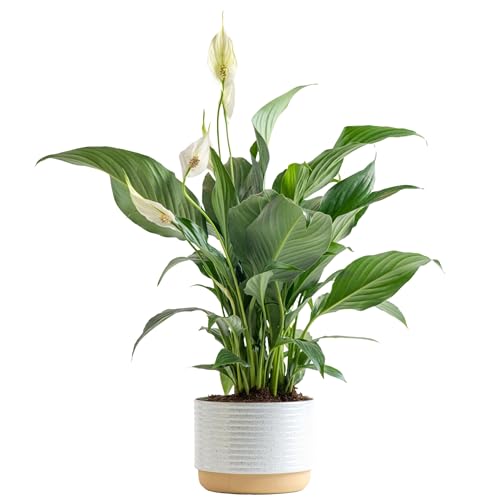
Elegant white flowers and broad leaves that filter air contaminants.
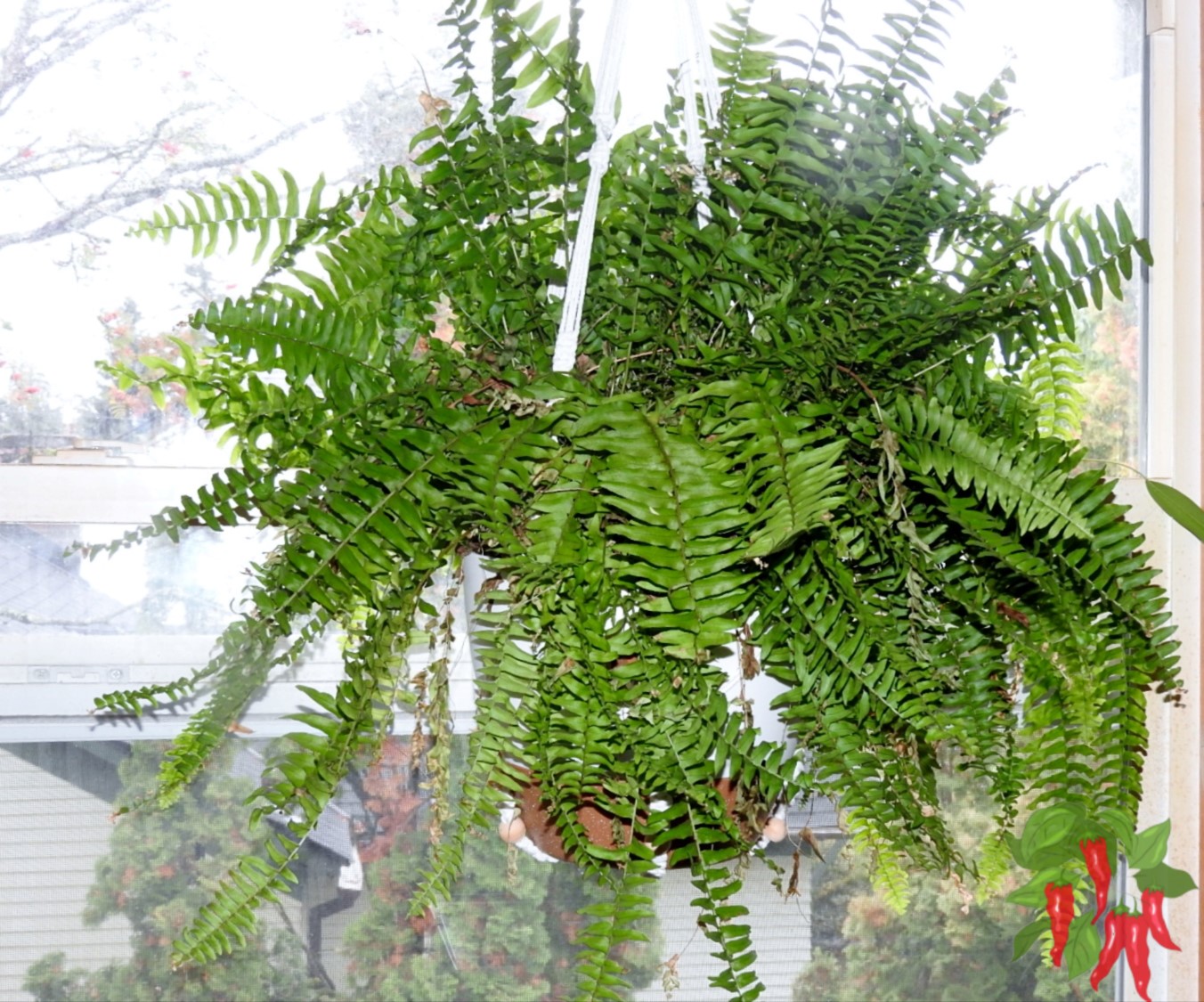
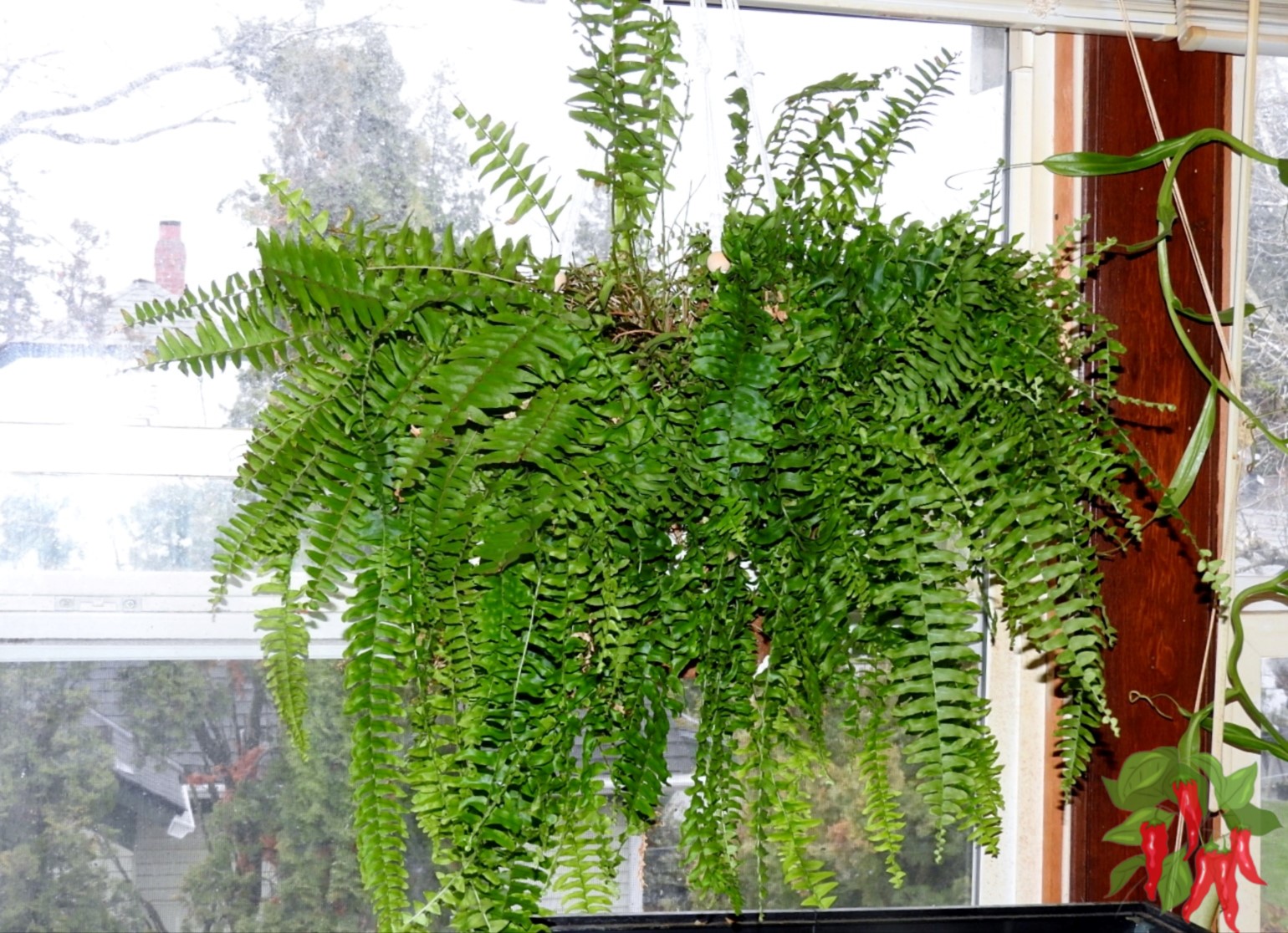
10 • Boston Fern (Nephrolepis exaltata):
Lush, feathery fronds that naturally humidify the air.

Balancing Plants in Minimalist Decor
Size and Scale
To maintain balance in your minimalist space:
• Pair large statement plants with smaller, complementary ones. For example, place a tall snake plant next to a small trailing pothos.
• Use plants of varying heights to create visual interest without cluttering the space.
• Consider the proportions of your room when selecting plant sizes.
Negative Space
Embracing negative space is crucial in minimalist design:
• Allow ample room around plants to maintain a clean, uncluttered look.
• Group plants sparingly to create intentional focal points.
• Use empty wall space to showcase climbing or hanging plants without overwhelming the area.
Choosing the Right Planters
The right planter can enhance your minimalist aesthetic:
• Opt for simple, geometric shapes that complement your decor.
• Choose neutral colors like white, black, or earth tones.
• Consider materials that align with minimalist principles, such as:
• Terracotta: Natural and porous, ideal for many plants.
• Ceramic: Sleek and versatile, available in various finishes.
• Concrete: Modern and industrial, perfect for contemporary spaces.
Optimal Placement
Light and Functionality
Strategic placement is key to both plant health and room functionality:
• Place high-light plants near windows that receive ample sunlight.
• Use low-light tolerant plants to add greenery to darker corners.
• Position air-purifying plants in areas where you spend the most time, such as bedrooms or home offices.
Mindful Spacing
Maintain the minimalist aesthetic by spacing plants thoughtfully:
• Avoid clustering too many plants in one area, which can create visual clutter.
• Use the “rule of thirds” to create balanced compositions within rooms.
• Rotate plants regularly to ensure even growth and maintain their shape.
Theme-Based Plant Selection
Create cohesive plant collections that enhance your minimalist decor:
Monochrome Plant Collection
• Focus on plants with similar colored foliage, such as various shades of green or plants with white variegation.
• Examples: Chinese Evergreen, Pothos, and Dracaena varieties.
Tactile Minimalism
• Choose plants based on interesting leaf textures.
• Examples: Velvet-leafed Pilea, smooth rubber plant, and ruffled fern varieties.
Best Indoor Plants for Minimalist Decor FAQs
Choosing indoor plants for a minimalist home is about finding the right balance between natural beauty, simple shapes, and open space. Here are some common questions about decorating with plants while keeping your rooms clean, comfortable, and uncluttered.
What are the best indoor plants for minimalist decor?
Snake plants, ZZ plants, rubber plants, fiddle leaf figs, and bird of paradise are excellent choices for minimalist interiors. Their distinctive shapes and attractive foliage create visual interest without requiring elaborate displays. For smaller spaces, succulents and compact spider plants are also good options.
How do I decorate with plants without making a room look cluttered?
Choose a few plants with strong visual appeal rather than filling every available surface. Leave open space around your plants, use simple planters, and create one or two focal points. A single large plant in an attractive container can make a bigger impression than several small plants crowded together.
What planters look best in minimalist homes?
Simple planters with clean lines work especially well. White, black, gray, terracotta, and other neutral colors complement most minimalist interiors. Ceramic and concrete planters offer a modern appearance, while terracotta adds natural warmth. Choose a planter that suits the plant’s size and provides proper drainage, or use a nursery pot inside a decorative container.
Are large indoor plants good for minimalist decorating?
Yes. Large plants are often ideal for minimalist rooms because one plant can serve as a striking focal point. Rubber plants, fiddle leaf figs, bird of paradise, and Monstera can add height, texture, and natural beauty. Give larger plants enough room to grow without blocking walkways or crowding furniture.
What are the best minimalist plants for small apartments?
Compact snake plants, smaller ZZ plants, succulents, and spider plants work well in apartments with limited space. Upright plants are especially useful because they add greenery without spreading across a large area. Shelves, narrow plant stands, and simple hanging planters can also help you decorate without using valuable floor space.
Can I use indoor plants in a minimalist room with low light?
Yes, provided the room receives enough light to support plant growth. Snake plants and ZZ plants tolerate lower light levels better than many other houseplants. However, they usually grow more slowly in dim conditions. For rooms without natural light, supplemental grow lighting can help keep your plants healthy.
Are minimalist indoor plants safe for cats and dogs?
Some are, but others are toxic to pets. Spider plants and Boston ferns are generally considered non-toxic to cats and dogs. Snake plants, ZZ plants, peace lilies, Monstera, and several other popular houseplants can cause problems if chewed or swallowed. Always check a plant’s toxicity before bringing it into a home with curious pets. You can research individual plants using the ASPCA’s Toxic and Non-Toxic Plants database.
How many plants should I put in a minimalist room?
There is no set number. A small room may look best with one statement plant and one smaller accent plant, while a larger living room can accommodate several plants without feeling crowded. Focus on balance, spacing, and the overall appearance of the room rather than trying to reach a particular number.
🌿 Explore More Plant Styling Ideas
Looking for more ways to decorate with indoor plants? Visit our Plant Styling & Decor category for ideas on plant placement, shelf styling, cozy room décor, statement plants, and creating balanced indoor spaces with greenery.
Final Thoughts: Decorating with Minimalist Indoor Plants
The best indoor plants for minimalist decor bring natural beauty into your home while preserving the clean lines and open spaces that make minimalist interiors so appealing. Whether you prefer the upright leaves of a snake plant, the glossy foliage of a rubber plant, or the dramatic shape of a bird of paradise, the right plant can become an important part of your decorating style.
One of the things I like about decorating with houseplants is that you don’t need a large collection to make a room feel alive. A single healthy plant in the right location can soften a modern interior, add color, and create a welcoming atmosphere.
Minimalist decorating also gives you an opportunity to appreciate each plant’s natural shape. Instead of surrounding your plants with lots of accessories, let their foliage, growth habits, and textures become part of the design.
A Few Minimalist Plant Styling Tips to Remember
- Choose plants with character: Upright, sculptural, or gracefully arching foliage can create interest without extra decorations.
- Keep displays simple: One large statement plant or a small, balanced grouping often works better than a crowded collection.
- Use neutral planters: White, black, gray, terracotta, and natural finishes complement minimalist interiors.
- Leave open space: Give each plant enough room to stand out while maintaining a comfortable flow through the room.
- Match plants to available light: Choose locations that support healthy growth rather than placing plants solely for appearance.
- Consider room size: Compact plants work well on shelves and tables, while larger plants can anchor open corners and living areas.
- Think about pet safety: Check plant toxicity when decorating homes with cats or dogs.
Remember that minimalist decorating doesn’t mean every room has to look the same. You can combine modern planters with natural materials, use different shades of green, or feature a tropical plant as a focal point. The goal is to create a space that feels balanced and comfortable to you.
Most importantly, let your plants’ growing requirements guide their placement. A healthy plant with attractive foliage will contribute more to your home’s appearance than one struggling in a location chosen only for decorating purposes.
Start with a plant you enjoy, give it room to grow, and build your indoor greenery around the spaces where it looks and grows best.
Happy growing, and don’t forget to stay green! 🌿
🌱 Best Indoor Plants for Beginners
Just getting started with houseplants? These beginner-friendly guides will help you pick, grow, and care for indoor plants with confidence!
- 🌿 Best Indoor Plants for Beginners (Pillar Guide)
- 🐛 Common Indoor Plant Pests and How to Avoid Them
- 💨 Top Indoor Plants for Air Purification
- 🌱 How to Propagate Indoor Plants for Beginners
- 💧 Watering Tips for New Indoor Plant Owners
- 🌼 Easiest Indoor Plants to Grow
- 🪴 How to Choose the Right Indoor Pot for Beginners
- ⏳ Best Indoor Plants for Busy People
- 🌿 Beginner Guide to Indoor Plant Fertilizers
- 🏡 Indoor Plants for Small Spaces
- 😊 Best Indoor Plants for Improving Mood
- 💵 Budget-Friendly Indoor Plants for Beginners
- 🔄 How to Repot Indoor Plants for Beginners
- ❄️ Best Winter Indoor Plants for Beginners
- 🪴 Beginner-Friendly Hanging Indoor Plants
- 🐾 Pet-Friendly Indoor Plants for Beginners
- 🌵 Beginner-Friendly Succulents
- 💧 Best Indoor Plants for Low Humidity
- ⚠️ Common Mistakes Beginners Make with Indoor Plants
- 🌨️ Best Indoor Plants for Winter Months
- 🌸 Beginner-Friendly Indoor Flowering Plants
- ⚡ Indoor Plants with Fast Growth
- 🖤 Best Indoor Plants for Minimalist Decor
- 🌿 Best Indoor Plants to Start a Collection
- See all articles in our Best Indoor Plants for Beginners category
References
- University of Minnesota Extension – Lighting for Indoor Plants and Starting Seeds — Explains how to match houseplants to available light, including low-light plants, foliage plants, and succulents.
- Penn State Extension – The Argument for Houseplants — Discusses choosing plants for indoor conditions, maintenance needs, lighting, and humidity.
- Penn State Extension – Repotting Houseplants — Covers selecting containers, potting mixes, drainage, and repotting indoor plants.
- North Carolina State University Extension – ZZ Plant (Zamioculcas zamiifolia) — Provides information about ZZ plant growth, indoor light tolerance, care, and toxicity.
Related Content

Visit my Amazon Influencer Page for videos and gardening products Grow Your Own Garden