
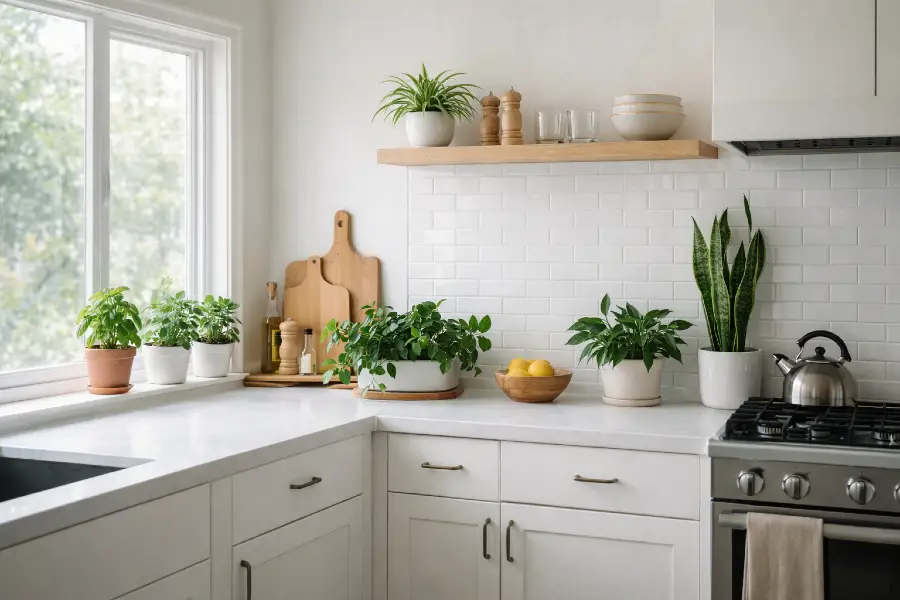
Adding houseplants to your kitchen is a simple way to bring more greenery, color, and warmth into one of the busiest rooms in your home. The best plants for kitchens are those that fit your available space, grow well in your lighting conditions, and complement your kitchen’s decorating style.
You don’t need a large kitchen to enjoy indoor plants. A trailing pothos on an open shelf, a spider plant near a window, or a few fresh herbs on the countertop can make even a small kitchen feel more welcoming. The right plants can soften hard surfaces, brighten unused corners, and add a natural touch to your everyday surroundings.
Kitchens also offer several interesting places to display plants, from sunny windowsills to hanging planters and shelves above the counter. Some plants appreciate bright sunlight, while others grow well with indirect light. Choosing plants that suit each location is the key to creating an attractive display that stays healthy.
In this guide, you’ll discover easy-care kitchen plants, useful culinary herbs, low-light options, and practical ways to arrange plants around your kitchen. Whether you’re decorating a spacious kitchen or working with limited countertop space, you’ll find ideas that combine healthy plants with everyday living.
🌿 What You’ll Learn
- What makes a houseplant a good choice for your kitchen
- Six easy-care indoor plants for kitchen counters, shelves, and corners
- Which plants grow best on bright kitchen windowsills
- Popular culinary herbs you can grow close to where you cook
- Low-light plants for kitchens with limited natural sunlight
- How to arrange plants without crowding your countertops
- Simple kitchen decorating ideas using pots, shelves, and hanging plants
- How to keep kitchen plants safely positioned around cooking areas and pets
🌿 Quick Answer: What Are the Best Plants for Kitchens?
The best plants for kitchens include pothos, spider plants, snake plants, aloe vera, Chinese evergreens, and peace lilies. These houseplants offer different growth habits, lighting requirements, and decorating possibilities, making it easy to find plants that fit your kitchen’s layout.
For shelves and hanging planters, pothos and spider plants are excellent choices. Snake plants and Chinese evergreens work well in kitchens with moderate or lower natural light, while aloe vera is better suited to a sunny windowsill. Peace lilies add attractive foliage and occasional white blooms to kitchens with suitable indirect light.
If you enjoy cooking with fresh ingredients, you can also grow culinary herbs such as basil, parsley, thyme, and rosemary near a bright window or beneath a suitable LED grow light. Choose plants according to the light available, then arrange them where they won’t interfere with cooking or food preparation.
🪴 Best Plants for Kitchens at a Glance
Use this quick comparison to choose kitchen plants based on their lighting needs, growth habits, and the space you have available.
| Kitchen Plant | Light Requirements | Best Kitchen Location | Main Advantage |
|---|---|---|---|
| Pothos | Low to bright indirect light | Open shelves or hanging planters near windows | Attractive trailing vines and easy care |
| Spider Plant | Medium to bright indirect light | Hanging baskets, shelves, or bright windows | Arching foliage and decorative plantlets |
| Snake Plant | Low to bright indirect light | Counter corners or floor spaces | Upright growth that saves space |
| Aloe Vera | Bright light with some direct sun | Sunny kitchen windowsill | Sculptural succulent foliage and modest watering needs |
| Chinese Evergreen | Low to medium indirect light; brighter indirect light for colorful varieties | Counters or plant stands away from direct sun | Decorative patterned foliage |
| Peace Lily | Medium to bright indirect light; tolerates lower light | Bright shelves, counters, or plant stands | Glossy leaves and elegant white blooms |
Growing tip: Low-light tolerance doesn’t mean a plant can grow indefinitely without adequate light. If your kitchen has very little natural sunlight, consider adding an LED grow light or placing your plants closer to a suitable window.
🌿 Why Kitchens Are Great Places for Plants
Kitchens are often one of the best rooms in the house for indoor plants. They usually have windows, warmer temperatures, and occasional humidity from cooking and washing dishes. Many houseplants actually prefer these conditions.
Plants can also make kitchens feel less sterile and more comfortable. Hard surfaces like counters, cabinets, and appliances can make a kitchen feel cold, but plants soften the space and add natural color.
Even a small plant near the sink or a few herbs on a windowsill can completely change how a kitchen looks and feels.
🪴 What Makes a Plant Good for a Kitchen?
The best plants for kitchens are usually plants that stay fairly compact, tolerate indoor temperatures, and do well with indirect light. Kitchens are busy spaces, so plants should not be too large or placed where they get in the way.
Good kitchen plants usually have these qualities:
- Compact or upright growth
- Tolerant of indoor temperatures
- Can grow in bright indirect light or partial sun
- Do not need constant watering
- Fit on counters, shelves, or windowsills
If your kitchen has a bright window, you can grow many types of plants. If your kitchen is darker, you will want to choose low light plants that are more flexible indoors.
🌱 Best Plants for Kitchens
There are many indoor plants that grow well in kitchens, but some are especially popular because they stay manageable and look good on counters, shelves, and windowsills.
Pothos
Pothos is one of the easiest kitchen plants you can grow. It works well on shelves, above cabinets, or near windows where the vines can trail down. It is very forgiving and does well in normal indoor light.
Spider Plant
Spider plants are perfect for kitchens because they stay fairly compact and can be placed on shelves or hung near windows. They are easy to care for and tolerate a wide range of indoor conditions.
Snake Plant
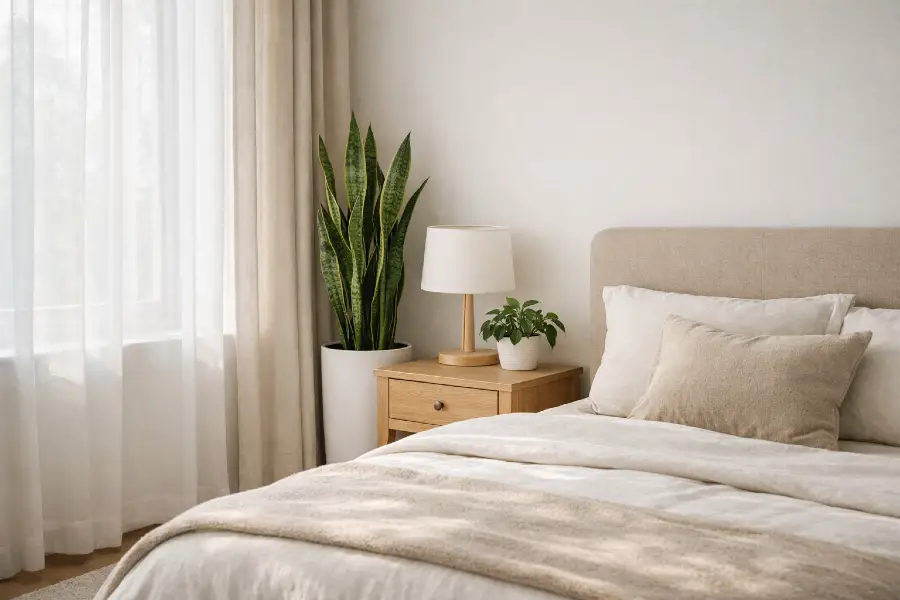
Snake plants are great for kitchens that do not get a lot of light. Their upright leaves fit well in corners or on counters where space is limited.
Aloe Vera
Aloe vera is a great plant for sunny kitchen windows. It stays fairly small and does well with bright light and occasional watering.
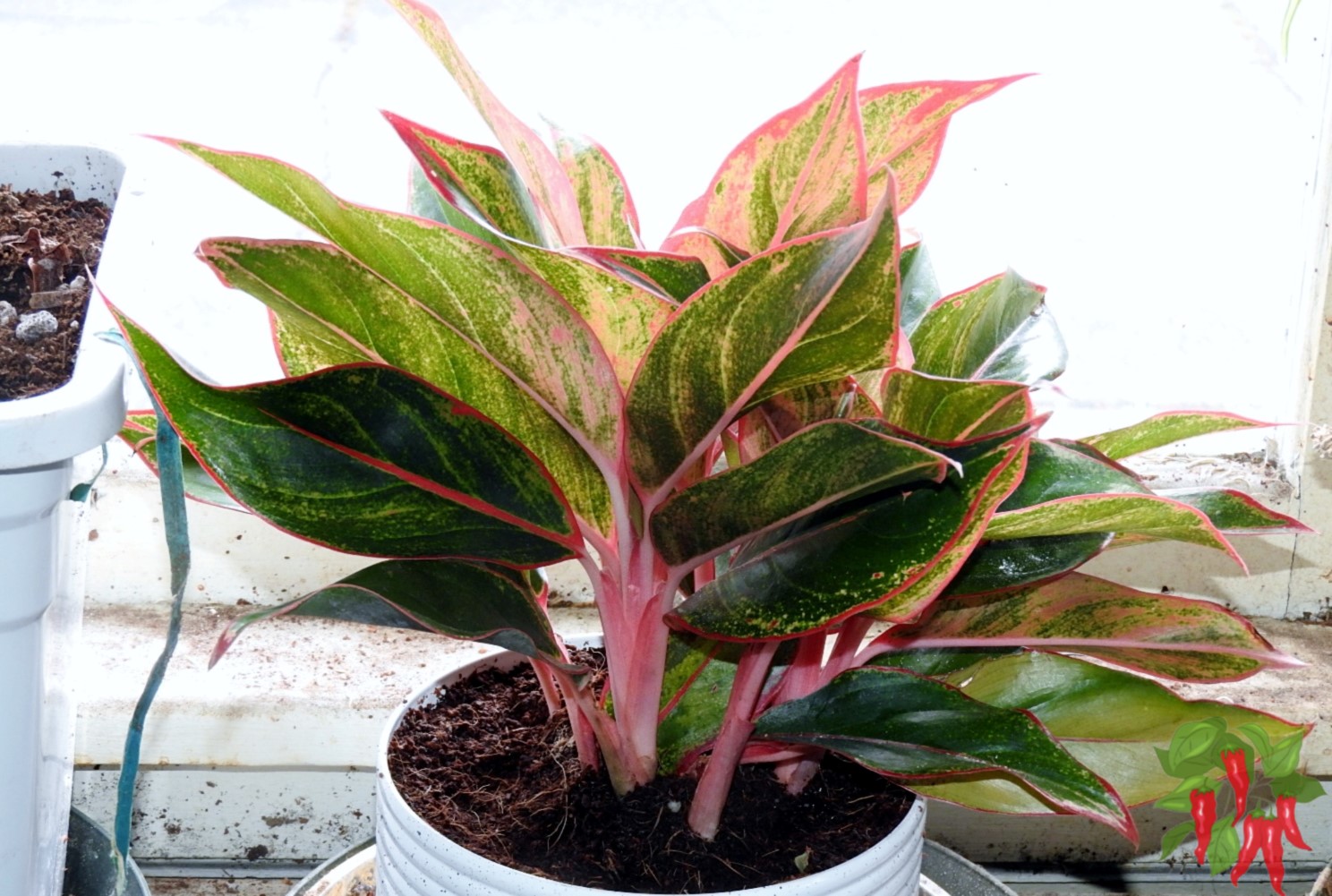
Chinese Evergreen
Chinese evergreen is a good choice for kitchens with medium or lower light. It has attractive foliage and stays manageable in size.
Peace Lily
Peace lilies work well in kitchens with indirect light and add a softer, more decorative look to counters or plant stands.
🌿 Best Herbs to Grow in a Kitchen
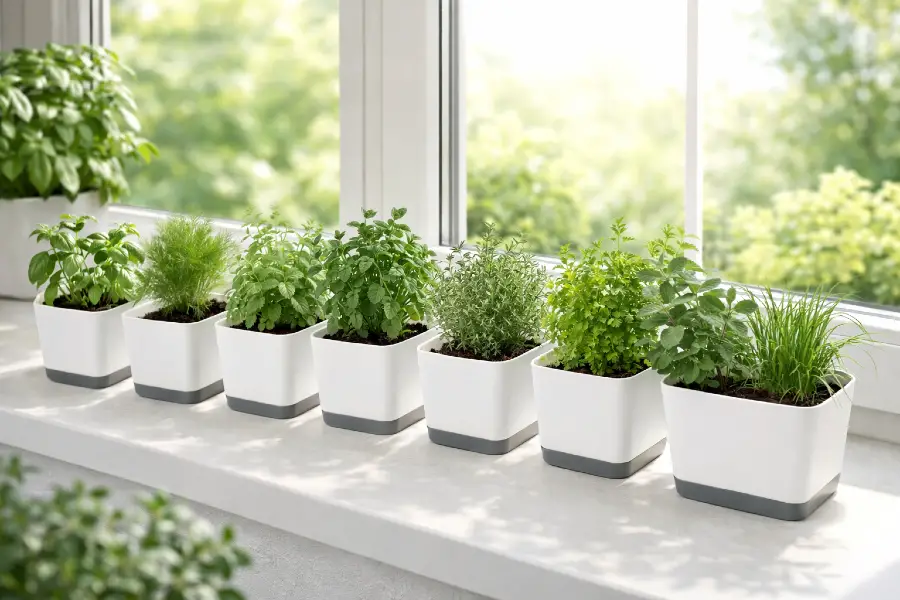
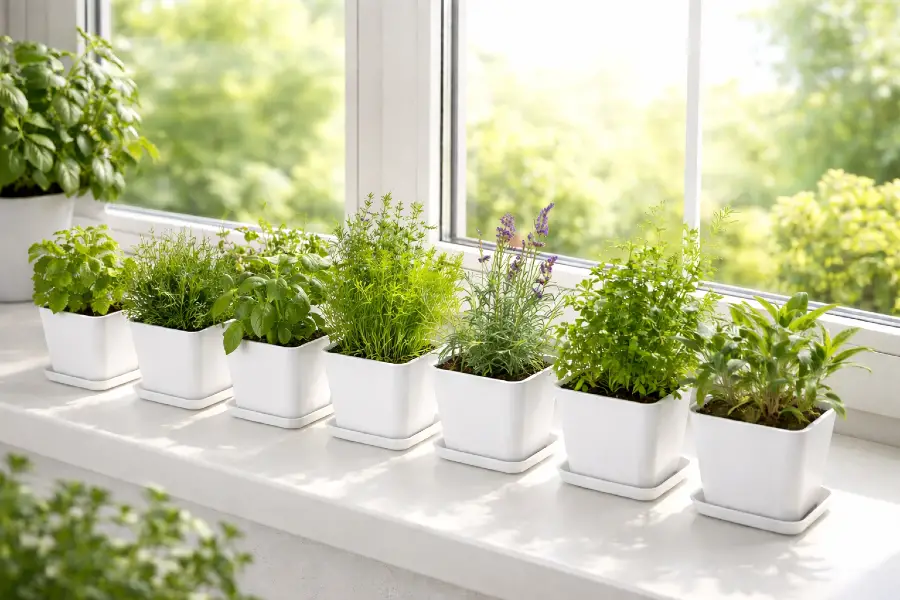
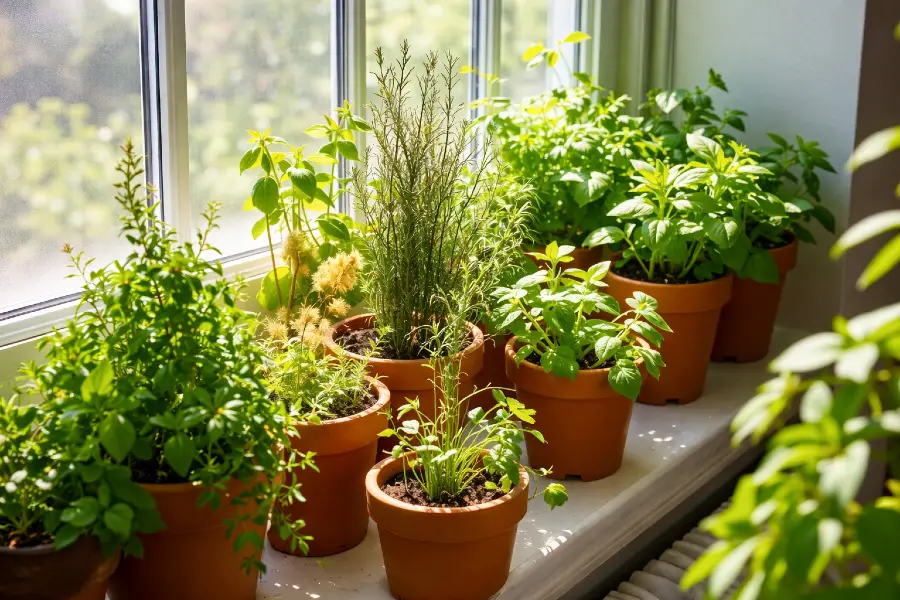
Kitchens are one of the best places to grow herbs because they are easy to reach while cooking and usually sit near a window. Herbs also stay fairly small, making them perfect for windowsills and counters.
Some of the best herbs to grow in a kitchen include:
- Basil
- Mint
- Parsley
- Chives
- Thyme
- Oregano
- Rosemary
Most herbs need bright light, so they grow best on a sunny windowsill. If your kitchen does not get much light, you may need a small grow light for herbs to do well long term.
🌙 Low Light Plants for Kitchens
Not all kitchens have bright windows, especially in apartments or interior kitchens. Fortunately, several indoor plants can tolerate lower light conditions.
Good low light plants for kitchens include:
- Snake plant
- ZZ plant
- Pothos
- Chinese evergreen
- Peace lily
- Dracaena
These plants can grow in indirect light and do not need direct sun all day. They are often the best choice for kitchens that rely more on indoor lighting than window light.
📍 Where to Put Plants in a Kitchen
Placement matters a lot in kitchens because counter space is often limited and you do not want plants in the way while cooking. The best kitchen plant locations are places that get light but stay out of the main work areas.
Good places to put plants in a kitchen include:
- Windowsills
- Open shelves
- Top of cabinets
- Corner of a counter
- Hanging planters near windows
- Small plant stands in unused corners
Avoid placing plants directly next to stovetops or where they will constantly get splashed with grease or soap. Most plants prefer stable conditions and indirect light rather than heat and steam.
✨ How to Style Plants in a Kitchen
Kitchen plants usually look best when they are grouped or placed intentionally rather than scattered randomly. For example, three small herbs in matching pots on a windowsill often looks better than several different plants spread across the entire counter.
Try to match plant pots with your kitchen colors or materials. White pots, ceramic pots, and simple terracotta pots often work well in kitchens.
You can also mix plants with kitchen items like cutting boards, cookbooks, jars, or baskets to make the space feel styled rather than cluttered.
🍳 Kitchen Safety Tips for Indoor Plants
Indoor plants can make your kitchen feel warmer and more welcoming, but a kitchen is also a busy working space. With a little planning, you can enjoy your plants while keeping them away from cooking hazards, food preparation areas, and everyday kitchen activities.
Keep Plants Away From Stovetops and Cooking Heat
Avoid placing houseplants close to burners, ovens, or other appliances that produce significant heat. Hot air, cooking steam, and sudden temperature changes can damage leaves and dry out the growing medium more quickly.
Plants on shelves near the stove may also collect cooking grease on their leaves. Choose locations away from direct heat and grease, especially for plants with delicate foliage.
Keep Potting Soil Away From Food Preparation Areas
Potting soil, fertilizers, and drainage water should be kept separate from surfaces used for preparing food. A plant may look attractive beside a cutting board or mixing bowl, but it’s better to keep enough distance between your containers and active food preparation areas.
Use waterproof trays beneath pots, clean up spilled growing medium promptly, and wash your hands after repotting or handling potting soil.
Protect Counters and Cabinets From Water Damage
Watering houseplants on kitchen counters can leave moisture beneath pots, especially when containers have drainage holes. Over time, trapped water may damage wood, laminate seams, and other moisture-sensitive surfaces.
Place pots on waterproof saucers or trays, empty excess drainage water, and check beneath containers occasionally. If you keep plants on wooden shelves or above cabinets, make sure the surface is protected from moisture.
Choose Stable Locations for Pots and Hanging Plants
Kitchen counters, shelves, and windowsills can become crowded with everyday items. Choose sturdy plant containers and keep them away from counter edges where they might be knocked over.
For hanging planters, use secure mounting hardware suitable for the weight of the container, growing medium, and water. Avoid hanging plants where trailing vines could interfere with cooking or where pots might fall onto work areas.
Use Kitchen Grow Lights Safely
If your kitchen needs supplemental plant lighting, choose grow lights intended for indoor use and follow the manufacturer’s installation instructions. Keep electrical connections away from sinks, watering areas, and other sources of moisture.
Secure cords so they don’t hang across work surfaces or create a tripping hazard. Keep lights away from flammable materials and maintain the recommended distance between the fixture and your plants.
My advice: Choose kitchen plant locations that are attractive, easy to maintain, and safely separated from your main cooking activities. A bright windowsill, unused counter corner, or sturdy shelf can provide an inviting display without interfering with how you use your kitchen.
🐾 Are Kitchen Houseplants Safe for Cats and Dogs?
Houseplants can make your kitchen more attractive and welcoming, but it’s important to consider your pets when choosing which plants to grow. Some popular kitchen plants are considered non-toxic to cats and dogs, while others can cause illness if eaten.
Kitchen counters and shelves may seem like safe places for plants, but cats can often reach these locations. Choosing suitable plants and keeping potentially harmful varieties out of reach will help you create a more pet-friendly kitchen.
Pet Safety of Popular Kitchen Houseplants
Here is how the six houseplants featured in this guide compare for pet safety:
- Spider Plant: Listed as non-toxic to cats and dogs by the ASPCA. This makes it one of the better choices for a pet-friendly kitchen.
- Pothos: Toxic to cats and dogs. Chewing the leaves can cause mouth irritation, drooling, and vomiting because the plant contains insoluble calcium oxalate crystals.
- Snake Plant: Toxic to cats and dogs. Eating the leaves may cause nausea, vomiting, or diarrhea.
- Aloe Vera: Toxic to cats and dogs when ingested. Although aloe is familiar as a household plant, it should not be treated as a pet-safe houseplant.
- Chinese Evergreen: Toxic to cats and dogs. Like pothos, it contains insoluble calcium oxalate crystals that can irritate the mouth and digestive tract.
- Peace Lily: Toxic to cats and dogs. It can cause oral irritation, drooling, and difficulty swallowing. Peace lilies are not true lilies, but they still need to be kept away from pets.
Are Kitchen Herbs Safe for Pets?
Culinary herbs are another consideration when creating a pet-friendly kitchen. Just because an herb is safe for people to eat doesn’t necessarily mean it’s safe for cats or dogs.
- Basil, thyme, and rosemary: Generally considered non-toxic to cats and dogs.
- Chives: Toxic to cats and dogs. Chives belong to the onion family and can cause serious health problems if eaten.
- Parsley: Listed as toxic by the ASPCA, although large amounts are generally needed to cause the photosensitivity associated with parsley poisoning.
- Oregano: Listed as toxic to cats and dogs and may cause digestive upset.
- Mint: Garden mint is listed as toxic to cats and dogs by the ASPCA. Safety can vary with the species, so check the exact plant.
Even herbs classified as non-toxic may cause mild stomach upset if a pet eats too much. Concentrated herbal essential oils should also be kept away from pets.
Tips for Creating a Pet-Friendly Kitchen Plant Display
- Choose non-toxic plants whenever possible if your pets like chewing on leaves.
- Remember that cats may reach windowsills, shelves, and countertops.
- Keep toxic plants in locations your pets cannot access, rather than relying on height alone.
- Use stable containers that are difficult to knock over.
- Remove fallen leaves and plant trimmings promptly.
- Store fertilizers, pesticides, and other plant-care products away from pets.
My advice: If you have curious cats or dogs, a spider plant is one of the easiest choices from this article for a pet-friendly kitchen. You can still enjoy other houseplants, but make sure potentially toxic varieties are kept somewhere your pets cannot reach.
For detailed information about individual plants, visit the ASPCA Toxic and Non-Toxic Plants Database. If you suspect your pet has eaten a toxic plant, contact your veterinarian or an animal poison control service promptly.
Frequently Asked Questions About the Best Plants for Kitchens
What are the best plants for kitchens?
Some of the best plants for kitchens include pothos, spider plants, snake plants, aloe vera, Chinese evergreens, and peace lilies. These plants offer different sizes, growth habits, and lighting requirements. Pothos and spider plants are especially attractive on shelves or in hanging planters, while snake plants work well in narrow spaces. Aloe vera is a good choice for a sunny kitchen window.
Can houseplants grow well in kitchens?
Yes, many houseplants grow very well in kitchens when they receive suitable light, temperatures, and watering. Kitchens often have useful growing locations near windows, on shelves, or in unused corners. Choose plants that match the conditions in your kitchen, and keep them away from cooking heat, grease, and frequent temperature changes.
What plants grow best on kitchen windowsills?
Aloe vera and many culinary herbs are good choices for bright, sunny kitchen windowsills. Basil, thyme, rosemary, and oregano generally appreciate strong light. Spider plants can also grow well near bright windows, especially where they receive indirect sunlight. Consider the direction your window faces and protect sensitive plants from extreme heat or cold near the glass.
What are the best low-light plants for kitchens?
Snake plants, ZZ plants, pothos, Chinese evergreens, peace lilies, and some dracaenas can tolerate lower natural light levels. These plants are useful for kitchens without large sunny windows. However, low-light tolerance doesn’t mean plants can thrive in darkness. If your kitchen has very little natural light, an LED grow light can help support healthy growth.
Where should you place plants in a kitchen?
Good kitchen plant locations include windowsills, open shelves, unused countertop corners, hanging planters, and small plant stands. Choose locations that provide enough light without interfering with cooking or food preparation. Avoid placing plants close to stovetops, hot appliances, or areas where leaves may collect cooking grease.
What are the best kitchen plants for small spaces?
Compact spider plants, small pothos, young snake plants, and smaller Chinese evergreens can work well in kitchens with limited space. Trailing plants are especially useful because they can grow from shelves or hanging baskets instead of taking up valuable countertop room. Choose containers that fit your available space and allow room for future growth.
Can you grow kitchen plants without a sunny window?
Yes, you can grow many houseplants in kitchens without sunny windows if they receive enough indirect light or supplemental lighting. Pothos, snake plants, and ZZ plants are among the more adaptable choices. For kitchens with little or no natural light, a suitable LED grow light is a practical way to provide the light plants need. Culinary herbs generally require stronger lighting than most foliage houseplants.
Which kitchen houseplants are safe for cats and dogs?
Spider plants are listed as non-toxic to cats and dogs by the ASPCA, making them a good choice for pet-friendly kitchens. However, pothos, snake plants, aloe vera, Chinese evergreens, and peace lilies are toxic if eaten. Some culinary herbs are also toxic to pets, including chives. Always check individual plants using the ASPCA Toxic and Non-Toxic Plants Database, and keep potentially harmful plants out of reach.
🌿 Best Plants for Kitchens: Final Thoughts
Adding houseplants to your kitchen is a wonderful way to bring natural color, texture, and life into a room you use every day. Whether you have a large kitchen with sunny windows or a small apartment kitchen with limited counter space, there are indoor plants that can fit your surroundings and decorating style.
The best plants for kitchens are the ones that suit your available light and the space where you want to display them. Pothos and spider plants are excellent choices for shelves and hanging planters, while snake plants and Chinese evergreens can add greenery to corners and areas with less natural light. Aloe vera is attractive on a sunny windowsill, and peace lilies bring elegant foliage to locations with suitable indirect light.
I especially like how plants can soften the hard surfaces commonly found in kitchens. Cabinets, countertops, tile, and appliances all benefit from a little greenery. A trailing plant on an open shelf, a few herbs in matching pots, or a small collection of houseplants near a window can make the entire room feel warmer and more welcoming.
A Few Tips for Creating Your Kitchen Plant Display
- Start with one or two plants: Choose easy-care varieties that fit your kitchen’s lighting and available space.
- Make use of vertical space: Shelves and hanging planters can display plants without crowding your countertops.
- Choose containers that complement your kitchen: Terracotta, ceramic pots, and decorative planters can help tie your plants into the room’s overall style.
- Keep plants healthy: Provide suitable light, proper drainage, and watering based on each plant’s needs.
- Leave room for everyday activities: Keep plants away from cooking heat, busy food preparation areas, and places where containers could be knocked over.
My advice is to begin with a plant you enjoy and find a location where it can grow well. Once you see how it fits into your kitchen, you can add another plant, experiment with different containers, or create a small display using several varieties.
A beautiful kitchen plant display doesn’t have to be elaborate. Sometimes a healthy pothos trailing from a shelf or a spider plant beside a bright window is all it takes to make your kitchen feel a little more alive.
Indoor Trees and Large Plants: Bring the Outdoors In!
Indoor Plants for Offices: Boost Productivity and Air Quality
Indoor Plants for Bathrooms: Transform Your Space into a Lush Oasis
Browse More Indoor Plant Ideas
📚 References and Further Reading
For more information about choosing, growing, and caring for indoor kitchen plants, explore these university Extension and nonprofit resources:
- Iowa State University Extension – How to Care for Houseplants. A comprehensive guide to indoor plant care, including lighting, watering, growing media, containers, temperature, humidity, and fertilizing. Read the guide.
- University of Minnesota Extension – Lighting for Indoor Plants and Starting Seeds. Explains indoor lighting requirements, choosing houseplants for different light conditions, and using supplemental grow lights. Includes information about low-light houseplants such as Chinese evergreens and snake plants. Read the guide.
- University of Illinois Extension – Houseplant Care. Provides practical guidance about maintaining indoor plants, including temperature, humidity, watering, and avoiding sudden environmental changes. Read the guide.
- Iowa State University Extension – Growing Herbs Indoors. Covers popular culinary herbs for indoor growing, sunlight requirements, supplemental lighting, containers, watering, and harvesting fresh herbs. Read the guide.
- ASPCA – Toxic and Non-Toxic Plants Database. A reference for checking whether common houseplants and culinary herbs are toxic or non-toxic to cats and dogs. Check plant toxicity.
Related Content
Visit my Amazon Influencer Page for videos and gardening products Grow Your Own Garden