

Best Plants for Living Room Feng Shui combine attractive indoor greenery with traditional Feng Shui-inspired decorating concepts. A well-chosen plant can serve as a focal point, soften hard lines, add natural texture, and help create a comfortable, welcoming living room environment.
Living rooms are often the central gathering spaces in a home, making them popular locations for larger statement plants, decorative foliage plants, and traditional Feng Shui favorites. Choosing plants that match your available light, room size, and decorating style is just as important as any Feng Shui considerations.
This guide explores the best plants for living room Feng Shui, including popular plant choices, care considerations, placement ideas, and traditional Feng Shui associations commonly connected with indoor plants.
What You’ll Learn
- The best indoor plants for living rooms of all sizes
- How to choose plants based on lighting conditions
- Popular Feng Shui plant choices and their traditional symbolism
- Living room plant placement ideas and styling tips
- How to keep living room plants healthy and attractive year-round
1. Feng Shui and Plants
Plants are more than just decorative. They’re natural energy boosters! In Feng Shui they play a special role in creating harmony and balance.
Let’s explore how this ancient practice works and why adding greenery can elevate the energy and beauty of your living room.
What is Feng Shui?
- Feng Shui is an ancient Chinese practice focused on balancing energy or Chi, in your environment.
- The goal is to create spaces that feel peaceful, balanced, and inviting.
- It uses elements like wood, water, and earth to optimize energy flow in any room.
The Role of Plants in Feng Shui
- Plants symbolize growth, vitality, and fresh energy.
- They bring the wood element into your space, which supports health and renewal.
- Plants improve Chi by purifying the air and refreshing the energy in the room.
Why Plants Work Well in Feng Shui
- Balance: Plants help balance the five Feng Shui elements, especially the wood element.
- Positive Energy: Their presence promotes peace and harmony.
- Air Purification: Many plants remove toxins, keeping the energy and air clean.
- Visual Appeal: Greenery adds a natural and calming aesthetic to any space.
By understanding the connection between Feng Shui and plants, you can make thoughtful choices to create a living room that feels vibrant and harmonious.
2. Living Room Feng Shui
Your living room is the heart of your home, a space where energy flows freely and connections are made.
Feng Shui principles can transform it into a welcoming and harmonious environment. Here’s how to make the most of this vital space.
Importance of Feng Shui in the Living Room
- Energy Hub: The living room is often where family and guests gather, making it a central point for energy exchange.
- First Impressions: This space sets the tone for the overall vibe of your home.
- Relaxation and Connection: A well-balanced living room promotes relaxation and enhances relationships.
Key Feng Shui Principles for the Living Room
- Balance: Maintain harmony by balancing elements like wood, water, earth, and metal.
- Clutter-Free Design: Keep the space organized to ensure energy flows smoothly.
- Incorporating Natural Elements: Add plants, natural light, and soft textures to create a peaceful environment.
- Furniture Placement: Arrange furniture to encourage conversation and an open energy flow.
Best Spots for Plants in the Living Room
- Near Windows: Place plants where they can receive natural light and enhance the room’s vitality.
- Corners: Add greenery to empty corners to balance and circulate Chi.
- Alongside Furniture: Position plants near couches or tables to soften the look and improve energy flow.
- Entryways: A small plant near the entrance invites positive energy into your home.
By applying these Feng Shui principles, your living room can become a space that radiates positivity and makes everyone feel at home.
3. Living Room Feng Shui Plants
The right plants can do more than brighten your living room—they can bring harmony, prosperity, and positive energy into your home.
Here’s a closer look at the best Feng Shui plants for your living space and how to keep them thriving.
Bamboo Plant for Living Room

- Why It’s Lucky: Bamboo is a traditional Feng Shui plant, symbolizing resilience, good fortune, and prosperity. Its strong yet flexible nature represents balance and growth.
- Caring for Bamboo: Place it in bright indirect light and water weekly. If growing Lucky Bamboo avoid stagnant water as it can diminish its energy.
Lucky Indoor Plants for Living Room
- Jade Plant: Often called the “money plant,” the Jade Plant is a symbol of wealth and abundance. Place it in bright, indirect light near a window to encourage financial luck.

- Peace Lily: With its graceful white blooms, the Peace Lily represents balance and harmony. It purifies the air and creates a soothing vibe, perfect for living spaces.
- Areca Palm: Known for its lush, feathery fronds, the Areca Palm adds vibrant energy while improving air quality. It’s a striking addition that uplifts the room’s energy.


Other Favorite Feng Shui Living Room Plants
Money Tree:

- Why It’s Special: This iconic Feng Shui plant attracts abundance and good fortune.
- Care Tips: It thrives in indirect light and requires watering when the soil feels dry.
Rubber Plant:

- Why It’s Special: With its glossy, broad leaves, the Rubber Plant symbolizes positivity and reduces stress.
- Care Tips: It’s also low-maintenance, making it perfect for busy households.
Lucky Bamboo:

- Why It’s Special: Known for its flexibility and resilience Lucky Bamboo symbolizes good luck and peaceful energy.
- Care Tips: Thrives in indirect light and water; avoid direct sunlight to keep its leaves healthy.
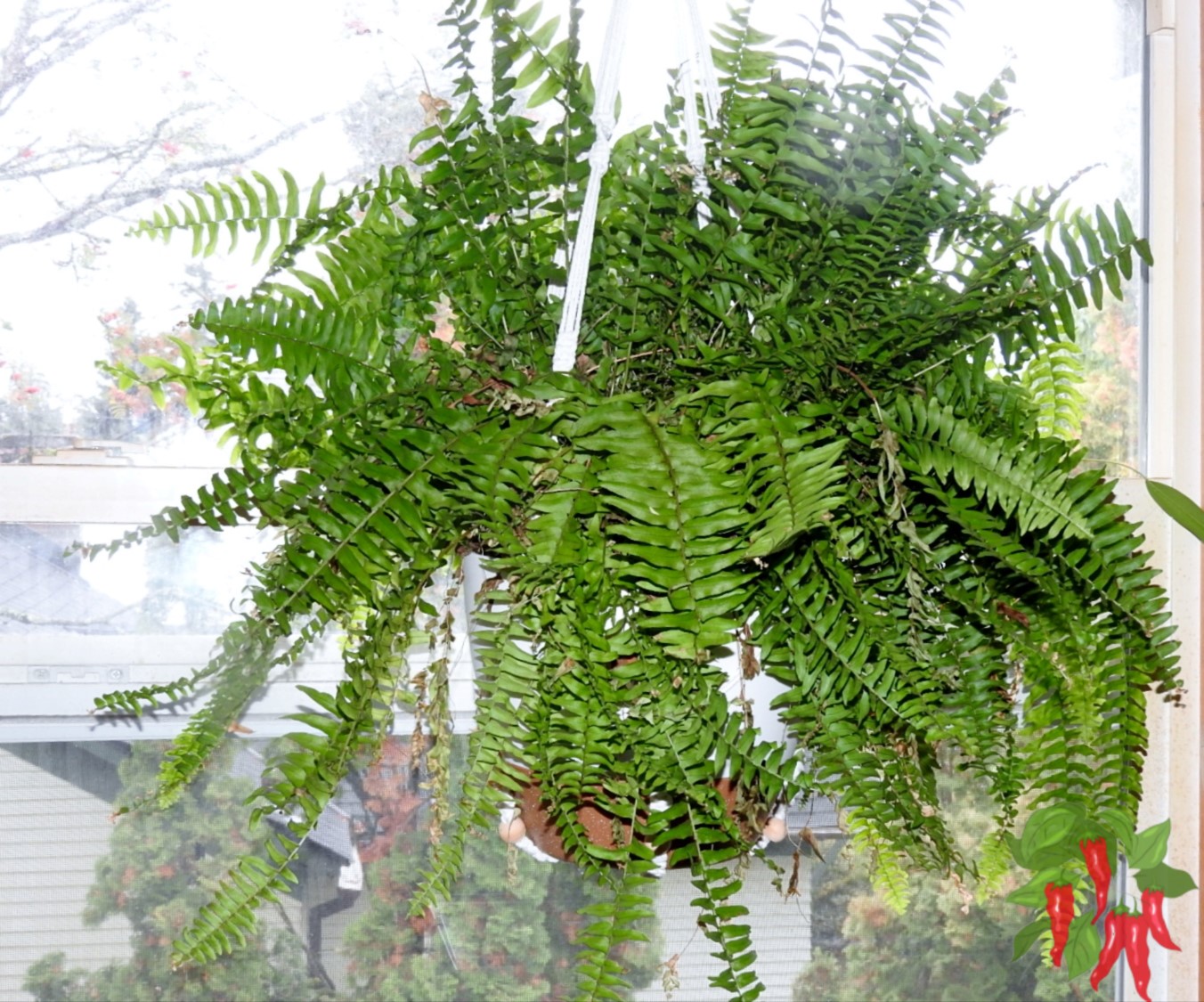
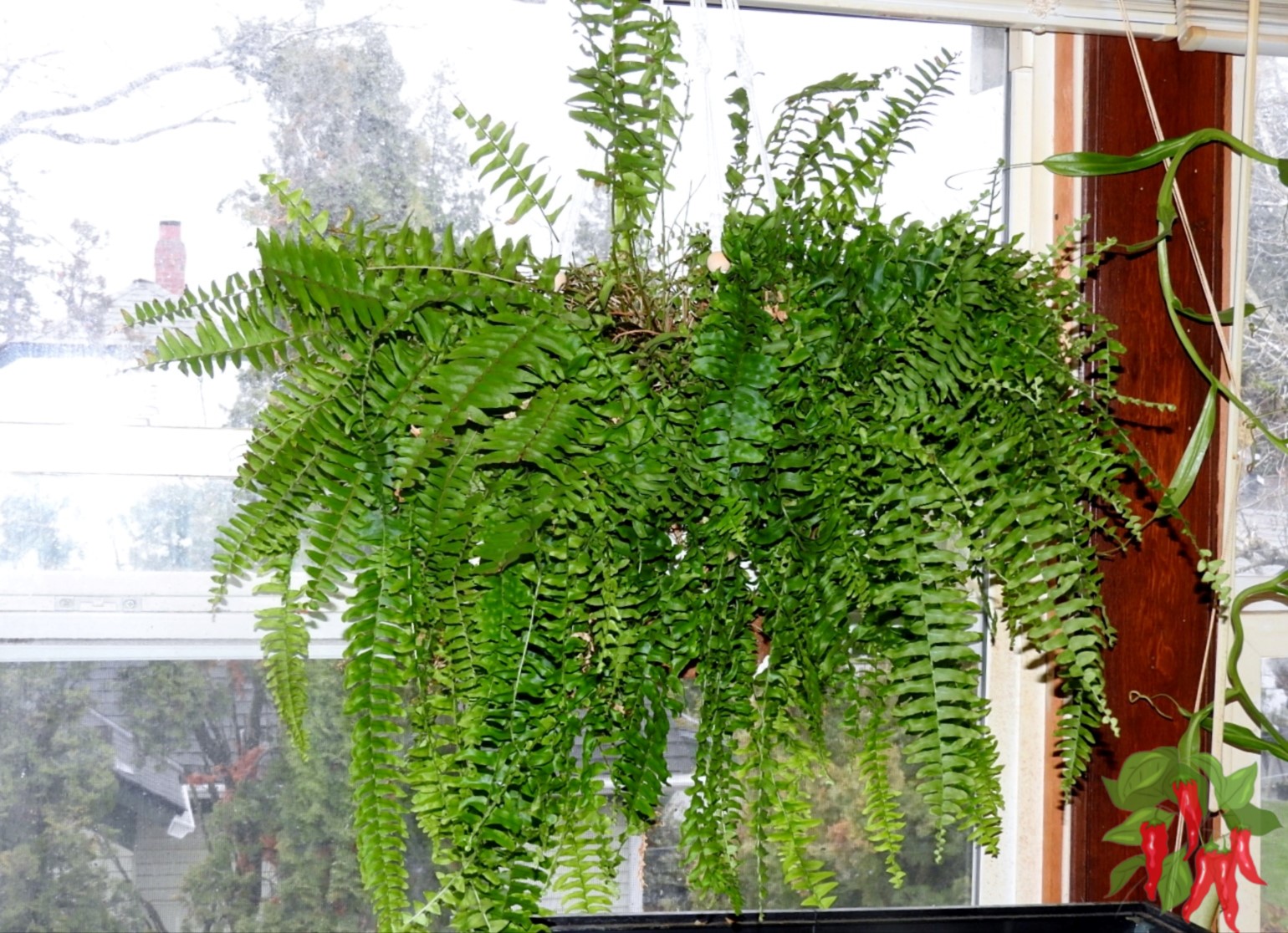
Boston Fern:

- Why It’s Special: The Boston Fern adds a soft, cascading texture to any space while purifying the air.
- Care Tips: Prefers high humidity and indirect light—perfect for filling empty corners.
Golden Pothos:

- Why It’s Special: Often referred to as a “devil’s ivy,” Golden Pothos symbolizes prosperity and positive energy flow.
- Care Tips: Extremely low-maintenance; thrives in low to moderate light and only needs occasional watering.
Philodendron:

- Why It’s Special: Philodendron represents health and growth, making it an excellent addition to family spaces.
- Care Tips: Loves bright, indirect light and requires consistent watering but avoids soggy soil.
Calathea (Prayer Plant):
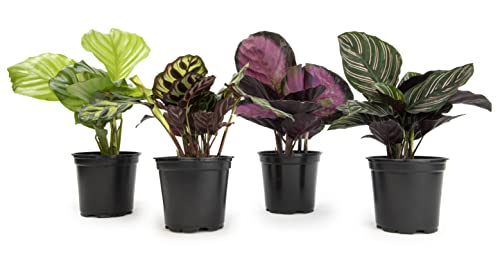
- Why It’s Special: Known for its striking patterned leaves, Calathea symbolizes gratitude and peace.
- Care Tips: Prefers a humid environment and indirect light—great for maintaining tranquility.
Fiddle Leaf Fig:

- Why It’s Special: The Fiddle Leaf Fig symbolizes abundance and good fortune while adding dramatic height and style to a room.
- Care Tips: Needs bright, indirect sunlight and consistent watering to avoid dropping leaves.
Spider Plant:

- Why It’s Special: The Spider Plant represents renewal and adaptability while improving air quality.
- Care Tips: Thrives in bright, indirect light but is hardy enough for most conditions.
By including a variety of these plants in your living room, you can enhance its energy flow, improve the atmosphere, and create a space that feels lush and inviting.
Tips for Keeping Plants Healthy
Healthy plants are the heart of good Feng Shui. When your plants thrive, they bring vibrant, positive energy to your living room.
With just a little care and attention, you can ensure your greenery stays lush and continues to enhance the harmony in your space. Here’s how to keep them in top shape!
- Regular Maintenance: Water consistently but avoid overwatering. Remove dead leaves to prevent stagnant energy.
- Proper Placement: Position plants where they receive the right amount of light. Corners, near windows, or next to furniture are ideal for energy flow.
- Keep Them Clean: Dust leaves regularly to keep plants healthy and their energy vibrant.
With these Feng Shui plants in your living room, you can create a space that feels lively, harmonious, and full of positive energy.
How to Arrange Feng Shui Elements in the Living Room
Arranging Feng Shui elements in your living room is all about creating balance and flow.
Each element wood, fire, earth, metal, and water should work together to promote positive energy. Here’s how to incorporate them harmoniously:
- Wood (Growth and Vitality): Add plants, wooden furniture, or bamboo décor to symbolize growth.
- Fire (Passion and Energy): Use candles, a fireplace, or warm lighting to represent fire. Small red or orange accents work too.
- Earth (Stability and Grounding): Incorporate clay pots, ceramic vases, or earthy tones in rugs or throws.
- Metal (Clarity and Focus): Choose metallic frames, mirrors, or sculptures for a sleek and calming touch.
- Water (Relaxation and Renewal): Add small fountains, aquariums, or even a bowl of water with floating flowers.
Tips for Placement:
- Arrange furniture to encourage open conversation and smooth energy flow.
- Use corners for plants to balance energy, and avoid blocking pathways with bulky décor.
Top Low-Maintenance Feng Shui Plants for Busy Lifestyles
Love the idea of Feng Shui plants but short on time? These low-maintenance options bring positivity and harmony without demanding too much care:
- Snake Plant: Virtually indestructible, it thrives in low light and only needs occasional watering.
- Pothos: Easy to grow in most conditions and great for hanging or trailing along furniture.
- Peace Lily: Purifies the air and lets you know when it needs water by drooping slightly.
- Areca Palm: Adds height and vibrancy with minimal upkeep.
- Lucky Bamboo: Perfect for desks or tables, needing just water and indirect light.
These plants are ideal for keeping your living room balanced and energized while fitting into even the busiest lifestyle.
Avoid These Common Feng Shui Mistakes with Plants
Even with the best intentions, some plant choices and placements can disrupt the energy in your living room.
Avoid these common Feng Shui missteps to keep the balance intact:
- Overcrowding: Too many plants can create a cluttered feel, blocking the flow of Chi. Choose a few thoughtfully placed plants instead.
- Dead or Dying Plants: Neglected plants bring stagnant energy into the space. Regular care is key!
- Sharp-Leaved Plants: Spiky plants like cacti can introduce harsh energy. Opt for plants with soft, rounded leaves instead.
- Poor Placement: Avoid placing plants in the center of the room, as this can interrupt energy flow. Stick to corners, alongside furniture, or near windows.
By steering clear of these mistakes, you’ll ensure that your plants enhance the harmony and positive energy in your living room rather than working against it.
Feng Shui Living Room Plants FAQ Section
Q. What are the best Feng Shui plants for the living room?
A. Some top choices include bamboo for good fortune, peace lilies for harmony, and jade plants for wealth. These plants enhance energy flow and balance.
Q. Where should plants be placed in a living room for good Feng Shui?
A. Place plants near windows for light, in empty corners to balance energy, or alongside furniture to encourage positivity. Avoid cluttering the space.
Q. Can I use artificial plants for Feng Shui in the living room?
A. While real plants are preferred, high-quality artificial plants can work if kept clean and lifelike. Real plants, however, better symbolize growth.
Q. Is the bamboo plant good for the living room?
A. Yes, bamboo is a classic Feng Shui plant, symbolizing good fortune and resilience. It thrives in indirect light and brings peaceful energy.
Conclusion: Bring Balance with Feng Shui Plants
Adding the right plants to your living room isn’t just about aesthetics—it’s about creating a space that feels welcoming, balanced, and full of positive energy.
From the lucky bamboo to the elegant peace lily, Feng Shui plants can transform your living room into a haven of harmony.
Key Takeaways
- Choose plants like bamboo and jade for good fortune and prosperity.
- Place plants thoughtfully to enhance energy flow and avoid clutter.
- Keep plants healthy and vibrant to maintain positive energy.
- Incorporate balance with a mix of tall, small, and leafy varieties.
With these simple steps, you can use Feng Shui principles to create a living room that feels harmonious and inviting for both you and your guests.
✨ Indoor Plants and Feng Shui
Enhance harmony, balance, and positive energy in your home with these Feng Shui indoor plant guides.
- 🌱 Feng Shui Plants (Pillar Guide)
- 🏡 Indoor Plants and Feng Shui
- 🌿 Feng Shui Vertical Gardens for Office Spaces
- 🌸 Best 24 Feng Shui Indoor Plants
- 💧 Growing Feng Shui Plants
- 🌳 Common Chinese House Plants for Feng Shui
- 🪴 Feng Shui Hanging Plants
- 🛏️ Feng Shui Bedroom Plants
- 🍃 ZZ Plant Feng Shui
- 🌱 Using Feng Shui in Vertical Gardens
- 🎋 Growing Lucky Bamboo in Feng Shui
- 🏠 Indoor Plants for Feng Shui
- ☯️ Indoor Plants for Positive Energy
- 🌼 Chinese Evergreen Care
- 🌺 Growing Peonies Indoors and Outdoors
- See all articles in our Indoor Plants and Feng Shui category
Related Content

Visit my Amazon Influencer Page for videos and gardening products Grow Your Own Garden