
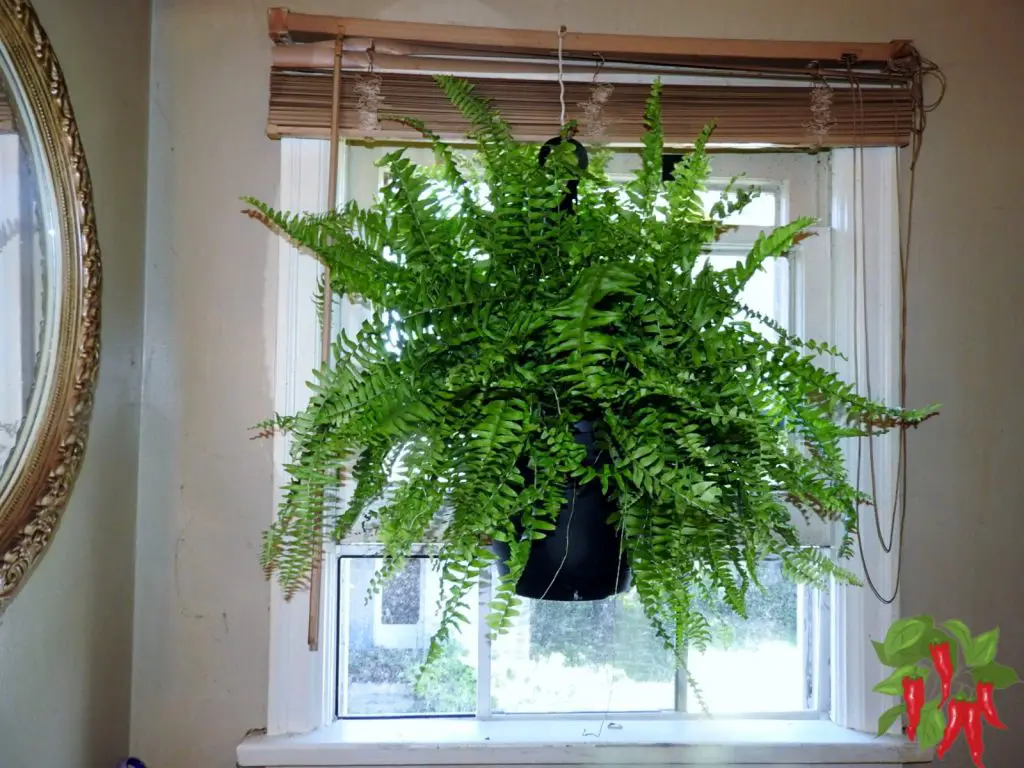
Best Practices for Caring for Shade Loving Plants can help you create a lush indoor garden even in rooms that receive limited sunlight. Many popular houseplants naturally grow beneath forest canopies, making them well adapted to lower-light environments found in homes and apartments.
While shade-loving plants are often easier to place indoors, they still need the right combination of light, water, humidity, and soil conditions to thrive. Understanding these basic needs can prevent common problems and encourage healthy, steady growth.
This guide covers the Best Practices for Caring for Shade Loving Plants, including proper lighting, watering, humidity management, and maintenance tips that help low-light houseplants stay healthy and attractive year-round.
What You’ll Learn
- How to choose the right plants for low-light spaces
- The lighting requirements of shade-loving houseplants
- Proper watering and humidity practices
- How to prevent common low-light growing problems
- Simple maintenance techniques that support healthy growth
Understanding Indoor Lighting for Shade Plants
First things first, let’s talk about light. When we say “shade-loving,” we don’t mean these plants want to live in a closet!
There’s a difference between indirect light and low light:
- Indirect light is like when sunlight filters through curtains or bounces off walls. It’s bright, but not harsh. This is ideal for many shade-loving plants.
- Low light is what you get in corners far from windows or in rooms that don’t get much natural light. Some plants can tolerate this, but they might grow slower.
If your home is really dark, don’t worry! You can use LED grow lights to give your plants the light they need.
These special lights mimic sunlight and can be a real game-changer for indoor gardening.
You can set them up on timers to ensure your plants get the right amount of light each day. About 12-14 hours is usually good for most shade-loving plants.
Best Indoor Shade-Loving Houseplants
Now, let’s meet some star players in the shade-loving plant world:
1. ZZ Plant: This tough guy can handle low light and forgetful waterers like a champ. It has shiny, dark green leaves that look great in any room. 
Costa Farms ZZ Live Indoor Tabletop Plant in 6-Inch Grower Pot
2. Snake Plant: Another hardy plant that’s happy in low light and doesn’t need much fuss. It comes in different varieties with cool leaf patterns.  Costa Farms Premium Live Indoor Snake Plant Sansevieria Shipped in Décor Planter, 2-Feet Tall
3. Pothos: A fast grower that’s perfect for hanging baskets or trailing down shelves. It comes in green, variegated, and even neon varieties!  Costa Farms Golden Pothos Live Plant, Easy Care Indoor House Plant in Modern Decor Planter Pot, Natural Air Purifier Houseplant,10-Inches Tall
4. Peace Lily: Not only does it tolerate low light, but it also helps clean the air! Plus, it produces pretty white flowers. 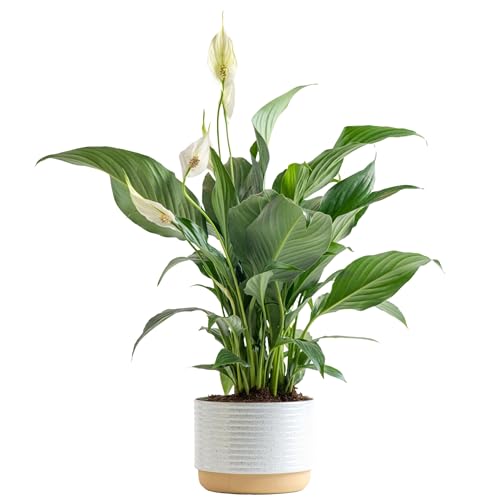
Costa Farms Peace Lily, Live Indoor Plant with Flowers, Easy to Grow Houseplant in Decorative Pot, 1 Foot Tall
5. Cast Iron Plant: Living up to its name, this plant is nearly indestructible. It has long, dark green leaves that can add a tropical touch to your space.  Aspidistra Elatior ‘Milky Way’ – 4″ from California Tropicals
6. Chinese Evergreen: This plant comes in various colors and patterns, and it’s super easy to care for. 
Costa Farms Chinese Evergreen, Red, Easy to Grow Live Indoor Plant Aglaonema, Houseplant Potted in Indoors Garden Plant Pot, 1-2 Feet Tall
7. Spider Plant: A classic choice that’s great for beginners. It produces cute little “babies” that you can propagate.  Shop Succulents Spider Plant, Hanging Live Indoor Plant, Easy Care Hanging Trailing Houseplant in Nursery Pot, Air Purifying Plant, Trails 4-6 Inches
Watering and Humidity Needs
When it comes to watering, most shade-loving plants are pretty chill. They usually like their soil to dry out between waterings.
To check if your plant needs a drink, stick your finger about an inch into the soil. If it feels dry, it’s watering time!
But be careful not to overwater. More houseplants die from too much water than too little.
When you do water, make sure to give them a good soak. Water until you see it coming out of the drainage holes, then empty the saucer so the plant isn’t sitting in water.
Many of these plants come from tropical places, so they love humidity. You can mist them, use a pebble tray, or put a humidifier nearby to keep them happy.
A pebble tray is just a shallow tray filled with pebbles and water. As the water evaporates, it creates a humid microclimate around your plant.
Potting and Soil
Your shade-loving friends need soil that drains well. Look for potting mixes with perlite or bark. This helps prevent root rot, which can happen if the soil stays too wet.
You can even make your own mix by combining regular potting soil with perlite or orchid bark.
I use 2/3 coco coir and 1/3 perlite for my potting mix and I recommend it over peat based potting mixes.
When you’re repotting, make sure to choose a pot with drainage holes. This lets extra water escape and keeps your plant’s roots healthy.
A good rule of thumb is to choose a pot that’s about 1-2 inches larger in diameter than the current one.
Fertilization for Shade-Loving Plants
Since these plants grow slower in low light, they don’t need as much food as sun-loving plants.
Feed them with a diluted liquid fertilizer every few months during spring and summer, when they’re growing the most.
A balanced, water-soluble fertilizer (like a 10-10-10) works well for most shade-loving plants.
Remember, it’s better to under-fertilize than over-fertilize. Too much fertilizer can burn your plant’s roots and cause more harm than good.
Common Challenges and Solutions
Even the toughest plants can have problems sometimes. Keep an eye out for pests like spider mites or fungus gnats.
If you spot any, try using neem oil or sticky traps to get rid of them. Neem oil is a natural pesticide that’s safe for most plants and can help control a variety of pests.
If you see yellow leaves or your plant looks droopy, it might be getting too much or too little water.
Adjust your watering routine and your plant should perk up. Brown, crispy leaf edges often mean the air is too dry, so try increasing humidity.
Styling and Placement Tips
Now for the fun part – decorating with your shade-loving plants! They’re perfect for bathrooms, offices, or rooms with north-facing windows.
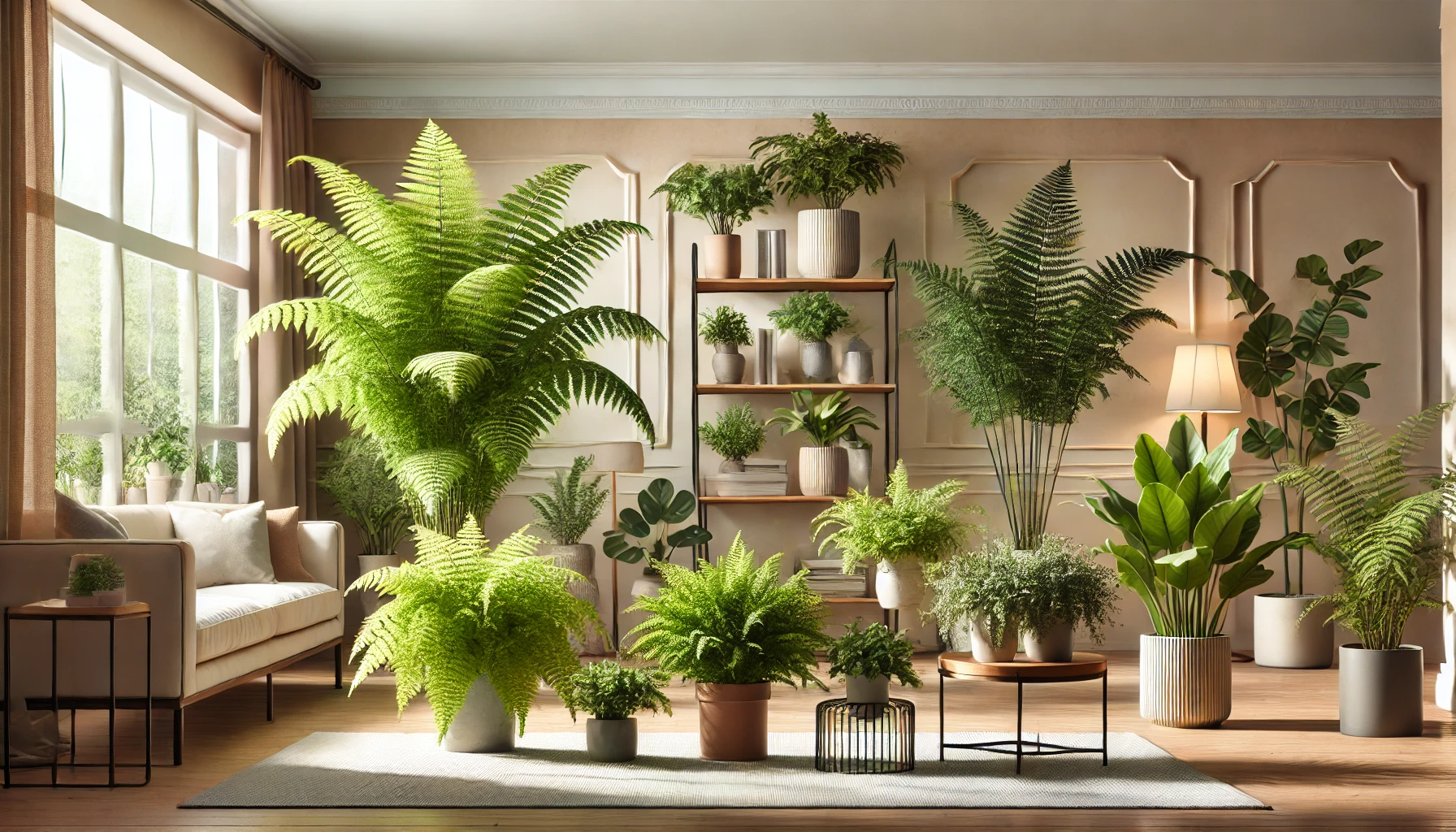
Try using plant stands or hanging baskets to create different levels. Grouping plants together can also create a mini indoor jungle vibe.
Here are some creative ideas:
- Use a ladder shelf to display multiple plants at different heights.
- Create a green wall with hanging planters.
- Place larger floor plants in woven baskets for a boho look.
- Use plants to soften the look of bookshelves or entertainment centers.
Remember to rotate your plants every few weeks so all sides get equal light. This helps them grow evenly and look their best.
Bringing Nature Indoors
See? Caring for shade-loving houseplants isn’t so tough after all. These low-maintenance green friends are a great way to bring nature inside, even if your home doesn’t get much light.
They’ll add beauty to your space, clean your air, and maybe even turn you into a plant parent pro!
Plants do more than just look pretty. They can help reduce stress, increase productivity, and even boost your mood. Plus, the act of caring for plants can be a relaxing and rewarding hobby.
So go ahead, give these shade-loving plants a try. Start with one or two, and as you get more confident, you can expand your indoor garden.
Before you know it, you’ll be surrounded by lush, green life that thrives even in the shadiest corners of your home.
Remember, every plant parent makes mistakes sometimes. If a plant doesn’t work out, don’t get discouraged.
Learn from the experience and try again. With a little patience and care, you’ll soon have a thriving indoor oasis that brings life and energy to your space, no matter how shady it might be!
🌑 Low Light Plant Guides
Discover the best low light plants and learn how to keep them thriving with these helpful care tips and guides.
- 🌱 Best Low Light Plants (Pillar Guide)
- 💡 How to Measure Light Levels for Indoor Plants
- 🌿 Low Light Indoor Plants
- ⚠️ Troubleshooting Common Issues in Low Light
- ✨ Low Light Indoor Plants for Beginners
- 🪴 Tips for Maximizing Plant Health in Minimal Light
- 🎨 Creative Ways to Use Low Light Plants in Interior Design
- 🔎 Identifying the Best Plants for Very Low Light
- 🍃 Best Practices for Caring for Shade-Loving Plants
- 🌵 How to Care for Snake Plant
- See all articles in our Low Light Plants category
Related Content

Visit my Amazon Influencer Page for videos and gardening products Grow Your Own Garden