
This post contains affiliate links. If you buy something from one of our links we may earn a commission. Thanks
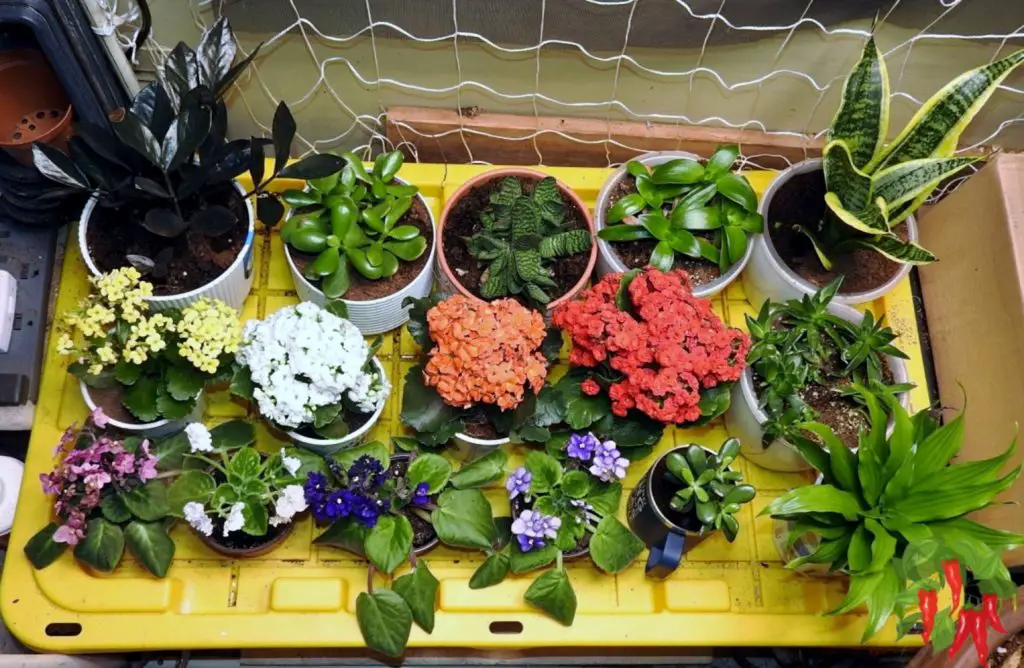
If you’ve been craving a few easy plants that don’t mind busy days or the occasional forgotten watering, you’re in the right place.
Indoor succulents are perfect when you want greenery that feels effortless. In this guide, you’ll explore the Best Succulent Plants for Indoors, discover which ones fit your space and light levels, and learn how to build a little collection that stays healthy without a ton of care.
What You’ll Learn 🌵
✅ Which succulents handle typical indoor light, watering, and room temps
✅ How to match the right succulent to your space (low light, bright window, hanging planters, or desk)
✅ Simple watering, soil, and pot tips to keep succulents plump instead of mushy or crispy
✅ How to fix common problems like stretched, rotting, or leaf-dropping plants
✅ Clear answers to beginner FAQs, plus trusted .edu references if you want to dive deeper
Best Succulent Plants for Indoors 🌵
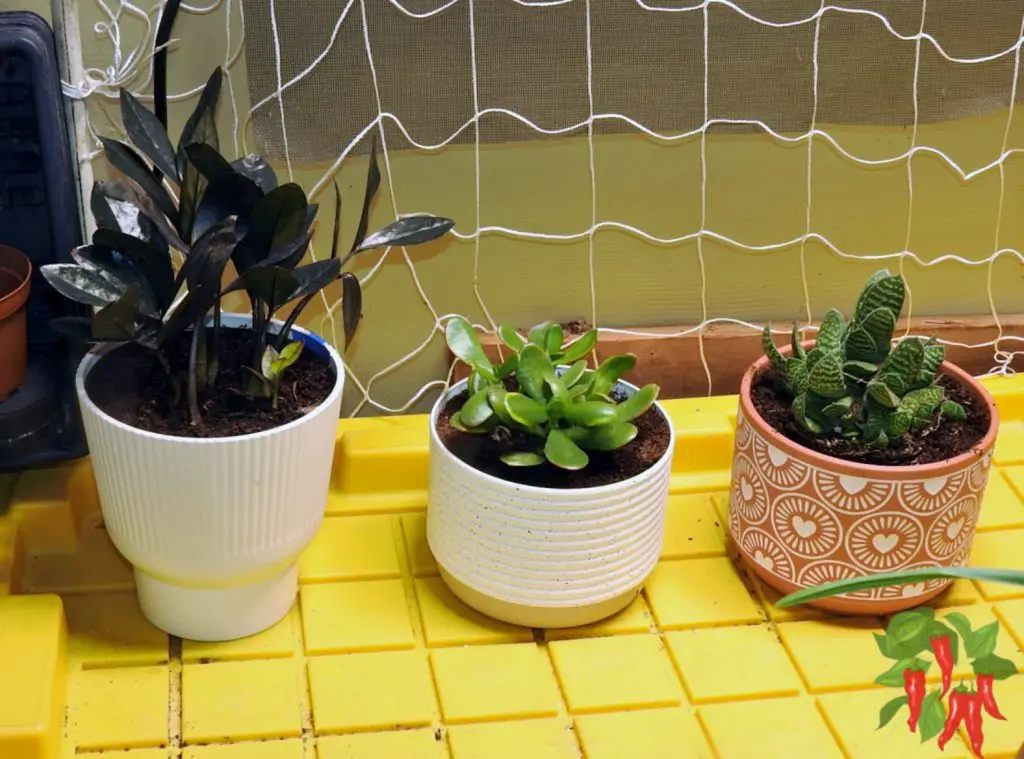
If you love the idea of low-maintenance greenery that still looks stylish and fun, indoor succulents are right up your alley.
They don’t need much water, they tolerate a bit of neglect, and they come in wild shapes and colors that can dress up any windowsill, desk, or plant shelf.
Why Succulents Make Fantastic Indoor Plants 🌿
Succulents are some of the most forgiving houseplants you can grow. As long as you give them light, a fast-draining soil, and occasional water, most will happily sit on a shelf and look good for years.
- 🌱 Low-maintenance: They store water in their leaves and stems, so they don’t mind when you skip a watering or two.
- 🏠 Perfect for small spaces: Many stay compact and fit on windowsills, desks, and narrow shelves.
- 🎨 Fun shapes and colors: From plump rosettes to trailing strings of beads, there’s a look for every style.
- 💧 Drought tolerant: Great if you tend to underwater or travel and can’t babysit your plants.
- 😌 Stress-reducing: A small succulent collection can make a room feel calmer and more alive.
What Makes a Succulent Suitable for Indoor Growing? 🔍
Not every succulent is thrilled about living indoors year-round. The best indoor choices share a few key traits:
- ☀️ Comfortable with indirect light: They can thrive in bright, indirect light instead of punishing all-day full sun.
- 🏡 Happy in containers: They adapt well to pots and don’t need deep soil to be healthy.
- 🧊 Handles indoor temperatures: They tolerate average household temps without extreme heat or cold.
- 💧 Low water needs: They prefer the “soak and dry” cycle, where the soil dries fully between waterings.
- 🪴 Compact growth: They stay a manageable size and don’t outgrow your space immediately.
The biggest indoor succulent killers are soggy soil, very low light, and pots without drainage holes. Once you protect against those three, your success rate goes way up.
Top 10 Best Succulent Plants for Indoors 🌵⭐
Let’s walk through some of the best beginner-friendly succulents for indoor spaces, plus what each one needs from you.
1. Zebra Plant (Haworthia fasciata)
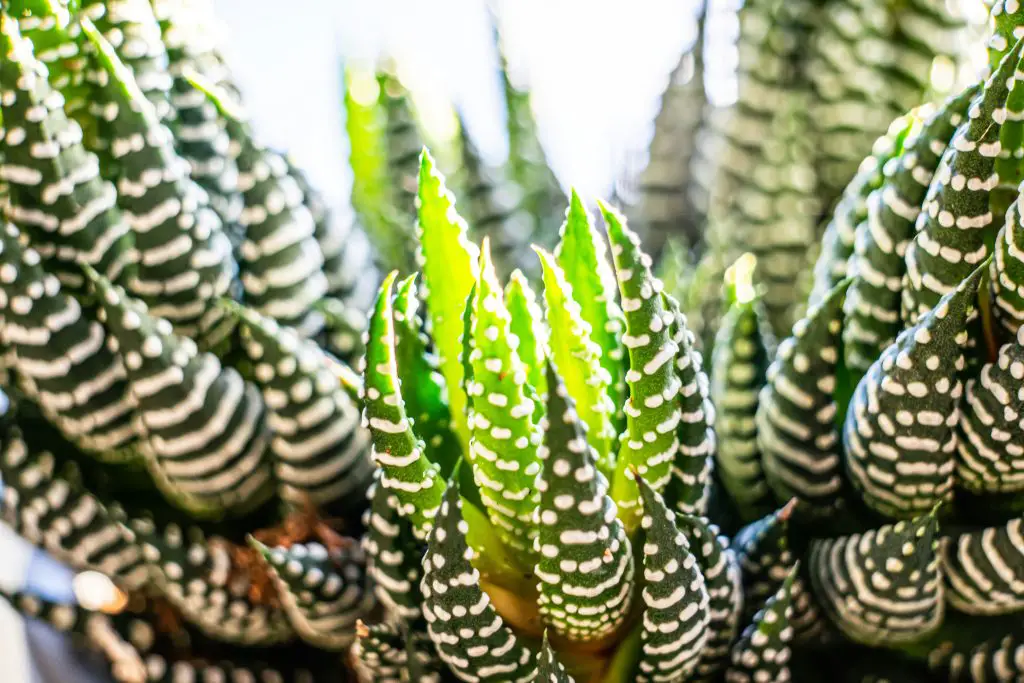
Zebra plants are small, slow-growing succulents with striped, spiky leaves that look like tiny, architectural sculptures.
- 🌤️ Light: Bright indirect light to medium light; tolerates less light better than many succulents.
- 💧 Water: Let soil dry completely between waterings; water less in winter.
- 🪴 Where it shines: Desks, shelves, and spots where you want a small, tidy plant that doesn’t take over.
2. Jade Plant (Crassula ovata)
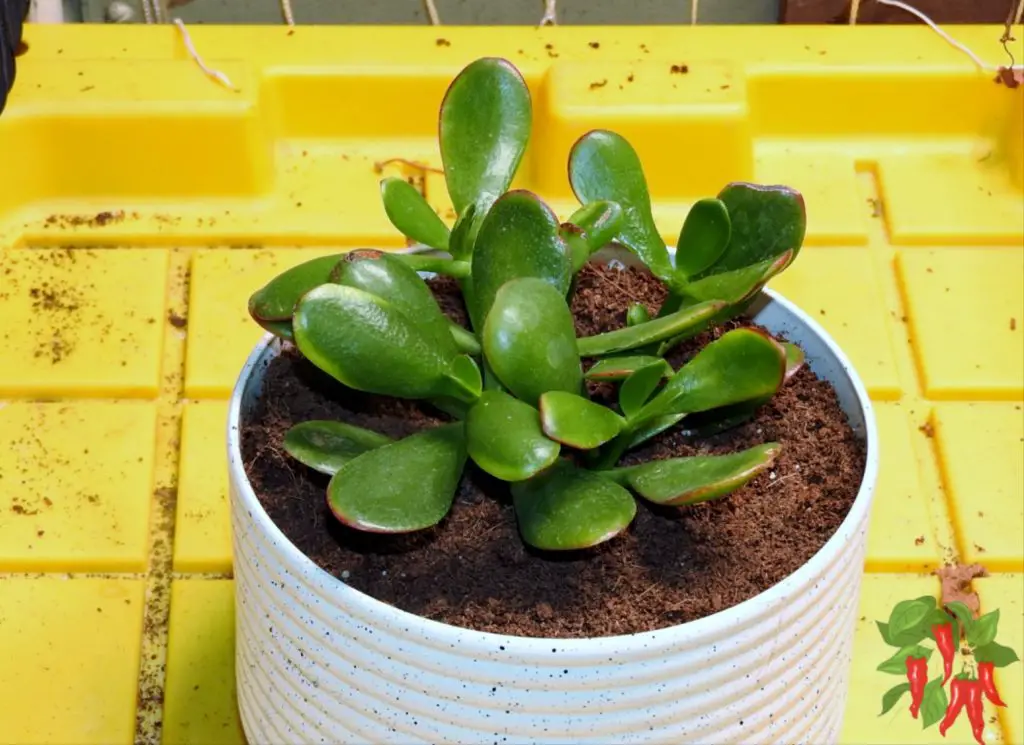
Jade plants are classic indoor succulents with thick, glossy leaves and a mini-tree shape that can live for decades.
- ☀️ Light: Bright light is best; a sunny window helps keep it compact and sturdy.
- 💧 Water: Water deeply, then let the soil dry; overwatering can cause root rot.
- 💰 Bonus: Often considered a “good luck” or “money” plant, which makes it a fun gift.
3. Snake Plant (Sansevieria trifasciata)
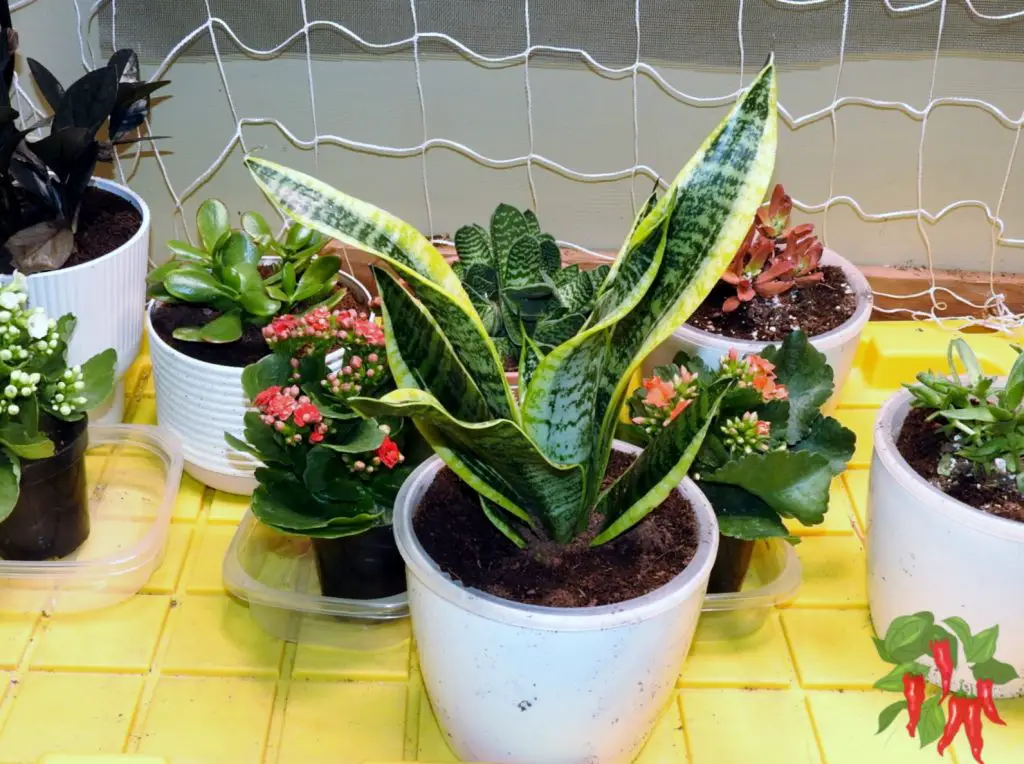
Snake plant is technically a succulent-like plant with upright, sword-shaped leaves. It’s famous for surviving almost anything.
- 🌗 Light: Handles low light to bright indirect light; one of the best for dimmer rooms.
- 💧 Water: Very drought tolerant; water sparingly and keep soil on the dry side.
- 🛏️ Best spots: Bedrooms, hallways, or corners where other plants might sulk.
4. Kalanchoe Blossfeldiana (Flaming Katy)
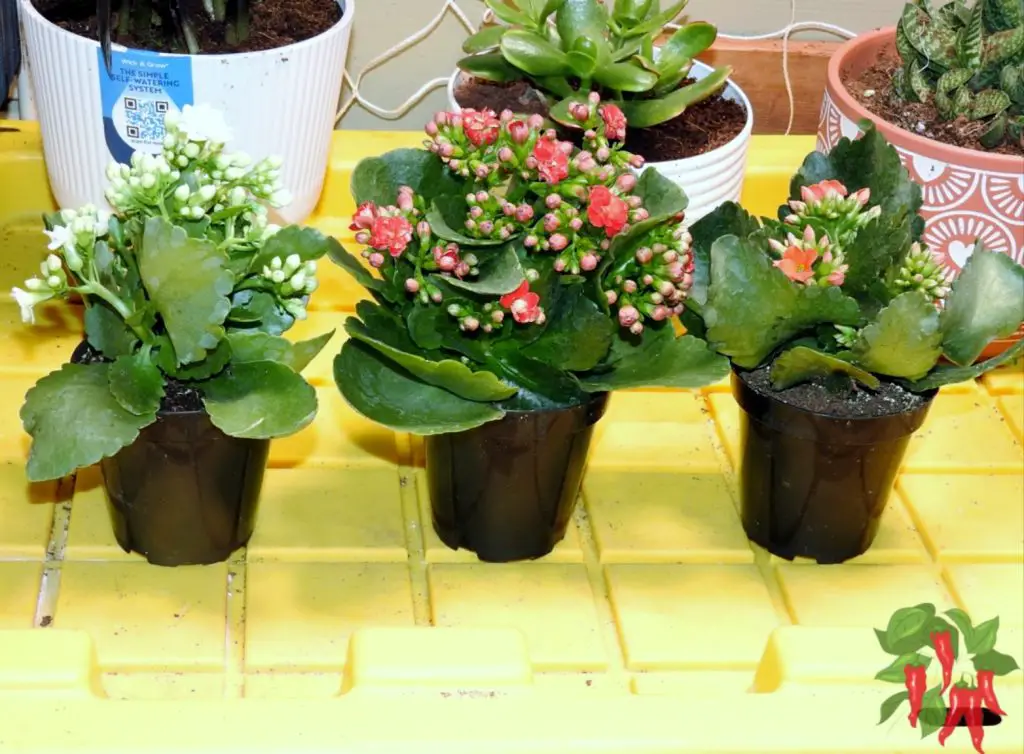
Kalanchoe blossfeldiana is a compact, glossy-leafed succulent that bursts into bright clusters of blooms in reds, pinks, yellows, and oranges. It’s one of those plants that can light up a windowsill without asking for much in return.
- 🌤️ Light: Bright indirect light or a sunny window helps it hold tight, colorful flowers.
- 💧 Water: Let the soil dry between waterings; water a bit less once blooms fade.
- 🌼 Note: This plant can rebloom indoors with enough light, making it a cheerful, low-fuss pick for beginners.
5. Burro’s Tail (Sedum morganianum)
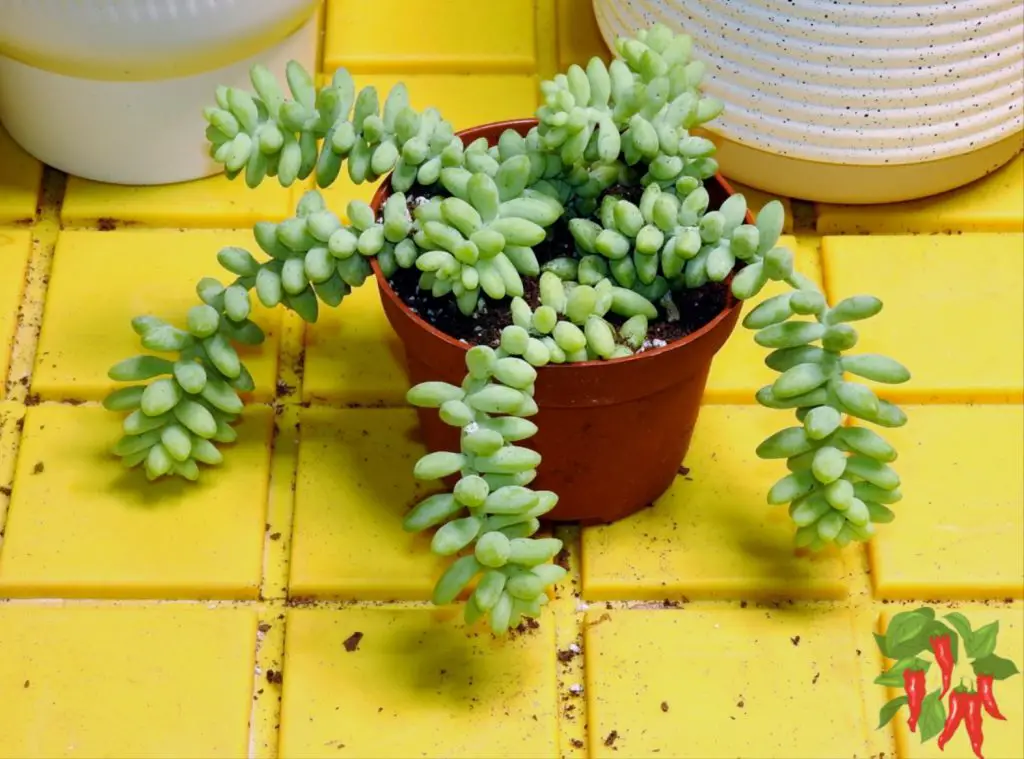
Burro’s tail forms long, trailing stems packed with plump leaves that look like braided tails.
- ☀️ Light: Bright indirect light; too little light causes thin, weak growth.
- 💧 Water: Water when the soil dries; the leaves are very water-storing.
- 🧵 Handle with care: Leaves fall off easily if bumped, so place it where it won’t be brushed constantly.
6. String of Pearls (Senecio rowleyanus)
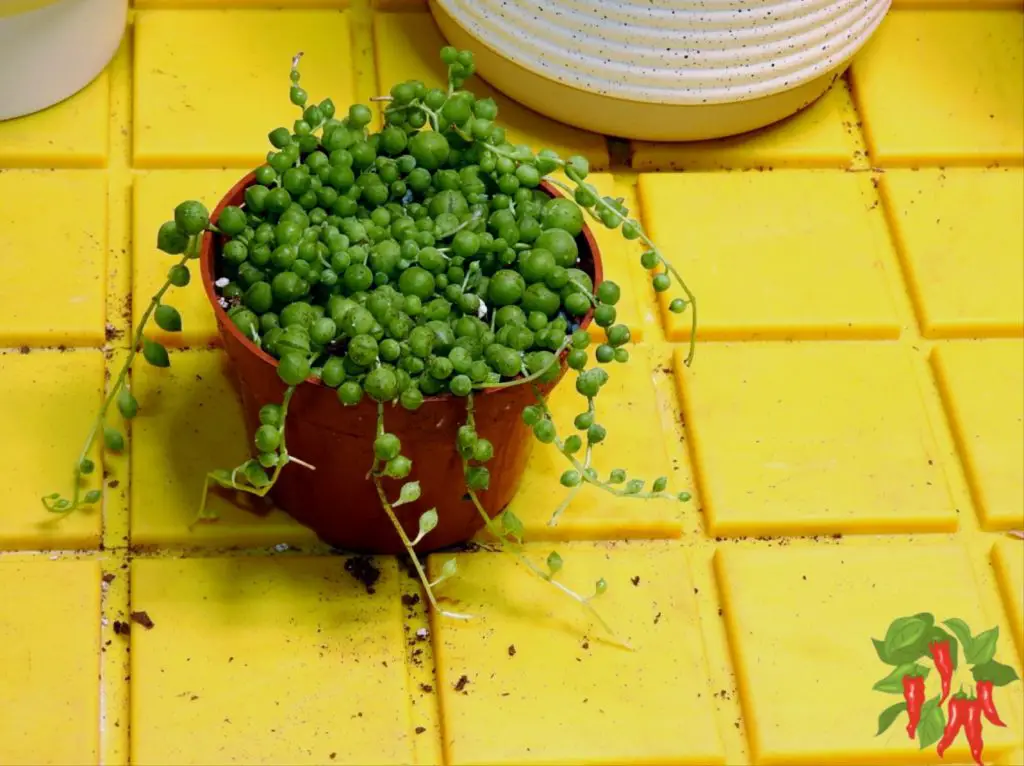
String of pearls is a dramatic trailing succulent with round “beads” that spill over the edges of pots.
- 🌞 Light: Needs bright light, ideally near a sunny window with some protection from harsh midday rays.
- 💧 Water: Likes to dry between waterings; overwatering will quickly cause mushy beads.
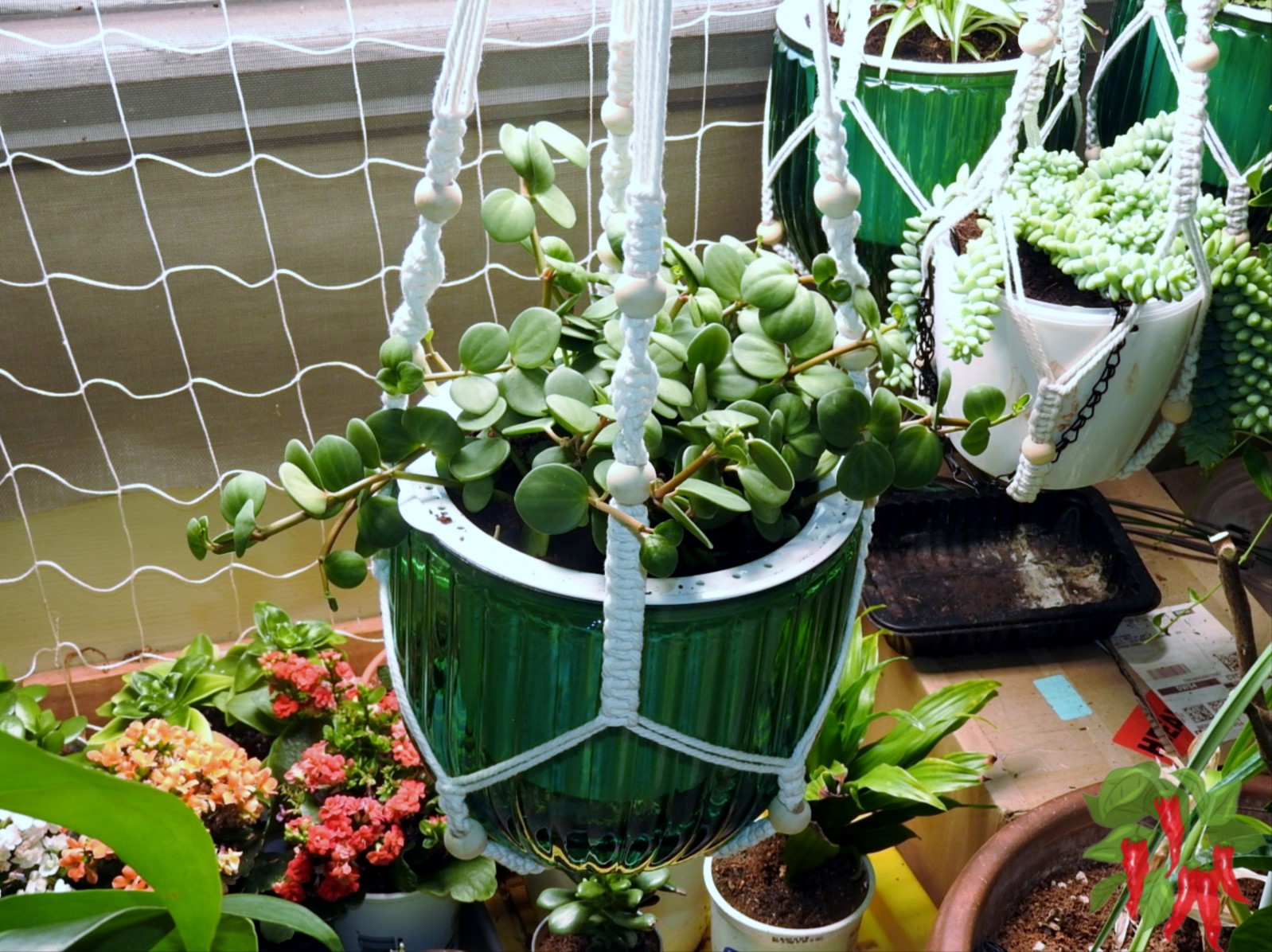
- 🪟 Best display: Hanging baskets, macramé planters, or high shelves.
7. Echeveria
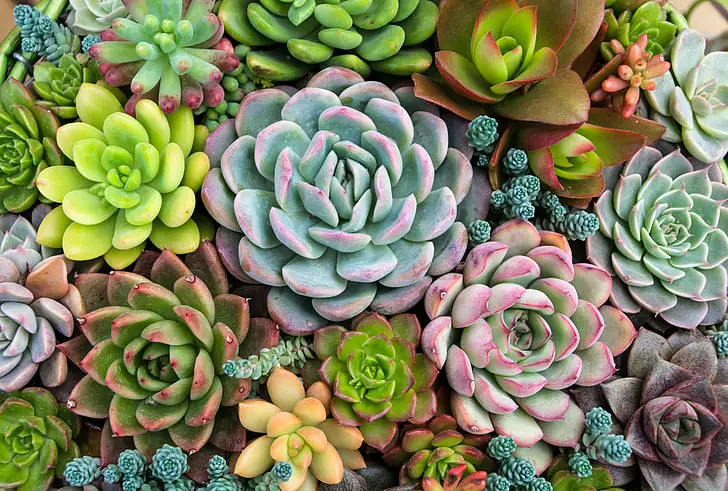
Echeverias are classic rosette succulents that look like flowers made of leaves. They come in greens, blues, pinks, and purple tones.
- ☀️ Light: Bright light is important; they’ll stretch and fade in low light.
- 💧 Water: Let soil dry fully; water at the base, not into the rosette center if possible.
- 🌈 Style: Great for mixed succulent bowls and sunny windowsills.
8. Hens-and-Chicks (Sempervivum)
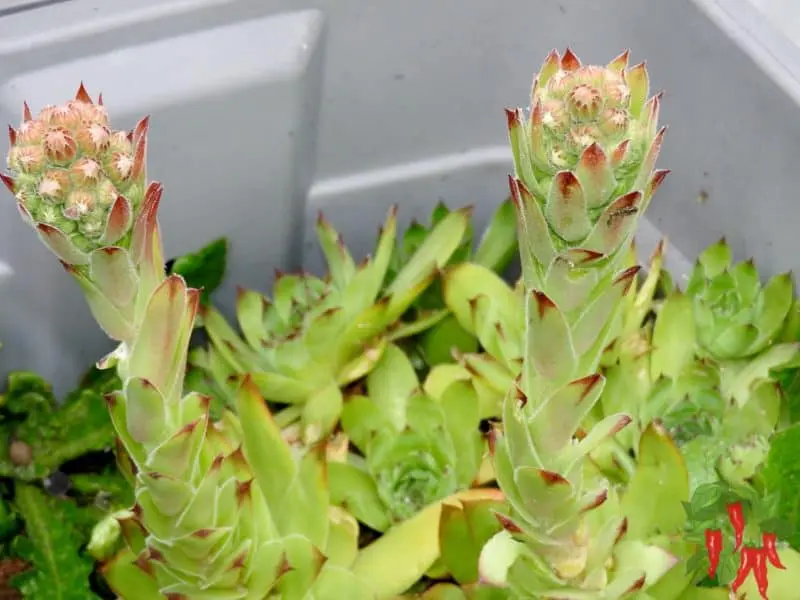
Hens-and-chicks form a main rosette (the “hen”) surrounded by smaller rosettes (the “chicks”). They’re hardy and fun to collect.
- 🌤️ Light: Bright light indoors; they’re tough outdoor plants but also adapt to bright windows.
- 💧 Water: Drought tolerant; water when soil is dry.
- 🐣 Bonus: The chicks slowly fill in containers, giving you that full, clustered look.
9. ZZ Plant (Zamioculcas zamiifolia)
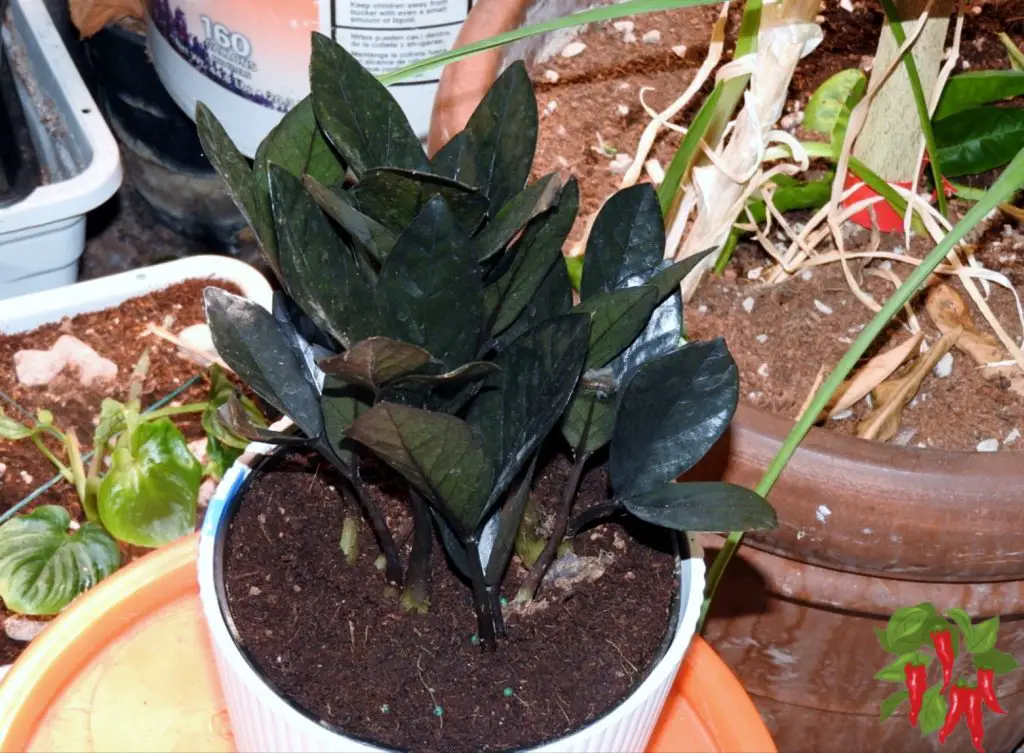
ZZ plant isn’t a true succulent, but it has thick rhizomes and leaves that store water, so it behaves like one in many ways.
- 🌗 Light: Thrives in low to medium light; one of the best choices for darker rooms with a grow light assist if needed.
- 💧 Water: Very forgiving; water when soil is dry, and avoid constantly wet roots.
- 🏢 Great for: Offices, bedrooms, and places where most plants would give up.
10. Aloe Vera (Aloe barbadensis)
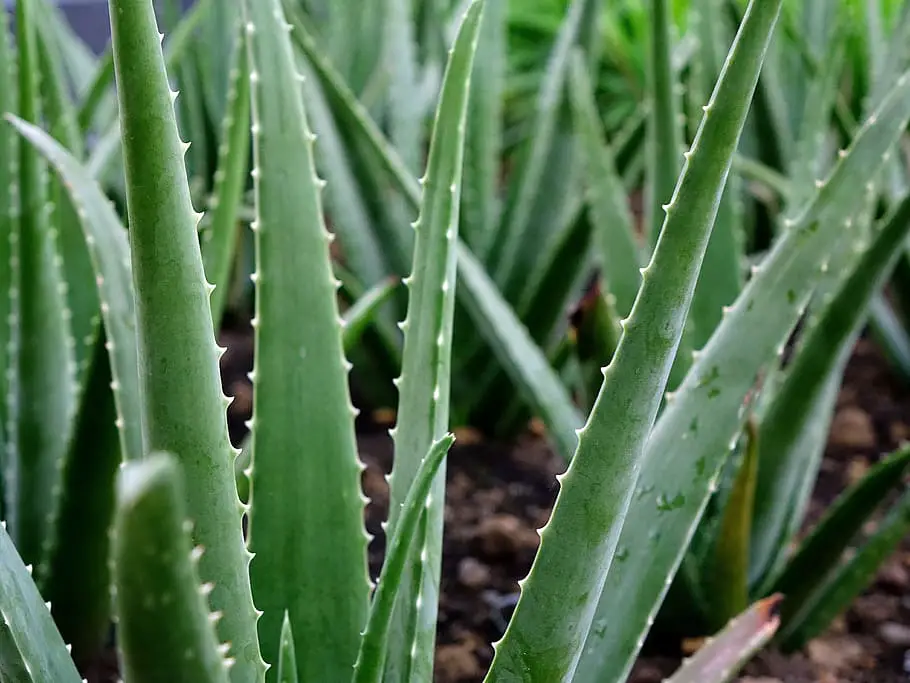
Aloe vera is a familiar medicinal succulent with long, spiky leaves full of soothing gel.
- ☀️ Light: Prefers bright light and does best in a sunny window.
- 💧 Water: Let the soil dry deeply between waterings; avoid water sitting in the rosette.
- 🧴 Bonus: Many people use the inner gel on minor skin irritations (always do your own research first).
How to Choose the Right Indoor Succulent for Your Space 🏡
Instead of grabbing random plants, match the succulent to your actual conditions.
- 🌗 Low-light rooms: Snake Plant, ZZ Plant, Haworthia are more forgiving.
- 🌞 Bright sunny windows: Jade, Aloe, Echeveria, Hens-and-chicks, String of Pearls.
- 🪟 Hanging spots: Burro’s Tail, String of Pearls, trailing Sedums.
- 🖥️ Desk buddies: Zebra Plant, small Echeverias, mini Jade cuttings.
- 🚸 Homes with pets or kids: Double-check plant toxicity and keep questionable plants out of reach.
🌿 Important for Pet Owners
Before bringing any new plant home, double-check its safety using the ASPCA’s official toxic and non-toxic plant database. It’s one of the most trusted resources for pet parents.
Light Requirements for Indoor Succulents ☀️💡
Most succulents love light. Indoors, that usually means a bright east, south, or west window, or a grow light if your home is darker.
- 🌞 Bright light lovers: Aloe, Echeveria, String of Pearls, Burro’s Tail.
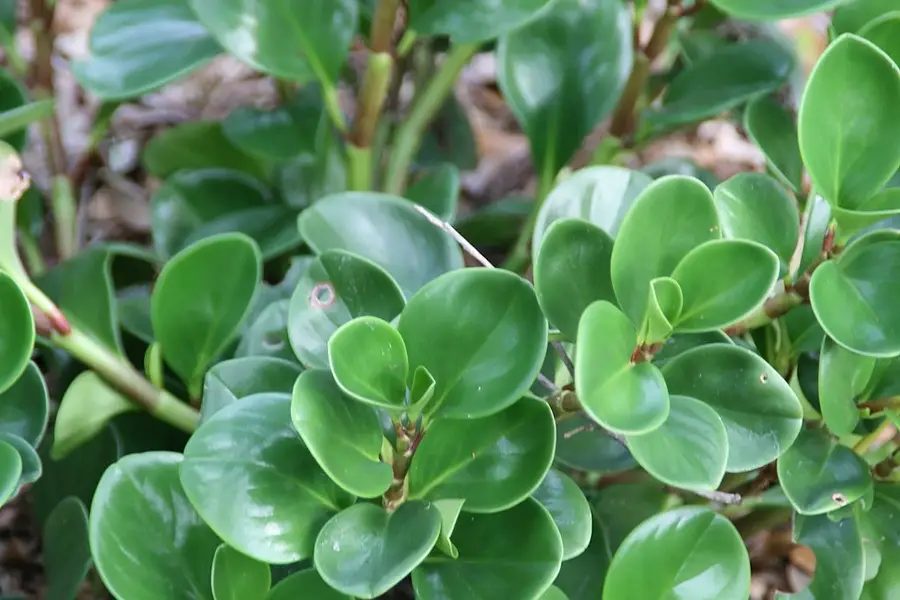
- 🌤️ Medium light tolerant: Haworthia, Jade, Panda Plant.
- 🌗 Low light adaptable: Snake Plant, ZZ Plant (still do better with some indirect light).
Signs your succulent wants more light include stretched, leggy stems, paler color, or rosettes opening and flattening out instead of staying tight. If that happens, move it closer to a window or add a simple LED grow light above your plant shelf.
Watering Indoor Succulents the Right Way 💧
Watering is usually where things go wrong, especially indoors where soil can stay wet longer.
- 🌀 Use the soak-and-dry method: Water thoroughly until it drains out the bottom, then wait until the soil is fully dry before watering again.
- 📅 Typical schedule: Every 1–3 weeks depending on light, pot size, and season (less in winter).
- 👆 Check before watering: Use your finger, a wooden skewer, or a moisture meter to see if it’s dry at least halfway down.
- 🚫 Avoid: Constantly damp soil, water sitting in saucers, or misting leaves instead of watering the root zone.
If leaves are turning mushy, translucent, or falling off easily, that usually means too much water. Wrinkled or very shriveled leaves can mean the plant is thirsty.
Best Soil Mixes & Pots for Indoor Succulents 🪴
Succulents hate “wet feet.” Regular potting soil holds too much moisture, especially indoors where there’s less airflow.
- 🧪 Use a fast-draining mix: A cactus/succulent mix or a blend of potting mix or coco coir with extra perlite or pumice works well.
- 🪣 Add-ins: Perlite, pumice, coarse sand, or small bark pieces help keep soil loose and airy.
- 🕳️ Drainage is non-negotiable: Always choose pots with drainage holes.
- 🏺 Best pot materials: Terra cotta and unglazed clay dry out faster and are great for beginners.
- 🚫 Avoid: Deep, heavy pots full of dense soil where water lingers for days.
Common Indoor Succulent Problems (and Fixes) 🚑
Even with good care, things happen. Here’s how to read what your plant is telling you.
- 😵 Mushy stems or leaves: Usually overwatering or poor drainage. Let the plant dry, trim rotted parts, and repot into a fast-draining mix if needed.
- 📏 Stretched, leggy growth: Not enough light. Move closer to a window or add a grow light.
- 🍂 Leaves dropping off easily: Stress from overwatering, sudden changes, or bumping delicate trailers like Burro’s Tail.
- 🪰 Fungus gnats: Soil staying too wet. Let it dry more and consider a grittier mix. Use sticky traps.
- 🕷️ Pests (mealybugs, spider mites): Wipe leaves with a damp cloth, shower the plant gently, and use insecticidal soap or neem oil if needed.
Easy Indoor Succulent Decor Ideas 🌿🏠
Once you have a few plants, it’s fun to play with how you display them.
- 🖥️ Desk trio: A tiny Haworthia, a mini Echeveria, and a small Jade cutting.
- 🪟 Window sill row: A line of mixed small pots in a bright kitchen or living room window.
- 🪜 Plant shelf: A simple shelf with a small grow light bar and a mix of upright and trailing succulents.
- 🧵 Hanging planters: Burro’s Tail and String of Pearls cascading from hanging pots.
- 🎨 Mixed bowl: A shallow container with several Echeverias, Hens-and-chicks, and a little Haworthia cluster.
FAQs: Indoor Succulent Basics ❓🌵
What are the easiest succulents to grow indoors?
Snake Plant, Haworthia (Zebra Plant), Jade Plant, Aloe, and ZZ Plant are top picks for beginners because they handle a bit of neglect and adapt well to typical indoor conditions.
How often should I water indoor succulents?
Most indoor succulents prefer a good soak every 1–3 weeks, depending on light and temperature. Always let the soil dry out before you water again instead of watering on a strict calendar.
Can succulents live in low light?
Some can handle lower light than others. Snake Plant, ZZ Plant, and Haworthia tolerate low to medium light better, but all succulents do best with at least some bright, indirect light.
Do succulents need special soil?
Yes. They grow best in fast-draining cactus or succulent mix, often with extra perlite or pumice added. Regular potting soil stays too wet and can lead to root rot.
Are succulents safe for pets?
Some succulents can be irritating or toxic if chewed, especially for cats and dogs. Always look up your specific plant and keep questionable ones out of reach of curious pets.
Why is my succulent stretching and getting tall and skinny?
That “leggy” look usually means it’s not getting enough light. Move it closer to a bright window or set up a small grow light above your plant.
Why are my succulent leaves mushy or translucent?
Mushy, see-through leaves usually mean overwatering or poor drainage. Let the soil dry completely, check that the pot has drainage holes, and consider repotting into a grittier mix.
Can I grow succulents under grow lights?
Yes, absolutely. Many people keep their whole succulent collection under LED grow lights, especially in darker homes or during winter.
How do I know when to repot my succulent?
Repot when roots circle the bottom of the pot, the soil stays wet too long, or the plant has clearly outgrown its container. Many succulents don’t need frequent repotting and are happy slightly snug.
What’s the easiest way to propagate succulents indoors?
Depending on the plant, you can use leaf cuttings (Echeveria), offsets/pups (Hens-and-chicks, Aloe), or stem cuttings (Jade, String of Pearls). Let cut surfaces dry for a day or two, then place in a gritty mix and water lightly.
Conclusion: Build Your Own Indoor Succulent Shelf 🌱💛
You don’t need a huge yard or a ton of free time to enjoy plants. With a few carefully chosen succulents, a bright window or simple grow light, and the right soil and pots, you can build a low-maintenance indoor garden that fits on a single shelf.
Start with one or two of the easy options—maybe a Snake Plant and a Haworthia, or an Aloe and a trailing String of Pearls. As you get comfortable with watering and light, you can add more shapes, colors, and textures to your collection.
Take it one plant at a time, pay attention to how each succulent responds, and you’ll quickly get a feel for what works in your home.
Before long, you’ll have a little indoor succulent jungle that quietly thrives while you go about your day. 🌵✨
👉 Indoor Succulent Plant Care: Comprehensive Guide
References (.edu)
- 🌵 Iowa State University Extension – Growing Succulents Indoors
https://yardandgarden.extension.iastate.edu/how-to/growing-succulents-indoors - 🌿 University of Minnesota Extension – Cacti and Succulents
https://extension.umn.edu/houseplants/cacti-and-succulents - 🌱 UF/IFAS Gardening Solutions – Succulents
https://gardeningsolutions.ifas.ufl.edu/plants/ornamentals/succulents/ - 🪴 Clemson Cooperative Extension – Indoor Plants: Cleaning, Fertilizing, Containers & Light Requirements (HGIC 1450)
https://hgic.clemson.edu/factsheet/indoor-plants-cleaning-fertilizing-containers-light-requirements/ - 💡 Oregon State University Extension – Set Houseplants Up for Success: Right Plant, Right Place
https://extension.oregonstate.edu/news/set-houseplants-success-right-plant-right-place
Related Content
Visit my Amazon Influencer Page for videos and gardening products Grow Your Own Garden