
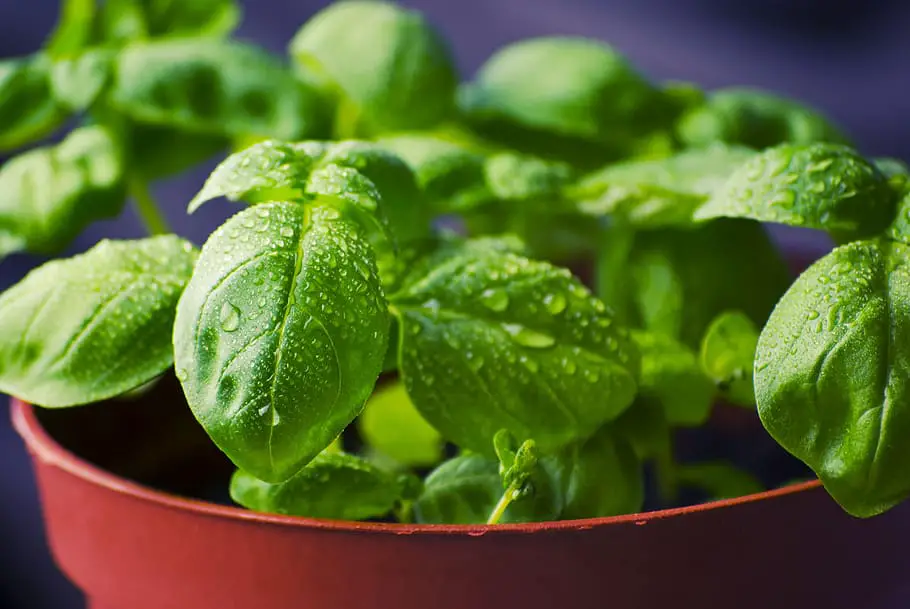
Caring for Basil Indoors is a great way to enjoy fresh herbs year-round while adding greenery to your kitchen, windowsill, or indoor herb garden. Basil is one of the most popular culinary herbs because it grows quickly, smells wonderful, and can be harvested regularly for cooking.
While basil prefers bright light and consistent moisture, it is relatively easy to grow indoors when provided with the right conditions. A healthy basil plant can supply fresh leaves for months while also serving as an attractive addition to your indoor plant collection.
This guide covers the essentials of caring for basil indoors, including lighting, watering, pruning, harvesting, and simple Feng Shui placement considerations.
What You’ll Learn
- How much light basil needs to grow successfully indoors
- Proper watering and soil requirements for healthy plants
- Simple pruning and harvesting techniques that encourage growth
- Common problems that affect indoor basil plants
- Basic Feng Shui placement ideas for indoor herb gardens
Caring for Basil Indoors: Basil Plant Feng Shui

Generic Thai Basil. Live Plant. Fragrant, Fresh, Edible. Easy Grow. Indoor/Outdoor. (2 Thai Sac)
The Dual Benefits of Indoor Basil
Caring for basil indoors combines fresh flavors for your meals with the power to enhance your home’s energy.
As both a culinary staple and a Feng Shui booster, basil brings vibrancy and balance to your living space.
Culinary Uses: Fresh Basil at Your Fingertips
Having basil within arm’s reach makes cooking simple and flavorful. Add it to pasta, salads, or pizza for a burst of freshness, or use it to create homemade pesto. With basil in your home, every meal gets a delicious upgrade.
Feng Shui Significance: Enhancing Positive Energy
Basil isn’t just for the kitchen. It’s a plant that uplifts your space.
In Feng Shui, basil is celebrated for its ability to promote balance, clear negativity, and create a peaceful, inviting environment.
Placed thoughtfully, it brings both harmony and positivity into your home.
Part 1: Understanding Basil’s Role in Feng Shui

Basil is more than just a culinary herb; it holds a deep symbolic meaning in feng shui.
Known for its ability to attract positive energy and ward off negativity, basil can enhance the harmony and balance of your home.
Let’s explore how this versatile plant connects to Feng Shui principles and improves your living space.
Symbolism of Basil in Feng Shui
In Feng Shui, basil is prized for its ability to protect, purify, and attract abundance.
It’s believed to shield against negative energy while promoting peace and prosperity.
Across cultures, basil has also been seen as a sacred plant, symbolizing blessings, love, and harmony.
Key Feng Shui Associations:
- Protection: Acts as a natural shield against negativity.
- Purification: Clears spaces, inviting fresh and vibrant energy.
- Abundance: Attracts wealth, success, and positive opportunities.
Understanding basil’s symbolism helps you connect with its deeper purpose of bringing balance and positivity into your home.
Basil for Energy Cleansing
Basil is a natural purifier in Feng Shui, valued for its ability to clear negative energy and promote harmony.
Its vibrant green leaves symbolize renewal and balance, making it ideal for creating a calm and uplifting atmosphere.
How Basil Clears Negative Energy:
- Absorbs stagnant or unwanted energy.
- Radiates positive vibrations to refresh your space.
Easy Ways to Use Basil for Harmony:
- Place a Plant Indoors: Position basil in areas with heavy or stagnant energy, like entryways or living spaces.
- Basil Water Spray: Brew a light basil tea and spray it around corners, doorways, or furniture to cleanse energy.
- Burn Dried Leaves: Burn a small amount of dried basil as incense to clear negative energy and invite positivity.
Adding basil to your home doesn’t just brighten the decor—it transforms your space into a more balanced and peaceful environment.
Emotional Benefits of Basil
Basil isn’t just for cooking, it’s also a natural way to support emotional well-being. With its calming scent and uplifting energy, basil helps create a soothing environment that promotes clarity, reduces stress, and improves your mood.
How Basil Boosts Emotional Wellness:
- Stress Relief: Its fresh aroma helps ease tension and create a calming atmosphere.
- Mental Clarity: Clears mental fog, making it perfect for work or study spaces.
- Mood Boost: The vibrant leaves and gentle fragrance uplift spirits and foster positivity.
Place basil in areas where you relax, like the living room or bedroom, to enjoy its daily emotional benefits and create a peaceful, balanced space.
Air-Purifying Benefits of Basil
Basil isn’t just good for your meals and emotions—it also helps keep the air in your home clean and fresh.
As a natural air purifier, basil absorbs toxins and releases oxygen, improving indoor air quality and creating a healthier living environment.
How Basil Improves Indoor Air Quality:
- Removes Toxins: Filters out harmful pollutants and freshens up your space.
- Boosts Oxygen Levels: Releases oxygen while absorbing carbon dioxide, enhancing the air you breathe.
- Prevents Stagnant Air: Its refreshing scent helps combat stale or musty indoor air.
Place basil in high-traffic areas like the kitchen or living room to maximize its air-purifying benefits while enjoying its vibrant, green presence.
Part 2: Practical Guide to Growing Basil Indoors

Growing basil indoors is easier than you think, and it’s a fantastic way to have fresh herbs right at your fingertips.
With the right care, basil can thrive in your home, providing culinary benefits and also enhancing your space with its vibrant energy.
Let’s explore the essentials!
Caring for Basil Indoors
Caring for basil indoors is a simple and rewarding way to enjoy fresh herbs year-round.
With the right setup, you can grow vibrant, healthy basil plants that add flavor to your cooking and energy to your home.
Let’s dive into the essentials to help your basil thrive indoors!
Step-by-Step Guide to Cultivating Healthy Basil Plants

Growing basil indoors is straightforward when you follow these simple steps. With the right care, your basil plant will flourish, providing fresh leaves and vibrant energy for your home.
1. Choose the Right Pot
- Use a container with drainage holes to prevent waterlogging.
- Opt for a pot that’s 6–8 inches in diameter for optimal root growth.
2. Prepare the Soil
- Use a mix of 60% coco coir, 30% perlite, and 10% compost for nutrient-rich, well-draining soil.
- Avoid compacted or overly heavy soil, which can stunt growth.
3. Find the Perfect Location
- Place basil near a south-facing window or under a grow light.
- Ensure it gets 6–8 hours of bright, indirect light daily.
4. Water Properly
- Water when the top inch of soil feels dry.
- Avoid overwatering, as basil prefers slightly moist but not soggy soil.
5. Provide Humidity
- Mist the leaves occasionally to mimic basil’s natural environment.
- Use a pebble tray or humidifier to maintain ideal humidity levels.
6. Feed Your Plant
- Fertilize with a balanced liquid fertilizer every 4–6 weeks.
- Avoid over-fertilizing, which can lead to excessive leaf growth with less flavor.
7. Prune Regularly
- Pinch off the top leaves to encourage bushier growth.
- Remove any flowers to keep the plant focused on producing leaves.
8. Monitor for Pests
- Check for pests like aphids or spider mites and treat with insecticidal soap if needed.
- Keep leaves clean by gently wiping them with a damp cloth.
By following these steps, your basil will grow lush and healthy, ready to enhance your meals and bring positive energy to your indoor space.
Optimal Light, Water, and Soil Conditions for Basil
Basil thrives when its basic needs are met, making it a low-maintenance yet rewarding plant to grow indoors.
Providing the right balance of light, water, and soil will ensure your basil stays vibrant and healthy.
Light Requirements
- Needs 6–8 hours of bright, indirect sunlight daily.
- South-facing windows are ideal or use a full-spectrum grow light if natural light is limited.
Watering Tips
- Water when the top inch of soil feels dry to the touch.
- Avoid overwatering; basil prefers slightly moist but well-drained soil.
- Use a pot with drainage holes to prevent soggy roots and root rot.
Ideal Soil Mix
- Combine 60% coco coir and 30% perlite for aeration and moisture retention.
- Add 10% organic compost or worm castings to provide essential nutrients.
- Ensure the soil is loose and well-draining to support healthy root growth.
With the right care, your basil will flourish indoors, offering fresh leaves and a touch of green energy to your home.
Why Coco Coir and Perlite Work Best:
- Coco Coir: Retains moisture without becoming waterlogged, ensuring the roots stay hydrated.
- Perlite: Improves drainage and aeration, preventing root rot and promoting healthy root development.
- Lightweight and Sustainable: Both materials are eco-friendly and easy to handle.
How to Create the Perfect Soil Mix:
- Combine 60% coco coir with 30% perlite.
- Add 10% organic compost or worm castings for natural nutrients.
- Ensure your pot has good drainage holes to avoid water buildup.
This soil mix will give your basil the ideal environment to flourish, offering both the moisture it needs and the aeration it craves.
Basil Plant Care Reference Guide
| Characteristic | Details |
|---|---|
| Common Name | Basil |
| Botanical Name | Ocimum basilicum |
| Native Habitat | Tropical regions of Africa and Southeast Asia |
| Plant Type | Herbaceous plant |
| Growth Pattern | Upright, bushy growth |
| Mature Size | 12–24 inches tall, 6–12 inches wide |
| Watering | Keep soil consistently moist but not soggy |
| Light/Sun Exposure | 6–8 hours of bright, direct sunlight daily |
| Soil Type | Well-draining, rich soil |
| Soil pH | 6.0–7.5 (slightly acidic to neutral) |
| Temperature | 70–90°F (21–32°C) |
| Humidity | Moderate to high humidity preferred |
| Bloom Time & Flower Color | Summer; small white or purple flowers |
| Potential Problems | Susceptible to root rot, pests like aphids, and mildew |
| Repotting | Repot annually or when roots outgrow the container |
| Hardiness Zones (USDA) | 10–11 (grown as an annual in most climates) |
Propagating Basil for New Energy

Propagating basil is a simple way to grow new plants while bringing fresh, vibrant energy into your home.
This process not only expands your collection but also symbolizes renewal and positivity, aligning beautifully with Feng Shui principles.
Step-by-Step Guide to Propagate Basil:
- Select Healthy Cuttings: Choose 4–6 inch stems from a thriving basil plant, with at least two sets of leaves.
- Prepare the Cuttings: Remove the lower leaves, leaving only the top leaves to focus energy on root growth.
- Place in Water: Submerge the cut ends in water, ensuring leaves don’t touch the water. Change water every 2–3 days.
- Provide Light: Place the glass near a sunny window with bright, indirect light.
- Wait for Roots: Roots will develop in 1–2 weeks. Once they’re 1–2 inches long, the cuttings are ready for planting.
- Transfer to Soil: Plant the rooted cuttings in a mix of coco coir and perlite, and care for them as mature plants.
Feng Shui Benefits of Propagating Basil:
- Purification: Expands basil’s cleansing energy to multiple areas of your home.
- Symbolic Growth: Represents renewal and positive transformation.
- Energy Flow: Strengthens the balance of energy with thriving new plants.
Expanding Your Basil Collection and Its Benefits
Each new basil plant enhances your home’s energy while offering practical benefits like fresh herbs and meaningful gifts.
Propagation is an easy and cost-effective way to multiply these benefits throughout your space.
Benefits of a Larger Basil Collection:
- Cleansing Energy: More plants mean improved purification and energy flow in different rooms.
- Enhanced Feng Shui: Place basil in key zones like entryways or wealth corners for greater harmony.
- Fresh Herbs: Always have basil available for cooking or aromatherapy.
- Thoughtful Gifts: Propagated basil makes a unique and meaningful gift.
Tips for Successful Expansion:
- Start with healthy mother plants and propagate regularly.
- Rotate new plants around your home to balance energy flow.
- Combine basil with other propagated herbs for a cohesive and harmonious garden.
By propagating basil, you can create a collection of plants and a home filled with vitality, harmony, and endless possibilities for positive energy.
Seasonal Care for Basil Plants
Basil plants need a little extra attention as the seasons change to keep them thriving year-round.
Adjusting your care routine helps your basil adapt to different light, temperature, and humidity levels.
With a few seasonal tweaks, you can enjoy fresh, healthy basil no matter the time of year.
Adjusting Care Routines with Seasonal Changes
Basil thrives when its care routine adapts to the changing seasons. Each season brings different light, temperature, and humidity levels, and adjusting your approach ensures your basil stays healthy all year long.
Spring and Summer
- Light: Place basil in bright, indirect sunlight for 6–8 hours daily.
- Water: Increase watering slightly as higher temperatures cause quicker soil drying.
- Humidity: Natural humidity is usually sufficient, but mist occasionally in dry climates.
Fall
- Light: As daylight decreases, move basil closer to a sunny window or use a grow light.
- Water: Monitor soil moisture, reducing watering frequency as temperatures cool.
- Pruning: Remove flowers to prevent the plant from going to seed.
Winter
- Light: Use a grow light for at least 6 hours daily, especially in dim or short daylight conditions.
- Water: Avoid overwatering, as lower light levels mean slower growth and reduced water needs.
- Temperature: Keep basil away from drafts and maintain indoor temperatures of 65–75°F.
Adjusting care routines ensures your basil plant remains lush and productive, no matter the season!
Ensuring Year-Round Health
Keeping your basil healthy and vibrant all year requires a consistent care routine tailored to its seasonal needs.
By monitoring its environment and adjusting light, water, and temperature, you can help your basil thrive through every season.
Tips for Year-Round Basil Health
- Maintain Consistent Light: Use grow lights during shorter winter days to ensure 6–8 hours of light.
- Water Wisely: Check soil moisture regularly, adjusting frequency based on seasonal changes.
- Control Temperature: Keep your basil in a stable environment between 65–75°F, away from drafts or heat sources.
- Prune Regularly: Trim leaves and flowers year-round to encourage bushier growth.
- Fertilize Moderately: Feed your basil a balanced liquid fertilizer every 4–6 weeks, even during slower growth periods.
With these simple adjustments, your basil plant will flourish and provide fresh leaves and vibrant energy throughout the year.
Troubleshooting Basil Growth Issues
Even with the best care, basil plants can encounter common growth problems. By identifying and addressing these issues early, you can help your basil bounce back to health and continue thriving.
Let’s explore how to resolve the most frequent basil troubles.
Common Basil Growth Issues and Solutions
- Yellowing Leaves
- Cause: Overwatering, poor drainage, or nutrient deficiencies.
- Solution: Check soil moisture, ensure the pot has drainage holes, and add compost or fertilizer.
- Droopy or Wilting Plant
- Cause: Underwatering or exposure to extreme heat or cold.
- Solution: Water thoroughly when the top inch of soil is dry, and keep basil in a stable temperature range of 65–75°F.
- Brown or Crispy Leaf Edges
- Cause: Low humidity or inconsistent watering.
- Solution: Mist the leaves or place the plant on a pebble tray to boost humidity.
- Pests (e.g., Aphids, Spider Mites)
- Cause: Infestation from other plants or outdoor exposure.
- Solution: Spray with insecticidal soap or wipe leaves with a damp cloth to remove pests.
- Slow or Stunted Growth
- Cause: Insufficient light or compacted soil.
- Solution: Move basil to a brighter location or repot it in a loose, well-draining soil mix (coco coir and perlite).
By addressing these issues promptly, your basil can recover quickly and continue to provide lush, flavorful leaves for your indoor garden.
Long-Term Care for Basil
Caring for basil isn’t just about short-term growth—it’s about keeping your plant healthy and productive over time.
With the right strategies, you can enjoy a flourishing basil plant for months, or even years, to come. Let’s explore key practices for sustained health and growth.
Strategies for Sustained Health and Growth
- Pruning Tips
- Regularly pinch off the top leaves to encourage bushier growth.
- Remove any flowers to redirect energy to leaf production.
- Trim yellow or damaged leaves to keep the plant looking its best.
- Repotting for Growth
- Repot every 6–12 months to refresh the soil and provide more space for roots.
- Use a larger pot with a fresh soil mix of coco coir, perlite, and compost.
- Gently loosen the roots before transferring them to the new pot.
- Fertilization Routine
- Feed your basil with a balanced liquid fertilizer every 4–6 weeks.
- Reduce fertilizer frequency during slower growth periods in winter.
- Avoid over-fertilizing, as it can lead to excessive leaf growth with reduced flavor.
With consistent care, regular maintenance, and a little attention, your basil plant will remain a vibrant and productive part of your indoor garden for the long term.
Part 3: Feng Shui Placement and Arrangement
The placement of your basil plant plays a key role in enhancing the energy flow in your home.
In Feng Shui, proper positioning amplifies basil’s protective, purifying, and harmonizing qualities.
Let’s explore the best ways to arrange your basil plant for maximum positive energy and balance.
Best Placement for Basil Indoors
Where you place your basil indoors can make a big difference, not just for its growth but for the positive energy it brings to your home.
In Feng Shui, the right spot helps basil’s protective and cleansing vibes shine, creating a more balanced and uplifting space.
Positioning to Enhance Protective and Cleansing Energy
Basil thrives in spaces where it can actively shield against negativity and promote harmony.
Ideal Spots for Basil Indoors:
- Near Entryways: Place basil by doors to block negative energy and invite positivity.
- Wealth Corner (Southeast): Position basil in the southeast area to attract abundance and prosperity.
- Kitchen Windowsills: Basil symbolizes nourishment and renewal, making it perfect for cooking spaces.
Placement Tips:
- Ensure 6–8 hours of bright, indirect light daily.
- Avoid cluttered or dark areas to maintain energy flow.
- Rotate the plant regularly for even growth and balanced energy.
Aligning Placement with Feng Shui Principles
Placing basil with Feng Shui in mind can bring more harmony, protection, and positive vibes to your home.
When you align it with your home’s natural energy, its benefits really shine.
Feng Shui Placement Principles for Basil:
- Southeast Corner: Represents wealth and abundance.
- East Area: Encourages health and vitality for your family.
- Entryways: Protects your home by filtering negative energy.
Additional Tips:
- Keep the area clean and uncluttered to allow smooth energy flow.
- Avoid placing basil in direct alignment with sharp corners or chaotic spaces, as this disrupts calming energy.
Basil in Entryways for Protection
Placing basil near your home’s entryway creates a natural barrier against negative energy and welcomes positivity.
In Feng Shui, entryways are key energy pathways, and basil plays a vital role in maintaining balance and harmony.
Tips for Placing Basil Near Entrances:
- Position Near the Door: Use a table or windowsill near the main entrance to block negativity.
- Decorative Pot: Enhance the plant’s presence with a vibrant or neutral pot.
- Keep It Thriving: Healthy plants symbolize vitality, so ensure proper light and watering.
Techniques to Invite Positivity into Your Home
Beyond protection, basil actively draws in positive energy.
Thoughtful placement and care amplify its uplifting properties, creating a welcoming and harmonious environment.
How to Use Basil for Positivity:
- At Entry Points: Encourage good energy flow by placing basil near doors.
- Multiple Plants: Use basil on windowsills, hallways, or shared spaces to uplift your home’s vibe.
- Feng Shui Elements: Pair basil with mirrors, crystals, or small water features for enhanced positivity.
Care Tips for Positive Energy:
- Water regularly and ensure adequate sunlight.
- Remove wilted leaves to prevent stagnant energy.
- Rotate plants occasionally for balanced growth and energy flow.
By adding basil into your living space with intention, you’ll create an environment that feels vibrant, harmonious, and filled with positive energy.
Basil in the Wealth Corner
In Feng Shui, the wealth corner represents financial stability and prosperity.
Adding a basil plant to this area amplifies its energy, symbolizing growth, abundance, and success.
Let’s explore how to use basil to enhance your wealth corner and invite prosperity into your life.
Using Basil to Attract Financial Stability
Basil’s connection to growth and abundance makes it a powerful addition to your wealth corner.
Its vibrant presence promotes positive energy and financial opportunities.
How to Use Basil in the Wealth Corner:
- Identify the Wealth Corner: Locate the southeast area of your home, the Feng Shui wealth zone.
- Place a Thriving Plant: Use a healthy basil plant to symbolize steady financial growth.
- Choose a Prosperity Pot: Opt for green (growth) or gold (wealth) pots to amplify its energy.
Care Tips to Maximize Prosperity Energy:
- Provide 6–8 hours of bright, indirect sunlight daily.
- Water regularly to keep the soil moist but not soggy.
- Prune and remove dead leaves to ensure vitality, as a healthy plant symbolizes ongoing growth.
By thoughtfully placing and maintaining basil in your wealth corner, you can strengthen the energy that fosters financial stability and abundance.
Identifying and Activating the Feng Shui Wealth Area
The wealth area, located in the Southeast corner, is crucial for attracting prosperity.
Activating this space with basil enhances its energy, aligning your home with growth and success.
How to Identify the Wealth Area:
- Use a Bagua Map: Align the Bagua map with your home’s layout to locate the southeast corner.
- Focus on Specific Spaces: Identify the Southeast corner of individual rooms for more targeted activation.
Tips for Activating the Wealth Corner with Basil:
- Place a thriving basil plant to anchor positive energy.
- Choose symbolic pots in green or gold to boost the vibe of abundance.
- Keep the area clutter-free to allow smooth energy flow and enhance the plant’s impact.
By aligning your basil placement with Feng Shui principles, you can unlock the full potential of your wealth corner to invite prosperity and growth.
Basil for Meditation Zones
Adding basil to your meditation zone enhances its energy, promoting calmness and focus.
Known for its calming and cleansing properties, basil helps create a tranquil environment, making it the perfect companion for your mindfulness practice.
Enhancing Calmness and Focus with Basil
Basil’s uplifting energy and natural ability to clear negativity make it a powerful addition to meditation spaces.
Its presence encourages clarity and tranquility for a deeper, more focused practice.
How to Add Basil to Your Meditation Zone:
- Place Nearby: Position basil on a shelf, table, or windowsill near your meditation space to foster a serene atmosphere.
- Infuse with Aroma: Use basil essential oil or fresh leaves to fill the space with a calming scent.
- Pair with Calming Elements: Combine basil with candles, crystals, or soft decor for a harmonious environment.
Benefits of Basil in Meditation Spaces:
- Clears stagnant energy to create a peaceful setting.
- Encourages mental clarity and focus for deeper meditation.
- Adds a living, natural element that enhances overall harmony.
Creating a Serene Environment with Basil
Basil transforms your meditation zone into a sanctuary of relaxation and balance.
Its vibrant greenery and soothing fragrance make it an ideal choice for fostering tranquility.
Tips for Using Basil to Enhance Serenity:
- Optimal Placement: Place basil in areas with good light near your meditation setup to ensure it thrives and uplifts the space.
- Combine with Soothing Decor: Pair basil with neutral tones, candles, or textiles to enhance the calming ambiance.
- Use Its Aroma: Infuse the air with basil’s natural fragrance using fresh leaves, essential oils, or sprays.
Benefits of a Basil-Enhanced Meditation Zone:
- Reduces distractions by clearing negative energy.
- Promotes relaxation through its calming presence and scent.
- It inspires balance and focus and is ideal for mindfulness and reflection.
By thoughtfully incorporating basil into your meditation space, you can create a peaceful and supportive environment that enhances your practice and nurtures inner peace.
Basil in Workspaces for Focus
Adding basil to your workspace is an easy way to boost productivity and maintain focus.
With its refreshing energy and air-purifying properties, basil helps create a balanced and inspiring environment, ideal for tackling tasks or sparking creativity.
How Basil Enhances Focus in Workspaces
Basil brings both practical and energetic benefits to your work area, improving your ability to concentrate and stay productive.
Key Benefits of Basil in Workspaces:
- Improves Air Quality: Absorbs toxins and releases oxygen, creating a healthier workspace.
- Reduces Stress: Its calming scent helps lower tension and support focus.
- Encourages Mental Clarity: Clears mental fog while uplifting your mood and energy.
Tips for Using Basil in Your Workspace
Maximize basil’s benefits by thoughtfully incorporating it into your office or desk area.
Workspace Placement Tips:
- Desk Placement: Keep a small basil plant on your desk for visual inspiration and easy access.
- Sunny Spot: Position basil in a location with bright, indirect sunlight to keep it thriving.
- Regular Maintenance: Water and prune your basil regularly to maintain its vibrant energy and fresh appearance.
By introducing basil into your workspace, you can create a more focused, peaceful, and productive environment that supports your daily goals.
Basil for Small Spaces
Living in a compact space doesn’t mean you have to miss out on the joys of fresh basil.
This adaptable herb thrives in apartments, studios, and cozy corners, bringing both flavor and vibrant energy to even the smallest environments.
Tips for Growing Basil in Small Spaces
With the right care and thoughtful placement, basil can flourish in limited spaces.
Care Tips:
- Choose Compact Varieties: Opt for smaller types like ‘Greek Dwarf’ or ‘Spicy Globe.’

- Use Space-Saving Pots: Try vertical planters, hanging pots, or small windowsill containers to save space.
- Provide Adequate Light: Place basil near a sunny window or use a compact grow light for healthy growth.

Herb Seeds – Globe Basil – Best Cooking Variety – Heirloom – Liliana’s Garden
Placement Ideas:
- Kitchen Countertops: Keep basil within reach for cooking while adding a pop of green.
- Windowsills: Utilize narrow windowsills for both light and space efficiency.
- Vertical Shelving: Combine basil with other plants on tiered shelves for a stylish and functional setup.
Maximizing Basil’s Benefits in Limited Spaces
Even in the smallest apartments, basil can thrive and contribute fresh energy to your home with strategic placement and creative solutions.
Ways to Maximize Basil’s Potential:
- Multi-Purpose Containers: Use decorative pots that double as decor, saving space and enhancing aesthetics.
- Grow Vertically: Install wall-mounted planters or vertical garden systems to create a lush, green display without taking up floor space.
- Pair with Other Herbs: Combine basil with parsley or thyme in a single container to create a versatile herb garden.
Key Benefits for Small Spaces:
- Air Purification: Improves indoor air quality by removing toxins.
- Visual Appeal: Adds vibrant greenery to make your space more inviting.
- Culinary Convenience: Provides fresh herbs for cooking without the need for extra storage.
With these tips, you can enjoy the benefits of basil while making the most of your limited space, turning even the tiniest corner into a productive, vibrant garden.
Basil in Outdoor Spaces
Basil thrives in outdoor spaces, adding vibrant energy and fresh herbs to patios, balconies, or garden corners.
Whether you have a large yard or a compact balcony, growing basil outdoors enhances your space and deepens your connection to nature.
Tips for Growing and Positioning Basil Outdoors
Basil is perfectly suited for outdoor environments, where sunlight and fresh air encourage healthy growth.
Tips for Growing Basil Outdoors:
- Choose the Right Spot: Basil needs 6–8 hours of direct sunlight daily. Select sunny corners, railings, or garden beds.
- Use Proper Containers: Choose pots with drainage holes, typically 6–8 inches in diameter, to accommodate root growth.
- Protect from Wind: Position basil near a wall or use windbreaks to shield it from strong gusts.
Positioning Basil for Best Results:
- On Patios: Place basil near seating areas to enjoy its aroma and for easy culinary access.
- On Balconies: Use railing planters or tiered stands to maximize space and ensure optimal light exposure.
- Group with Other Herbs: Pair basil with complementary herbs like mint or oregano for a compact, functional herb garden.
With thoughtful positioning, basil becomes a thriving and useful addition to your outdoor areas.
Extending Feng Shui Benefits to Outdoor Spaces
Basil’s positive energy extends effortlessly to outdoor spaces, bringing balance and harmony while enhancing Feng Shui principles.
How to Extend Feng Shui Benefits Outdoors:
- Near Entrances: Position basil near a patio or balcony doors to block negative energy and invite positivity.
- In Herb Gardens: Group basil with other herbs to symbolize growth, renewal, and harmony.
- Wealth Corner Alignment: Place basil in the southeast corner of your balcony or garden to amplify prosperity and abundance.
Feng Shui Tips for Outdoor Placement:
- Keep the area clean and free of clutter to maintain smooth energy flow.
- Use decorative pots or elements like stones and fountains to enhance the aesthetic and energetic qualities.
- Ensure the plant gets adequate sunlight to retain its vibrant energy and growth potential.
By extending basil’s Feng Shui benefits to your outdoor areas, you create a space that is both inviting and balanced, filled with positivity and natural beauty.
Part 4: Enhancing Feng Shui with Basil
Basil is more than just a flavorful herb—it’s a powerful tool for improving the energy flow in your home.
By incorporating basil into your Feng Shui practices, you can invite positivity, protection, and harmony into your living spaces.
Let’s explore how to maximize basil’s Feng Shui benefits throughout your home.
Decorating with Basil Indoors
Basil isn’t just a practical herb; it’s a stylish way to introduce nature and positive energy into your home.
With its vibrant green leaves and uplifting presence, basil enhances your decor while promoting balance and harmony.
Creative Ways to Incorporate Basil into Home Decor
Basil’s natural beauty and energy make it a versatile addition to any room.
Ideas for Decorating with Basil:
- Windowsill Gardens: Arrange basil plants in decorative pots along a sunny windowsill for a functional yet stylish display.
- Dining Table Centerpieces: Place a potted basil plant at the center of your dining table for a fresh, inviting atmosphere.
- Kitchen Accents: Add a basil plant to a bright kitchen corner for easy culinary access and a splash of greenery.
- Floating Shelves: Use small pots of basil on shelves to add life and dimension to your decor.
Feng Shui Tips:
- Choose pots in green or gold to amplify growth and abundance energy.
- Place basil in rooms like the living room or entryway to enhance harmony and purify energy.
- Combine basil with natural elements like stones or crystals for an extra boost of positivity.
Aesthetic and Energetic Benefits of Basil
Decorating with basil doesn’t just look great—it also enhances your home’s energy.
Aesthetic Benefits:
- Adds a fresh, lively vibe to any room.
- Complements a range of styles, from rustic to modern.
- It brings nature indoors, creating a calming and inviting atmosphere.
Energetic Benefits:
- Cleanses negative energy, promoting peace and harmony.
- Encourages growth and abundance, especially in Feng Shui key areas.
- Creates a balanced and serene environment with its natural charm.
By blending its beauty and energetic benefits, basil becomes an essential part of your home decor, enriching your space with positivity and natural elegance.
Basil in Herb Gardens for Feng Shui

Creating an herb garden with basil as the focal point blends beauty and balance with practical functionality.
In Feng Shui, herb gardens symbolize growth, renewal, and harmony, and basil amplifies these energies with its vibrant presence.
Designing Harmonious Herb Gardens
Basil’s lush green leaves make it an ideal centerpiece for a Feng Shui-inspired herb garden.
Steps to Design a Feng Shui Herb Garden:
- Choose a Balanced Layout: Place basil at the center of your garden, surrounded by complementary herbs like mint or rosemary.
- Select the Right Location: Position your herb garden in the southeast for wealth or the east for health and vitality.
- Incorporate Feng Shui Elements: Add stones, small fountains, or wind chimes to encourage positive energy flow.
Benefits of a Basil-Centered Herb Garden:
- Creates a visually appealing and harmonious space.
- Supports the natural flow of energy while providing fresh herbs.
- Symbolizes balance and abundance, enriching your home’s energy.
Balancing Elements for Optimal Energy Flow
A Feng Shui herb garden isn’t just functional—it’s a blend of elements that foster harmony and vitality.
Key Feng Shui Elements for Your Garden:
- Wood (Growth): Represented by basil and other herbs, symbolizing renewal.
- Earth (Stability): Use ceramic or clay pots to ground the energy.
- Water (Flow): Add a small water feature to enhance energy movement.
- Metal (Clarity): Include metallic markers or decor for focus and precision.
- Fire (Energy): Incorporate bright-colored pots or lighting for vibrancy.
Tips for Energy Flow:
- Arrange herbs in circular or tiered layouts with basil as the focal point.
- Keep the space uncluttered to maintain smooth energy flow.
- Rotate the basil plant occasionally to ensure balanced growth.
Combining Basil with Other Herbs
Pairing basil with complementary herbs enhances both the energy and functionality of your garden.
Together, they create a harmonious and dynamic space aligned with Feng Shui principles.
Ideal Herbs to Pair with Basil:
- Mint: Adds refreshing energy and thrives in similar conditions.
- Parsley: Symbolizes protection and complements basil’s growth energy.
- Thyme: Represents courage and works well in culinary and decorative uses.
- Oregano: Shares basil’s preference for well-draining soil and promotes abundance.
Tips for Creating Harmony:
- Use a shared soil mix, such as coco coir, perlite, and compost, to support all herbs.
- Group herbs with similar light needs—6–8 hours of bright indirect sunlight.
- Arrange herbs in a balanced layout with basil as the centerpiece.
Synergistic Effects in Feng Shui
The combination of basil with other herbs creates a synergy that amplifies positive energy and balance.
Together, they promote abundance, vitality, and renewal in your home.
Feng Shui Benefits of Combining Herbs:
- Enhanced Harmony: Basil’s energy blends seamlessly with herbs like mint and rosemary.
- Abundance and Renewal: Herbs like oregano and parsley amplify growth and protection energies.
- Improved Energy Flow: A mix of complementary herbs creates a vibrant and dynamic space.
Tips for Synergy:
- Group by Feng Shui Elements: Pair basil (wood element) with herbs representing water, fire, earth, or metal for balance.
- Use Layered Displays: Arrange herbs on tiered stands or planters for a cohesive look.
- Decorative Pots: Opt for colors like green, gold, or red to align with prosperity and vitality.
By thoughtfully designing your herb garden with basil at its heart, you can create a space that radiates positivity, beauty, and balance.
Feng Shui Remedies with Basil
Basil is a powerful tool in Feng Shui for neutralizing negative or stagnant energy in your home.
Its vibrant presence and purifying properties make it an effective remedy for restoring balance and promoting harmony.
With thoughtful placement, basil can transform the energy of any space.
Utilizing Basil to Neutralize Negative Energy:
- Cleansing Stagnant Corners: Place basil in areas with little movement, such as corners or behind furniture, to refresh the energy flow.
- Protecting Entryways: Position basil near doors or windows to block negative energy from entering.
- Harmonizing Shared Spaces: Use basil in living rooms or dining areas to reduce tension and encourage positive interactions.
Practical Applications in Various Home Areas:
- Bedroom: Place a small basil plant on a nightstand to promote restful sleep and clear emotional energy.
- Workspace: Add basil to your desk to combat stress and increase focus, clearing mental clutter.
- Kitchen: Keep basil near cooking areas to symbolize nourishment and purify the heart of your home.
By using basil as a Feng Shui remedy, you can cleanse and energize your living spaces, ensuring a balanced and inviting home environment.
Caring for Basil Indoors FAQs
If you’re curious about how to grow basil indoors or incorporate it into your home’s Feng Shui, these FAQs cover everything from placement to long-term care.
Q. What is the best location for indoor basil?
A. Place your basil near a south-facing window for the best sunlight. Basil needs at least 6 hours of light daily to thrive.
Q. How often should I water indoor basil?
A. Water when the top inch of soil feels dry. Avoid overwatering, as basil prefers slightly moist, well-draining soil.
Q. Can basil grow in low-light conditions?
A. Basil thrives in bright, indirect light. If natural light is insufficient, consider using a grow light to support healthy growth.
Q. How can I propagate basil indoors?
A. Snip 4-6 inch cuttings from a healthy plant, place them in water and wait for roots to form. Then, transfer to soil.
Q. Does basil improve indoor air quality?
A. Yes, basil contributes to cleaner air by releasing oxygen and reducing indoor pollutants, enhancing your space’s freshness.
Conclusion: Growing Basil Indoors for Flavor and Harmony
Growing basil indoors blends the joy of fresh herbs with the art of creating a balanced and uplifting living space.
With simple care practices, you can nurture healthy plants that enhance both your meals and the energy of your home.
Integrating Basil into Your Home
Basil isn’t just for cooking—it also cleans the air and boosts positive energy. This versatile plant adds freshness and harmony, transforming any space.
Recap of Basil’s Dual Benefits:
- Culinary Uses: Fresh herbs for meals, easy propagation, and vibrant greenery.
- Feng Shui Energy: Promotes harmony, protection, and abundance when thoughtfully placed.
Encouragement to Start Small
Begin with one plant on a windowsill or in a special Feng Shui area and explore how basil can enhance both the functionality and energy of your home.
Additional Insights:
Cultural Variations in Basil’s Symbolism

Across cultures, basil symbolizes protection, renewal, and positivity. In India, Tulsi is sacred, symbolizing blessings, while Italians associate basil with love and devotion. These traditions highlight basil’s universal role as a symbol of harmony.
Scientific Studies on Air Purification
Basil purifies indoor air by absorbing toxins and releasing oxygen. Its antimicrobial properties help reduce bacteria, making it a dual-purpose plant for health and energy.
Advanced Feng Shui Techniques
- Pair with Crystals: Amplify energy with clear quartz or citrine.
- Energy Mapping: Place basil in specific Feng Shui zones like health or career areas for targeted benefits.
- Seasonal Rotation: Move basil seasonally or during rituals to refresh energy flow.
Final Thoughts
Basil is full of potential—it’s not just practical but also carries a special meaning that makes it stand out.
Whether it’s your very first plant or part of a flourishing collection, basil has a way of bringing harmony and a touch of abundance to your home with every new leaf and thoughtful placement.
☯️ Explore More Feng Shui Plant Ideas
Discover ways to use indoor plants to create balanced, welcoming spaces throughout your home. Visit our Feng Shui Plants category for plant placement ideas, positive energy plants, room-specific Feng Shui tips, and guides for creating calmer, more harmonious indoor environments.
Key Takeaways:
- Position basil in bright light with 6+ hours of daily sunlight.
- Use well-draining soil and water when the top inch feels dry.
- Regular trimming promotes growth and prevents legginess.
- Propagate basil to grow your collection and share its benefits.
- Place basil in Feng Shui zones like entryways or the wealth corner for enhanced energy.
With these tips, basil will bring flavor, vitality, and balance to your home, creating a space filled with positivity and harmony.
✨ Indoor Plants and Feng Shui
Enhance harmony, balance, and positive energy in your home with these Feng Shui indoor plant guides.
- 🌱 Feng Shui Plants (Pillar Guide)
- 🏡 Indoor Plants and Feng Shui
- 🌿 Feng Shui Vertical Gardens for Office Spaces
- 🌸 Best 24 Feng Shui Indoor Plants
- 💧 Growing Feng Shui Plants
- 🌳 Common Chinese House Plants for Feng Shui
- 🪴 Feng Shui Hanging Plants
- 🛏️ Feng Shui Bedroom Plants
- 🍃 ZZ Plant Feng Shui
- 🌱 Using Feng Shui in Vertical Gardens
- 🎋 Growing Lucky Bamboo in Feng Shui
- 🏠 Indoor Plants for Feng Shui
- ☯️ Indoor Plants for Positive Energy
- 🌼 Chinese Evergreen Care
- 🌺 Growing Peonies Indoors and Outdoors
- See all articles in our Indoor Plants and Feng Shui category
Related Content

Visit my Amazon Influencer Page for videos and gardening products Grow Your Own Garden