

Cast Iron Plant Care is remarkably simple, which is why this durable houseplant has earned a reputation as one of the toughest indoor plants available. Known for its deep green foliage and ability to tolerate lower light levels, the cast iron plant is an excellent choice for beginners, busy households, and challenging indoor spaces.
Cast iron plants work well in living rooms, hallways, offices, bedrooms, and other locations where many houseplants struggle. Their slow growth and low-maintenance nature make them reliable additions to both traditional and modern interiors.
This guide covers the essentials of Cast Iron Plant Care, including lighting, watering, soil requirements, maintenance, and simple Feng Shui placement considerations.
What You’ll Learn
- How much light cast iron plants need to thrive indoors
- Proper watering and soil requirements for healthy growth
- Why cast iron plants are considered one of the easiest houseplants to grow
- Common problems that affect cast iron plants and how to prevent them
- Basic Feng Shui placement ideas for durable indoor foliage plants
Cast Iron Plant Care with Feng Shui Principles

The Cast Iron Plant (Aspidistra elatior) is the ultimate low-maintenance houseplant, loved for its ability to thrive in tough conditions.
Known for its durability, it symbolizes strength, resilience, and grounding energy in Feng Shui.
Whether you’re a beginner or a seasoned plant lover, this hardy plant can bring stability and positive vibes to any home.
Part 1: Understanding the Cast Iron Plant in Feng Shui

Cast Iron Plant – Aspidistra – Grows in Dim Light – 6″ Pot
The Cast Iron Plant isn’t just admired for its toughness—it holds deep symbolic meaning in Feng Shui.
It represents strength, stability, and grounding energy, this resilient plant can help balance and harmonize your living spaces.
Let’s explore how it brings positive energy into your home.
The Symbolism of Cast Iron Plants in Feng Shui
The Cast Iron Plant is a powerful symbol of resilience, strength, and stability in Feng Shui.
Its ability to thrive in challenging conditions mirrors the qualities of endurance and grounded energy, making it an ideal choice for homes seeking balance and harmony.
What the Cast Iron Plant Represents
- Resilience and Strength:
- Known for its ability to survive neglect and low light, this plant embodies perseverance, promoting strength in tough situations.
- Grounding Energy:
- Its deep green, sturdy leaves anchor and stabilize energy, creating a sense of calm and security.
- Balance and Longevity:
- The Cast Iron Plant’s slow, steady growth symbolizes long-term stability and peace.
Feng Shui Symbolic Uses
- Strengthening Weak Areas:
- Place the Cast Iron Plant in areas with stagnant or low energy to restore balance.
- Stability in the Wealth Corner:
- Its grounding qualities make it a perfect fit for the southeast wealth area, promoting consistent prosperity.
- Emotional Grounding:
- Use it in living spaces or workspaces to cultivate focus, patience, and emotional calm.
The Cast Iron Plant is more than a beautiful addition to your home, it’s a quiet force that brings strength and stability to your space while enhancing the positive flow of energy.
Best Placement for Cast Iron Plants Indoors
Strategic placement of the Cast Iron Plant can maximize its ability to bring strength, stability, and balance into your home.
Thanks to its resilience and adaptability, it thrives in areas where other plants might struggle, making it perfect for enhancing Feng Shui energy.
Strategic Placement Tips
- Wealth Corner (Southeast):
- Place the Cast Iron Plant in the southeast area of your home to promote financial stability and steady growth.
- Feng Shui Tip: Use a sturdy, earth-toned pot to enhance its grounding energy.
- Entryways:
- Positioning a Cast Iron Plant near the front door or entrance strengthens protective energy and blocks negative chi from entering.
- Tip: Keep it in shaded spots to prevent excessive light exposure.
- Hallways or Corners:
- Hallways or neglected corners with stagnant energy benefit greatly from the Cast Iron Plant’s ability to restore balance and flow.
- Tip: Its lush foliage softens sharp angles and encourages a smooth chi movement.
- Workspaces or Offices:
- Placing it near desks or in office corners promotes focus, emotional resilience, and productivity.
- Feng Shui Benefit: It grounds energy, helping reduce stress and enhance concentration.
Placement to Avoid
- Direct Sunlight: Too much light can scorch its leaves, diminishing its health and energetic presence.
- Cluttered Areas: Keep the plant away from heavily cluttered spaces where energy feels blocked or chaotic.
Placing the Cast Iron Plant in key areas, you’ll create a visually soothing environment and enhance the strength, stability, and balance of your home’s energy.
Cast Iron Plants for Wealth Corner
In Feng Shui, the Wealth Corner is located in the Southeast area of your home or room and represents prosperity, abundance, and financial stability.
The Cast Iron Plant, with its resilient nature and lush green foliage, is the perfect choice for activating and strengthening this space’s energy flow.
Why Cast Iron Plants Work in the Wealth Corner
- Symbol of Strength and Growth:
- Its ability to thrive in challenging conditions mirrors financial resilience and steady progress.
- Grounding Energy:
- The Cast Iron Plant anchors positive energy, promoting long-term stability and prosperity.
- Vibrant Green Foliage:
- Green symbolizes growth, vitality, and wealth, amplifying the chi in the Wealth Corner.
How to Position Cast Iron Plants for Prosperity
- Place in the Southeast Corner:
- Locate the Wealth Corner of your home using a Feng Shui bagua map and place the plant there to energize financial growth.
- Use Sturdy Pots:
- Choose ceramic or earth-toned pots to enhance the plant’s grounding energy. Consider adding gold or green elements for extra prosperity symbolism.
- Keep the Area Clear:
- Ensure the Wealth Corner is clutter-free so chi can flow smoothly around the plant.
Additional Tips for Wealth Activation
- Pair your Cast Iron Plant with symbols of abundance, like a small bowl of coins or a crystal (like citrine) nearby.
- Water regularly and keep the plant healthy—strong, thriving plants symbolize flourishing finances.
Placing the Cast Iron Plant in the Wealth Corner invites steady, reliable growth into your financial life, creating a prosperous and balanced energy flow in your home.
Cast Iron Plants in Entryways
Entryways are one of the most important areas in Feng Shui as they serve as the gateway for energy, or Chi, to enter your home.
The Cast Iron Plant is an ideal addition to entryways because of its ability to strengthen, ground, and protect the energy flow right at the source.
Why Cast Iron Plants Work in Entryways
- Energy Protection:
- The Cast Iron Plant acts as a natural barrier, filtering out negative chi while welcoming positive energy into your home.
- Symbol of Strength:
- Its resilient, sturdy nature symbolizes stability and security, creating a calming, protective environment.
- Low-Light Tolerance:
- Many entryways have low natural light, and the Cast Iron Plant thrives in such conditions, maintaining its lush, green presence.
Placement Tips for Entryways
- Near the Front Door:
- Place the plant just inside the main entrance to ground incoming energy and ensure a positive flow into your home.
- Corners of the Entry Space:
- Position the plant in entryway corners to soften sharp edges and balance any stagnant energy.
- Decorative Pot Choice:
- Use earth-toned or ceramic pots to enhance its grounding energy and maintain a natural, welcoming feel.
Feng Shui Bonus Tip
Add two Cast Iron Plants—one on either side of the entryway—to create balance and symmetry.
This doubles their strength and acts as a protective shield, promoting a harmonious and stable energy flow throughout your home.
By placing a Cast Iron Plant in your entryway you can elevate the visual appeal and create a strong, welcoming energy that sets the tone for the entire household.
Cast Iron Plants in Workspaces
Workspaces are areas where focus, productivity, and mental clarity are essential.
The Cast Iron Plant is the perfect addition to offices, thanks to its grounding energy and ability to thrive with minimal care.
Its presence improves the environment but also helps foster a calm and focused atmosphere.
Benefits of Cast Iron Plants in Workspaces
- Enhancing Focus:
- The Cast Iron Plant’s lush, green leaves promote tranquility and reduce stress, making it easier to concentrate on tasks.
- Boosting Productivity:
- A well-maintained plant creates a more refreshing and energizing environment leading to increased motivation.
- Symbol of Stability:
- Its strong, resilient nature symbolizes dependability, encouraging steady progress in your professional goals.
- Air Quality Improvement:
- The Cast Iron Plant purifies the air, reducing toxins and creating a healthier workspace.
Ideal Placement for Workspaces
- Near Your Desk:
- Place the Cast Iron Plant on a corner of your desk or the floor beside it to promote calm and balance during work.
- Office Corners:
- Use the plant to fill empty corners where energy tends to stagnate improving Chi flow.
- Shared Workspaces:
- Position Cast Iron Plants in conference rooms or common areas to create a calming, productive group environment.
Feng Shui Tip
Place the Cast Iron Plant in the North area of your workspace to enhance career growth and stability, as this aligns with Feng Shui’s energy for work and life path success.
Adding the Cast Iron Plant to your workspace can create a peaceful, productive environment that supports focus, reduces stress, and promotes steady professional growth.
Cast Iron Plants in Small Spaces
The Cast Iron Plant is perfect for apartments and compact living areas. Its ability to thrive in low light, tolerate neglect, and maintain its lush green foliage makes it an ideal choice for small spaces where other plants may struggle.
Tips for Incorporating Cast Iron Plants in Small Spaces
- Use Vertical Space:
- Place the Cast Iron Plant on plant stands or shelves to make the most of limited floor space.
- Corners and Nooks:
- Position the plant in unused corners or awkward spots where it can soften sharp edges and balance energy flow.
- Entryways or Hallways:
- Its compact growth habit makes it ideal for narrow spaces like hallways, maintaining a clean and organized look.
- Decorate with Small Pots:
- Use smaller or decorative pots to fit the Cast Iron Plant into tight areas without overwhelming the space.
Feng Shui Benefits in Small Spaces
- The Cast Iron Plant grounds energy in small homes, creating a calm, stable environment.
- Placing it in cluttered or stagnant areas helps balance chi and refresh the space.
Low Maintenance for Busy Living
- Perfect for busy apartment dwellers, the Cast Iron Plant requires minimal care while delivering maximum aesthetic and energetic impact.
With its durability and compact size, the Cast Iron Plant can transform small spaces into calm, harmonious environments while adding a touch of natural beauty to apartments and cozy homes.
Cast Iron Plants for Outdoor Feng Shui
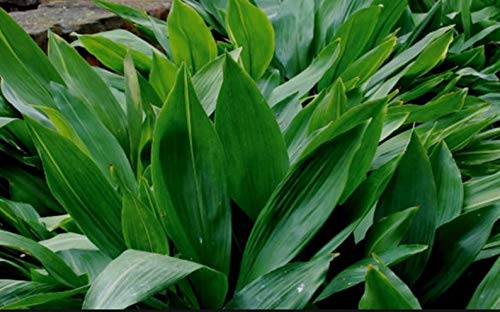
The Cast Iron Plant isn’t just for indoor spaces. It also works wonders in outdoor areas like patios, balconies, and shaded gardens.
Its resilient nature and grounding energy make it an excellent choice for stabilizing chi and creating harmony in outdoor environments.
Why Cast Iron Plants Work for Outdoor Feng Shui
- Resilient and Hardy:
- The Cast Iron Plant thrives in shaded or low-light outdoor spaces where other plants may struggle, symbolizing strength and endurance.
- Stabilizing Energy:
- Its deep green foliage anchors and balances outdoor energy, creating a calm and grounded atmosphere.
- Enhancing Flow:
- Cast Iron Plants soften harsh edges, helping smooth chi flow in patios, balconies, or garden corners.
Placement Tips for Outdoor Feng Shui
- Patio Corners:
- Place Cast Iron Plants in the corners of your patio or balcony to stabilize energy and prevent chi from stagnating.
- Balcony Borders:
- Line balconies with Cast Iron Plants in decorative pots to create a natural, calming barrier that protects and energizes the space.
- Near Seating Areas:
- Position plants near seating spaces to encourage relaxation and balance. Their presence adds a peaceful, restorative feel.
Outdoor Care Notes
- Keep Cast Iron Plants in shaded or semi-shaded areas to prevent leaf scorching.
- Ensure pots have proper drainage to avoid waterlogged soil after rain.
- Bring them indoors in colder climates, as they prefer temperatures above 50°F.
By incorporating Cast Iron Plants into your outdoor spaces, you can create a peaceful and energetically balanced environment that promotes harmony, stability, and a deeper connection to nature.
Feng Shui Cures with Cast Iron Plants
The Cast Iron Plant is a powerful remedy in Feng Shui for balancing weak or unstable areas of your home.
Its sturdy nature, lush foliage, and ability to thrive under challenging conditions make it ideal for restoring harmony where energy feels blocked or disrupted.
How Cast Iron Plants Act as Feng Shui Remedies
- Stabilizing Energy in Weak Areas:
- Place Cast Iron Plants in areas with low or stagnant energy, such as unused corners, hallways, or underutilized rooms to ground and strengthen chi.
- Correcting Negative Chi:
- They are perfect for balancing spaces with disruptive energy caused by sharp edges, clutter, or awkward layouts.
- Soothing Busy Energy:
- In high-traffic areas like hallways or entryways, Cast Iron Plants calm chaotic chi, creating a more peaceful and stable atmosphere.
Placement Tips for Feng Shui Remedies
- Sharp Angles or Corners:
- Position the plant in sharp corners to soften harsh energy and promote smooth chi flow.
- Near Electronics or Appliances:
- Place a Cast Iron Plant near electronics like TVs or computers to absorb and neutralize excess energy.
- Under Staircases:
- Staircases can create unstable energy; a Cast Iron Plant below them helps stabilize and ground the space.
Feng Shui Bonus
- Use earth-toned or sturdy ceramic pots to enhance the plant’s grounding energy.
- Keep the plant clean and healthy—its vitality reflects balanced and harmonious chi.
Using Cast Iron Plants as Feng Shui cures can restore balance, neutralize negative energy, and create a home that feels calm, stable, and full of positive flow.
Cast Iron Plants for Emotional Grounding
The Cast Iron Plant is more than a symbol of physical strength and it also fosters emotional resilience, making it an excellent companion during stressful times.
Its enduring nature reflects stability and calm. It helps to anchor emotions and bring balance to chaotic or overwhelming spaces.
How Cast Iron Plants Foster Emotional Resilience
- Symbol of Stability:
- The Cast Iron Plant’s ability to thrive in low-light and low-maintenance conditions reminds us of the importance of staying strong through life’s challenges.
- Grounding Energy:
- Its lush, sturdy foliage grounds the energy in your home, creating a calming and secure atmosphere that reduces stress.
- Stress Relief Through Nature:
- Plants improve emotional well-being and the Cast Iron Plant and its quiet and steady presence encourages patience and tranquility.
Best Placement for Emotional Grounding
- Living Spaces:
- Place the Cast Iron Plant in living rooms or shared areas to create a peaceful environment where family members can unwind.
- Bedrooms:
- Position it in bedrooms to promote calm energy and emotional balance for a restful night’s sleep.
- Workspaces:
- Add one to your workspace to help reduce stress and maintain focus during demanding tasks.
Feng Shui Connection
In Feng Shui, the Cast Iron Plant’s grounding energy neutralizes emotional disruptions and stabilizes chi flow, fostering a sense of security and calm.
By incorporating the Cast Iron Plant into your home, you can create a steady, supportive environment that nurtures emotional resilience and helps you stay grounded during life’s ups and downs.
Part 2: Comprehensive Care Guide

Caring for the Cast Iron Plant is refreshingly simple, making it a favorite for beginners and seasoned plant lovers.
This section covers everything you need to know—from light and watering to repotting and seasonal care to keep your Cast Iron Plant thriving while maintaining its calming, grounding energy.
Caring for Cast Iron Plants: A Beginner’s Guide
The Cast Iron Plant (Aspidistra elatior) is one of the easiest houseplants to care for, making it perfect for beginners. With its incredible tolerance for neglect, low light, and varying conditions, it thrives where other plants might struggle.
Cast Iron Plant Care Reference Guide
| Characteristic | Details |
|---|---|
| Common Name | Cast Iron Plant |
| Botanical Name | Aspidistra elatior |
| Native Habitat | Shaded forest floors of East Asia |
| Plant Type | Evergreen, Foliage Plant |
| Growth Pattern | Slow-growing, clump-forming |
| Mature Size | 2-3 feet tall, 1-2 feet wide |
| Watering | Water when the top inch of soil is dry; avoid overwatering |
| Light/Sun Exposure | Low to moderate indirect light; avoid direct sunlight |
| Soil Type | Well-draining mix, like coco coir with perlite |
| Soil pH | 6.0-7.0 (slightly acidic to neutral) |
| Temperature | 60-75°F (16-24°C) |
| Humidity | Average indoor humidity; tolerates dry air |
| Bloom Time & Flower Color | Rarely flowers indoors; small purple blooms near the soil |
| Potential Problems | Yellowing leaves (overwatering), pests like spider mites |
| Repotting | Repot every 2-3 years in fresh soil |
| Hardiness Zones (USDA) | 8-11 |
Essential Care Tips
- Light Requirements:
- Place the plant in low to moderate indirect light. Avoid direct sunlight, as it can scorch the leaves.
- Watering:
- Water when the top inch of soil feels dry. Be careful not to overwater—this plant prefers evenly moist, but not soggy, soil.
- Soil Needs:
- Use a well-draining potting mix. Using a coco coir and perlite mix can help with aeration and moisture balance.
- Temperature and Humidity:
- Keep the plant in a temperature range of 60-75°F (16-24°C). It thrives in average indoor humidity levels and does not require misting.
- Fertilizing:
- Feed with a balanced liquid fertilizer every 4-6 weeks during the spring and summer. Reduce feeding in the fall and winter.
- Pruning:
- Remove any yellow or brown leaves at the base to keep the plant looking tidy and healthy.
Feng Shui Tip
The Cast Iron Plant’s low-maintenance nature reflects stability and strength. Placing it in neglected or low-energy areas can refresh the space and promote harmony.
Following these simple care tips, you’ll enjoy a healthy and thriving Cast Iron Plant that brings beauty, balance, and resilience into your home.
Light Requirements for Cast Iron Plants
The Cast Iron Plant is famous for its ability to thrive in low-light conditions, making it an excellent choice for dim spaces where other plants may struggle.
Proper lighting ensures steady growth and keeps its lush, green leaves looking their best.
Optimal Lighting Conditions
- Low to Moderate Indirect Light:
- Cast Iron Plants do well in shaded spots or rooms with filtered light. Place them away from direct sunlight, as too much exposure can scorch the leaves.
- Avoid Direct Sunlight:
- Direct sun causes browning or yellowing of the leaves. If placing near a window, use sheer curtains to diffuse light.
- Best Indoor Locations:
- Hallways, corners, or rooms with north or east-facing windows are ideal for maintaining healthy foliage.
- Artificial Light:
- If natural light is limited the Cast Iron Plant tolerates fluorescent or LED grow lights, making it perfect for offices or basements.
Signs of Improper Lighting
- Too Much Light: Leaves turn brown or develop yellow patches. Move the plant to a shadier spot.
- Too Little Light: Growth slows, and leaves may lose their deep green color. Relocate to an area with slightly more light.
Feng Shui Tip
Place the Cast Iron Plant in dim, low-energy corners or hallways to anchor chi and bring fresh, revitalized energy to neglected spaces.
With its adaptability to low-light conditions, the Cast Iron Plant is the ultimate choice for brightening up shaded areas while maintaining its strong and resilient presence.
Watering Guide for Cast Iron Plants
Watering the Cast Iron Plant correctly is key to keeping it healthy and vibrant. While this hardy plant can tolerate occasional neglect, consistent overwatering or underwatering can cause issues.
Here’s how to master the perfect watering routine.
Proper Watering Techniques
- Check the Soil First:
- Water when the top inch of soil feels dry to the touch. Use your finger to test moisture levels.
- Avoid Overwatering:
- The Cast Iron Plant is sensitive to soggy soil, which can lead to root rot. Always ensure the pot has drainage holes.
- How to Water:
- Pour water evenly around the base of the plant until it drains from the bottom. Discard any excess water from the saucer to prevent waterlogging.
- Use Room-Temperature Water:
- Cold water can shock the roots, so always use room-temperature water for optimal results.
Seasonal Adjustments
- Spring and Summer:
- Water regularly as the plant grows actively, checking the soil weekly.
- Fall and Winter:
- Reduce watering during cooler months when the plant’s growth slows. Allow the soil to dry out slightly more between waterings.
Signs of Improper Watering
- Overwatering:
- Yellowing leaves, soggy soil, or wilting despite damp conditions.
- Underwatering:
- Drooping leaves, dry soil, and browning leaf tips.
Feng Shui Tip
A well-hydrated Cast Iron Plant symbolizes balanced energy and vitality. Proper watering ensures the plant remains a strong and calming presence in your home.
By following these watering tips, your Cast Iron Plant will stay healthy, resilient, and a beautiful anchor of positive energy in any space.
Soil for Cast Iron Plants
Choosing the right soil is essential for keeping your Cast Iron Plant healthy. Since they prefer well-draining, nutrient-rich soil, selecting the proper mix ensures strong roots and long-lasting vitality.
Best Soil Mix:
- Coco Coir and Perlite Blend:
- Coco coir is an excellent alternative to peat-based soil mixes. It retains moisture without becoming waterlogged and improves aeration when paired with perlite.
Advantages of Coco Coir Over Peat-Based Mixes:
- Sustainability:
- Coco coir is made from coconut husks, a renewable resource, unlike peat moss, which is harvested from non-renewable peat bogs.
- Better Drainage:
- It provides excellent aeration and water retention without compacting over time, which prevents root rot.
- Eco-Friendly:
- Coco coir production has a lower environmental impact, making it a greener choice for houseplants.
Feng Shui Tip:
Healthy roots symbolize stability. Using sustainable soil like coco coir aligns with Feng Shui principles by supporting balance and harmony in your home.
Fertilizing Cast Iron Plants
While Cast Iron Plants are slow growers, they benefit from occasional feeding to maintain their lush, deep green foliage.
When to Fertilize:
- Feed your Cast Iron Plant every 4-6 weeks during the growing season (spring and summer).
- Reduce or stop fertilizing during the fall and winter months when growth naturally slows.
Best Fertilizer:
- Use a balanced, water-soluble fertilizer (like 10-10-10 or 20-20-20) diluted to half strength.
- Organic options, like compost tea or seaweed-based fertilizers, provide nutrients gently and sustainably.
Tips for Fertilizing:
- Avoid over-fertilizing, as this can cause brown tips or salt buildup in the soil.
- Water before fertilizing to prevent root burn.
Feng Shui Tip:
Well-fed plants represent growth and renewal. Regular feeding ensures your Cast Iron Plant continues to radiate strength and grounding energy in your space.
By combining a sustainable soil mix with a thoughtful fertilizing routine, you’ll keep your Cast Iron Plant thriving for years while creating a balanced, eco-friendly environment in your home.
Potting and Repotting Cast Iron Plants
The Cast Iron Plant thrives when placed in the right pot and given occasional repotting.
Choosing the correct container and soil ensures healthy roots, while repotting refreshes its energy and promotes steady growth, aligning perfectly with Feng Shui principles.
Choosing the Right Pot
- Durable Materials:
- Select sturdy, breathable pots made of ceramic, terracotta, or thick plastic for longevity and stability.
- Drainage is Key:
- Pots must have drainage holes to prevent water from pooling, which can lead to root rot.
- Size Matters:
- Choose a pot 1-2 inches larger than the current one to avoid overwhelming the roots while giving room to grow.
- Feng Shui Tip:
- Earth-toned pots enhance the plant’s grounding energy. Green or gold accents can amplify its strength and positive flow.
How to Repot Cast Iron Plants
- When to Repot:
- Repot every 2-3 years, or when roots start outgrowing the pot or the soil becomes compacted.
- Steps for Repotting:
- Carefully remove the plant from its current pot. Gently shake off old soil.
- Inspect the roots, trimming away any damaged or rotting sections.
- Place the plant in the new pot with fresh, well-draining soil (coco coir and perlite work well).
- Water lightly to help the soil settle but avoid overwatering.
Post-Repotting Care
- Keep the plant in its usual low-light spot to reduce stress.
- Allow the plant a few days to adjust before resuming regular care.
Feng Shui Benefits of Repotting
Repotting supports the plant’s health and refreshes its energy, ensuring it continues to bring grounding, and stabilizing Chi to your space.
By choosing durable pots and repotting as needed, your Cast Iron Plant will remain a symbol of resilience, adding harmony and strength to your home for years to come.
Seasonal Care for Cast Iron Plants
The Cast Iron Plant is low-maintenance, but slight adjustments in care throughout the year will keep it healthy and thriving.
By tuning into seasonal changes, you ensure the plant maintains its resilience, energy, and lush appearance no matter the time of year.
Spring and Summer – Active Growth
- Watering:
- Water regularly as the plant’s growth picks up, keeping the top inch of soil lightly moist but not soggy.
- Fertilizing:
- Feed once a month with a balanced liquid fertilizer to support steady growth.
- Light Exposure:
- Ensure indirect light exposure and protect the plant from intense afternoon sunlight.
- Repotting:
- Spring is the best time to repot, allowing the plant to establish itself before active growth.
Fall – Transition Phase
- Reduce Watering:
- Gradually decrease watering as the plant’s growth slows. Let the soil dry slightly more between waterings.
- Stop Fertilizing:
- Stop feeding in the fall to allow the plant to rest naturally.
- Monitor Light:
- Move the plant closer to windows to maintain enough light as daylight hours shorten.
Winter – Rest Period
- Minimal Watering:
- Water sparingly, allowing the top two inches of soil to dry out before rewatering. Avoid overwatering during dormancy.
- Temperature Control:
- Keep the plant in temperatures above 60°F (16°C) and away from drafts, heaters, or cold windows.
- Humidity Boost:
- Use a humidity tray or group the plant with others if indoor air becomes too dry from heating systems.
Feng Shui Tip
Adjusting your plant’s care ensures it remains vibrant, symbolizing stability and balance all year.
A healthy Cast Iron Plant continues to anchor Chi and provide calm, grounding energy to your space.
By tuning into your Cast Iron Plant’s needs each season, you’ll keep it thriving for years to come, effortlessly complementing your home with its beauty and positive energy.
Propagating Cast Iron Plants for New Energy
Propagating Cast Iron Plants is a rewarding way to expand their presence in your home while spreading their resilient, grounding energy to new spaces.
Although these plants grow slowly, dividing them allows you to create multiple strong, healthy plants that symbolize stability and renewal.
Best Propagation Method: Division
The Cast Iron Plant doesn’t propagate through cuttings like other plants. Instead, it is best multiplied by dividing its rhizomes, the thick underground stems that grow roots and shoots.
Step-by-Step Guide for Division Propagation
- Choose the Right Time:
- The best time to propagate is during spring or early summer when the plant is actively growing.
- Remove the Plant:
- Gently remove the Cast Iron Plant from its pot and shake off excess soil to expose the roots and rhizomes.
- Divide the Rhizomes:
- Locate natural sections where the rhizomes have multiple shoots.
- Use a clean, sharp knife or pruner to separate the plant into smaller divisions, ensuring each section has healthy roots and at least 2-3 leaves.
- Repot the Divisions:
- Plant each new section in a pot with fresh, well-draining soil (coco coir and perlite).
- Water lightly to settle the soil, but avoid overwatering.
- Post-Propagation Care:
- Place the new plants in low to moderate light and keep the soil slightly moist as they adjust.
Feng Shui Tip
Propagating Cast Iron Plants represents renewal and growth. Place the newly divided plants in different areas of your home, like neglected corners or entryways, to refresh energy and bring grounding stability to new spaces.
By propagating Cast Iron Plants, you can multiply their calming and resilient presence, allowing their positive energy to flow into every corner of your home.
Troubleshooting Common Cast Iron Plant Issues
Even though the Cast Iron Plant is famously tough, it can still encounter occasional problems like yellowing leaves, pests, or stress from improper care.
Here’s how to quickly identify and solve these common issues to keep your plant strong and healthy.
1. Yellowing Leaves
- Cause: Overwatering, poor drainage, or lack of nutrients.
- Solution:
- Check the soil and water only when the top inch feels dry.
- Ensure the pot has proper drainage holes.
- Repot with fresh, well-draining soil like coco coir and perlite if the soil feels compacted.
- Remove any yellow leaves at the base to redirect the plant’s energy.
2. Brown Leaf Tips
- Cause: Underwatering, low humidity, or exposure to drafts.
- Solution:
- Maintain consistent watering without letting the soil dry out completely.
- Increase humidity by placing the pot on a pebble tray or grouping plants together.
- Keep the plant away from cold drafts, heaters, or vents.
3. Pests: Spider Mites, Mealybugs, or Scale
- Cause: Dry conditions or nearby infested plants.
- Solution:
- Wipe leaves with a damp cloth to remove visible pests.
- Treat infestations with neem oil or insecticidal soap, applying weekly until pests are gone.
- Increase humidity to deter pests like spider mites.
4. Drooping or Wilting Leaves
- Cause: Underwatering, overwatering, or root damage.
- Solution:
- Water consistently when the top inch of soil dries out.
- If root rot is suspected, repot the plant, trimming away any damaged roots.
5. Stunted Growth
- Cause: Poor lighting, compacted soil, or lack of nutrients.
- Solution:
- Move the plant to a spot with low to moderate indirect light.
- Refresh the soil and consider repotting every 2-3 years.
- Fertilize monthly during spring and summer with a balanced liquid fertilizer.
Feng Shui Tip
Healthy plants symbolize strong, positive energy. Troubleshoot any issues promptly to ensure your Cast Iron Plant remains vibrant, grounding the Chi in your home and restoring balance to your space.
By solving these common issues, you’ll keep your Cast Iron Plant thriving, ensuring it remains a resilient and calming presence in your home.
Air Quality Benefits of Cast Iron Plants
The Cast Iron Plant doesn’t just bring symbolic strength to your space—it also works quietly to improve indoor air quality.
Its lush, green leaves help purify the air, creating a healthier and more balanced environment while radiating calm, resilient energy.
How Cast Iron Plants Improve Air Quality
- Filters Toxins:
- The Cast Iron Plant helps remove common airborne pollutants like formaldehyde, benzene, and xylene found in cleaning products, paints, and furnishings.
- Adds Oxygen:
- Like all plants, it absorbs carbon dioxide and releases oxygen, improving overall air quality in your home.
- Reduces Dust:
- The broad, sturdy leaves trap dust particles, preventing them from circulating in the air and making the space cleaner.
- Boosts Humidity:
- While subtle, the plant contributes to humidity through transpiration, which helps counteract dry air, particularly in homes with heating or air conditioning.
Best Placement for Air Quality
- Living Areas:
- Place Cast Iron Plants in frequently used rooms, like the living room or bedroom, to maximize their purifying effects.
- Workspaces:
- A Cast Iron Plant in your office reduces toxins and provides calming energy to boost focus and productivity.
- Near Electronics:
- Position them near TVs or computers to neutralize stagnant energy and improve airflow in busy areas.
Feng Shui Tip
Healthy, thriving plants are a reflection of positive chi. The Cast Iron Plant’s air-purifying qualities symbolize a clean, grounded, and harmonious energy flow, reinforcing stability in your home.
By improving air quality and maintaining its symbolic strength, the Cast Iron Plant enhances the physical and energetic well-being of your indoor spaces.
Long-Term Care for Cast Iron Plants
The Cast Iron Plant is built to last, and with a little consistent care, it can remain healthy and beautiful for years.
Known for its durability, this low-maintenance plant thrives with minimal attention, making it the perfect symbol of long-term stability and strength.
Tips for Long-Term Care
- Watering Consistency:
- Water only when the top inch of soil feels dry. Avoid overwatering, as soggy soil can cause root rot. In winter reduce watering slightly as growth slows.
- Light Requirements:
- Keep the plant in low to moderate indirect light. Protect it from direct sunlight, which can cause browning and scorching of the leaves.
- Repot Every 2-3 Years:
- Refresh the soil to keep it nutrient-rich and aerated. Choose a slightly larger pot with good drainage when repotting to allow healthy root growth.
- Soil and Fertilizer:
- Use a well-draining soil mix, like coco coir and perlite, to avoid compaction. Feed with a balanced liquid fertilizer every 4-6 weeks during spring and summer. Pause feeding in fall and winter.
- Pruning for Maintenance:
- Remove yellow, brown, or damaged leaves at the base to encourage new growth and keep the plant looking its best.
- Monitor for Pests:
- Occasionally wipe the leaves with a damp cloth to keep them dust-free and check for pests like spider mites or mealybugs. Treat infestations promptly with neem oil or insecticidal soap.
- Ideal Environment:
- Keep temperatures between 60-75°F (16-24°C) and avoid placing the plant in drafty spots, near heaters, or air vents.
Feng Shui Tip
A healthy Cast Iron Plant symbolizes longevity, resilience, and grounding energy. By caring for it over the years, you ensure its positive chi continues to anchor stability and harmony in your home.
With the right care, your Cast Iron Plant will reward you with years of lush greenery and become a constant symbol of strength, beauty, and lasting calm in your indoor spaces.
Part 3: Aesthetic Integration

Aspidistra Elatior ‘Milky Way’ – 4″ from California Tropicals
The Cast Iron Plant isn’t just tough, and it’s also a beautiful addition to your home décor.
With its deep green, elegant leaves, and versatile nature, this plant fits seamlessly into any space.
Whether you’re decorating a cozy corner or enhancing a modern room, the Cast Iron Plant brings timeless style and grounding energy.
Decorating with Cast Iron Plants
The Cast Iron Plant is a symbol of resilience and a stylish and versatile addition to home décor.
Its deep green, glossy leaves and ability to thrive in low light make it a perfect choice for enhancing the beauty and energy of any space.
Creative Ways to Incorporate Cast Iron Plants
- Anchor Empty Corners:
- Place the Cast Iron Plant in decorative pots in unused or awkward corners to fill the space and ground the energy.
- Use Statement Pots:
- Choose earth-toned or textured ceramic pots to highlight the plant’s natural beauty while enhancing its grounding presence.
- Layered Plant Displays:
- Combine the Cast Iron Plant with taller or trailing plants to create depth and dimension in living areas or entryways.
- Under Staircases:
- Position it under staircases to stabilize the chi flow in these often-overlooked spaces.
- Hallway Accents:
- Line a hallway with Cast Iron Plants in matching pots for a clean, organized look that softens busy areas.
- Elevate with Plant Stands:
- Use tall plant stands to showcase the plant and draw attention to its lush, broad leaves without taking up much floor space.
- Dining or Coffee Table Centerpiece:
- A small Cast Iron Plant in a decorative pot makes a striking, low-maintenance centerpiece.
Feng Shui Tip
Placing the Cast Iron Plant in areas with sharp edges, empty spaces, or stagnant energy helps balance and soften the flow of Chi, creating a calming and harmonious environment.
Whether used as a standalone feature or part of a plant arrangement, the Cast Iron Plant adds a timeless, grounded energy to your home while elevating its style and atmosphere.
Combining Cast Iron Plants with Other Greenery
The Cast Iron Plant pairs beautifully with other houseplants, creating a balanced and visually appealing indoor environment.
Its rich, deep green foliage and adaptability make it an excellent anchor plant that enhances the beauty and energy of surrounding greenery.
Best Plants to Pair with Cast Iron Plants
Snake Plant (Sansevieria):

Costa Farms Snake, Sansevieria White-Natural Decor Planter Live Indoor Plant, 12-Inch Tall
-
- With its upright, structured leaves, the Snake Plant complements the soft, arching leaves of the Cast Iron Plant.
- Feng Shui Benefit: Together, they promote strength, resilience, and protection.
Pothos:

-
- The trailing vines of Pothos add movement and contrast to the Cast Iron Plant’s sturdy form.
- Energy Tip: Pothos symbolize prosperity and balance, amplifying positive chi.
Peace Lily:

-
- The broad, elegant leaves and occasional white blooms of the Peace Lily pair beautifully with the Cast Iron Plant’s lush greenery.
- Feng Shui Benefit: Peace Lilies bring harmony and calm energy, balancing the Cast Iron Plant’s grounding qualities.
ZZ Plant (Zamioculcas zamiifolia):

Costa Farms ZZ Live Indoor Tabletop Plant in 6-Inch Grower Pot
-
- Known for its glossy, upright foliage, the ZZ Plant matches the Cast Iron Plant’s resilience while offering a modern look.
- Energy Tip: Both plants thrive in low light, making them ideal for dim spaces that need a boost of life.
Tips for Creating a Balanced Arrangement
- Vary Heights and Shapes:
- Place taller plants like Snake Plants or ZZ Plants at the back and the Cast Iron Plant in the middle, adding trailing plants like Pothos for depth.
- Use Matching Pots:
- Select pots with similar tones or materials (e.g., ceramic or terracotta) to create a cohesive and stylish display.
- Group in Threes:
- Arranging plants in odd numbers such as three or five, creates natural harmony and balance.
- Consider Light Needs:
- Combine plants with similar low-light requirements so they all thrive in the same space.
Feng Shui Tip
Pairing the Cast Iron Plant with complementary greenery amplifies stability and harmony.
Use groupings in key Feng Shui areas like the wealth (southeast) or health (center) zones to create a calm, balanced energy flow.
By combining Cast Iron Plants with other houseplants, you can create an inviting and harmonious indoor garden that brings beauty, stability, and positive energy to your home.
FAQ Section
Your Questions About Cast Iron Plant Care Answered
Here are the most common questions about growing and caring for the Cast Iron Plant to help you keep it thriving.
Q: How often should I water a cast iron plant?
A: Water when the top inch of soil feels dry. Overwatering can cause root rot, so always check the soil first.
Q: How much light does a cast iron plant need?
A: Cast iron plants prefer low to moderate indirect light. Avoid direct sunlight, as it can scorch their leaves.
Q: Should I cut brown tips off a cast iron plant?
A: Yes, trim brown tips with clean scissors to keep the plant looking healthy. Address any watering or light issues to prevent more browning.
Q: Where should I put my Cast Iron Plant?
A: Place it in shaded corners, hallways, or near windows with filtered light. Feng Shui suggests wealth or entry areas to promote stability and prosperity.
Q: Do you cut back cast iron plants?
A: Yes, you can prune old, damaged, or yellowing leaves at the base to encourage fresh growth.
Q: Can cast iron plants take full sun?
A: No, full sun can burn their leaves. They thrive best in low-light or filtered light conditions.
Q: Should I cut yellow leaves off a Cast Iron Plant?
A: Yes, remove yellow leaves to keep the plant healthy. Yellowing is often caused by overwatering or poor drainage.
Q: Do cast iron plants like to be misted?
A: While they tolerate dry air, occasional misting can help if the environment is very dry.
Conclusion
The Cast Iron Plant (Aspidistra elatior), renowned for its resilience and low-maintenance nature, is a popular choice for indoor greenery. Beyond its hardiness, it holds significant value in Feng Shui, symbolizing strength and stability.
Why Cast Iron Plants are Perfect for Your Home
The Cast Iron Plant is a timeless indoor companion, combining resilience, beauty, and positive Feng Shui energy.
By following simple care tips like proper watering, low-light placement, and occasional pruning, you can keep this plant thriving for years.
☯️ Explore More Feng Shui Plant Ideas
Discover ways to use indoor plants to create balanced, welcoming spaces throughout your home. Visit our Feng Shui Plants category for plant placement ideas, positive energy plants, room-specific Feng Shui tips, and guides for creating calmer, more harmonious indoor environments.
Key Takeaways
- Low-Maintenance Care:
- Water when the soil dries out and avoid direct sunlight.
- Feng Shui Benefits:
- Place it in wealth corners, hallways, or entryways to promote stability and prosperity.
- Long-Term Growth:
- Repot every couple of years, prune yellow leaves, and use well-draining soil.
With just a little attention, the Cast Iron Plant will reward you with a lush, green presence that radiates calm and strength in your home.
✨ Indoor Plants and Feng Shui
Enhance harmony, balance, and positive energy in your home with these Feng Shui indoor plant guides.
- 🌱 Feng Shui Plants (Pillar Guide)
- 🏡 Indoor Plants and Feng Shui
- 🌿 Feng Shui Vertical Gardens for Office Spaces
- 🌸 Best 24 Feng Shui Indoor Plants
- 💧 Growing Feng Shui Plants
- 🌳 Common Chinese House Plants for Feng Shui
- 🪴 Feng Shui Hanging Plants
- 🛏️ Feng Shui Bedroom Plants
- 🍃 ZZ Plant Feng Shui
- 🌱 Using Feng Shui in Vertical Gardens
- 🎋 Growing Lucky Bamboo in Feng Shui
- 🏠 Indoor Plants for Feng Shui
- ☯️ Indoor Plants for Positive Energy
- 🌼 Chinese Evergreen Care
- 🌺 Growing Peonies Indoors and Outdoors
- See all articles in our Indoor Plants and Feng Shui category
Related Content

Visit my Amazon Influencer Page for videos and gardening products Grow Your Own Garden