

Common Chinese House Plants for Feng Shui bring together beautiful greenery, traditional symbolism, and practical ways to decorate your home. From Lucky Bamboo and Chinese Money Plants to Jade Plants and Money Trees, these popular houseplants are associated with prosperity, harmony, growth, and positive energy in Feng Shui traditions.
One of the things I appreciate about decorating with houseplants is how easily they can change the feeling of a room. A healthy Chinese Evergreen can brighten a quiet corner, a Money Tree can become an attractive focal point, and a small arrangement of Lucky Bamboo can bring a peaceful touch to a desk or entryway.
In Feng Shui, different plants are associated with specific meanings, and their placement is traditionally used to encourage balance and the flow of Chi, or life energy. However, choosing the right location also means understanding what each plant needs to grow. A Jade Plant needs considerably more light than a Chinese Evergreen, so the best decorative arrangement is one that supports both the plant’s health and your Feng Shui intentions.
In this guide, you’ll discover 11 popular houseplants used in Feng Shui-inspired decorating, their traditional meanings, basic indoor care requirements, and ideas for placing them throughout your home. Whether you’re decorating a small apartment, bright living room, bedroom, or home office, you’ll find plants that can add beauty, personality, and a sense of harmony to your space.
🌿 What You’ll Learn
- Which common Chinese houseplants and other popular indoor plants are associated with Feng Shui traditions.
- The meanings behind Lucky Bamboo, Chinese Money Plant, Jade Plant, Money Tree, and other favorites.
- How different plants symbolize prosperity, harmony, protection, growth, and positive energy.
- Basic light, watering, and maintenance requirements for 11 popular indoor plants.
- Where to place houseplants in living rooms, bedrooms, entryways, and home offices.
- How traditional Feng Shui areas, including wealth, health, and relationship corners, influence plant placement.
- How to combine decorative containers, plant shapes, and natural elements to create a balanced indoor display.
- Why keeping your plants healthy should always come first when choosing their location.
- Which plants require additional precautions in homes with cats or dogs.
🌿 Quick Answer: What Are the Best Chinese House Plants for Feng Shui?
Some of the most popular Chinese house plants for Feng Shui include Lucky Bamboo, Chinese Money Plant, Jade Plant, Chinese Evergreen, and Money Tree. These plants are traditionally associated with prosperity, good fortune, growth, harmony, and positive energy. Other popular houseplants used in Feng Shui-inspired decorating include Snake Plant, Rubber Plant, Ginseng Ficus Bonsai, Bromeliads, Anthuriums, and Calamondin Orange Trees.
For wealth and abundance, Money Trees, Jade Plants, and Chinese Money Plants are popular choices. Lucky Bamboo represents growth and resilience, while Snake Plants are traditionally associated with protection. Chinese Evergreens symbolize luck and longevity, making them attractive choices for living rooms and other shared spaces.
The best Feng Shui plant for your home is one that fits your decorating goals and can thrive in the available light. For example, Chinese Evergreens and Snake Plants tolerate lower light levels, while Jade Plants and Calamondin Orange Trees need brighter locations. You can honor traditional Feng Shui placement ideas while adjusting the arrangement to keep your plants healthy and growing.
🪴 Chinese House Plants for Feng Shui at a Glance
This quick comparison highlights the 11 houseplants featured in this guide, their traditional Feng Shui symbolism, basic lighting needs, and suggested indoor placement. The detailed plant profiles below explain their care and decorative uses.
| Houseplant | Feng Shui Symbolism | Light Needs | Suggested Placement |
|---|---|---|---|
| Lucky Bamboo | Growth, resilience, good fortune | Bright indirect light | Entryways, desks, living rooms |
| Chinese Money Plant | Wealth, prosperity, abundance | Bright indirect light | Home offices, bright wealth corners |
| Jade Plant | Good fortune, wealth, prosperity | Bright light with direct sun | Sunny windowsills, bright entryways |
| Snake Plant | Protection, strength, resilience | Low to bright indirect light | Bedrooms, entryways, corners |
| Rubber Plant | Abundance, growth, stability | Bright indirect light | Living rooms, spacious wealth corners |
| Chinese Evergreen | Luck, longevity, harmony | Low to medium indirect light | Living rooms, hallways, offices |
| Money Tree | Wealth, prosperity, financial stability | Medium to bright indirect light | Living rooms, offices, wealth corners |
| Ginseng Ficus Bonsai | Strength, creativity, grounding | Bright indirect light | Desks, home offices, living rooms |
| Bromeliad | Growth, transformation, vitality | Bright indirect light | Dining rooms, living rooms |
| Anthurium | Love, relationships, harmony | Bright indirect light | Bedrooms, relationship corners |
| Calamondin Orange Tree | Prosperity, abundance, good fortune | Full sun, at least 6 hours daily | Sunny windows, bright living areas |
Feng Shui placement tip: Traditional Feng Shui associates the southeast with wealth, the east with health and family, and the southwest with relationships. These are symbolic placement guidelines rather than strict growing requirements. If a particular corner lacks sufficient light, choose a better location for the plant or provide suitable supplemental lighting. A healthy, actively growing plant is a better reflection of vitality and renewal than one struggling in an unsuitable location.
Common Chinese House Plants for Feng Shui
Chinese houseplants are beautiful but also play a key role in enhancing Feng Shui energy in your home.
These plants bring positive energy, prosperity, and harmony while improving indoor air quality and aesthetics.
Discover a curated list of common Chinese houseplants for Feng Shui, their meanings, and tips on placement and care.
1. The Role of Houseplants in Feng Shui
Houseplants play a vital role in Feng Shui, acting as natural enhancers of positive energy while harmonizing the environment.
By introducing plants into your home you’ll elevate its aesthetic appeal and foster balance, growth, and vitality in your living space.
Symbolism of Plants in Feng Shui
Plants are powerful symbols of life and renewal in Feng Shui, representing:
- Growth: Their continuous development reflects personal and professional progress.
- Vitality: Lush greenery is associated with health, energy, and abundance.
- Balance: The organic forms of plants bring a sense of stability and calmness to a room.
Incorporating plants helps to create a living, breathing connection to nature, promoting harmony between the indoor and outdoor worlds.
Enhancing Energy Flow with Plants
In Feng Shui, plants are excellent tools for maintaining a smooth flow of Chi (energy):
- Chi Circulation: Healthy, thriving plants encourage Chi to move freely, preventing stagnation.
- Neutralizing Negativity: Plants act as natural filters, absorbing negative energy and replacing it with positivity.
- Softening Harsh Edges: Placing plants near sharp corners or harsh architectural features helps to smooth out the flow of energy.
Connection to the Five Elements
Houseplants align with key elements in Feng Shui to create a balanced and harmonious environment:
- Wood Element: Plants inherently represent the wood element, symbolizing growth, vitality, and upward energy.
- Earth Element: Potted plants incorporate the earth element, grounding the space and adding stability.
- Water Element: Plants that thrive in water, like Lucky Bamboo, add the calming and nourishing energy of the water element.
By strategically selecting and placing houseplants, you can align these elements with specific areas of your home based on the Feng Shui Bagua map, creating a harmonious and energetically balanced space.
2. Essential Chinese House Plants for Feng Shui
Chinese houseplants are integral to Feng Shui, each carrying unique meanings and benefits that contribute to a harmonious home.
Below are the essential plants that bring prosperity, vitality, and balance to your space, along with their placement tips and care routines.
2.1. Lucky Bamboo (Dracaena sanderiana)

Lucky Bamboo is one of the most iconic Feng Shui plants, known for its resilience and uplifting energy.
Its ability to thrive in water makes it a low-maintenance favorite, symbolizing growth and adaptability.
The number of stalks carries specific meanings, enhancing various aspects of life.
- Symbolism: Represents flexibility, resilience, and personal growth.
- Placement: Ideal for living rooms or entryways to invite positive energy. The number of stalks has specific meanings in Feng Shui:
- Two: Love and partnership.
- Three: Happiness.
- Eight: Wealth and abundance.
- Care Tips:
- Keep roots submerged in clean, non-chlorinated water.
- Place in bright, indirect light; avoid direct sunlight to prevent leaf burn.
- Change the water weekly to maintain freshness and healthy growth.
2.2. Chinese Money Plant (Pilea peperomioides)

The Chinese Money Plant, with its charming coin-shaped leaves, symbolizes financial prosperity.
Beloved for its easy care and striking appearance, this plant attracts abundance and uplifts the energy in workspaces or wealth corners.
- Symbolism: Symbolizes wealth and financial prosperity with its round, coin-like leaves.
- Placement: Place in the wealth corner (southeast) to attract abundance or in workspaces to inspire financial success.
- Care Tips:
- Provide bright, indirect light.
- Water when the top inch of soil is dry, ensuring good drainage.
- Rotate the plant weekly for even growth.
2.3. Jade Plant (Crassula ovata)
 Shop Succulents | Crassula Ovata ‘Jade Plant’, Hand Selected for Health, Size & Readiness, 4″ Pot
Known as the “money tree,” the Jade Plant is synonymous with prosperity and abundance.
Its fleshy, rounded leaves symbolize wealth and good fortune, making it a popular choice for entryways or wealth corners in Feng Shui.
- Symbolism: Known as the “money tree,” it symbolizes prosperity, good fortune, and abundance.
- Placement: Best near entryways or in the wealth corner to welcome prosperity into the home.
- Care Tips:
- Requires bright light; a sunny windowsill is ideal.
- Water sparingly, allowing the soil to dry out completely between waterings.
- Wipe leaves regularly to keep them dust-free and healthy.
2.4. Snake Plant (Sansevieria trifasciata)

Costa Farms Snake, Sansevieria White-Natural Decor Planter Live Indoor Plant, 12-Inch Tall
The Snake Plant, often referred to as “Mother-in-Law’s Tongue,” is prized for its protective energy and air-purifying qualities.
Its tall, upright leaves make it a striking addition to any space, while its low-maintenance care suits even the busiest households.
- Symbolism: Represents protection and strength with its tall, sword-like leaves.
- Placement: Ideal for bedrooms to promote restful sleep or near doorways to block negative energy.
- Care Tips:
- Thrives in low to bright, indirect light.
- Water infrequently, as it is highly drought-tolerant.
- Ensure the pot has good drainage to prevent root rot.
2.5. Rubber Plant (Ficus elastica)

The Rubber Plant is a Feng Shui favorite for its lush, rounded leaves that symbolize abundance and prosperity.
Its bold, glossy foliage makes it a standout piece in living rooms or wealth corners, adding both beauty and positive energy to your home.
- Symbolism: Broad, rounded leaves represent abundance, prosperity, and growth.
- Placement: Place in living rooms or wealth corners to promote harmony and financial stability.
- Care Tips:
- Prefers bright, indirect light but can tolerate lower light levels.
- Keep soil consistently moist, but avoid overwatering.
- Clean leaves regularly to maintain their glossy appearance and energy-cleansing ability.
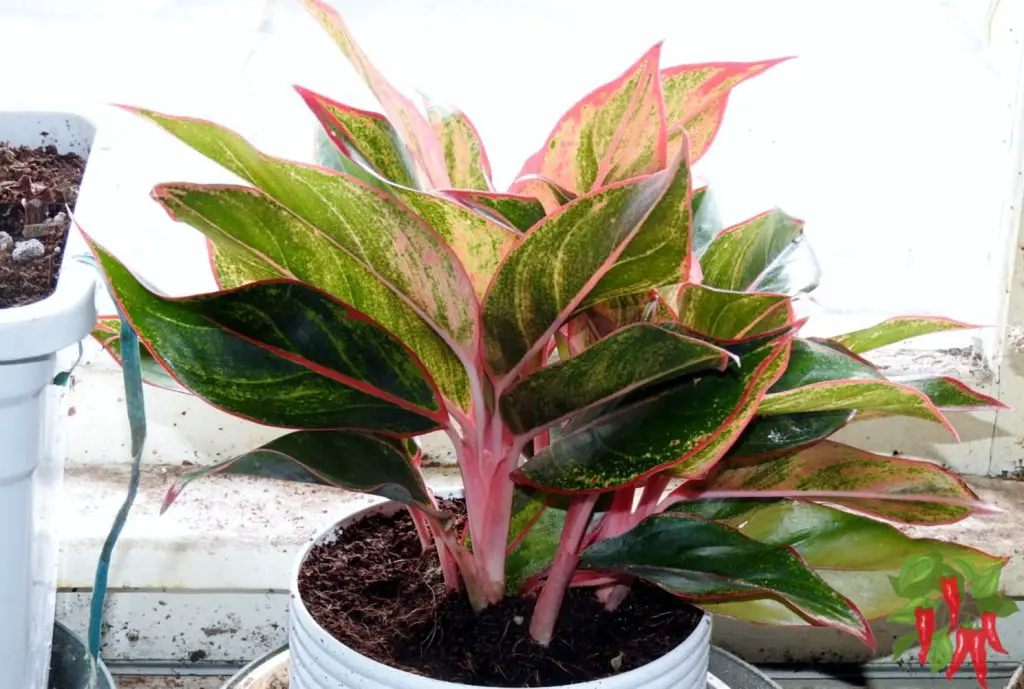
2.6. Chinese Evergreen (Aglaonema)

The Chinese Evergreen is celebrated for its lush, patterned leaves and its ability to thrive in low-light conditions.
It’s a symbol of luck and longevity, making it an excellent choice for Feng Shui.
- Symbolism: Represents luck, longevity, and resilience.
- Placement: Ideal for living rooms, hallways, or other high-traffic areas to welcome positivity and good fortune.
- Care Tips:
- Thrives in low to medium light but can tolerate brighter conditions.
- Water when the soil is dry to the touch, avoiding overwatering.
- Wipe leaves occasionally to keep them clean and vibrant.
These plants are more than just decorative. They’re symbolic powerhouses that, when placed correctly, can transform your home into a space of prosperity, balance, and positive energy.
3. Additional Chinese House Plants for Feng Shui
Beyond the classics, these Chinese house plants bring unique energy and symbolism to your home.
Each plant enhances your space in distinct ways, contributing to financial stability, creativity, love, or luck.
Let’s explore these versatile options and how to care for them.
3.1. Money Tree (Pachira aquatica)

The Money Tree is a staple in Feng Shui for its strong association with prosperity and financial stability.
Its braided trunk and lush green leaves make it an attractive and symbolic addition to homes and offices.
- Symbolism: Represents wealth, abundance, and financial stability.
- Placement: Ideal for the wealth corner (southeast) to attract abundance or workspaces to inspire productivity and success.
- Care Tips:
- Provide moderate light, avoiding direct sunlight to prevent leaf scorch.
- Water when the topsoil feels dry, ensuring proper drainage to avoid root rot.
- Rotate the plant occasionally for even growth.
3.2. Bonsai Ginseng (Ficus retusa)
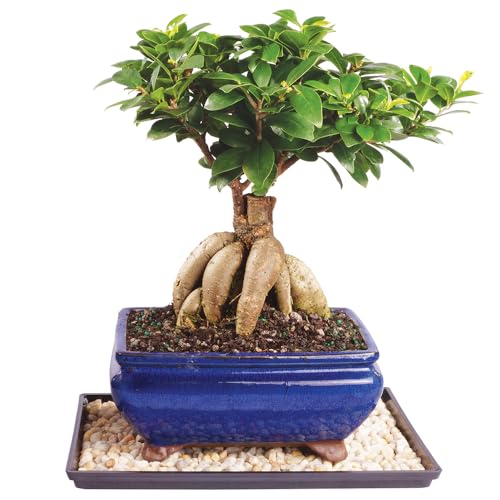
The Bonsai Ginseng is a miniature powerhouse in Feng Shui, symbolizing strength and creativity.
Its intricate root structure and delicate leaves make it both a conversation piece and a source of inspiration.
- Symbolism: Represents strength, creativity, and grounding energy.
- Placement: Best placed in workspaces for focus or living rooms to spark creative energy.
- Care Tips:
- Provide bright, indirect light, avoiding harsh sunlight.
- Water regularly, but allow the topsoil to dry slightly between waterings.
- Prune as needed to maintain its compact shape and health.
3.3. Bromeliad (Bromeliaceae)

Bromeliads are vibrant tropical plants that bring a sense of growth and transformation.
Their striking appearance and adaptability make them ideal for uplifting shared spaces in your home.
- Symbolism: Represents growth, transformation, and vibrant energy.
- Placement: Best suited for dining areas or living rooms to promote a lively, welcoming atmosphere.
- Care Tips:
- Provide bright, indirect light to keep its colors vivid.
- Water in the central cup of the plant, ensuring it doesn’t dry out.
- Maintain moderate humidity for optimal growth.
3.4. Anthurium
 Costa Farms Anthurium Plant, Live Indoor Houseplant with Red Flowers, Easy Grow Flowering House Plant in Cute Décor Pot, Birthday, Housewarming, Get Well Soon, Home, Room, Office Décor, 12-Inches Tall
Anthuriums are known for their heart-shaped flowers, symbolizing love and strong relationships.
Their striking red or pink blooms make them perfect for adding passion and harmony to bedrooms or relationship areas.
- Symbolism: Represents love, romance, and harmonious relationships.
- Placement: Place in bedrooms or the relationship corner (southwest) to enhance love and connection.
- Care Tips:
- Provide bright, indirect light, avoiding harsh sunlight.
- Water when the soil is partially dry, keeping the soil evenly moist but not waterlogged.
- Wipe the leaves and flowers regularly to keep them glossy and healthy.
3.5. Calamondin Orange Trees

The Calamondin Orange Tree is a beautiful representation of wealth and abundance, often used in Feng Shui to invite prosperity.
Its small, fragrant fruits and lush foliage bring life and vibrancy to any space.
- Symbolism: Represents wealth, abundance, and prosperity.
- Placement: Best placed near sunny windows or wealth corners (southeast) to attract positive energy.
- Care Tips:
- Provide full sunlight for at least 6 hours a day.
- Water regularly, ensuring the pot has good drainage to avoid soggy roots.
- Fertilize during the growing season to encourage healthy fruiting.
These additional houseplants expand the range of options for enhancing your home’s Feng Shui.
Choosing plants that resonate with your goals and providing the right care can create a space filled with beauty, balance, and positive energy.
4. How to Choose the Right Feng Shui Plant for Your Home
Selecting the right Feng Shui plant is about more than aesthetics. It’s a thoughtful process that aligns your personal goals, space, and energy balance.
By choosing plants intentionally, you can harmonize your environment and amplify positive Chi.
Personal Goals
Start by identifying the areas of your life you’d like to enhance. Different plants can support specific intentions:
-
-
- Wealth and Prosperity: Choose plants like the Money Tree or Jade Plant, which symbolize abundance and financial success. Place them in the southeast wealth corner of your home.
- Health and Vitality: Plants like Lucky Bamboo and Chinese Evergreen promote growth and resilience. These are best placed in the east, the Feng Shui health sector.
- Love and Relationships: To foster romance and connection, select Anthuriums or Calamondin Orange Trees, and place them in the southwest relationship corner.
-
Space Considerations
Match the size and type of plant to your available space to ensure a balanced and clutter-free environment:
-
-
- Compact Spaces: For smaller rooms or apartments, go for compact plants like the Chinese Money Plant, Snake Plant, or Bonsai Ginseng. These are easy to manage and won’t overwhelm the space.
- Larger Areas: If you have spacious living rooms or open layouts, consider more prominent plants like the Rubber Plant or Money Tree to make a bold statement.
- Vertical Growth: Plants with upward growth, such as Lucky Bamboo and Snake Plant, encourage uplifting energy and are ideal for narrow spaces or corners.
-
Element Balancing
Each Feng Shui plant connects to specific elements, and balancing these elements in your home is key to harmony:
-
-
- Wood Element: Most plants inherently represent the wood element, symbolizing growth and vitality. Examples: Money Tree, Lucky Bamboo.
- Earth Element: Potted plants also embody the earth element, grounding your space. Choose plants with rounded leaves, like Jade Plants or Rubber Plants.
- Water Element: Plants that thrive in water, such as Lucky Bamboo, enhance the water element, which represents wealth and flow.
-
Tip: Use the Feng Shui Bagua map to identify areas of your home that need balancing and place plants accordingly to harmonize the energy.
Choosing the right Feng Shui plant involves aligning your intentions with the energy you want to cultivate in your home.
By considering your goals, space, and the elements, you can create a harmonious environment that nurtures you and your plants.
5. Placement Strategies for Feng Shui Benefits
The placement of houseplants in Feng Shui plays a critical role in maximizing their energy-enhancing potential.
Strategically positioning your plants can help attract abundance, promote vitality, and provide protection while maintaining a harmonious flow of Chi throughout your home.
Wealth and Prosperity
To invite financial success and abundance, focus on the wealth corner in Feng Shui:
-
-
- Location: The southeast corner of your home or a specific room is the designated wealth sector.
- Ideal Plants:
- Money Tree (Pachira aquatica): Symbolizes financial growth and stability.
- Jade Plant (Crassula ovata): Its coin-shaped leaves represent wealth.
- Lucky Bamboo (Dracaena sanderiana): Enhances prosperity when placed in the southeast corner.
- Placement Tips:
- Use decorative pots in gold or green to amplify the energy.
- Keep the area clutter-free to allow Chi to flow smoothly around the plant.
-
Health and Vitality
To promote health and well-being, enhance the health sector in Feng Shui:
-
-
- Location: The east side of your home or room is associated with health and family vitality.
- Ideal Plants:
- Chinese Evergreen (Aglaonema): Known for its lush, calming foliage.
- Rubber Plant (Ficus elastica): Represents resilience and growth.
- Peace Lily (Spathiphyllum): Purifies the air and symbolizes tranquility.
- Placement Tips:
- Grouped plants in this area represent a thriving and supportive environment.
- Incorporate wooden or natural elements like bamboo stands to harmonize the wood element.
-
Protection and Harmony
Certain plants are excellent for safeguarding your home’s energy and creating a peaceful atmosphere:
-
-
- Location:
- Place protective plants near entrances to block negative energy from entering.
- Position them in bedrooms to foster a sense of calm and balance.
- Ideal Plants:
- Snake Plant (Sansevieria trifasciata): Protects against negative energy and promotes restful sleep.
- Bonsai Ginseng (Ficus retusa): Grounds the space and brings stability.
- Anthurium: Enhances harmony and relationships when placed in the bedroom.
- Placement Tips:
- For entrances, place plants symmetrically on either side of the door to create balance and invite good Chi.
- In bedrooms, avoid overcrowding with too many plants to maintain a restful environment.
- Location:
-
By thoughtfully placing your plants in key Feng Shui areas such as the wealth corner, health sector, or near entryways you can harness their energy to create a home that thrives with abundance, vitality, and harmony.
6. Care Tips to Keep Your Feng Shui Plants Thriving
Healthy plants are essential for effective Feng Shui, as their vitality reflects the positive energy you want to cultivate in your home.
By tailoring their care to specific needs and incorporating simple maintenance rituals, you can keep your plants thriving and their energy strong.
Watering and Light Needs
Each plant has unique requirements for water and light, and meeting these needs ensures steady growth and vibrant energy:
-
-
- Watering:
- Water when the top inch of soil feels dry for most plants like the Money Tree and Chinese Money Plant.
- For plants like Lucky Bamboo, keep roots submerged in clean water and change them weekly.
- Avoid overwatering, which can cause root rot and weaken the plant’s energy.
- Light:
- Most Feng Shui plants, like the Jade Plant and Rubber Plant, prefer bright, indirect light.
- Low-light plants, such as Chinese Evergreen and Snake Plants, thrive in shaded areas.
- Rotate plants weekly to ensure even light exposure and balanced growth.
- Watering:
-
Regular Maintenance
Consistent care keeps your plants healthy and their energy flowing freely:
-
-
- Cleaning Leaves:
- Dust accumulates on leaves, blocking light and diminishing the plant’s ability to purify air. Wipe leaves gently with a damp cloth every few weeks.
- Rotating Plants:
- Turn plants periodically to encourage even growth and prevent them from leaning toward one direction.
- Repotting:
- Repot plants when they outgrow their containers or the soil becomes compacted, typically every 1–2 years. Use well-draining soil to prevent waterlogging.
- Cleaning Leaves:
-
Energy Refresh
In Feng Shui, plants are living symbols of Chi, and refreshing their placement or care helps maintain strong energy:
-
-
- Wiping Leaves:
- As you clean leaves, visualize wiping away stagnant energy and renewing the plant’s vitality.
- Repositioning Plants:
- Plants should be moved occasionally within their sector to refresh Chi and harmonize energy flow. For example, adjust placement in the wealth corner to better align with light sources or surrounding decor.
- Adding Natural Elements:
- Pair plants with wooden stands, decorative stones, or bamboo trays to enhance their connection to Feng Shui elements.
- Wiping Leaves:
-
By providing proper care and incorporating simple rituals, your Feng Shui plants will remain vibrant and full of positive energy.
Their health reflects the harmony and balance they bring to your space, ensuring your home remains a sanctuary of growth and prosperity.
🐾 Are Chinese House Plants Safe for Cats and Dogs?
When decorating your home with Chinese houseplants and other Feng Shui favorites, pet safety is an important consideration. Some popular plants, including Chinese Money Plant and Money Tree, are considered non-toxic to cats and dogs. Others, such as Lucky Bamboo, Jade Plant, Snake Plant, and Chinese Evergreen, can cause illness if your pet chews or swallows them.
You can still enjoy the beauty and traditional symbolism of Feng Shui plants in a home with pets. The key is choosing suitable varieties and placing potentially toxic plants where curious cats and dogs cannot reach them.
Pet Safety of the 11 Featured Feng Shui Plants
Here is a quick comparison of the plants discussed in this guide. These classifications apply to the plants identified by their botanical names.
| Houseplant | Pet Safety |
|---|---|
| Lucky Bamboo (Dracaena sanderiana) | Toxic to cats and dogs. Can cause vomiting and other digestive symptoms. |
| Chinese Money Plant (Pilea peperomioides) | Generally considered non-toxic to cats and dogs. |
| Jade Plant (Crassula ovata) | Toxic to cats and dogs. May cause vomiting, lethargy, or coordination problems. |
| Snake Plant (Dracaena trifasciata, formerly Sansevieria trifasciata) | Toxic to cats and dogs. May cause nausea, vomiting, or diarrhea. |
| Rubber Plant (Ficus elastica) | Toxic to cats and dogs. Its milky sap can irritate the mouth, skin, and digestive system. |
| Chinese Evergreen (Aglaonema spp.) | Toxic to cats and dogs. Contains calcium oxalate crystals that can irritate the mouth and throat. |
| Money Tree (Pachira aquatica) | Generally considered non-toxic to cats and dogs. |
| Ginseng Ficus Bonsai (commonly Ficus microcarpa) | Toxic to cats and dogs. The sap may cause irritation and digestive upset. |
| Bromeliad (Bromeliaceae) | Many common indoor bromeliads, including Guzmania, are considered non-toxic. Confirm the particular species. |
| Anthurium (Anthurium spp.) | Toxic to cats and dogs. Calcium oxalate crystals can cause oral irritation, drooling, and difficulty swallowing. |
| Calamondin Orange Tree (Calamansi citrus) | Citrus foliage, peels, and essential oils can be harmful to pets. Keep the plant and fallen fruit away from cats and dogs. |
Choosing Feng Shui Plants for Homes With Pets
If you have curious cats or dogs, Chinese Money Plant and Money Tree are appealing choices because they combine traditional prosperity symbolism with generally non-toxic foliage. Many commonly sold indoor bromeliads are another option, particularly when you want colorful plants for a living room or tabletop display.
Remember that non-toxic does not mean edible. Chewing large amounts of any houseplant can still cause digestive upset, and fertilizers or other plant treatments may introduce additional hazards.
How to Keep Pets Safe Around Feng Shui Plants
- Choose accessible spaces carefully: Keep toxic plants in rooms or enclosed displays that pets cannot access.
- Remember that cats climb: A high shelf or plant stand may not prevent a determined cat from reaching a plant.
- Remove fallen leaves and fruit: Pick up dropped plant material, especially from Jade Plants, Ficus, and citrus trees.
- Check botanical names: Common names can be misleading. Lucky Bamboo is a Dracaena, not a true bamboo, and the Rubber Plant (Ficus elastica) is different from the non-toxic American Rubber Plant (Peperomia obtusifolia).
- Put plant health first: Select locations that provide suitable light and growing conditions while keeping potentially harmful plants away from pets.
- Seek veterinary advice promptly: If you suspect your pet has eaten a toxic plant, contact your veterinarian or an animal poison control service rather than waiting for symptoms.
Feng Shui and Pet-Friendly Plant Placement
Feng Shui is traditionally associated with creating harmony and balance in your living environment. Choosing plants that fit your household, including the needs of your pets, is a practical way to support that goal.
A healthy Chinese Money Plant on a bright desk or a Money Tree in a suitable living room location can represent growth and abundance without introducing the same toxicity concerns as some other popular Feng Shui plants. You can adapt traditional placement ideas to your home’s lighting, available space, and pet safety needs.
For more information about plant toxicity, consult the ASPCA Toxic and Non-Toxic Plants Database. You can search individual plants by their common or botanical names.
Frequently Asked Questions About Chinese House Plants and Feng Shui
What are the best Chinese house plants for good luck?
Lucky Bamboo, Chinese Money Plant, Jade Plant, Chinese Evergreen, and Money Tree are among the most popular houseplants associated with good luck in Feng Shui traditions. Lucky Bamboo symbolizes growth and resilience, while Jade Plants and Money Trees represent prosperity and abundance. Chinese Evergreens are associated with longevity and good fortune. Choose a plant that fits your available light and indoor growing conditions.
Which Chinese house plant attracts money and prosperity?
The Money Tree (Pachira aquatica) is one of the best-known Feng Shui symbols of wealth and prosperity. Jade Plants and Chinese Money Plants are also popular because their rounded leaves resemble coins. These plants are traditionally placed in the southeast wealth corner of a home or office. Their association with prosperity is symbolic rather than a guarantee of financial success.
Where should I place Chinese houseplants for good Feng Shui?
Traditional Feng Shui associates the southeast with wealth, the east with health and family, and the southwest with love and relationships. You can choose plants based on these symbolic meanings, but their growing requirements should guide the final location. For example, a Jade Plant needs a bright, sunny position, while a Chinese Evergreen can tolerate lower light levels. A healthy plant is a better symbol of growth and vitality than one struggling in a dark corner.
Can Chinese houseplants grow in low-light rooms?
Some can. Chinese Evergreen and Snake Plant are two of the better choices for rooms with limited natural light. Both tolerate lower light levels than Jade Plants, Chinese Money Plants, or Calamondin Orange Trees. However, low light does not mean complete darkness. Every living houseplant needs enough light for healthy growth, so consider supplemental LED lighting in particularly dark spaces.
Is Lucky Bamboo really bamboo?
No. Lucky Bamboo (Dracaena sanderiana) is a tropical plant in the Dracaena group rather than a true bamboo. Its slender green stems resemble bamboo, which helps explain its common name. Lucky Bamboo is popular in Feng Shui because it traditionally represents flexibility, resilience, and good fortune. It can grow in water or a suitable growing medium and prefers bright, indirect light.
Are Chinese houseplants safe for cats and dogs?
Pet safety depends on the plant. Chinese Money Plant and Money Tree are generally considered non-toxic to cats and dogs, while Lucky Bamboo, Jade Plant, Snake Plant, Chinese Evergreen, Rubber Plant, and Anthurium are toxic if ingested. Many common indoor bromeliads are also considered non-toxic, although you should confirm the species. Check the ASPCA Toxic and Non-Toxic Plants Database before introducing unfamiliar plants into a home with pets.
How many plants should I have for good Feng Shui?
There is no single number of houseplants required for good Feng Shui. You can start with one or two healthy plants that complement your space and expand your collection as you become comfortable caring for them. Lucky Bamboo arrangements sometimes use specific numbers of stalks, such as two for partnership, three for happiness, and eight for abundance. These numbers carry traditional symbolic meanings, but the overall arrangement should also feel balanced and uncluttered.
Can I use Feng Shui plants in a small apartment or home office?
Absolutely. You don’t need a large home to enjoy Feng Shui-inspired plant decorating. Chinese Money Plants, Lucky Bamboo, compact Snake Plants, and Ginseng Ficus Bonsai can work well on desks, shelves, windowsills, and small tables. Choose plants that fit your space without blocking walkways or overcrowding furniture. A thoughtfully placed, healthy plant can create an attractive focal point while symbolizing growth, harmony, and renewal.
🌿 Final Thoughts: Bringing Harmony Into Your Home With Chinese House Plants
Common Chinese house plants offer a wonderful way to combine natural beauty, indoor decorating, and traditional Feng Shui symbolism. Whether you choose Lucky Bamboo for good fortune, a Money Tree for prosperity, or a Chinese Evergreen for harmony and longevity, each plant can bring its own character and meaning into your living space.
One of the things I enjoy about growing houseplants is watching how they change a room over time. A small plant on a desk can become a beautiful focal point, while a larger Rubber Plant or Money Tree can help transform an empty corner into a welcoming green space. You don’t need an elaborate arrangement or a large collection to make a difference.
Choosing Plants That Fit Your Space
The best place to begin is with the conditions you already have. Chinese Evergreens and Snake Plants are practical choices for areas with limited natural light, while Jade Plants and Calamondin Orange Trees are better suited to sunny locations. Lucky Bamboo, Chinese Money Plants, and Money Trees can make attractive additions to brighter rooms with indirect light.
Consider the size of your room, the available light, and how much time you want to spend caring for your plants. A healthy, well-placed houseplant will usually look more attractive than several plants crowded into unsuitable locations.
Balancing Feng Shui Traditions With Plant Care
In traditional Feng Shui, plants represent the Wood element and are associated with growth, vitality, renewal, and the movement of Chi. Their shapes, colors, and placement can be used symbolically to encourage harmony and balance throughout the home.
You might choose a Money Tree for an area associated with wealth, an Anthurium for a relationship corner, or Lucky Bamboo for a peaceful office display. These traditions offer creative ways to think about your indoor spaces, but they don’t have to limit where you grow your plants.
If a traditional Feng Shui location doesn’t provide enough light, move the plant to a healthier growing position or consider supplemental lighting. You can still incorporate its symbolism into your decorating plans while giving it the conditions it needs to thrive.
Creating a Home That Feels Alive
Houseplants bring texture, color, and natural shapes into rooms filled with furniture and everyday household items. They can soften a corner, brighten a windowsill, add interest to a shelf, or create a welcoming display near an entryway.
You can also combine plants with decorative pots, natural wood, stones, and other elements that complement your home’s style. Keep arrangements simple enough that each plant has room to grow and remains easy to water, inspect, and maintain.
For homes with cats or dogs, remember to choose suitable plants or keep potentially toxic varieties securely out of reach. Creating a harmonious home also means considering the safety and comfort of everyone who shares it.
Start With One Healthy Plant
If you’re just getting started, choose one Chinese houseplant that appeals to you and suits your growing conditions. Learn its watering and lighting needs, find a location where it looks attractive, and enjoy watching it develop.
As your confidence grows, you can add more plants and experiment with different arrangements, heights, leaf shapes, and traditional Feng Shui placement ideas.
For me, the most rewarding part of indoor gardening is seeing plants grow and flourish. Feng Shui adds another layer of meaning to that experience, connecting healthy greenery with traditional ideas of prosperity, harmony, and renewal.
Ultimately, the best Feng Shui houseplant is one that grows well in your home, complements your surroundings, and brings you pleasure every time you see it.
✨ Indoor Plants and Feng Shui
Enhance harmony, balance, and positive energy in your home with these Feng Shui indoor plant guides.
- 🌱 Feng Shui Plants (Pillar Guide)
- 🏡 Indoor Plants and Feng Shui
- 🌿 Feng Shui Vertical Gardens for Office Spaces
- 🌸 Best 24 Feng Shui Indoor Plants
- 💧 Growing Feng Shui Plants
- 🪴 Feng Shui Hanging Plants
- 🛏️ Feng Shui Bedroom Plants
- 🍃 ZZ Plant Feng Shui
- 🌱 Using Feng Shui in Vertical Gardens
- 🎋 Growing Lucky Bamboo in Feng Shui
- 🏠 Indoor Plants for Feng Shui
- ☯️ Indoor Plants for Positive Energy
- 🌼 Chinese Evergreen Care
- 🌺 Growing Peonies Indoors and Outdoors
- See all articles in our Indoor Plants and Feng Shui category
References and Further Reading
- University of Minnesota Extension. Lighting for Indoor Plants and Starting Seeds. Guidance on matching houseplants to indoor lighting conditions, including Chinese Evergreen, Snake Plant, and Rubber Plant.
- North Carolina State University Extension. Dracaena sanderiana (Lucky Bamboo). Botanical identification, indoor growing requirements, and toxicity information for Lucky Bamboo.
- Penn State Extension. Jade Plant, A No Fuss Houseplant. Information on Jade Plant lighting, watering, drainage, and indoor maintenance.
- University of Illinois Extension. Watering Houseplants. Practical guidance on watering frequency, checking growing-medium moisture, drainage, and avoiding overwatering.
Related Content

Visit my Amazon Influencer Page for videos and gardening products Grow Your Own Garden