This post contains affiliate links. If you buy something from one of our links we may earn a commission. Thanks
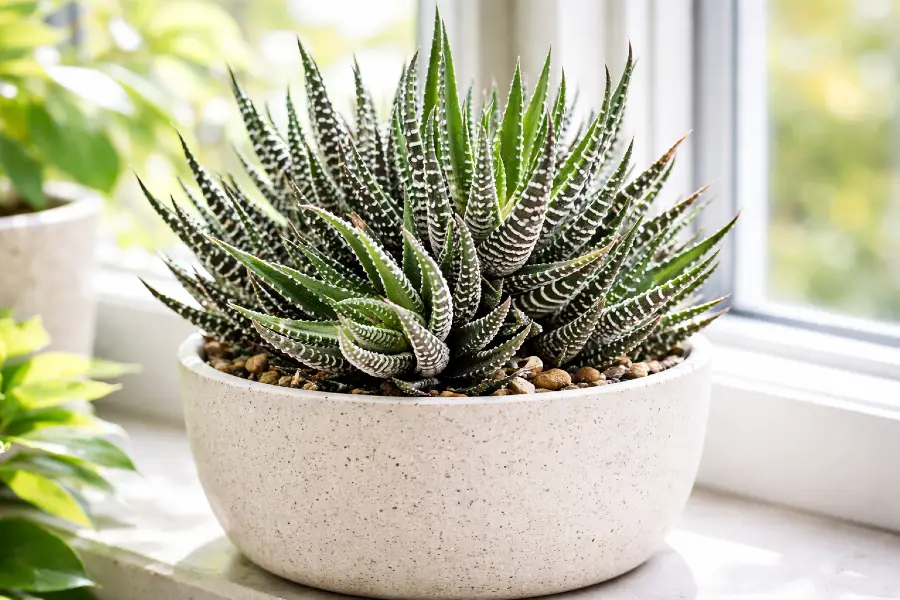
Direct sunlight is often seen as a luxury for indoor plants, but in small indoor spaces it can quickly become a problem.
Strong light, limited airflow, and tight layouts combine to create conditions that stress many plants instead of helping them thrive.
That’s why finding the best direct sunlight plants for small indoor spaces isn’t as simple as choosing anything labeled “sun-loving.”
In sunny apartments, people often feel stuck: there’s plenty of light, but most sun plants either grow too large, overheat near windows, or start burning once space becomes limited.
Understanding how direct sunlight behaves in small indoor spaces is the first step to choosing plants that stay compact, manageable, and healthy—without turning a bright room into a constant plant-care battle.
What You’ll Learn
- ☀️ Why direct sunlight is more intense in small rooms
- 📏 Why many sun plants outgrow tight spaces
- 🌿 Traits that help plants stay compact in strong light
- 🔥 How heat buildup affects small indoor areas
- 🧠 How to think differently about plant size and light
☀️ Why direct sunlight behaves differently in small indoor spaces
In large rooms, sunlight disperses more evenly. Air circulates, heat spreads out, and plants have space to grow without being pressed against glass.
In small indoor spaces, sunlight is concentrated. Windows are closer to walls, furniture, and plants, which means light and heat are focused into a smaller area.
This concentrated exposure makes direct sunlight feel stronger indoors, even though the light is filtered through glass.
🔥 Heat builds faster in tight areas
Small rooms trap heat more easily than large ones. Sunlight passing through glass warms nearby air, walls, and surfaces, creating hot zones around windows.
Plants placed close to these areas often experience higher temperatures than the rest of the room. Leaves can overheat even when the thermostat says the room is comfortable.
This is why plants in small sunny rooms are more likely to show scorch marks, dry edges, or sudden stress.
📏 Why many direct sunlight plants outgrow small indoor spaces
Strong light encourages growth. Outdoors, that’s usually a good thing. Indoors, especially in small spaces, it can become a problem.
Many plants labeled as “sun plants” are fast growers. When placed in bright windows, they respond by producing larger leaves, longer stems, and rapid vertical or horizontal growth.
In a small room, that growth quickly overwhelms the space.
🌱 Light-driven growth happens faster indoors
Indoor plants don’t have the same environmental limits as outdoor plants. They aren’t exposed to wind, cold nights, or seasonal stress.
When given consistent direct sunlight, many plants grow continuously rather than in seasonal cycles. This steady growth makes size management more difficult in apartments and small rooms.
⚠️ Why “small pot = small plant” doesn’t always work
A common strategy in small spaces is keeping plants in small pots to limit growth. While this can slow things down, it doesn’t change the plant’s natural growth habit.
In strong sunlight, even root-restricted plants often become top-heavy, leggy, or stressed rather than staying compact.
🧠 Traits that matter most for small-space sun plants
The key to success isn’t finding the brightest-light plant — it’s choosing plants whose structure naturally fits small spaces.
Plants that work well in small sunny rooms tend to share a few important traits:
- 🌿 Naturally compact or slow growth habits
- 🌴 Upright or narrow forms instead of wide spread
- 🌵 Thicker leaves that resist dehydration
- 🪴 Tolerance for container growth
Plants lacking these traits often become unmanageable, stressed, or visually overwhelming in tight areas.
🔥 Why heat matters more than light in small sunny spaces
Many problems blamed on direct sunlight are actually caused by heat buildup.
In small rooms, heat doesn’t dissipate easily. This increases water loss from leaves and soil, making plants appear thirsty even when watering is adequate.
Plants that succeed in small sunny spaces are usually those that tolerate both strong light and warm conditions without constant adjustment.
Once you start thinking in terms of heat, growth habits, and structure — rather than just light levels — choosing the right plants for small, sunny spaces becomes far more predictable.
🪴 Direct sunlight plants that work in small indoor spaces
Not every plant that loves sun belongs in a small room. The best options combine strong light tolerance with restrained growth habits, so they don’t crowd windows, walkways, or furniture.
The plants below are grouped by growth style rather than popularity, making it easier to choose something that fits both your light and your space.
🌵 Compact succulents and small cacti
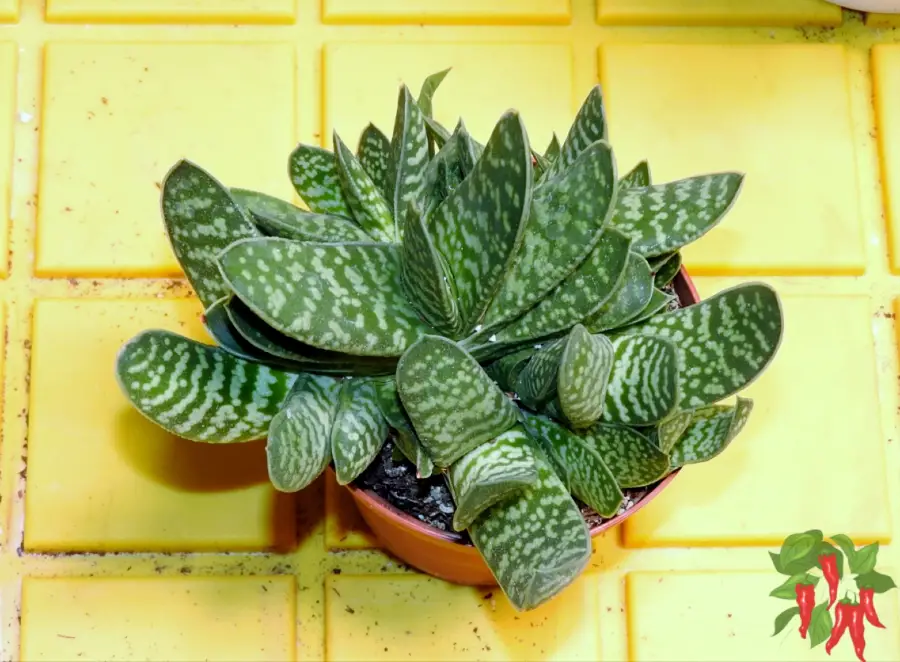
Succulents and cacti are some of the most reliable choices for small, sunny spaces. Their ability to store water helps them tolerate both heat and bright light without demanding frequent care.
Compact varieties work especially well because they grow slowly and stay visually contained.
- Haworthia and gasteria
- Small aloe varieties
- Compact barrel or columnar cacti
Fast drainage is essential. In small rooms, overheated soil can cause problems if it stays wet too long.
🌴 Upright, space-efficient houseplants
Upright plants make excellent use of vertical space while keeping their footprint small. Their leaf orientation reduces direct exposure, which helps prevent burning near windows.
These plants are well suited to corners or narrow areas beside sunny windows.
- Ponytail palm
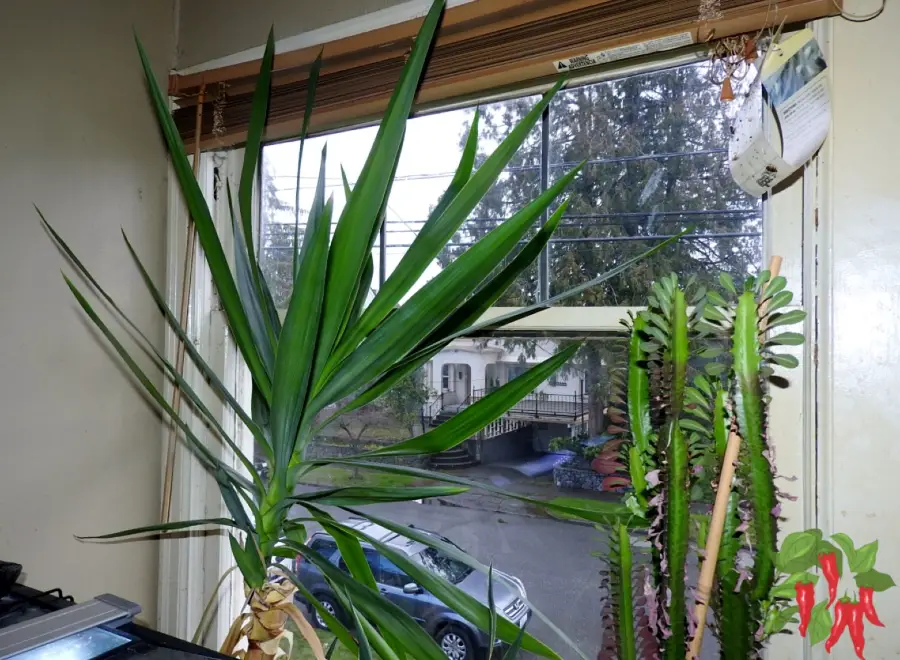
- Yucca cane (kept young or compact)
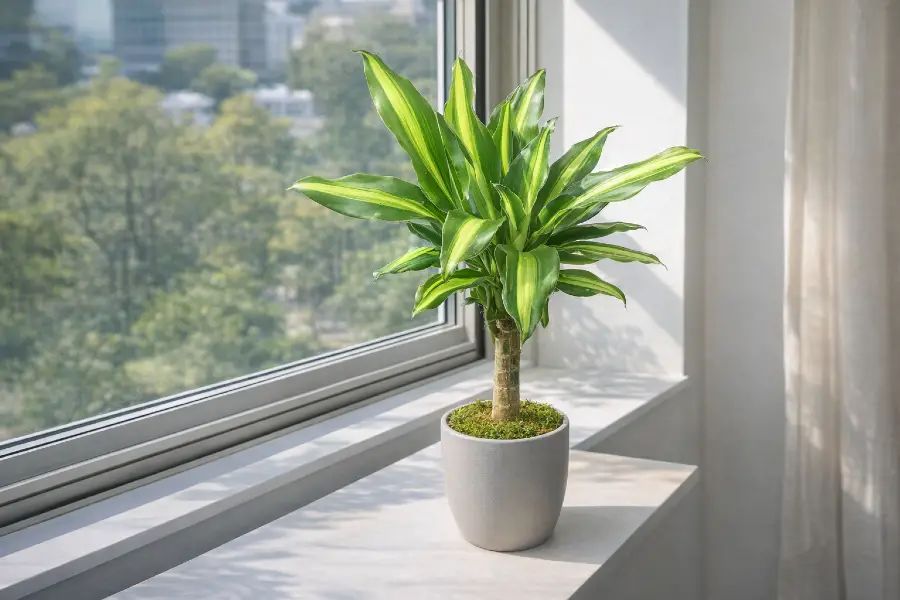
- Dracaena varieties adapted to bright light
Consistency matters more than perfection. These plants tolerate steady bright conditions better than frequent repositioning.
🌿 Thick-leaf and small-leaf plants
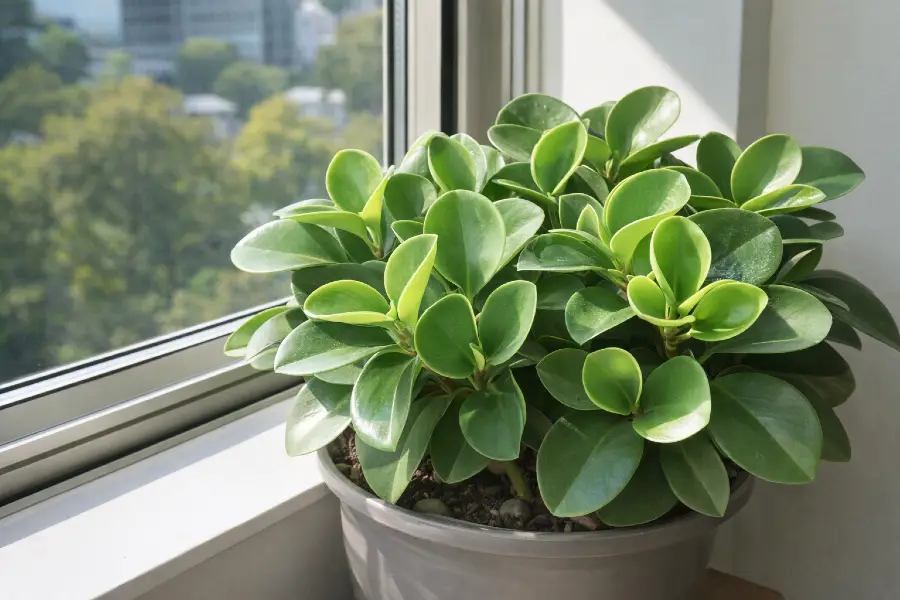
Leaf size plays a big role in how plants behave in tight, sunny spaces. Smaller or thicker leaves lose moisture more slowly and are less likely to scorch.
These plants often look visually lighter, making them easier to live with in compact rooms.
- Peperomia obtusifolia
- Rubber plant (kept compact)
- Some jade plant varieties
Avoid sudden changes in placement. Stable light helps these plants adapt without stress.
🌿 Herbs for small, sunny indoor spaces
Herbs are often overlooked as houseplants, but many thrive in direct sunlight and stay manageable in small spaces.
Regular harvesting keeps growth controlled and encourages compact, bushy habits.
- Basil
- Thyme
- Rosemary (with good airflow)
- Oregano
Herbs perform best directly on window sills where light is strongest.
⚠️ Plants that often overwhelm small sunny rooms
Some plants tolerate direct sun but quickly become impractical in small spaces.
- Fast-growing vines that spread horizontally
- Plants with very large leaves
- Species that require frequent pruning to stay contained
If a plant constantly needs cutting back, it may not be the right fit for a small, sun-filled room.
📍 How to place direct sunlight plants in small indoor spaces
In small indoor spaces, placement matters just as much as plant choice. Even compact, sun-tolerant plants can struggle if they’re positioned where heat builds up or airflow is limited.
🪟 Distance from windows makes a difference
Placing plants directly against window glass exposes leaves to higher temperatures than the rest of the room. In tight spaces, this heat has nowhere to go.
Pulling plants back just a few inches from the glass often reduces heat stress while still providing strong light. This is especially important during summer or in south- and west-facing windows.
📐 Using vertical space without crowding
In small rooms, vertical placement can help keep walkways and surfaces clear. Shelves, narrow stands, or window-height plant risers allow plants to receive sun without taking up valuable floor space.
The key is leaving enough space around foliage so air can circulate freely.
📏 How to keep sun-loving plants from outgrowing small spaces
Strong light encourages growth. While that’s usually a benefit, it can become a problem in small spaces if size isn’t managed thoughtfully.
🪴 Pot size influences shape, not just growth
Keeping plants in appropriately sized pots helps maintain balance. Oversized pots often encourage rapid growth that quickly overwhelms small rooms.
That said, undersizing pots too aggressively can stress plants, leading to leggy growth rather than compact form.
✂️ When pruning helps — and when it doesn’t
Some plants respond well to light pruning and stay compact as a result. Others react by growing faster or producing uneven growth.
Plants naturally suited to small spaces typically need minimal pruning to stay attractive.
❌ Common mistakes with direct sunlight in small rooms
- ❌ Choosing fast-growing sun plants
- ❌ Placing plants too close to hot glass
- ❌ Overwatering to compensate for heat
- ❌ Ignoring airflow in tight spaces
Most issues come from trying to force large or fast-growing plants into spaces they weren’t meant to fit.
🔁 When a plant still feels too big
If a plant continues to crowd the space despite careful placement and pruning, it may simply not be a good match for a small room.
Replacing it with a naturally compact plant often leads to better results and less ongoing maintenance.
🏁 Conclusion
Small indoor spaces can absolutely support direct sunlight plants when the right choices are made.
By focusing on compact growth habits, smart placement, and heat management, you can enjoy bright, sun-loving plants without overwhelming your space.
Best Direct Sunlight Plants: Ultimate Guide to Sun Lovers
❓ Direct Sunlight Plants for Small Indoor Spaces FAQ
Can small apartments support direct sunlight plants?
Yes. Compact, slow-growing plants adapted to bright light can thrive in small apartments with proper placement.
Do direct sunlight plants always grow faster?
Strong light encourages growth, but plant structure and genetics determine how quickly size increases.
How close can plants be to sunny windows?
Most plants do best a few inches back from the glass to reduce heat stress.
Can pruning keep sun plants small?
Pruning helps some plants, but choosing naturally compact varieties is more effective long term.
Related Content
Visit my Amazon Influencer Page for videos and gardening products Grow Your Own Garden