
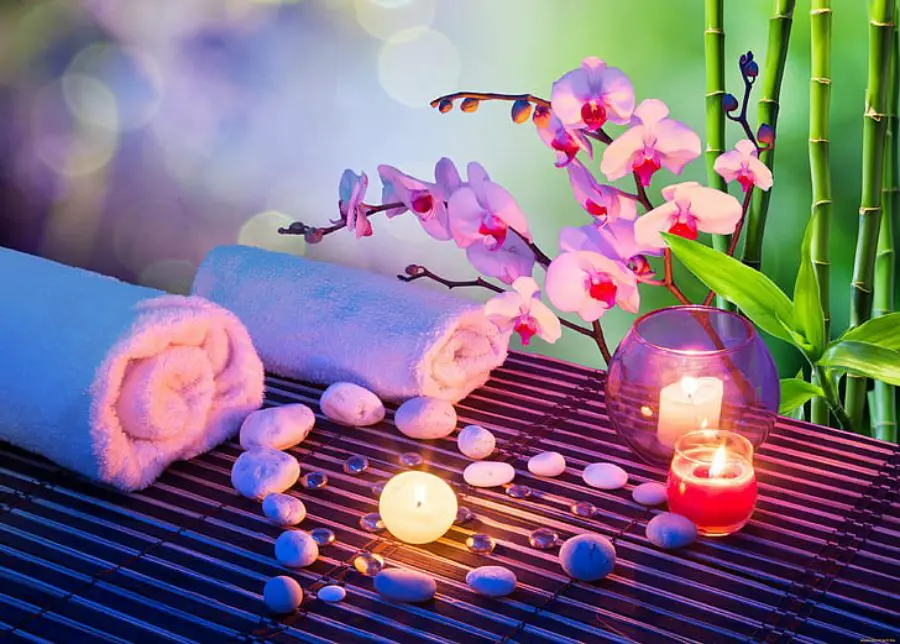
Feng Shui Bedroom Plants bring living greenery into a space that Feng Shui traditionally treats as a place for rest, restoration, and quieter energy. Plants represent the wood element and are associated with growth, vitality, and fresh Chi, but the bedroom calls for a thoughtful approach so the greenery doesn’t overwhelm the peaceful feeling you’re trying to create.
Plant choice matters just as much as Feng Shui symbolism. A beautiful Peace Lily, Orchid, Snake Plant, fern, or Lavender plant still needs the right light, enough room to grow, and care that fits your routine. The best bedroom plant is one that works with both the energy you want to create and the actual growing conditions in the room.
Placement deserves the same balance. Feng Shui may suggest a particular area of the bedroom for symbolic reasons, but I wouldn’t keep a living plant in a location where it struggles. Start with the placements that appeal to you from a Feng Shui perspective, then choose a spot among them that provides the light and space your particular plant needs.
In this guide, we’ll look at Feng Shui symbolism, Chi, bedroom plant placement, popular plant choices, and practical growing considerations so you can create a bedroom that feels calm and welcoming while keeping the plants themselves healthy.
What You’ll Learn
- How plants are traditionally used in bedroom Feng Shui
- How Chi and the wood element relate to living plants
- Which popular plants may work well in bedrooms and what they symbolize
- How to balance Feng Shui placement with the light and space a plant actually needs
- Where small, medium, and larger plants can work within a bedroom
- Why some Feng Shui approaches favor softer foliage while others accept plants such as Snake Plants
- How to keep bedroom plants healthy so they contribute to the space rather than becoming struggling décor
Quick Answer
Feng Shui Bedroom Plants are traditionally used to bring living energy, growth, and the wood element into the bedroom. For a restful space, choose healthy plants that fit the scale of the room and avoid creating clutter around the bed or walkways. Peace Lilies, Orchids, Snake Plants, ferns, and other foliage plants can all be considered, although Feng Shui opinions about particular plants and placements vary. Most importantly, balance symbolism with plant health: choose a Feng Shui placement that also provides the light, space, and growing conditions your plant needs.
Feng Shui Bedroom Plants at a Glance
| Bedroom Consideration | Best Starting Point |
|---|---|
| Feng Shui Role | Living plants represent growth, vitality, and the wood element |
| Overall Goal | Use greenery to complement a calm, comfortable bedroom without overwhelming the space |
| Plant Health | Choose a location where the plant receives suitable light and has enough room to grow |
| Plant Size | Match the mature height and width of the plant to the scale of the bedroom |
| Small Plants | Consider dressers, shelves, windowsills, or bedside areas when growing conditions are suitable |
| Large Plants | Use open corners or floor space where foliage won’t crowd the bed or interfere with movement |
| Leaf Shape | Soft or rounded foliage is often favored for restful Feng Shui; opinions vary on sharper or more upright leaves |
| Snake Plants | A practical bedroom plant, although Feng Shui opinions differ because of its pointed upright leaves |
| Orchids | Traditionally associated with beauty, love, refinement, and harmonious relationships |
| Placement | Consider Feng Shui symbolism first, then choose among those locations based on the plant’s actual light and space requirements |
| Clutter | A few thoughtfully placed healthy plants usually suit a restful bedroom better than crowding every available surface |
Feng Shui Bedroom Plant Basics
- Bedroom plants can bring living energy, greenery, and the wood element into a Feng Shui bedroom.
- Peace Lilies, Orchids, Lavender, ferns, and other softer-looking plants can complement a calm bedroom atmosphere.
- Snake Plants are practical bedroom plants, although Feng Shui opinions vary because of their pointed, upright leaves.
- Avoid overcrowding the bedroom with plants or allowing foliage to interfere with walkways and the area around the bed.
- Choose Feng Shui placements that also provide the light, space, and growing conditions your plants need to stay healthy.
Feng Shui Bedroom Plants for Harmony and Well-being
Adding plants to your bedroom can work wonders for creating a calm and welcoming vibe.
The energy in your space shifts when you bring in a touch of greenery. It’s all about promoting relaxation and positive feelings.
Feng Shui is the age-old practice of balancing our surroundings and has some fantastic tips for choosing and placing plants to make your bedroom a peaceful retreat.
Understanding Feng Shui in the Bedroom
Feng Shui is all about creating balance and a sense of calm, especially in your bedroom a place meant for rest and recharging.
The idea is to set up your space in a way that encourages peaceful sleep and promotes your overall well-being. It’s like giving your room a gentle, positive energy boost!
Understanding Chi: The Energy Behind Feng Shui
In your bedroom, Chi (pronounced “chee”) is the natural energy that flows through everything and is key to creating a calm and balanced environment.
It helps set the tone for relaxation and good sleep. Curious how this invisible energy works and how the right plants can keep it flowing? Let’s break it down and see how greenery can make a difference!
What Is Chi?
Chi is often described as the invisible energy that connects all living things. In Feng Shui, the goal is to guide and balance this energy to create harmony in your environment.
When Chi flows smoothly, it promotes good health, relaxation, and positivity. However, when Chi is blocked or stagnant, it can lead to stress, discomfort, or even conflict.
How Does Chi Affect the Bedroom?
The bedroom is one of the most important areas for Chi, as it’s where you recharge and restore your energy.
Balanced Chi in this space ensures a restful atmosphere, better sleep quality, and emotional well-being.
Disruptions to Chi, such as clutter or poorly placed items, can negatively impact your sense of calm and balance.
How Do Plants Enhance Chi?
Plants are living beings that bring vibrant, fresh Chi into your bedroom. They symbolize growth and renewal, and their ability to purify the air ensures that the energy in the room stays clean and flowing.
- Air Quality Connection: Plants such as Snake Plants and Peace Lilies are often associated with air purification because research has shown that plants can absorb certain compounds under controlled conditions. In a typical bedroom, however, a few houseplants should be viewed as living greenery rather than a replacement for ventilation or an air purifier.
- Calming Presence: Soft, rounded leaves and delicate flowers create gentle energy that complements the tranquility of the bedroom.
- Connection to Nature: Plants bridge the gap between your indoor space and the natural world, grounding the energy in your room.
Tips for Enhancing Chi with Plants
- Choose Healthy Plants: Vibrant, thriving plants bring good energy, while unhealthy or dying plants can disrupt Chi.
- Avoid Sharp Leaves: Plants with spiky or jagged edges can introduce harsh energy, which is counterproductive in a restful space.
- Mind Placement: Position plants thoughtfully to ensure they enhance the flow of Chi without creating blockages. For example, a small plant on a bedside table or a larger one in a corner can work wonders.
When you understand and nurture Chi in your bedroom, you can turn it into a space that’s not just pretty but also deeply calming and balanced.
Using Feng Shui principles and the right plants makes it easy to keep the positive energy flowing while helping you enjoy peaceful, rejuvenating sleep night after night.
The Role of Plants in Bedroom Feng Shui
Plants are more than just décor. They’re living beings that bring the wood element into your space, representing growth and vitality.
In bedroom Feng Shui, the key is to pick plants that add a calming presence without overwhelming the room’s peaceful energy. It’s all about finding the right balance for a restful vibe.
Benefits of Bedroom Plants
- Air Quality: Houseplants have been studied for their ability to absorb certain airborne compounds, although the effect of a few plants in a normal bedroom is limited. Their strongest everyday benefit is bringing living greenery and a connection to nature into the room.
- Stress Reduction: The presence of greenery has been shown to reduce stress levels, promoting a sense of calm.
- Aesthetic Appeal: Well-chosen plants can enhance the visual appeal of your bedroom, making it a more inviting space.
Selecting the Right Plants
When choosing plants for your bedroom, consider the following options known for their suitability in promoting a restful atmosphere:
- Snake Plant (Sansevieria trifasciata): The Snake Plant is a popular choice for bedrooms it’s an easy-care foliage plant often associated with indoor air purification. Its upright growth also makes it useful in bedrooms where floor space is limited.

- Peace Lily (Spathiphyllum): The Peace Lily has been included in studies of plants and airborne compounds, but I would choose it for a bedroom primarily for its attractive foliage, white blooms, and softer appearance.
- Lavender (Lavandula): Lavender is well known for its fragrance and is traditionally associated with calm, tranquility, and peaceful energy. Indoors, the bigger consideration is light. Lavender needs a very bright location with direct sunlight, so a sunny bedroom window is a much better location than a dresser or nightstand across the room.


- Orchids (Phalaenopsis): These elegant plants symbolize love, beauty, refinement, and harmonious relationships in Feng Shui. Their compact growth and long-lasting flowers can also make them especially attractive bedroom plants when you can provide bright indirect light.

Are Orchids Good for Bedrooms?
Are Orchids good for bedrooms? Absolutely! These stunning plants bring a touch of elegance and serenity to your space.
Beyond their beauty, orchids can improve air quality and symbolize positive energy in Feng Shui.
Let’s explore why orchids might be the perfect addition to your bedroom for a calm and restful atmosphere.
- Calming Beauty: Orchids bring a touch of elegance and tranquility to any space, aligning well with the restful energy desired in a bedroom.
- Air Quality: Some orchids, like Phalaenopsis, release oxygen at night, making them a fantastic choice for improving air quality while you sleep.
- Positive Energy: In Feng Shui, orchids symbolize love, beauty, and abundance, which can enhance the room’s harmony.
Tips for Using Orchids in Bedrooms
- Placement: Place orchids in indirect light, such as near a window with sheer curtains, to keep them happy and healthy.
- Care: Water sparingly and allow the soil to dry out slightly between waterings to prevent overwatering.
- Energy Flow: Choose soft, rounded containers to complement the room’s peaceful vibe.
As long as they’re properly cared for, orchids can enhance the look and feel of your bedroom, adding a delicate, positive energy to the space.
Are Snake Plants Good for Bedrooms?
Snake Plants (Sansevieria) have spiky, upright leaves, which some Feng Shui practitioners believe can introduce sharp or aggressive energy into a space. This characteristic might conflict with the calm, soothing atmosphere needed in a bedroom.
However, others are comfortable using Snake Plants in bedrooms because their strong upright growth can symbolize resilience and protective energy. They’re also practical indoor plants because their narrow, vertical form can fit into bedroom corners and spaces where a broader plant would take up too much room.
Balanced Approach for Snake Plants in Feng Shui
If you’re drawn to Snake Plants but want to maintain harmony:
- Placement Matters: Avoid placing them too close to the bed or in direct view while you’re resting.
- Soften Their Impact: Use rounded pots or pair them with plants that have softer, flowing leaves to balance their energy.
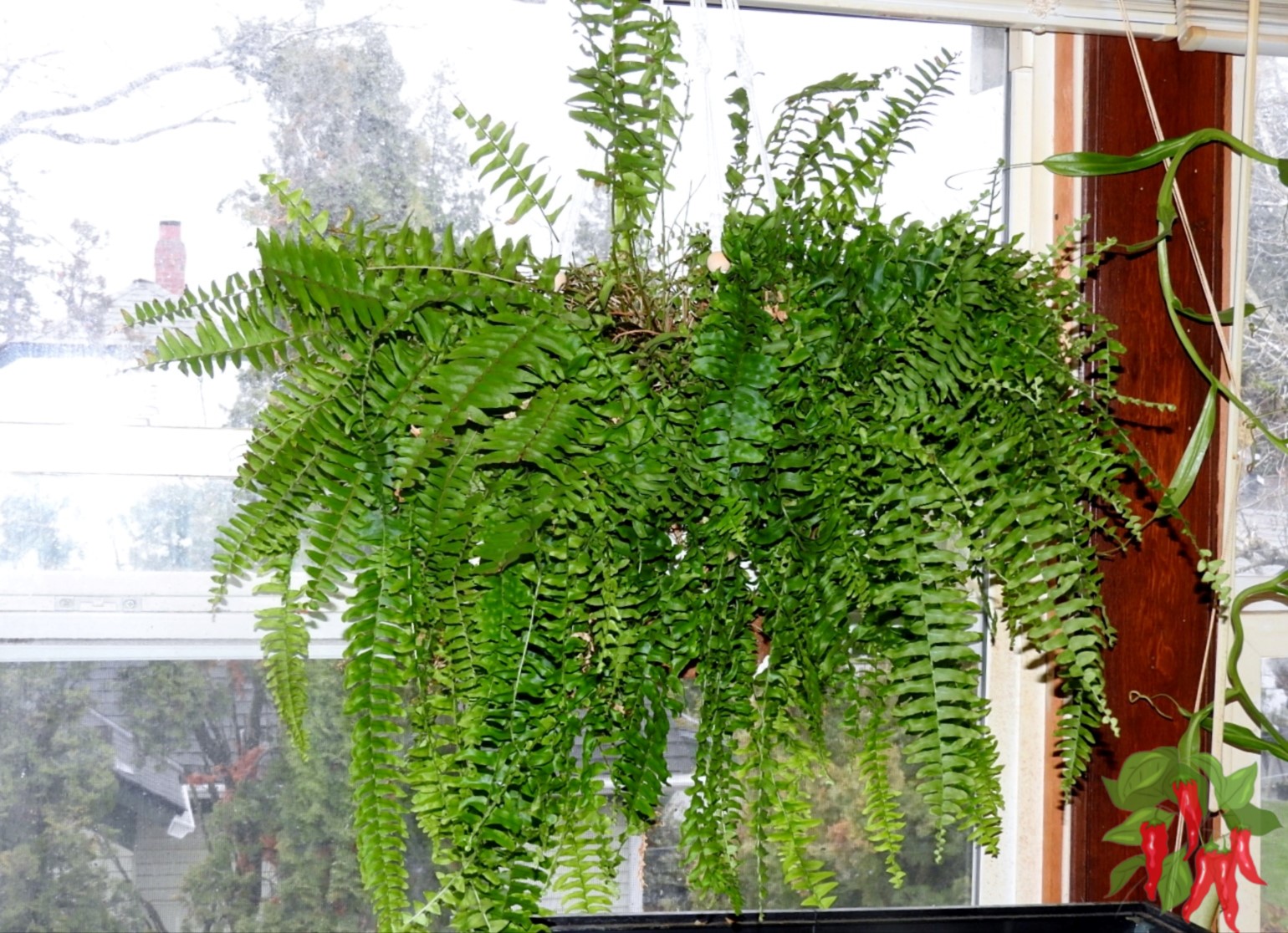
If you’re not entirely comfortable with Snake Plants, consider alternatives like Peace Lilies or Boston Ferns, which are more universally accepted as Feng Shui-friendly and promote a gentle, tranquil vibe in bedrooms.
Which Feng Shui Bedroom Plant Is Right for Your Space?
Once you know which Feng Shui plants appeal to you, think about exactly where each one could go in your bedroom. A plant for a bedside table is very different from one intended for an empty floor corner, dresser, windowsill, or space beside a window.
| Plant | Feng Shui Symbolism | Light | Typical Indoor Size | Specific Bedroom Placement |
|---|---|---|---|---|
| Snake Plant | Strength, resilience, and protective energy; Feng Shui opinions vary because of its pointed leaves | Low to bright indirect light; growth is better with brighter light | About 1–4 feet tall and 1–2 feet wide, depending on variety | On the floor beside a dresser, in a narrow corner, or near the bedroom entrance where its upright growth doesn’t take up much floor space |
| Peace Lily | Peace, harmony, calm, and gentle energy | Medium to bright indirect light; tolerates lower light | Most common varieties about 1–3 feet tall and wide; larger cultivars can become substantially bigger | On a dresser or plant stand for smaller plants, or in an open floor corner for a larger Peace Lily |
| Phalaenopsis Orchid | Love, beauty, refinement, fertility, and harmonious relationships | Bright indirect light | Usually about 1–2 feet tall including flower spikes and roughly 1–2 feet wide | On a dresser, chest of drawers, small table, or wide windowsill where the flowers can become a decorative focal point |
| Lavender | Calm, tranquility, purification, and peaceful energy | Several hours of direct sunlight | Often about 1–2 feet tall and wide in a container | Directly on or immediately beside a sunny bedroom window; not on a dresser or nightstand across the room from the window |
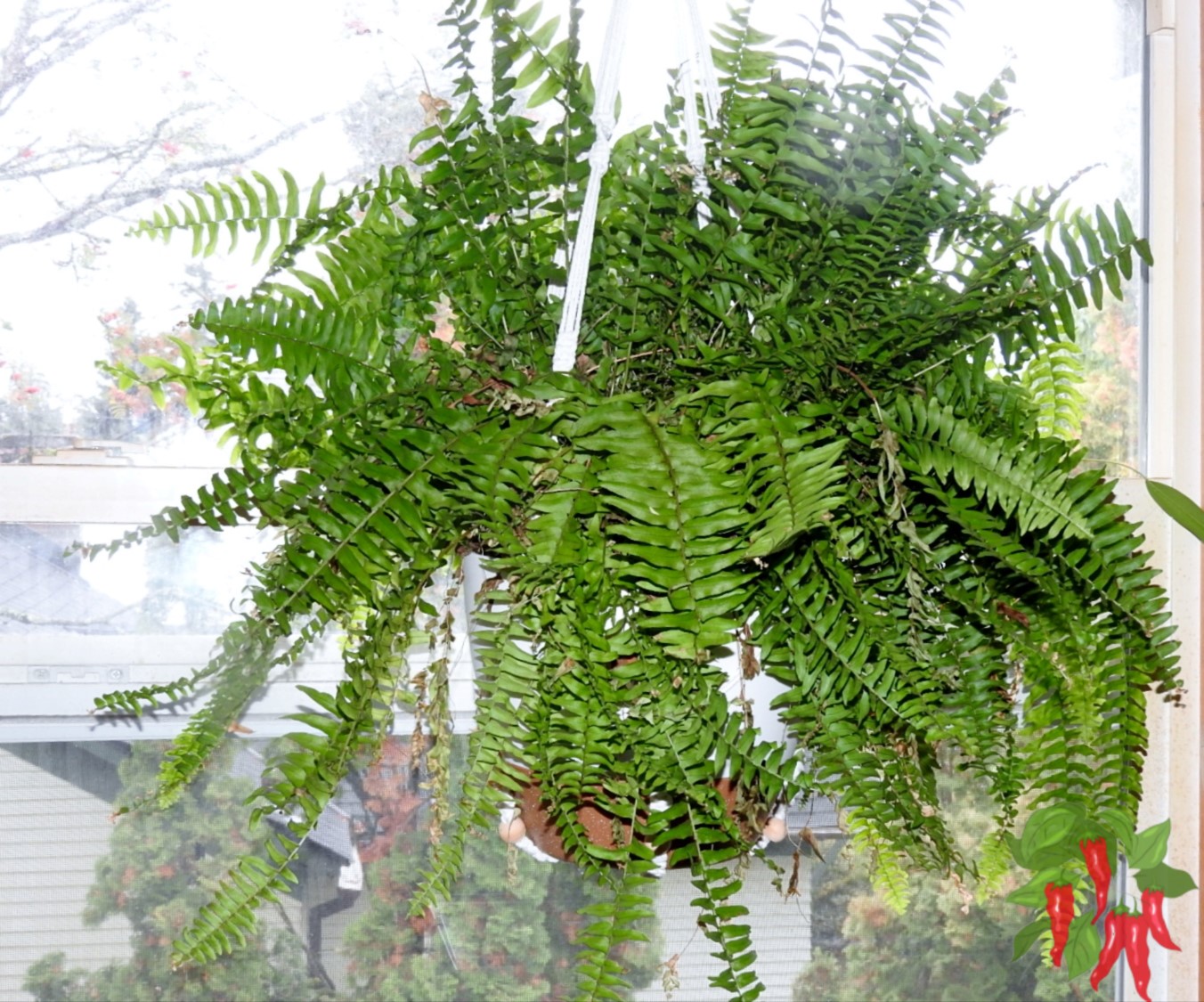
| Boston Fern | Fresh Chi, growth, and soft flowing energy | Bright indirect or filtered light | About 2–3 feet tall and potentially 3–4 feet wide | On a substantial plant stand near a window or in a roomy corner where the arching fronds can spread without brushing the bed or walkway |
| Bamboo Palm | Growth, flexibility, vitality, and wood-element energy | Bright indirect or filtered light | About 4–8 feet tall and roughly 3–5 feet wide indoors | On the floor in a large empty corner, beside a wide window, or beside a substantial dresser where there is several feet of open space |
| Gardenia | Love, peace, purity, and harmonious relationships | Very bright light with direct sun | Often about 2–4 feet tall and 2–3 feet wide when container-grown indoors | Immediately beside a sunny bedroom window on a plant stand or low table where the plant receives plenty of light |
Choose the Placement First, Then Narrow Your Plant Choices
If you want a plant on a dresser, an Orchid or smaller Peace Lily is easier to accommodate than a Boston Fern or Bamboo Palm. If you have an empty floor corner, a Snake Plant, larger Peace Lily, or Bamboo Palm may make better use of the vertical space.
For a plant directly beside a sunny window, Lavender or Gardenia becomes more practical. A narrow space beside furniture favors the upright growth of a Snake Plant, while a Boston Fern needs a wider location where its fronds can spread.
If you’re considering a bedside table, keep the plant relatively small so it doesn’t crowd lamps, books, glasses, or anything else you use at night. A compact Orchid can work if the table receives enough light, but you don’t need to put a plant beside the bed simply because you’re using Feng Shui. A dresser, window area, or corner may be a better location.
Placement Shortcut: Dresser or small table: Orchid or smaller Peace Lily. Narrow floor space: Snake Plant. Large open corner: Bamboo Palm or larger Peace Lily. Wide plant stand near a window: Boston Fern. Sunny window: Lavender or Gardenia. Then confirm that the exact location provides the growing conditions your chosen plant needs.
Placement Tips for Optimal Energy Flow
In Feng Shui, where you place your plants matters just as much as the plants you choose.
The right placement can boost the flow of positive energy, while the wrong spot might create a sense of imbalance.
Let’s explore how to position plants in your bedroom to keep the space calm and harmonious.
- Avoid Clutter: Too many plants can create a cluttered feel, which may disrupt the flow of energy.
- Bedside Placement: Placing a small plant on a bedside table can introduce a calming presence without overwhelming the space.
- Avoid Sharp-Leaved Plants: Plants with sharp or spiky leaves can introduce harsh energy; opt for those with soft, rounded leaves instead.
Where Should You Put Bedroom Plants? Feng Shui vs. Growing Conditions
Feng Shui can give you ideas about where a plant might contribute to the feeling and energy of your bedroom, but a living plant also has its own requirements. The best placement is where those two considerations overlap.
I like to approach bedroom plant placement in three steps. First, identify the Feng Shui locations that appeal to you. Next, look at the actual light, space, temperature, and airflow in those locations. Finally, choose the spot that works for both the symbolism and the plant.
Start With the Feng Shui Placement
Depending on the Feng Shui approach you follow, you might consider a plant in a bedroom corner, on a dresser, near a window, or in a particular Bagua area. You may also prefer softer foliage and rounded forms in a bedroom because they create a gentler visual presence.
Plant size matters too. A small Orchid or Peace Lily may feel comfortable on a dresser or other surface, while a larger floor plant can bring much stronger wood-element energy into the room. In a bedroom, more isn’t necessarily better. The goal is to complement the space rather than fill every available spot with greenery.
Then Check the Growing Conditions
Once you have a few possible Feng Shui locations, look at them from the plant’s point of view. How much light does the spot receive? Is the plant several feet from the nearest window? Will curtains reduce the available light? Is there a heating vent, air conditioner, or cold draft nearby?
Different bedroom plants can have very different requirements. An Orchid may be comfortable with bright indirect light, while Lavender generally needs a much brighter location. A plant shouldn’t be labeled a good or bad bedroom choice without considering whether your particular bedroom can provide what it needs.
| Possible Placement | Feng Shui Consideration | Growing Consideration |
|---|---|---|
| Near a Window | Living greenery can bring fresh, active Chi and the wood element into the room | Often one of the better locations for plants that need brighter light; match the plant to the window exposure |
| Bedroom Corner | A plant can soften an empty corner and may be used to encourage movement of Chi through an otherwise stagnant-looking area | Check the light carefully because corners farther from windows can be considerably darker than they appear |
| Dresser | A small plant can introduce the wood element without visually dominating the bedroom | Works best for a plant whose mature size and light requirements suit the location |
| Bedside Table | Some people enjoy a small plant nearby for its gentle living presence, while others prefer less active energy immediately beside the bed | Choose something compact and make sure the location provides enough light without crowding the table |
| Specific Bagua Area | You may choose the location because of the life area or symbolism associated with that part of the room | Make sure the symbolic location can actually support the plant you want to grow |
What If the Best Feng Shui Spot Is Too Dark?
This is where I would let the health of the plant make the final decision. If your preferred Feng Shui location doesn’t provide enough light for the plant, don’t leave it there simply because the symbolism is appealing.
Instead, move the plant to another bedroom location where it can thrive. You can still support the original Feng Shui intention with another appropriate element, color, shape, artwork, or decorative object rather than asking a living plant to survive in unsuitable conditions.
The same principle applies to space. A plant shouldn’t block a walkway, crowd the bed, or be squeezed into a corner once it reaches its mature size just to maintain a particular Feng Shui placement.
My Approach: Use Feng Shui to help identify the feeling, symbolism, and locations you want to explore, but let the needs of the living plant determine the final placement. A healthy plant with room and light to grow fits the idea of vibrant, positive energy much better than a struggling plant kept in a symbolically perfect spot.
Caring for Your Bedroom Plants
To keep the good vibes flowing, it’s important to take care of your plants and keep them healthy.
A thriving plant brings fresh, positive energy to your bedroom, while a struggling one can have the opposite effect.
Let’s talk about a few easy tips to help your greenery stay in top shape!
- Regular Watering: Give each plant the right amount of water based on its needs—no more, no less.
- Adequate Light: Make sure your plants are in spots with the right light conditions. Some thrive in indirect light, while others need a bit more sun.
- Dusting Leaves: Gently wipe broad leaves occasionally to remove accumulated dust. Clean foliage looks better and allows the leaves to receive available light more effectively.
By thoughtfully selecting and caring for plants in your bedroom, you can create a harmonious space that supports rest, relaxation, and overall well-being.
With the right plants and a little TLC, your bedroom can become a peaceful retreat where you feel relaxed, refreshed, and ready to take on the day!
Frequently Asked Questions About Feng Shui Bedroom Plants
How many plants should you have in a Feng Shui bedroom?
There isn’t one required number. In a bedroom, I prefer a few thoughtfully placed plants rather than filling every available surface with greenery. Consider the size of the room and the mature size of each plant. One larger floor plant may be enough for a small bedroom, while a larger room may comfortably accommodate several plants without feeling crowded.
Where is the best place to put a plant in a bedroom for Feng Shui?
That depends on the Feng Shui approach and intention you’re using. You might consider an open corner, dresser, window area, or a particular Bagua area. After identifying the Feng Shui locations you like, compare them with the plant’s light and space requirements. The final location should work for both the symbolism and the living plant.
Is it bad Feng Shui to put plants next to the bed?
Feng Shui opinions vary. Some approaches favor keeping the immediate area around the bed quieter and less active, while others are comfortable with a small, healthy plant nearby. If you use a bedside plant, keep it proportional to the space and avoid crowding the nightstand or having foliage extend over the bed.
Are Snake Plants good Feng Shui for a bedroom?
Snake Plants are one of the more debated bedroom choices. Their upright growth can symbolize strength and protective energy, while some Feng Shui practitioners dislike the sharp appearance of their pointed leaves in a restful space. If you like Snake Plants, placing one away from the immediate sleeping area can be a reasonable compromise.
What should I do if my Feng Shui plant doesn’t get enough light in the bedroom?
Move the plant to a brighter location rather than allowing it to struggle for the sake of a symbolic placement. You can still represent your original Feng Shui intention with another appropriate element, color, shape, artwork, or decorative object. A healthy living plant is more important than forcing a particular plant into a location where it can’t grow well.
Final Thoughts on Feng Shui Bedroom Plants
Feng Shui Bedroom Plants can bring the wood element, living greenery, and symbolism of growth and vitality into a room that’s primarily designed for rest. The key is using plants thoughtfully rather than assuming that more greenery automatically creates better Feng Shui.
Start with the feeling and symbolism you want to create. You might be drawn to an Orchid for love and harmonious relationships, a Peace Lily for its softer appearance, or a Snake Plant for strength and protective energy. Feng Shui traditions and interpretations vary, so there is room to choose plants that feel appropriate for your own space.
Then consider the bedroom itself. Look at the available light, floor space, furniture, and the mature size of the plant. A small Orchid on a dresser, a narrow Snake Plant beside furniture, and a broad Boston Fern in an open corner all use greenery very differently.
Most importantly, I wouldn’t sacrifice the health of a living plant to achieve a particular Feng Shui placement. If the symbolic location is too dark, too cramped, or otherwise unsuitable, move the plant somewhere it can thrive and use another Feng Shui element in the original location.
To me, that’s where plant care and Feng Shui work especially well together. A healthy plant with strong growth and enough light naturally contributes more vitality to a bedroom than a struggling plant kept in a supposedly perfect spot.
Key Takeaway: Let Feng Shui guide the symbolism and help you explore possible placements, then let the needs of the living plant make the final decision. The best Feng Shui bedroom plant is one that fits the room, supports the atmosphere you want to create, and has the conditions it needs to stay healthy.
✨ Indoor Plants and Feng Shui
Enhance harmony, balance, and positive energy in your home with these Feng Shui indoor plant guides.
- 🌱 Feng Shui Plants (Pillar Guide)
- 🏡 Indoor Plants and Feng Shui
- 🌿 Feng Shui Vertical Gardens for Office Spaces
- 🌸 Best 24 Feng Shui Indoor Plants
- 💧 Growing Feng Shui Plants
- 🌳 Common Chinese House Plants for Feng Shui
- 🪴 Feng Shui Hanging Plants
- 🛏️ Feng Shui Bedroom Plants
- 🍃 ZZ Plant Feng Shui
- 🌱 Using Feng Shui in Vertical Gardens
- 🎋 Growing Lucky Bamboo in Feng Shui
- 🏠 Indoor Plants for Feng Shui
- ☯️ Indoor Plants for Positive Energy
- 🌼 Chinese Evergreen Care
- 🌺 Growing Peonies Indoors and Outdoors
- See all articles in our Indoor Plants and Feng Shui category
References
- University of Illinois Extension – Houseplant Lighting
- University of Illinois Extension – Snake Plant Care
- Rutgers Cooperative Extension – Orchids on the Windowsill
- UConn Extension – Orchid Care and Repotting
Related Content


Visit my Amazon Influencer Page for videos and gardening products Grow Your Own Garden