
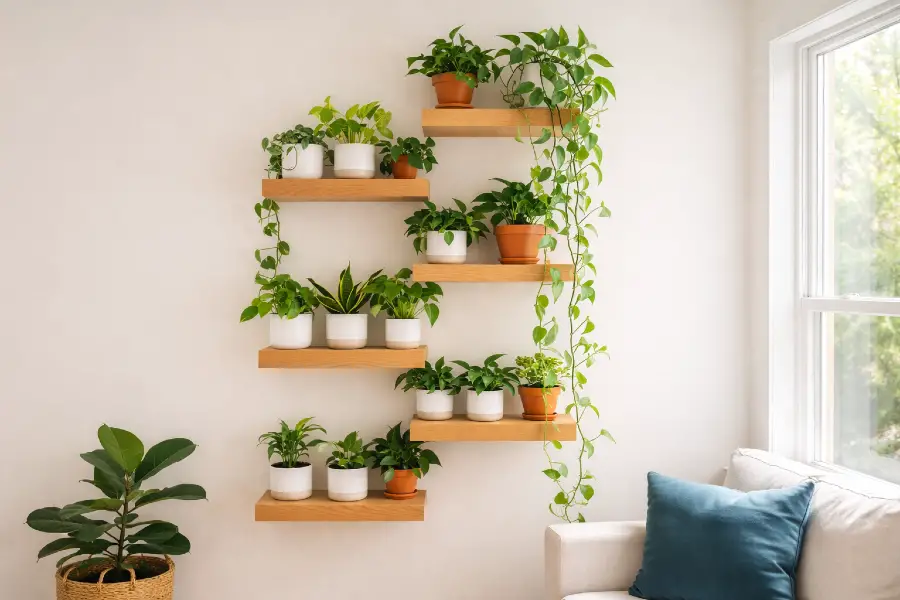
Looking for a way to display more houseplants without taking up valuable floor space? Floating plant shelves can turn an empty wall into an attractive indoor garden while keeping your home feeling open and uncluttered. They’re especially useful in apartments, smaller rooms, and spaces where every square foot counts.
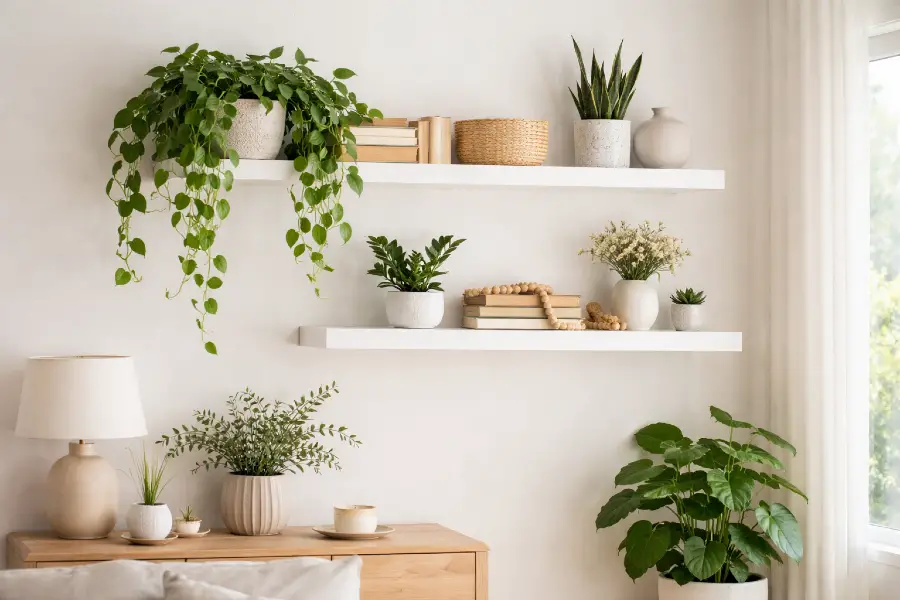
One of the things I like about floating shelves is how easily they blend plants into your home decor. A few trailing pothos vines, a compact peperomia, or a small fern can transform an ordinary wall into a living display. You can mix plants with books, framed photos, and decorative accents to create a look that feels natural and personal.
There are plenty of ways to arrange floating plant shelves, from simple single-shelf displays to stacked shelves, staggered arrangements, and corner installations. The key is choosing shelves that fit your space, plants that receive enough light, and arrangements that leave room for healthy growth.
In this guide, you’ll discover floating plant shelf ideas for different rooms, practical layout and styling tips, and simple ways to create a beautiful wall display that works for both your plants and your home.
What You’ll Learn
- Floating plant shelf ideas for living rooms, bedrooms, offices, and small spaces
- How to choose between stacked, staggered, corner, and single-shelf layouts
- Which compact and trailing houseplants work best on floating shelves
- How to arrange plants, pots, and decorative accents for a balanced display
- Lighting considerations for keeping plants healthy on wall-mounted shelves
- Practical tips for securely mounting shelves and managing watering
Quick Answer: How Do You Style Floating Plant Shelves?
The best floating plant shelf displays combine compact houseplants, trailing greenery, and a few decorative accents without overcrowding the shelves. Choose a layout that fits your wall space, such as stacked shelves for narrow areas, staggered shelves for decorative displays, or corner shelves for unused spaces.
Place your shelves where plants will receive suitable light, and choose varieties that match those conditions. Pothos, heartleaf philodendrons, peperomias, and small ferns can all make attractive shelf plants. Use secure mounting hardware, allow for the weight of watered pots, and leave enough space to reach your plants for routine care.
Floating Plant Shelf Ideas at a Glance
The right floating shelf arrangement depends on your available wall space, decorating style, and the plants you want to display. Here’s a quick comparison to help you choose.
| Shelf Layout | Best Location | Decorating Advantage | Plant Suggestions |
|---|---|---|---|
| Single Floating Shelf | Above desks, dressers, or small tables | Creates a simple focal point without clutter | Peperomia, small snake plant, compact fern |
| Stacked Shelves | Narrow walls and spaces beside windows | Uses vertical space and creates layers | Pothos, heartleaf philodendron, spider plant |
| Staggered Shelves | Living rooms and larger feature walls | Creates an informal, artistic arrangement | Trailing pothos, peperomia, small succulents |
| Corner Shelves | Bedrooms, offices, and small apartments | Turns unused corners into plant displays | Small ferns, peperomia, trailing philodendron |
Remember: Choose plants based on the actual light reaching each shelf, not just the room they’re in. A shelf on a darker wall may need supplemental grow lighting, even when the room has windows.
🌿 Why Floating Plant Shelves Work So Well
Floating shelves are popular for plant displays because they use vertical space instead of floor space. This makes rooms feel larger while still allowing you to add more plants.
- 📏 Great for small spaces and apartments
- 🪴 Adds plants to empty walls
- 🏠 Makes plants part of the room decor
- 🌿 Creates layered plant displays
- 🗂️ Works in almost any room
Floating shelves also make it easier to mix plants with books, framed photos, candles, and small decor items, which helps shelves look styled instead of cluttered.
🏠 Floating Plant Shelf Ideas by Room
Floating shelves can work in almost any room. The key is choosing plants that fit the lighting and the size of the shelves.
Living Room Floating Plant Shelves
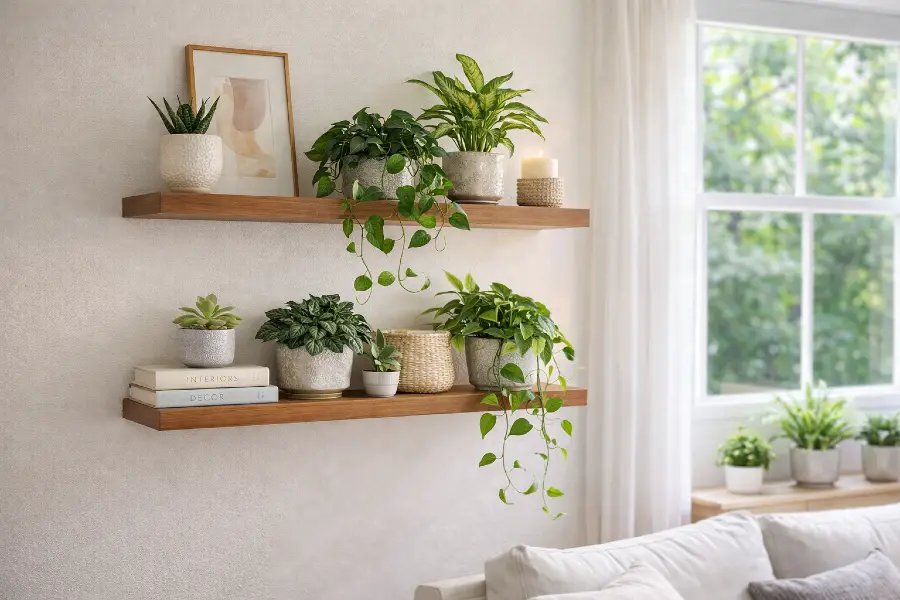
Living rooms are one of the most popular places for floating plant shelves. Shelves above couches, along empty walls, or near windows can become a main decor feature in the room.
- 🌿 Use trailing plants like pothos or philodendron
- 🪴 Mix plants with books and decor items
- 📚 Use 2–3 shelves stacked vertically
- 📏 Leave space between items
Bedroom Floating Plant Shelves
Floating shelves work well in bedrooms because they add plants without taking up space on nightstands or dressers.
- 🌿 Use smaller plants
- 🕯️ Mix with candles or framed photos
- 📚 Place shelves above dressers or desks
- 🏠 Keep shelves simple and uncluttered
Office Floating Plant Shelves
Floating shelves in offices are great for adding greenery without cluttering desks. Plants can make office spaces feel more comfortable and less sterile.
- 🪴 Use compact plants
- 📚 Mix with books or storage boxes
- 🌿 Use trailing plants on higher shelves
- 📏 Keep shelves organized and simple
🪴 Best Plants for Floating Shelves
The best plants for floating shelves are usually compact plants or trailing plants that don’t grow too large or too heavy.
- 🌿 Pothos
- 🌿 Philodendron
- 🪴 Snake plant (small varieties)
- 🌱 Peperomia
- 🌿 Spider plant
- 🌵 Small succulents
- 🌿 Ferns
Trailing plants are especially popular on floating shelves because they soften the edges of the shelves and create a layered look.
If you’re planning multiple shelves or a full plant shelf display, you may also want to read our guide on How to Style a Plant Shelf for layout and styling ideas.
🎨 How to Arrange Plants on Floating Shelves
When arranging plants on floating shelves, the goal is to create balance and variety instead of placing plants in a straight line. Shelves usually look better when plants are arranged at different heights and spaced apart instead of evenly lined up.
Start by placing larger plants first, then add smaller plants and decor items around them. This helps the shelf look styled instead of crowded.
- 🪴 Place larger plants toward the ends of shelves
- 🌿 Use trailing plants near the edges
- 📚 Mix plants with books or decor items
- 📏 Leave empty space between items
- 🎨 Use different pot sizes and shapes
Floating shelves usually look best when each shelf has two or three items instead of many small plants packed together.
🗂️ Floating Shelf Layout Ideas
There are several ways to arrange floating shelves on a wall for plant displays. The layout of the shelves can make a big difference in how the plants look in the room.
Stacked Shelves
Stacked shelves are placed directly above each other. This works well for creating a vertical plant display on a narrow wall or next to a window.
- 🌿 Great for small spaces
- 📏 Uses vertical wall space
- 🪴 Works well with trailing plants
Staggered Shelves
Staggered shelves are placed at different heights and not directly above each other. This creates a more decorative and less structured look.
- 🎨 More decorative layout
- 🌿 Works well for plant walls
- 📚 Allows different shelf sizes
Corner Floating Shelves
Corner floating shelves are perfect for using empty corners. Plants in corners help rooms feel fuller and more balanced.
- 📐 Uses empty corners
- 🌿 Good for trailing plants
- 🏠 Makes corners feel less empty
💡 Lighting for Floating Plant Shelves
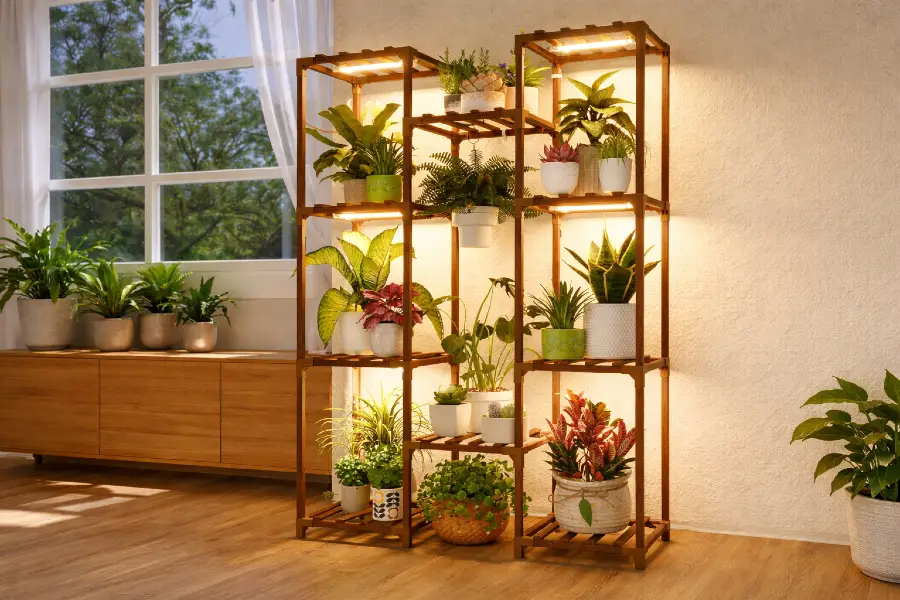
Lighting is very important for floating plant shelves. Shelves near windows usually get enough light, but shelves on interior walls may need extra lighting to keep plants healthy.
- 🌞 Shelves near windows are best
- 💡 Small grow lights work well on shelves
- 🪴 Use low-light plants for darker shelves
- 📏 Rotate plants occasionally for even growth
Some floating shelves even include built-in lights, which can make plants look great and also help them grow better.
📏 Floating Shelves for Small Spaces
Floating plant shelves are especially useful in small spaces because they add plants without taking up floor space. This makes rooms feel less crowded while still allowing you to decorate with plants.
- 📏 Use narrow shelves
- 🌿 Use smaller plants
- 🪴 Use trailing plants to create layers
- 📚 Mix plants with small decor items
- 🏠 Use vertical shelf layouts
Floating shelves can work in small apartments, bedrooms, offices, kitchens, and even bathrooms if the lighting is good enough.
🚫 Common Floating Plant Shelf Mistakes
Floating plant shelves can look amazing, but there are a few common mistakes that can make shelves look cluttered or make plants harder to care for. Avoiding these problems will help your shelves look better and keep your plants healthier.
- ❌ Using shelves that are too small for the pots
- ❌ Putting too many plants on one shelf
- ❌ Using plants that grow too large
- ❌ Installing shelves too far from windows
- ❌ Not securing shelves properly for heavy pots
- ❌ Filling every shelf completely
Floating shelves usually look best when there is a mix of plants, decor items, and empty space. When shelves are overcrowded, the display can look messy even if the plants are beautiful.
🛠️ Floating Plant Shelf Safety: Weight, Mounting, and Watering
Floating plant shelves can be a beautiful addition to your home, but they need to be strong enough to support your plants safely. Pots, growing media, and water can add more weight than you might expect, especially when several plants share the same shelf.
Check Shelf Weight Limits
Always check the manufacturer’s weight rating before adding plants. Remember that a freshly watered pot weighs more than a dry one. Ceramic containers, decorative planters, and larger plants can also add considerable weight.
For smaller floating shelves, lightweight pots and compact plants are often the most practical choices. Stay comfortably within the shelf’s rated capacity, including the weight of the shelf’s contents.
Mount Shelves Securely
Proper installation is especially important for floating shelves because their mounting hardware is usually hidden. Follow the manufacturer’s instructions and use fasteners suitable for your wall type. Mounting into wall studs is often preferable when the shelf design allows it.
Avoid assuming that ordinary drywall anchors can support a heavy collection of plants. The shelf, brackets, fasteners, and wall must all be suitable for the expected load.
Protect Shelves and Walls From Water
Watering is another important consideration. Drainage water can damage wooden shelves, leave marks on walls, or drip onto furniture and flooring below.
Use waterproof saucers or protective trays beneath your pots. You can also remove plants for watering, allow them to drain completely, and return them to their shelves afterward. This is particularly helpful for wooden floating shelves.
Choose Safe Shelf Locations
Install shelves where they won’t interfere with doors, walkways, or everyday activities. Avoid placing heavy pots directly above beds, seating areas, or frequently used workspaces when a safer location is available.
If you have children or pets, consider whether they can reach the plants or pull on trailing vines. Keep electrical outlets and lighting equipment protected from watering spills.
My advice: Start with a few lightweight plants, make sure the shelves are securely mounted, and leave room for watering and routine care. A simple, well-supported display is often more attractive and easier to maintain than an overcrowded shelf.
🐾 Are Floating Plant Shelves Safe for Cats and Dogs?
Floating plant shelves can be a useful way to display houseplants in homes with cats and dogs. Raising plants off the floor may help keep them away from curious pets, but a high shelf doesn’t automatically make a plant safe. Cats can jump surprisingly high, and trailing vines may attract attention.
Choose Pet-Friendly Shelf Plants
Several attractive houseplants are generally considered non-toxic to cats and dogs, making them good choices for floating shelves.
- Spider plants: Their arching leaves look attractive on higher shelves and create a cascading effect.
- Peperomia: Many commonly grown varieties are compact, lightweight, and well suited to small shelves.
- Boston ferns: Their soft, arching fronds can add greenery to shelves with suitable light and humidity.
- Haworthia: These compact succulents are useful for brighter shelves and small decorative arrangements.
Always confirm the exact plant species before buying. Common names can be confusing, and not every plant sold under a similar name has the same pet safety classification.
Be Careful With Toxic Houseplants
Some popular floating shelf plants are toxic to cats and dogs if chewed or swallowed. These include pothos, heartleaf philodendron, and snake plants. They can cause symptoms such as mouth irritation, drooling, vomiting, or digestive upset.
If your pets are interested in houseplants, choosing non-toxic varieties is generally safer than relying on shelf height alone.
Keep Plants and Shelves Secure
Pet safety also involves the shelf itself. A cat jumping onto a shelf or pulling on a trailing vine could knock over a pot or disturb an improperly mounted shelf.
- Choose secure shelf locations away from furniture that pets use for climbing.
- Keep trailing vines trimmed or positioned where pets cannot easily reach them.
- Use stable, lightweight pots that are less likely to tip over.
- Avoid placing heavy containers where they could fall onto pets.
- Keep fertilizers and other plant-care products stored safely away from animals.
Pet safety tip: Even plants classified as non-toxic can cause stomach upset if eaten. If you suspect your pet has swallowed a toxic plant, contact your veterinarian or an animal poison control service.
For more information, consult the ASPCA Toxic and Non-Toxic Plants Database before selecting plants for your floating shelves.
❓ Floating Plant Shelf Ideas FAQ
Are floating shelves strong enough to hold houseplants?
Yes, floating shelves can safely hold houseplants when they are properly installed and rated for the weight. Always check the manufacturer’s weight limit and remember that pots and growing media become heavier after watering. Lightweight containers and smaller plants are usually the most practical choices. Use mounting hardware suitable for your wall and follow the manufacturer’s installation instructions.
What are the best plants for floating shelves?
Pothos, heartleaf philodendrons, peperomias, spider plants, and compact ferns are excellent choices for floating plant shelves. Trailing plants create a soft, cascading appearance, while smaller upright plants add variety. Choose plants that fit the shelf’s available space and receive enough light to grow well.
Where should floating plant shelves be placed?
Floating plant shelves work well near windows, above dressers or desks, along empty walls, and in unused corners. The best location provides suitable light for your plants while keeping the shelves out of busy walkways. Avoid mounting heavy plant displays directly above beds or seating areas when safer locations are available.
How many plants should you put on a floating shelf?
For a small floating shelf, one or two plants may be enough. Larger shelves can hold several plants along with books or decorative accents. The goal is to create a balanced display without overcrowding the space. Leave room for plants to grow and for you to reach them easily when watering or pruning.
Can you grow plants on floating shelves without much natural light?
Yes, but the plants still need enough light for healthy growth. Some varieties, including pothos and heartleaf philodendrons, tolerate lower light levels than many other houseplants. However, a shelf on a dark interior wall may not receive enough natural light even if the room has windows. A small LED grow light can help support healthy growth in these locations.
How do you water plants on floating shelves without making a mess?
One of the easiest methods is to remove the plants from their shelves, water them over a sink or suitable container, and let excess water drain before putting them back. You can also use waterproof saucers or protective trays to catch occasional drips. This helps protect wooden shelves, walls, and furniture from water damage.
How do you make floating plant shelves look attractive?
Combine plants with different shapes and growth habits. For example, pair a trailing pothos with a compact peperomia and a small decorative item. Vary the heights of your plants and containers, and leave some empty space between objects. Stacked shelves create a structured look, while staggered shelves can make a wall display feel more relaxed and creative.
Are floating plant shelves safe for cats and dogs?
Floating shelves may help keep plants away from pets, but cats can often reach elevated displays. Some popular shelf plants, including pothos, philodendrons, and snake plants, are toxic to cats and dogs. Spider plants, many peperomias, and Boston ferns are generally considered non-toxic alternatives. Choose secure shelf locations and check the ASPCA Toxic and Non-Toxic Plants Database before adding unfamiliar plants to your collection.
🏁 Final Thoughts: Creating Beautiful Floating Plant Shelves
Floating plant shelves are a wonderful way to bring more greenery into your home without taking up valuable floor space. Whether you’re decorating a small apartment, brightening an office, or adding a little personality to your living room, a few well-placed shelves can make a noticeable difference.
One of the best things about floating shelves is how much freedom they give you to experiment with different arrangements. You can combine trailing plants with compact upright varieties, mix greenery with books and decorative accents, or create a larger wall display using stacked or staggered shelves.
Just remember that a beautiful plant display should also be practical. Choose plants that receive enough light, use shelves that can safely support your pots, and make sure you can reach everything for watering and routine care. Healthy plants will always make a more attractive display than struggling ones.
My advice is to start with one or two shelves and a few favorite plants. See how the arrangement looks and how the plants respond to their location. You can always add more greenery, change the layout, or experiment with different containers as your collection grows.
If you’re looking for more ways to display your houseplants, explore our Indoor Plant Shelf Ideas guide for additional layouts and decorating inspiration.
You can also browse our Plant Shelf Ideas category for more creative ways to decorate your home with greenery.
➡️ Next Post
Next: Corner Plant Shelf Ideas
📚 References and Further Reading
For more information about choosing indoor plants, providing suitable lighting, caring for houseplants, and keeping pets safe, explore these university Extension and nonprofit resources:
- University of Minnesota Extension – Lighting for Indoor Plants. Explains how natural and supplemental lighting affects indoor plant growth and how to provide suitable light for houseplants. Read the guide.
- University of Maryland Extension – Indoor Plant Care. Provides practical information about selecting houseplants, watering, growing conditions, and maintaining healthy indoor plants. Read the guide.
- University of Illinois Extension – Houseplant Lighting. Explains how light intensity and location affect houseplant growth, helping you choose suitable plants for shelves and other indoor displays. Read the guide.
- ASPCA – Toxic and Non-Toxic Plants Database. Helps identify plants that may be toxic to cats, dogs, and horses. Check plant toxicity.
Related Content
Visit my Amazon Influencer Page for videos and gardening products Grow Your Own Garden