
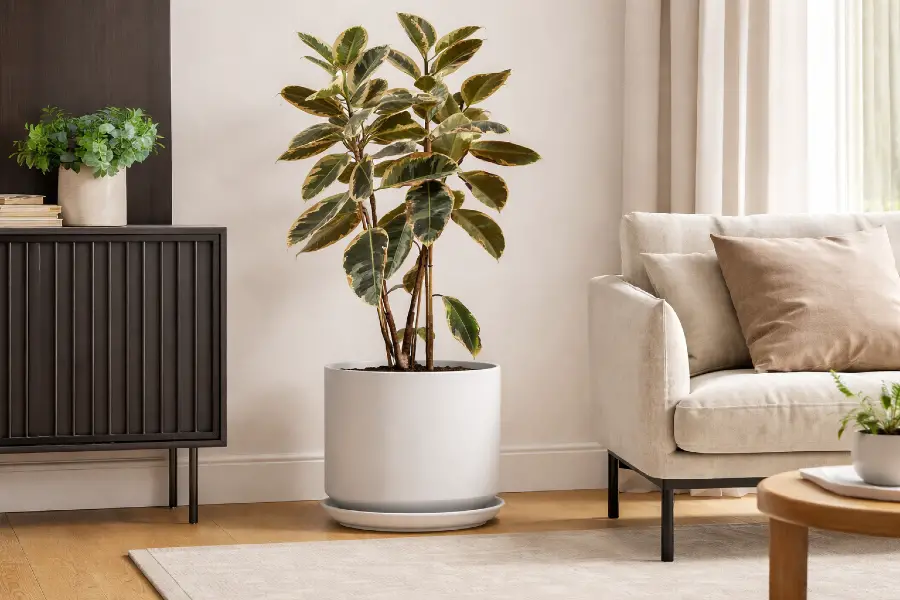
Floor planters are one of the best ways to decorate with indoor plants and fill empty corners, open spaces, and areas where shelves or tables are not available. While small planters work well on desks and shelves, floor planters help anchor a room and make plants part of the overall design of the space.
A well-placed floor planter can make a room feel more complete, especially in living rooms, bedrooms, entryways, and offices. Large indoor plants in floor planters can soften empty corners, frame furniture, and add height variation to a room, which makes the space feel more balanced and more interesting.
In this guide, we’ll look at floor planters for indoor plants, where to place them, how to choose the right size and style, and how to decorate rooms using large indoor planters.
For more planter and container ideas, visit our Pots & Planters category here: Pots & Planters.
What You’ll Learn
- Why floor planters work well for indoor plant decor
- Best places to put floor planters in a home
- How to choose the right floor planter size
- Best indoor plants for floor planters
- How floor planters help balance a room
- Floor planter ideas for living rooms, bedrooms, and entryways
🪴Find The Best Pots and Planters For Indoor Plants On Amazon
🌿 Why Floor Planters Work So Well Indoors
Floor planters are different from small planters because they help define the layout of a room. Small plants decorate surfaces, but large plants in floor planters help fill vertical space and make rooms feel more finished. They are especially useful in empty corners, beside sofas, next to TV stands, and near windows.
Large indoor plants in floor planters can also make a room feel calmer and more natural. Plants add texture, color, and movement, and when they are placed on the floor, they become part of the room design rather than just decoration on furniture.
Another reason floor planters work well is that they help balance furniture. A tall plant next to a couch, chair, or bookshelf can make the room feel more balanced because it adds height and fills empty vertical space.
🏡 Best Places to Put Floor Planters
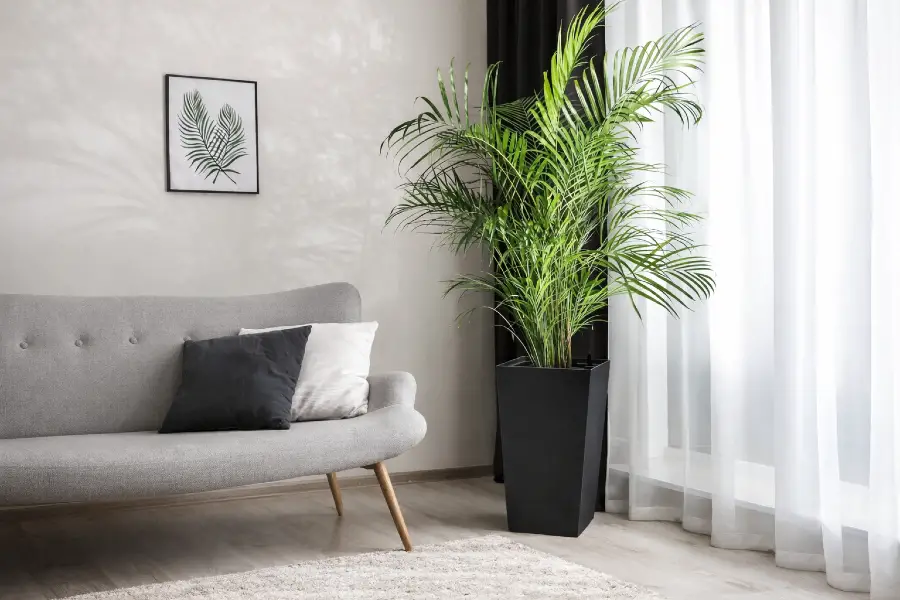
One of the most common places for a floor planter is in a corner. Empty corners often make rooms feel unfinished, and a tall indoor plant in a floor planter can easily fix that problem. Corner plants are common in living rooms, bedrooms, and offices.
Floor planters also look great next to sofas, chairs, TV stands, and bookshelves. A plant beside furniture helps soften straight lines and makes the room feel more relaxed. They also work well near windows where plants can get better light.
Entryways are another great location for floor planters. A plant near the front door or entry table can make a home feel more welcoming as soon as someone walks in.
📏 Choosing the Right Floor Planter Size
Choosing the right size floor planter is important because the planter should match both the plant and the room. A planter that is too small may look out of place with a large plant, while a planter that is too large may overwhelm a small space.
In general, floor planters are used for medium to large indoor plants like fiddle leaf figs, rubber plants, snake plants, monstera, palms, and dracaena. These plants grow tall enough to fill vertical space and look natural in floor containers.
When placing a floor planter, it helps to think about the height of nearby furniture. A tall plant next to a low sofa often looks good because it adds height contrast. A medium plant next to a tall bookshelf usually looks more balanced than a very small plant.
🌱 Best Plants for Floor Planters
Some indoor plants work especially well in floor planters because they grow tall or full enough to fill space. Popular choices include fiddle leaf fig, rubber plant, snake plant, monstera, areca palm, kentia palm, dracaena, and larger pothos on a moss pole.
These plants are often used in living rooms, bedrooms, and offices because they can grow large enough to become part of the room design. A tall plant in a simple floor planter can sometimes replace other decor pieces because it becomes a focal point on its own.
🛋️ Floor Planters in Living Rooms
Living rooms are one of the best places to use floor planters because they often have empty corners and open floor space that can feel unfinished. A large indoor plant in a floor planter can help fill that space and make the room feel more balanced and more comfortable.
One of the most common placements is beside a sofa. A tall plant next to a couch softens the straight lines of the furniture and adds height to the room. Plants also look good near TV stands, beside bookshelves, or next to large windows where they can get more light.
If a living room feels too empty or too flat, adding one or two floor planters is often one of the easiest ways to improve the space without adding more furniture.
🛏️ Floor Planters in Bedrooms
Floor planters also work well in bedrooms because they help make the room feel calmer and more relaxed. Plants can soften the look of dressers, nightstands, and blank walls. A floor plant in a corner or near a window can make a bedroom feel more finished and more peaceful.
Some common bedroom placements include corners near windows, beside dressers, next to reading chairs, or across from the bed. Medium-sized plants often work best in bedrooms because very large plants can sometimes feel too big for smaller rooms.
Plants like snake plants, rubber plants, and smaller palms are often good choices for bedrooms because they grow upright and do not take up too much floor space.
🚪 Floor Planters in Entryways
Entryways are another great location for floor planters. A plant near the front door can make a home feel more welcoming and more decorated without needing extra furniture or wall decor. Even a single plant in a nice floor planter can make a big difference in how an entryway looks.
If the entryway is small, a narrow planter with a tall upright plant often works best. If the entryway is larger, a fuller plant like a palm or monstera can work well. Plants in entryways should usually be fairly easy to care for since lighting near doors is sometimes inconsistent.
🎨 Choosing Floor Planter Styles
The style of the floor planter can change the look of the entire room. White floor planters often look modern and clean, especially in bright rooms with light walls and simple furniture. Black planters can create contrast and work well in modern or minimalist rooms.
Woven basket floor planters create a softer and more natural look and work well in living rooms and bedrooms. Concrete planters can look modern or industrial, while terracotta planters feel warm and classic. Choosing a planter style that matches the furniture and decor helps the plant feel like part of the room design.
In many homes, neutral planters work best because they do not compete with the plant. The plant becomes the main focus instead of the container.
📐 How Floor Planters Help Balance a Room
One of the main reasons interior designers use floor plants is because they help balance a room visually. Rooms often have a lot of horizontal lines from sofas, beds, desks, and shelves. Tall plants add vertical height, which makes the room feel more balanced.
Plants can also help fill awkward empty spaces that are too small for furniture but too large to leave empty. Corners, spaces beside couches, and areas near windows are perfect examples of where a floor planter can improve the layout of a room.
Even just one tall indoor plant in a floor planter can change how a room feels by adding height, color, and texture.
🌿 Floor Planters for Different Decor Styles
Floor planters can fit almost any home decor style depending on the material and color you choose. In modern homes, simple white, black, or concrete planters often work best because they match clean lines and minimal decor. In more traditional homes, terracotta or ceramic planters can feel warmer and more classic.
Woven basket floor planters are very popular because they add texture and a natural look to a room. They work well in living rooms, bedrooms, and cozy spaces where you want the room to feel relaxed and comfortable. Basket planters also pair well with wood furniture and neutral colors.
If you want the plant to be the main focus, it is usually best to choose a simple planter. If you want the planter to act as decor as well, then a textured or colored planter can become part of the room design.
🪴 Using Floor Planters to Fill Empty Spaces
One of the easiest ways to use floor planters is to place them in empty spaces that feel unfinished. Empty corners are the most common place for floor plants, but there are many other areas where they work well. Spaces beside sofas, next to bookshelves, near windows, and in entryways are all good locations.
Floor planters can also be used to frame furniture. For example, a plant on one side of a sofa and a lamp on the other side can make the seating area feel more balanced. Two plants on either side of a TV stand or bookshelf can also create a balanced look.
Large plants in floor planters can sometimes replace other decor items like large vases or floor lamps because the plant itself becomes a focal point in the room.
📏 Floor Planter Height and Proportion
When choosing floor planters, it helps to think about height and proportion. A very tall plant in a tall planter works well in rooms with high ceilings, while medium plants often work better in smaller rooms. The plant and planter together should look balanced with nearby furniture.
For example, a tall plant next to a low sofa often looks very good because it adds height contrast. A medium plant next to a tall bookshelf usually looks more balanced than a very short plant in that same location. Thinking about height relationships helps the room look more intentional.
It also helps to leave a little space around floor plants so they do not feel crowded. Floor plants usually look best when they have some space around them rather than being squeezed between furniture pieces.
🌱 Final Thoughts
Floor planters for indoor plants are one of the best ways to decorate with larger plants and make rooms feel more complete. While small planters decorate shelves and desks, floor planters help define the layout of a room and fill empty spaces.
Large indoor plants in floor planters can soften corners, add height, bring color into a room, and make a space feel more natural and welcoming. Even one well-placed floor plant can make a noticeable difference in how a room looks and feels.
Decorative Indoor Planter Ideas (Stylish Pots & Planters for Indoor Plants)
For more planter and container ideas, visit our Pots & Planters category here: Pots & Planters.
FAQ About Floor Planters for Indoor Plants
What plants grow best in floor planters?
Some of the best plants for floor planters include fiddle leaf fig, rubber plant, snake plant, monstera, palms, dracaena, and larger pothos plants. These plants grow tall or full enough to fill space and work well as floor plants.
Where should I put floor planters indoors?
Floor planters are often placed in corners, beside sofas, near windows, next to bookshelves, in bedrooms, and in entryways where they can fill empty space and add height to a room.
Should floor planters match each other?
Floor planters do not need to match exactly, but using similar colors, materials, or styles usually helps the room feel more coordinated and balanced.
Are floor planters good for small spaces?
Yes, floor planters can work in small spaces if you choose narrow or upright plants. They can fill empty corners without taking up much usable space.
➡️ Next Post
Next: Hanging Planters for Indoor Plants
Related Content

Visit my Amazon Influencer Page for videos and gardening products Grow Your Own Garden