
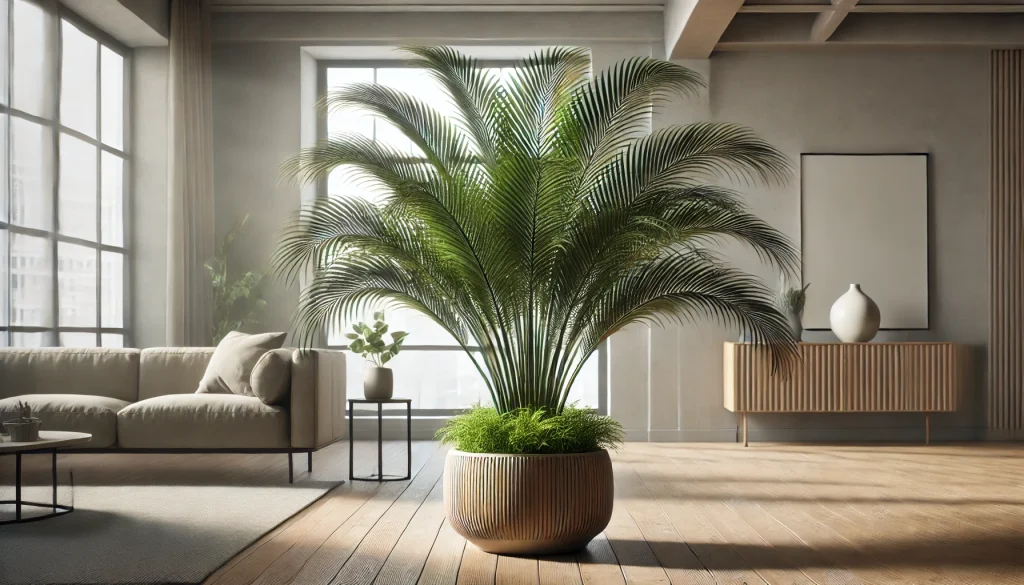
Growing Areca Palms Indoors is a great way to bring a lush tropical feel into your home. With their feathery arching fronds and elegant appearance, Areca Palms are popular indoor plants that can add height, texture, and greenery to living rooms, offices, entryways, and other bright indoor spaces.
Although they look dramatic, Areca Palms are relatively easy to care for when provided with the right combination of light, watering, and humidity. Their graceful growth habit makes them excellent statement plants that can soften room corners and create a relaxed, tropical atmosphere.
This guide covers the essentials of growing Areca Palms indoors, including lighting, watering, humidity, troubleshooting, and simple Feng Shui placement considerations.
What You’ll Learn
- How much light Areca Palms need to thrive indoors
- Proper watering and humidity requirements for healthy growth
- Common Areca Palm problems and how to prevent them
- The best locations for displaying Areca Palms in your home
- Basic Feng Shui placement ideas for indoor palms
Quick Answer: Growing Areca Palms Indoors
Growing Areca Palms indoors is easiest when you provide bright, indirect light, consistently moist but well-drained potting mix, and comfortable indoor temperatures between 65°F and 75°F. Water when the top inch of soil feels dry, protect the palm from cold drafts, and use a humidifier if your home has very dry air. Areca Palms make beautiful statement plants for bright living rooms, offices, and entryways. In Feng Shui, their graceful, upward-growing fronds symbolize vitality, growth, and prosperity.
Growing Areca Palms Indoors at a Glance
Areca Palms, also called Butterfly Palms, bring a tropical appearance to indoor spaces. Here’s a quick look at their growing requirements and decorative benefits.
| Care Requirement | Areca Palm Needs |
|---|---|
| Botanical Name | Dypsis lutescens |
| Common Names | Areca Palm, Butterfly Palm |
| Light | Bright, indirect sunlight |
| Watering | Water when the top inch of soil feels dry |
| Potting Mix | Well-draining potting mix or palm mix |
| Temperature | 65–75°F (18–24°C) |
| Humidity | Prefers higher humidity; humidifier helpful in dry rooms |
| Indoor Size | Approximately 6–10 feet tall when mature |
| Growth Habit | Clumping stems with arching, feathery fronds |
| Best Indoor Placement | Bright living rooms, offices, and spacious corners |
| Feng Shui Symbolism | Growth, vitality, prosperity, and harmony |
| Common Problems | Yellowing fronds, brown tips, spider mites, and mealybugs |
Placement tip: In traditional Feng Shui, the southeast area of a home is associated with wealth and abundance. An Areca Palm can complement this symbolism, but choose a location with enough light for healthy growth. A thriving palm is always a better choice than one struggling in a dark corner.
Growing Areca Palms indoors enhances your home’s aesthetic appeal but also aligns with Feng Shui principles to promote positive energy flow.
This comprehensive guide will walk you through the essentials of cultivating Areca Palms indoors, emphasizing their significance in Feng Shui.
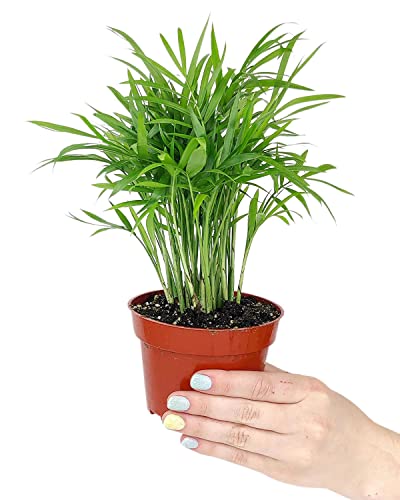
Growing Areca Palms Indoors
Areca Palms are a fantastic way to bring a touch of the tropics indoors. They’re beautiful, air-purifying, and surprisingly easy to care for with just a little attention to their needs.
Let’s explore what makes this plant thrive in indoor spaces, starting with the basics of lighting, watering, humidity, and temperature.
Areca Palm Plant Care Reference Guide
| Characteristic | Details |
|---|---|
| Common Name | Areca Palm, Butterfly Palm |
| Botanical Name | Dypsis lutescens |
| Native Habitat | Madagascar |
| Plant Type | Perennial, evergreen |
| Growth Pattern | Clumping, arching fronds |
| Mature Size | 6-10 feet tall indoors, up to 20 feet outdoors |
| Watering | Water when the top inch of soil is dry; avoid overwatering |
| Light/Sun Exposure | Bright, indirect sunlight |
| Soil Type | Well-draining potting soil or palm mix |
| Soil pH | Slightly acidic to neutral (6.1–7.0) |
| Temperature | 65°F to 75°F (18°C to 24°C); avoid cold drafts |
| Humidity | High humidity; mist regularly or use a humidifier |
| Bloom Time & Flower Color | Rare indoors; small yellow flowers |
| Potential Problems | Yellowing fronds (overwatering), spider mites, mealybugs |
| Repotting | Every 2-3 years or when root-bound |
| Hardiness Zones (USDA) | Zones 10–11 (outdoors); thrives as an indoor plant in all zones |
Lighting: Bright, Indirect Sunlight
Areca Palms love light, but not too much of it. Bright, indirect sunlight is ideal, making east- or west-facing windows a great option.
If you notice the fronds getting scorched or turning yellow, it’s a sign of too much direct light or not enough light, respectively.
Tips for Lighting Success:
- Place near a sheer-curtained window to filter harsh sunlight.
- Rotate the pot weekly for even growth.
- Supplement with grow lights in darker spaces.
Watering: Keep It Balanced
Watering is where many plant parents get tripped up. Areca Palms like their soil moist, but too much water can cause root rot.
A good rule is to water when the top inch of soil feels dry.
Watering Checklist:
- Check soil moisture weekly.
- Use pots with drainage holes.
- Reduce watering in winter when growth slows.
Humidity: They Love It!
Areca Palms thrive in humid conditions, which can be tricky indoors, especially in dry climates or during winter heating.
Regular misting or placing a small humidifier nearby works wonders.
Simple Humidity Hacks:
- Mist leaves daily, especially in dry seasons.
- Group plants together to naturally increase humidity.
- Place a tray with water and pebbles beneath the pot.
Temperature: The Sweet Spot
Areca Palms prefer a consistent temperature range between 65°F and 75°F (18°C to 24°C). Avoid cold drafts, sudden temperature drops, or placing them too close to heating vents.
Temperature Dos and Don’ts:
- Keep away from air conditioning units or heaters.
- Monitor indoor temps during seasonal changes.
- If your room gets chilly, consider a heat mat to protect the roots.
Each of these care elements plays a crucial role in keeping your Areca Palm healthy and vibrant indoors.
Feng Shui Placement for Areca Palms
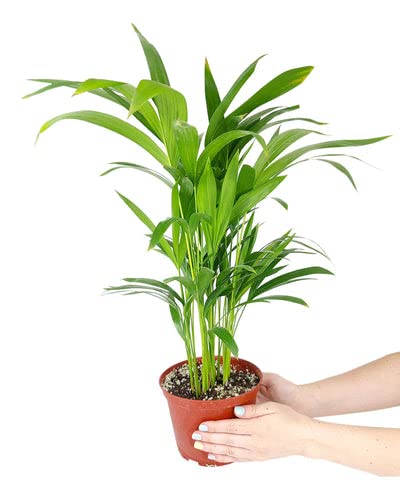
In Feng Shui, where you place your Areca Palm, the flow of energy in your space can be influenced.
These lush plants are believed to attract positive vibes and create harmony, making their positioning an important step in enhancing the ambiance of your home or office.
Best Locations for Positive Energy
To maximize the Feng Shui benefits of an Areca Palm, place it in specific areas that align with wealth, prosperity, and balance.
- Southeast Corner: Known as the wealth corner, this area is perfect for boosting prosperity and abundance.
- Near Entryways: Positioning the palm near the entrance invites fresh, positive energy into your home.
Places to Avoid
Not all spots are ideal for an Areca Palm. Avoid areas that block its ability to circulate good energy.
- Dark Corners: Low-light areas can stagnate the plant’s energy flow.
- Cluttered Spaces: Keep the area around the plant tidy to maintain its Feng Shui benefits.
With the right placement, your Areca Palm can be more than just a plant. It becomes a symbol of harmony and prosperity in your space.
Areca Palm Watering Tips
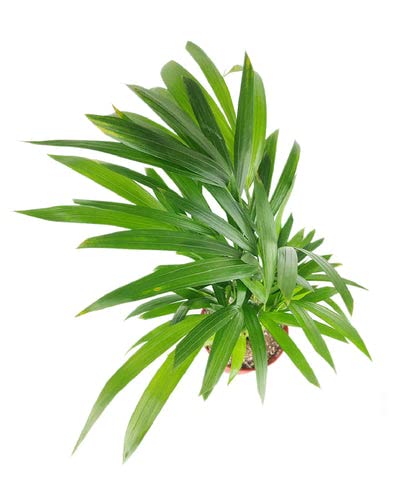
Getting the watering routine right is key to keeping your Areca Palm healthy and thriving.
While they love consistently moist soil, overwatering can cause serious problems.
Let’s take a closer look at how to find the perfect balance and keep those fronds looking lush year-round.
Routine: The Goldilocks Approach
Areca Palms don’t like to sit in water, but they don’t want to dry out completely, either. The top inch of soil is your best guide.
- Check the Soil: Stick your finger about an inch into the soil—if it feels dry, it’s time to water.
- Drainage is Key: Always use a pot with drainage holes to prevent waterlogging.
- Consistency Counts: Water evenly to moisten the entire root system, avoiding dry pockets.
Seasonal Adjustments: Less is More in Winter
As the weather cools and the plant’s growth slows, its water needs change too. Overwatering during this time can lead to root rot.
- In Winter: Reduce watering to every two or three weeks or when the soil is mostly dry.
- In Summer: Increase frequency, but still let the top inch of soil dry out before watering again.
By understanding your Areca Palm’s watering needs, you can avoid the common pitfalls and keep it thriving no matter the season.
The Air-Purifying Benefits of Areca Palms

Two areca Palm plant Dypsis lutescens 4” pot Easy to grow!! unique from Jmbamboo
Areca Palms aren’t just pretty to look at. They’re also nature’s little air filters. These green beauties work hard to clean the air in your home, making it healthier and more comfortable.
Let’s dig into what makes them such an incredible addition to your indoor space.
Toxin Removal: Nature’s Air Purifying Filter
Areca Palms can remove harmful toxins from the air, improving the overall indoor environment.
- Pollutants Filtered: They help reduce levels of formaldehyde, xylene, and toluene—common indoor air contaminants.
- Healthier Spaces: Cleaner air means fewer headaches, less irritation, and an overall fresher atmosphere.
Health Benefits: Breathing Easy
With purified air comes a host of health perks that you and your family can enjoy.
- Respiratory Relief: Better air quality supports healthier lungs and can ease breathing issues.
- Overall Wellness: Fresh, toxin-free air creates a relaxing, stress-free environment that’s good for your mental and physical health.
Adding an Areca Palm to your home isn’t just an aesthetic choice—it’s a health investment.
Areca Palm Light Requirements
Light is essential for your Areca Palm’s growth and overall health. While they love brightness, too much direct sunlight can harm their delicate fronds.
Let’s explore the best lighting conditions for your plant and how to spot potential light-related problems.
Optimal Conditions: Bright but Gentle
Areca Palms thrive in bright, indirect light, mimicking the dappled sunlight they’d experience in their natural environment.
- Ideal Spots: Place your plant near east- or west-facing windows with filtered sunlight.
- Artificial Lighting: If natural light is limited, use full-spectrum grow lights to supplement.
Signs of Light Issues: Troubleshooting Made Easy
Your Areca Palm will let you know if it’s unhappy with its light situation. Here’s what to look out for:
- Yellowing Leaves: Often a sign of too much direct sunlight. Move the plant to a shadier spot.
- Slow Growth or Fading Fronds: This could mean it’s not getting enough light. Adjust its placement for better exposure.
Getting the light just right is one of the easiest ways to ensure your Areca Palm stays lush and green.
Troubleshooting Areca Palm Problems
Even with the best care, Areca Palms can sometimes run into a few bumps along the way.
From yellowing leaves to pesky pests, understanding the common issues and how to address them will keep your plant thriving and beautiful.
Here’s how to troubleshoot like a pro.
Yellowing Fronds: A Common Warning Sign
When the fronds of your Areca Palm start turning yellow, it’s often a cry for help. The most common culprits are related to water and drainage.
- Overwatering Woes: Yellowing usually means the roots are staying too wet. Check your watering habits and ensure the pot has proper drainage.
- Poor Drainage: If water pools at the bottom, it can lead to root rot. Use a well-draining soil mix and a pot with drainage holes.
Pests: Unwanted Guests
Pests like spider mites and mealybugs love hiding in the fronds of Areca Palms. Regular inspections can help catch these intruders early.
- Spider Mites: Look for fine webbing on the leaves. Treat by spraying the plant with water or applying insecticidal soap.
- Mealybugs: These cottony pests cluster on stems and leaves. Dab them with a cotton swab dipped in alcohol, or use neem oil for larger infestations.
- Prevention Tip: Keep your plant clean by wiping the leaves with a damp cloth to deter pests from settling in.
With a little attention to these common issues, your Areca Palm can bounce back quickly and continue to flourish.
Areca Palms and Serenity
There’s something undeniably soothing about having an Areca Palm in your space. With their elegant fronds and natural charm, these plants do more than just look good.
They bring a sense of peace and calm that transforms your home into a sanctuary. Let’s explore their role in creating a serene environment.
Aesthetic Appeal: A Tropical Touch
The feathery fronds of an Areca Palm sway gently, adding a touch of the tropics to any room.
Their natural beauty helps create a relaxing and welcoming atmosphere.
- Graceful Design: Their arching leaves soften the sharp edges of furniture and walls.
- Versatile Style: They fit seamlessly into modern, rustic, or boho-inspired interiors.
Stress Reduction: The Power of Greenery
Research shows that spending time with plants can reduce stress and promote mental clarity. Areca Palms are no exception.
- Relaxing Presence: Simply having one in view can create a sense of calm.
- Hands-On Benefits: Caring for your Areca Palm, like misting or pruning, provides a meditative escape from daily stress.
By adding an Areca Palm to your home, you’re not just decorating—you’re cultivating a peaceful retreat that nurtures both the eyes and the soul.
Propagating Areca Palms
Propagating Areca Palms is a rewarding way to expand your plant collection or share the beauty of this tropical favorite with friends.
While they don’t propagate as easily as some other plants, there are a couple of methods to try, with division being the simplest and most effective. Let’s walk through your options.
Division Method: A Quick and Reliable Option
Dividing an Areca Palm is the easiest way to propagate it. This method works best during repotting when the plant has grown several healthy clusters.
- Steps to Divide:
- Gently remove the plant from its pot and shake off excess soil.
- Separate the clusters carefully, ensuring each division has a healthy root system.
- Replant the divisions in fresh, well-draining soil and water lightly to help them settle.
- Pro Tip: Avoid overwatering newly divided plants—they need time to adjust.
Seed Propagation: For the Patient Gardener
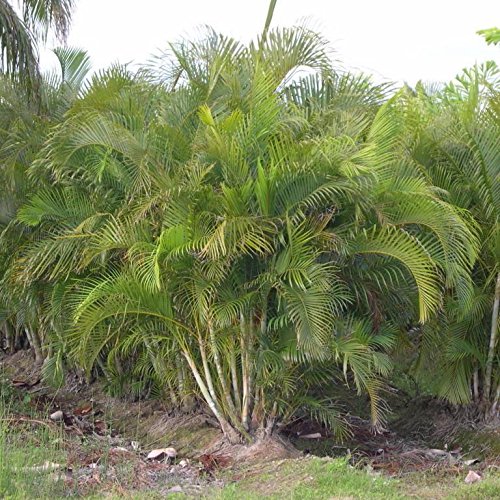
Palm Beach Medicinal Herbs Areca Palm Seeds (Dypsis lutescens) Packet of 10 Seeds
Growing Areca Palms from seeds is possible, but it’s a long and slow process, requiring patience and care.
- Steps to Start Seeds:
- Soak seeds in warm water for 24 hours before planting.
- Use a seed-starting mix and keep the soil moist but not soggy.
- Place the container in a warm, bright spot and wait for germination, which can take several weeks to months.
- Know This: It’s not uncommon for seed propagation to be unpredictable, so consider this method if you enjoy a challenge.
Whether you’re dividing clusters or trying your hand at seed propagation, the satisfaction of growing new Areca Palms is well worth the effort.
Feng Shui Symbolism of Areca Palms
Areca Palms are more than just houseplants—they carry deep meaning in Feng Shui practices.
Known as symbols of growth, prosperity, and vitality, these palms can enhance your space in subtle but powerful ways.
When thoughtfully placed, they promote harmony, balance, and the flow of positive energy throughout your home or office.
Energy Flow: Uplifting Positive Vibes
The upward-reaching fronds of an Areca Palm are thought to guide and elevate positive energy, supporting both personal and financial growth.
- Encouraging Prosperity: Their vertical growth aligns with upward movement in life, symbolizing progress and success.
- Balancing Energy: Placing an Areca Palm in strategic areas can help regulate and harmonize the energy flow in your home.
Element Association: The Power of Wood
In Feng Shui, the Areca Palm is linked to the Wood element, which symbolizes vitality, renewal, and growth.
- Vitality and Renewal: The Wood element invigorates spaces, fostering fresh energy and opportunities.
- Expansion and Balance: Placing the palm in prosperity zones, like the southeast, can amplify its effects, encouraging abundance and balance in your environment.
By blending their graceful presence with Feng Shui principles, Areca Palms can do more than beautify your space. They can serve as a meaningful addition that nurtures growth, prosperity, and harmony in your life.🌿
Seasonal Care for Areca Palms
Areca Palms may be low-maintenance, but their needs shift with the seasons. Adjusting your care routine to match their natural growth cycle helps ensure they stay healthy year-round.
Let’s break it down by season so you can give your palm the care it deserves, whether it’s thriving in summer or resting in winter.
Spring and Summer: Active Growth Season
During the warmer months, your Areca Palm is in full growth mode and needs extra attention to fuel its energy.
- Watering: Increase the frequency of watering to keep the soil consistently moist, but avoid waterlogging.
- Fertilization: Use a balanced liquid fertilizer once a month to provide nutrients that support active growth.
- Humidity Boosts: As temperatures rise, mist the leaves regularly or place a humidifier nearby to replicate its tropical environment.
Fall and Winter: Rest and Recovery
As temperatures drop, Areca Palms enter a slower growth phase. Their care routine should reflect this change to prevent stress.
- Watering: Cut back on watering, letting the top inch or two of soil dry out between waterings.
- Fertilization: Pause fertilization entirely until spring to avoid overfeeding during dormancy.
- Maintain Humidity: Dry indoor air from heating systems can cause leaf browning. Mist occasionally or use a pebble tray to combat dryness.
By adapting your Areca Palm’s care routine to the seasons, you can keep it healthy and vibrant year-round.
Seasonal adjustments ensure your palm stays not just beautiful but also contributes to the energetic harmony of your home.🌿
Growing Areca Palms Indoors FAQs
Growing Areca Palms indoors is easier when you understand their lighting, watering, and humidity needs. These frequently asked questions will help you keep your palm healthy while finding the right place for it in your home.
How much light does an Areca Palm need indoors?
Areca Palms grow best in bright, indirect light. An east-facing window or a bright room with filtered sunlight is usually a good choice. They can tolerate some gentle direct sunlight, but prolonged exposure to intense afternoon sun may scorch the fronds. Avoid dark corners where growth may become weak.
How often should I water my Areca Palm?
Water your Areca Palm when the top inch of potting mix feels dry. These palms prefer consistent moisture without waterlogged roots. Check the soil before watering rather than following a fixed schedule, especially during winter when growth may slow.
Where should I place an Areca Palm for Feng Shui?
In traditional Feng Shui, the southeast area of your home is associated with wealth and prosperity. Areca Palms are also used to symbolize growth, vitality, and positive energy. Choose a bright location where your palm can thrive, even if that means placing it outside the traditional wealth corner.
Why are my Areca Palm leaves turning yellow?
Yellowing fronds can result from overwatering, poor drainage, insufficient light, nutrient problems, or natural aging. Check the potting mix and growing conditions before making changes. An occasional older frond turning yellow is normal, but widespread yellowing deserves closer attention.
Why does my Areca Palm have brown leaf tips?
Brown leaf tips can develop from dry indoor air, inconsistent watering, mineral or fertilizer salt buildup, and root stress. Check soil moisture and make sure the pot drains properly. If your indoor air is especially dry, a humidifier may help maintain more comfortable growing conditions.
Do Areca Palms need high humidity indoors?
Areca Palms appreciate moderate to high humidity, although they can adapt to normal household conditions. If your home becomes very dry during winter, a humidifier is more effective than occasional misting. Keep the palm away from heating vents that blow hot, dry air directly onto its fronds.
Are Areca Palms toxic to cats and dogs?
No. True Areca Palms (Dypsis lutescens), also called Butterfly Palms, are listed as non-toxic to cats and dogs by the ASPCA. This makes them a good choice for pet-friendly homes. However, chewing on plant material can still cause mild stomach upset, so it’s best to discourage pets from eating the leaves.
Final Thoughts: Growing Areca Palms Indoors
Growing Areca Palms indoors is a wonderful way to bring tropical greenery into your home. Their graceful, arching fronds add height, texture, and natural beauty to living rooms, offices, and other bright indoor spaces.
The key to keeping an Areca Palm healthy is providing the right growing conditions. Give your palm plenty of bright, indirect light, check the soil before watering, and protect it from cold drafts and dry heating vents. Once you understand its needs, caring for this tropical palm becomes much easier.
I also like how well Areca Palms fit into indoor decorating. A healthy palm can soften an empty corner, complement your furniture, or become a beautiful focal point in a room. Its feathery foliage adds a relaxed, natural feeling without needing elaborate decorations.
For those who enjoy Feng Shui, the Areca Palm offers another layer of meaning. Its upward-growing fronds and lush green foliage are traditionally associated with growth, vitality, prosperity, and harmony. Just remember that the health of your living plant comes first. A thriving palm in a bright location is always preferable to one struggling in a dark corner chosen only for its symbolic placement.
A Few Areca Palm Care Tips to Remember
- Provide bright, indirect light: Give your palm enough light to support healthy, full growth.
- Check soil moisture: Water when the upper inch of potting mix feels dry, and avoid leaving the roots waterlogged.
- Maintain comfortable conditions: Protect your palm from cold drafts, sudden temperature changes, and dry heating vents.
- Watch the fronds: Yellowing leaves, brown tips, and pest activity can help you identify growing problems early.
- Choose a healthy location: Use Feng Shui symbolism and decorating ideas to complement the growing conditions your palm needs.
Whether you’re growing your first Areca Palm or adding another tropical plant to your collection, take the time to find a location where it can grow comfortably. With consistent care, your palm can become a beautiful part of your indoor space for years to come.
Enjoy the tropical greenery, the peaceful atmosphere, and the natural beauty your Areca Palm brings into your home.
Happy growing, and don’t forget to stay green! 🌿
✨ Indoor Plants and Feng Shui
Enhance harmony, balance, and positive energy in your home with these Feng Shui indoor plant guides.
- 🌱 Feng Shui Plants (Pillar Guide)
- 🏡 Indoor Plants and Feng Shui
- 🌿 Feng Shui Vertical Gardens for Office Spaces
- 🌸 Best 24 Feng Shui Indoor Plants
- 💧 Growing Feng Shui Plants
- 🌳 Common Chinese House Plants for Feng Shui
- 🪴 Feng Shui Hanging Plants
- 🛏️ Feng Shui Bedroom Plants
- 🍃 ZZ Plant Feng Shui
- 🌱 Using Feng Shui in Vertical Gardens
- 🎋 Growing Lucky Bamboo in Feng Shui
- 🏠 Indoor Plants for Feng Shui
- ☯️ Indoor Plants for Positive Energy
- 🌼 Chinese Evergreen Care
- 🌺 Growing Peonies Indoors and Outdoors
- See all articles in our Indoor Plants and Feng Shui category
References
- North Carolina State University Extension – Areca Palm (Yellow Palm) — Botanical information, indoor growing conditions, watering, humidity, and common pests.
- Clemson University Cooperative Extension – Indoor Palms — Areca Palm lighting, temperature, mature size, and indoor care.
- Penn State Extension – Palms as Houseplants — Indoor palm watering, humidity, lighting, and seasonal care.
Related Content

Visit my Amazon Influencer Page for videos and gardening products Grow Your Own Garden