
This post contains affiliate links. If you buy something from one of our links we may earn a commission. Thanks
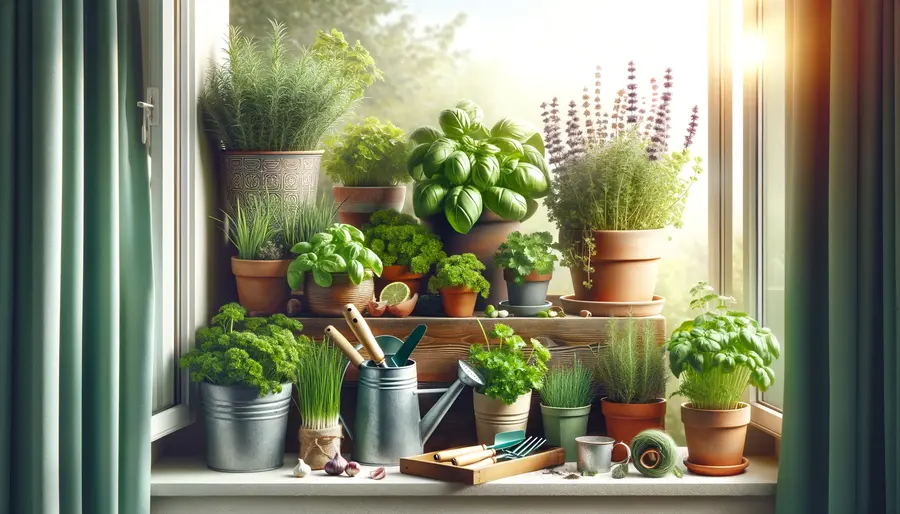
Discover the secrets to growing herbs in small spaces! Learn creative tips and techniques to maximize space and enjoy fresh, fragrant herbs at home.
Growing Herbs in Small Spaces doesn’t have to feel limiting—in fact, it’s easier than you think!
Struggling to find room for fresh herbs in your home? With creative techniques and clever solutions, you can grow herbs even in small spaces. Let’s explore how to make the most of what you have.
Growing Herbs in Small Spaces
Key Takeaways
- Growing Herbs in Small Spaces involves using vertical gardens, compact containers, and creative placements like windowsills and balconies.
- With proper lighting, soil, and care, you can cultivate fresh herbs even in the tiniest of areas.
- Space-saving tools like hanging planters and stackable pots make it easier to grow herbs anywhere.
Growing Herbs in Small Spaces: Step-by-Step
Growing a lush herb garden in a small space is easier—and more rewarding—than you might think.
With a little creativity and smart planning, even the tiniest corner can grow fresh, fragrant herbs.
This guide is packed with practical tips and strategies to help you make the most of your space and enjoy a bountiful harvest year-round.
Section 1: Vertical and Wall-Mounted Solutions
When space is limited, vertical and wall-mounted solutions are a game-changer for small-space herb gardening.
These creative setups let you grow upward instead of outward, making the most of every inch.
From wall planters to tiered stands, these methods offer a stylish and practical way to cultivate fresh herbs in even the tightest spaces.
Vertical Herb Garden Ideas
Vertical herb gardens are a perfect solution for maximizing space while adding a unique visual element to your home.
By growing herbs upward, you can conserve floor space and create a stunning, functional display.
Vertical gardens are ideal for small apartments, kitchens, or balconies where space is at a premium.

Ways to Implement Vertical Gardens
- Wall-Mounted Planters: Secure planters or pots to your wall for an organized and space-saving garden. These can be made of wood, metal, or even repurposed materials like old pallets.
- Trellises: Use a trellis with climbing herbs like rosemary or oregano for a natural, cascading look.
- Pocket Planters: Fabric or plastic pocket planters allow you to grow multiple herbs in a compact, vertical arrangement.
- Hanging Vertical Systems: Consider pre-made vertical garden kits designed to stack pots or hang herb containers for easy access.
- DIY Shelving Units: Create a vertical display with tiered shelves or a ladder shelf, ideal for placing small pots in a compact area.
Benefits of Vertical Herb Gardens
- Space Efficiency: Perfect for tight spaces where traditional pots and planters might take up too much room.
- Improved Air Circulation: Herbs grown vertically often receive better airflow, reducing the risk of mold and pests.
- Aesthetic Appeal: Vertical gardens add a touch of greenery and sophistication to walls, transforming plain surfaces into lush displays.
- Accessibility: Herbs are easy to access and care for, whether for watering, pruning, or harvesting.
With vertical herb gardens, you can enjoy the beauty and functionality of fresh herbs without sacrificing valuable living space.
Wall-Mounted Herb Garden Solutions

Wall-mounted herb gardens are an innovative way to maximize your space while keeping your herbs easily accessible and well-maintained.
These solutions are perfect for small homes, apartments, or areas where counter or floor space is limited.
By utilizing your walls, you can transform blank surfaces into productive, stylish herb-growing areas.
Options for Wall-Mounted Herb Gardens
- Floating Shelves:
Install sturdy floating shelves to hold herb pots. These are easy to customize with different materials like wood, metal, or glass, allowing you to match your home decor. Arrange the shelves at different heights to accommodate herbs of various sizes and light requirements. - Magnetic Containers:
Use magnetic containers or tins attached to a magnetic board or directly onto a metal surface like a refrigerator. These are ideal for lightweight herbs like chives or parsley and make harvesting super convenient. - Specially Designed Wall Planters:
Invest in wall-mounted planters made specifically for herbs. These often include built-in drainage and can be arranged in patterns or grids for a modern, cohesive look. Some come with self-watering features, simplifying care. - Pegboards or Slatwalls:
Mount a pegboard or slatwall and attach hooks or small planters. This modular option lets you rearrange your herbs easily as they grow or as your needs change. - Repurposed Items:
Get creative by repurposing household items like mason jars, old gutters, or wooden crates as wall-mounted planters. Secure these to the wall for a budget-friendly and personalized garden setup.
Benefits of Wall-Mounted Herb Gardens
- Space Optimization: Make use of vertical space without encroaching on countertops, tables, or floors.
- Improved Accessibility: Keep your herbs at arm’s reach for quick and easy harvesting.
- Enhanced Aesthetics: Wall-mounted gardens can double as beautiful decor, bringing greenery into your home.
- Versatility: They can be installed in kitchens, living rooms, or balconies, adapting to your available space and lighting conditions.
Wall-mounted herb gardens are a smart, stylish way to grow fresh herbs at home, proving that even the smallest spaces can support a thriving garden.
Stacking Planters for Efficient Growing

Stackable planters are a brilliant solution for gardeners looking to maximize vertical space while keeping their setup neat and organized.
By layering multiple levels of herbs in a single, compact footprint, these planters allow you to grow various herbs in limited spaces, whether indoors or on a small balcony.
Advantages of Stacking Planters
- Space-Saving Design: Perfect for small apartments, patios, or kitchens where every square inch counts.
- High Yield in Small Areas: Grow several herbs simultaneously in a condensed area without compromising their growth.
- Aesthetic Appeal: Stacking planters create a cascading, tiered look that doubles as a functional and decorative element in your home.
- Improved Drainage: Many stackable planters are designed with built-in drainage systems, preventing water from pooling at the roots.
How to Use Stacking Planters Effectively
- Choose the Right Planter: Look for lightweight, durable materials like plastic or resin. Some stacking planters even come with self-watering features.
- Position for Light: Place the planter in a spot with ample sunlight or near a grow light to ensure all levels receive adequate light. Rotate the planter occasionally for even growth.
- Plant Herbs Strategically: Place taller herbs like basil on the top tier and shorter ones like thyme or oregano on the lower tiers to prevent shading.
- Consider Companion Planting: Group herbs with similar water and light needs together to simplify care.
DIY and Pre-Made Options
- DIY Stacking Planters: Use materials like old buckets, crates, or flower pots to create your own stackable system. Drill drainage holes and secure the tiers together for stability.
- Pre-Made Stackable Systems: These are readily available online and in gardening stores. Many feature modular designs that can be adjusted or expanded as needed.
Ideal Herbs for Stacking Planters
- Basil
- Parsley
- Mint
- Chives
- Thyme
- Oregano
Stacking planters optimizes space and makes maintaining a diverse, thriving herb garden easy and enjoyable. Their versatility and charm make them a must-have for anyone tackling small-space gardening.
Multi-Tier Plant Stands for Herbs

Multi-tier plant stands are a stylish and practical solution for growing herbs in small spaces.
These stands allow you to place multiple pots at varying heights, maximizing vertical space while adding a touch of elegance to your indoor or balcony garden.
Whether you’re growing a few culinary staples or creating a lush herb display, multi-tier stands make organizing and caring for your herbs easy.
Benefits of Multi-Tier Plant Stands
- Space Efficiency: Grow multiple herbs in a compact area by stacking them vertically rather than spreading them out horizontally.
- Enhanced Accessibility: Each level provides easy access for watering, pruning, and harvesting without overcrowding.
- Aesthetic Appeal: Multi-tier stands add depth and structure to your garden, making it a decorative centerpiece in any room or balcony.
- Versatility: Suitable for both indoor and outdoor spaces, allowing you to adapt your garden to changing weather or light conditions.
How to Use Multi-Tier Plant Stands
- Choose the Right Stand: Look for durable materials like metal, wood, or bamboo that can support the weight of multiple pots.
- Strategic Placement: Position the stand near a window or in a well-lit area to ensure all tiers receive adequate sunlight. For outdoor use, place it in a sheltered spot to protect herbs from strong winds or heavy rain.
- Organize by Light Needs: Place herbs that need the most sunlight, like basil or rosemary, on the top tier. Shade-tolerant herbs, such as mint or parsley, can go on lower levels.
- Use Matching Pots: Create a cohesive look by using pots of the same material or color, or mix and match for a more eclectic vibe.
Creative Ways to Incorporate Multi-Tier Stands
- Indoor Display: Use the stand as a focal point in your kitchen or living room, keeping fresh herbs within arm’s reach for cooking or decoration.
- Balcony Garden: Optimize limited balcony space by placing a multi-tier stand against a wall or railing to grow various herbs.
- Seasonal Flexibility: Rotate pots seasonally, swapping in herbs that thrive indoors during winter or outdoors during summer.
- Combination Planting: Mix herbs with small decorative plants or flowers to create a visually appealing arrangement.
Ideal Herbs for Multi-Tier Plant Stands
- Top Tiers: Basil, rosemary, dill
- Middle Tiers: Parsley, thyme, oregano
- Lower Tiers: Mint, cilantro, chives
Multi-tier plant stands are not just a practical solution—they’re a way to showcase your herb garden in a way that’s both functional and beautiful.
With proper setup and care, these stands can transform even the smallest spaces into productive, green havens.
Section 2: Utilizing Small Indoor Areas
Small indoor spaces can be transformed into thriving herb gardens with the right techniques and a little creativity.
From windowsills to countertops, every corner holds the potential for growing fresh, aromatic herbs.
This section will explore how to maximize your indoor areas effectively, ensuring your herbs flourish while keeping your space organized and stylish.
Maximizing Windowsill Herb Gardens

Windowsills are one of the most accessible and practical spots for growing a thriving herb garden.
With their natural light and compact size, they provide the perfect environment for many herbs.
Whether in your kitchen, living room, or bedroom, a sunny windowsill can become a vibrant oasis of greenery and flavor.
Benefits of Windowsill Herb Gardens
- Access to Natural Light: Most herbs, like basil and parsley, thrive in bright, indirect sunlight, making windowsills ideal locations for them.
- Convenience: Having herbs close at hand makes it easy to snip fresh sprigs while cooking or preparing drinks.
- Space Efficiency: Windowsills utilize vertical space without taking up additional room, which is perfect for small apartments or homes.
Tips for Setting Up a Windowsill Herb Garden
- Choose the Right Planters: Use rectangular or elongated planters to maximize the windowsill’s length while leaving room for multiple herbs. Ensure the containers have proper drainage holes to prevent waterlogging.
- Pick Sun-Loving Herbs: Select herbs like basil, chives, parsley, or thyme that thrive in bright conditions.
- Rotate Regularly: Turn the planters every few days to ensure even growth, as plants will naturally lean toward the light.
- Layer with Pebbles: Add a layer of pebbles at the bottom of the pots to improve drainage and prevent soggy roots.
- Use Window Shelves: For narrower sills, consider installing small shelves above the window to create additional growing space.
Creative Ideas for Windowsill Herb Gardens
- Hanging Planters: Suspend small pots from the top of the window frame for an eye-catching display.
- Decorative Containers: Use colorful or themed pots to complement your kitchen or home decor.
- Self-Watering Planters: Choose planters with built-in reservoirs to simplify watering and prevent overwatering.
- Seasonal Swaps: Rotate herbs based on the season, growing heat-tolerant herbs like basil in summer and cooler-tolerant ones like cilantro in winter.
Ideal Herbs for Windowsills
- Basil: Requires bright light and consistent watering.
- Chives: Compact and thrives in sunny spots.
- Parsley: Prefers partial to full sunlight and adapts well to indoor growing.
- Thyme: A hardy herb that flourishes with adequate light and minimal water.
- Oregano: Perfect for adding a Mediterranean touch to your windowsill garden.
With the right care and a bit of creativity, your windowsill can become a lush, productive herb garden, bringing freshness and fragrance to your indoor space.
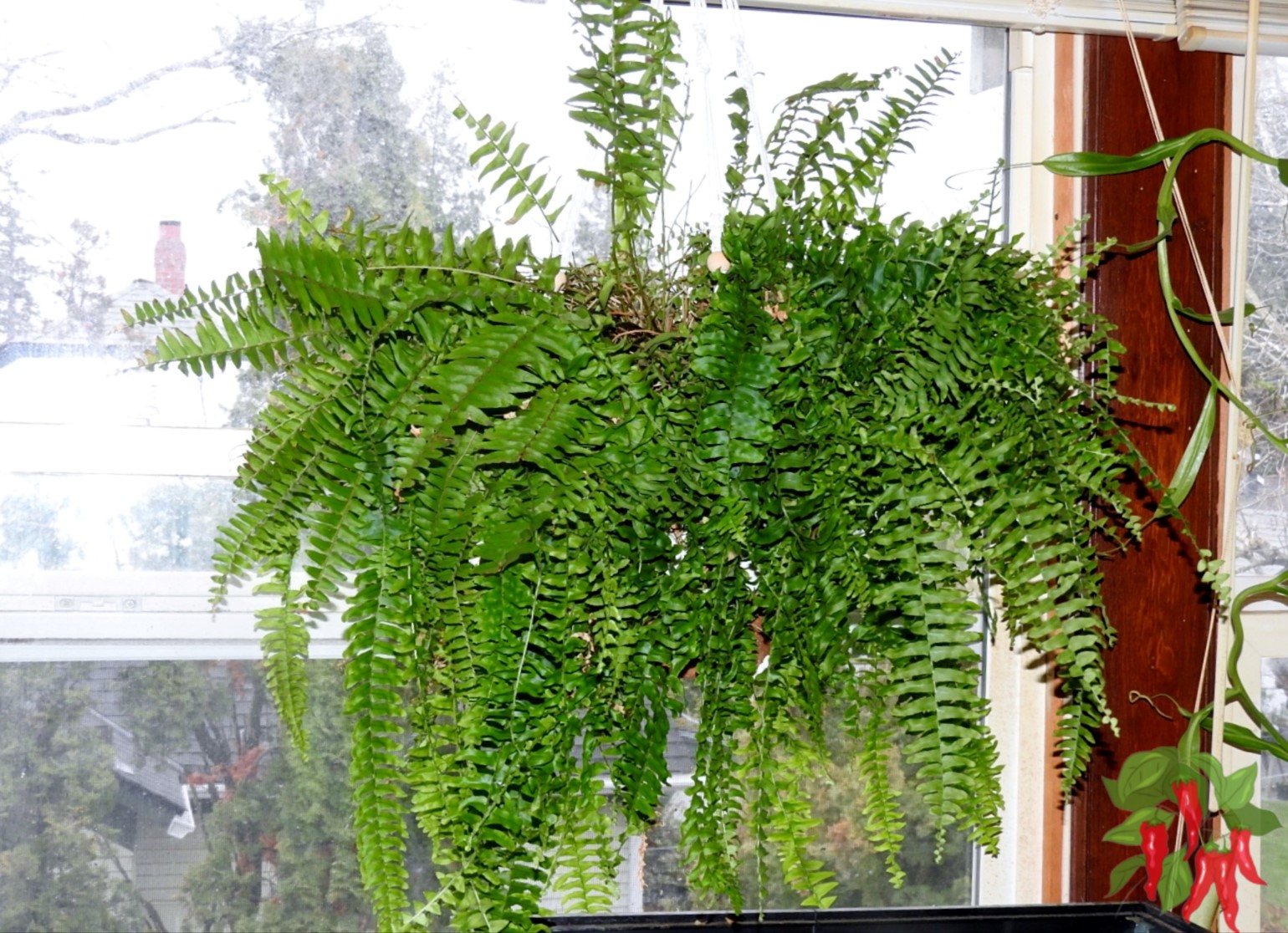
How to Use Hanging Planters Indoors
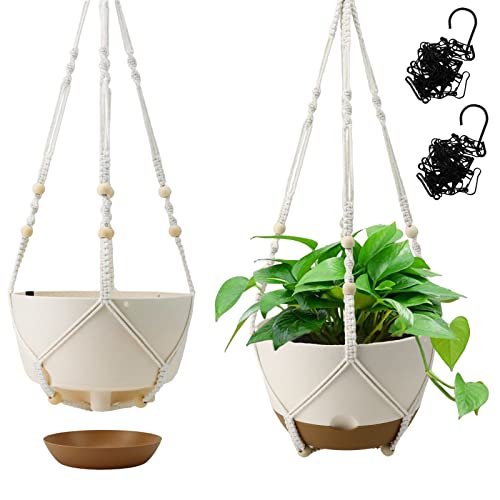
Hanging planters are a stylish and space-saving solution for indoor herb gardening.
By suspending planters from ceilings, walls, or window frames, you can grow fresh herbs while keeping your floors, countertops, and shelves clutter-free.
These planters add a touch of greenery to your decor and make caring for your herbs convenient and accessible.
Benefits of Hanging Planters
- Space Efficiency: Perfect for small homes or apartments where surface space is limited.
- Aesthetic Appeal: Hanging herbs create a cascading greenery effect, adding beauty to kitchens, living rooms, or any indoor space.
- Accessibility: Keep your herbs within reach for easy harvesting and care.
- Improved Air Circulation: Elevating planters improves airflow around the plants, reducing the risk of mold and pests.
Tips for Setting Up Hanging Planters
- Choose the Right Location: Hang planters near windows or under grow lights to ensure herbs receive adequate light. Kitchens and sunny living rooms are great options.
- Select Compact or Trailing Herbs: Herbs like thyme, oregano, and mint work well in hanging planters because of their size and growth habits.
- Ensure Proper Drainage: Use planters with drainage holes and a water catch tray to prevent dripping onto furniture or floors.
- Secure Planters Safely: Use sturdy hooks, wall brackets, or hanging racks to ensure the planters are stable and can support the weight of the soil and plants.
- Use Lightweight Materials: Opt for planters made from lightweight materials like plastic, resin, or macrame to make hanging and handling easier.
Creative Ideas for Hanging Planters
- Macrame Hangers: Use decorative macrame hangers for a boho-chic look that adds character to your herb garden.
- Tiered Hanging Systems: Create a vertical herb garden by stacking multiple planters at different heights along one string or frame.
- Repurposed Items: Turn old jars, tin cans, or baskets into unique hanging planters. Just make sure to add drainage holes if needed.
- Window Frame Gardens: Attach hanging planters directly to a window frame or use a tension rod to suspend herbs in front of the window.
Best Herbs for Hanging Planters
- Thyme: Compact and trailing, thyme thrives in hanging setups.
- Oregano: Its cascading growth pattern makes it ideal for elevated planters.
- Mint: Hardy and fragrant, mint adds lush greenery to any hanging display.
- Basil: Though larger, basil works well in medium-sized hanging pots.
- Chives: A compact herb that flourishes in hanging containers with good light.
Hanging planters combine functionality with style, letting you grow fresh herbs while enhancing your indoor decor.
With proper setup and care, you can enjoy a lush, vibrant herb garden right above your head!
Using Furniture to Create Garden Areas
Repurposing furniture for your indoor herb garden is a creative way to make the most of your space while seamlessly blending functionality with aesthetics.
By transforming everyday items like bookshelves, ladder shelves, or bar carts into plant stands, you can create a stylish, organized, and productive indoor garden without adding clutter.
Benefits of Using Furniture for Herb Gardens
- Space Optimization: Furniture pieces provide multi-level storage, allowing you to grow more herbs in a smaller footprint.
- Easy Accessibility: Herbs are conveniently placed for watering, pruning, and harvesting.
- Aesthetic Appeal: Stylish furniture enhances your interior decor while showcasing your herb collection.
- Flexibility: Moveable pieces like bar carts let you reposition your garden to optimize light or fit seasonal needs.
Ways to Repurpose Furniture for Herb Gardens

- Bookshelves:
- Use open bookshelves to create a tiered garden display.
- Arrange herbs on each shelf based on their light and water needs, placing sun-loving herbs higher up.
- Add grow lights to the undersides of shelves for plants in low-light areas.
- Ladder Shelves:
- Ladder-style shelves provide multiple levels for pots and planters, perfect for herbs of varying sizes.
- Position taller herbs like basil on the top tier and shorter ones like thyme or oregano on the lower levels.
- Paint or stain the ladder to match your home’s color scheme.
- Bar Carts:
- A rolling bar cart makes a portable herb garden that can be easily moved to different light sources or locations.
- Use the top shelf for sun-loving herbs and the lower shelf for tools or less light-demanding plants.
- Add small pots, trays, or baskets to keep everything organized and secure.
- Console Tables:
- Place a narrow console table against a sunny wall or window for a sleek herb garden setup.
- Incorporate decorative pots or trays for a polished look.
- Repurposed Crates:
- Stack wooden crates to create a rustic, tiered garden display.
- Arrange herbs in mason jars or small pots inside the crates for a cozy, farmhouse-style vibe.
Tips for Success
- Secure Furniture: Ensure furniture is stable and can safely hold the weight of your pots and soil. Anchor shelves to the wall if needed.
- Protect Surfaces: Use trays or liners under pots to catch water and prevent damage to wood or metal surfaces.
- Optimize Light: Position furniture near a window or use grow lights to ensure all herbs receive adequate light.
- Keep It Functional: Avoid overcrowding to ensure each plant has enough space for proper air circulation and growth.
Best Herbs for Furniture Gardens
- Basil
- Mint
- Parsley
- Thyme
- Oregano
Using furniture to create herb garden areas adds charm and practicality to your indoor space, proving that gardening can seamlessly integrate with modern living.
Whether you’re repurposing a bookshelf or rolling out a bar cart garden, your herbs will thrive in style!
Designing Miniature Herb Terrariums

Miniature herb terrariums are a delightful combination of functionality and decor, offering a unique way to grow herbs indoors while adding charm to your space.
These enclosed gardens are perfect for herbs that thrive in humid environments, making them ideal for small spaces, desktops, or kitchen counters.
Benefits of Herb Terrariums
- Compact and Space-Saving: Perfect for small apartments, offices, or areas with limited room for traditional pots.
- Humidity Retention: The enclosed design helps retain moisture, creating an ideal microclimate for certain herbs.
- Decorative Appeal: Terrariums double as living art pieces, adding a touch of nature to your indoor decor.
- Low Maintenance: Once set up, terrariums require minimal watering due to their ability to recycle moisture within the enclosure.
Steps to Create a Miniature Herb Terrarium
- Choose the Right Container:
- Select a glass container with a wide opening for proper ventilation, such as a fishbowl, mason jar, or open terrarium.
- For herbs that need less humidity, consider using a container with a partially open top.
- Prepare the Base Layers:
- Add a layer of small pebbles or gravel at the bottom for drainage.
- Sprinkle a thin layer of activated charcoal to prevent odors and keep the environment fresh.
- Add a layer of nutrient-rich, well-draining potting soil, ensuring it’s deep enough for root growth.
- Select Herbs:
- Choose herbs that thrive in humid conditions, such as mint, basil, or parsley.
- For a low-maintenance option, opt for thyme or oregano, which can tolerate less humidity.
- Plant and Arrange:
- Plant the herbs in the soil, spacing them to allow room for growth.
- Add decorative elements like small rocks, moss, or figurines to enhance the terrarium’s visual appeal.
- Ventilation and Care:
- Ensure the terrarium has adequate ventilation to prevent mold and mildew. If using a closed terrarium, leave it open for a few hours weekly to refresh the air.
- Water sparingly, as the terrarium’s enclosed environment retains moisture well. Use a spray bottle for even watering.
Tips for Successful Herb Terrariums
- Light Placement: Place the terrarium in a spot with bright, indirect light to prevent overheating or excessive moisture buildup.
- Monitor Moisture Levels: Avoid overwatering, as excess water can lead to root rot or mold.
- Prune Regularly: Trim herbs to prevent overcrowding and encourage healthy growth.
Creative Ideas for Herb Terrariums
- Hanging Terrariums: Use glass orbs to create hanging herb gardens that double as decor.
- Theme Terrariums: Design terrariums with specific themes, such as a “kitchen garden” with culinary herbs or a “mini woodland” with moss and thyme.
- Layered Displays: Arrange multiple terrariums of different sizes on a tray or shelf for a cohesive, decorative look.
Miniature herb terrariums are a fantastic way to combine gardening with artistry. With the right setup and care, these tiny ecosystems will thrive, bringing beauty, fresh flavors, and greenery to your home.
Section 3: Creative Container Gardening
When space is limited, creative container gardening opens up a world of possibilities for growing fresh herbs.
By repurposing everyday items or choosing innovative pots, you can turn any small area into a thriving garden.
This section explores how to use unique containers to maximize functionality and style, making herb gardening both practical and fun.
Repurposing Containers for Small Gardens
Repurposing everyday items into planters is an eco-friendly and creative way to grow herbs in small spaces.
By giving new life to objects like tin cans, teapots, or wooden crates, you can design a charming and functional herb garden that’s as unique as it is practical.
These upcycled containers not only save space but also add character to your indoor or outdoor gardening setup.
Benefits of Repurposing Containers
- Eco-Friendly: Reduce waste by reusing materials that might otherwise be discarded.
- Budget-Friendly: Save money by repurposing items you already have at home.
- Customizable: Personalize your garden with containers that reflect your style, whether rustic, modern, or whimsical.
- Space-Saving: Tailor container sizes and shapes to fit small areas like shelves, countertops, or windowsills.
Ideas for Repurposed Planters
- Tin Cans:
- Use clean, empty tin cans as compact herb planters.
- Paint or decorate them for a colorful, personalized touch.
- Add drainage holes at the bottom and place them on a tray to catch excess water.
- Teapots and Teacups:
- Turn old or chipped teapots and teacups into quaint planters for small herbs like thyme or chives.
- Drill drainage holes if possible, or layer pebbles at the bottom to prevent waterlogging.
- Wooden Crates:
- Wooden crates make excellent multi-herb planters. Line them with landscape fabric to retain soil while allowing drainage.
- Arrange several small pots inside for a modular, portable herb garden.
- Mason Jars:
- Mason jars are perfect for herbs that don’t require much space, like parsley or mint.
- Add a layer of pebbles at the bottom for drainage, as jars don’t have holes.
- Colanders:
- Old colanders provide built-in drainage, making them ideal for herbs like basil or oregano.
- Hang them for a unique take on vertical gardening.
- Shoeboxes or Drawer Organizers:
- Line shoeboxes or old drawer organizers with plastic and poke drainage holes to create long, narrow planters for windowsills.
Tips for Repurposing Containers
- Ensure Drainage: Drill or punch holes in the bottom of containers to allow water to escape. For non-drillable items, add a thick layer of pebbles.
- Use Food-Safe Materials: For edible herbs, ensure the container material is food-safe and free from harmful chemicals.
- Check for Size: Choose containers that provide enough room for root growth to prevent stunting.
- Add Personal Touches: Decorate containers with paint, labels, or designs that match your aesthetic.
Herbs That Thrive in Repurposed Containers
- Basil
- Mint
- Parsley
- Chives
- Oregano
Repurposing containers for small gardens is not only sustainable but also a fun and creative project.
With a little imagination and care, you can turn almost anything into a functional and stylish planter, proving that gardening truly has no boundaries.
How to Grow Herbs in Mason Jars
Mason jars are a trendy and practical choice for indoor herb gardens. Their compact size and charming aesthetic make them perfect for small spaces like windowsills, countertops, or shelves.
Growing herbs in mason jars is simple, cost-effective, and a delightful way to bring fresh greenery into your home.
Why Choose Mason Jars for Herb Gardening?
- Compact Design: Mason jars fit easily into small spaces, making them ideal for apartments or kitchens.
- Affordable and Accessible: Most households already have mason jars, or they can be purchased inexpensively.
- Stylish Look: Their clean, classic appearance complements a variety of decor styles.
- Easy to Manage: Transparent jars let you monitor soil moisture and root growth with ease.
Steps to Grow Herbs in Mason Jars
- Prepare the Jar:
- Clean the mason jar thoroughly to remove any dirt or residue.
- Add a 1-2 inch layer of pebbles, gravel, or small stones at the bottom to act as a drainage layer, preventing water from pooling around the roots.
- Add Potting Mix:
- Fill the jar with a high-quality, well-draining potting mix. Consider mixing coco coir and perlite for added aeration.
- Leave about an inch of space at the top to avoid overfilling.
- Plant Your Herbs:
- Choose herbs with compact root systems, such as basil, parsley, thyme, or chives.
- Plant seeds or small seedlings in the soil, ensuring they are at the proper depth as indicated on the seed packet.
- Water Sparingly:
- Water your herbs gently, allowing the soil to absorb moisture without becoming soggy.
- Monitor the bottom layer of pebbles; if water collects there, it’s time to reduce the watering frequency.
- Position for Light:
- Place the jars in a spot that receives at least 6 hours of bright, indirect sunlight daily.
- If natural light is insufficient, use a small grow light positioned above the jars.
- Maintain Regular Care:
- Rotate the jars every few days to ensure even light exposure.
- Prune herbs regularly to encourage growth and prevent overcrowding.
Tips for Success
- Label Your Jars: Use chalkboard stickers, markers, or tags to identify your herbs.
- Avoid Overwatering: The lack of drainage holes makes it essential to avoid overwatering. Check soil moisture before adding water.
- Choose the Right Herbs: Compact herbs like mint, thyme, or oregano thrive in mason jars, while larger varieties may outgrow the space.
- Decorate Your Jars: Add ribbons, twine, or decorative wraps to personalize your mason jar garden.
Advantages of Mason Jar Herb Gardens
- Perfect for small spaces like windowsills or countertops.
- Easy to transport, allowing you to move the jars to the best light conditions.
- A great conversation starter or gift idea for plant lovers.
Growing herbs in mason jars is not just functional but also a charming way to elevate your indoor gardening game.
With the right care and a touch of creativity, you can enjoy fresh, homegrown herbs year-round.
The Best Compact Pots for Herbs
Choosing the right compact pots is essential for growing healthy herbs in small spaces.
The perfect pots fit your available space but also provide enough room for root development, ensuring your herbs thrive.
From self-watering designs to window-mounted options, compact pots make it easier to enjoy fresh, homegrown herbs no matter how limited your area is.
Features to Look for in Compact Pots
- Adequate Size:
- Select pots that are deep enough to support the root systems of your herbs, typically 4-6 inches in depth for small herbs like basil or thyme.
- Ensure the diameter is sufficient to prevent overcrowding as the herbs grow.
- Drainage:
- Choose pots with drainage holes to prevent waterlogging, which can lead to root rot.
- If using decorative pots without holes, add a layer of pebbles or use a liner with drainage.
- Space-Saving Design:
- Opt for vertically stackable pots or tiered planters if you’re working with very tight spaces.
- Window-mounted or rail-mounted pots are excellent for utilizing underused vertical areas.
- Material:
- Lightweight materials like plastic or resin are ideal for small spaces and are easy to move around.
- Ceramic pots offer a more stylish look but may be heavier and less portable.
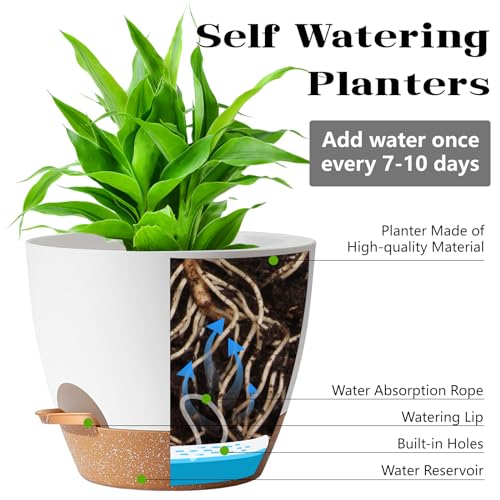
- Self-Watering Features:
- Self-watering pots help maintain consistent soil moisture, reducing the frequency of watering and making care easier.
Types of Compact Pots for Herbs
- Window-Mounted Pots:
- Attach these pots directly to your window using suction cups or brackets.
- Perfect for sun-loving herbs like basil, oregano, or rosemary.
- Self-Watering Pots:
- These pots include a reservoir at the base that provides consistent moisture to the roots.
- Ideal for busy gardeners or those new to herb gardening.
- Hanging Pots:
- Use compact hanging pots to save floor or counter space.
- Great for herbs like mint or thyme with trailing growth habits.
- Stackable Planters:
- Stack multiple levels of herbs vertically in a single footprint.
- Perfect for small patios, balconies, or kitchens.
- Rail-Mounted Pots:
- They are designed to hang securely on the balcony or stair railings, making them perfect for small outdoor spaces.
Best Herbs for Compact Pots
- Thyme: A hardy herb with a compact root system.
- Chives: Thrives in smaller pots with well-draining soil.
- Basil: Requires slightly larger pots but adapts well to compact setups.
- Parsley: Grows beautifully in mid-sized compact containers.
- Mint: Vigorous but manageable in small to medium pots.
Tips for Success
- Regular Monitoring: Check for signs of overcrowding and repot herbs if necessary to ensure continued growth.
- Placement: Arrange pots in well-lit areas or under grow lights to meet your herbs’ light requirements.
- Decorative Options: Choose colorful or patterned pots to add a touch of personality to your indoor garden.
Compact pots for herbs offer versatility, practicality, and style. With the right selection and care, you can grow a thriving herb garden that fits seamlessly into your small space while adding fresh flavors and greenery to your home.
Building a Portable Herb Garden Box
A portable herb garden box is a versatile and practical solution for growing herbs in small spaces.
By allowing you to move your garden easily, this setup ensures your herbs always receive optimal light and care.
Whether placed indoors by a window, on a sunny balcony, or even transported between rooms, a portable garden box is an excellent way to keep your herbs thriving.
Benefits of a Portable Herb Garden Box
- Flexibility: Easily relocate your herbs to follow sunlight throughout the day or to protect them from harsh weather conditions.
- Space-Saving: A single, compact box can house multiple herbs, making it ideal for small spaces.
- Convenience: Bring your garden indoors for easy harvesting while cooking or during colder months.
- Accessibility: Lightweight designs and handles make the box easy to carry and maintain.
Steps to Build a Portable Herb Garden Box
- Choose a Lightweight Material:
- Use materials like wood, plastic, or resin for a sturdy yet lightweight garden box.
- For DIY options, repurpose items like wooden crates, pallets, or plastic bins.
- Include Handles for Mobility:
- Attach sturdy handles on either side of the box for easy lifting and transport.
- Consider rope, metal, or built-in wooden handles for durability.
- Ensure Proper Drainage:
- Drill small drainage holes at the bottom of the box to prevent waterlogging.
- Place a shallow tray underneath to catch excess water if the box will be used indoors.
- Add a Liner:
- Line the box with landscape fabric or plastic sheeting to protect the material and contain the soil.
- Ensure the liner allows water to drain through the holes.
- Select the Right Soil and Herbs:
- Use a well-draining potting mix, such as a blend of coco coir, perlite, and organic compost.
- Choose compact herbs like basil, chives, thyme, or parsley that thrive in small spaces.
- Position for Light:
- Place the box in a sunny spot with at least 6 hours of light per day.
- For low-light areas, use a portable grow light to supplement natural light.
Creative Add-Ons for Your Herb Garden Box
- Labels: Use chalkboard paint or attach small tags to identify each herb.
- Compartments: Divide the box into sections to separate different herbs and prevent root competition.
- Wheels: Add small caster wheels to the base for even easier mobility.
- Decorative Touches: Paint or stain the box to match your home’s aesthetic or add patterns and designs for a personal touch.
Herbs That Thrive in Portable Garden Boxes
- Basil
- Mint
- Parsley
- Chives
- Oregano
Tips for Success
- Monitor Watering: Herbs in portable boxes may dry out faster due to their compact size; check soil moisture regularly.
- Rotate for Even Growth: Turn the box periodically to ensure all plants receive equal light exposure.
- Seasonal Adjustments: Move the box indoors during colder months or to a sheltered area during extreme weather.
A portable herb garden box is a fantastic addition to any home, offering convenience, flexibility, and the joy of fresh herbs within easy reach.
With a little creativity and care, you can design a garden that suits your space and lifestyle perfectly.
Section 4: Small Outdoor Spaces
Don’t let limited outdoor space stop you from enjoying a flourishing herb garden. With a little creativity and the right techniques, even balconies, patios, and underutilized corners can be transformed into thriving outdoor herb gardens.
This section explores smart solutions and tips to make the most of your small outdoor areas for growing fresh, flavorful herbs.
Balcony Herb Gardening Tips
Balconies, no matter how small, offer excellent opportunities for growing a productive herb garden.
With creative solutions like railing planters, vertical gardens, and hanging baskets, you can transform even the tiniest outdoor space into a lush, aromatic retreat.
By utilizing available space efficiently, you’ll enjoy fresh herbs just steps away from your kitchen.
Benefits of Balcony Herb Gardening
- Fresh Herbs Year-Round: Grow your favorite herbs conveniently close to home.
- Space Optimization: Take advantage of vertical and railing spaces to maximize growing capacity.
- Aesthetic Appeal: A balcony garden adds natural beauty and charm to your outdoor space.
- Improved Air Quality: Herbs like mint and basil release fresh aromas, enhancing your outdoor environment.
Smart Tips for Balcony Herb Gardening

- Use Railing Planters:
- Attach planters securely to balcony railings to save floor space.
- Plant compact herbs like parsley, chives, or thyme for a neat, contained garden.
- Incorporate Vertical Gardens:
- Use vertical garden kits, stackable planters, or wall-mounted pots to grow herbs upward.
- Ideal for small balconies where floor space is limited.
- Add Hanging Baskets:
- Suspend baskets from the ceiling or railing for trailing herbs like oregano or mint.
- Choose lightweight baskets with proper drainage to prevent water buildup.
- Optimize Light:
- Place your herbs in the sunniest spots on the balcony, ensuring they receive at least 6 hours of light daily.
- For shaded balconies, consider LED grow lights or select shade-tolerant herbs like mint or cilantro.
- Choose Weather-Resistant Containers:
- Opt for durable materials like plastic, resin, or treated wood to withstand outdoor conditions.
- Ensure containers have drainage holes to prevent root rot.
- Create a Mobile Garden:
- Use pots with wheels or a portable garden box to move your herbs as needed for optimal light and protection from extreme weather.
Best Herbs for Balcony Gardens
- Basil
- Mint
- Thyme
- Parsley
- Oregano
Decorative Ideas for Balcony Herb Gardens
- Themed Gardens: Create a culinary herb garden with basil, oregano, and thyme or a tea garden with mint, lemon balm, and chamomile.
- String Lights: Add ambiance to your balcony by stringing lights around your herb setup.
- Multi-Level Displays: Use tiered stands or ladder shelves to showcase your herbs at different heights.
Maintenance Tips
- Water Consistently: Balconies can expose herbs to wind and sunlight, causing faster evaporation. Check soil moisture regularly.
- Protect in Extreme Weather: Move herbs indoors during storms or extreme heat to prevent damage.
- Prune Regularly: Keep herbs trimmed to encourage new growth and prevent overcrowding.
Balcony herb gardening is not only practical but also a rewarding way to bring greenery into your outdoor space.
With a little planning and care, you can enjoy a thriving herb garden that enhances your balcony’s beauty and provides fresh flavors for your kitchen.
Herb Growing in Closet Spaces
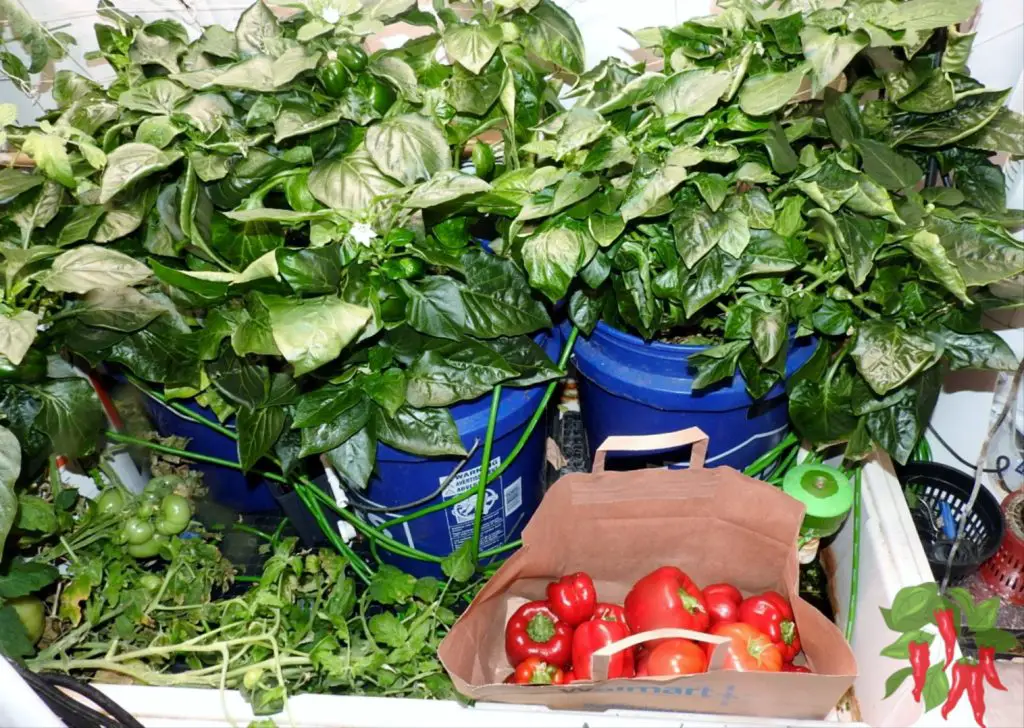
Closet gardening is an innovative solution for herb enthusiasts with limited space or a lack of natural light.
With the right setup, including grow lights and proper ventilation, closets can become thriving, self-contained herb gardens.
This method enables year-round cultivation, providing fresh herbs regardless of weather or outdoor conditions.
Benefits of Closet Herb Gardens
- Year-Round Growing: Control light, temperature, and humidity to grow herbs in any season.
- Space-Saving: Closets transform underutilized spaces into productive garden areas.
- Discreet Gardening: Keep your garden organized and out of sight, making it ideal for small apartments or shared living spaces.
Steps to Set Up a Closet Herb Garden
- Prepare the Space:
- Choose a closet with enough room to accommodate your chosen herbs and equipment.
- Clear the space and clean thoroughly to remove dust and debris that could affect plant health.
- Install Grow Lights:
- Use full-spectrum LED grow lights to provide the light spectrum herbs need for healthy growth.
- Position lights about 12-18 inches above the plants and adjust as they grow.
- Ensure Ventilation:
- Add a small fan to maintain air circulation and prevent mold or mildew.
- Leave the closet door ajar periodically, or install a vent for fresh air exchange.
- Choose the Right Containers:
- Opt for pots with drainage holes to prevent waterlogging.
- Use trays or liners to catch excess water and protect your closet floor.
- Add Reflective Surfaces:
- Line the walls of the closet with reflective materials like Mylar or aluminum foil to maximize light distribution.
- This ensures all plants receive adequate light, even in tight spaces.
- Set Up a Timer:
- Use a timer for the grow lights to simulate natural day and night cycles, typically 12-16 hours of light per day for most herbs.
Best Herbs for Closet Gardens
- Basil: Thrives under artificial light and grows quickly.
- Mint: Hardy and adaptable, mint does well in confined spaces.
- Parsley: Tolerates low light and flourishes with moderate care.
- Thyme: Compact and resilient, thyme is perfect for small, enclosed gardens.
- Chives: Requires minimal space and maintenance, making it an excellent choice for closets.
Tips for Success
- Monitor Temperature: Keep the closet between 65-75°F for optimal herb growth.
- Provide Proper Ventilation: It controls heat and humidity and brings in fresh CO2.
- Water Wisely: Check soil moisture regularly, as enclosed spaces can retain humidity.
- Prune Regularly: Trim herbs to encourage growth and prevent overcrowding.
- Organize Efficiently: Use multi-tiered shelves or stackable planters to maximize vertical space.
Creative Ideas for Closet Herb Gardens
- Compact Hydroponics: Incorporate a small hydroponic system for soil-free herb growing.
- Themed Gardens: Create a culinary herb garden or a tea herb garden with mint, chamomile, and lemon balm.
- Decorative Elements: Use stylish pots and labels to make the closet visually appealing and organized.
Growing herbs in closet spaces is a clever way to overcome space and light limitations while enjoying the benefits of fresh, homegrown herbs.
With a well-designed setup, your closet can become a lush, productive herb garden.
Herb Gardens in Underutilized Corners

Transforming underutilized corners into thriving herb gardens is an excellent way to maximize space in your home.
Corners, often overlooked, can become productive growing areas with the addition of a small shelf, corner plant stand, or creative vertical solution.
By utilizing these compact spaces, you can bring fresh herbs and greenery into even the smallest nooks of your living space.
Benefits of Corner Herb Gardens
- Space Optimization: Make the most of areas that would otherwise remain empty.
- Aesthetic Appeal: Corner gardens add charm and greenery to overlooked parts of your home.
- Convenient Accessibility: Keep fresh herbs within easy reach while making efficient use of limited space.
- Customizable Designs: Adapt the setup to suit your decor and needs, from modern minimalist to rustic charm.
Tips for Creating a Corner Herb Garden
- Use a Corner Plant Stand:
- Choose a tiered stand to grow multiple herbs in one compact space.
- Opt for a design that matches your home’s aesthetic, such as wood for a rustic look or metal for a sleek, modern vibe.
- Install Corner Shelves:
- Mount floating corner shelves to utilize vertical space effectively.
- Place lightweight pots with compact herbs like parsley, thyme, or chives on each shelf.
- Add a Vertical Garden System:
- Use wall-mounted planters or hanging pocket planters to grow herbs upward.
- This setup is perfect for corners near windows or grow lights.
- Repurpose Furniture:
- Turn an old corner table, bookshelf, or small cabinet into a functional herb garden station.
- Arrange pots neatly and decorate with labels or small accessories for a polished look.
- Incorporate Lighting:
- If the corner lacks natural light, add a grow light or LED strip to ensure your herbs receive adequate illumination.
- Use adjustable lights to cater to the specific needs of each herb.
Ideal Herbs for Corner Gardens
- Basil: Thrives with consistent light, making it ideal for well-lit corners.
- Mint: A hardy herb that adapts well to low-light conditions.
- Thyme: Compact and resilient, perfect for small spaces.
- Parsley: Tolerates partial shade, ideal for corners without direct sunlight.
- Oregano: Requires minimal care and thrives in confined spaces.
Creative Ideas for Corner Herb Gardens
- Multi-Tier Arrangements: Combine plants of varying heights to create a visually appealing display.
- Decorative Pots: Use colorful or patterned pots to brighten up the corner and add personality to the space.
- Mixed Use: Combine herbs with small decorative plants or flowers to create a multi-functional green corner.
- Portable Options: Use a mobile plant stand or rolling cart to allow flexibility in placement and access to light.
Maintenance Tips
- Water Wisely: Monitor the soil moisture of corner plants, as airflow may be limited.
- Rotate Pots: Ensure even light exposure by rotating pots periodically, especially in corners with partial lighting.
- Prune Regularly: Keep herbs trimmed to prevent overcrowding and encourage healthy growth.
Herb gardens in underutilized corners are a practical and visually appealing way to make every inch of your home count.
With thoughtful design and care, these small spaces can provide a steady supply of fresh herbs while enhancing the beauty and functionality of your living area.
Combining Herbs with Other Houseplants
Integrating herbs with your existing houseplants is a creative way to cultivate a diverse and functional green space. This approach not only enhances the visual appeal of your indoor garden but also optimizes your space by combining edible herbs with decorative plants. By choosing compatible plants with similar care needs, you can create a thriving, harmonious environment.
Benefits of Combining Herbs with Houseplants
- Space Efficiency: Maximize available space by grouping plants together instead of using separate pots.
- Enhanced Aesthetics: The mix of herbs and houseplants adds variety, texture, and color to your indoor garden.
- Functional Beauty: Blend practicality with decor by incorporating edible plants into your living space.
- Improved Air Quality: A diverse collection of plants, including herbs, contributes to better indoor air quality.
Tips for Successfully Combining Herbs and Houseplants
- Match Care Requirements:
- Pair herbs and houseplants that thrive in similar light, humidity, and watering conditions.
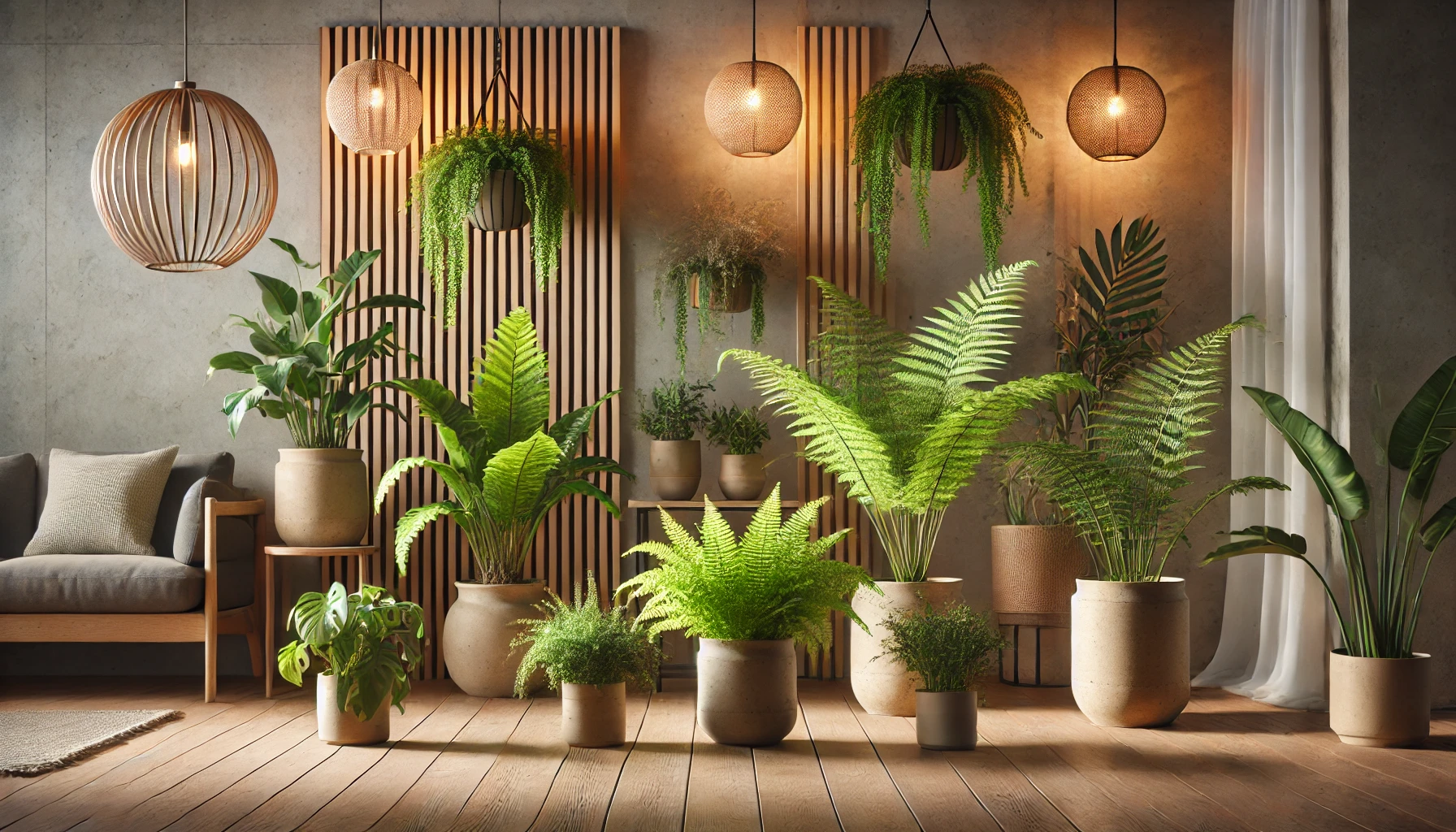
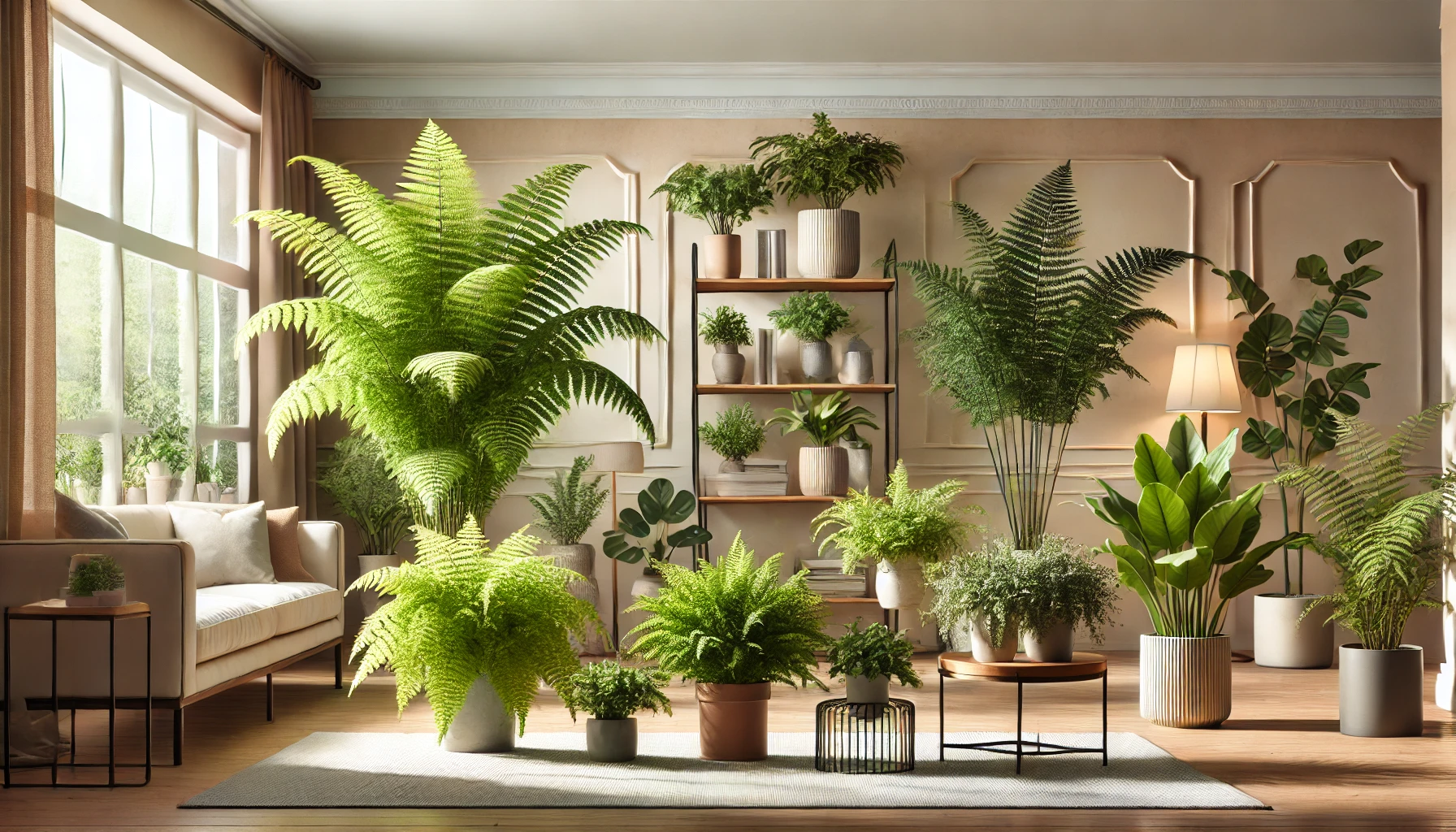
- For example, herbs like basil or parsley pair well with ferns in bright, indirect light and moderate humidity.
- Choose Complementary Growth Habits:
- Combine trailing herbs like thyme or oregano with upright houseplants like snake plants or palms for visual balance.
- Avoid pairing fast-growing herbs with slow-growing houseplants to prevent competition for resources.
- Use Shared Planters:
- Plant compatible herbs and houseplants in large containers with dividers or open sections.
- Ensure each plant has enough space for root growth and proper soil conditions.
- Optimize Lighting:
- Position your combined plants in a location that meets the light needs of all involved.
- Add grow lights if natural light is insufficient for the combined group.
- Monitor Watering Needs:
- Adjust watering schedules to accommodate plants with different moisture requirements.
- Use moisture-retentive potting mixes for herbs and houseplants that prefer consistent watering.
Creative Ideas for Herb and Houseplant Pairings
- Kitchen Counter Combo: Pair herbs like basil, chives, or cilantro with decorative succulents for a functional and stylish kitchen display.
- Hanging Arrangements: Combine trailing herbs like mint or oregano with hanging houseplants like pothos or string of pearls for a cascading effect.
- Windowsill Garden: Mix herbs like parsley and rosemary with compact houseplants like aloe or jade plants on a sunny windowsill.
- Tiered Plant Stands: Arrange herbs and houseplants on multi-level stands to create a visually appealing display that maximizes vertical space.
Examples of Compatible Plant Pairings
- Basil and Spider Plants: Both thrive in bright, indirect light and moderate moisture levels.
- Mint and Calatheas: Share similar preferences for humidity and partial shade.
- Thyme and Succulents: Both prefer well-draining soil and require less frequent watering.
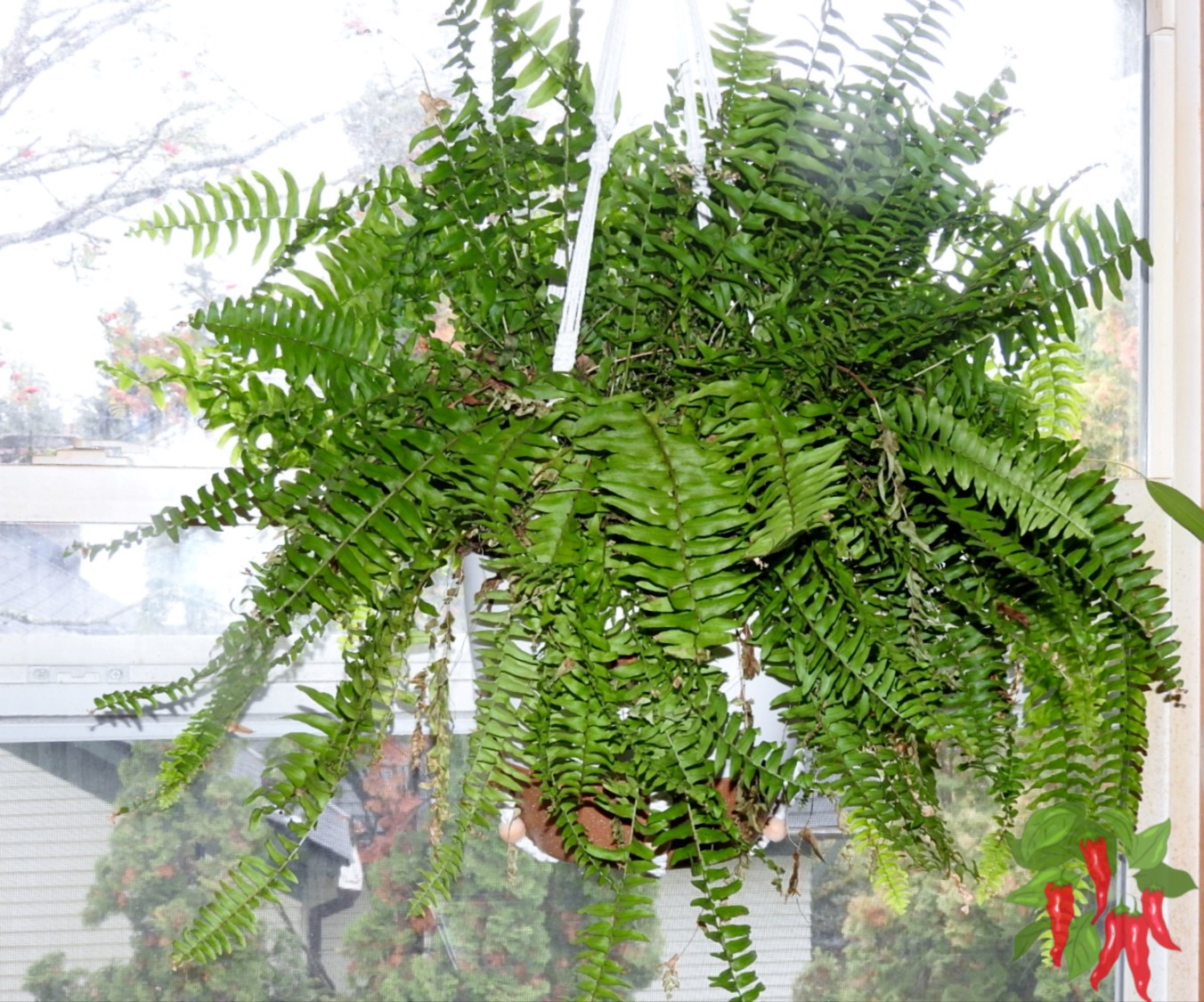
- Parsley and Ferns: Ideal for humid environments with consistent moisture.
Maintenance Tips
- Prune Regularly: Keep both herbs and houseplants trimmed to maintain their shape and encourage healthy growth.
- Fertilize Thoughtfully: Use plant food that suits both edible and decorative plants, avoiding harsh chemicals for herbs.
- Rotate for Balance: Ensure all plants receive even light exposure by rotating their positions periodically.
Combining herbs with houseplants creates a harmonious blend of practicality and beauty in your indoor garden.
By thoughtfully pairing plants with similar needs, you’ll cultivate a vibrant, multifunctional green space that enhances your home and provides fresh herbs for cooking or other uses.
Section 5: Innovative Gardening Techniques
Take your herb gardening to the next level with creative and modern methods designed to maximize space and simplify care.
Whether you’re working with hydroponics, experimenting with new containers, or planning a year-round setup, these innovative techniques will help you grow fresh, thriving herbs in even the most unconventional spaces.
Small-Space Hydroponic Herb Gardens

Hydroponic systems are a game-changer for small-space herb gardening, allowing you to grow fresh, flavorful herbs without the need for soil.
Compact and efficient, these systems can easily be set up on countertops, shelves, or even tucked into underutilized corners, making them an excellent choice for modern urban gardening.
Benefits of Hydroponic Herb Gardens
- Space-Saving: Hydroponic systems are compact and can be tailored to fit small areas, such as kitchen counters or windowsills.
- Clean and Soil-Free: Eliminate the mess of traditional soil gardening while maintaining a sleek, organized space.
- Efficient Growth: Plants grow faster and healthier due to direct access to nutrient-rich water.
- Year-Round Cultivation: Controlled systems enable you to grow herbs regardless of the season or climate.
Setting Up a Hydroponic Herb Garden
- Choose a Hydroponic System:
- Wick System: Simple and beginner-friendly, using a wick to transfer water and nutrients to the plant roots.
- Kratky Method: A passive system ideal for small spaces; plants grow in water with nutrients and no pumps.
- Aeroponics or NFT Systems: Advanced setups for experienced gardeners, offering continuous water flow for optimal growth.
- Select a Compact Unit:
- Opt for countertop hydroponic kits or modular systems designed for small spaces.
- Look for features like built-in grow lights and self-watering capabilities.
- Pick the Right Herbs:
- Choose fast-growing, compact herbs like basil, mint, cilantro, parsley, or chives.
- Avoid herbs with large root systems that may outgrow the setup.
- Provide Adequate Lighting:
- Use full-spectrum LED grow lights to ensure your herbs receive the necessary light for growth.
- Position lights 6-12 inches above the plants and adjust as they grow.
- Monitor Water and Nutrients:
- Keep the water reservoir clean and topped up to maintain hydration.
- Add a balanced liquid nutrient solution specifically formulated for hydroponic gardening.
Maintenance Tips for Small-Space Hydroponics
- Clean Regularly: Prevent algae and bacteria buildup by cleaning the system every few weeks.
- Check pH Levels: Maintain a pH level of 5.5-6.5 for optimal herb growth.
- Prune Frequently: Trim herbs to encourage growth and prevent overcrowding.
- Monitor Growth: Keep an eye on root health and adjust water or nutrient levels as needed.
Best Herbs for Hydroponic Systems
- Basil
- Mint
- Parsley
- Cilantro
- Chives
- Oregano
Creative Ideas for Hydroponic Setups
- Stacked Hydroponic Units: Use vertical systems to grow multiple herbs in a single compact footprint.
- Custom Shelving: Incorporate hydroponic systems into a shelf display for a modern, functional aesthetic.
- Themed Gardens: Create a culinary herb setup with basil, parsley, and thyme or a tea garden with mint and chamomile.
Small-space hydroponic herb gardens are an innovative and efficient way to enjoy fresh herbs all year long.
With the right setup and a little care, you can create a clean, productive garden that fits seamlessly into your small living area, providing vibrant herbs for cooking, teas, or garnishes.
Compact Herb Gardening Kits
Compact herb gardening kits are a convenient and efficient solution for those looking to start an herb garden in small spaces.
Designed with all the necessary components included, these kits simplify the process, making them perfect for beginners or anyone with a busy schedule.
With everything from pots to seeds and even grow lights provided, these kits offer an easy entry into indoor herb gardening.
Benefits of Compact Herb Gardening Kits
- Space-Saving Design: Tailored for small areas like countertops, windowsills, or shelves, these kits fit seamlessly into any home.
- All-in-One Solution: Most kits include pots, seeds, soil, and instructions, so there’s no need to source individual components.
- Beginner-Friendly: Step-by-step guides make these kits ideal for first-time gardeners.
- Minimal Maintenance: Many kits come with self-watering systems or built-in grow lights, reducing the effort required for care.
- Stylish and Functional: Compact kits often feature modern designs that enhance your decor while growing herbs.
Components Typically Included in Herb Gardening Kits
- Pots or Containers:
- Sized for small spaces and designed for optimal drainage.
- Often come in sleek, decorative styles that complement indoor settings.
- Soil or Growing Medium:
- Pre-measured soil or alternative mediums like coco coir for easy setup.
- Nutrient-rich blends ensure healthy herb growth.
- Seeds or Seed Pods:
- Common herbs like basil, parsley, thyme, or cilantro are usually included.
- Pre-packaged seed pods simplify planting and eliminate guesswork.
- Grow Lights (Optional):
- Full-spectrum LED lights for optimal herb growth in low-light environments.
- Some kits feature adjustable lights integrated into the design.
- Self-Watering Systems (Optional):
- Reservoirs or wicking systems provide consistent moisture to plants, reducing the need for frequent watering.
Types of Compact Herb Gardening Kits
- Countertop Kits:
- Perfect for kitchens, these small systems often include grow lights and a sleek design.
- Examples: Aerogarden kits or hydroponic systems tailored for herbs.
- Windowsill Kits:
- Designed to fit narrow spaces, ideal for herbs that thrive in natural sunlight.
- Lightweight and portable for easy relocation.
- Mason Jar Kits:
- Stylish and compact, mason jar kits are great for single herbs like mint or basil.
- Typically soil-free, using hydroponic growing methods.
- Vertical Kits:
- Stackable or wall-mounted designs for growing multiple herbs in minimal space.
- Great for apartments or areas with limited floor space.
- Smart Gardening Kits:
- High-tech options with automated watering and app-controlled lighting schedules.
- Ideal for tech-savvy gardeners looking for minimal maintenance.
Best Herbs for Compact Kits
- Basil
- Mint
- Chives
- Parsley
- Thyme
Tips for Using Compact Herb Gardening Kits
- Follow Instructions: Each kit is tailored for ease of use, so stick to the provided setup guide for the best results.
- Choose the Right Location: Place your kit in a spot with adequate light or use the included grow light for low-light spaces.
- Monitor Watering Needs: If your kit doesn’t include a self-watering system, check the soil moisture regularly.
- Rotate Herbs: Rotate the pots periodically to ensure even light exposure for all plants.
- Upgrade as Needed: As your herbs grow, consider transplanting them into larger containers if required.
Advantages of Compact Gardening Kits
- Saves time and effort in sourcing materials individually.
- Offers a clean and organized way to start a herb garden.
- Provides a controlled environment for herbs, increasing the chances of success.
- Makes a great gift for plant lovers or beginners interested in gardening.
Compact herb gardening kits are a practical and stylish way to enjoy fresh herbs in even the smallest spaces. Whether you’re a seasoned gardener or just starting out, these all-in-one solutions provide everything you need to cultivate a thriving herb garden with ease.
Best Hydroponic Setups and Compact Gardening Kits
Planter’s Choice 9 Herb Window Garden

Planter’s Choice 9 Herb Window Garden This kit offers nine different herb seeds, bamboo plant markers, and reusable pots, which are ideal for creating a diverse indoor herb garden on your windowsill.
Herb Garden Kit Indoor Herb Garden Starter Kit – 10 Variety Herbs

Complete Indoor Herb Garden Kit for Kitchen Window This all-in-one herb starter kit has everything you need to grow your own indoor herb garden. Perfect for kitchen windowsills, balconies, patios, or any indoor or outdoor space, it’s a convenient and versatile way to enjoy fresh, homegrown herbs year-round.
AeroGarden Bounty Basic Indoor Hydroponic Herb Garden, Black

AeroGarden Bounty Basic Indoor Hydroponic Herb Garden, Black This hydroponic system allows you to grow up to nine herbs simultaneously. It features an LED grow light and a control panel that reminds you when to add water and plant food.
Click & Grow Smart Garden 3

Click & Grow Smart Garden 3 indoor herb garden kit This is a compact, self-watering planter with biodegradable plant pods, making it easy to grow herbs with minimal maintenance.
iDoo Hydroponics Growing System 12Pods

iDoo Hydroponics Growing System This indoor herb garden kit features a water circulation system and adjustable LED lighting, which is suitable for growing herbs, vegetables, and flowers indoors.
Growing Herbs in Small Apartments
Living in a tiny apartment doesn’t mean you have to give up on the joys of fresh herbs. With smart space-saving techniques, you can create a thriving herb garden right in your compact living space.
From window boxes to hanging planters and vertical gardens, growing herbs in tiny apartments is both achievable and rewarding.
Benefits of Growing Herbs in Tiny Apartments
- Fresh Herbs Year-Round: Enjoy convenient access to fresh, homegrown herbs for your meals, no matter how small your space.
- Aesthetic Appeal: Herb gardens add greenery and charm to your apartment, making it feel more vibrant and inviting.
- Air Quality Improvement: Herbs like mint and basil help purify indoor air, contributing to a healthier living environment.
- Stress Relief: Tending to a small garden provides a therapeutic escape from the hustle of urban living.
Creative Solutions for Tiny Apartment Herb Gardens
- Window Boxes:
- Install slim, rectangular planters on sunny windowsills to grow herbs like basil, parsley, or chives.
- Ensure proper drainage by using pots with holes and a tray to catch excess water.
- Hanging Planters:
- Hanging pots or macrame holders are used to suspend herbs near windows or kitchen areas.
- Ideal for trailing herbs like mint, oregano, or thyme.
- Vertical Gardens:
- Install wall-mounted planters, pocket organizers, or stackable planters to grow multiple herbs upward.
- This maximizes your use of vertical space and leaves floors and counters free.
- Compact Hydroponic Systems:
- Soil-free hydroponic setups are perfect for small apartments and provide consistent growth conditions.
- Many countertop hydroponic kits come with grow lights for low-light areas.
- Multipurpose Furniture:
- Repurpose bookshelves, bar carts, or ladder shelves as herb garden displays.
- Combine herbs with decorative items for a functional and stylish addition to your space.
Best Herbs for Tiny Apartments
- Basil: Thrives in containers with bright light and regular watering.
- Mint: A hardy and fast-growing herb that adapts well to limited spaces.
- Parsley: Compact and versatile, parsley is easy to grow indoors.
- Thyme: Ideal for small pots and low-maintenance care.
- Chives: Require minimal space and provide a steady supply of fresh greens.
Maintenance Tips for Apartment Herb Gardens
- Light Management: Place herbs in areas with at least 6 hours of sunlight or use grow lights to supplement natural light.
- Water Wisely: Check soil moisture regularly and avoid overwatering, especially in pots without proper drainage.
- Prune Frequently: Keep herbs trimmed to encourage growth and prevent overcrowding.
- Rotate Plants: Move pots periodically to ensure even light exposure for all plants.
Creative Herb Garden Ideas for Apartments
- Kitchen Herb Station: Create a small herb garden on your kitchen counter for easy access while cooking.
- Bathroom Setup: If your bathroom has natural light, consider growing herbs like mint, which thrive in humidity.
- Balcony Nook: Turn a small balcony corner into a green oasis with hanging pots and vertical planters.
- Herb Wall Art: Arrange pots or planters in an artistic display on a blank wall to combine functionality with decor.
Why Tiny Apartments Are Perfect for Herb Gardening
Tiny apartments naturally encourage creative solutions for space use.
Growing herbs in these compact spaces allows you to embrace sustainable living, reduce grocery trips, and enjoy the therapeutic benefits of gardening.
With a little ingenuity and care, even the smallest apartment can become a hub for fresh, thriving herbs.
How to Utilize Kitchen Counter Space
The kitchen counter is one of the most convenient places to grow culinary herbs, keeping them within arm’s reach for quick access while cooking.
Even in small kitchens, with a little creativity, you can maximize counter space while maintaining a functional and organized herb garden.
By using tiered stands, compact pots, and wall-mounted shelves, you can have fresh herbs at your fingertips without sacrificing valuable workspace.
Benefits of a Kitchen Counter Herb Garden
- Convenience: Harvest fresh herbs like basil, parsley, or chives directly while cooking.
- Aesthetic Appeal: A mini herb garden adds a touch of greenery and vibrancy to your kitchen decor.
- Improved Air Quality: Herbs release oxygen and purify the air, making your kitchen fresher and healthier.
Smart Tips for Utilizing Kitchen Counter Space
- Use Tiered Stands:
- Opt for multi-level stands to stack pots vertically, saving counter space while growing several types of herbs.
- Choose adjustable or compact designs to fit your specific counter dimensions.
- Compact Pots:
- Use small, decorative pots to grow herbs without taking up excessive space.
- Select pots with built-in drainage trays to prevent messes.
- Wall-Mounted Shelves or Hooks:
- Install shelves above the counter to keep herbs accessible but off the main workspace.
- Hang small pots using hooks or a pegboard system to free up counter surface.
- Self-Watering Containers:
- Use self-watering pots to minimize maintenance and prevent spills on the counter.
- These are especially useful for busy households or beginners.
- Portable Trays:
- Arrange pots on a tray for easy movement, allowing you to clear counter space quickly when needed.
- Use trays with a non-slip base to keep your herbs secure.
Best Herbs for Kitchen Counter Gardens
- Basil: Perfect for Italian dishes, requires bright light and frequent watering.
- Chives: A compact herb ideal for garnishing and easy to grow in small pots.
- Mint: Great for drinks and desserts, adapts well to confined spaces.
- Thyme: Low-maintenance and versatile for various recipes.
- Parsley: A classic garnish herb that thrives in moderate light.
Creative Ideas for Kitchen Counter Herb Gardens
- Herb Station: Dedicate a corner of your counter as a mini herb garden, complete with labels and decorative pots.
- Hanging Herb Garden: Use a rod with hanging containers above your counter for trailing herbs like oregano or mint.
- Rotating Stand: Place herbs on a lazy Susan to access them easily while conserving space.
- Under-Cabinet Shelves: Install small shelves beneath cabinets to house your herb pots without using the counter surface.
Maintenance Tips for Counter Herb Gardens
- Light Management: Place herbs near a sunny window or under a small grow light to ensure they get at least 6 hours of light daily.
- Watering: Keep the soil slightly moist but avoid overwatering to prevent spills or waterlogging.
- Prune Regularly: Trim herbs often to encourage healthy growth and prevent overcrowding.
- Clean Often: Wipe down the counter and pots to avoid dirt and water stains.
Why Kitchen Counters Are Perfect for Herbs
The kitchen counter is the heart of your culinary space, making it the ideal spot for growing frequently used herbs.
By thoughtfully arranging your setup and choosing the right accessories, you can enjoy the dual benefits of fresh flavors and a vibrant, green kitchen without compromising functionality.
Final Thoughts on Growing Herbs in Small Spaces
With a little creativity and thoughtful planning, you can grow a thriving herb garden, no matter how limited your space is.
These simple strategies make it easy to enjoy fresh, flavorful herbs right at home while adding a vibrant touch of greenery to your living space.
Your own aromatic herb oasis is closer than you think!
Indoor Herb Gardening for Apartment FAQs
Have questions about Growing Herbs in Small Spaces? Below, we answer some common questions to help you cultivate a thriving herb garden, no matter how limited your space is.
Q: What are the best herbs to grow in small spaces?
A: Basil, parsley, thyme, and mint are excellent choices as they are compact and thrive in small pots or containers.
Q: Can I grow herbs indoors without natural sunlight?
A: Yes, you can use LED grow lights to provide the necessary light for your herbs to thrive indoors.
Q: How do I save space while growing herbs?
A: Use vertical gardens, hanging planters, or stackable pots to maximize your growing area.
Q: What containers work best for small-space herb gardening?
A: Compact pots with drainage holes, mason jars with pebble layers, or self-watering planters are great options for small spaces.
Q: Can I grow herbs in a tiny apartment with no outdoor space?
A: Absolutely! Utilize windowsills, countertops, or even closet spaces with grow lights for a productive indoor herb garden.
Growing Herbs in Small Spaces Conclusion
Growing Herbs in Small Spaces is not just possible—it’s incredibly rewarding. With the right techniques, tools, and a bit of creativity, you can enjoy fresh, flavorful herbs even in the coziest of homes.
Let’s recap the key strategies for successful small-space herb gardening.
- Vertical and Wall Solutions: Utilize vertical gardens, wall-mounted planters, and multi-tier stands for efficient use of space.
- Innovative Containers: Grow herbs in mason jars, compact pots, or repurposed items to save room and add charm.
- Creative Indoor Areas: Transform windowsills, kitchen counters, and underutilized corners into thriving herb-growing zones.
- Small Outdoor Spaces: Use balconies, hanging baskets, and portable garden boxes to expand your options.
Key Takeaways
- Small spaces can support thriving herb gardens with the right techniques.
- Vertical gardens and hanging planters maximize growing space efficiently.
- Compact containers, mason jars, and self-watering pots are great for small areas.
- Indoor gardens can thrive with proper lighting, ventilation, and care.
- With a bit of creativity, any small area can become a productive herb garden.
Start growing your herbs today and transform even the smallest of spaces into a lush, green oasis filled with fresh flavors and delightful aromas.
🌿 Indoor Herb Garden Guides
Grow fresh, flavorful herbs right in your home! These guides cover setup, care, and the best herbs to grow indoors.
Related Content

Visit my Amazon Influencer Page for videos and gardening products Grow Your Own Garden