

Growing Tulsi Holy Basil indoors is a rewarding way to enjoy one of the most aromatic and widely appreciated herbs in the world. Known for its fragrant leaves, attractive growth habit, and long history in traditional gardening, Tulsi adds beauty, greenery, and fresh herbal fragrance to indoor spaces.
Growing Tulsi Holy Basil is easier than many people expect. With plenty of sunlight, consistent watering, and well-draining soil, this herb can thrive indoors on sunny windowsills, in kitchen herb gardens, and as part of decorative plant displays.
This guide covers the essentials of growing Tulsi Holy Basil, including lighting, watering, pruning, harvesting, and simple Feng Shui placement considerations.
What You’ll Learn
- How much sunlight Tulsi Holy Basil needs to grow successfully indoors
- Proper watering and soil requirements for healthy plants
- Simple pruning and harvesting techniques for continuous growth
- Common problems that affect Tulsi and how to prevent them
- Basic Feng Shui placement ideas for indoor herb gardens
1. Introduction: Growing Tulsi Holy Basil

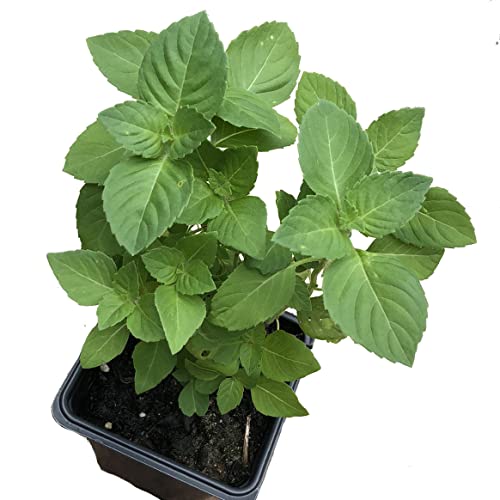
Green Holy Basil Plants Live Indoor, Tulsi Basil Live Plant, 8 to 11 Inc Tall, 4 Inch Pot
Tulsi, or Holy Basil, is celebrated worldwide for its spiritual and medicinal properties.
This sacred plant has a rich history in various cultures, symbolizing purity and protection.
Beyond its practical uses, Tulsi also holds a special place in Feng Shui, where it’s believed to enhance harmony and spiritual growth.
Overview of Tulsi’s Significance in Various Cultures
Tulsi is often called the “Queen of Herbs” and is considered sacred in many traditions.
In India, it’s worshipped as a divine plant, while other cultures recognize it for its healing properties.
Its role as a symbol of purity and health has made Tulsi a cherished part of spiritual and everyday life.
Tulsi’s Role in Feng Shui for Spiritual Growth and Protection
In Feng Shui, Tulsi is more than just a plant, it’s a tool for balancing energy and fostering peace.
Known to ward off negativity, it’s often placed in meditation areas or near entrances.
Tulsi protects the home and nurtures spiritual connections, making it a perfect addition to sacred spaces.
2. How Tulsi Basil Differs from Regular Basil

Tulsi, or Holy Basil, is distinct from the sweet basil commonly used in culinary dishes.
While regular basil is prized for its mild flavor and aroma in cooking, Tulsi is valued for its medicinal, spiritual, and air-purifying properties.
It has a more peppery, clove-like flavor when compared to the sweeter taste of regular basil.
Tulsi is also different in appearance, with smaller leaves that can be green or purple, depending on the variety.
Unlike regular basil, Tulsi is deeply rooted in cultural and spiritual practices, particularly in Indian traditions, where it’s revered as sacred.
Uses of Tulsi Holy Basil

- Medicinal Benefits: Tulsi is a key ingredient in Ayurvedic medicine. It’s used to relieve stress, boost immunity, and improve respiratory health.
- Spiritual Practices: Tulsi is often placed in meditation or prayer spaces to enhance focus and positive energy.
- Tea and Tonics: Its leaves are brewed into herbal teas that are believed to promote relaxation and wellness.
- Air Purification: Tulsi absorbs toxins and releases oxygen, making it a natural air purifier.
- Cooking: While less common than sweet basil, Tulsi can be used to add a bold flavor to soups and curries.
Tulsi’s versatility goes beyond the garden, offering benefits for the body, mind, and home.
This unique combination of practical and spiritual uses sets it apart from regular basil.
3. Growing Tulsi: A Beginner’s Guide

Growing Tulsi, or Holy Basil, is an exciting and simple way to bring health and positivity into your home.
Whether you’re planting it outdoors, in a pot, or indoors, Tulsi adapts well to different environments with proper care.
Let’s explore step-by-step how to cultivate this sacred plant.
How to Grow Holy Basil
Starting with the basics is key to cultivating healthy Tulsi plants. Follow these steps for successful growth:
- Choose the right location: Tulsi thrives in sunny spots with 6-8 hours of sunlight daily.
- Prepare the soil: Use well-draining, nutrient-rich soil with a slightly acidic to neutral pH (6.0-7.5).
- Plant seeds or seedlings: Sow seeds about 1/4 inch deep or transplant seedlings into the soil, spacing them 12 inches apart.
- Water appropriately: Keep the soil consistently moist but avoid overwatering.
With regular care, your Tulsi plant will grow lush and vibrant.
Growing Holy Basil from Seed
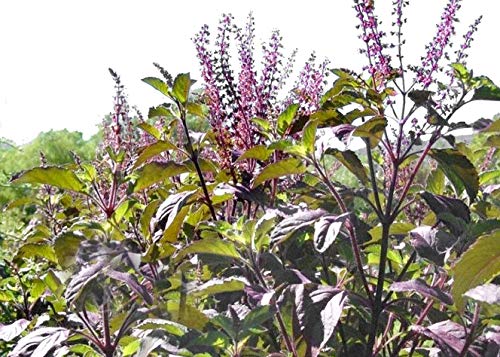
100+ Krishna Tulsi Holy Basil Seeds Red Leaf Indian Sacred Red Leaf Herb Tulasi Thulasi Shayam Heirloom Non-GMO Fragrant Grown in USA
Tulsi seeds are an affordable and satisfying way to start your plant. Here’s how:
- Prepare containers: Fill seed trays or small pots with seed-starting mix.
- Plant seeds: Sprinkle seeds lightly over the surface and cover them with a thin layer of soil.
- Keep moist: Mist the soil daily to maintain moisture without waterlogging.
- Provide warmth and light: Place the tray in a sunny area or under grow lights for 1-2 weeks until germination.
As seedlings appear, thin them out to allow space for healthy growth.
Growing Holy Basil in Pots
Container gardening makes it easy to grow Tulsi, especially if space is limited. Follow these steps:
- Choose the right pot: Use a container with drainage holes to prevent water from pooling.
- Fill with potting mix: Use quality potting soil enriched with compost or organic matter. I recommend a coco coir and perlite mix for its sustainability.
- Plant Tulsi: Sow seeds or place seedlings in the pot, leaving room for roots to spread.
- Position the pot: Place it in a sunny spot where it gets at least 4-6 hours of light daily.
- Water carefully: Check soil moisture and water when the top inch feels dry.
Regular care will result in a healthy, thriving plant.
How to Grow Holy Basil Indoors

TWO Live Rama Tulsi for Friend and You. Holy Basil Plants. Fragrant, Fresh, Edible. Easy Grow. Indoor/Outdoor. (2 Rama Tulsi in Cup)
Indoor gardening lets you enjoy Tulsi year-round, even in cooler climates. Here’s how to grow it successfully:
- Set up a sunny spot: Choose a bright windowsill or invest in grow lights for consistent light.
- Use the right pot: A pot with drainage holes and well-draining soil is essential.
- Maintain warmth: Keep indoor temperatures between 70-95°F and avoid drafts.
- Water wisely: Allow the topsoil to dry slightly before watering again.
- Boost humidity: Use a humidifier or mist the plant occasionally to mimic its natural environment.
Indoor Tulsi looks great and fills your home with fresh, fragrant air.
By following these simple steps, you’ll be well on your way to growing a healthy and vibrant Tulsi plant, no matter where you choose to cultivate it!
Tulsi Holy Basil Plant Care Reference Guide
| Characteristic | Details |
|---|---|
| Common Name | Tulsi, Holy Basil |
| Botanical Name | Ocimum tenuiflorum |
| Native Habitat | Tropical regions of India and Southeast Asia |
| Plant Type | Herbaceous perennial |
| Growth Pattern | Bushy, upright |
| Mature Size | 1–2 feet tall, 1–1.5 feet wide |
| Watering | Moderate; water when the top inch of soil is dry |
| Light/Sun Exposure | Full sun to partial shade |
| Soil Type | Well-drained, nutrient-rich soil |
| Soil pH | 6.0–7.5 |
| Temperature | 70–95°F (21–35°C) |
| Humidity | Moderate to high; prefers humid conditions |
| Bloom Time & Flower Color | Year-round in warm climates; purple to white flowers |
| Potential Problems | Pests (aphids, whiteflies), overwatering, fungal issues |
| Repotting | Repot annually or when roots outgrow the container |
| Hardiness Zones (USDA) | 10–12; grown as an annual in cooler zones |
4. Feng Shui Placement for Tulsi
Placing Tulsi in your home can significantly enhance energy flow and bring a sense of peace and balance to your space.
By following Feng Shui principles, you can ensure that this sacred plant works harmoniously to promote positivity and spiritual protection.
Optimal Locations in the Home for Placing Tulsi Holy Basil
Finding the right spot for Tulsi is essential to maximize its energy benefits. Here are the best locations:
- North or East direction: These directions are associated with positive energy and spiritual growth in Feng Shui.
- Near entrances: Placing Tulsi at the entrance of your home invites blessings and wards off negativity.
- In prayer or meditation spaces: Tulsi enhances the serenity of spiritual areas, promoting focus and tranquility.
- On a windowsill with sunlight: Ensure Tulsi receives bright, indirect sunlight for optimal growth and energy flow.
By thoughtfully positioning Tulsi, you create an environment that encourages harmony and balance.
Aligning Tulsi Basil’s Placement with Feng Shui Principles for Spiritual Protection
Feng Shui emphasizes balance and energy flow, and Tulsi plays a vital role in fostering this harmony. Consider these tips for placement:
- Keep it elevated: Placing Tulsi on a small pedestal or stand shows respect and enhances its protective energy.
- Avoid clutter around the plant: A clear and tidy space allows energy to circulate freely around Tulsi.
- Use natural pots: Earthen pots enhance the grounding energy of the plant, aligning with Feng Shui’s elemental principles.
- Avoid bathrooms or bedrooms: These areas are less suitable for Tulsi, as they can disrupt its positive energy.
By adhering to these Feng Shui guidelines, you can create a sanctuary in your home where Tulsi enhances both physical and spiritual well-being.
5. Symbolism of Tulsi Holy Basil in Feng Shui
Tulsi, or Holy Basil, holds deep cultural and spiritual significance, making it a cherished plant in Feng Shui.
Known for its ability to purify energy and foster harmony, Tulsi is a symbol of balance, prosperity, and spiritual growth.
Incorporating it into your home can enhance both your physical and emotional environment.
Cultural and Spiritual Significance of Tulsi Basil in Feng Shui Practices
In Feng Shui, Tulsi is valued for its sacred energy and connection to the five elements. Here’s why it’s significant:
- A spiritual bridge: Tulsi is believed to connect earthly and divine energies, making it ideal for meditation and prayer spaces.
- Purification of energy: Its presence cleanses negative energy, creating a serene and harmonious atmosphere.
- Cultural reverence: Across India and Southeast Asia, Tulsi is worshipped and considered a protector of households, aligning with Feng Shui’s focus on balance and protection.
By recognizing Tulsi’s cultural and spiritual importance, you can fully appreciate its role in enhancing your living space.
How Tulsi Basil Embodies Purity, Prosperity, and Protection
Tulsi’s qualities go beyond its physical beauty, symbolizing key virtues that resonate with Feng Shui principles:
- Purity: Its air-purifying abilities and sacred status make it a symbol of cleanliness and spiritual renewal.
- Prosperity: Tulsi is often associated with wealth and abundance, promoting a positive energy flow that attracts good fortune.
- Protection: Placing Tulsi in your home is believed to guard against negative influences, creating a safe and nurturing environment.
With its powerful symbolism, Tulsi transforms any space into a haven of peace, positivity, and spiritual connection.
6. Care Requirements for Thriving Tulsi Basil Plants

Caring for Tulsi is simple and rewarding when you understand its needs. This sacred plant flourishes with proper watering, sunlight, and seasonal care.
By tailoring your routine to its preferences, you can enjoy a healthy, vibrant Tulsi plant year-round, whether it’s grown indoors or outdoors.
Watering and Sunlight for Tulsi
Tulsi thrives on balanced care, and getting watering and sunlight right is key to its growth:
- Watering tips:
- Water when the top inch of soil feels dry.
- Avoid overwatering to prevent root rot; ensure pots have proper drainage.
- During hot weather, water more frequently to keep the soil moist.
- Sunlight needs:
- Place Tulsi in an area that receives 4-6 hours of bright, indirect sunlight daily.
- Indoor plants should be positioned near a sunny window or use a grow light for consistent light exposure.
- Avoid placing the plant in harsh afternoon sunlight, which can scorch the leaves.
With these simple adjustments, Tulsi will stay lush and healthy throughout the growing season.
Seasonal Care Guide for Tulsi
As seasons change, so should your care routine to keep Tulsi thriving:
- Spring and summer:
- Increase watering frequency as the temperature rises.
- Fertilize monthly with organic compost or a balanced fertilizer to support active growth.
- Autumn:
- Reduce fertilization as growth slows down.
- Prune regularly to maintain the plant’s shape and encourage new growth.
- Winter:
- If outdoors, bring potted plants inside to protect them from frost.
- Provide warmth and supplemental light indoors to mimic summer conditions.
- Water sparingly, as growth is slower during colder months.
By adapting your care routine to the seasons, you’ll ensure your Tulsi plant continues to flourish no matter the time of year.
7. Propagation Techniques for Tulsi Holy Basil
Propagating Tulsi is an excellent way to expand your collection or share this sacred plant with others.
Whether you’re an experienced gardener or just starting, growing Tulsi from cuttings is simple and highly rewarding.
By following these steps, you can ensure continuous growth and a thriving plant.
How to Grow Holy Basil from Cuttings
Growing Tulsi from cuttings is one of the easiest ways to propagate the plant. Here’s how to do it successfully:
- Select a healthy cutting:
- Choose a 4-6 inch cutting from a mature Tulsi plant.
- Ensure the cutting has at least 3-4 sets of leaves and no flowers.
- Prepare the cutting:
- Remove the leaves from the bottom 2 inches of the stem.
- Dip the cut end in rooting hormone (optional but helpful).
- Plant the cutting:
- Place the cutting in a glass of water or plant it directly in moist, well-draining soil.
- For water propagation, change the water every few days to prevent stagnation.
- Provide care:
- Keep the cutting in a warm location with bright, indirect sunlight.
- If in soil, water lightly to keep the soil damp but not soggy.
Roots should develop within 1-2 weeks, after which the cutting can be transplanted to a larger pot or garden.
Ensuring Successful Propagation for Continuous Growth
For the best results, follow these tips to maintain healthy and thriving Tulsi plants:
- Monitor humidity: Tulsi cuttings thrive in a humid environment. Cover the pot with a plastic bag to create a mini greenhouse effect, leaving a small opening for air circulation.
- Avoid overcrowding: Space cuttings apart to ensure they receive adequate air circulation and light.
- Use fresh soil: If planting in soil, choose a fresh, nutrient-rich potting mix to encourage strong root development.
- Prune regularly: Once established, prune the plant to promote bushier growth and to prevent legginess.
With consistent care, propagating Tulsi from cuttings is a straightforward and fulfilling process, ensuring a steady supply of this sacred herb.
Growing Tulsi Holy Basil from Seeds

Starting Tulsi from seeds is an affordable and satisfying way to cultivate this sacred plant.
With patience and care, you can watch your seeds sprout and grow into vibrant, healthy plants. Here’s how to grow Tulsi from seeds successfully:
Steps for Growing Holy Basil from Seeds
- Choose quality seeds:
- Purchase Holy Basil seeds from a trusted source to ensure healthy germination.
- Look for fresh seeds with high viability rates.
- Prepare containers or seed trays:
- Use seed trays, small pots, or any container with good drainage.
- Fill them with a seed-starting mix, which is light and nutrient-rich.
- Sow the seeds:
- Sprinkle seeds thinly over the surface of the soil.
- Lightly press them into the soil but do not bury them deeply; they need light to germinate.
- Water gently:
- Mist the soil with water to keep it evenly moist.
- Avoid heavy watering that can displace seeds or cause waterlogging.
- Provide light and warmth:
- Place the trays in a sunny location or under grow lights.
- Maintain a temperature between 70-85°F for optimal germination.
- Wait for germination:
- Seeds typically germinate in 1-2 weeks.
- Keep the soil moist during this time and ensure the area is warm.
Caring for Seedlings
Once the seeds sprout, care for the young plants to help them thrive:
- Thin the seedlings: Remove weaker seedlings to give stronger ones more room to grow.
- Gradually increase light: Expose the seedlings to more sunlight as they grow.
- Transplant carefully: When seedlings are 2-3 inches tall and have a few sets of true leaves, transplant them into larger pots or directly into your garden.
Growing Tulsi from seeds requires a little patience, but it’s a rewarding experience.
You’ll get to witness every stage of the plant’s growth and enjoy the satisfaction of nurturing it from the very beginning.
8. Troubleshooting Common Tulsi Basil Growth Issues
Tulsi is a hardy plant, but like any green companion, it can face a few challenges. Pests, diseases, and slow growth are common issues that can affect its health.
Identifying these problems early and taking preventive measures will keep your Tulsi thriving.
Identifying and Addressing Problems
Here’s how to recognize and tackle common issues with Tulsi:
-
Pests:
- Aphids: Small green or black insects on leaves. Wash them off with water or apply neem oil.
- Whiteflies: Tiny white insects flying around the plant. Use yellow sticky traps or organic sprays.
- Spider mites: Fine webbing on leaves. Spray the plant with a mixture of water and mild soap.
-
Diseases:
- Fungal infections: Yellowing leaves or spots may indicate fungal issues. Remove affected leaves and improve air circulation.
- Root rot: Caused by overwatering or poor drainage. Replant in fresh soil and ensure proper drainage.
-
Slow Growth:
- Nutrient deficiencies: Pale or stunted plants may need organic fertilizer or compost.
- Insufficient sunlight: Tulsi needs 4-6 hours of bright light daily. Relocate it to a sunnier spot if needed.
Preventative Measures to Maintain Plant Health
Preventing problems is always better than curing them. Here are some simple ways to keep your Tulsi healthy:
- Water wisely: Overwatering is a common mistake. Check soil moisture before watering.
- Ensure proper drainage: Use pots with drainage holes and well-draining soil to avoid waterlogged roots.
- Fertilize regularly: Use organic compost or a balanced fertilizer every 4-6 weeks to keep the plant nourished.
- Monitor for pests: Regularly inspect your plant for signs of infestation and act quickly if pests are spotted.
- Provide good air circulation: Avoid overcrowding Tulsi with other plants to reduce humidity and prevent fungal issues.
- Prune regularly: Trim dead or yellowing leaves to encourage healthy new growth and improve air circulation.
With these strategies, you can easily address and prevent common problems, ensuring your Tulsi remains a strong, vibrant addition to your home or garden.
9. Integrating Tulsi Holy Basil into Meditation and Prayer Spaces
Tulsi, often called the “Queen of Herbs,” holds a special place in spiritual practices.
Its calming presence and sacred energy make it an ideal addition to meditation and prayer spaces.
Incorporating Tulsi into these areas can enhance focus, promote peace, and deepen spiritual connections.
Enhancing Spiritual Environments with Holy Basil’s Presence
Adding Tulsi to meditation and prayer spaces can transform the energy of the environment. Here’s how Tulsi contributes to a serene atmosphere:
- Purifies the air: Tulsi absorbs toxins and releases oxygen, creating a cleaner and more refreshing space.
- Promotes calmness: Its subtle, aromatic presence soothes the senses and fosters a sense of tranquility.
- Symbol of devotion: Revered in many cultures, Tulsi serves as a reminder of spiritual discipline and connection.
- Balances energy: According to Feng Shui principles, Tulsi harmonizes the energy in a room, promoting a peaceful flow.
Placing Tulsi in a meditation or prayer area invites serenity and balance into your spiritual practices.
Benefits of Tulsi in Meditation and Prayer Practices
Integrating Tulsi into your daily spiritual routine offers both practical and symbolic benefits:
- Enhances focus: Tulsi’s calming properties help reduce distractions, making it easier to concentrate during meditation.
- Symbol of protection: Known for its spiritual significance, Tulsi is believed to shield against negative energies.
- Encourages mindfulness: Caring for Tulsi fosters mindfulness, aligning your actions with your spiritual intentions.
- Supports holistic well-being: Its presence nurtures mental clarity and emotional balance, essential for meaningful prayer and meditation.
By placing Tulsi in your sacred spaces, you create an environment that supports your spiritual journey and also uplifts your overall well-being.
10. Tulsi Basil as a Natural Air Purifier
Tulsi isn’t just a sacred plant; it’s also a practical one. This “Queen of Herbs” improves indoor air quality, making your home healthier and more pleasant.
Its natural ability to purify the air while enhancing energy flow is a fantastic reason to include Tulsi in your living spaces.
Improving Indoor Air Quality and Energy Flow with Tulsi Basil
Tulsi actively cleans the air and promotes better energy circulation in your home. Here’s how it works:
- Absorbs harmful toxins: Tulsi filters out pollutants like carbon dioxide, carbon monoxide, and formaldehyde.
- Releases oxygen: Unlike most plants, Tulsi produces oxygen even at night, improving air quality around the clock.
- Balances energy: According to Feng Shui, Tulsi contributes to a harmonious flow of positive energy in your home.
- Natural fragrance: Its subtle, refreshing scent eliminates stale odors, making your space feel more inviting.
By keeping Tulsi indoors, you create a cleaner, more balanced environment for both your mind and body.
Scientific Insights into Tulsi’s Purifying Properties
Tulsi’s air-purifying capabilities aren’t just anecdotal—they’re backed by science.
- Antibacterial and antiviral properties: Tulsi releases compounds like eugenol, which can reduce airborne bacteria and viruses.
- Absorbs VOCs: Tulsi is effective in absorbing volatile organic compounds (VOCs), commonly found in household products.
- Humidifies the air: Tulsi’s transpiration adds moisture to dry indoor environments, improving air comfort levels.
With its proven benefits, Tulsi goes beyond being a beautiful plant. It actively contributes to a healthier and more harmonious living space, making it a must-have for every home.
11. Incorporating Tulsi Holy Basil into the Five Elements of Feng Shui
Tulsi holds a unique place in Feng Shui as a plant that naturally aligns with the Five Elements: Wood, Fire, Earth, Metal, and Water.
Strategically incorporating Tulsi into your home can enhance balance and harmony while promoting positive energy flow.
Aligning Tulsi with Feng Shui’s Five Elements for Balance and Harmony
Tulsi embodies qualities that resonate with each of the Five Elements, making it a versatile addition to Feng Shui practices:
- Wood: Tulsi’s vibrant growth symbolizes vitality and expansion, representing the Wood element.
- Fire: Its purifying properties and connection to the Sun align with the transformative energy of Fire.
- Earth: Planted in natural soil, Tulsi anchors your space, embodying the grounding qualities of Earth.
- Metal: The plant’s subtle fragrance and energy-clearing properties align with the precision of Metal.
- Water: The care it requires, particularly in watering, symbolizes the flow and adaptability of Water.
By understanding how Tulsi connects to these elements, you can use it to harmonize your home’s energy.
Practical Tips for Integrating Tulsi into Elemental Feng Shui Practices
Here are actionable ways to incorporate Tulsi into your Feng Shui design:
- Place it in the East or Southeast: These directions represent the Wood element, ideal for growth and prosperity.
- Use earthen pots: Combine Tulsi with the Earth element by planting it in a natural clay pot.
- Pair with Fire elements: Position it near warm colors or candles to emphasize its connection to purification and transformation.
- Enhance Metal energy: Surround Tulsi with light-colored stones or metallic decor to harmonize its energy.
- Combine with water features: Place Tulsi near a small fountain or water bowl to symbolize balance and nurturing.
With these tips, you can seamlessly integrate Tulsi into your Feng Shui design, leveraging its natural qualities to enhance harmony and energy in your home.
FAQs
Curious about Growing Tulsi Holy Basil? Here are some common questions to help you care for this sacred plant while making the most of its Feng Shui benefits.
Q. What’s the best location for Tulsi Holy Basil, according to Feng Shui?
A. Place Tulsi in the north or east direction of your home to enhance spiritual growth and balance energy flow. A sunny spot near a window works best.
Q. How much sunlight does Tulsi Basil need?
A. Tulsi thrives in bright, indirect sunlight for at least 4-6 hours daily. If growing indoors, ensure it’s near a well-lit area or use grow lights.
Q. Can I grow Tulsi Basil indoors in pots?
A. Yes! Tulsi adapts well to pots. Use a container with good drainage and nutrient-rich soil, and keep it in a location that gets plenty of light.
Q. How often should I water Tulsi Holy Basil?
A. Water Tulsi when the top inch of soil feels dry. Avoid overwatering, as Tulsi prefers slightly moist soil but not soggy conditions.
Q. Does Tulsi purify indoor air?
A. Yes, Tulsi is known for its air-purifying properties. It absorbs toxins and releases oxygen, creating a healthier indoor environment.
Q. Can Tulsi Basil be used in meditation spaces?
A. Absolutely! Tulsi is perfect for meditation or prayer spaces, as it promotes tranquility and enhances the energy of sacred areas.
Q. How do I grow Tulsi Holy Basil from cuttings?
A. Take a 4-6 inch cutting from a healthy plant, remove lower leaves, and place it in water or soil. Keep it moist, and roots should develop in 2-3 weeks.
Q. What should I do if Tulsi leaves turn yellow?
A. Yellowing leaves could mean overwatering, poor drainage, or a lack of nutrients. Adjust watering and consider fertilizing with organic compost.
Q. Can I grow Tulsi Holy Basil year-round?
A. Tulsi can be grown year-round indoors as long as it receives adequate light and warmth. Adjust care during colder months to prevent stress.
Q. What are the benefits of Tulsi for feng shui?
A. Tulsi promotes positive energy, purifies air, and enhances spiritual practices, making it a valuable addition to homes seeking harmony and balance.
This FAQ section provides clarity and encouragement to those growing Tulsi while enhancing its spiritual and practical benefits!
Conclusion
Tulsi, or Holy Basil, is a remarkable plant that offers a combination of practical benefits and spiritual significance.
Whether you’re looking to improve your home’s atmosphere, support your health, or enhance your spiritual practices, Tulsi provides valuable advantages.
It’s easy to grow, simple to care for, and deeply rewarding.
The Benefits of Growing Tulsi: Cultivation and Feng Shui Advantages
Tulsi offers numerous advantages that make it a powerful addition to any home:
- Easy to Grow: Thrives from seeds or cuttings, is adaptable to various environments, and requires minimal care.
- Spiritual and Feng Shui Benefits:
- Enhances energy flow and harmony in your home.
- Acts as a spiritual protector, purifying energy and promoting peace.
- Aligns with the Five Elements of Feng Shui for balance and tranquility.
- Health Benefits: Tulsi has medicinal properties, including stress relief and immunity support, and can be used in teas and tonics.
Incorporating Tulsi into Daily Life: Simple Steps for Spiritual and Environmental Benefits
To make the most of Tulsi’s benefits, here are some ways to integrate it into your daily routine:
- Place Tulsi in a sunny spot or east-facing direction for optimal Feng Shui and growth.
- Use Tulsi leaves for homemade teas or health remedies.
- Include Tulsi in your meditation or prayer space to enhance spiritual focus.
- Care for Tulsi with intention, turning plant care into a mindful practice.
- Take advantage of Tulsi’s air-purifying properties to improve the indoor environment.
Key Takeaways
- Tulsi is easy to grow: It’s perfect for beginners and requires little care while offering big rewards.
- Tulsi promotes peace and protection: It’s an excellent addition to meditation and prayer spaces, enhancing spiritual energy.
- Tulsi enhances your environment: It purifies the air and promotes healthy indoor spaces.
- Tulsi has health benefits: Use its leaves for wellness, such as in teas or traditional remedies.
Final Thoughts
Incorporating Tulsi into your home can bring balance, health, and harmony. Whether you are growing it for its beauty, spiritual significance, or its practical uses, Tulsi is a powerful plant to nurture and enjoy.
✨ Indoor Plants and Feng Shui
Enhance harmony, balance, and positive energy in your home with these Feng Shui indoor plant guides.
- 🌱 Feng Shui Plants (Pillar Guide)
- 🏡 Indoor Plants and Feng Shui
- 🌿 Feng Shui Vertical Gardens for Office Spaces
- 🌸 Best 24 Feng Shui Indoor Plants
- 💧 Growing Feng Shui Plants
- 🌳 Common Chinese House Plants for Feng Shui
- 🪴 Feng Shui Hanging Plants
- 🛏️ Feng Shui Bedroom Plants
- 🍃 ZZ Plant Feng Shui
- 🌱 Using Feng Shui in Vertical Gardens
- 🎋 Growing Lucky Bamboo in Feng Shui
- 🏠 Indoor Plants for Feng Shui
- ☯️ Indoor Plants for Positive Energy
- 🌼 Chinese Evergreen Care
- 🌺 Growing Peonies Indoors and Outdoors
- See all articles in our Indoor Plants and Feng Shui category
Related Content

Visit my Amazon Influencer Page for videos and gardening products Grow Your Own Garden