
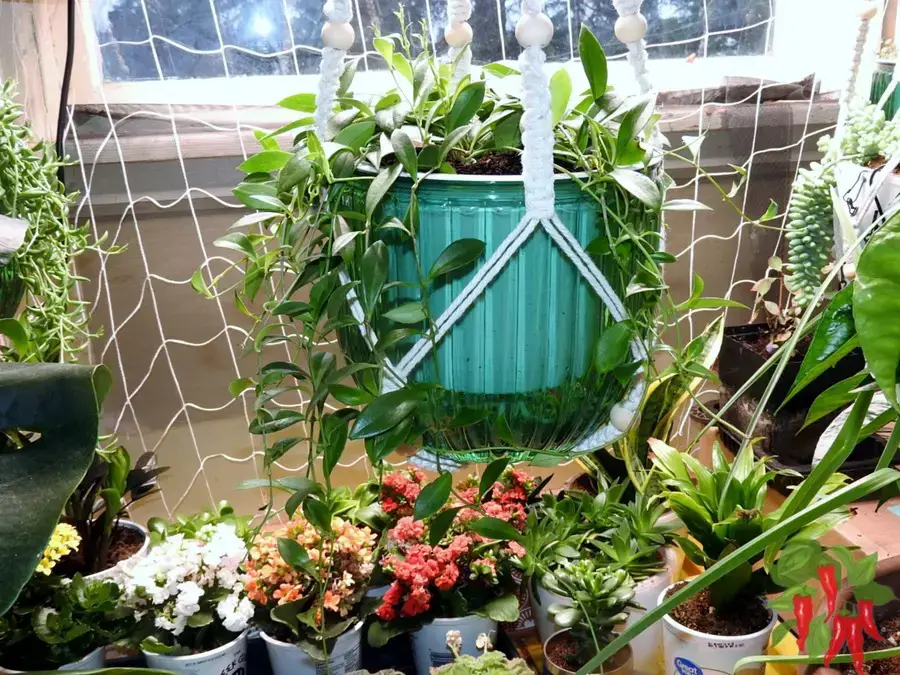
Hanging planters are one of the best ways to decorate with indoor plants without taking up floor or shelf space. They allow you to add greenery higher up in a room, which helps create layers and makes a space feel fuller and more interesting. Hanging plants are especially useful in small apartments, near windows, and in rooms where floor space is limited.
Many indoor plants naturally trail or cascade, which makes them perfect for hanging planters. Instead of growing upward like floor plants, hanging plants grow downward, adding movement and softness to a room. This makes hanging planters very popular for living rooms, bedrooms, kitchens, and home offices.
In this guide, we’ll look at hanging planters for indoor plants, where to hang them, how to choose the right planter style, and the best plants for hanging planters indoors.
For more planter and container ideas, visit our Pots & Planters category here: Pots & Planters.
What You’ll Learn
- Why hanging planters work well indoors
- Best places to hang indoor plants
- Best plants for hanging planters
- How to choose hanging planter styles
- How hanging plants help decorate small spaces
- Hanging planter ideas for different rooms
🪴Find The Best Pots and Planters For Indoor Plants On Amazon
🌿 Why Hanging Planters Work So Well Indoors
Hanging planters are useful because they use vertical space instead of floor space. In many homes, especially apartments, floor space is limited, but wall and ceiling space is often unused. Hanging plants allow you to decorate those areas and bring greenery into the room without adding more furniture or clutter.
They also help create layers in a room. When plants are placed on the floor, on shelves, and hanging from above, the room feels more balanced and more designed. Plants at different heights make a space feel fuller and more natural.
Another advantage is that hanging plants can often get better light, especially when they are placed near windows. Many trailing plants grow very well when they are elevated and have space for their vines to hang down.
🏡 Best Places to Hang Indoor Planters
One of the most common places to hang indoor planters is near windows. This allows plants to get more light while also creating a nice decorative feature. Hanging plants in front of windows can soften the look of the window and make the room feel more natural.
Hanging planters also work well in corners where floor plants might not fit. A plant hanging in a corner can fill empty space without taking up room on the floor. This is especially helpful in small living rooms and bedrooms.
Other good locations include above side tables, in kitchens near windows, in bathrooms with good lighting, and in home offices where plants can hang near shelves or desks. Hanging planters can also be used along walls to create a vertical plant display.
🌱 Best Plants for Hanging Planters
Some indoor plants are perfect for hanging planters because they trail or cascade as they grow. Pothos is one of the most popular hanging plants because it grows quickly and is easy to care for. Heartleaf philodendron is another common hanging plant that looks good in many rooms.
Spider plants are also popular for hanging planters because their leaves arch outward and they produce small baby plants that hang down. String of pearls, string of hearts, and other trailing succulents are often used in bright rooms and near windows.
Ferns can also work well in hanging planters, especially in bathrooms or rooms with higher humidity. Choosing plants that naturally trail usually works better than trying to grow upright plants in hanging containers.
🛋️ Hanging Planters in Living Rooms
Living rooms are one of the best places to use hanging planters because they help fill empty space above furniture and in corners. Many living rooms have open wall space or areas near windows where a hanging plant can add greenery without taking up floor space.
A hanging plant near a window in a living room can become a focal point, especially if the plant trails downward. Hanging plants also look good in corners near sofas, beside bookshelves, or above side tables. They help soften the room and add texture without adding more furniture.
If a living room feels flat or too horizontal because of sofas, tables, and shelves, hanging plants can add vertical interest and make the space feel more balanced.
🛏️ Hanging Planters in Bedrooms
Hanging planters work well in bedrooms because they make the room feel calm and relaxed while keeping surfaces like nightstands and dressers clear. A hanging plant near a window or in a corner can add greenery without making the room feel crowded.
Some people hang plants near windows, while others hang them near shelves or reading chairs. Smaller trailing plants often work best in bedrooms because very large hanging plants can sometimes feel too heavy visually in smaller rooms.
Hanging plants in bedrooms also help create a layered look when combined with floor plants and shelf plants.
🍽️ Hanging Planters in Kitchens
Kitchens are another great place for hanging planters, especially near windows. Hanging herbs are very popular in kitchens, but trailing houseplants can also work well. Hanging plants can be placed near windows, above counters, or near open shelving.
Because counter space is often limited in kitchens, hanging planters allow you to add plants without losing workspace. This makes them very useful in apartments and small homes.
Trailing plants like pothos, philodendron, and string plants often work very well in kitchen hanging planters.
🎨 Choosing Hanging Planter Styles
Hanging planters come in many styles, including ceramic hanging pots, macrame hangers, metal hanging planters, and plastic hanging pots. The style you choose should match the room decor and the type of plant you are growing.
Macrame hanging planters are very popular because they create a soft and natural look. Ceramic hanging planters often look more modern and clean. Metal hanging planters can look modern or industrial depending on the design.
In many homes, neutral colored hanging planters work best because they allow the plant to be the main focus. White, black, beige, and natural woven styles are very common.
📐 Hanging Planter Height and Placement
When hanging indoor planters, height is important. The plant should be low enough to see and enjoy but high enough that it does not get in the way. Many hanging plants look best when the bottom of the planter is around eye level or slightly above furniture height.
Plants that trail downward should have enough space for vines or leaves to hang freely. Hanging plants too close to shelves or walls can prevent them from growing properly and may make them look crowded.
It also helps to hang plants where they will still get good light, especially near windows. Most hanging plants need bright indirect light to grow well indoors.
🌿 Hanging Planters for Small Spaces
Hanging planters are especially useful in small spaces because they allow you to add plants without using floor space or shelf space. In apartments and small rooms, space is often limited, so hanging plants can help bring greenery into the room without making the space feel crowded.
Hanging plants can be placed near windows, in corners, above desks, or along walls to create a vertical plant display. When combined with floor plants and shelf plants, hanging plants help create layers of greenery at different heights, which makes a room feel fuller and more decorated.
Even one or two hanging plants can make a noticeable difference in a small room, especially when they are placed near natural light.
🪴 Mixing Hanging Planters With Floor and Shelf Plants
One of the best ways to decorate with indoor plants is to use plants at different heights. Floor plants add height from the bottom of the room, shelf plants fill the middle areas, and hanging plants fill the upper space. This layered look often makes rooms feel more balanced and more natural.
For example, a living room might have a floor plant in the corner, a few small plants on shelves, and one hanging plant near a window. This creates a layered plant display without needing a large number of plants.
Using different planter types together, such as floor planters, small shelf planters, and hanging planters, usually creates a more complete indoor plant decor setup.
📏 Hanging Planter Size and Weight
When choosing hanging planters, it is important to think about size and weight. Hanging planters should not be too heavy, especially if they are hanging from ceiling hooks. Lightweight planters are usually easier and safer to hang indoors.
Smaller and medium-sized plants usually work best for hanging planters. Very large plants can become too heavy and difficult to hang safely. Trailing plants are usually the best choice because they grow downward and look natural when hanging.
It is also important to make sure hanging planters are secured properly so they can safely hold the weight of the plant and soil.
🌱 Final Thoughts
Hanging planters for indoor plants are one of the best ways to decorate with plants without taking up floor space. They allow you to use vertical space, add layers of greenery, and make rooms feel more natural and more decorated.
Hanging plants work well in living rooms, bedrooms, kitchens, bathrooms, and offices, especially near windows and in corners. When combined with floor plants and shelf plants, hanging plants help create a balanced indoor plant setup throughout the home.
Decorative Indoor Planter Ideas (Stylish Pots & Planters for Indoor Plants)
For more planter and container ideas, visit our Pots & Planters category here: Pots & Planters.
FAQ About Hanging Planters for Indoor Plants
What plants are best for hanging planters indoors?
Some of the best plants for hanging planters include pothos, heartleaf philodendron, spider plant, string of pearls, string of hearts, and ferns.
Where should I hang indoor plants?
Indoor plants are often hung near windows, in corners, above side tables, in kitchens, bathrooms, and home offices where they can get good light and fill empty space.
Are hanging planters good for small spaces?
Yes, hanging planters are very good for small spaces because they use vertical space and do not take up floor or shelf space.
How high should hanging plants be indoors?
Most hanging plants look best when the bottom of the planter is around eye level or slightly above furniture height so the plant can still be seen easily.
➡️ Next Post
Next: Planters for Small Spaces
Related Content
Visit my Amazon Influencer Page for videos and gardening products Grow Your Own Garden