

How To Grow Peperomia is a great question for anyone looking for an attractive, low-maintenance houseplant. With their compact size, unique leaf textures, and wide variety of colors and patterns, Peperomia plants are perfect for desks, shelves, windowsills, and small indoor spaces.
Native to tropical and subtropical regions, Peperomias have adapted well to indoor growing conditions. Their thick leaves help store moisture, making them more forgiving than many houseplants when occasional watering is missed.
This guide explains How To Grow Peperomia successfully, including lighting, watering, soil selection, fertilizing, propagation, and troubleshooting tips to keep your plants healthy and thriving.
What You’ll Learn
- How to grow healthy Peperomia plants indoors
- The best light, water, and soil conditions for success
- Popular Peperomia varieties and their unique features
- How to propagate new plants from leaves and stems
- Common Peperomia problems and how to solve them
Peperomia Plant Care Reference Guide:
| Characteristic | Details |
|---|---|
| Common Name | Peperomia, Radiator Plant |
| Botanical Name | Peperomia spp. |
| Native Habitat | Tropical and subtropical regions of Central and South America |
| Plant Type | Herbaceous perennial |
| Growth Pattern | Compact, bushy, or trailing, depending on the species |
| Mature Size | 6–12 inches tall and wide, varies by species |
| Watering | Allow soil to dry out between waterings; prefers evenly moist soil |
| Light/Sun Exposure | Bright, indirect light; tolerates low light but growth may slow |
| Soil Type | Well-draining potting mix, such as a mix for succulents or houseplants |
| Soil pH | Neutral to slightly acidic (6.0–7.0) |
| Temperature | 65–80°F (18–27°C); avoid drafts and extreme cold |
| Humidity | Moderate to high; thrives in 40–50% humidity or higher |
| Bloom Time & Flower Color | Sporadic; inconspicuous flowers, typically green or white |
| Potential Problems | Overwatering, root rot, pests like spider mites or mealybugs |
| Repotting | Every 2–3 years or when roots outgrow the pot |
| Hardiness Zones (USDA) | Zones 10–12 (typically grown as a houseplant outside these zones) |
Peperomia Varieties
Let’s explore some popular Peperomia varieties you might want to consider:
1. Peperomia caperata ‘Schumi Red’ (Common name: Emerald Ripple Peperomia)

Harmony Foliage Peperomia Schumi Red 4 inch Bright Red Ripple Pep Caperata
This variety features deep red stems and undersides of leaves, contrasting beautifully with dark green, rippled foliage.
2. Peperomia ‘Hope’ (Common name: Trailing Peperomia)

Peperomia Hope Plant, Peperomia tetraphylla, Live Indoor Plant, 4 inch Pot – Hopewind Plants Shop
A cascading variety with small, round leaves, perfect for hanging baskets or as a trailing plant on shelves.
3. Peperomia tetragona (Common name: Watermelon Stilt Peperomia)

Known for its unique, angular stems and small, fleshy leaves that grow upright.
4. Peperomia ‘Rosso’ (Common name: Peperomia Rosso)

Peperomia Rosso – 4” from California Tropicals
Features striking red undersides on its leaves, which are green on top with a slight silvery sheen.
5. Peperomia obtusifolia (Common name: Baby Rubber Plant)
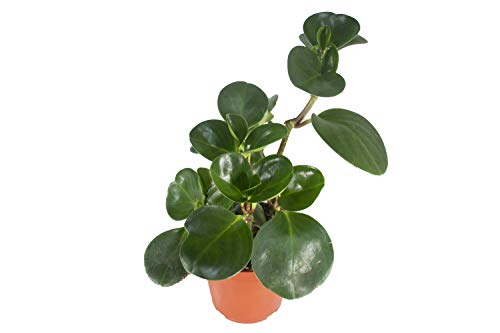
Has thick, rounded leaves and comes in various colors, including green, variegated, and burgundy varieties.
6. Peperomia argyreia (Common name: Watermelon Peperomia)

BubbleBlooms Watermelon Peperomia argyreia Water Melon Pep in a 4 inch Pot
Named for its distinctive leaf pattern resembling watermelon rind, with silver stripes on green leaves.
How To Grow Peperomia – Care Tips
Peperomia plants are a delightful addition to any indoor garden, known for their compact size, low-maintenance care, and striking variety of leaf shapes and colors.
Native to tropical regions, these adaptable plants thrive in a range of indoor conditions, making them a favorite for beginner and seasoned plant enthusiasts alike.
Whether you’re drawn to their glossy green leaves, rippled textures, or trailing vines, growing Peperomia is an enjoyable way to bring a touch of the tropics into your home.
Let’s dive into everything you need to know to keep these beauties thriving!
Light Requirements
Peperomias thrive in bright, indirect light. While they can tolerate lower light conditions, they grow best when placed near a window with filtered sunlight.
Avoid exposing them to direct sunlight, as this can scorch their leaves.
If you notice your plant becoming leggy or losing its vibrant color, it might need more light.
Soil and Watering
These plants prefer well-draining soil to prevent root rot.
A 75% coco coir and 25% perlite mix offers a more sustainable alternative.
When it comes to watering, Peperomias have succulent-like qualities and can store water in their leaves and stems.
Allow the top inch of soil to dry out between waterings. Overwatering is a common issue, so err on the side of underwatering rather than overwatering.
Temperature and Humidity
Peperomias are comfortable in average room temperatures between 65-75°F (18-24°C).
They can tolerate slightly cooler temperatures but should be kept away from cold drafts.
While they appreciate humidity, most Peperomia varieties are adaptable to average household humidity levels.
If you live in a particularly dry climate, you can increase humidity by placing a pebble tray filled with water near the plant or using a room humidifier.
Ongoing Maintenance
Peperomias are generally low-maintenance plants, but a little care goes a long way:
1. Pruning: Trim any leggy growth to maintain the plant’s shape and encourage bushier growth.
2. Fertilizing: Feed your Peperomia with a balanced, water-soluble fertilizer diluted to half-strength every 4-6 weeks during the growing season (spring and summer).
3. Repotting: These slow-growing plants don’t need frequent repotting. Repot every 2-3 years or when the plant outgrows its current container.
4. Pest control: While generally pest-resistant, keep an eye out for common houseplant pests like mealybugs or spider mites. Treat any infestations promptly with neem oil or insecticidal soap.
How To Grow Peperomia Conclusion
Growing Peperomia plants can be a rewarding experience for both novice and experienced plant enthusiasts.
With their diverse appearances, air-purifying qualities, and relatively easy care requirements, these plants make excellent additions to any indoor garden.
Remember to pay attention to their light, water, and soil needs, and you’ll be rewarded with healthy, vibrant Peperomias that bring life and color to your space.
Peperomia plants, native to tropical and subtropical regions, are prized for their ornamental leaves and adaptability to indoor environments. Peperomia – Wikipedia
Happy growing!
🌤️ Best Indirect Sunlight Plants
Looking for houseplants that thrive without direct sun? Explore these guides on the best plants and care tips for low to medium light spaces!
- 🌿 Best Indirect Sunlight Plants (Pillar Guide)
- 🌱 Dracaena Golden Heart Care
- 🍃 Begonia Maculata Care
- 🌸 How to Grow Hoya Krimson Queen
- 🪴 Caring for Shade-Loving Plants
- 🔍 How to Identify Plants that Thrive in Indirect Sunlight
- 🐍 Rattlesnake Plant Care
- 🌿 How to Care for Monstera
- 💛 How to Care for Golden Pothos
- 🎨 How to Care for Calathea
- 🌱 How to Care for Dieffenbachia
- ✌️ How to Care for Peace Lily
- 🖤 How to Care for ZZ Plant
- 🪟 Container Gardening for Limited Light
- 💡 Decorating Dim Corners & North-Facing Spaces
- 🌼 How to Grow Peperomia
- See all articles in our Indirect Sunlight Plants category
Related Content

Visit my Amazon Influencer Page for videos and gardening products Grow Your Own Garden