

Indoor Citrus Trees bring fragrant blossoms, glossy evergreen foliage, and the possibility of homegrown fruit into your living space. Popular varieties such as Meyer lemon, calamondin orange, key lime, and limequat can adapt surprisingly well to indoor growing when provided with the right conditions.
Growing Indoor Citrus Trees requires plenty of light, consistent care, and a little patience, but the reward is a beautiful ornamental plant that can produce flowers and fruit indoors. These trees make attractive additions to sunny rooms, enclosed porches, and indoor garden spaces.
This guide covers the essentials of growing Indoor Citrus Trees, including lighting, watering, fertilizing, pollination, troubleshooting, and simple Feng Shui placement considerations.
What You’ll Learn
- The best citrus varieties for growing indoors
- How much light indoor citrus trees need to produce flowers and fruit
- Proper watering, fertilizing, and humidity requirements
- How to pollinate indoor citrus trees when necessary
- Common citrus problems and how to prevent them
1. Indoor Citrus Trees: A Perfect Addition
Indoor Citrus Trees bring a unique combination of beauty, fresh fruit, and vibrant energy to your home.
When cared for properly, these plants thrive indoors, enhancing your space with their lush greenery and uplifting presence.
They’re powerful tools for enhancing the energy in your home. Feng Shui principles highlight how their lush greenery and vibrant fruits can create a sense of balance and harmony.
By adding one to your space, you’re inviting nature indoors and creating a symbol of abundance and prosperity.
This guide will walk you through everything you need to know about growing, maintaining, and enjoying the benefits of these wonderful trees, including their Feng Shui significance.
Feng Shui Appeal
Citrus Trees are highly regarded in Feng Shui for their ability to attract wealth and health.
Their circular fruits and upward growth symbolize completeness and progress, making them a perfect addition to areas where you want to improve energy flow.
Aesthetic Balance
Placing a Citrus Tree in your home brings symmetry and natural beauty. Whether in the corner of a living room or near a sunny window, their vibrant presence can help harmonize your space while uplifting your mood.
Aesthetic and Practical Benefits
Citrus Trees are more than just houseplants—they’re multi-functional beauties that elevate any indoor space.
- Eye-Catching Foliage: Their lush green leaves add vibrancy and a natural touch to your home decor.
- Fragrant Blossoms: The sweet scent of citrus blooms can freshen up any room.
- Fresh Fruit at Your Fingertips: Imagine plucking a lemon, lime, or orange straight from your indoor tree for your morning tea or a refreshing snack.
Compact Varieties: Perfect for Small Spaces
For apartment dwellers or those with limited space, indoor Citrus Trees are the ideal solution.
- Miniature Options: Varieties like Meyer lemon and Calamondin Orange are compact enough to thrive in small pots.
- Flexible Placement: They grow well in living rooms, kitchens, or even sunny corners, making them versatile for any setup.
Indoor Citrus Trees aren’t just plants. They’re conversation pieces, air fresheners, and fruit providers all in one. Ready to dive deeper into their care?🌿
2. Indoor Citrus Tree Care Essentials
Healthy Citrus Trees mean healthier energy flow in your home. Proper care ensures the tree thrives, reflecting prosperity and vitality in your living space. Let’s dive into the essentials.
Light and Placement
In Feng Shui, light represents Yang energy—vital for promoting positive Chi.
- Positioning for Energy Flow: Place the tree where it gets bright, indirect light, such as near a south-facing window. This ensures the tree and the surrounding space remain energized.
- Grow Light Benefits: For dim spaces, use grow lights to maintain the vitality of the plant and the energy it contributes.
Humidity and Energy
Dry air can weaken your Citrus Tree and stagnate its symbolic vitality.
- Feng Shui Connection: A humidifier or misting supports the tree and also refreshes the energy in your room, creating a livelier atmosphere.
Keeping your indoor Citrus Trees healthy doesn’t have to be complicated. By understanding their basic needs, you can create the perfect environment for these vibrant trees to thrive.
Let’s explore the key elements of indoor citrus tree care, from lighting to humidity.
Light Requirements: Bright and Indirect
Light is crucial for healthy Citrus Trees. Without enough light they may struggle to produce fruit or maintain their vibrant foliage.
- Natural Light: Place your tree near a south- or west-facing window where it can get bright, indirect sunlight for at least 6–8 hours daily.
- Grow Lights for Indoor Citrus Trees: If your home doesn’t get enough natural light, invest in a full-spectrum LED grow light to provide the energy they need. Position the light 12–18 inches above the tree for best results.
Watering Schedule: Don’t Overdo It
Citrus Trees like their soil to be consistently moist but not soggy. Proper watering is essential to prevent issues like root rot or wilting.
- Deep Watering: Water until it drains out of the pot’s bottom, ensuring the roots are thoroughly hydrated.
- Dry Soil Rule: Let the top inch of soil dry out before watering again. This prevents overwatering, which is a common issue for indoor citrus trees.
Humidity Needs: Mimic the Tropics
Citrus Trees thrive in higher humidity levels, similar to their native environments. Dry indoor air especially in winter, can cause problems like leaf drop or browning edges.
- Boosting Humidity: Use a humidifier near your tree or place it on a tray of water with pebbles.
- Misting: Lightly mist the leaves a few times a week to keep them hydrated and healthy.
By meeting these light, water, and humidity needs, your indoor Citrus Tree will grow strong, lush, and fruitful.🌿
Citrus Tree Plant Care Reference Guide
| Characteristic | Details |
|---|---|
| Common Name | Citrus Tree |
| Botanical Name | Citrus spp. |
| Native Habitat | Tropical and subtropical regions of Asia |
| Plant Type | Evergreen fruit tree |
| Growth Pattern | Compact, bushy growth indoors |
| Mature Size | 4–6 feet indoors, up to 20 feet outdoors |
| Watering | Water deeply when the top inch of soil is dry |
| Light/Sun Exposure | Bright, indirect sunlight or grow lights |
| Soil Type | Well-draining soil with organic matter |
| Soil pH | Slightly acidic (6.0–7.0) |
| Temperature | 65°F to 75°F (18°C to 24°C) |
| Humidity | Moderate to high humidity (40–60%) |
| Bloom Time & Flower Color | Spring; white, fragrant flowers |
| Potential Problems | Pests (spider mites, aphids, scale), root rot, nutrient deficiencies |
| Repotting | Every 2–3 years or when root-bound |
| Hardiness Zones (USDA) | 9–11 (outdoors); grows indoors in all zones |
3. Growing Citrus Trees Indoors
Growing Citrus Trees indoors offers practical and energetic benefits. By choosing the right variety and placement you’re setting up your space for harmony and success.
Choosing Citrus Varieties
Different Citrus varieties bring unique Feng Shui benefits:
- Oranges: Represent abundance and are ideal for areas associated with wealth and prosperity.
- Lemons: Symbolize purification and can be placed in kitchens or bathrooms to clear negative energy.
- Limes: Bring freshness and are great for energizing communal areas like dining or living rooms.
Strategic Placement
Feng Shui emphasizes balance, so choose spots where your Citrus Tree can thrive and improve energy flow.
- Stagnant Corners: Use a Citrus Tree to revitalize dark or unused corners in your home.
- Entryways: Placing a tree near the front door invites wealth and good fortune into your home.
Growing Citrus Trees indoors can be rewarding and practical, offering fresh fruit and a touch of greenery in your home.
With the right variety and setup you can create a thriving indoor citrus oasis. Let’s go over some tips and techniques to ensure success.
Best Indoor Citrus Trees
Some varieties of Citrus Trees are better suited for indoor growing due to their size and adaptability.
- Meyer Lemon: Compact and fragrant, this variety produces sweet, tangy lemons and fits perfectly in small spaces.
- Calamondin Orange: Known for its ornamental appeal, this hardy variety produces small, tart oranges.
- Dwarf Lime: Perfect for smaller areas, it provides juicy limes that are ideal for cooking or cocktails.
Choosing the Right Spot: Light and Temperature Matter
The location of your indoor Citrus Tree plays a significant role in its growth and health.
- Bright, Indirect Light: Place your tree near a south- or west-facing window where it can receive at least 6–8 hours of indirect sunlight daily.
- Temperature: Maintain a stable indoor temperature between 65°F and 75°F (18°C–24°C). Avoid placing the tree near drafts, air vents, or heating sources that can cause stress.
Growing Citrus Trees indoors is all about providing the right environment and choosing the right variety for your home.
With a little attention and care, your citrus tree will thrive and reward you with fresh, delicious fruit.🌿
4. Best Indoor Citrus Trees for Your Space
Certain Citrus varieties are better suited for indoor growth and Feng Shui purposes. Here are the top picks and where they fit best in your home.
Meyer Lemon: Sweet and Tangy

This tree is compact and produces fragrant blossoms and sweet fruit.
- Feng Shui Fit: Place in the southeast corner to symbolize financial prosperity and growth.
- Key Features: Compact size, fragrant blossoms, and sweet, tangy fruit that’s less acidic than traditional lemons.
- Best For: Bright kitchens, sunny living rooms, or any spot where its aroma and fruit can shine.
Calamondin Orange: Ornamental and Hardy

This variety offers small, tart fruit and stunning decorative appeal.
- Feng Shui Fit: Ideal for dining areas, representing a full and abundant life.
- Key Features: Small, glossy leaves and miniature oranges that are as decorative as they are edible.
- Best For: Homes with limited space or as a showpiece on a sunny windowsill.
Key Lime: Compact and Fresh

Known for its compact size, this tree is perfect for tight spaces.
- Feng Shui Fit: Place in a kitchen or near a window to symbolize freshness and renewal.
- Key Features: Small size, vibrant green leaves, and juicy limes perfect for cooking or drinks.
- Best For: Small apartments, patios, or homes looking for a compact citrus option.
Choosing the right Citrus Tree for your indoor space can make all the difference in how well it grows and fits into your home.
Whether you’re after fresh fruit or a beautiful addition to your decor, these top picks are perfect for indoor gardening. Let’s explore their unique features.
Each of these Citrus Trees brings something unique to the table, making them ideal for various indoor setups.🌿
5. Fertilizer for Indoor Citrus Trees
Healthy growth reflects strong, positive energy in Feng Shui. Proper fertilization supports the tree’s health and its symbolic prosperity.
Nurturing Growth
- Energy Boost: A well-fed tree with lush leaves represents vibrant, thriving energy in your space.
- Symbolic Care: Just as fertilizing nurtures the tree, nurturing your environment fosters balance and growth.
Proper fertilization is key to keeping your indoor Citrus Trees healthy, vibrant, and productive.
These trees are heavy feeders, requiring consistent nutrients to support their lush foliage and fruit production.
Here’s how to choose and apply the best fertilizer for thriving Citrus Trees.
Feeding Schedule: When to Fertilize
Citrus Trees grow actively during the warmer months and slow down in cooler seasons. Adjust your fertilizing routine accordingly.
- Growing Season (Spring/Summer): Fertilize every 4–6 weeks to provide consistent nutrients.
- Dormant Season (Fall/Winter): Pause fertilization to avoid overfeeding when growth slows.
Nutrient Needs: What to Look For
Citrus Trees need specific nutrients to thrive, so choosing the right fertilizer is essential.
- High in Nitrogen: Look for a fertilizer with a higher first number in the NPK ratio (e.g., 6-4-6 or 8-3-9).
- Citrus-Specific Formulations: These often include micronutrients like magnesium, iron, and zinc, which are crucial for healthy growth and fruiting.
- Slow-Release vs. Liquid Fertilizer: Slow-release granules offer convenience, while liquid fertilizers can be applied more frequently for quick absorption.
Tree Spikes for Citrus
The use of tree spikes will take the guesswork out of fertilizing. Here is what I recommend for 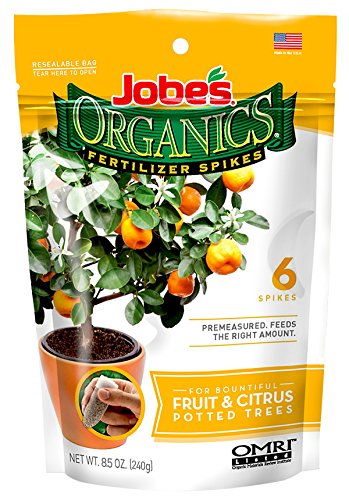 fertilizing your indoor citrus plants.
I recommend using Jobes Organics fertilizer spikes.
They are easy to use and last for 2-3 months.
They are designed for container-grown citrus.
Using 2 spikes for a 12-inch pot or 3 for an 18-inch pot takes the guesswork out of fertilizing.
They provide a 3-5-5 fertilizer blend along with micronutrients and beneficial bacteria.
Application Tips
- Water Before Fertilizing: This helps prevent root burn and ensures even nutrient distribution.
- Follow the Instructions: Always use the recommended amount of fertilizer to avoid overfeeding.
- Spread Evenly: Apply fertilizer around the base of the tree, avoiding direct contact with the trunk.
By feeding your indoor Citrus Trees the nutrients they need, you’ll enjoy lush foliage, fragrant blooms, and plenty of delicious fruit.🌿
6. Grow Lights for Indoor Citrus Trees
Light is vital for plant health and Feng Shui energy. Proper grow lights ensure your tree thrives, even in dim spaces, keeping its symbolic power intact.
Light Equals Life
- Yang Energy: Light invigorates Chi, creating a lively and active atmosphere.
- Feng Shui Note: Avoid overly harsh lights, which can overwhelm the balance of the space.
Indoor Citrus Trees thrive on bright light, but natural sunlight isn’t always available year-round.
That’s where grow lights come in, providing a reliable light source to keep your trees healthy and productive.
Here’s how to choose and use the right grow lights for your indoor citrus trees.
Types of Grow Lights: LED vs. Fluorescent
Choosing the right grow light can make a big difference in your Citrus Tree’s health and growth.
- LED Grow Lights:
- Benefits: Energy-efficient, long-lasting, and full-spectrum, mimicking natural sunlight.
- Best For: Long-term use and optimal plant health.
- Fluorescent Grow Lights:
- Benefits: Affordable and effective for smaller trees or short-term use.
- Best For: Budget-friendly setups or supplemental lighting.
Positioning: Placement and Duration
Proper placement and timing are key to ensuring your Citrus Tree gets enough light.
- Placement: Position the grow light 12–18 inches above the tree to cover the canopy without overheating.
- Duration: Provide 12–14 hours of light daily, especially during shorter winter days.
- Rotating the Tree: Rotate your tree weekly to ensure even light exposure for all sides.
Pro Tips for Grow Light Use
- Choose Full-Spectrum Lights: These replicate natural sunlight, promoting leaf and fruit development.
- Avoid Light Burn: Keep an eye on the leaves—if they look scorched or pale, the light may be too intense or too close.

I use a Spider Farmer SF 2000 for my Clementine Mandarin Orange and my succulent collection gets the overflow.

By incorporating grow lights into your setup, you can ensure your Citrus Trees stay vibrant and productive, even in low-light conditions. 🌿
7. Propagating Citrus Trees
Propagating Citrus Trees symbolizes abundance and continuity, reflecting growth in life and opportunities.
Symbolism of Growth
Propagating trees mirrors the Feng Shui principle of multiplying wealth and positive energy.
Gifting and Generosity
Share propagated Citrus Trees as gifts to spread good fortune and harmony to friends and family.
Propagating Citrus Trees is a fun and rewarding way to grow new plants right in your home.
Whether you’re starting from seeds or stem cuttings, these methods can help you expand your indoor citrus collection with ease.
Let’s explore the step-by-step process.
Propagation Methods: Seeds vs. Stem Cuttings
- Using Seeds:
- Step 1: Extract seeds from a fresh citrus fruit and rinse them to remove any pulp.
- Step 2: Soak the seeds in warm water for 24 hours to encourage germination.
- Step 3: Plant the seeds about 1/2 inch deep in moist, well-draining potting soil.
- Step 4: Cover the pot with plastic wrap to retain moisture and place it in a warm, bright spot.
- Using Stem Cuttings:
- Step 1: Select a healthy, non-flowering branch with at least three nodes.
- Step 2: Cut a 6–8 inch section below a node using sharp, sterilized scissors.
- Step 3: Remove the lower leaves, leaving only 1–2 at the top.
- Step 4: Dip the cut end in rooting hormone and plant it in moist soil or water.
Rooting Tips: Encouraging Healthy Growth
The rooting stage is critical for successful propagation, so here’s how to ensure healthy root development.
- Humidity: Cover the cuttings with a clear plastic bag to create a greenhouse effect, maintaining high humidity.
- Light: Place the seeds or cuttings in bright, indirect sunlight to promote growth without scorching.
- Watering: Keep the soil consistently moist but not soggy during the rooting phase.
When to Transplant
Once the cuttings or seedlings develop strong roots (typically after 4–6 weeks), they’re ready for transplanting.
- Seedlings: Transplant when they have at least two sets of true leaves.
- Cuttings: Move to a larger pot with well-draining soil once the roots are 2–3 inches long.
Grower Tip
Seeds may not grow true to type and rooted cuttings can become large trees. I recommend this if you are primarily interested in the attractive citrus tree foliage. Please read the next section about grafted citrus trees.
Propagating Citrus Trees is a rewarding way to grow your collection and share plants with friends. With patience and care, you’ll have a thriving new tree to enjoy.🌿
Propagating Citrus Trees By Grafting
If you want to grow a Citrus Tree that produces reliable, high-quality fruit, grafting is the most effective method.
Unlike seeds, which often don’t grow true to type, grafting allows you to combine a known variety with a strong, disease-resistant rootstock, like Flying Dragon. Let’s break down the process.
Why Grafting is Best
- Consistency: Grafting ensures the new tree has the same traits as the parent variety, including fruit quality and yield.
- Strong Rootstock: Flying Dragon rootstock is prized for its disease resistance and ability to thrive in various conditions.
How to Graft a Citrus Tree: Step-by-Step Guide
Prepare the Rootstock:
-
- Choose a healthy Flying Dragon rootstock about the thickness of a pencil.
- Cut the top of the rootstock at a 45° angle using a sterilized knife.
- Select the Scion (Graft):
- Take a cutting from a known variety with desirable fruit, ensuring it has at least 2–3 healthy buds.
- Trim the scion at an angle to match the cut on the rootstock.
- Join the Scion and Rootstock:
- Align the cambium layers (the green layer beneath the bark) of the rootstock and scion.
- Wrap the graft tightly with grafting tape or a rubber band to hold it securely in place.
- Protect the Graft:
- Cover the grafted area with grafting wax to prevent drying.
- Place the tree in a warm, humid environment with indirect sunlight to promote healing.
- Monitor the Progress:
- Check the graft after 2–4 weeks for signs of growth, like new leaves or buds.
- Remove the grafting tape once the scion is securely attached to the rootstock.
Benefits of Grafting on Flying Dragon Rootstock
- Compact Size: Flying Dragon creates a dwarf tree, ideal for indoor or small space gardening.
- Increased Resilience: The rootstock is resistant to diseases and pests, ensuring a healthy, long-lasting tree.
- Better Fruit Yield: Grafted trees often bear fruit earlier and produce more consistent harvests.
Grower Tip
When buying indoor citrus trees look for grafted varieties. Seedlings may not grow true to type.
Graft a known variety on dwarfing rootstocks like Flying Dragon (Poncirus trifoliata) the trees will be smaller and yield better fruit. You can use seeds to grow this rootstock.
Grafting a Citrus Tree may require patience and practice, but it’s the best way to grow a reliable, high-quality tree indoors.🌿
8. Pest and Disease Management for Citrus Trees
A healthy tree represents a healthy space. Keeping pests and diseases at bay reflects Feng Shui practices of clearing obstacles and maintaining balance.
Healthy Tree, Healthy Energy
- Preventive Maintenance: Regularly inspect the tree to ensure it stays vibrant and contributes positively to your environment.
- Balance: Just as you remove pests, decluttering your home helps balance energy flow.
Even the healthiest Citrus Trees can occasionally face pests and diseases. Being proactive with your care routine and knowing how to address problems quickly can save your tree from stress and damage.
Here’s how to keep your indoor Citrus Trees pest- and disease-free.
Common Pests: Identification and Treatment
Indoor Citrus Trees can attract a variety of pests. Here’s how to spot and handle the most common ones:
- Spider Mites:
- Signs: Fine webbing on leaves, yellowing foliage.
- Solution: Spray the tree with water to remove webs, then apply neem oil or insecticidal soap.
- Scale Insects:
- Signs: Small, brown, oval-shaped bumps on stems and leaves.
- Solution: Remove manually with a cotton swab dipped in rubbing alcohol, and treat with insecticidal soap.
- Aphids:
- Signs: Clusters of small green, black, or yellow insects on new growth. Leaves may curl or distort.
- Solution: Wash off aphids with water, or use a homemade mixture of water and dish soap as a spray. Apply neem oil for heavy infestations.
Disease Prevention: Keep Fungal and Bacterial Issues at Bay
Citrus Trees are prone to diseases if conditions aren’t ideal. Prevention is the best cure, but here’s how to address issues if they arise:
- Root Rot:
- Cause: Overwatering or poor drainage.
- Prevention: Use well-draining soil and pots with drainage holes. Allow soil to dry between waterings.
- Citrus Greasy Spot (Fungal Disease):
- Signs: Yellow or dark spots on leaves that feel greasy.
- Solution: Prune infected leaves and use a copper-based fungicide.
- Citrus Canker (Bacterial Disease):
- Signs: Raised, brown lesions on fruit, leaves, and stems.
- Solution: Remove and destroy infected parts, and avoid overhead watering to reduce spread.
Preventative Care Tips
- Inspect Regularly: Check leaves and stems for signs of pests or disease at least once a week.
- Clean Leaves: Wipe leaves with a damp cloth to remove dust, pests, and potential fungal spores.
- Quarantine New Plants: Keep new plants separate for 1–2 weeks to ensure they’re pest- and disease-free before introducing them to your indoor garden.
With regular care and quick action, you can keep your Citrus Trees healthy and thriving.🌿
9. Seasonal Care for Indoor Citrus Trees
Seasonal adjustments align with the natural balance of Yin and Yang in Feng Shui. Caring for your tree throughout the year symbolizes harmony and adaptability.
Caring for indoor Citrus Trees requires adjusting your routine with the changing seasons.
As the growth cycle of the tree changes, so do its needs for water, light, and nutrients.
Spring and Summer
These Yang-dominant seasons are perfect for encouraging growth and activity.
Feng Shui Connection: Fertilizing and pruning represent the renewal and revitalization of your space’s energy.
Fall and Winter
These Yin-focused seasons call for rest and reflection.
Feng Shui Insight: Reducing activity mirrors the restorative nature of this period, creating balance and peace.
How To Keep Your Citrus Tree Thriving Year-Round
Caring for indoor Citrus Trees requires adjusting your routine with the changing seasons.
As the growth cycle of the tree changes, so do its needs for water, light, and nutrients.
Here’s how to adapt your care to keep your tree thriving year-round.
Spring and Summer: Active Growth Season
During the warmer months, Citrus Trees are in their active growing phase and need more attention.
- Watering: Increase watering frequency to keep the soil consistently moist but not soggy. Check the top inch of soil regularly to determine when it’s time to water.
- Fertilizing: Feed your tree every 4–6 weeks with a citrus-specific fertilizer to support fruit and leaf development.
- Light Needs: Make the most of natural sunlight by positioning your tree near a south- or west-facing window. If needed, supplement with grow lights for 12–14 hours of light daily.
- Pruning: Trim back dead or weak branches to encourage new growth and maintain the tree’s shape.
Fall and Winter: Rest and Recovery
As temperatures cool, Citrus Trees naturally slow down their growth. Adjust your care to match this dormant period.
- Watering: Reduce watering frequency, allowing the top 2 inches of soil to dry out between waterings. Overwatering during dormancy can lead to root rot.
Fertilizing: Stop fertilizing in late fall to avoid encouraging new growth during the dormant season. - Lighting: Shorter days mean less natural light. Use grow lights to provide supplemental light for 10–12 hours daily if natural light is insufficient.
- Humidity: Indoor heating can dry the air, so mist the leaves or place the tree on a humidity tray to maintain moisture levels.
- Monitor Growth: Adjust care as needed if the tree shows signs of stress, like yellowing leaves or slow growth.
- Keep an Eye on Pests: Dormant periods can attract pests like spider mites, so check your tree regularly.
- Transition Gradually: If you move your tree outdoors in summer, reintroduce it to indoor conditions gradually in the fall to prevent shock.
By tailoring your care routine to the seasons, your indoor Citrus Tree will stay healthy, vibrant, and productive throughout the year.
10. Citrus Trees for Prosperity and Positive Energy
Citrus Trees are a Feng Shui favorite symbolizing wealth, health, and harmony. Here’s how to maximize their benefits.
Abundance Practices
- Lucky Charms: Place coins or symbols of wealth near the base of the tree to amplify prosperity.
- Harvesting Rituals: Picking ripe fruit symbolizes reaping the rewards of your hard work.
Year-Round Harmony
A well-cared-for tree provides consistent benefits, reflecting balance and positive energy throughout the seasons.
With this expanded Feng Shui focus, your post will be practical and deeply enriching, appealing to readers seeking beauty, functionality, and symbolic meaning in their indoor Citrus Trees.🌿
11. Symbolism in Feng Shui: Wealth, Health, and Abundance
Indoor Citrus Trees are beautiful and functional and carry deep symbolic meaning in Feng Shui.
Known to attract wealth, health, and abundance, these trees are perfect for creating a positive and balanced energy flow in your home.
Let’s explore their benefits and how to incorporate them into your space.
Feng Shui Symbolism: Wealth, Health, and Abundance
Citrus Trees hold a special place in Feng Shui traditions due to their vibrant fruit and uplifting presence.
- Wealth and Prosperity: The golden hue of oranges and lemons is associated with wealth and financial success.
- Health and Vitality: Their fresh, green leaves symbolize growth, vitality, and renewal.
- Abundance: The plentiful fruit represents a life full of opportunities and prosperity.
Energy Flow Enhancements: Harmonizing Your Space
Citrus Trees can enhance the flow of positive energy, or Chi, in your home, creating a sense of balance and harmony.
- Improving Chi Flow: Their upward growth and fresh scent invigorate stagnant energy and promote movement.
- Placement Tips:
- Southeast Corner: Known as the wealth corner in Feng Shui, this is the ideal spot for your Citrus Tree to amplify prosperity.
- Near Entrances: Placing a tree near the entryway can invite fresh energy and good fortune into your home.
- Avoid Stagnant Areas: Keep the area around the tree clean and free of clutter to ensure unobstructed energy flow.
Pro Tip: Combine Beauty and Feng Shui
Choose a Citrus Tree that complements your decor while enhancing positive energy.
Varieties like Meyer lemon or calamondin orange are easy to care for and rich in symbolic meaning.
Indoor Citrus Trees are more than just plants—they are symbols of prosperity and a harmonious home.
By integrating these beautiful trees into your Feng Shui practices, you can enjoy a space that feels balanced, energized, and full of abundance. 🌿
Indoor Citrus Trees Care FAQs
Indoor Citrus Trees can transform any room with their lush leaves, fragrant blossoms, and delicious fruit.
If you’re curious about how to grow and care for them, here are answers to the most common questions about these vibrant plants.
Q. Where should you place a Citrus Tree?
A. Place it in the southeast (wealth) or east (health) corner for optimal Feng Shui benefits.
Q. How can a Citrus Tree enhance Feng Shui?
A. A healthy, fruiting tree symbolizes abundance, wealth, and harmony, while its fresh scent promotes positive energy flow.
Q. What is the best indoor citrus tree?
A. The Meyer lemon tree is a top choice for indoor citrus growing due to its compact size, fragrant blossoms, and sweet fruit.
Q. Can citrus trees survive indoors?
A. Yes, with proper light, watering, and humidity, citrus trees can thrive indoors year-round.
Q. Do you need 2 citrus trees to produce fruit?
A. No, most citrus trees are self-pollinating, meaning they can produce fruit on their own without needing another tree.
Q. Are indoor lemon trees worth it?
A. Absolutely! Indoor lemon trees are beautiful and provide fresh, tangy fruit and a wonderful aroma for your home.
Q. What is the easiest citrus tree to grow indoors?
A. The Calamondin Orange is one of the easiest citrus trees to grow indoors due to its hardiness and adaptability to small spaces.
Q. How long for a citrus tree to start producing fruit?
A. A citrus tree grown from seed can take 2-3 years, while a grafted tree may produce fruit within 1-2 years.
Q. How do you encourage citrus trees to fruit?
A. Provide plenty of bright light, regular fertilization, and consistent watering. Pruning can also help redirect energy to fruit production.
Indoor Citrus Trees Conclusion
Indoor Citrus Trees are a delightful way to bring nature into your home, providing fresh, flavorful fruit and a vibrant and calming presence.
Whether you’re a beginner or an experienced indoor gardener, these trees are a perfect blend of beauty and functionality.
By following this guide, you’re set up for success in growing and caring for these rewarding plants.
A Recap of Important Topics:
From choosing the right variety to mastering the essentials of care, here’s a quick recap of what we’ve covered:
- Choosing the Best Varieties: Meyer lemon, calamondin orange, and Key lime are top picks for small spaces.
- Indoor Citrus Tree Care: Light, watering, and humidity are crucial to their health.
- Using Grow Lights: Supplemental lighting ensures year-round growth, especially during darker months.
- Fertilization: Citrus-specific fertilizers provide the nutrients these heavy feeders need.
- Feng Shui Benefits: Citrus Trees symbolize prosperity, health, and positive energy.
- Feng Shui Placement: Southeast for wealth, East for health, and near entrances for inviting good fortune.
- Symbolism of Fruits: Oranges for abundance, lemons for cleansing, and limes for rejuvenation.
- Healthy Growth Equals Positive Energy: A thriving tree reflects prosperity and vitality.
Key Takeaways
- Bright, indirect sunlight or grow lights for indoor citrus trees are essential for thriving plants.
- Use well-draining soil and fertilize regularly with a citrus-specific formula during the growing season.
- Water deeply when the top inch of soil is dry, and maintain moderate humidity to mimic their natural environment.
- Indoor citrus trees for sale often include compact and beginner-friendly varieties like Meyer lemon and calamondin orange.
- Growing indoor citrus trees is a fulfilling experience, offering fresh fruit, vibrant greenery, and an uplifting ambiance year-round.
With these tips in mind, your indoor Citrus Tree will enhance your home’s aesthetic and bring a sense of joy and abundance to your space.
Happy growing! 🌿
✨ Indoor Plants and Feng Shui
Enhance harmony, balance, and positive energy in your home with these Feng Shui indoor plant guides.
- 🌱 Feng Shui Plants (Pillar Guide)
- 🏡 Indoor Plants and Feng Shui
- 🌿 Feng Shui Vertical Gardens for Office Spaces
- 🌸 Best 24 Feng Shui Indoor Plants
- 💧 Growing Feng Shui Plants
- 🌳 Common Chinese House Plants for Feng Shui
- 🪴 Feng Shui Hanging Plants
- 🛏️ Feng Shui Bedroom Plants
- 🍃 ZZ Plant Feng Shui
- 🌱 Using Feng Shui in Vertical Gardens
- 🎋 Growing Lucky Bamboo in Feng Shui
- 🏠 Indoor Plants for Feng Shui
- ☯️ Indoor Plants for Positive Energy
- 🌼 Chinese Evergreen Care
- 🌺 Growing Peonies Indoors and Outdoors
- See all articles in our Indoor Plants and Feng Shui category
Related Content

Visit my Amazon Influencer Page for videos and gardening products Grow Your Own Garden