
This post contains affiliate links. If you buy something from one of our links we may earn a commission. Thanks
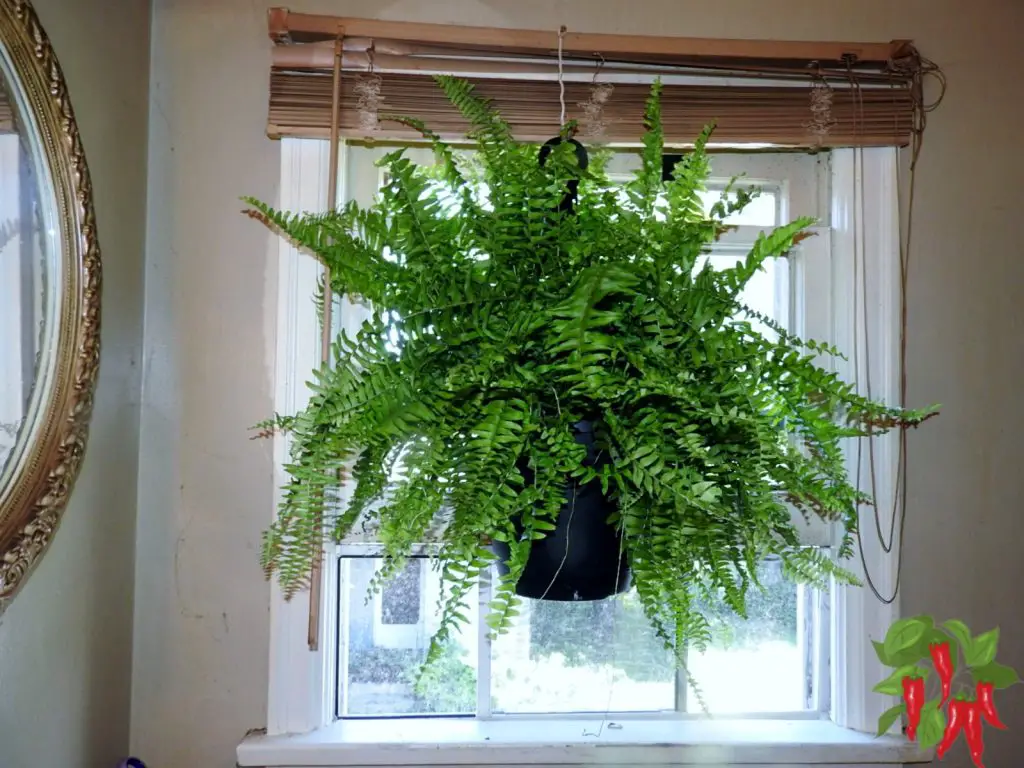
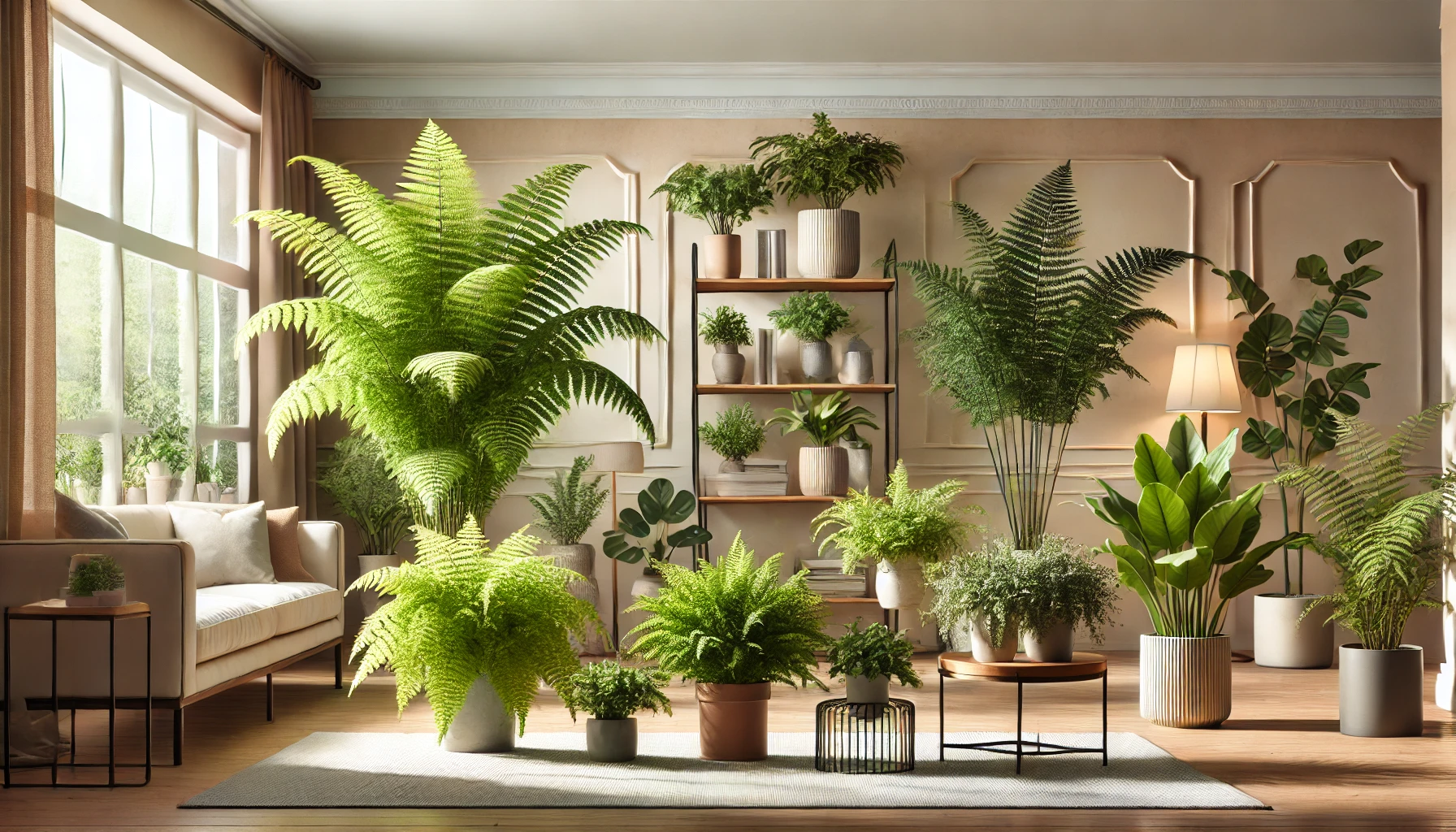
Indoor Ferns can transform your space into a lush, tropical paradise! Tired of the same old houseplants that just sit there looking… well, green?
Ferns bring a whole new level of texture and drama to your indoor jungle. With their feathery fronds and air-purifying superpowers, these leafy beauties are like a breath of fresh forest air for your home.
Indoor Ferns Houseplants Key Takeaways
- Indoor Ferns are popular houseplants known for their lush, feathery fronds and air-purifying qualities.
- They thrive in bright, indirect light and high humidity environments.
- Common varieties include Boston Ferns, Maidenhair Ferns, and Bird’s Nest Ferns.
- With proper care, indoor ferns can add a tropical touch to any home.
Why Choose Indoor Ferns as Indoor Plants?
Looking to add some lush, green vibes to your indoor space? Indoor Ferns are your ticket to creating a mini tropical paradise right in your living room!
Tired of the same old houseplants? Ferns offer a unique texture and fullness that can transform any room into a verdant oasis.
Plus, these leafy wonders are natural air purifiers, making your space not just prettier but healthier too!
Best Types of Indoor Ferns
Ready to dive into the world of indoor ferns? Here are some top picks that’ll have you feeling like you’re living in a magical forest:
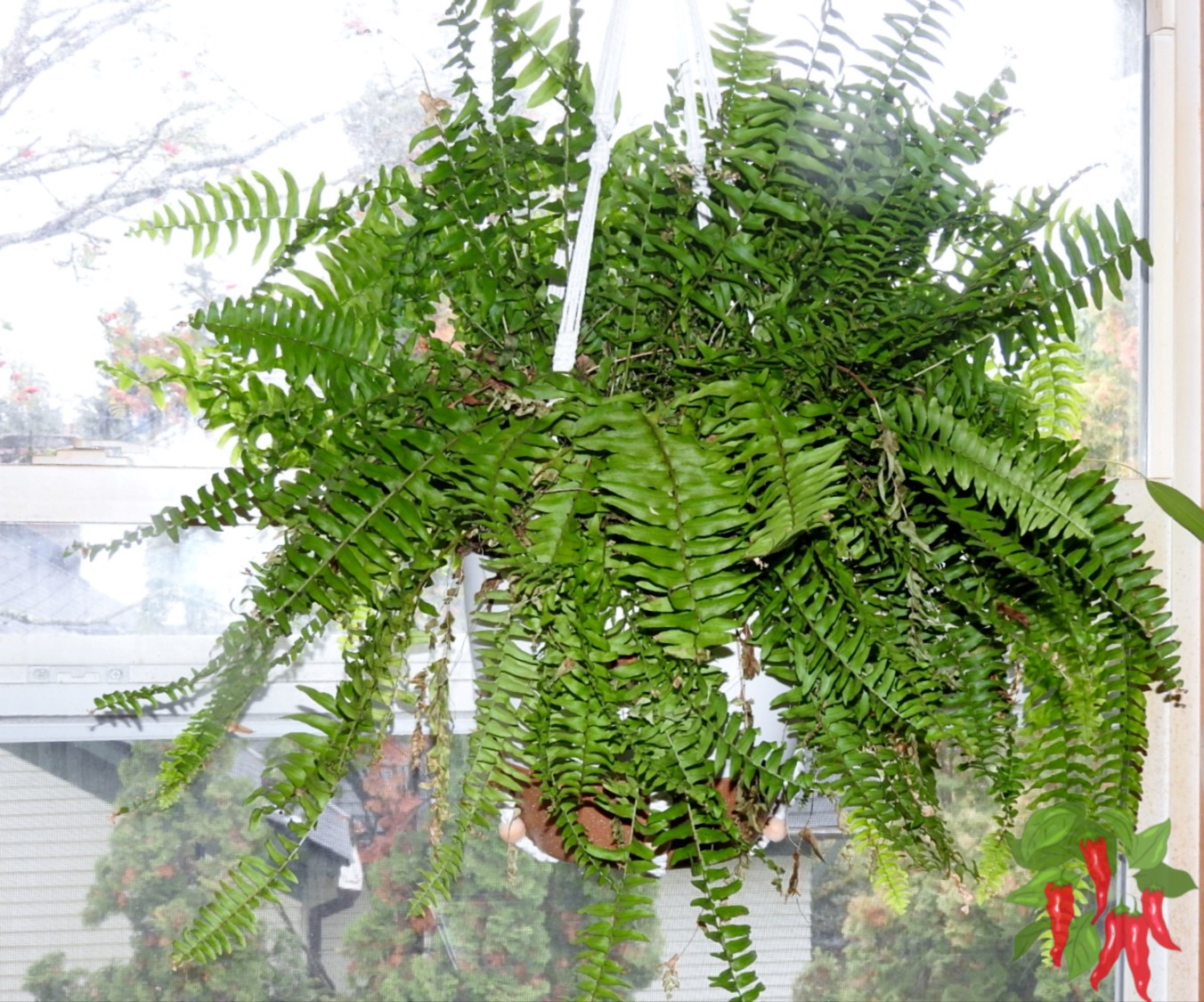
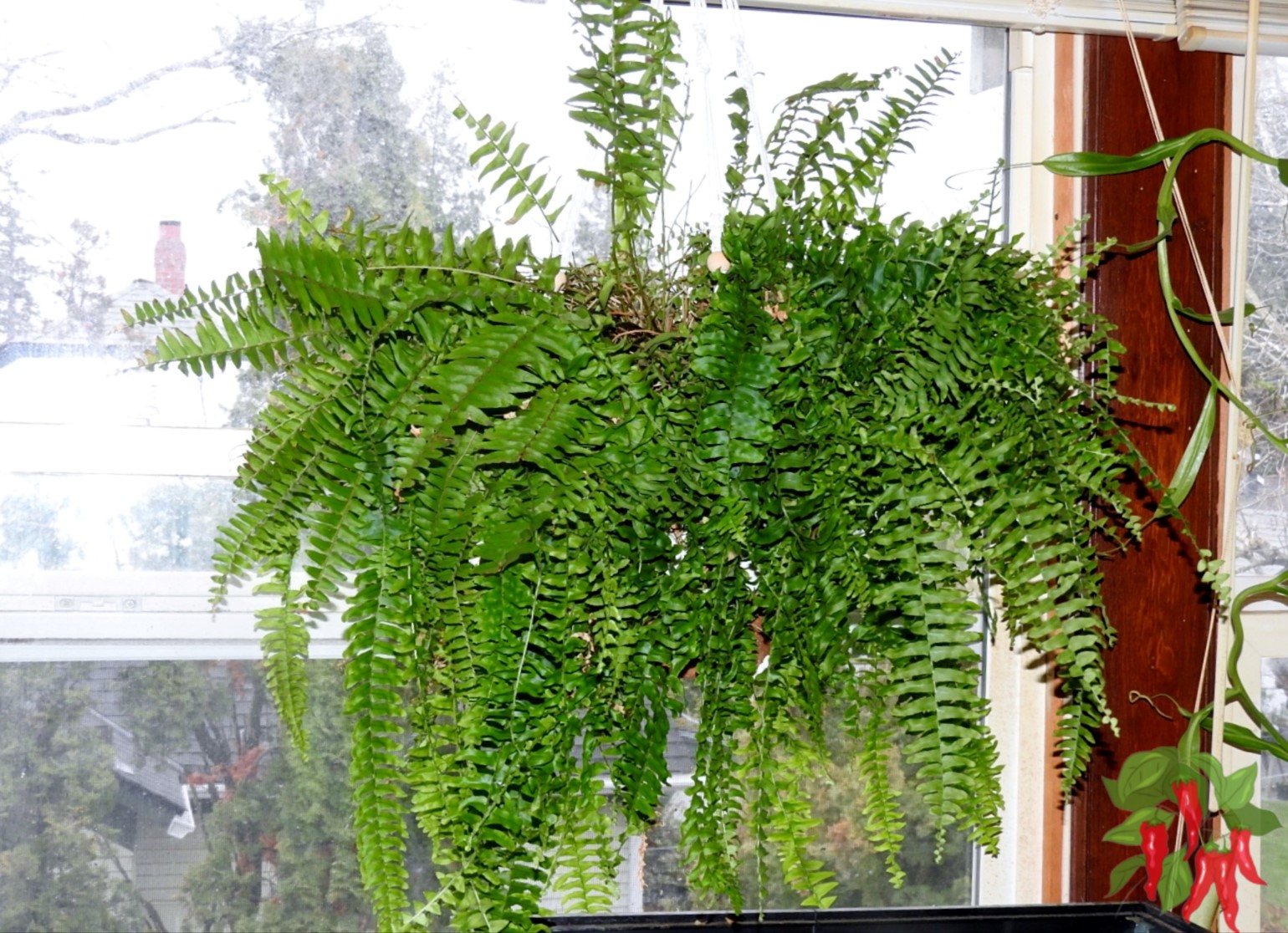
1. Boston Fern (Nephrolepis exaltata):

The classic fern that probably comes to mind when you think “fern.” It’s like the friendly, outgoing cousin in the fern family.
• Loves bright, indirect light
• Needs consistent moisture
• Perfect for hanging baskets or shelves
Care tip: Mist regularly to keep those feathery fronds happy and humidity high.
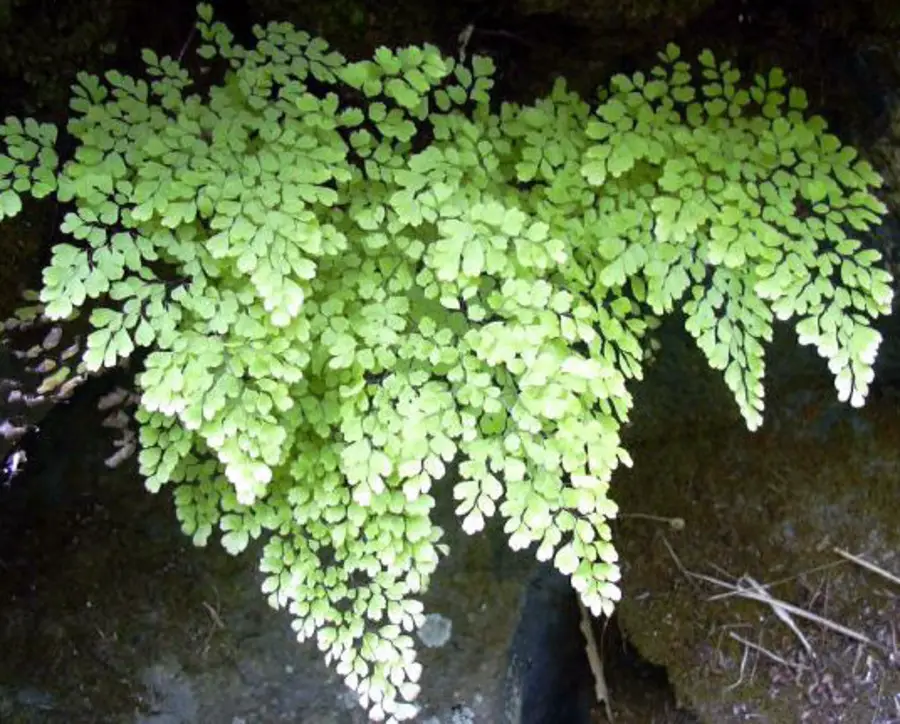
2. Maidenhair Fern (Adiantum raddianum):

This fern is like the delicate ballerina of the plant world – graceful and a bit high maintenance.
• Prefers low to medium light
• Needs high humidity
• Loves moist (but not soggy) soil
Care tip: Keep it away from drafts and heat sources to prevent crispy leaves.
3. Staghorn Fern (Platycerium bifurcatum):
 Staghorn Fern – Platycerium bifurcatum | Live, Easy to Grow and Low Maintenance Houseplant (4″)
Want a conversation starter? This unique fern looks like something out of a fantasy novel.
• Does well in indirect light
• Often mounted on boards instead of potted
• Needs moderate moisture
Care tip: Water by soaking the entire plant (mount and all) in a sink or tub for 10-20 minutes every 1-2 weeks.
4. Bird’s Nest Fern (Asplenium nidus):

With its large, wavy fronds, this fern adds a tropical touch to any space.
• Enjoys bright, indirect light
• Likes moderate moisture levels
• Great for bathrooms or kitchens
Care tip: Water directly into the center “nest” of the plant, where new fronds emerge.
5. Blue Star Fern (Phlebodium aureum):
 Blue Star Fern – Phlebodium Aureum | Live, Beautiful, Easy Houseplant (4″)
This fast-growing fern adds a pop of unique color with its silvery blue fronds.
• Tolerates lower light conditions
• Prefers well drained soil
• Easy to care for and forgiving
Care tip: Let the soil dry out slightly between waterings to prevent root rot.
Unique and Lesser Known Fern Varieties
Think you’ve seen all the ferns? These unique varieties will make you think again:
1. Lemon Button Fern (Nephrolepis cordifolia):

This compact cutie is perfect for small spaces and even emits a subtle lemon scent!
• Easy to care for
• Great for terrariums or small pots
• Tolerates a range of light conditions
Care tip: Keep soil consistently moist but not waterlogged.
2. Foxtail Fern (Asparagus densiflorus):
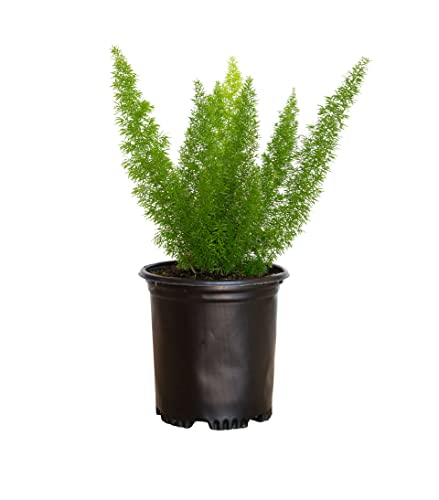 Foxtail Fern (2.5 qt.) Asparagus densiflorus Live Semi-Evergreen Perennial Plant with Green Foliage
Despite its name, it’s not actually a fern, but who cares when it looks this cool?
• Loves bright, indirect light
• Drought tolerant once established
• Adds unique texture to your plant collection
Care tip: Be careful when handling – it has small thorns along the stems.
3. Holly Fern (Cyrtomium falcatum):
 Japanese Holly Fern – 3 Live Plants – Cyrtomium Falcatum Rochfordianum
With its shiny, holly-like leaves, this fern adds an exotic touch to your indoor jungle.
• Tolerates lower light conditions
• Prefers cooler temperatures
• More drought tolerant than many ferns
Care tip: Keep away from heat sources to prevent leaf burn.
Care Tips for Indoor Ferns
Ferns might seem finicky, but with these tips, you’ll be a fern whisperer in no time!
Watering:
Most ferns like to stay consistently moist but not waterlogged. Here’s how to get it right:
• Check the soil regularly – when the top inch feels dry, it’s time to water.
• Water thoroughly until it runs out of the drainage holes.
• Use room temperature water to avoid shocking the roots.
Light requirements:
Ferns are generally shade lovers in their natural habitats, but indoors, they need a bit more light:
• Bright, indirect light is ideal for most ferns.
• Avoid direct sunlight, which can scorch their delicate fronds.
• If your fern’s fronds are pale or yellowish, it might need more light.
Humidity:
Many ferns are humidity divas, especially tropical varieties. Here’s how to keep them misty:
• Mist regularly with a spray bottle.
• Use a pebble tray filled with water to increase humidity around the plant.
• Consider a small humidifier for extra thirsty varieties like the Maidenhair Fern.
Temperature:
Ferns prefer a comfortable range similar to what we enjoy:
• Keep them between 60 – 75°F (15-24°C).
• Avoid cold drafts from windows or air conditioning vents.
• Keep away from heat sources like radiators or fireplaces.
Soil and repotting:
The right soil mix can make a big difference in your fern’s health:
• Use a well draining potting mix rich in organic matter.
• Add perlite or orchid bark to improve drainage if needed.
• Repot every 1-2 years, or when the fern becomes root bound.
Common Pests and How to Manage Them
Even indoor ferns can sometimes fall victim to pesky invaders. Here’s what to watch for:
Spider mites, scale insects, and mealybugs:
These tiny troublemakers can infest your ferns. Keep an eye out for:
• Webbing between fronds (spider mites)
• Small, brown bumps on stems (scale)
• White, cottony patches (mealybugs)
Treatment:
• Isolate infected plants to prevent spread.
• Wipe down fronds with a damp cloth to remove pests.
• Use neem oil or insecticidal soap for persistent infestations.
Fungal issues:
Overwatering is often the culprit behind fungal problems. Watch for:
• Yellowing or browning fronds
• Mushy stems or roots
• White, fuzzy growth on soil or plant
Prevention and treatment:
• Ensure proper drainage and avoid oversaturating the soil.
• Remove affected parts of the plant.
• Treat with a fungicide if needed.
Propagation Methods for Ferns
Ready to expand your fern family? Here’s how to make more of these leafy lovelies:
Division:
This is the easiest method for most ferns:
1. Remove the fern from its pot.
2. Gently separate the root ball into smaller sections.
3. Replant each section in a fresh potting mix.
Spore propagation:
For the adventurous plant parent, this method is more challenging but rewarding:
1. Collect spores from the underside of mature fronds.
2. Sow spores on a sterile, moist growing medium.
3. Keep warm and humid until tiny ferns appear (this can take months!).
Indoor Ferns FAQs
Q: Which ferns are best for low-light conditions?
A: Some ferns that tolerate lower light include the Bird’s Nest Fern, Blue Star Fern, and Holly Fern. These varieties can adapt to less bright conditions, making them perfect for darker corners or rooms with limited natural light.
Q: How often should I mist my ferns?
A: The frequency of misting depends on your home’s humidity levels and the specific fern variety. As a general rule, mist tropical ferns like the Maidenhair Fern daily, while hardier varieties like the Boston Fern might only need misting a few times a week. Always monitor your fern’s condition and adjust as needed.
Q: Can indoor ferns be grown in terrariums?
A: Yes, many smaller fern varieties are excellent for terrariums! The Lemon Button Fern, Button Fern, and Rabbit’s Foot Fern are great choices for enclosed environments. Just ensure the terrarium provides adequate humidity and airflow to prevent mold growth.
Conclusion: Adding Lush Greenery with Indoor Ferns
Embracing the Fern Fantastic
As we’ve explored, indoor ferns offer a world of lush, green possibilities for your home. From the classic Boston Fern to unique varieties like the Staghorn Fern, there’s a leafy friend out there for every space and plant parent.
A Touch of Nature Indoors
By bringing ferns into your home, you’re not just adding decoration – you’re creating a living, breathing piece of nature. These plants can transform your space, purify your air, and even boost your mood with their vibrant greenery.
Finding Your Fern Fit
Remember, while ferns have some common care needs, each variety is unique. Don’t be afraid to experiment and find the ferns that best suit your space and lifestyle.
Key Takeaways:
• Choose ferns based on your available light and humidity levels
• Most ferns prefer bright, indirect light and consistent moisture
• Increase humidity through misting, pebble trays, or humidifiers
• Use well-draining, organic rich soil for healthy fern growth
• Regular inspection helps catch and treat pest issues early
• Propagate through division for an easy way to expand your fern collection
• Experiment with different fern varieties to find your perfect match
By incorporating these lush, leafy wonders into your indoor space, you’re creating a verdant oasis that brings a touch of forest magic right into your home. Happy fern growing, and enjoy your new green companions!
🌿 Indoor Fern Guides
Bring lush greenery into your home! These expert guides will help you grow, revive, and care for beautiful indoor ferns with ease.
Learn more:
Feng Shui Plants: 47 Best Feng Shui Plants for Home
Indoor Fern Care Made Easy: Learn How to Take Care of Ferns
Related Content

Visit my Amazon Influencer Page for videos and gardening products Grow Your Own Garden