

Indoor Gardenia Care can be challenging, but the reward is one of the most fragrant and beautiful flowering plants you can grow indoors. Known for their glossy evergreen leaves and creamy white blooms, gardenias bring elegance and seasonal color to bright indoor spaces.
Gardenias prefer consistent care, including adequate light, proper humidity, and slightly acidic soil. While they can be more demanding than some common houseplants, healthy gardenias make stunning focal points in living rooms, sunrooms, entryways, and other well-lit areas.
This guide covers the essentials of indoor gardenia care, including lighting, watering, humidity, soil requirements, flowering, and simple Feng Shui placement considerations.
What You’ll Learn
- How much light gardenias need to bloom successfully indoors
- Proper watering, humidity, and soil requirements
- Common challenges that affect indoor gardenias
- Tips for encouraging healthy growth and flowering
- Basic Feng Shui placement ideas for flowering plants
Discover Indoor Gardenia Care
Indoor Gardenia Care combines the beauty of fragrant blooms with the power of Feng Shui to transform your space.
Whether you’re nurturing their delicate blossoms or strategically placing them to enhance energy flow, gardenias bring serenity and charm to your home.
Let’s dive into tips for helping your gardenias thrive indoors!
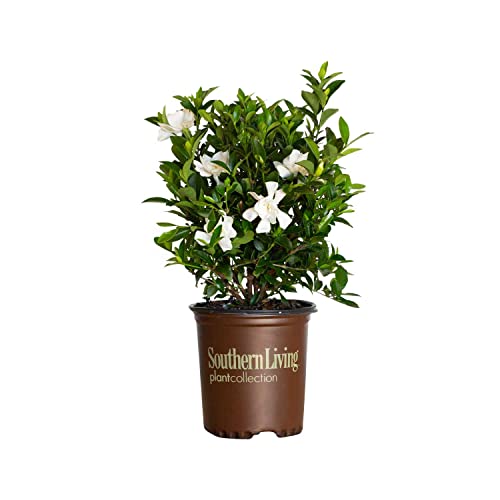
Part 1: Understanding Gardenias in Feng Shui
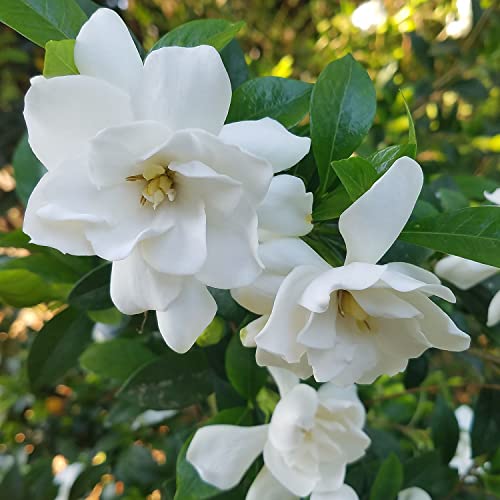
Gardenias (Gardenia)hold deep symbolic meaning in Feng Shui. They represent peace, love, and emotional healing.
These elegant flowers bring balance and positive energy to your home. When placed thoughtfully, gardenias can create a calming atmosphere that nurtures your environment and well-being. 🌼
1. Symbolism of Gardenias in Feng Shui
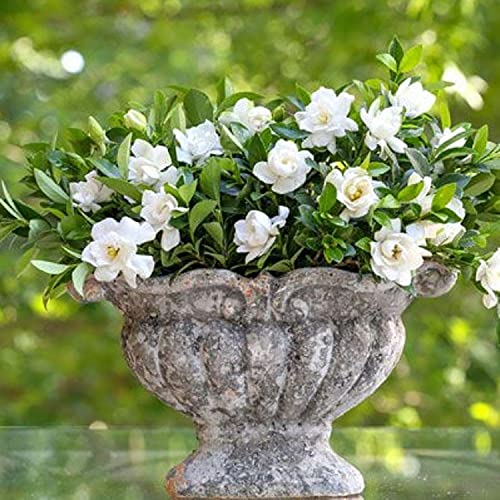
Gardenias as Symbols of Peace and Harmony
In Feng Shui, gardenias are cherished for their ability to symbolize peace, love, and emotional healing.
These delicate, fragrant blooms invite positive energy into a home, fostering harmony and balance.
Adding gardenias into your space allows you to benefit from their calming and restorative influence.
Key Symbolic Meanings of Gardenias
- Peace: Their gentle presence soothes the environment, creating a serene atmosphere.
- Love: Gardenias symbolize affection and connection, making them perfect for relationship areas.
- Healing: Their fragrance and beauty are associated with emotional renewal and inner balance.
Feng Shui Uses for Gardenias
- Place gardenias in areas of the home that feel stagnant or stressful to encourage peace and positivity.
- Use them in the relationship corner (southwest) to nurture love and harmony between partners.
- Add gardenias to meditation or relaxation spaces to enhance emotional healing and tranquility.
By understanding the symbolism of gardenias, you can harness their natural beauty and energy to create a home that feels balanced, loving, and full of positive vibrations. 🌼
2. Gardenia Plant Indoor Benefits
Why Gardenias Are Perfect for Indoors
Gardenias aren’t just visually stunning, and they offer a range of benefits that go beyond their appearance.
From improving air quality to fostering emotional well-being, these fragrant plants are ideal for creating a serene and refreshing indoor environment.
Key Benefits of Gardenias Indoors
- Air Purification: Gardenias help filter toxins from the air, improving indoor air quality.
- Calming Fragrance: Their soothing scent reduces stress and promotes relaxation.
- Aesthetic Appeal: With their glossy green leaves and elegant white blooms, gardenias elevate the beauty of any space.
- Emotional Wellness: The natural aroma and appearance of gardenias can enhance mood and emotional balance.
Best Indoor Spaces for Gardenias
- Bedrooms: Promotes relaxation and restful sleep.
- Living Rooms: Adds elegance and purifies the air in communal spaces.
- Meditation Areas: Creates a calming atmosphere for mindfulness practices.
By bringing gardenias indoors, you enhance both the beauty and emotional harmony of your living space, making it a peaceful retreat. 🌼
3. Gardenia Plant Indoor or Outdoor

Where Do Gardenias Thrive Best?
Gardenias are versatile plants that can grow both indoors and outdoors.
However, cultivating them indoors provides a controlled environment where their specific care needs, such as humidity and light, can be more easily managed.
Indoor gardenias also offer unique Feng Shui benefits for enhancing harmony and energy flow.
Benefits of Growing Gardenias Indoors
- Controlled Conditions:
- Maintain consistent humidity and temperature.
- Protect gardenias from extreme weather and pests.
- Feng Shui Benefits:
- Strategic indoor placement enhances harmony and promotes emotional well-being.
- Ideal for relationship corners, meditation spaces, and work areas.
Advantages of Outdoor Gardenias
- Thrive in natural sunlight and open-air environments.
- Perfect for decorating patios, balconies, or garden borders.
- Contribute to balanced outdoor Feng Shui energy when placed thoughtfully.
Choosing Between Indoor and Outdoor Cultivation
- Indoors: Ideal for areas with fluctuating climates or limited outdoor space.
- Outdoors: Best for regions with mild climates and consistent care opportunities.
By understanding the strengths of indoor and outdoor gardenia cultivation, you can choose the option that best suits your space and goals while enjoying their beauty and benefits. 🌼
Part 2: Placement Strategies for Positive Energy
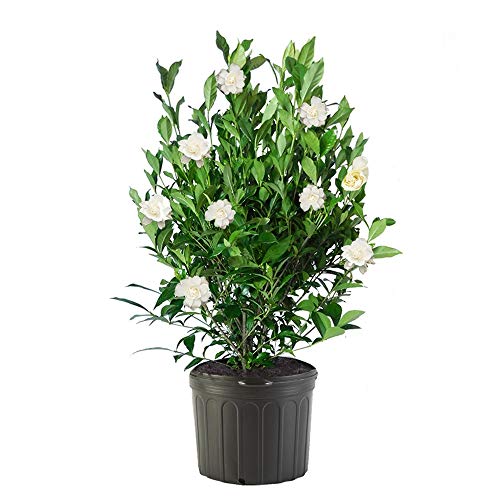
Shrub August Beauty Gardenia, 1 Gallon, Lustrous Green Foliage
Harness the Power of Placement
Where you position gardenias in your home maximizes their benefits. Thoughtful placement supports their growth and also enhances Feng Shui energy flow.
By strategically placing gardenias, you can create a balanced, harmonious environment that promotes peace, love, and positive energy. 🌼
4. Best Placement for Gardenias Indoors
Positioning Gardenias for Maximum Impact
Where you place your gardenias indoors can greatly influence their growth and energy-enhancing properties.
Following Feng Shui principles, thoughtful placement of gardenias fosters emotional healing and balance while ensuring they receive the care they need to thrive.
Optimal Indoor Locations for Gardenias
- East-Facing Windows: Encourages new beginnings and promotes health and vitality.
- Southeast Corners: Enhances prosperity and abundance while aligning with the wood element.
- Living Rooms: Adds a calming presence and filters the air in shared spaces.
- Meditation Areas: Creates a serene atmosphere for relaxation and mindfulness.
Placement Tips
- Ensure gardenias receive bright, indirect light to avoid leaf scorch.
- Keep them away from drafts, heaters, or air conditioners that can disrupt their temperature needs.
- Use pots with rounded or natural designs to promote a balanced Feng Shui energy flow.
By placing gardenias in key areas of your home, you can enjoy their beauty and fragrance while harmonizing your environment with positive energy. 🌼
5. Gardenias in the Relationship Corner

Nurture Love and Harmony with Gardenias
In Feng Shui, the Southwest corner of your home is known as the Relationship Corner, representing love, connection, and partnerships.
Placing gardenias in this area enhances positive energy flow, fostering deeper emotional bonds and a harmonious atmosphere.
How to Position Gardenias in the Relationship Corner
- Select Vibrant Plants:
- Healthy gardenias with abundant blooms symbolize flourishing relationships.
- Use Matching Pots:
- Place gardenias in pairs with matching pots to reinforce balance and unity in relationships.
- Add Complementary Elements:
- Include items like soft lighting, natural stones, or candles to amplify the nurturing energy.
Feng Shui Benefits of Gardenias in This Corner
- Encourages open communication and mutual respect between partners.
- Promotes emotional healing and a peaceful environment.
- Symbolizes lasting love and commitment through their long-lasting blooms and fragrances.
By thoughtfully placing gardenias in the Relationship Corner, you can enhance love, harmony, and connection in your home while enjoying their beauty and positive energy. 🌼
6. Gardenias for Meditation Spaces
Creating Calm with Gardenias
Meditation spaces thrive on tranquility and positive energy, making gardenias a perfect addition.
Their soothing fragrance and elegant blooms create a serene environment that supports relaxation, mindfulness, and inner peace.
Incorporating gardenias into your meditation area enhances its calming qualities, allowing you to deepen your practice.
How to Use Gardenias in Meditation Spaces
- Strategic Placement:
- Position gardenias in a corner of the meditation space where they receive bright, indirect light.
- Choose Calming Accessories:
- Pair gardenias with soft lighting, natural stones, or bamboo decor to amplify the space’s serenity.
- Focus on Fragrance:
- Place gardenias close enough to enjoy their fragrance during meditation without overwhelming the senses.
Benefits of Gardenias in Meditation Spaces
- Their natural aroma promotes relaxation and reduces stress.
- The gentle, organic presence of gardenias enhances mindfulness and focus.
- Gardenias’ beauty fosters a deeper connection with nature, supporting emotional healing.
Integrating gardenias into your meditation space creates a peaceful retreat that nurtures your well-being and enhances your mindfulness journey. 🌼
7. Gardenias in Workspaces

Boost Productivity with Gardenias
Workspaces can benefit greatly from the calming presence of gardenias. Their fragrant blooms and elegant foliage reduce stress, improve focus, and enhance the overall energy of the room.
Strategically placing gardenias in your workspace can create a more balanced and productive environment.
How to Incorporate Gardenias in Workspaces
- Desk Placement:
- Place a small gardenia plant on your desk to bring freshness and tranquility.
- Shelving Displays:
- Use gardenias on shelves to soften the look of the workspace and add visual appeal.
- Bright, Indirect Light:
- Position gardenias near windows to ensure they receive the light they need to thrive.
Benefits of Gardenias in Workspaces
- Their calming fragrance reduces anxiety and mental fatigue.
- Greenery enhances creativity and focus, improving overall productivity.
- Softens harsh lines or sterile environments, making the space more inviting.
Adding gardenias to your workspace improves the room’s aesthetics and creates a more relaxing and focused atmosphere to support your professional goals. 🌼
Part 3: Comprehensive Care Guide

Mastering Gardenia Care
Caring for gardenias indoors requires attention to their specific needs, from lighting and watering to seasonal adjustments.
With the right care, gardenias can flourish, rewarding you with their vibrant blooms and soothing fragrance.
This section provides a step-by-step guide to ensure your gardenias thrive in any indoor environment. 🌼
8. Growing Gardenias Indoors: A Care Guide
Essential Tips for Thriving Gardenias
Growing gardenias indoors can be incredibly rewarding when their specific needs are met.
These plants thrive in controlled environments that mimic their natural habitat.
By providing the right balance of light, humidity, and temperature, you can enjoy their stunning blooms and calming fragrance year-round.
Key Indoor Care Guidelines for Gardenias
- Light:
- Place gardenias in bright, indirect light like east or west-facing windows.
- Avoid direct sunlight, which can scorch their delicate leaves.
- Temperature:
- Maintain temperatures between 60–70°F (15–21°C) for optimal growth.
- Keep gardenias away from drafts, heaters, or air conditioners that can cause stress.
- Humidity:
- High humidity is essential for gardenias. Use a humidifier or place a tray of water near the plant to maintain moisture levels.
- Watering:
- Water gardenias when the top inch of soil feels dry, ensuring proper drainage to prevent root rot.
- Soil:
- Use well-draining, slightly acidic soil with a pH of 5.0–6.5, such as a mix of coco coir, perlite, and peat moss.
Common Issues to Watch For
- Yellow Leaves: May indicate overwatering or poor drainage.
- No Blooms: Caused by insufficient light or inconsistent temperatures.
By following these care tips, your indoor gardenias will flourish, providing both beauty and balance to your living space. 🌼
9. Light Requirements for Gardenias

The Right Light for Healthy Gardenias
Proper lighting is essential for gardenias to thrive indoors. These light-loving plants need bright, indirect light to support their growth and blooming.
Understanding their light requirements will help you place them in the best spot to ensure they remain vibrant and healthy.
Ideal Light Conditions for Gardenias
- Bright, Indirect Light:
- Position gardenias near east or west-facing windows to provide sufficient light without direct exposure.
- Use sheer curtains to filter harsh sunlight and protect delicate leaves.
- Avoid Direct Sunlight:
- Direct sunlight can scorch leaves and cause stress to the plant.
- Rotate the plant occasionally to ensure even light exposure on all sides.
- Supplement with Grow Lights:
- In low-light environments, use full-spectrum LED grow lights to mimic natural daylight.
- Place the light 12–18 inches above the plant and run it for 10–12 hours daily.
Signs of Light Problems
- Insufficient Light:
- This leads to yellowing leaves or failure to bloom.
- Excessive Light:
- Causes brown, scorched spots on leaves.
By providing the right lighting conditions, your gardenias will thrive indoors, producing lush green foliage and fragrant blooms to brighten your space. 🌼
10. Watering Gardenias Properly

Mastering the Art of Watering
Watering gardenias correctly is essential to their health and vitality. These plants are sensitive to overwatering and underwatering, so finding the right balance is key.
With proper watering habits, your gardenias will thrive, producing vibrant leaves and fragrant blooms.
How to Water Gardenias
- Check the Soil:
- Water only when the top inch of soil feels dry to the touch.
- Use your finger or a moisture meter to test the soil.
- Use Room-Temperature Water:
- Avoid cold water, which can shock the roots.
- Let tap water sit overnight to reduce chlorine and other chemicals.
- Water Evenly:
- Pour water evenly around the base of the plant until it begins to drain from the bottom.
- Ensure the pot has drainage holes to prevent water from pooling.
Common Watering Mistakes to Avoid
- Overwatering:
- This can lead to root rot and yellowing leaves.
- Always let the soil partially dry before watering again.
- Underwatering:
- This causes wilting and brown, crispy leaf edges.
- Monitor soil moisture closely, especially during warm months.
Tips for Optimal Watering
- Use a pebble tray under the pot to improve humidity without overwatering.
- Water less frequently during cooler months when the plant’s growth slows.
With consistent and careful watering, your gardenias will stay healthy and beautiful, enhancing your indoor space with lush greenery and elegant flowers. 🌼
11. Soil for Gardenias
Choosing the Right Soil for Healthy Growth
Gardenias thrive in well-draining, slightly acidic soil that supports their delicate roots and promotes vibrant blooms.
The right soil mix ensures proper aeration, retains moisture without waterlogging, and provides essential nutrients for long-term health.
Recommended Soil Mix for Gardenias
- Coco Coir:
- Acts as a sustainable alternative to peat moss.
- Retains moisture while allowing roots to breathe, preventing overwatering issues.
- Perlite:
- Improves drainage and aeration in the soil mix.
- Reduces the risk of compacted soil, which can stress the roots.
Ideal Soil pH
- Gardenias prefer slightly acidic soil with a pH range of 5.0–6.5.
- Coco coir is naturally slightly acidic with a pH of 6.0 – 6.2
Tips for Preparing Gardenia Soil
- Combine equal parts of coco coir, perlite, and a high-quality acidic potting mix.
- Add a small amount of compost or organic fertilizer to boost nutrients.
-
Avoid heavy, clay-based soils, which can retain too much water and lead to root rot.
Benefits of Using Coco Coir and Perlite
- Ensures well-balanced moisture retention and drainage.
- Promotes healthy root development and reduces the likelihood of common soil-related issues.
- Sustainable and eco-friendly, aligning with green gardening practices.
By using a soil mix enriched with coco coir and perlite, you can provide an ideal foundation for your gardenias to flourish, ensuring beautiful blooms and vibrant foliage. 🌼
12. Fertilizing Gardenias

Nourish Your Gardenias for Vibrant Growth
Fertilizing is essential for gardenias to produce their signature lush green foliage and fragrant blooms.
These plants thrive on consistent feeding with the right nutrients, particularly during their active growing seasons.
Providing an appropriate fertilizer helps gardenias stay healthy and bloom beautifully indoors.
Best Fertilizer for Gardenias
- Acid-Loving Plant Fertilizer:
- Choose a fertilizer specifically formulated for acid-loving plants like azaleas and camellias.
- Ensure it contains essential nutrients such as nitrogen, phosphorus, and potassium.
- Liquid or Water-Soluble Fertilizers:
- Easy to apply and ensures even nutrient distribution.
- Dilute as per package instructions to avoid over-fertilizing.
Fertilizing Schedule for Gardenias
- Spring to Early Fall (Growing Season):
- Feed gardenias every 2–4 weeks with a balanced acidic fertilizer.
- Winter (Dormant Season):
- Avoid fertilizing during dormancy to prevent stressing the plant.
Application Tips
- Water the plant thoroughly before fertilizing to prevent root burn.
- Apply fertilizer evenly around the base of the plant, avoiding direct contact with stems and leaves.
- Monitor the plant for signs of over-fertilizing, such as leaf burn or excessive growth without blooms.
Signs Your Gardenias Need Fertilizing
- Yellowing leaves or poor leaf growth (could indicate nitrogen deficiency).
- Failure to bloom or sparse blooms.
- Stunted growth or overall unhealthy appearance.
By following a consistent fertilizing routine, your gardenias will remain vibrant and healthy, showcasing their stunning blooms and enhancing your indoor space. 🌼
13. Choosing Pots for Gardenias
The Right Pot for Healthy Gardenias
Selecting the proper pot is crucial for gardenias to thrive indoors. A well-chosen pot supports their growth and complements their aesthetic beauty.
When you provide proper drainage and airflow, you help your gardenias stay healthy and vibrant.
Key Features of the Best Pots for Gardenias
- Drainage Holes:
- It’s essential to prevent water from pooling at the bottom, which can cause root rot.
- Use pots with multiple drainage holes for optimal water flow.
- Material Matters:
- Clay or Terracotta Pots: These porous materials promote airflow and prevent soil from staying overly wet.
- Ceramic Pots: Provide stability and an elegant look, ideal for indoor decor.
- Size Considerations:
- Choose a pot 1–2 inches larger than the root ball to allow for growth.
- Avoid oversized pots, as excess soil can retain too much water.
Decorative and Functional Tips
- Place a saucer or tray under the pot to catch excess water and protect surfaces.
- Use a pot liner inside decorative pots to make watering and maintenance easier.
- Match the pot’s style to your home decor for a cohesive look.
By selecting the right pot, you support your gardenia’s health and enhance its beauty, making it a standout feature in your indoor space. 🌼
14. Repotting Gardenias

Refresh Your Gardenia’s Home
Repotting is important for gardenia care to ensure healthy root growth and long-term vitality.
Over time, soil can become compacted or depleted of nutrients, and roots may outgrow their current container.
Repotting gives your gardenia a fresh start, promoting lush foliage and abundant blooms.
When to Repot Gardenias
- Every 2–3 years, typically in early spring before the active growing season begins.
- When roots start growing out of the drainage holes, the plant becomes root-bound.
- If the soil is no longer draining well or shows signs of nutrient depletion.
How to Repot Gardenias
- Choose the Right Pot:
- Select a pot 1–2 inches larger in diameter than the current one.
- Ensure the pot has drainage holes to prevent waterlogging.
- Prepare Fresh Soil:
- Use a mix of coco coir, perlite, and acidic potting soil to provide excellent drainage and the proper pH (5.0–6.5).
- Remove the Plant Gently:
- Water the plant lightly to loosen the roots.
- Carefully remove the gardenia from its current pot, being mindful not to damage the roots.
- Trim and Inspect the Roots:
- Prune any dead or overly long roots with clean scissors.
- Check for signs of root rot and remove affected areas.
- Place in New Pot:
- Add a layer of fresh soil to the bottom of the new pot.
- Center the plant and fill in around the roots with soil, leaving about an inch of space at the top for watering.
- Water Thoroughly:
- Water the plant well after repotting to help settle the soil and hydrate the roots.
Post-Repotting Care
- Keep the gardenia in bright, indirect light while acclimating to its new pot.
- Maintain consistent humidity to reduce transplant shock.
- Avoid fertilizing for 4–6 weeks to let the roots establish themselves in the fresh soil.
By repotting your gardenia every few years, you’ll give it the space and nutrients it needs to thrive, ensuring years of beauty and fragrant blooms. 🌼
Gardenia Care Reference Guide
| Characteristic | Details |
|---|---|
| Common Name | Gardenia |
| Botanical Name | Gardenia jasminoides |
| Native Habitat | Asia, specifically China and Japan |
| Plant Type | Evergreen Shrub |
| Growth Pattern | Bushy and Compact |
| Mature Size | 1–3 feet tall indoors; 4–8 feet tall outdoors |
| Watering | Water when the top inch of soil feels dry; avoid overwatering |
| Light/Sun Exposure | Bright, indirect light; avoid direct sunlight |
| Soil Type | Well-draining, slightly acidic soil (pH 5.0–6.5) |
| Soil pH | 5.0–6.5 (acidic) |
| Temperature | 60–70°F (15–21°C) |
| Humidity | High humidity; use a humidifier or pebble tray |
| Bloom Time & Flower Color | Late spring to early summer; white, fragrant flowers |
| Potential Problems | Root rot from overwatering, yellow leaves from low light or pH imbalance, pest infestations like aphids or spider mites |
| Repotting | Every 2–3 years in spring; use fresh acidic soil |
| Hardiness Zones (USDA) | 8–11 (outdoor suitability) |
15. Seasonal Care for Gardenias

Adapting to the Seasons
Gardenias need tailored care throughout the year to thrive indoors. Seasonal adjustments, from watering to humidity, help them stay healthy and productive.
By adapting your care routine, you can ensure that your gardenias flourish every season and maintain their beauty year-round.
Spring and Summer Care
- Watering:
- Increase watering frequency as the plant grows actively.
- Keep the soil consistently moist but not soggy.
- Light:
- Ensure bright, indirect light to support blooming.
- Fertilizing:
- Feed gardenias every 2–4 weeks with an acidic, water-soluble fertilizer.
Fall and Winter Care
- Watering:
- Reduce watering as growth slows, allowing the topsoil to dry out slightly between waterings.
- Humidity:
- Use a humidifier or place a tray of water near the plant to combat dry indoor air caused by heating.
- Temperature:
- Keep the plant in a cool room around 60°F (15°C) to mimic dormancy conditions.
Additional Seasonal Tips
- Pruning: Trim spent blooms and leggy growth in late winter or early spring to encourage new growth.
- Repotting: Refresh the soil and repot gardenias in spring if they’ve outgrown their pots.
Adjusting your gardenia care routine with the seasons ensures vibrant blooms and lush foliage all year, keeping your indoor space fresh and inviting. 🌼
16. Gardenia Care in Winter
Helping Gardenias Thrive in Winter
Winter can be challenging for gardenias, but they can remain healthy and ready for the growing season with the right care.
Cooler temperatures and consistent humidity support their dormancy while preventing stress.
Adjusting your routine ensures your gardenias stay strong through the colder months.
Winter Care Tips for Gardenias
- Temperature:
- Place gardenias in a cool room with temperatures around 60°F (15°C).
- Avoid sudden temperature changes from heaters or drafts.
- Humidity:
- Use a humidifier or mist the plant lightly to maintain moisture levels in dry indoor air.
- Place a tray of water and pebbles near the plant to create a humid microenvironment.
- Watering:
- Water less frequently in winter, allowing the topsoil to dry slightly between waterings.
- Ensure pots have proper drainage to prevent soggy roots.
- Light:
- Keep gardenias in bright, indirect light near east-facing windows.
- Use grow lights if natural daylight is limited during shorter winter days.
Common Winter Challenges
- Yellowing Leaves: May indicate low humidity or inconsistent watering.
- Bud Drop: This can result from sudden temperature changes or insufficient light.
By giving your gardenias the right environment in winter, you’ll help them rest and prepare for a strong blooming season in spring. 🌼
17. Long-Term Care for Gardenias

Keeping Gardenias Healthy for Years
Long-term care is essential to ensure gardenias remain vibrant and productive over the years.
Regular maintenance, including pruning, fertilizing, and repotting, helps these plants thrive while showcasing their beauty and fragrance.
With proper attention, your gardenias can be a long-lasting feature in your home.
Steps for Long-Term Gardenia Care
- Pruning:
- Trim spent blooms and yellowing leaves to encourage new growth.
- Prune leggy branches after blooming to maintain shape and vigor.
- Fertilizing:
- Use an acidic, water-soluble fertilizer every 2–4 weeks during the growing season (spring to early fall).
- Avoid fertilizing in winter when the plant is dormant.
- Repotting:
- Repot gardenias every 2–3 years or when roots outgrow their current container.
- Use a fresh, well-draining, acidic soil mix to refresh nutrients.
Additional Tips for Long-Term Success
- Monitor for pests like spider mites and aphids, treating issues promptly with insecticidal soap.
- Keep the plant in consistent lighting conditions to prevent stress.
- Maintain high humidity levels year-round for optimal health.
By following these long-term care practices, your gardenias will continue to thrive, providing beautiful blooms and a calming presence in your indoor space for years to come. 🌼
Part 4: Enhancing Feng Shui with Gardenias
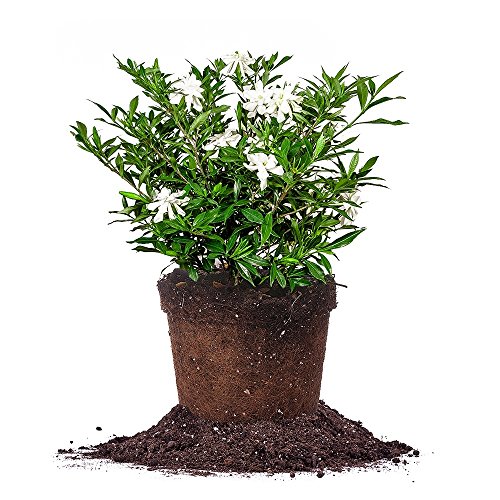
Perfect Plants Frostproof Gardenia Live Plant, 1 Gallon Pot
Gardenias as Energy Enhancers
Gardenias aren’t just stunning plants. They’re powerful tools for enhancing the energy flow in your home.
Their calming fragrance and balanced beauty of gardenias align perfectly with Feng Shui principles.
By placing them strategically, you harmonize your space, invite positive energy, and create a peaceful, uplifting environment. 🌼
18. Feng Shui Remedies with Gardenias
Transform Energy with Gardenias
Gardenias are more than just beautiful plants and powerful allies in Feng Shui for balancing and enhancing energy.
Placing gardenias in areas prone to stagnation or negativity can help promote positive Chi flow, creating a more harmonious and vibrant home.
Where to Place Gardenias for Feng Shui Remedies
- Corners:
- Place gardenias in neglected or dark corners to activate stagnant energy and bring vitality to the space.
- Entryways:
- Position gardenias near doorways to invite positive energy into your home and create a welcoming atmosphere.
- Hallways:
- Use gardenias in long or narrow hallways to soften the energy flow and improve the movement of Chi.
Tips for Enhancing Feng Shui with Gardenias
- Choose healthy, vibrant plants to symbolize growth and renewal.
- Using pots with soft and rounded shapes encourages a gentle and harmonious energy flow.
- Pair gardenias with natural elements like wood or stones to amplify their grounding effects.
Benefits of Gardenias in Feng Shui
- Balance negative energy in areas prone to stress or conflict.
- Promote a sense of peace and positivity throughout your home.
- Enhance the flow of Chi, contributing to a more balanced and serene environment.
Using gardenias as Feng Shui remedies, you transform your home into a sanctuary of positive energy and natural beauty. 🌼
19. Decorating with Gardenias Indoors
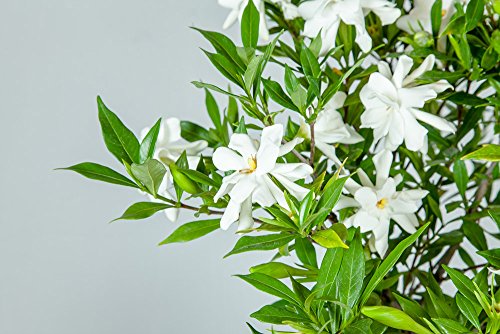
Elevate Your Home Decor with Gardenias
Gardenias bring timeless elegance and calming energy to any room, making them a perfect addition to your indoor decor.
By thoughtfully incorporating gardenias into your space, you can enhance its aesthetic appeal and energy flow, creating a harmonious and inviting atmosphere.
Creative Ways to Decorate with Gardenias
- Coffee Tables:
- Place a gardenia in a decorative pot as a centerpiece to add freshness and charm.
- Pair with a small tray or candles for a cohesive and stylish look.
- Shelves and Bookcases:
- Use gardenias to fill empty spaces on shelves, bringing greenery and balance to your decor.
- Let their blooms soften harsh lines and create a natural focal point.
- Windowsills:
- Position gardenias on windowsills with bright, indirect light to showcase their beauty while meeting their lighting needs.
- Bedrooms and Living Rooms:
- Incorporate gardenias in areas where you relax or entertain to enhance calmness and elegance.
Styling Tips for Gardenias Indoors
- Match pots to your decor theme—choose neutral tones for minimalist spaces or colorful designs for a bold statement.
- Combine gardenias with other plants, like ferns or peace lilies, for a lush, layered look.
- Keep the surrounding area tidy to emphasize the plant’s beauty and maintain a balanced energy flow.
Decorating with gardenias beautifies your home and enriches its energy, making every space feel more serene and inviting. 🌼
20. Gardenias for Small Spaces

Big Beauty in Small Spaces
Gardenias are versatile plants that thrive even in the most compact living areas.
Their delicate blooms and lush foliage make them perfect for enhancing small spaces without overwhelming them.
By choosing the right varieties and placement, you enjoy gardenias’ charm and fragrance in any size home.
Tips for Growing Gardenias in Small Spaces
- Choose Dwarf Varieties:
- Opt for smaller gardenia varieties like Gardenia jasminoides ‘Radicans,’ which stay compact and manageable.
- Smart Placement:
- Use windowsills, small tables, or shelves to display gardenias.
- Maximize vertical space by placing them on tiered plant stands.
- Decorative Pots:
- Select stylish, space-saving pots that complement your decor.
- Ensure the pots have drainage holes to prevent overwatering.
Benefits of Gardenias in Small Spaces
- They add elegance and natural beauty without taking up much room.
- Enhances air quality and energy flow in tight areas.
- They provide a calming, fragrant presence that enriches the ambiance of compact spaces.
With the right care and placement, gardenias can transform even the smallest spaces into lush, vibrant retreats filled with beauty and positive energy. 🌼
21. Propagating Gardenias for New Energy
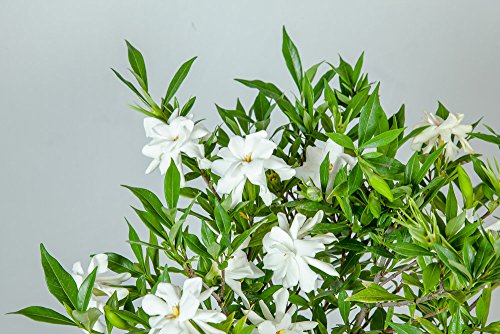
Multiply the Beauty and Energy
Propagating gardenias is a rewarding way to grow your collection and infuse your home with fresh energy.
By creating new plants from cuttings, you can share the beauty and positive vibes of gardenias with others or spread them throughout your living space.
How to Propagate Gardenias
- Select Healthy Cuttings:
- Choose a 4–6 inch stem with at least two leaf nodes from a healthy, mature gardenia plant.
- Prepare the Cutting:
- Remove the lower leaves to expose the nodes.
- Dip the cut end into rooting hormone to encourage root development.
- Plant the Cutting:
- Place the cutting in a pot filled with moist, well-draining soil (such as a mix of coco coir and perlite).
- Cover the pot with a plastic bag or use a propagator to maintain humidity.
- Provide Proper Conditions:
- Keep the cutting in bright, indirect light and maintain consistent moisture.
- Roots should develop in 4–6 weeks, at which point you can transplant the new plant.
Benefits of Propagating Gardenias
- Introduces fresh energy into your home by creating new life.
- It allows you to share the beauty of gardenias with friends and family.
- Expand your indoor garden without purchasing additional plants.
By propagating gardenias, you’re growing more of these stunning plants and cultivating an environment filled with positive energy and natural beauty. 🌼
22. Gardenias in Outdoor Feng Shui Spaces
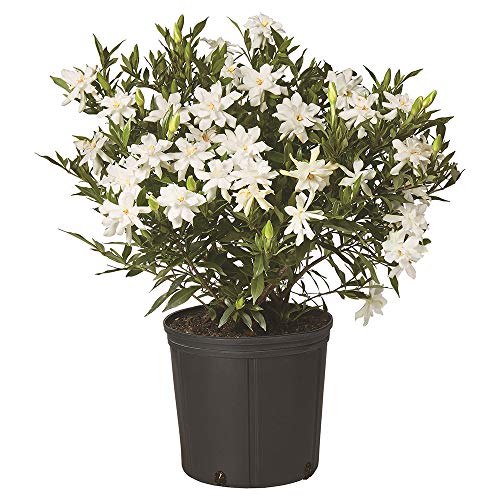
3 Gallon Gardenia Frostproof Shrub
Enhance Your Outdoor Spaces with Gardenias
Gardenias are perfect for extending harmony and balance to outdoor areas like patios or balconies.
Their fragrant blooms and lush greenery bring beauty and positive energy to your exterior spaces.
With thoughtful placement, gardenias can transform your outdoor areas into peaceful retreats that align with Feng Shui principles.
How to Use Gardenias in Outdoor Feng Shui Spaces
- Decorative Pots:
- Place gardenias in elegant, sturdy pots that complement the outdoor setting.
- Use rounded or natural-colored pots to maintain Feng Shui balance.
- Patio and Balcony Placement:
- Position gardenias in corners or along pathways to encourage smooth energy flow.
- Use them to soften harsh edges or empty spaces in outdoor layouts.
- Feng Shui Directions:
- Place gardenias in the east for health and vitality or the southeast for prosperity and abundance.
Benefits of Gardenias in Outdoor Feng Shui Spaces
- Enhances the visual appeal and energy balance of patios and balconies.
- They bring harmony and tranquility to outdoor areas, creating a relaxing atmosphere.
- Promotes the flow of positive Chi while connecting the indoors and outdoors.
By incorporating gardenias into your outdoor spaces, you create a seamless extension of your home’s beauty and energy, enriching your environment with nature’s elegance. 🌼
23. Combining Gardenias with Other Plants

Create Harmony with Gardenias and Companions
Gardenias thrive when paired with complementary plants, creating a balanced indoor garden that enhances aesthetics and energy flow.
With their lush greenery and fragrant blooms, gardenias blend beautifully with other plants, supporting Feng Shui principles of harmony and balance in your home.
Best Plants to Pair with Gardenias
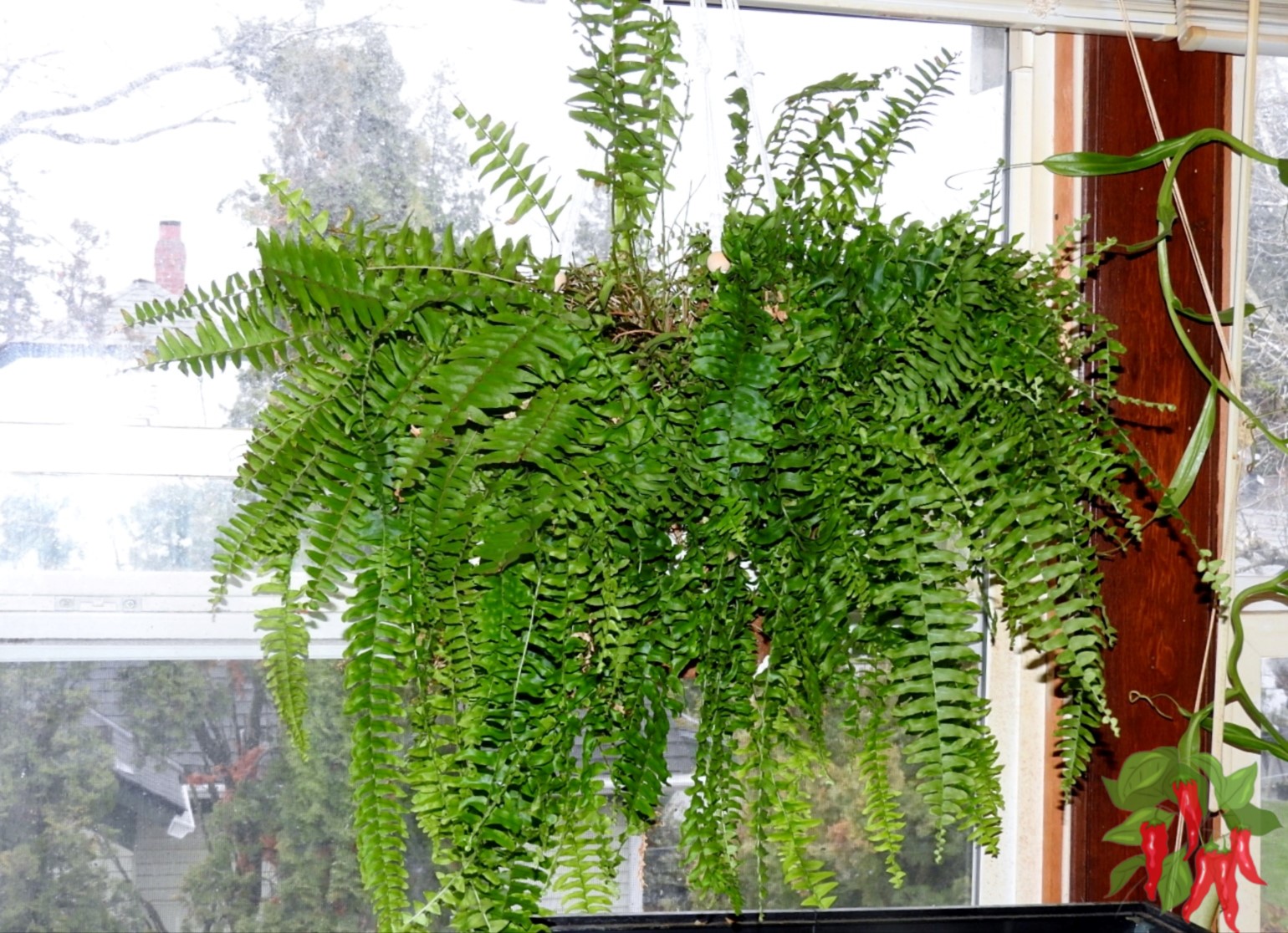
- Ferns:
-
- Their soft, feathery texture contrasts with gardenias’ structured leaves.
- Both enjoy similar humidity levels, making care easier.

-
- Peace Lilies:
-
- The peace lily’s white blooms complement gardenias, creating a serene, unified display.
- Together, they promote tranquility and balance in Feng Shui.
-
- Snake Plants:
-
- The upright structure of snake plants pairs well with gardenias’ rounded form.
- Snake plants add height and vertical interest to your arrangement.
-
- Jade Plants:
-
- Their thick, glossy leaves contrast with gardenias’ delicate blooms, adding variety.
- Jade plants symbolize prosperity and luck, enhancing Feng Shui energy.
-


Tips for Creating a Harmonious Indoor Garden
- Arrange plants in groups of three or five to align with Feng Shui principles of balance and flow.
- Use pots of similar material or color to maintain a cohesive look.
- Ensure all plants have compatible light, water, and humidity needs to thrive together.
By pairing gardenias with other plants, you can create a lush, harmonious garden that supports positive energy and brings natural beauty to your indoor space. 🌼
Following this comprehensive guide, you can cultivate gardenias indoors, enhancing your living space’s beauty and emotional well-being through thoughtful care and strategic placement.
FAQ Section

FAQs About Indoor Gardenia Care
Caring for gardenias indoors requires understanding their need for light, water, and placement. Here are some common questions answered to help you succeed:
Q. How much light do gardenias need indoors?
A. Gardenias thrive in bright, indirect light. Place them near east or west-facing windows for the best results, avoiding harsh, direct sunlight.
Q. How often should I water gardenias?
A. Water when the top inch of soil feels dry. Ensure the pot has good drainage to avoid overwatering, which can lead to root rot.
Q. Can gardenias grow in small spaces?
A. Yes, gardenias can thrive in small spaces. Use dwarf varieties in compact pots and place them on windowsills or tables for optimal growth.
Q. What are the Feng Shui benefits of gardenias?
A. Gardenias symbolize peace and harmony. Placing them in the east or southeast corners boosts positive energy, health, and prosperity.
Q. How can I keep gardenias blooming indoors?
A. Maintain consistent humidity, provide bright light, and fertilize monthly during the growing season with an acid-loving plant fertilizer.
Conclusion
Caring for Indoor Gardenias with Feng Shui
Indoor gardenia care is about more than growing beautiful blooms. It’s about creating a harmonious and energizing environment.
From understanding their care needs to aligning them with Feng Shui principles, gardenias offer a unique way to enhance your home.
Bringing It All Together
Caring for gardenias goes beyond just watering and sunlight and it’s about creating an environment where they can thrive while enhancing the beauty and energy of your home.
From essential care tips to strategic Feng Shui placement and creative decorating ideas, here’s a quick review of how to make gardenias a vibrant part of your indoor space. 🌼
1. Essential Care Tips
Gardenias require careful attention to thrive indoors.
- Provide bright, indirect light to support healthy growth while avoiding direct sunlight, which can scorch their leaves.
- Keep the soil moist but not soggy, watering only when the top inch feels dry.
- Maintain high humidity using a humidifier or placing a pebble tray under the plant to prevent dryness.
- Regular feeding with acidic fertilizer and repotting every 2–3 years are key to their long-term health.
2. Feng Shui Placement
Gardenias are powerful tools in Feng Shui, promoting harmony and positive energy.
- Place gardenias in the East to encourage health and vitality or in the Southeast to foster prosperity and abundance.
- Use gardenias in the Relationship Corner (Southwest) to nurture love and connection.
- Consider corners or entryways to balance Chi flow in areas prone to stagnant energy.
3. Decorating Ideas
Gardenias bring elegance and charm to any indoor space.
- Use dwarf varieties in small spaces, placing them on windowsills or small tables.
- Incorporate gardenias into workspaces to reduce stress and improve focus.
- Add them to meditation areas to create a calming and serene environment.
- Arrange gardenias with complementary plants like ferns or peace lilies to craft a harmonious indoor garden.
☯️ Explore More Feng Shui Plant Ideas
Discover ways to use indoor plants to create balanced, welcoming spaces throughout your home. Visit our Feng Shui Plants category for plant placement ideas, positive energy plants, room-specific Feng Shui tips, and guides for creating calmer, more harmonious indoor environments.
Key Takeaways
- Gardenias thrive with consistent care and proper placement.
- Their fragrance and beauty add serenity and charm to any space.
- Feng Shui placement enhances positive energy flow in your home.
Why You Should Try Growing Gardenias
Growing gardenias is a rewarding experience. It combines the beauty of lush greenery with the soothing fragrance of their iconic blooms.
These versatile plants can enhance any space, improving air quality, reducing stress, and aligning with Feng Shui principles to promote harmony and balance.
Whether you’re an experienced plant enthusiast or a beginner, gardenias are a wonderful addition to your indoor garden, offering aesthetic charm and emotional well-being. 🌼
By blending thoughtful care with strategic Feng Shui placement, your indoor gardenias will flourish, bringing beauty and peace to your living space. 🌼
✨ Indoor Plants and Feng Shui
Enhance harmony, balance, and positive energy in your home with these Feng Shui indoor plant guides.
- 🌱 Feng Shui Plants (Pillar Guide)
- 🏡 Indoor Plants and Feng Shui
- 🌿 Feng Shui Vertical Gardens for Office Spaces
- 🌸 Best 24 Feng Shui Indoor Plants
- 💧 Growing Feng Shui Plants
- 🌳 Common Chinese House Plants for Feng Shui
- 🪴 Feng Shui Hanging Plants
- 🛏️ Feng Shui Bedroom Plants
- 🍃 ZZ Plant Feng Shui
- 🌱 Using Feng Shui in Vertical Gardens
- 🎋 Growing Lucky Bamboo in Feng Shui
- 🏠 Indoor Plants for Feng Shui
- ☯️ Indoor Plants for Positive Energy
- 🌼 Chinese Evergreen Care
- 🌺 Growing Peonies Indoors and Outdoors
- See all articles in our Indoor Plants and Feng Shui category
Related Content

Visit my Amazon Influencer Page for videos and gardening products Grow Your Own Garden