
This post contains affiliate links. If you buy something from one of our links we may earn a commission. Thanks
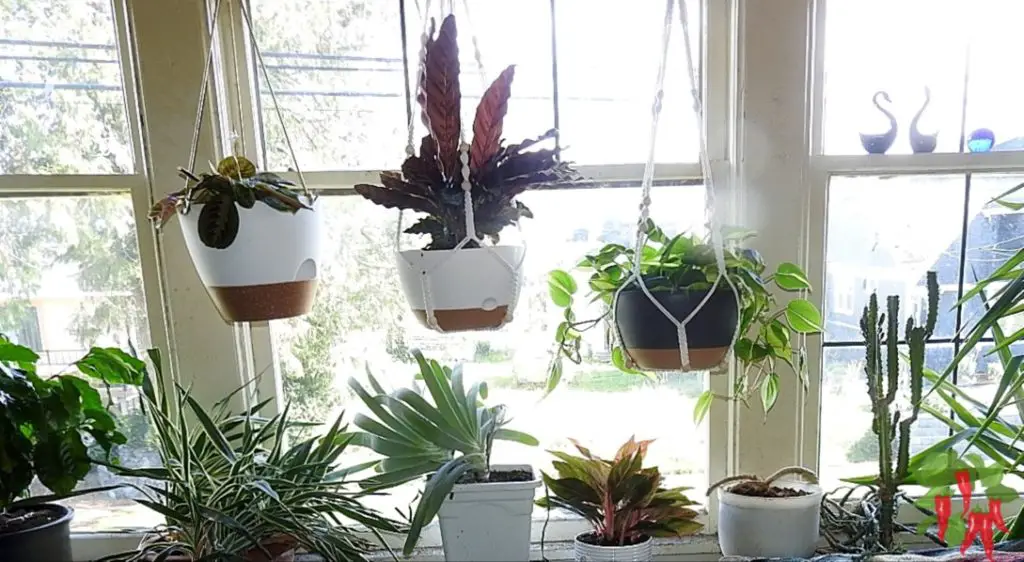
Indoor hanging plants are the secret weapon for transforming bland spaces into lush, green sanctuaries.
Feeling like your room’s missing something, but can’t quite put your finger on it? Look up! Those empty corners and bare ceilings are just begging for some leafy love.
With the right hanging plants, you can instantly add dimension, texture, and a touch of nature to any room.
Indoor Hanging Plants Key Takeaways
- Indoor hanging plants are versatile decor elements that add greenery to spaces without taking up floor or surface area.
- They include varieties like pothos, spider plants, and string of pearls.
- These plants thrive in hanging baskets or macramé hangers, creating visual interest and improving air quality in homes and offices.
What are hanging plants?
Hanging plants are, simply put, plants that grow or are displayed in suspended containers.
They can trail downwards, cascade over the sides of their pots, or grow upwards, creating a dynamic visual display that draws the eye upward and adds depth to your space.
Benefits of Hanging Plants in Interior Spaces:
• Space-saving: Perfect for small apartments or rooms with limited floor space
• Air purification: Many hanging plants are excellent at filtering indoor air pollutants
• Stress reduction: Studies show that indoor plants can lower stress levels and improve mood
• Increased humidity: Some hanging plants can naturally increase air moisture, benefiting both you and other plants
• Aesthetic appeal: They add a unique decorative element to any room
Brief History of Hanging Plants in Home Decor:
Hanging plants have been part of interior design for centuries. The famous Hanging Gardens of Babylon, one of the Seven Wonders of the Ancient World, may have been an early example of the dramatic use of hanging plants.
In the Victorian era, hanging ferns and trailing plants became hugely popular in homes.
Today, hanging plants are experiencing a revival, particularly among millennials and urban dwellers looking to bring nature into their living spaces.
Top 11 Indoor Hanging Plants for Beginners
1. Spider Plant (Chlorophytum comosum)

• Easy to care for and propagate
• Produces “spiderettes” that can be potted for new plants
• Thrives in bright, indirect light
• Great air purifier
2. Pothos (Epipremnum aureum)

• Extremely adaptable to various light conditions
• Fast-growing with beautiful trailing vines
• Available in several variegated varieties
• Excellent for beginners
3. String of Pearls (Senecio rowleyanus)

• Unique bead-like leaves create a stunning cascading effect
• Drought-tolerant succulent
• Prefers bright, indirect light
• Makes a great conversation piece
4. English Ivy (Hedera helix)
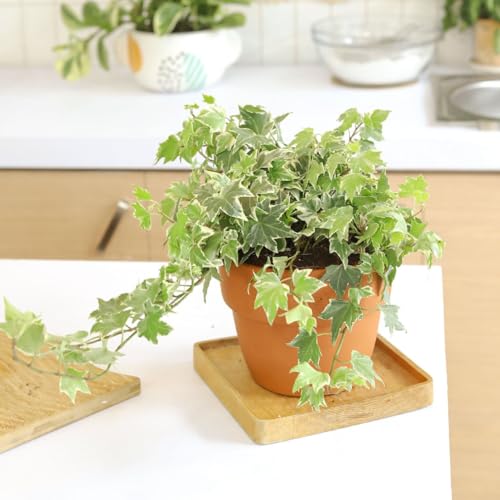
• Classic trailing plant with various leaf shapes and colors
• Adaptable to different light conditions
• Can help reduce indoor air pollutants
• Grows quickly for rapid coverage
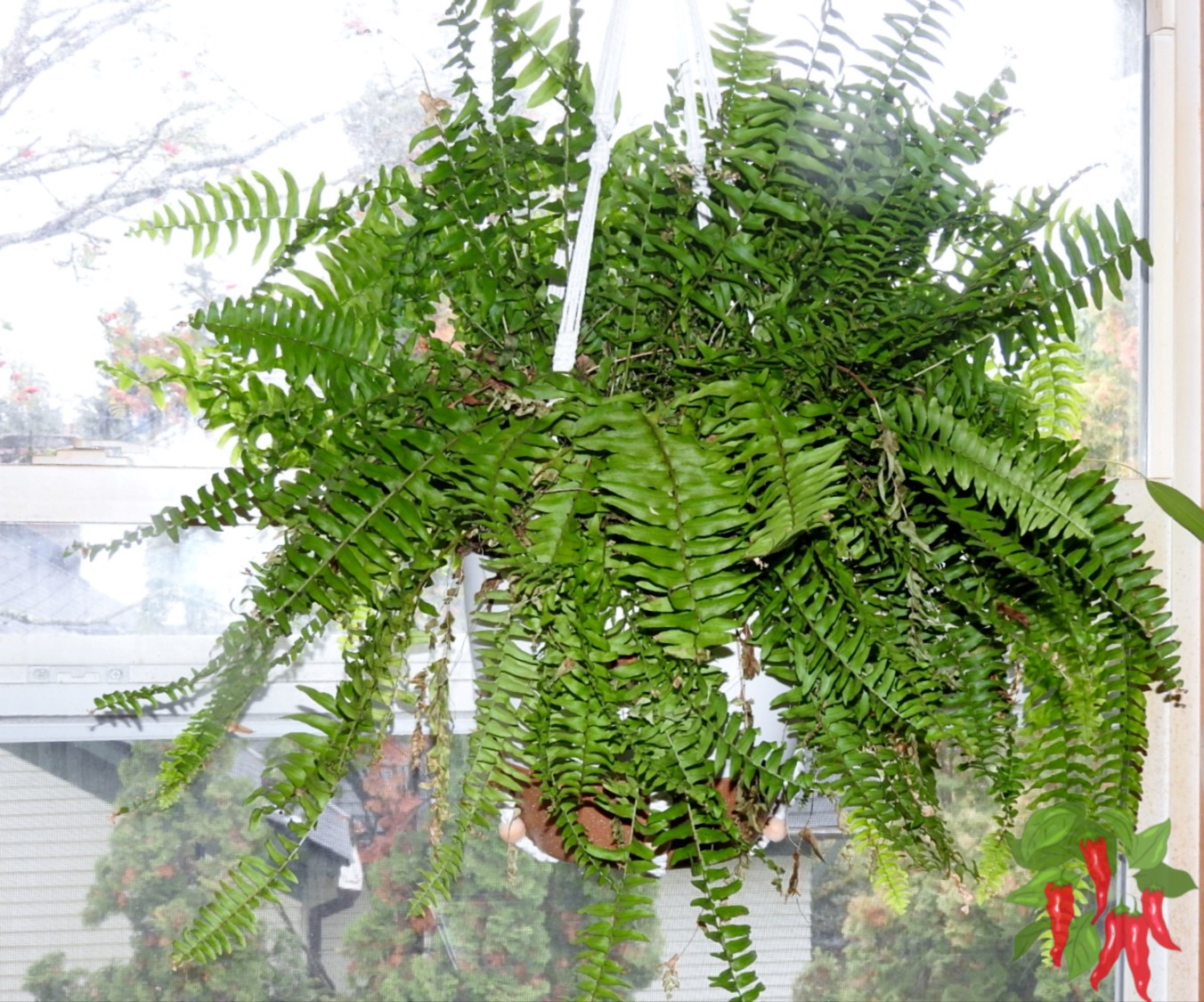
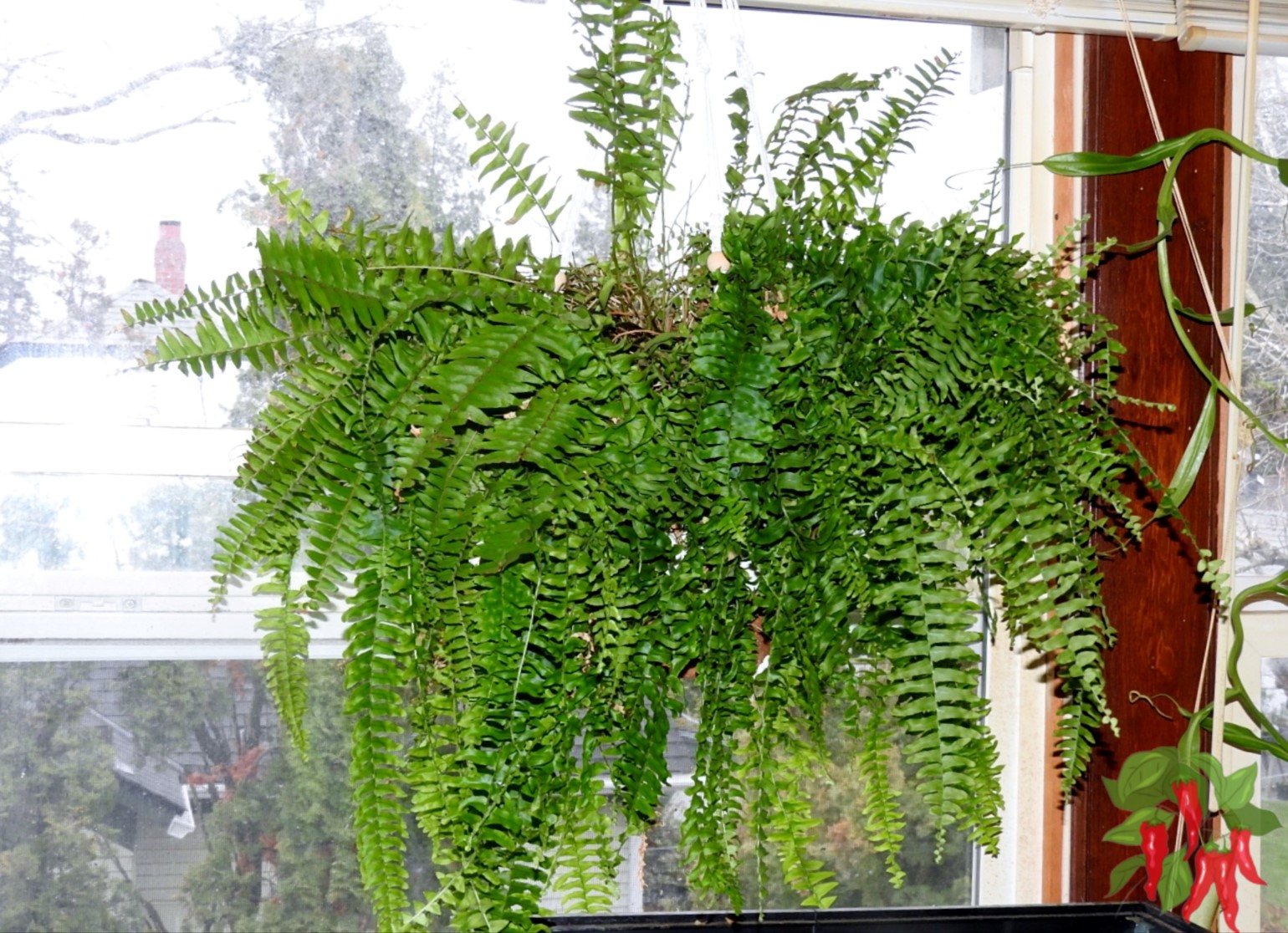
5. Boston Fern (Nephrolepis exaltata)

• Lush, feathery fronds create a full, dramatic display
• Thrives in humid environments
• Excellent air purifier
• Prefers consistent moisture and indirect light
6. Heart-leaf Philodendron (Philodendron hederaceum)
 BubbleBlooms Philodendron Micans Hederaceum in a 4 inch Pot Heart-Leaf Philo, Sweetheart Plant
• Fast-growing with heart-shaped leaves
• Very forgiving and easy to care for
• Adaptable to various light conditions
• Can be trained to climb or allowed to trail
7. String of Hearts (Ceropegia woodii)
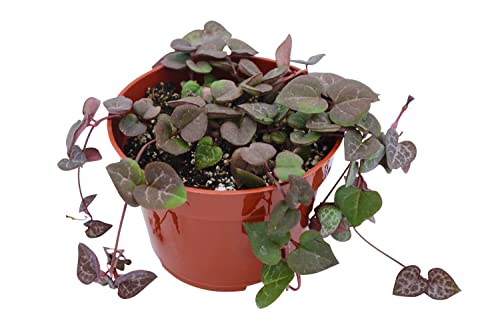
• Delicate, heart-shaped leaves on thin, trailing stems
• Drought-tolerant and low-maintenance
• Prefers bright, indirect light
• Unique purple-tinged stems add visual interest
8. Burro’s Tail (Sedum morganianum)

• Succulent with cascading stems of plump, blue-green leaves
• Drought-tolerant and low-maintenance
• Prefers bright light but can tolerate some shade
• Fragile leaves can be used to propagate new plants
9. Lipstick Plant (Aeschynanthus radicans)

• Exotic-looking plant with dark leaves and tubular red flowers
• Prefers humid environments
• Blooms throughout the year with proper care
• Best in bright, indirect light
10. Bird’s Nest Fern (Asplenium nidus)

• Unique, wavy fronds emerge from a central rosette
• Tolerates lower light conditions
• Prefers high humidity
• Adds a tropical touch to any space
11. Air Plants (Tillandsia)
• No soil required, making them incredibly versatile for displays
• Come in various shapes and sizes
• Low-maintenance and perfect for creative arrangements
• Can be mounted, placed in glass globes, or displayed in unique containers
• Require periodic misting or soaking for hydration
Care Guide for Indoor Hanging Plants
Light requirements:
Most hanging plants prefer bright, indirect light. However, some can tolerate lower light conditions. Always research the specific needs of your plant. Generally:
• Bright, indirect light: Most flowering plants, succulents, and variegated varieties
• Medium light: Many ferns, philodendrons, and pothos
• Low light: Some varieties of pothos, ZZ plants, and certain philodendrons
Watering needs:
Proper watering is crucial for hanging plants. Overwatering is a common issue, as excess water can’t escape as easily from hanging containers.
• Check soil moisture before watering – when the top inch feels dry, it’s usually time to water
• Water thoroughly until it drains from the bottom, then empty the drip tray
• Use room temperature water to avoid shocking the plant
• Consider the plant’s natural habitat – succulents need less water than tropical plants
Soil and fertilization:
• Use well-draining potting mix appropriate for your plant type
• Most hanging plants benefit from monthly fertilization during the growing season (spring and summer)
• Use a balanced, water-soluble fertilizer diluted to half-strength
• Reduce or stop fertilizing in fall and winter when growth slows
Temperature and humidity:
• Most indoor hanging plants prefer temperatures between 60-75°F (15-24°C)
• Avoid placing plants near drafts or heat sources
• Increase humidity by misting, using a pebble tray, or running a humidifier
• Group plants together to create a microclimate with higher humidity
Pruning and maintenance:
• Regularly remove dead or yellowing leaves
• Pinch back growing tips to encourage bushier growth
• Trim overly long vines to maintain desired shape
• Clean leaves periodically to remove dust and improve photosynthesis
Creative Ways to Display Hanging Plants
Macramé hangers:

• Adds a boho-chic touch to any room
• Can be DIY-ed or purchased in various styles and colors
• Allows for adjustable height and easy plant swapping
Hanging baskets:
• Classic option available in various materials (plastic, wire, coconut coir)
• Great for plants that need frequent watering
• Can be lined with moss for a natural look
Wall-mounted planters:
• Perfect for creating a living wall effect
• Available in various designs, from minimalist to ornate
• Can be arranged in patterns or clusters for visual impact
Ceiling hooks and pulleys:
• Ideal for high ceilings or hard-to-reach areas
• Allows for easy lowering of plants for watering and maintenance
• Can create a dramatic, cascading effect with multiple plants
Window displays:
• Maximizes natural light for sun-loving plants
• Creates a natural privacy screen
• Can be achieved with tension rods, hanging rods, or suction cup hooks
Troubleshooting Common Issues
Yellowing leaves:
• Cause: Often due to overwatering, but can also be caused by nutrient deficiencies or too much direct sunlight
• Solution: Adjust watering schedule, check for proper drainage, or move to a more suitable location
Pest infestations:
• Common pests: Spider mites, mealybugs, scale insects
• Prevention: Regularly inspect plants, maintain proper humidity, and avoid overwatering
• Treatment: Use insecticidal soap, neem oil, or rubbing alcohol depending on the pest type
Root rot:
• Cause: Overwatering or poor drainage
• Prevention: Ensure proper drainage, allow soil to dry between waterings
• Treatment: Remove affected parts, repot in fresh soil, and adjust watering habits
Leggy growth:
• Cause: Insufficient light causing the plant to stretch towards light sources
• Solution: Move to a brighter location or provide supplemental grow lights
• Prune leggy growth to encourage bushier development
Leaf drop:
• Causes: Stress from changes in environment, overwatering, or pest infestations
• Solution: Identify the cause and address it (e.g., stabilize temperature, adjust watering, treat for pests)
• Give the plant time to recover in ideal conditions
Advanced Techniques for Hanging Plant Enthusiasts
Propagation methods:
• Water propagation: Works well for pothos, philodendron, and many other vining plants
• Leaf cuttings: Ideal for succulents like burro’s tail or string of hearts
• Division: Suitable for plants that produce offsets, like spider plants
Creating mixed hanging planters:
• Combine plants with similar care requirements
• Mix trailing plants with upright ones for varied texture
• Consider color combinations and growth rates when selecting plants
Training plants to grow in specific patterns:
• Use plant ties or soft twine to guide growth
• Create living sculptures with wire frames
• Train vining plants to grow up and over structures for a dramatic effect
Building your own custom hangers:
• Experiment with materials like rope, leather, or recycled items
• Design multi-tiered hangers for a vertical garden effect
• Create adjustable systems to accommodate plants as they grow
Hanging Plants for Specific Environments
Low-light hanging plants:
• Pothos
• Heart-leaf Philodendron
• ZZ Plan
Bathroom-friendly hanging plants:
• Boston Fern
• Spider Plant
• English Ivy
• Bird’s Nest Fern
Office-appropriate hanging plants:
• Pothos
• String of Pearls
• Air Plants (Tillandsia)
• Burro’s Tail
Pet-safe hanging options:
• Spider Plant
• Boston Fern
• Lemon Button Fern
Seasonal Care for Hanging Plants
Winter care tips:
• Reduce watering frequency as growth slows
• Move plants away from cold windows and drafts
• Increase humidity with a humidifier or pebble tray
• Hold off on fertilizing until spring
Summer growth management:
• Increase watering frequency and monitor soil moisture closely
• Provide shade from intense afternoon sun
• Fertilize regularly to support active growth
• Prune and shape plants as needed
Preparing plants for seasonal changes:
• Gradually acclimate plants to changes in light and temperature
• Clean leaves and inspect for pests before bringing outdoor plants inside
• Adjust care routines to match the plant’s natural growth cycle
• Consider supplemental lighting for dark winter months
Design Ideas: Incorporating Hanging Plants in Home Decor
Bohemian-inspired spaces:
• Mix and match various macramé hangers
• Combine different plant types for a lush, eclectic look
• Incorporate natural materials like wood and woven baskets
Minimalist hanging plant arrangements:
• Choose sleek, modern planters in neutral colors
• Focus on plants with clean lines, like string of pearls or air plants
• Create symmetrical displays for a balanced look
Creating a hanging plant wall:
• Use a variety of wall-mounted planters and hanging baskets
• Mix plants of different sizes, textures, and colors
• Incorporate shelving or trellises for additional support and visual interest
Hanging plants in small spaces:
• Utilize vertical space with tiered hanging systems
• Choose compact plants that won’t overwhelm the space
• Use hanging plants to create natural room dividers
The Environmental Impact of Indoor Hanging Plants
Air purification benefits:
• Many hanging plants effectively remove indoor air pollutants
• Spider plants, pothos, and English ivy are particularly good air purifiers
• A combination of plants can address various types of indoor pollutants
Sustainability of growing indoor plants:
• Indoor plants can reduce energy costs by providing natural cooling
• Growing your own plants from cuttings reduces the need for purchased plants
• Indoor gardening can promote a connection with nature and encourage eco-friendly practices
Eco-friendly planting and care practices:
• Use organic, peat-free potting mixes
• Opt for natural pest control methods like neem oil or insecticidal soaps
• Collect rainwater for watering plants
• Compost plant trimmings and use them to enrich soil
FAQs About Indoor Hanging Plants
Q: How often should I water my hanging plants?
A: It depends on the plant species, pot size, and environmental conditions. Generally, water when the top inch of soil feels dry. Always check your specific plant’s needs.
Q: Can all plants be grown as hanging plants?
A: While many plants can adapt to hanging conditions, some are better suited than others. Choose plants with trailing habits or those that naturally grow as epiphytes for best results.
Q: How do I prevent soil from spilling out of hanging baskets?
A: Line your hanging baskets with coconut coir or moss to help retain soil. When watering, do so slowly and evenly to prevent overflow.
Q: Are there any fast-growing hanging plants?
A: Yes! Pothos, English ivy, and string of hearts are all fast-growing options that can quickly fill out a hanging basket.
Conclusion: Embracing the Beauty of Indoor Hanging Plants
Embracing the Green Revolution: Indoor Hanging Plants
Indoor hanging plants are more than just a trend – they’re a lifestyle upgrade that brings nature into your home in the most beautiful way. As we’ve explored, these versatile green friends offer a multitude of benefits, from air purification to stress reduction, all while adding a touch of style to your space.
Key Takeaways:
• Indoor hanging plants are a space-efficient way to add greenery to any room
• Many hanging plants are low-maintenance, making them perfect for beginners
• Proper light, water, and occasional pruning keep hanging plants healthy and thriving
• Hanging plants can improve air quality and reduce stress in your home
• With creativity, hanging plants can become a key element of your interior design
Remember, the journey into the world of indoor hanging plants is an adventure – don’t be afraid to experiment, learn, and most importantly, have fun! Your perfect green sanctuary is just a few hanging plants away.
🌿 Indoor Houseplant Guides
Discover the best ways to grow, style, and care for indoor houseplants of all types, from tropicals to pet-safe picks.
- 🌱 Great Indoor Houseplants (Pillar Guide)
- 🐾 Pet-Friendly Indoor Plants
- 💧 Watering Indoor Plants
- 🌴 Tropical Indoor Plants
- 🌟 Rare & Exotic Indoor Plants
- 🐕 Pet-Safe Indoor Plants
- 🌳 Indoor Trees & Large Plants
- 🏢 Indoor Plants for Offices
- 🚿 Indoor Plants for Bathrooms
- 🪴 Indoor Plant Care Tips
- 🌿 Indoor Hanging Plants (Ultimate Guide)
- 🌸 Best Flowering Indoor Plants for Beginners
- ⚡ Fast-Growing Indoor Plants
- 🌵 Drought-Tolerant Indoor Plants
- 🪞 Best Planters & Pots for Indoor Plants
- See all articles in our Indoor Houseplants category
Related Content

Visit my Amazon Influencer Page for videos and gardening products Grow Your Own Garden