
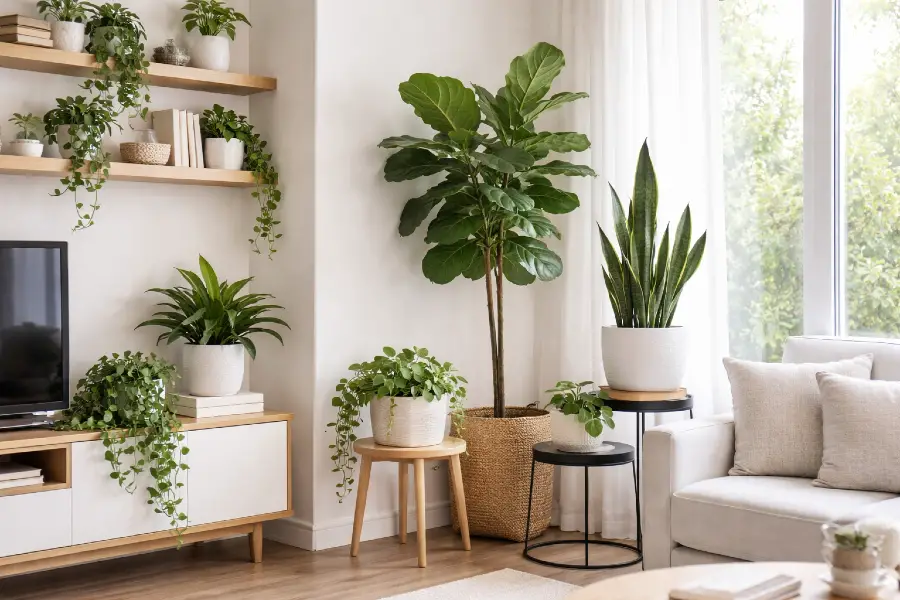
Indoor plant display ideas can transform an ordinary room into a beautiful, welcoming space filled with natural greenery. Whether you have a collection of houseplants or just a few favorites, the way you arrange them can make a big difference in how your home looks and feels.
You don’t need expensive furniture, elaborate shelving, or a large home to create attractive plant displays. A few carefully chosen plants arranged on a table, grouped near a window, or displayed at different heights can add color, texture, and personality to almost any room.
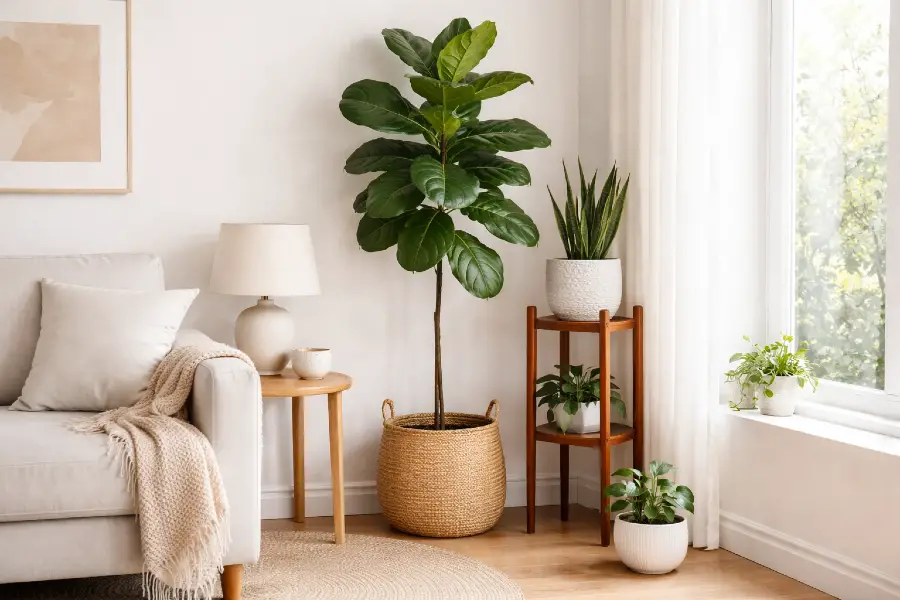
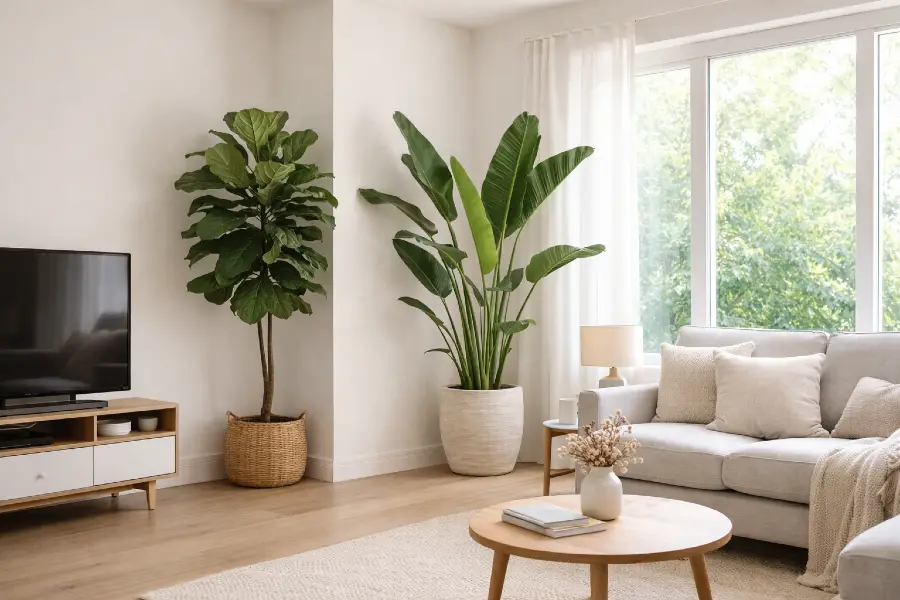
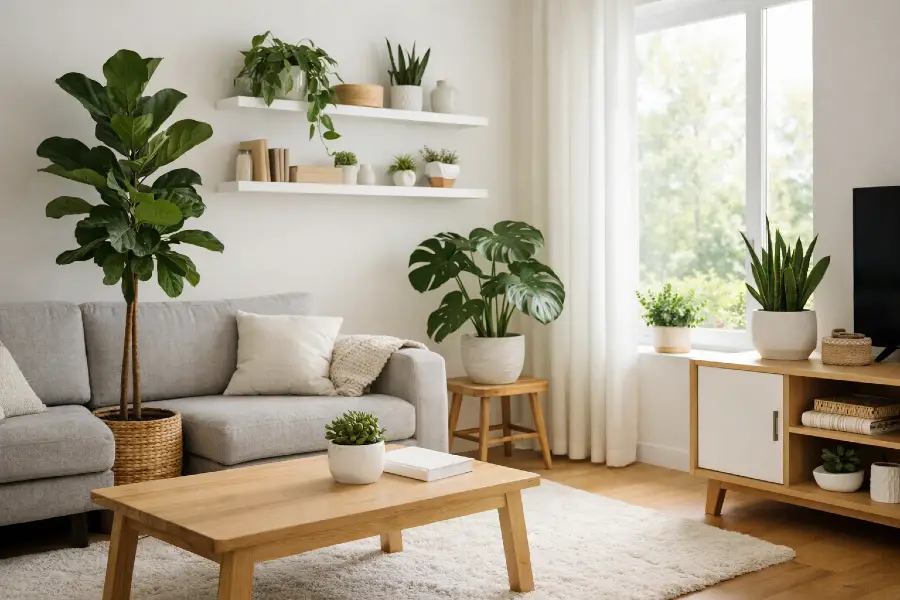
One of my favorite approaches is combining plants of different sizes. A taller floor plant, a medium-sized houseplant on a stand, and a smaller plant nearby can create a layered arrangement that looks natural without feeling overcrowded. You can also use shelves, windowsills, corners, and existing furniture to make the most of your available space.
Of course, a beautiful display should also be a healthy one. Different houseplants have different lighting and growing requirements, so it’s important to choose locations where your plants will thrive. With a little planning, you can create displays that complement your decorating style while providing suitable conditions for your indoor plants.
In this guide, you’ll discover practical indoor plant display ideas for living rooms, bedrooms, offices, and small spaces. You’ll also learn how to group plants, create visual balance, use plant stands and shelves, and arrange your greenery to make your home feel more comfortable and inviting.
What You’ll Learn
- How to create attractive indoor plant displays using plants you already own.
- Simple ways to group houseplants of different heights, sizes, and shapes.
- How to decorate shelves, plant stands, tables, and windowsills with greenery.
- Creative plant display ideas for living rooms, bedrooms, offices, and small spaces.
- How to turn empty corners and unused areas into attractive plant displays.
- Why lighting, plant health, and available space matter when choosing display locations.
- Common plant display mistakes and how to create arrangements that look balanced rather than overcrowded.
- A simple three-plant display formula you can use almost anywhere in your home.
Quick Answer: What Are the Best Ways to Display Indoor Plants?
The best indoor plant display ideas combine plants of different heights, sizes, and shapes to create attractive arrangements that complement your home. Grouping two or three plants together, using plant stands for height, decorating shelves with trailing greenery, and placing larger plants in corners are simple ways to create beautiful indoor displays.
You don’t need a large collection or expensive decorating accessories. Start with one taller plant, one medium-sized plant, and one smaller plant. Arrange them at different heights to create a natural, layered appearance. Shelves, tables, windowsills, and unused corners can all become attractive display areas.
For the best results, match each plant to the available light, leave enough space for growth, and avoid overcrowding. A healthy, well-arranged group of houseplants can make even a small room feel more inviting and thoughtfully decorated.
Indoor Plant Display Ideas at a Glance
Not every plant display requires the same amount of space or decorating effort. This quick comparison will help you choose arrangements that work with your furniture, available floor space, and indoor lighting.
| Display Idea | Best Location | Styling Tip |
|---|---|---|
| Grouped Plants | Living rooms, bedrooms, and open floor areas | Combine tall, medium, and small plants for a layered appearance. |
| Plant Shelves | Small rooms, apartments, and home offices | Mix compact and trailing plants with books and decorative objects. |
| Plant Stands | Beside furniture, windows, and seating areas | Use different stand heights to create visual interest without crowding the floor. |
| Window Displays | Bright windows and nearby tables | Choose plants suited to the available sunlight and protect sensitive foliage from intense direct sun. |
| Corner Displays | Living room corners, bedrooms, and entryways | Use one taller floor plant with smaller plants nearby to fill empty space naturally. |
| Tabletop Displays | Coffee tables, side tables, dressers, and desks | Keep arrangements simple with one or two plants and a decorative tray or accessory. |
| Mixed-Size Displays | Larger rooms, open spaces, and plant collection areas | Combine different leaf shapes, heights, and container sizes for a balanced display. |
Indoor plant decorating tip: Start with a small arrangement and build around it rather than trying to fill every available space. Three plants of different heights can create an attractive focal point, especially when their foliage colors, leaf shapes, and containers complement one another. Most importantly, choose a display location where each plant receives suitable light and has enough room to grow.
🌿 Group Plants Together for Displays
One of the easiest indoor plant display ideas is grouping plants together instead of spreading them evenly across a room. Groups of plants often look more intentional and decorative.
When grouping plants, try to use different heights so the plants do not all sit at the same level.
- Use one taller plant
- Use one medium plant
- Use one small plant
- Use different pot sizes
Grouped plants can create a small indoor garden display in a corner, near a window, or beside furniture.
📚 Use Shelves for Plant Displays
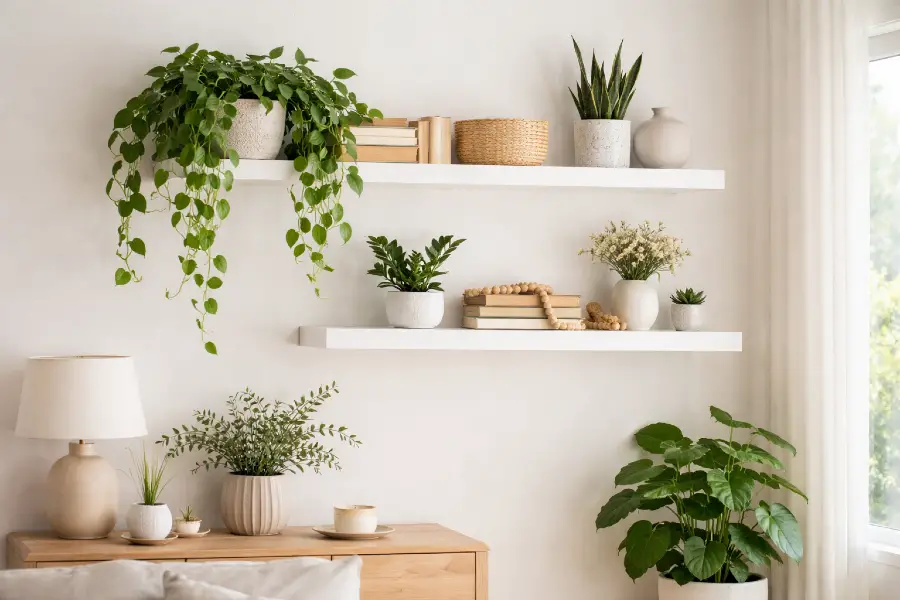
Shelves are one of the best places to create indoor plant displays because they allow you to display several plants without taking up floor space.
Mix plants with books and decor items so the shelves look styled and balanced.
You can read more shelf styling ideas here: Decorating Shelves With Plants.
🪴 Use Plant Stands for Displays
Plant stands are great for indoor plant displays because they add height and allow you to display multiple plants at different levels.
Using plant stands makes plant displays look more intentional and organized.
🪟 Create Plant Displays Near Windows
Windows are great places for indoor plant displays because many plants need bright light. A window area with several plants can become a natural display area in a room.
- Small plants on windowsills
- Plants on stands near windows
- Trailing plants near windows
- Plant groups beside windows
🌳 Corner Plant Displays
Corners are perfect for plant displays because they often need height and visual interest. A corner plant display can include a tall plant, a plant on a stand, and a small plant near the floor.
For more ideas, see Corner Plant Decor Ideas.
🪑 Tabletop Plant Displays
Tables, coffee tables, dressers, and entry tables are great places for small plant displays. Usually one or two plants on a table looks better than many small plants.
Tabletop plant displays work especially well when combined with books, candles, or trays.
🌿 Mix Plant Sizes for Better Displays
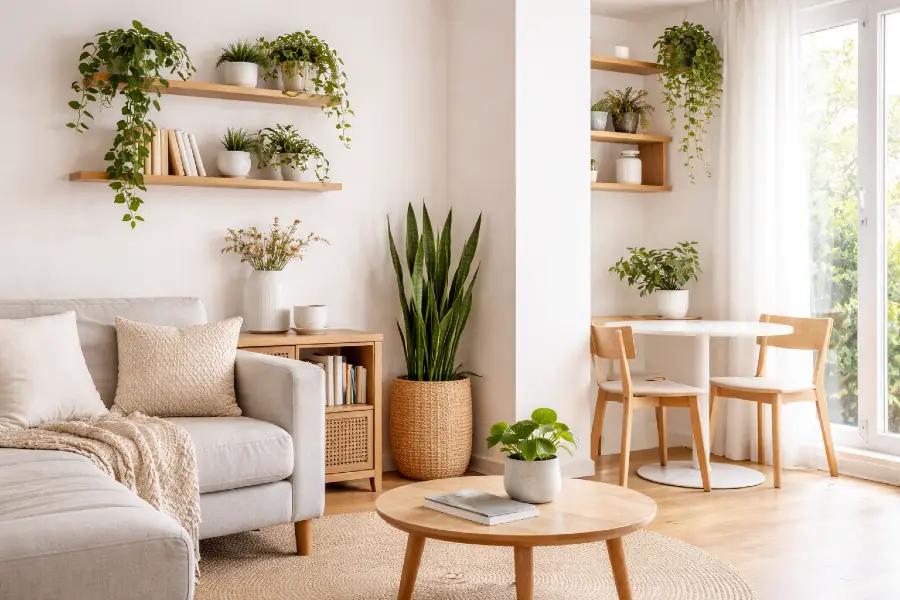
Plant displays usually look better when different plant sizes are used together. Mixing tall plants, medium plants, and small plants creates a more natural display.
You can also combine large plants with smaller plants nearby to create a layered display.
If you are decorating with large plants, see Decorating With Large Indoor Plants.
⚠️ Common Indoor Plant Display Mistakes
There are a few common mistakes people make when creating indoor plant displays.
- Spreading plants evenly across the room instead of grouping
- Using plants that are all the same height
- Overcrowding shelves and tables
- Blocking walkways with plant displays
- Ignoring light conditions
Plant displays usually look best when plants are grouped and placed at different heights.
📋 Simple Indoor Plant Display Formula
If you are not sure how to create a plant display, try this simple formula:
- 🌳 One tall plant
- 🪴 One medium plant
- 🌱 One small plant
- Place them together in one area
This simple setup can create a plant display almost anywhere in a home.
🐾 Pet-Safe Indoor Plant Display Ideas
If you share your home with cats or dogs, you can still create beautiful indoor plant displays. The key is choosing suitable houseplants and arranging them where curious pets are less likely to chew leaves, dig in pots, or knock over containers.
Some popular houseplants are toxic to pets, while others are generally considered non-toxic. Before adding a new plant to your display, check its botanical name and confirm its safety using the ASPCA’s Toxic and Non-Toxic Plants database.
Pet-Friendly Plants for Indoor Displays
Several attractive houseplants are listed as non-toxic to cats and dogs by the ASPCA. These include:
- Spider Plants: Their arching, striped leaves look attractive on shelves and plant stands.
- Parlor Palms: Their graceful foliage works well in tabletop arrangements and floor displays.
- Boston Ferns: Their full, cascading fronds are especially attractive on elevated stands.
- Calatheas: Their colorful, patterned foliage makes them excellent focal points in grouped displays.
- Peperomias: Many commonly grown varieties are compact and well suited to desks, tables, and shelves.
Remember that non-toxic doesn’t mean edible. Chewing plant material can still cause mild digestive upset, so it’s best to discourage pets from eating houseplants.
How to Keep Indoor Plant Displays Safe for Pets
- Use Stable Plant Stands: Choose sturdy stands and containers that are unlikely to tip over if bumped.
- Secure Shelves: Make sure shelves can support the combined weight of plants, containers, and moist growing medium.
- Consider Plant Placement: Keep potentially toxic plants completely inaccessible to pets. Remember that cats can often reach high shelves.
- Protect Hanging Displays: Secure hanging planters properly and keep trailing foliage away from pets that may pull on it.
- Store Plant-Care Products Safely: Keep fertilizers, pesticides, and other gardening supplies out of your pets’ reach.
- Keep Walkways Clear: Arrange floor plants where people and pets can move comfortably without knocking over containers.
Pet-safe decorating tip: If you have a curious cat or dog, build your displays around non-toxic plants whenever possible. A combination of a parlor palm, spider plant, and compact peperomia can create an attractive arrangement with different heights and leaf shapes.
With thoughtful plant selection and secure placement, you can create indoor displays that look beautiful, support healthy plant growth, and help keep your pets safe.
Frequently Asked Questions About Indoor Plant Display Ideas
How do you display indoor plants attractively?
One of the easiest ways to display indoor plants attractively is to arrange them at different heights using shelves, plant stands, tables, and floor space. Combine plants with different leaf shapes, sizes, and colors to create visual interest. Grouping a few plants together can make a room look more organized and thoughtfully decorated. Choose containers that complement your furniture and decorating style for a coordinated appearance.
Should indoor plants be grouped together or spread around a room?
Both approaches can work, but grouping plants together often creates a stronger decorative focal point. A small collection arranged near a window, beside furniture, or in an unused corner can look more intentional than plants spread evenly throughout the room. You can also display individual statement plants in separate locations to create balance. The best arrangement depends on your available space, lighting, and personal decorating preferences.
Where is the best place to display indoor plants?
Living room corners, shelves, windowsills, side tables, and plant stands are excellent places to display houseplants. The best location depends on the plant’s lighting requirements and the available space. Bright windows work well for plants that enjoy stronger light, while other varieties prefer filtered or indirect sunlight. Choose display locations where your plants can grow comfortably without blocking walkways or interfering with everyday activities.
How many plants should you use in an indoor plant display?
Two or three plants are often enough to create an attractive indoor display, especially when they have different heights and leaf shapes. A simple arrangement might include one taller plant, one medium-sized plant, and one smaller plant. Larger rooms can accommodate more elaborate displays, while a single statement plant may be ideal for a small table or narrow corner. The goal is to create visual balance without overcrowding the space.
Are plant stands better than placing plants directly on the floor?
Plant stands are useful because they raise smaller plants to eye level and allow you to create displays with different heights. They also help separate plants visually and can make watering and maintenance easier. However, larger floor plants often look best directly on the floor in suitable containers. Combining floor plants with elevated plants is an effective way to create a layered arrangement that looks natural and balanced.
How can you display indoor plants in a small apartment?
In a small apartment, make use of vertical space with shelves, hanging planters, narrow plant stands, and compact tabletop arrangements. A single tall plant can add greenery without requiring several containers on the floor. You can also group smaller plants near a window or arrange trailing varieties on shelves. Keep walkways clear, avoid overcrowding furniture, and choose plants that suit the available lighting.
How do you arrange indoor plants when a room has limited natural light?
Start by identifying the brightest areas of the room and choosing houseplants that tolerate the available light. Plants such as snake plants, ZZ plants, and some pothos varieties can adapt to lower indirect light, although they still need enough light to maintain healthy growth. If your preferred display location is too dark, a suitable grow light can help. Avoid placing plants in poorly lit corners simply because the arrangement looks attractive.
🌿 Final Thoughts on Indoor Plant Display Ideas
Indoor plant display ideas don’t have to be complicated or expensive to make a noticeable difference in your home. Sometimes, simply moving a few plants closer together, adding a plant stand, or arranging containers at different heights can turn an ordinary corner into an attractive indoor garden display.
One of the easiest ways to get started is to work with the plants and furniture you already have. Shelves, side tables, windowsills, and unused corners can all become beautiful display areas with a little planning. You don’t need a large plant collection to create a space that feels natural, comfortable, and welcoming.
Start With a Simple Plant Arrangement
If you’re unsure where to begin, try grouping three plants of different sizes. Place one taller plant toward the back, add a medium-sized plant beside it, and position a smaller plant near the front. This creates a layered appearance that draws attention without making the arrangement feel crowded.
You can use this same basic approach on a plant stand, beside a window, or in a living room corner. Experiment with different leaf shapes, foliage colors, and container styles until you find an arrangement that complements your home.
Balance Beautiful Displays With Healthy Plants
A good plant display should look attractive while providing the growing conditions your houseplants need. Before choosing a permanent location, consider the available natural light, temperature, humidity, and space for future growth.
Some plants thrive near bright windows, while others are better suited to moderate indirect light. If you want greenery in a darker area, choose plants that tolerate lower light or consider adding a suitable grow light. Healthy foliage will always make your indoor displays more appealing.
Key Takeaways for Decorating With Indoor Plants
- Group Plants for Visual Impact: Arranging two or three plants together can create a more intentional display than spreading them evenly throughout a room.
- Mix Different Heights: Combine tall, medium, and small plants to create natural layers and visual interest.
- Use Existing Furniture: Shelves, tables, plant stands, and windowsills provide convenient places to display greenery.
- Make the Most of Small Spaces: Vertical shelves, narrow stands, and compact arrangements can add greenery without taking up much floor space.
- Choose Suitable Locations: Match each plant’s lighting and growing requirements to its display location.
- Keep Displays Comfortable and Safe: Avoid overcrowding, blocking walkways, or placing unstable containers where they might be knocked over.
- Let Your Style Develop: Experiment with plant combinations, decorative containers, and different arrangements as your collection grows.
Create a Home That Feels Alive With Greenery
One of the nicest things about decorating with houseplants is that your displays can change over time. As plants grow, you can move them into larger containers, rearrange your shelves, or create new groupings that better suit your space.
A large leafy plant beside your favorite chair, a few small plants on a bookshelf, or a colorful arrangement near a window can make an everyday room feel more personal and inviting.
Start with a few plants you enjoy, give them the growing conditions they need, and arrange them in ways that make you happy. With a little creativity, even the simplest indoor plant display can bring beauty, warmth, and a welcoming touch of nature into your home. 🌿
How to Decorate With Indoor Plants (Indoor Plant Styling and Decor Ideas)
If you want more indoor plant styling ideas, browse all articles here:
Plant Styling & Decor.
➡️ Next Post
Next: Mixing Plant Sizes in Home Decor
References and Further Reading
For additional information about choosing healthy houseplants, understanding indoor lighting, and creating pet-friendly plant displays, explore these resources from university Extension programs and the ASPCA.
- University of Maryland Extension – Lighting for Indoor Plants. Explains how window placement, light intensity, and supplemental lighting affect houseplant growth.
Read the University of Maryland Extension guide. - University of Minnesota Extension – Lighting for Indoor Plants. Provides guidance on selecting houseplants for different indoor light conditions and using artificial lighting.
Read the University of Minnesota Extension guide. - Penn State Extension – Low Light Houseplants. Discusses houseplant choices for lower-light spaces and how plants respond to changes in available light.
Read the Penn State Extension article. - ASPCA – Toxic and Non-Toxic Plants. A searchable reference for checking whether individual houseplant species are toxic or non-toxic to cats and dogs.
Explore the ASPCA plant safety database.
Related Content
Visit my Amazon Influencer Page for videos and gardening products Grow Your Own Garden