
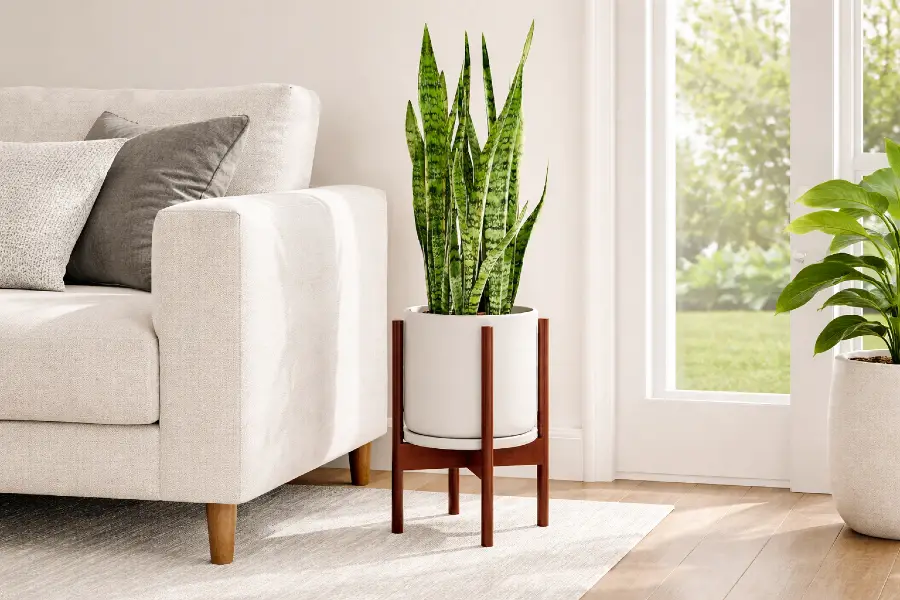
Indoor plant stands and planters are one of the easiest ways to decorate with indoor plants and add height, layers, and visual interest to a room. Instead of placing all plants on the floor or on shelves, plant display stands allow you to raise plants to different heights and spread greenery throughout a space.
Raised planters work well in living rooms, bedrooms, offices, and small apartments because they help organize plants and make them part of the room decor. When combined with decorative planters, plant stands can make indoor plants look like furniture or decor pieces instead of just plants in pots.
In this guide, we’ll look at indoor plant stands and planters, including how to decorate with them, where to place them, and how to choose the right styles for your home.
For more planter and container ideas, visit our Pots & Planters category here: Pots & Planters.
What You’ll Learn
- What indoor plant stands are used for
- How to decorate with plant stands and planters
- Where to place plant stands in your home
- Best plant stands for living rooms and small spaces
- How to choose plant stands that match your decor
- How to arrange plants at different heights
🪴Find The Best Pots and Planters For Indoor Plants On Amazon
🌿 Why Use Indoor Plant Stands
Indoor plant stands are used to raise plants off the floor and place them at different heights around a room. This helps create layers of plants instead of having all plants at the same level. Rooms with plants at different heights usually look more balanced and more decorated.
Indoor stands are also useful in small spaces because they allow you to add more plants without taking up too much floor space. A small plant stand can hold a medium plant and make it more visible without needing a large floor planter.
Plant stands can also help plants get more light if they are raised closer to windows.
🪴 Types of Indoor Plant Display Stands
There are many different types of indoor plant stands. Some of the most common include single plant stands, multi-level plant stands, corner plant stands, and plant stand shelves. Each type works well in different spaces depending on how many plants you have and how much room is available.
Single plant stands are very common and are often placed next to sofas, chairs, or windows. Multi-level plant stands can hold several plants and work well in corners or near windows. Corner plant stands are designed to fit into corners and save space.
Choosing the right type of plant stand depends on how many plants you have and where you want to place them.
🏡 Where to Place Plant Display Stands
Plant stands can be placed in many areas of a home including living rooms, bedrooms, offices, entryways, and near windows. Some of the most common places for raised planters are beside sofas, next to chairs, in corners, near windows, and beside TV stands or shelves.
Placing a plant stand next to furniture helps fill empty space and makes the room feel more balanced. Stands near windows are also very common because plants get more light in those areas.
Plant stands are often used to fill empty corners that would otherwise not have any decoration.
📏 Choosing Planters for Vertical Plant Displays
When using plant stands, the planter should fit the stand properly. Most indoor plant stands are designed for medium-sized planters, but some are designed for small or large planters. The planter should sit securely on the stand and not hang over the edges too much.
Ceramic planters, white planters, black planters, and woven basket planters all work well with raised planters, depending on the room style. Matching planter styles with the plant stand style usually looks best.
Using similar planter colors throughout a room can help everything look more coordinated and more designed.
🛋️ Decorating With Raised Planters in Living Rooms
Plant stands are very popular in living rooms because they help spread plants around the room and add height variation. Instead of placing all plants on the floor, a plant stand can lift a plant up so it is closer to eye level and more visible.
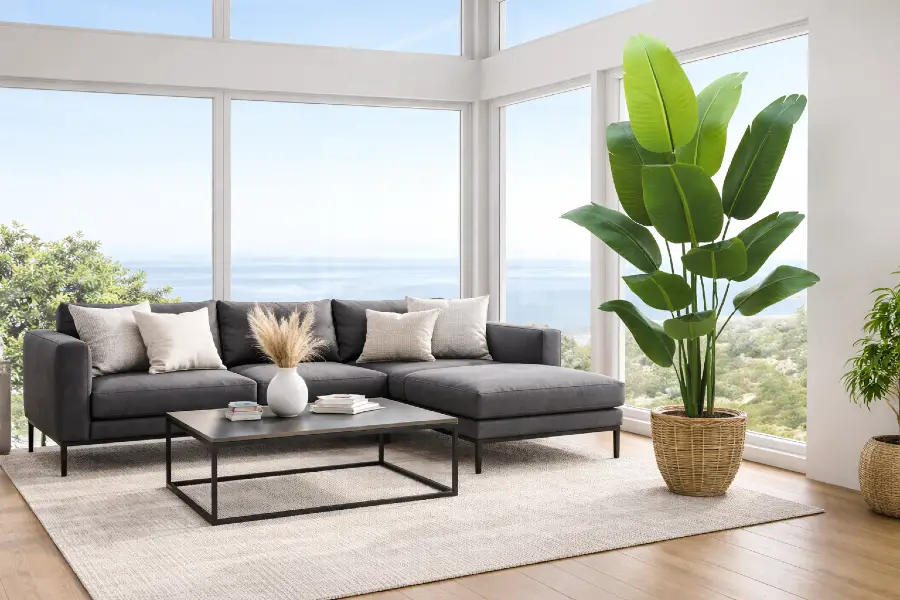
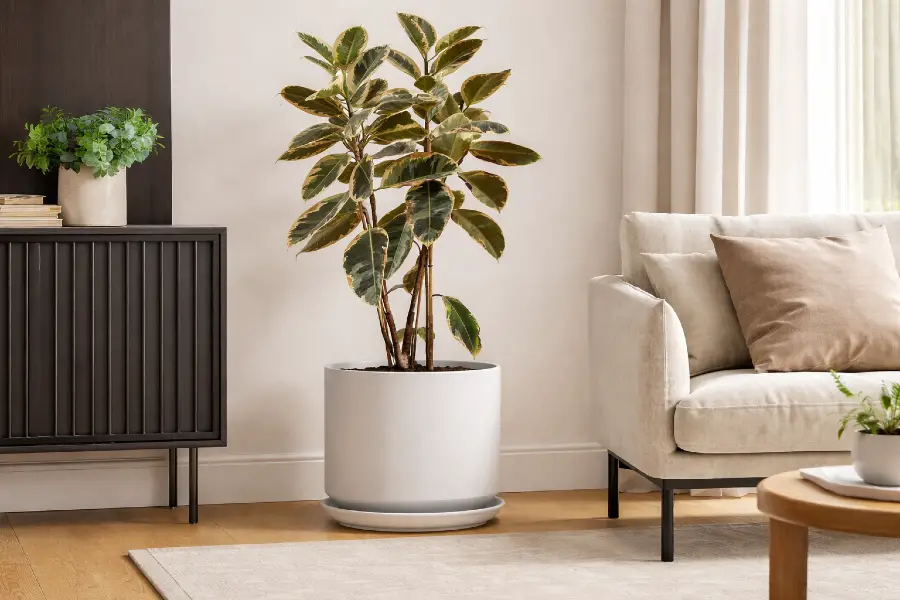
A common living room setup includes a large floor plant in a corner, a medium plant on a plant stand near a sofa or chair, and a few small plants on shelves or tables. This layered arrangement makes the room feel more balanced and more balanced.
Plant stands also work well beside TV stands, bookshelves, and windows because they help fill empty space without making the room feel crowded.
🏢 Plant Stands for Small Spaces
Plant stands are very useful in small spaces because they allow you to place plants vertically instead of using more floor space. A small plant stand can hold one or two plants while taking up very little room.
Multi-level plant stands are especially useful in apartments because they can hold several plants in one small area. Corner plant stands are also great for small spaces because they fit into corners that might otherwise be empty.
Using plant stands in small spaces helps you add more plants without making the room feel crowded.
🎨 Matching Plant Stands With Planters
Plant stands and planters should usually match or complement each other. For example, a black metal plant stand often looks good with white or black planters. A wooden plant stand often looks good with ceramic or terracotta planters. Woven basket planters often look good with wood plant stands.
Matching materials and colors helps everything look more coordinated. The plant stand and planter together often look like one decorative piece instead of two separate items.
Using similar plant stands throughout a room can also help the room feel more organized and more designed.
📐 Using Different Height Levels for Plants
One of the main reasons people use plant stands is to create different height levels for plants. Rooms usually look better when plants are at different heights instead of all at the same level.
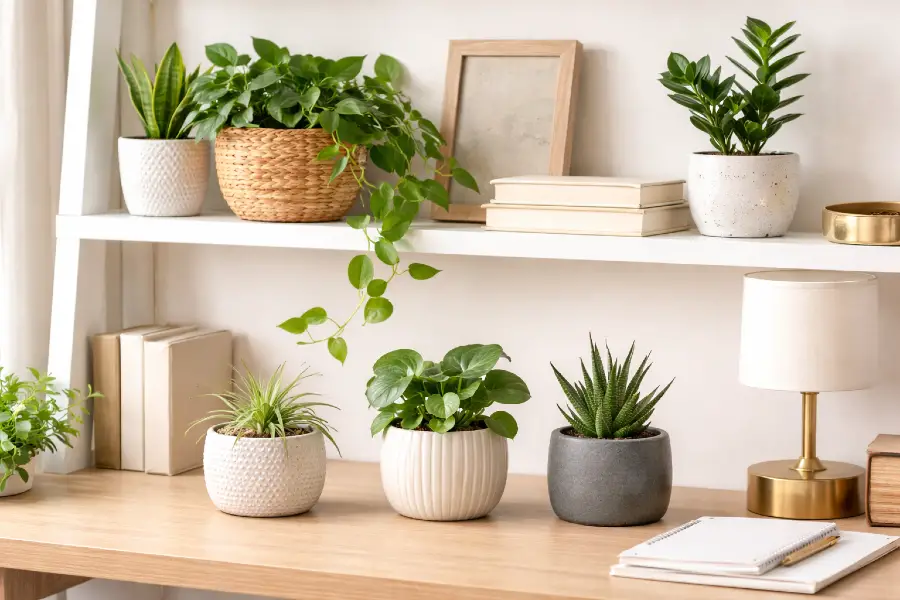
For example, you might have one plant on the floor, one plant on a plant stand, one plant on a shelf, and one hanging plant near a window. This creates layers of plants from low to high and makes the room feel more balanced.
Using different height levels is one of the easiest ways to decorate with indoor plants and make a room feel more complete.
🌿 Best Plants for Raised Plant Stands
Many indoor plants work well on plant stands. Some popular choices include pothos, philodendron, snake plants, peace lilies, ferns, rubber plants, and small palms. Trailing plants also work well on plant stands because the vines can hang down over the sides.
Plants placed on stands are often more visible, so many people choose plants with interesting leaves or shapes for plant stands.
🏡 Plant Stand Ideas for Different Rooms
Plant stands can be used in many rooms throughout a home. In living rooms, plant stands are often placed beside sofas, chairs, or near windows. In bedrooms, plant stands are often placed near dressers or in corners. In home offices, a plant stand can be placed beside a desk or near a window to add greenery without taking up desk space.
Entryways are also great places for plant stands because they can add decoration without blocking walkways. A small plant stand with a medium plant can make an entryway feel more welcoming.
Because plant stands are easy to move, they can also be rearranged easily when you want to change the layout of a room.
🪴 Choosing the Right Plant Stand Style
Plant stands come in many styles including metal stands, wood stands, modern minimalist stands, and multi-level stands. Choosing a plant stand style that matches the room decor helps the plant stand look like part of the room instead of something added later.
Black metal plant stands often work well in modern rooms. Wooden plant stands often work well in cozy or natural style rooms. Simple white or black stands often work well in minimalist rooms.
The plant stand and planter together should match the style of the room so everything looks coordinated.
📏 How Many Plant Stands to Use
There is no exact number of plant stands that a room should have, but most rooms look best with one to three plant stands depending on the size of the room. Too many plant stands can make a room feel crowded, while too few may not make much visual impact.
It usually helps to spread plant stands around the room instead of placing them all in one area. For example, one plant stand near a window, one near a sofa, and one in a corner often looks balanced.
Plant stands should help fill empty space and balance the room layout.
🌱 Final Thoughts
Indoor plant stands and planters are one of the easiest ways to make indoor plants feel more intentional and decorative throughout a home. Raising plants to different heights helps rooms feel more layered, balanced, and visually interesting without needing large amounts of furniture or decor.
Plant stands also make it easier to decorate with greenery in apartments, offices, bedrooms, and small spaces because they help organize plants vertically instead of crowding floors and shelves.
Using a mix of floor plants, plant stands, shelves, hanging plants, and decorative planters usually creates the most natural-looking indoor plant setup. Matching planter styles, stand materials, and room decor can also help indoor plants blend into the overall design of a space.
Whether you prefer modern plant stands, wood stands, minimalist planters, or layered plant corners, combining indoor plant stands and planters can make indoor spaces feel greener, calmer, and more complete.
Decorative Indoor Planter Ideas (Stylish Pots & Planters for Indoor Plants)
For more planter and container ideas, visit our Pots & Planters category here: Pots & Planters.
Indoor Plant Stands and Planters FAQs
Indoor plant stands and planters can help plants look more intentional, balanced, and decorative in a room. These common questions cover placement, small spaces, planter matching, height, and styling indoors.
What are indoor plant stands used for?
Indoor plant stands are used to raise plants off the floor, create height variation, and make plants more visible in a room. They also help turn houseplants into part of the decor instead of leaving every plant at the same level.
Where should I place indoor plant stands?
Good places for indoor plant stands include empty corners, beside sofas or chairs, near windows, next to bookshelves, beside desks, and in entryways. The best spot is usually where the plant gets enough light without blocking walkways or furniture.
Are plant stands good for small spaces?
Yes, plant stands are useful in small spaces because they let you decorate vertically instead of using more floor space. Multi-level stands, corner stands, and narrow plant stands work especially well in apartments and compact rooms.
Should plant stands and planters match?
Plant stands and planters do not have to match exactly, but they should usually complement each other. Similar colors, materials, or shapes can make the plant stand and planter feel like one intentional decor piece.
What plants look best on indoor plant stands?
Pothos, philodendrons, snake plants, peace lilies, ferns, rubber plants, small palms, and trailing plants all work well on indoor plant stands. Plants with interesting leaves, upright growth, or trailing vines tend to stand out nicely when raised.
How many plant stands should I use in one room?
Most rooms look best with one to three plant stands, depending on the room size. Too many stands can feel cluttered, while a few well-placed stands can make the room feel more layered, balanced, and finished.
➡️ Next Post
Next: Large Statement Planters for Living Rooms
Related Content
Visit my Amazon Influencer Page for videos and gardening products Grow Your Own Garden