
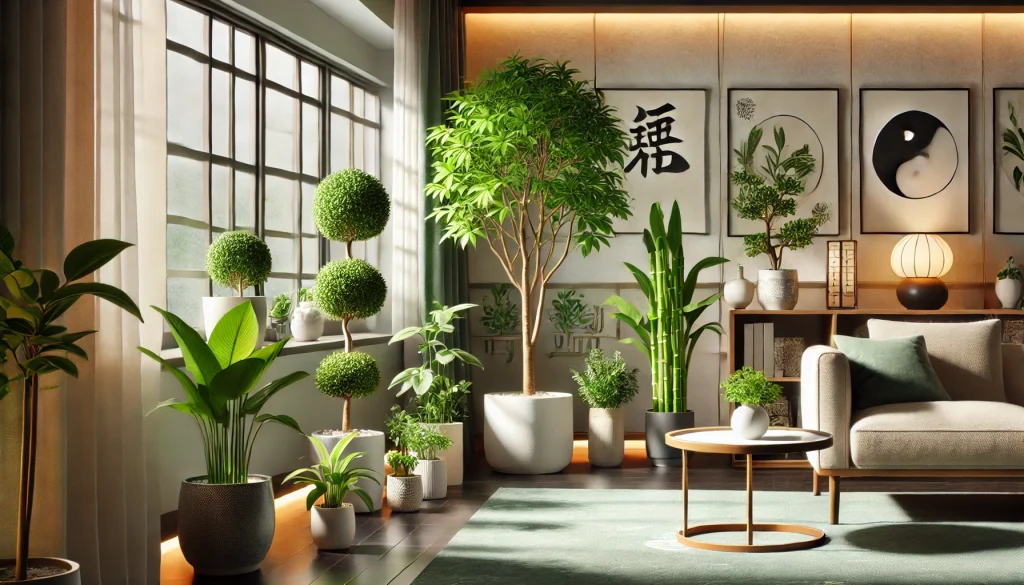
Indoor Plants for Feng Shui bring together the natural beauty of houseplants and the traditional Chinese art of creating balanced, harmonious living spaces. From a lush money tree in your living room to lucky bamboo on your desk, plants can add color, texture, and a sense of life to almost any room in your home.
In Feng Shui, living plants are traditionally associated with growth, vitality, renewal, and positive energy, often called Chi. Different plants carry their own symbolism. Jade plants and money trees are associated with prosperity, peace lilies represent harmony, and lucky bamboo symbolizes good fortune and resilience. These traditional meanings can help guide your decorating choices while making your home feel more welcoming.
One of the things I like about combining houseplants with Feng Shui is that you can create attractive arrangements without needing a large home or an elaborate plant collection. A single healthy plant on a shelf, a trailing pothos in a corner, or a graceful palm near a bright window can make a noticeable difference in how a room looks and feels.
Of course, the health of your plants comes first. Traditional Feng Shui placement might suggest a particular corner or direction, but that location still needs to provide suitable light, temperature, and growing conditions. A healthy, actively growing plant is a much better symbol of vitality and abundance than one struggling in a dark corner. You can always adapt the placement to work with your home’s natural lighting.
In this guide, we’ll explore some of the best indoor plants for Feng Shui, what they traditionally represent, and where you might place them throughout your home. You’ll also find practical growing tips and decorating ideas for living rooms, bedrooms, entryways, offices, and small spaces.
🌿 What You’ll Learn
- Which indoor plants are traditionally associated with prosperity, harmony, good fortune, and positive energy in Feng Shui.
- How money trees, jade plants, lucky bamboo, peace lilies, and other popular houseplants fit into Feng Shui decorating.
- How to use the Feng Shui Bagua map to guide plant placement in different areas of your home.
- Which plants work well in living rooms, bedrooms, entryways, offices, and small apartments.
- How to combine traditional Feng Shui placement with the light, watering, and growing conditions your plants actually need.
- Which plants are sometimes considered unfavorable in Feng Shui and how thoughtful placement can help.
- Simple ways to create a balanced, welcoming indoor space with healthy, attractive houseplants.
🌿 Quick Answer: What Are the Best Indoor Plants for Feng Shui?
The best indoor plants for Feng Shui include money trees, jade plants, lucky bamboo, peace lilies, pothos, and rubber plants. In traditional Feng Shui, these plants are associated with prosperity, harmony, growth, good fortune, and positive energy. Their natural shapes, attractive foliage, and living greenery can also help create a welcoming atmosphere throughout your home.
Plant placement is an important part of Feng Shui. Money trees and jade plants are often associated with the Southeast wealth area, while leafy green plants are popular in the East health and family area. Lucky bamboo is commonly used in offices and workspaces to symbolize progress and adaptability. The Feng Shui Bagua map can help you explore these traditional associations.
However, the best location for any houseplant is one where it can grow successfully. A jade plant needs much brighter light than a peace lily or ZZ plant, for example. If your preferred Feng Shui corner is too dark, place the plant near a suitable window or provide supplemental lighting. A healthy, thriving plant is a wonderful representation of the growth and vitality that Feng Shui celebrates.
🪴 Indoor Plants for Feng Shui at a Glance
Different houseplants have different traditional Feng Shui meanings. This quick comparison can help you choose plants that complement your decorating goals while providing the growing conditions they need.
| Indoor Plant | Traditional Feng Shui Meaning | Suggested Placement | Light Requirements |
|---|---|---|---|
| Money Tree | Wealth, prosperity, abundance | Southeast wealth area, living room, office | Bright, indirect light |
| Jade Plant | Good fortune, friendship, financial growth | Bright entryway, wealth area, sunny windowsill | Bright light with some direct sun |
| Lucky Bamboo | Good luck, resilience, personal growth | Office desk, career area, living room | Moderate to bright, indirect light |
| Peace Lily | Peace, harmony, tranquility | Living room, bedroom, quiet sitting area | Moderate to bright, indirect light; tolerates lower light |
| Areca Palm | Vitality, growth, balanced energy | Living room, East health area | Bright, indirect light |
| Pothos | Growth, abundance, positive energy | Shelves, home office, small spaces | Moderate to bright, indirect light; tolerates lower light |
| Rubber Plant | Abundance, stability, prosperity | Bright entryway, living room | Bright, indirect light |
| ZZ Plant | Resilience, stability, steady growth | Office, desk, lower-light living area | Low to bright, indirect light |
| Snake Plant | Protection, strength, resilience | Entryway, office, suitable bright corner | Moderate to bright light; tolerates lower light |
| African Violet | Harmony, affection, beauty | Tabletop, relationship area, bright shelf | Bright, indirect light |
Feng Shui growing tip: Think of traditional plant placement as a decorating guide rather than a strict rule. If the Southeast corner of your home doesn’t receive enough light for a money tree or jade plant, choose a brighter location nearby. You can also use a more shade-tolerant plant in that area. Keeping your plants healthy is the best way to celebrate the Feng Shui themes of growth, vitality, and renewal.
Introduction to Indoor Plants for Feng Shui
Indoor plants aren’t just beautiful. They’re a key element in Feng Shui to harmonize your living or workspaces.
By strategically placing the right plants, you can invite positive energy, balance the five elements, and boost various aspects of your life.
Best Indoor Plants for Feng Shui
Money Tree (Pachira aquatica)

The Money Tree is a popular choice for anyone wanting to attract financial luck and positive energy into their home. Its braided trunk and lush leaves make it not only symbolic of prosperity but also a striking decorative addition.
- Symbol of wealth and prosperity.
- Best placed in the Southeast corner of your home.
- Requires bright, indirect light and watering when the soil is dry.
Jade Plant (Crassula ovata)

Known as the “friendship tree,” the Jade Plant is a classic Feng Shui favorite. Its round, coin-like leaves are thought to bring wealth and good fortune, making it an excellent addition near doorways or wealth corners.
- Represents abundance and friendship.
- Ideal for entrances or wealth areas.
- Prefers bright light and dry soil between waterings.
Lucky Bamboo (Dracaena sanderiana)

Lucky Bamboo has long been a Feng Shui staple, symbolizing resilience, adaptability, and good luck. Its elegant stalks thrive in both water and soil, adding a calming presence to any space.
- A traditional symbol of good luck and flexibility.
- Thrives in water or well-draining soil with moderate light.
Peace Lily (Spathiphyllum)

The Peace Lily is a symbol of serenity and harmony, making it perfect for creating a calming energy in your home. Its ability to purify the air is an added bonus for a healthier living space.
- Promotes peace and harmony.
- Best placed in health zones.
- Tolerates low light but thrives in bright, indirect light.
Areca Palm (Dypsis lutescens)

The Areca Palm is like a natural air freshener, purifying and energizing your home with its lush, tropical fronds. It’s a versatile plant that works wonders in spaces where vitality and balance are needed.
- Enhances vitality and purifies air.
- Prefers bright, indirect light and moist soil.
Understanding Chi
Chi is the fundamental concept in traditional Chinese culture and philosophy that refers to the vital life force or energy that flows through all living things and the environment. Here’s a breakdown of what Chi represents:
Key aspects of Chi:
1. Life Force Energy: It’s considered the universal energy that animates all living beings and flows through nature.
2. Balance: In Feng Shui, Chi represents the balance between yin and yang energies. Good Chi flow promotes harmony and well-being, while stagnant Chi can create negative effects.
3. Flow: Chi is believed to move like water or wind – it shouldn’t be blocked or flow too quickly. In Feng Shui, the goal is to create a smooth, balanced Chi flow through spaces.
Practical Feng Shui application:
- Chi flow can be influenced by furniture placement, room layout, and natural elements
- Plants are used to help generate and purify Chi in spaces
- The arrangement of objects and pathways should promote smooth Chi flow
- Clutter and sharp angles are thought to block or disturb Chi
- Natural light and fresh air help maintain healthy Chi
Understanding Chi is fundamental to Feng Shui practice since the goal is to optimize this energy flow to create harmonious, balanced living spaces that support health, wealth, and well-being.
Indoor Plants and Feng Shui Placement

Placing plants strategically in your home can significantly impact the energy flow, enhancing different aspects of your life.
Using the Feng Shui Bagua map, you can align plant placement with specific areas to invite prosperity, health, love, or career success.
Southeast (Wealth Area)
This section of your home governs financial abundance and prosperity. To boost this energy:
- Money Tree: Known for its wealth-attracting qualities, place one here to invite financial success.
- Jade Plant: Its coin-shaped leaves symbolize money and good fortune, making it a great fit for this area.
East (Health Area)
The East is all about health and well-being, making it the perfect spot for vibrant plants that exude life.
- Areca Palms: These purifying beauties energize the health zone while freshening the air.
- Peace Lilies: Their calming presence and air-cleaning properties promote vitality and a sense of peace.
Southwest (Relationships Area)
The Southwest governs relationships and love, whether romantic or familial. Flowering plants are ideal here to nurture connections.
- Flowering Plants: Options like African violets or orchids can help strengthen love and harmony. Their blooms symbolize beauty and growth in relationships.
North (Career Area)
The North focuses on career advancement and life path. Plants in this area should enhance growth and adaptability.
- Lucky Bamboo: Its upright stalks represent steady progress and flexibility, qualities that are essential for professional success.
By aligning plant placement with these Feng Shui principles, you can transform your space into a harmonious environment that supports your goals and aspirations.
Small Indoor Plants for Feng Shui
If you’re short on space but still want to enhance your home’s energy, small indoor plants are the perfect solution.
These compact green friends fit easily on desks, shelves, or windowsills and bring the same positive vibes as their larger counterparts.
Pothos (Epipremnum aureum)

Known for its trailing vines and forgiving nature, Pothos is a low-maintenance powerhouse of positivity. It’s perfect for busy individuals or small apartments.
- An easy-care plant that attracts positive energy.
- Perfect for small spaces or desks.
Spider Plant (Chlorophytum comosum)

The Spider Plant is a classic choice for creating a sense of balance and health. Its arching leaves and air-purifying abilities make it both decorative and functional.
- Symbolizes health and adaptability.
- Ideal for compact areas with moderate light.
African Violet (Saintpaulia)

With its vibrant blooms, the African Violet is a cheerful addition to small spaces. It symbolizes harmony and peace, making it a great pick for relaxation zones.
- Adds vibrant energy with colorful blooms.
- Represents peace and harmony.
These small plants may be compact, but their ability to improve the energy in your home is anything but tiny!
Whether you’re brightening a desk or creating a cozy corner, these choices are ideal for maximizing Feng Shui in limited spaces.
Good Feng Shui Plants for Front of House
The entryway to your home is where energy flows in, so it’s important to make it warm and inviting.
Feng Shui principles suggest using plants that attract positivity, prosperity, and calm to set the tone for your space.
Bamboo Palm (Chamaedorea seifrizii)

The graceful Bamboo Palm is a natural choice for inviting wealth and good fortune. Its lush fronds create a welcoming vibe right at your doorstep.
- Welcomes prosperity and good fortune.
- Best placed near the front door.
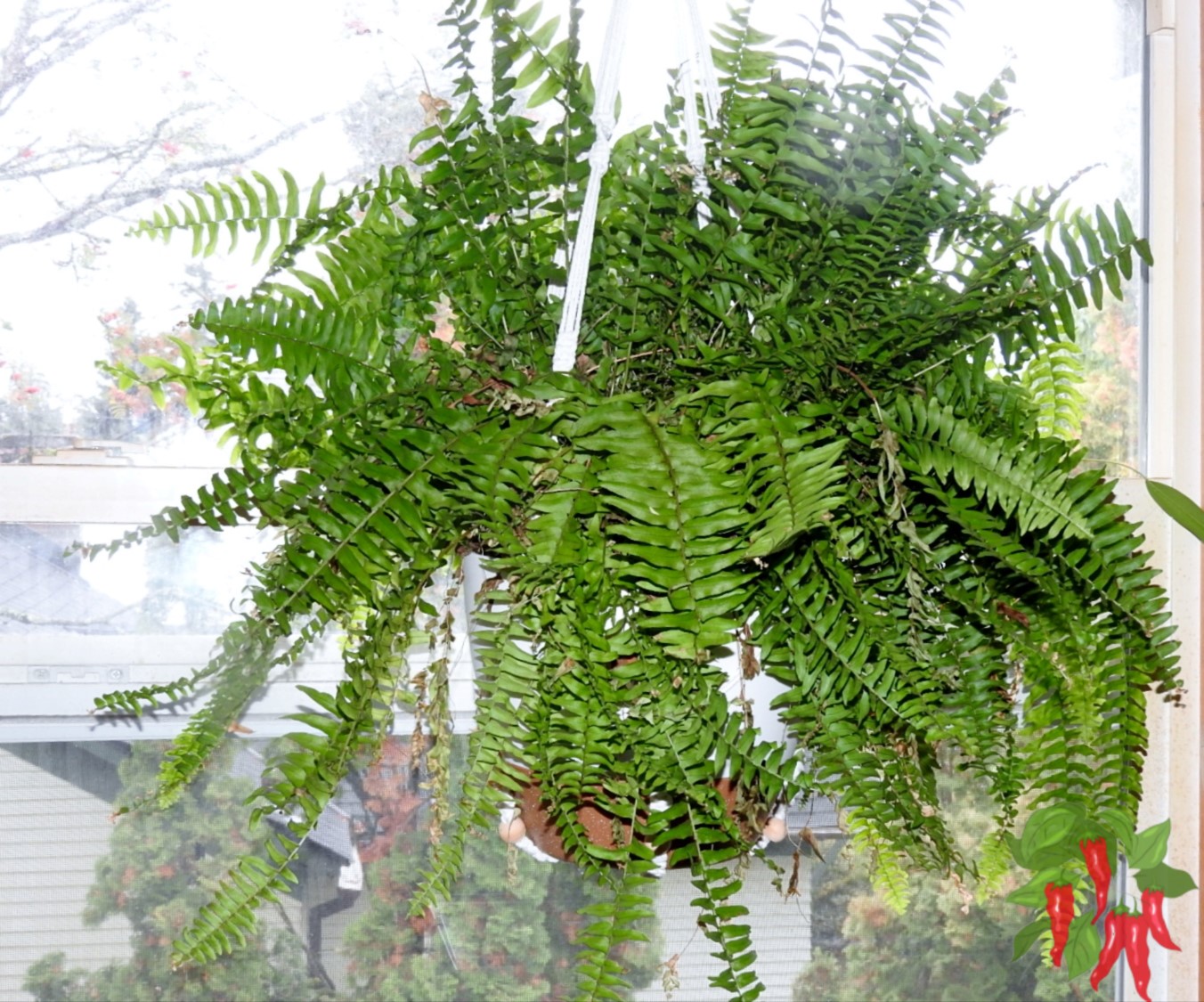
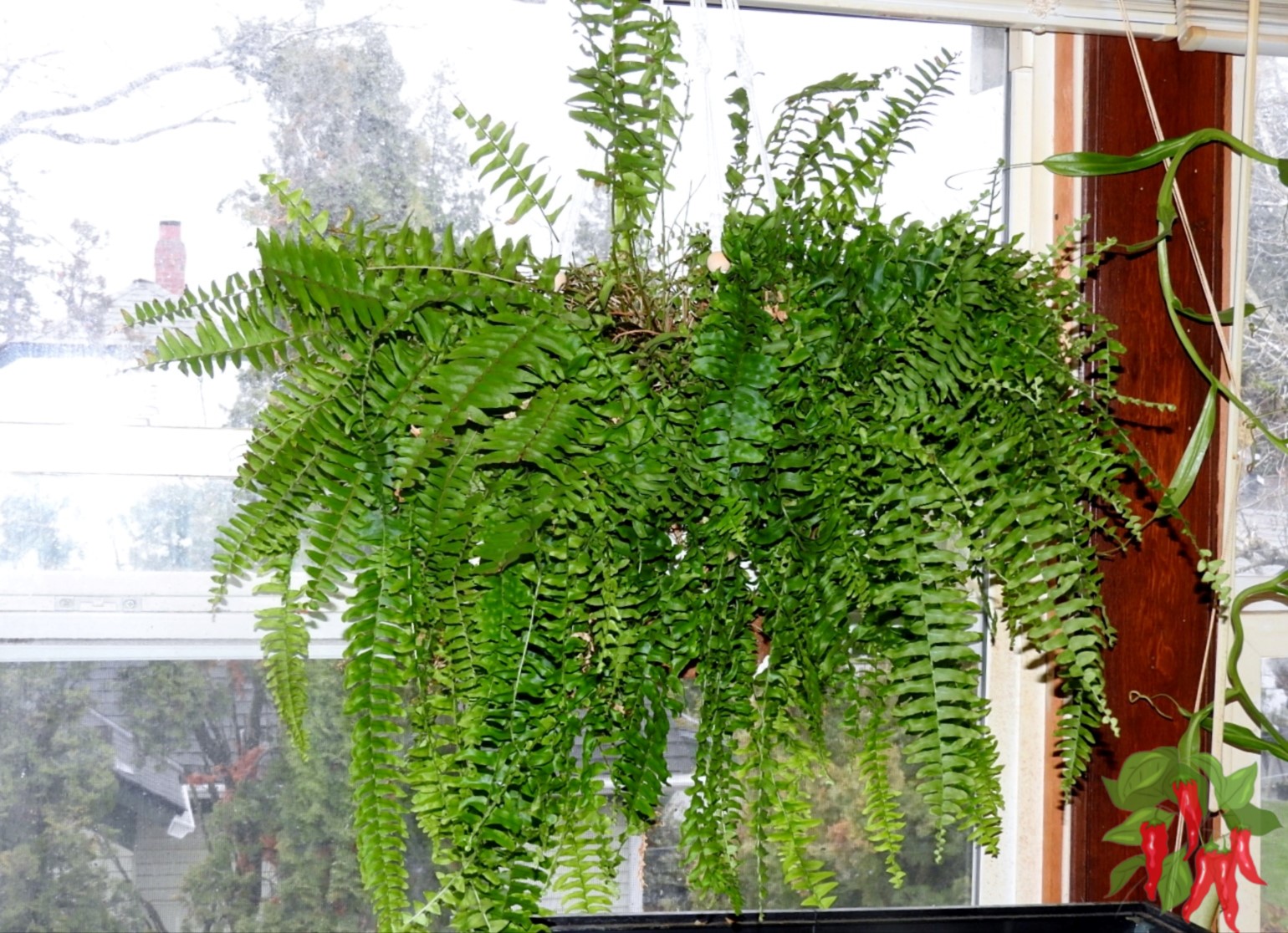
Boston Fern (Nephrolepis exaltata)

Known for its feathery leaves and soothing energy, the Boston Fern helps soften the mood of your entryway while maintaining a sense of calm.
- Promotes a calming and inviting atmosphere.
- Thrives in bright, indirect light.
Rubber Plant (Ficus elastica)

The Rubber Plant is not only a symbol of abundance but also a stunning decorative piece for any entryway. Its broad, glossy leaves make a bold statement.
- Symbolizes abundance and wealth.
- Ideal for bright entryways.
By placing these Feng Shui-friendly plants near your front door, you’ll welcome prosperity and positive vibes into your home while creating a space that feels inviting and harmonious.
Feng Shui Plants for Living Room
The living room is where energy flows between family members and guests, making it a crucial space for Feng Shui.
Adding the right plants here can promote harmony, abundance, and even protection, depending on your plant choice and placement.
Fiddle Leaf Fig (Ficus lyrata)

With its dramatic, large leaves, the Fiddle Leaf Fig brings a sense of abundance to your living room. It’s perfect for creating a focal point in large spaces.
- Symbolizes abundance and harmony.
- Great for large, open corners.
Philodendron

The Philodendron is a beloved houseplant, with its soft, heart-shaped leaves, symbolizing love and family unity. It’s an easy-care plant that thrives in Feng Shui’s wealth and family zones.
- Heart-shaped leaves promote love and family unity.
- Best placed in East or Southeast areas.
Snake Plant (Sansevieria trifasciata)

While often associated with sharp energy due to its pointed leaves, the Snake Plant can offer protective energy when used carefully. Avoid placing it in spaces meant for relaxation.
- Protective energy when placed strategically.
- Avoid overusing due to its sharp leaves.
When selecting plants for your living room, consider how they complement the energy of the space.
From the soothing presence of the Philodendron to the bold statement of the Fiddle Leaf Fig, each plant brings its own Feng Shui benefits.
Feng Shui Plants for Bedroom
Your bedroom should be a sanctuary of relaxation and peace, making plant selection here especially important.
Choosing plants that promote calm and purify the air can create a restful atmosphere that supports better sleep and overall well-being.
Lavender

Known for its soothing fragrance, Lavender is a natural choice for promoting relaxation and restful sleep. Its gentle presence adds a touch of serenity to any bedside table.
- Calms and promotes restful sleep.
- Suitable for bedside placement.
Aloe Vera

Aloe Vera is more than just a medicinal plant; it’s also a great bedroom companion. Its ability to release oxygen at night and its symbolic connection to healing make it ideal for your sleeping space.
- Emits oxygen at night, symbolizing healing and rejuvenation.
- Thrives in well-lit areas.
Peace Lily (Spathiphyllum)
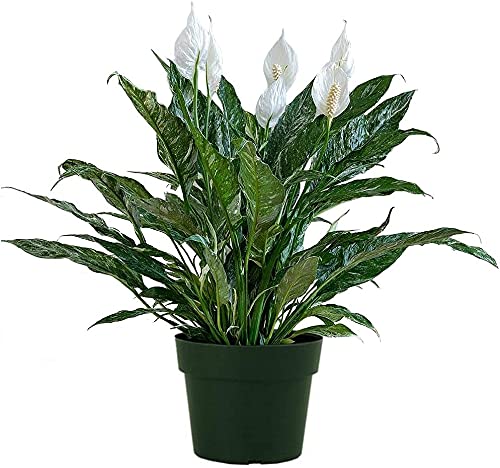
The Peace Lily is a favorite Feng Shui plant because of its calming energy and air-purifying properties. Its gentle aesthetic makes it perfect for creating a tranquil environment in the bedroom.
- A calming presence with air-purifying benefits.
- Perfect for healthy areas within the bedroom.
By adding these plants to your bedroom, you can enjoy a more peaceful and refreshing space that supports relaxation and well-being while aligning with Feng Shui principles.
Feng Shui Plants for Office
Your office is where focus, productivity, and growth matter most. Adding plants that align with Feng Shui principles can enhance the energy of your workspace while keeping you inspired and grounded.
Lucky Bamboo
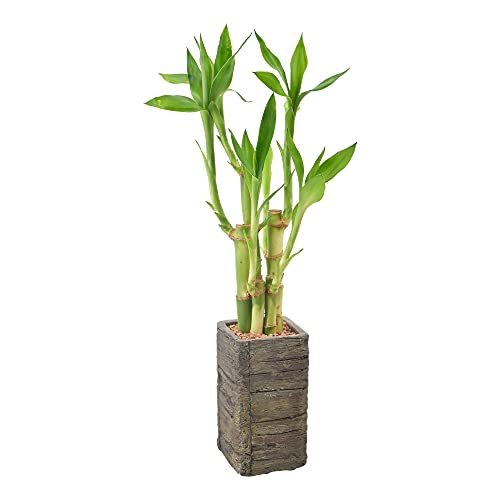
Lucky Bamboo is a classic choice for office spaces. Its upright growth and symbolic flexibility make it ideal for fostering career development and adaptability.
- Encourages career growth and adaptability.
- Best placed on desks or near workspaces.
ZZ Plant (Zamioculcas zamiifolia)

The ZZ Plant is a go-to for busy professionals. It thrives with minimal care while representing stability and resilience, perfect for high-energy work environments.
- Low maintenance and symbolizes stability.
- Perfect for busy office environments.
Golden Pothos
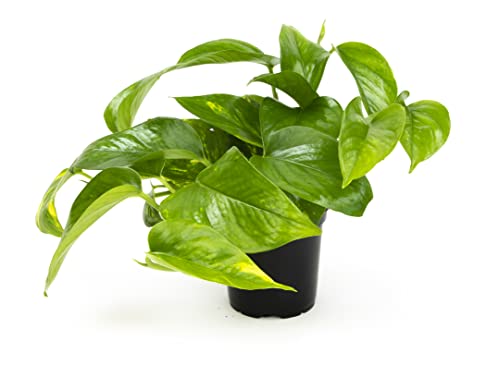
Golden Pothos is both decorative and functional, with its air-purifying qualities and ability to attract prosperity. It’s a versatile plant that works beautifully in small office corners or on shelves.
- An air-purifying plant that also attracts prosperity.
- Works well on shelves or corners.
Incorporating these plants into your office can create a workspace that feels balanced and energized, helping you stay focused while inviting prosperity and growth into your professional life.
Feng Shui Plants for Wealth
If you’re looking to enhance the energy of abundance and financial prosperity, choosing the right plants for your home or office wealth corner is key. These Feng Shui-approved options are known for attracting and amplifying wealth energy.
Money Tree

The Money Tree is often called the “prosperity plant” in Feng Shui. Its braided trunk and lush green leaves make it a popular choice for boosting financial luck and success.
- The ultimate prosperity plant for the wealth corner.
Jade Plant

With its thick, round, coin-shaped leaves, the Jade Plant is a timeless Feng Shui symbol for wealth and fortune. It also represents growth in relationships, making it a powerful dual-purpose addition to your space.
- Represents growth in wealth and friendships.
Basil
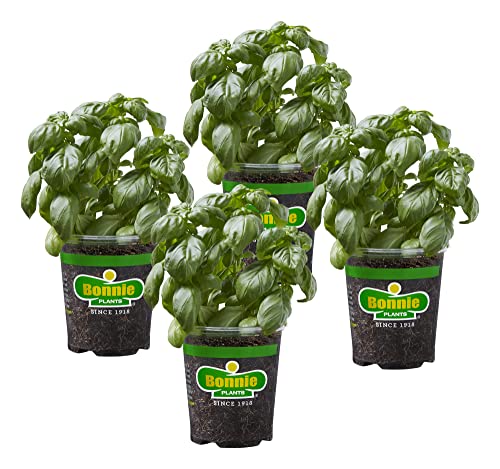
Basil is not only a kitchen staple but also a plant associated with abundance and good fortune. Its vibrant, fragrant leaves add life to your wealth area while being functional for cooking.
- Symbolizes abundance and is also a functional kitchen herb.
By placing these plants in the Southeast wealth corner of your home or office, you can invite a steady flow of positive financial energy while adding beauty and vitality to your surroundings.
Bad Luck Plants in Feng Shui
While many plants bring positive energy, some are better left out of your Feng Shui setup. Certain plants can create harsh or stagnant energy, disrupting the harmony of your space.
Cacti
Cacti may be trendy, but their sharp spikes are considered symbols of harsh or “attacking” energy in Feng Shui. They can create tension, especially in living spaces where calmness and connection are desired.
- Their sharp spikes bring harsh energy; avoid placing them in living spaces.
Dried Flowers
Though dried flowers might look decorative, they represent stagnant and lifeless energy in Feng Shui. Their presence can block the flow of fresh, vibrant energy in your home.
- Represent stagnant energy and are considered inauspicious.
Bonsai Trees
While beautiful, Bonsai Trees symbolize stunted growth because of their intentionally limited size. This makes them unsuitable for areas like wealth corners or prosperity zones where expansion and growth are desired.
- Symbolize stunted growth, making them unsuitable for prosperity zones.
To maintain a balanced and harmonious environment, it’s best to avoid these plants in Feng Shui setups, especially in key energy areas. Opt instead for plants that encourage vitality, growth, and positive flow.
🐾 Are Indoor Plants for Feng Shui Safe for Cats and Dogs?
If you share your home with cats or dogs, pet safety is an important consideration when choosing indoor plants for Feng Shui. Many popular Feng Shui plants symbolize prosperity, harmony, and positive energy, but some contain substances that can be harmful if pets chew or swallow their leaves.
Fortunately, you can still create a beautiful, Feng Shui-inspired indoor garden with plants that are generally considered non-toxic to cats and dogs. The key is choosing suitable species, understanding their growing needs, and placing them where curious pets are less likely to disturb them.
Pet-Friendly Feng Shui Plants
Several plants featured in this guide are generally considered non-toxic to cats and dogs. These are useful choices when you want living greenery without introducing some of the more common toxic houseplants.
- Areca Palm (Dypsis lutescens): Generally non-toxic to cats and dogs. Its graceful fronds are traditionally associated with vitality and balanced energy.
- Bamboo Palm (Chamaedorea seifrizii): Generally non-toxic to cats and dogs. This attractive indoor palm works well in bright entryways and living rooms.
- Boston Fern (Nephrolepis exaltata): Generally non-toxic to cats and dogs. Its soft, arching fronds complement the calming atmosphere often associated with Feng Shui.
- Spider Plant (Chlorophytum comosum): Generally non-toxic to cats and dogs. Its flowing foliage is attractive in hanging baskets and on shelves.
- African Violet (Streptocarpus sect. Saintpaulia): Generally non-toxic to cats and dogs. Its colorful flowers make it a lovely choice for bright tabletops and peaceful sitting areas.
Even non-toxic plants can cause mild digestive upset if a pet eats enough foliage. It’s still a good idea to discourage chewing and keep pots secure.
Feng Shui Plants That Are Toxic to Pets
Some popular Feng Shui plants contain irritating compounds or other substances that can cause illness in cats and dogs. These plants may be beautiful and symbolically meaningful, but they require extra consideration in pet-owning households.
- Jade Plant (Crassula ovata): Toxic to cats and dogs. Ingestion may cause vomiting, lethargy, or coordination problems.
- Lucky Bamboo (Dracaena sanderiana): Toxic to cats and dogs. It is a Dracaena rather than true bamboo, and ingestion can cause vomiting and other symptoms.
- Peace Lily (Spathiphyllum): Contains insoluble calcium oxalate crystals that can cause mouth irritation, drooling, and difficulty swallowing. It is not a true lily, but it should still be kept away from pets.
- Pothos (Epipremnum aureum): Contains insoluble calcium oxalate crystals that can irritate the mouth and digestive tract if chewed.
- Philodendron: Contains insoluble calcium oxalate crystals that can cause oral irritation, drooling, and vomiting.
- Rubber Plant (Ficus elastica): Its irritating sap can cause gastrointestinal symptoms and skin irritation.
- Fiddle Leaf Fig (Ficus lyrata): Another Ficus that can cause irritation if pets chew its leaves or come into contact with its sap.
- Snake Plant (Dracaena trifasciata): Toxic to cats and dogs. Ingestion may cause nausea, vomiting, or diarrhea.
- ZZ Plant (Zamioculcas zamiifolia): Contains insoluble calcium oxalate crystals and can cause mouth irritation and digestive upset if chewed.
- Aloe Vera: Toxic to cats and dogs when ingested. Certain compounds in the plant can cause vomiting, diarrhea, and other symptoms.
What About Money Trees, Lavender, and Basil?
Money Tree (Pachira aquatica) is generally considered non-toxic to cats and dogs, making it a popular option for pet-owning households. However, chewing the leaves may still cause digestive upset.
Lavender (Lavandula species) is listed as toxic to cats and dogs by the ASPCA. Although it is often grown for its pleasant fragrance, pets should not be allowed to eat the plant.
Sweet Basil (Ocimum basilicum) is generally considered non-toxic to cats and dogs. It can be a useful choice for a bright kitchen windowsill, where its fragrant leaves provide both decorative and culinary value.
Combining Feng Shui Placement With Pet Safety
Traditional Feng Shui placement often emphasizes particular directions or areas of the home. However, you can adapt these recommendations to accommodate your pets and the growing conditions your plants need.
- Choose non-toxic alternatives: An areca palm, bamboo palm, Boston fern, or spider plant can bring attractive greenery into your home without the same toxicity concerns as many other houseplants.
- Consider accessibility: Hanging baskets, enclosed plant displays, and rooms pets cannot enter may help keep certain plants out of reach. Remember that cats can climb and jump.
- Protect plant-care supplies: Keep fertilizers, pesticides, and other gardening products away from pets.
- Check botanical names: Common plant names can be misleading. Lucky bamboo, for example, is not a true bamboo and has a different pet-safety profile.
- Put plant health first: Choose a location with suitable light and growing conditions rather than forcing a plant into a traditional Feng Shui position where it cannot thrive.
Check the ASPCA Plant Safety Database
Before purchasing a new houseplant, consult the ASPCA Toxic and Non-Toxic Plants Database. This resource provides information about many common houseplants and their potential effects on cats, dogs, and horses.
If your pet chews a plant and develops symptoms, contact your veterinarian or the ASPCA Animal Poison Control Center for guidance.
Bottom line: You can enjoy the beauty and traditional symbolism of Feng Shui plants while keeping pet safety in mind. Select suitable species, provide healthy growing conditions, and adapt your decorating arrangements to create a welcoming home for everyone, including your four-legged companions.
🌿 Frequently Asked Questions About Indoor Plants for Feng Shui
What are the best indoor plants for good Feng Shui?
Some of the most popular indoor plants for Feng Shui include money trees, jade plants, lucky bamboo, peace lilies, pothos, and rubber plants. In traditional Feng Shui, these plants are associated with prosperity, harmony, good fortune, and personal growth. The best choice for your home is a plant that complements your decorating goals while receiving the light and care it needs to remain healthy.
Where should I place plants for good Feng Shui?
Traditional Feng Shui often associates the Southeast with wealth and prosperity, the East with health and family, and the North with career and personal development. Money trees and jade plants are popular choices for wealth areas, while leafy green plants can complement family and health spaces. The Bagua map can help guide placement, but your plant’s growing requirements should come first. If a particular corner is too dark, choose a brighter location or a more shade-tolerant plant.
Which Feng Shui plants attract wealth and prosperity?
Money trees, jade plants, and lucky bamboo are among the best-known plants traditionally associated with wealth and prosperity. The money tree symbolizes abundance, the jade plant’s rounded leaves resemble coins, and lucky bamboo represents good fortune and steady growth. These associations are part of Feng Shui tradition rather than guarantees of financial success. A healthy, attractive plant can also make your home or office feel more welcoming and prosperous.
Are plants good Feng Shui for the bedroom?
Yes, plants can be used in bedrooms to create a peaceful, natural atmosphere. Some Feng Shui traditions recommend limiting plants in sleeping areas because living greenery represents active Wood energy, while others welcome a few carefully chosen plants. A compact peace lily, African violet, or another suitable houseplant can add beauty without overwhelming the room. Choose plants that receive adequate light, and consider pet safety when selecting bedroom greenery.
Can I place Feng Shui plants in the bathroom?
Yes, bathrooms can be attractive places for Feng Shui-inspired plant displays. Ferns, peace lilies, and some orchids appreciate the humidity often found in bathrooms, provided they receive enough light. In Feng Shui, healthy greenery can symbolize renewal and vitality in these spaces. If your bathroom has no natural light, consider adding a suitable grow light rather than expecting a living plant to thrive in darkness.
Are artificial plants acceptable in Feng Shui?
Artificial plants can be used in Feng Shui-inspired decorating, although living plants are traditionally preferred because they represent active growth and vitality. High-quality artificial greenery can still add color, texture, and a natural appearance to rooms where living plants would struggle. Keep artificial plants clean and in good condition, and use real plants in locations where you can provide suitable growing conditions.
How many plants should I have in one room for good Feng Shui?
There is no fixed number of plants required for good Feng Shui. One attractive houseplant may be enough for a small room, while a spacious living room can accommodate several plants without feeling crowded. The goal is to create a balanced arrangement that complements your furniture, natural lighting, and available space. Start with one to three plants if you’re decorating a small room, then adjust the arrangement according to what looks and feels comfortable.
Are cacti and other spiky plants bad Feng Shui?
In some traditional Feng Shui interpretations, cacti and other sharply pointed plants are associated with harsh or protective energy. For that reason, they are sometimes discouraged in bedrooms or relaxing sitting areas. However, spiky plants are not universally considered bad Feng Shui. A healthy cactus or snake plant can still be an attractive decorative feature when placed thoughtfully. Consider its symbolism, appearance, lighting needs, and the atmosphere you want to create.
🌿 Final Thoughts on Indoor Plants for Feng Shui
Indoor plants for Feng Shui offer a wonderful way to combine traditional symbolism with the natural beauty of living greenery. Whether you’re decorating a small apartment, brightening your living room, or creating a more welcoming entryway, the right houseplants can help you build a space that feels balanced, peaceful, and full of life.
In traditional Feng Shui, plants represent growth, vitality, renewal, and the movement of positive Chi. A money tree or jade plant may symbolize prosperity, lucky bamboo can represent good fortune and resilience, and a graceful palm or peace lily can contribute to a sense of harmony. These associations provide inspiration for decorating your home in a way that reflects your personal goals and preferences.
One of the best things about decorating with houseplants is that you don’t need a large collection to make a difference. A single healthy plant on a table, a trailing pothos on a shelf, or a beautiful palm beside a window can bring natural color and texture into a room. Thoughtful placement often matters more than the number of plants you own.
Finding Balance With Indoor Plants for Feng Shui
The Feng Shui Bagua map can help you explore traditional plant placement ideas for wealth, health, relationships, and career growth. However, these guidelines work best when they’re adapted to your home’s actual growing conditions.
For example, a jade plant might traditionally belong in the Southeast wealth area, but it still needs plenty of bright light to remain healthy. If that corner is too dark, placing your jade plant near a sunny window is a better choice. You can always use a more shade-tolerant plant in the original location.
I believe a healthy, actively growing houseplant is one of the nicest ways to express the Feng Shui themes of vitality, abundance, and renewal. When you provide the right light, water, and growing conditions, your plants can become lasting features of your home’s decor.
🌱 Key Takeaways for Feng Shui Plant Decorating
- Choose plants with meaningful symbolism: Money trees, jade plants, and lucky bamboo are traditionally associated with prosperity, good fortune, and personal growth.
- Use the Bagua map as a guide: Explore traditional placement ideas for wealth, health, relationships, and career areas while adapting them to your home’s layout.
- Consider the atmosphere of each room: Soft, flowing foliage can complement relaxing spaces, while bold, upright plants can create attractive focal points in offices and entryways.
- Be thoughtful with spiky plants: Some Feng Shui traditions associate cacti and sharply pointed leaves with harsh or protective energy. Consider placing them away from areas intended for rest and relaxation.
- Keep your plants healthy: Provide suitable light, water, temperatures, and growing conditions. Remove dead foliage and keep your plant displays clean and attractive.
- Remember pet safety: Some popular Feng Shui plants are toxic to cats and dogs. Choose suitable plants and keep potentially harmful varieties out of reach.
- Avoid overcrowding: Give your plants enough space to grow and arrange them so they complement your furniture and room layout.
- Trust your instincts: Traditional Feng Shui guidelines can provide inspiration, but your home should also reflect your personal style and what makes you feel comfortable.
Create a Home That Feels Alive and Welcoming
Combining Feng Shui with indoor gardening doesn’t have to be complicated. Start with a few plants you enjoy, learn what they need to thrive, and experiment with different arrangements until you find the right balance for your space.
You might discover that a money tree makes the perfect focal point in your living room, a small African violet adds warmth to a tabletop, or a ZZ plant brings a welcome touch of greenery to your home office. Each plant contributes something different through its shape, color, growth habit, and traditional symbolism.
As your plants grow, your decorating arrangements can grow and change with them. That’s part of the enjoyment of bringing living greenery indoors. You can move plants, try new combinations, and create spaces that continue to feel fresh and inviting.
Remember, Feng Shui is about creating harmony, not following a rigid set of decorating rules. Choose plants that make you happy, give them the care they need, and enjoy the natural beauty they bring into your home. May your living spaces be filled with healthy plants, welcoming energy, and plenty of green inspiration!
✨ Indoor Plants and Feng Shui
Enhance harmony, balance, and positive energy in your home with these Feng Shui indoor plant guides.
- 🌱 Feng Shui Plants (Pillar Guide)
- 🏡 Indoor Plants and Feng Shui
- 🌿 Feng Shui Vertical Gardens for Office Spaces
- 🌸 Best 24 Feng Shui Indoor Plants
- 💧 Growing Feng Shui Plants
- 🌳 Common Chinese House Plants for Feng Shui
- 🪴 Feng Shui Hanging Plants
- 🛏️ Feng Shui Bedroom Plants
- 🍃 ZZ Plant Feng Shui
- 🌱 Using Feng Shui in Vertical Gardens
- 🎋 Growing Lucky Bamboo in Feng Shui
- 🏠 Indoor Plants for Feng Shui
- ☯️ Indoor Plants for Positive Energy
- 🌼 Chinese Evergreen Care
- 🌺 Growing Peonies Indoors and Outdoors
- See all articles in our Indoor Plants and Feng Shui category
References and Further Reading
- University of Georgia Cooperative Extension.
Growing Indoor Plants with Success.
A comprehensive university guide to selecting and maintaining indoor plants, including lighting, watering, growing conditions, and decorating indoor spaces with living greenery. - University of Minnesota Extension.
Lighting for Indoor Plants and Starting Seeds.
Explains how different houseplants respond to low, moderate, and bright light, helping readers choose suitable locations when combining Feng Shui placement with healthy plant growth. - University of Minnesota Extension.
Spring Houseplant Care.
Practical guidance on watering, fertilizing, inspecting foliage, and adjusting growing conditions to keep indoor plants healthy and attractive. - American Society for the Prevention of Cruelty to Animals (ASPCA).
Toxic and Non-Toxic Plants Database.
A veterinary reference for identifying houseplants that may be harmful to cats, dogs, and other household pets.
Note: Feng Shui plant symbolism and placement recommendations reflect traditional cultural practices. The horticultural references above support practical indoor plant care, while the ASPCA database provides pet-safety information.
Related Content

Visit my Amazon Influencer Page for videos and gardening products Grow Your Own Garden