
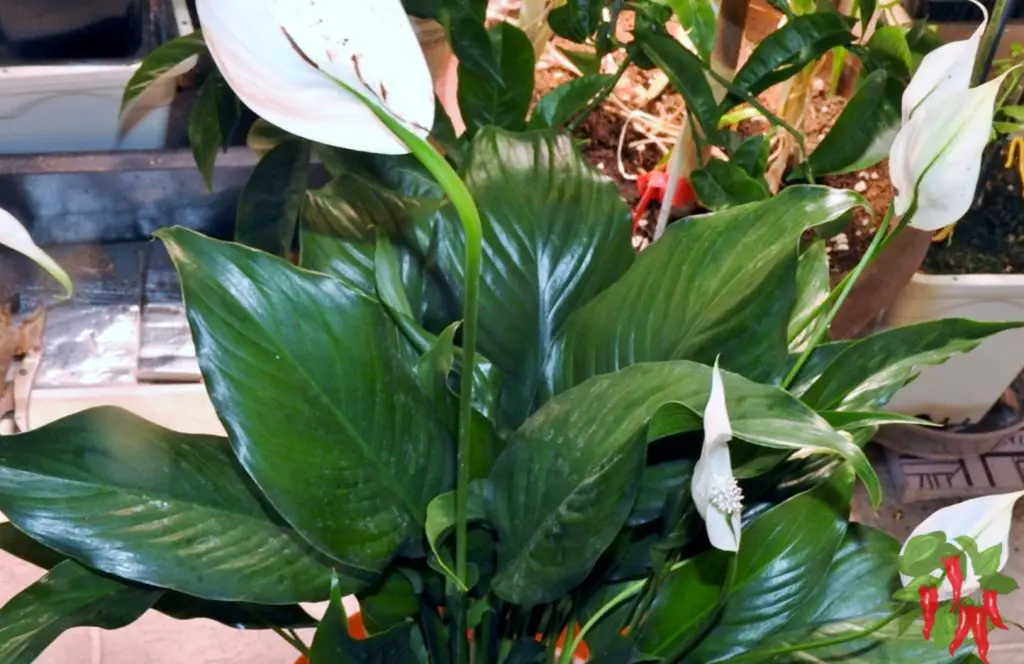
Indoor plants for positive energy can bring life, natural beauty, and a welcoming feeling into your home. Whether you’re decorating a living room, bedroom, office, or entryway, a few well-placed houseplants can make an ordinary space feel calmer, more comfortable, and connected to nature.
In Feng Shui, certain indoor plants are traditionally associated with prosperity, harmony, protection, and personal growth. Money Trees and Jade Plants are popular symbols of abundance, while Peace Lilies represent tranquility and balance. Even familiar houseplants like pothos and snake plants can add their own character and meaning to your decorating.
Of course, the best location for any living plant is one where it can thrive. A healthy Monstera growing near a bright window can bring more beauty to your home than the same plant struggling in a dark corner chosen only for its Feng Shui symbolism. You can always adapt your decorating ideas to suit your plants’ lighting and growing needs.
In this guide, we’ll explore 13 beautiful indoor plants for positive energy, their traditional symbolism, and practical ways to use them throughout your home. You’ll also find simple care tips, room-by-room placement ideas, and a few personal observations from my own experience growing houseplants.
What You’ll Learn
- 13 beautiful indoor plants associated with positive energy, harmony, and prosperity.
- What popular houseplants symbolize in Feng Shui and home decorating traditions.
- How to choose plants that suit your home’s natural lighting and available space.
- Where to place indoor plants in living rooms, bedrooms, offices, and entryways.
- Simple watering, lighting, and maintenance tips to keep your plants healthy.
- How to combine practical plant care with Feng Shui decorating ideas to create a welcoming home.
Indoor plants aren’t just about adding greenery—they’re a simple way to bring positive energy into your home.
Quick Answer: What Are the Best Indoor Plants for Positive Energy?
The best indoor plants for positive energy include Money Trees, Jade Plants, Peace Lilies, Snake Plants, Monstera deliciosa, and pothos. In Feng Shui and other decorating traditions, these plants are associated with prosperity, harmony, protection, growth, and renewal.
For a welcoming entryway, consider a Jade Plant or Money Tree where sufficient light is available. Peace Lilies and heartleaf philodendrons can bring a softer, calming appearance to bedrooms and living rooms, while Monstera and Rubber Plants make attractive focal points in larger spaces.
If you’re decorating a small apartment, pothos, String of Hearts, and Snake Plants are especially useful because they can add greenery without taking up much floor space. Choose plants that match your lighting conditions and the amount of care you can provide.
Remember that positive energy is a traditional Feng Shui concept rather than a scientifically measurable effect of individual plants. The practical benefits come from enjoying living greenery, creating an inviting environment, and caring for plants that grow well in your home.
Why Indoor Plants Promote Positive Energy
Indoor plants do more than just make your home look beautiful. They actively contribute to a more positive and peaceful atmosphere.
By purifying the air, reducing stress, and fostering a connection to nature, these green companions create an environment where you can truly feel at ease and rejuvenated.
How Plants Enhance Positivity
Indoor plants have a natural ability to brighten up a space and improve its energy. They introduce life and vibrancy, which can uplift your mood and create a sense of balance.
Their presence fosters a calming atmosphere, helping to make any room feel welcoming and harmonious.
Benefits of Indoor Plants
- Air Purification: Plants like Snake Plants and peace lilies remove toxins from the air, making your space healthier to live in.
- Stress Reduction: Caring for plants and being surrounded by greenery can lower stress levels and promote relaxation.
- Connection to Nature: Plants bring a little bit of the outdoors inside, helping you feel grounded and connected to nature, even in urban environments.
By adding indoor plants to your home, you’re not just decorating—you’re creating an environment that supports your well-being and positivity.
Choosing the Right Plants for Positive Energy
Picking the right plants for your home is about balancing beauty, care needs, and the positive energy they bring.
Healthy plants can transform your space, but understanding what works for you and your environment is key.
Let’s explore the factors to consider and why thriving plants matter.
Factors to Consider
- Ease of Care: If you’re new to plants or have a busy schedule, opt for low-maintenance choices like Snake Plants or pothos.
- Placement Needs: Some plants thrive in bright light, while others do well in low-light corners. Choosing the right spot ensures their longevity.
- Energy Symbolism: Certain plants, like the Money Tree, are believed to attract wealth, while others, like peace lilies, symbolize harmony and balance.
Importance of Healthy, Thriving Plants
A plant’s health directly affects its ability to foster positive energy. Neglected or struggling plants can stagnate energy, while vibrant, well-cared-for plants radiate positivity.
Regular care, including watering, light adjustments, and cleaning, ensures your plants continue to support a harmonious environment.
13 Top Indoor Plants for Positive Energy
Indoor plants do more than add beauty to your space. They influence the energy around you.
Each plant has its own unique symbolism and benefits, making it essential to choose the right ones for your home.
Here’s a guide to some of the best indoor plants for creating a positive and uplifting environment.
1. Monstera Deliciosa

Why It Works
The Monstera deliciosa, often called the “Swiss Cheese Plant,” is a symbol of growth and vitality.
Its dramatic, fenestrated leaves bring a bold, uplifting energy to any space, making it a perfect addition for promoting positivity and life in your home.
Its presence creates a focal point, adding both beauty and balance.
Symbolism of Monstera Deliciosa
The Monstera deliciosa symbolizes growth, vitality, and connection to nature.
Its large, fenestrated leaves represent adaptability and expansion, reflecting a journey of personal and environmental growth.
In many cultures, it’s also seen as a symbol of long-lasting relationships and deep-rooted connections, making it a meaningful addition to spaces where harmony and balance are valued.
Placement Tips
- Best placed in well-lit spaces with indirect sunlight, such as a corner near a window.
- Avoid direct sunlight to prevent scorching its delicate leaves.
Care Tips
- Water moderately; allow the top inch of soil to dry out between waterings.
- Keep the humidity level consistent to mimic its tropical origins.
The Monstera deliciosa isn’t just a stunning plant—it’s a natural mood enhancer that brings style and energy to your living space.
2. Money Tree (Pachira aquatica)

Why It Works
The Money Tree is known for its ability to attract wealth and prosperity. Its braided trunk symbolizes strength and resilience, while its lush leaves represent abundance and growth.
This plant is a favorite in Feng Shui for creating a positive flow of energy in your home or workspace.
Symbolism of Money Tree
The Money Tree symbolizes prosperity, good fortune, and financial growth.
Its unique structure is thought to trap positive energy and bring wealth to its owner.
It’s also associated with balance and harmony, making it a great addition to any space seeking calm and stability.
Placement Tips
- Place in the southeast corner of your home or office, the traditional wealth area in Feng Shui.
- Ensure it receives bright, indirect sunlight to thrive.
Care Tips
- Water every 1-2 weeks, allowing the soil to dry slightly between waterings.
- Mist regularly to maintain humidity and prevent leaves from drying out.
The Money Tree isn’t just a decorative plant—it’s a symbol of abundance that radiates positive energy in your space.
3. White Bird of Paradise (Strelitzia nicolai)

Why It Works
This plant brings a tropical, peaceful vibe to any room with its dramatic, large leaves. The White Bird of Paradise is a bold yet calming presence, making it a fantastic centerpiece for spaces where relaxation and balance are key.
The Symbolism of White Bird of Paradise
This plant symbolizes freedom, peace, and luxury. Its lush appearance mirrors the tranquility of tropical landscapes, offering a sense of escape and serenity in your home.
Placement Tips
- Ideal for bright, spacious areas like living rooms or sunrooms.
- Ensure it has room to grow, as it can get large and expansive.
Care Tips
- Provide consistent moisture but avoid overwatering.
- Wipe the leaves regularly to keep them clean and vibrant.
The White Bird of Paradise creates an elegant, peaceful atmosphere, perfect for brightening any living space.
4. Jade Plant (Crassula ovata)

Why It Works
Compact and hardy, the Jade Plant is a classic symbol of prosperity and growth.
Its thick, glossy leaves and easy care make it a popular choice for homes and offices, especially for those seeking simplicity and positive energy.
The Symbolism of Jade Plant
The Jade Plant is considered a symbol of wealth, renewal, and good fortune.
It’s often called the “money plant” for its reputation for attracting financial prosperity. Its evergreen nature also represents growth and longevity.
Placement Tips
- Place near a bright window, such as a south-facing spot.
- Avoid drafty or overly humid areas.
Care Tips
- Water sparingly; allow the soil to dry out between waterings.
- Use a well-draining potting mix to prevent root rot.
The Jade Plant is a timeless choice for adding positivity and prosperity to any space.
5. Pothos (Epipremnum aureum)

Why It Works
Pothos is a versatile and low-maintenance plant known for its ability to thrive in various conditions.
Its trailing vines bring life and movement to any space, symbolizing adaptability and vitality.
This makes it an excellent choice for promoting a steady flow of positive energy.
Symbolism of Pothos
Pothos symbolizes perseverance, vitality, and renewal. Its hardy nature reflects its association with overcoming challenges and thriving in adversity, making it a popular choice for those seeking a positive and uplifting environment.
Placement Tips
- Ideal for hanging baskets or shelves to let its vines trail gracefully.
- Thrives in low to bright indirect light, making it suitable for almost any room.
Care Tips
- Water when the top inch of soil feels dry, as overwatering can lead to root rot.
- Wipe the leaves occasionally to remove dust and improve its air-purifying capabilities.
Pothos is a reliable plant that brings vitality and charm to your home with minimal effort.
6. Snake Plant (Sansevieria trifasciata)

Why It Works
The Snake Plant, also known as “Mother-in-Law’s Tongue,” is celebrated for its air-purifying qualities and resilience.
Its upright, sword-like leaves bring a modern aesthetic to any space while symbolizing strength and purification.
Symbolism of Snake Plant
The Snake Plant symbolizes resilience, protection, and purification. Its hardy nature makes it a symbol of enduring strength, while its ability to remove toxins from the air enhances its reputation as a purifier of energy.
Placement Tips
- Perfect for bedrooms due to its ability to release oxygen at night.
- Tolerates low light, making it suitable for darker corners or low-maintenance areas.
Care Tips
- Water sparingly, as its succulent nature allows it to store moisture.
- Use a well-draining soil mix to avoid waterlogging.
The Snake Plant is a must-have for those looking to combine aesthetics, functionality, and positive energy in their home.
7. Philodendron Heartleaf (Philodendron Brasil)

Why It Works
The Philodendron Heartleaf plant, with its heart-shaped leaves, adds softness and warmth to any room.
It’s a wonderful option for cultivating a feeling of love and growth in your home, especially in spaces where connection and harmony are desired.
Symbolism of Philodendron Heartleaf
The Philodendron symbolizes love, connection, and emotional growth. Its heart-shaped leaves are a reminder of the importance of nurturing relationships and fostering personal development.
Placement Tips
- Great for small spaces like desks, bookshelves, or hanging baskets.
- Prefers indirect light, making it a versatile option for many rooms.
Care Tips
- Keep the soil lightly moist but not soggy.
- Prune occasionally to encourage fuller growth.
Philodendron Heartleaf is perfect for creating a cozy, loving atmosphere in your home.
8. Anthurium Clarinervium

Why It Works
The bold, velvety leaves of the Anthurium clarinervium make it a show-stopper in any room.
Its unique heart-shaped foliage inspires creativity and brings a sense of positive energy and sophistication to your living space.
Symbolism of Anthurium Clarinervium
This plant symbolizes creativity, beauty, and positive energy. Its striking appearance encourages artistic inspiration and a sense of appreciation for nature’s elegance.
Placement Tips
- Prefers bright, indirect light and looks stunning as a centerpiece on a table or shelf.
- Avoid direct sunlight to prevent leaf damage.
Care Tips
- Maintain high humidity and water consistently to keep its velvety leaves healthy.
- Use well-draining soil to avoid water retention.
The Anthurium clarinervium is ideal for adding artistic flair and vibrant energy to your home.
9. Rubber Plant (Ficus elastica)

Why It Works
The Rubber Plant is a timeless addition to any home, with its glossy leaves adding a touch of elegance and vitality.
It’s known for its air-purifying qualities and ability to bring happiness and abundance to living spaces.
Symbolism of Rubber Plant
The Rubber Plant symbolizes happiness, abundance, and balance. Its sturdy growth represents stability and prosperity, making it a great choice for areas where positive, grounded energy is desired.
Placement Tips
- Ideal for living rooms or hallways with bright, indirect light.
- Keep away from cold drafts or excessively dry areas.
Care Tips
- Water when the top inch of soil feels dry, and avoid overwatering.
- Wipe leaves clean to keep them glossy and functional as air purifiers.
The Rubber Plant combines beauty and functionality, making it a popular choice for uplifting your home’s energy.
10. Rattlesnake Plant (Calathea lancifolia)

Why It Works
With its striking, wavy leaves patterned in vibrant green and purple, the Rattlesnake Plant is perfect for creating a calm and lively environment.
Its visual appeal and air-purifying abilities make it an excellent choice for enhancing positive energy.
The Symbolism of Rattlesnake Plant
The Rattlesnake Plant symbolizes calmness, vitality, and dynamic energy. Its vibrant appearance reflects its ability to brighten spaces and inspire a balanced atmosphere.
Placement Tips
- Prefers medium to bright, indirect light and looks beautiful in bedrooms or living rooms.
- Avoid placing it in direct sunlight, which can damage its delicate leaves.
Care Tips
- Keep soil consistently moist but not soggy.
- Mist occasionally to maintain the high humidity it loves.
The Rattlesnake Plant is a fantastic option for adding color and vibrancy to your home while supporting a peaceful energy flow.
11. String of Hearts (Ceropegia woodii)

Why It Works
The String of Hearts is a delicate, trailing plant that adds a whimsical, romantic touch to any room.
Its cascading vines and heart-shaped leaves make it perfect for creating a soft, inviting energy in your space.
The Symbolism of String of Hearts
This plant symbolizes love, connection, and delicate beauty. Its trailing growth pattern reflects the continuous bonds and relationships in life, making it a meaningful addition to shared spaces.
Placement Tips
- Ideal for hanging planters or shelves near bright, indirect light.
- Keep away from areas with excessive humidity, as it prefers a drier environment.
Care Tips
- Allow the soil to dry out between waterings, as it’s sensitive to overwatering.
- Prune occasionally to maintain its shape and promote healthy growth.
The String of Hearts brings a unique charm and positive energy to any room with its cascading beauty.
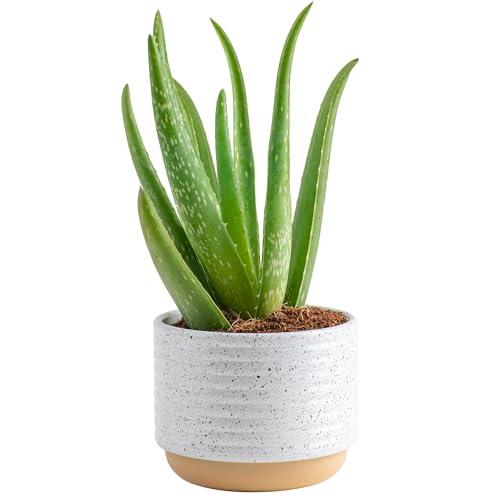
12. Aloe Vera
Why It Works
Aloe vera is a classic household plant known for its healing properties and calming presence.
Its ability to purify the air and its soothing nature makes it a symbol of health and tranquility.
The Symbolism of Aloe Vera
Aloe vera symbolizes healing, protection, and inner peace. Its medicinal qualities and robust growth reflect its role as a nurturer and protector in your home.
Placement Tips
- Place in a sunny spot, like a windowsill, where it can soak up plenty of light.
- Keep away from overly damp areas, as it thrives in dry conditions.
Care Tips
- Water sparingly, allowing the soil to dry out completely between waterings.
- Use well-draining soil to prevent water retention.
Aloe vera is not just a plant—it’s a gentle healer that enhances both your home’s energy and your personal well-being.
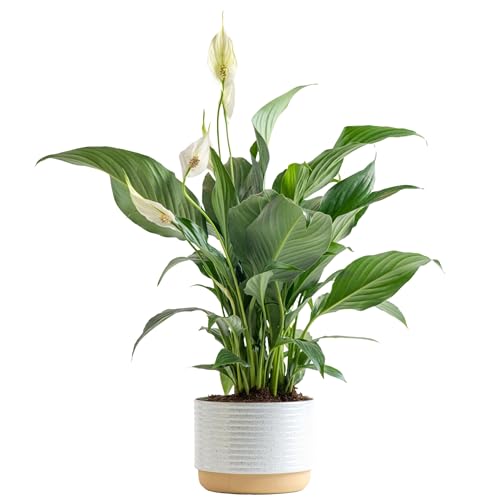
13. Peace Lily (Spathiphyllum)
Why It Works
The Peace Lily is a timeless favorite for its elegant white blooms and air-purifying qualities.
It adds an air of sophistication to any space while fostering a sense of balance and harmony.
The Symbolism of Peace Lily
The Peace Lily symbolizes peace, purity, and balance. Its white flowers represent serenity, making it a powerful plant for calming energy and creating a tranquil environment.
Placement Tips
- Best suited for low to medium-light areas, such as bedrooms or offices.
- Keep it away from direct sunlight, which can scorch its delicate blooms.
Care Tips
- Keep the soil consistently moist but not waterlogged.
- Remove faded flowers to encourage new growth and maintain its beauty.
The Peace Lily is perfect for promoting a peaceful atmosphere and uplifting the energy in your home.
Are Indoor Plants for Positive Energy Safe for Pets?
If you have cats or dogs, pet safety is another important consideration when choosing indoor plants for positive energy. Many popular Feng Shui houseplants can cause irritation or illness if pets chew their leaves or stems.
Fortunately, you can still create a beautiful, welcoming space with greenery while choosing plants that are better suited to a home with pets.
Plants That Are Generally Considered Non-Toxic to Cats and Dogs
- Money Tree (Pachira aquatica): Generally considered non-toxic to cats and dogs. Its attractive foliage and traditional association with prosperity make it a popular decorating choice.
- Rattlesnake Plant (Goeppertia insignis, formerly Calathea lancifolia): Considered non-toxic to cats and dogs. Its patterned leaves bring color and visual interest to indoor spaces.
Even non-toxic plants can cause an upset stomach if a pet eats enough plant material. It’s still a good idea to discourage chewing and keep delicate plants away from curious animals.
Plants That May Be Harmful to Pets
- Monstera deliciosa: Contains insoluble calcium oxalate crystals that can cause mouth irritation, drooling, and difficulty swallowing.
- White Bird of Paradise: Can cause digestive upset and other symptoms if ingested.
- Jade Plant: Toxic to cats and dogs and may cause vomiting, lethargy, or other symptoms.
- Pothos: Contains calcium oxalate crystals that can irritate the mouth and digestive tract.
- Snake Plant: Contains saponins that can cause nausea, vomiting, and diarrhea.
- Heartleaf Philodendron (Brasil): Contains calcium oxalate crystals that can cause painful irritation if chewed.
- Anthurium clarinervium: Like other Anthuriums, it contains irritating calcium oxalate crystals and should be kept away from pets.
- Rubber Plant (Ficus elastica): Its milky sap can irritate the mouth and skin and cause digestive upset.
- String of Hearts: Often regarded as non-toxic, but confirm the plant’s identity and current veterinary guidance before treating it as a pet-friendly choice.
- Aloe Vera: Toxic to cats and dogs if ingested, particularly because of compounds found in the latex portion of the leaves.
- Peace Lily: Contains calcium oxalate crystals that can cause mouth irritation, drooling, and difficulty swallowing. It is not a true lily, but it should still be kept away from pets.
Pet-Friendly Feng Shui Decorating Tips
When decorating with plants, consider both their traditional symbolism and their accessibility to pets. A Money Tree in a bright location or a Rattlesnake Plant on a secure stand can add attractive greenery without relying on plants known to be toxic.
Hanging baskets, high shelves, and plant stands may help limit access, but they are not foolproof, especially with climbing cats. Make sure trailing vines and fallen leaves cannot be reached.
For additional information, consult the ASPCA Toxic and Non-Toxic Plants Database. If you suspect your pet has eaten a harmful plant, contact your veterinarian or an animal poison control service promptly.
Explore More: Pet-Friendly Indoor Plants
Want to bring more greenery into your home while keeping your cats and dogs in mind? Explore these guides for attractive houseplants that fit your space and growing conditions.
- Pet Friendly Indoor Plants: Beautiful and Safe Choices — Start with our main guide to choosing houseplants for homes with pets.
- Pet Friendly Low Light Plants — Discover choices for rooms with limited natural light.
- Pet-Safe Indoor Plants for Small Spaces — Find ideas for apartments, shelves, and compact rooms.
- Pet-Friendly Indoor Plants for Beginners — Explore easy-care plants for starting a pet-conscious indoor garden.
Best Spots to Place Your Plants
Placing your indoor plants in the right spots can amplify the positive energy they bring.
From welcoming guests at the entryway to enhancing focus in your office, thoughtful placement ensures each plant thrives and contributes to a harmonious home.
Let’s explore the best locations for some of the most popular plants.
Entryway
The entryway sets the tone for your home’s energy, and a well-placed plant can welcome positivity right at the door.
- Best Plant: Jade Plant
- Why: Known as the “money plant,” it symbolizes good fortune and prosperity, making it the perfect greeter for your guests.
Living Room
The living room is often the heart of the home, where family and friends gather. Adding a large, vibrant plant enhances happiness and connection.
- Best Plant: Rubber Plant
- Why: Its broad, glossy leaves represent abundance and cheerfulness, creating a lively atmosphere.
Bedroom
Your bedroom is your sanctuary for rest and relaxation. Adding air-purifying plants can promote a calming and refreshing environment.
- Best Plant: Snake Plant
- Why: It removes toxins from the air and releases oxygen at night, helping you sleep better while symbolizing resilience.
Office
Your workspace should inspire focus, creativity, and success. The right plant can elevate your productivity and attract good fortune.
- Best Plant: Money Tree
- Why: Placing a Money Tree in the southeast corner of your office enhances wealth and prosperity, according to Feng Shui principles.
By choosing the ideal spots for your plants, you can create a home that feels welcoming, balanced, and full of positive energy.
Let your plants thrive while bringing life and harmony to your space!
Common Mistakes to Avoid
While adding plants to your home is a great way to boost positive energy, certain mistakes can counteract their benefits.
To keep the good vibes flowing, it’s important to avoid some common pitfalls. Let’s take a closer look at what to steer clear of when incorporating indoor plants into your space.
Overcrowding Spaces with Too Many Plants
While it’s tempting to fill every corner with greenery, overcrowding can disrupt energy flow and create a cluttered feeling. Plants need space to thrive, just like people do!
- Solution: Be intentional about placement, and avoid stuffing multiple plants into one small area.
Neglecting Plant Care
Healthy plants radiate positive energy, but neglected plants can stagnate the flow and create a negative atmosphere.
Dead leaves and wilting stems are not just unsightly they also can bring down the vibe of a room.
- Solution: Regularly water, prune, and clean your plants to keep them thriving.
Ignoring Light and Watering Needs
Not all plants are created equal when it comes to their care. Placing a sun-loving plant in a dark corner or overwatering a drought-tolerant succulent can lead to disappointment.
- Solution: Learn the specific needs of each plant and place them in spots where they’ll get the right light and care.
By avoiding these mistakes, you’ll ensure your plants remain happy and healthy, enhancing the positive energy in your home and creating a space you’ll love to spend time in.
Maintenance Tips for Positive Energy Plants
To keep your indoor plants thriving and radiating positive energy, proper care is essential.
Healthy plants enhance the beauty of your home but also ensure that their energy-boosting benefits stay strong.
Here are some simple maintenance tips to keep your plants and your home full of life.
Watering
Every plant has its own watering needs, and overwatering or underwatering can harm them.
Adjust your watering schedule based on the type of plant and its environment.
- Tip: Check the soil before watering—most plants prefer slightly dry soil before their next drink.
Lighting
Plants need the right amount of light to grow and thrive. Placing them in ideal spots ensures they stay healthy and vibrant.
- Tip: Research each plant’s light preference. For example, Snake Plants thrive in low light, while Jade Plants love bright, indirect light.
Cleaning
Dust and dead leaves can block light and energy flow, reducing your plants’ ability to purify the air and contribute to positive energy.
- Tip: Wipe leaves regularly with a damp cloth and remove any dead or yellowing foliage to keep plants looking their best.
By staying consistent with these simple care routines, you can enjoy the benefits of healthy, positive-energy plants in your home for years to come.
A little effort goes a long way in maintaining their beauty and vitality!
Personal Experience: How Plants Changed My Space
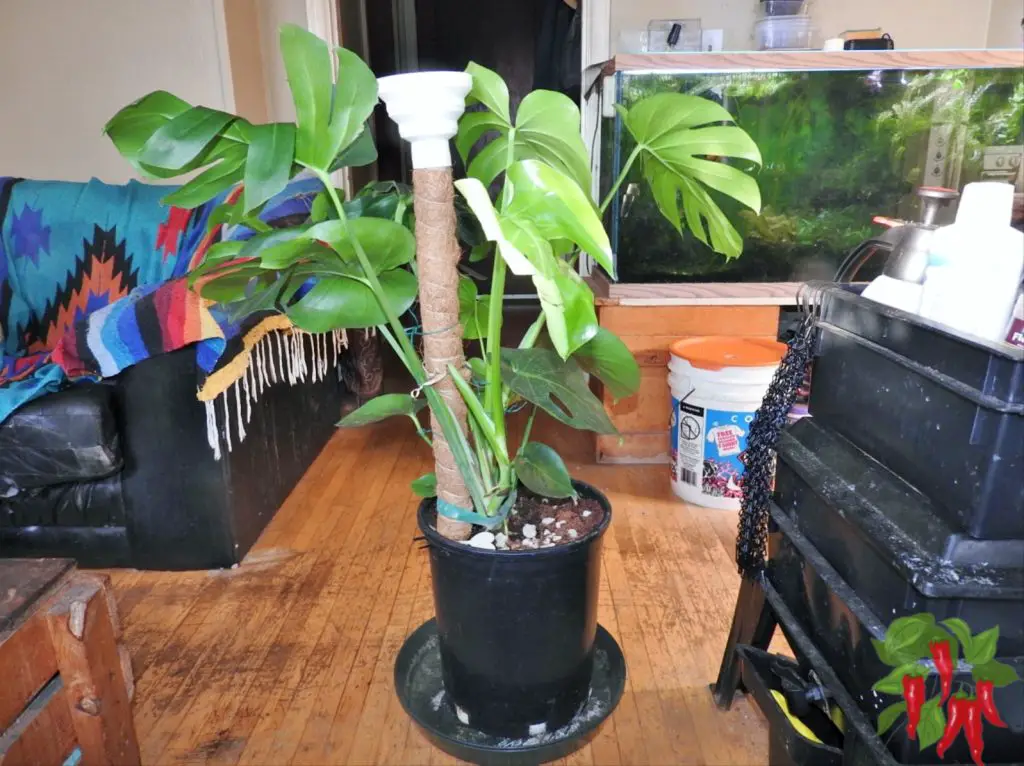
When I brought home my first Monstera deliciosa, it was love at first sight. I’d always admired its bold, dramatic leaves, and seeing it in my living room immediately transformed the space.
It didn’t just add a touch of green—it created a sense of life and vibrancy that I hadn’t realized was missing.
Over time, the Monstera became more than just a plant. As it grew, its presence became a reminder of growth and resilience.
Watching new leaves unfurl brought a little spark of joy to my week. Placing it near a well-lit window made it thrive and turned that corner of my home into a peaceful, inviting spot where I now love to relax.
The energy it brought was undeniable. Coupled with a few smaller plants, like a pothos and a Peace Lily, my home started to feel like a calm, nurturing retreat.
Caring for the Monstera has become part of my routine—a moment to pause and connect with nature.
If you’re looking to bring balance and beauty into your space, I can’t recommend the Monstera deliciosa enough. It’s a showstopper and a positive energy booster all in one.
Here’s a Pic of the Unboxing
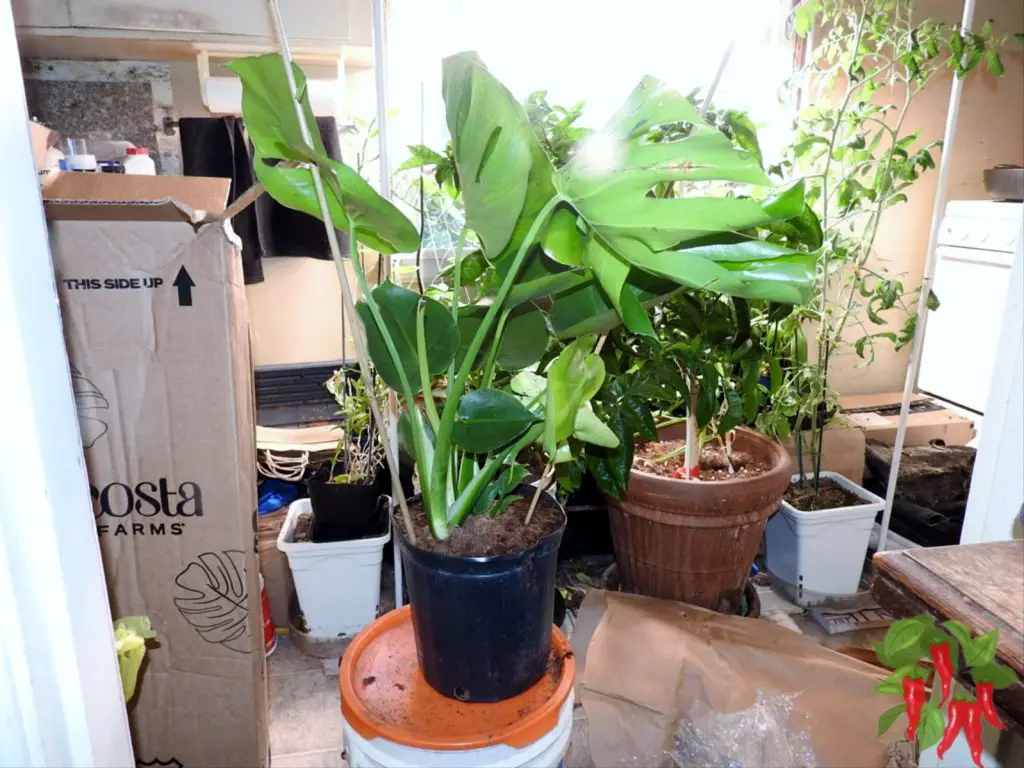
Want Your Own Monstera? I Got Mine Here:
Frequently Asked Questions About Indoor Plants for Positive Energy
What are the best indoor plants for positive energy?
Money Trees, Jade Plants, Peace Lilies, Snake Plants, Monstera deliciosa, and pothos are popular choices for positive energy. In Feng Shui traditions, these plants are associated with prosperity, harmony, protection, and growth. The best choice for your home is one that also receives enough light and fits comfortably into your space.
Which indoor plants are believed to attract wealth and prosperity?
Money Trees and Jade Plants are two of the most familiar symbols of wealth and prosperity in Feng Shui. Money Trees are often associated with abundance and financial growth, while the rounded leaves of Jade Plants are traditionally linked with good fortune. These are symbolic associations rather than guarantees of financial success.
Where should I place indoor plants for good Feng Shui?
In traditional Feng Shui, the southeast area is often associated with wealth and abundance, while other areas may represent relationships, health, or personal growth. You can use these ideas when decorating, but always consider the plant’s growing requirements first. If a traditional placement is too dark, choose a brighter nearby location or provide suitable supplemental lighting.
What indoor plants create a peaceful atmosphere in a bedroom?
Peace Lilies, Snake Plants, and heartleaf philodendrons can add a calming appearance to bedrooms through their attractive foliage and simple shapes. Choose a plant that suits the available light and your decorating style. While plants can make a bedroom feel more relaxing, a few houseplants will not significantly purify the air or increase oxygen levels enough to improve sleep.
Can indoor plants bring positive energy to a small apartment?
Absolutely. You don’t need a large home to enjoy greenery and Feng Shui-inspired decorating. Pothos and String of Hearts work beautifully on shelves or in hanging planters, while compact Snake Plants can add height to narrow spaces. A few healthy, well-placed plants can make a small apartment feel more welcoming without creating clutter.
Do indoor plants really improve the energy in a room?
Positive energy is a traditional Feng Shui concept, not something that can be scientifically measured in individual houseplants. However, living greenery can make rooms feel more attractive, comfortable, and connected to nature. Many people also find that caring for plants is a relaxing and rewarding activity.
What should I do if my Feng Shui plant isn’t growing well?
Start by checking the plant’s lighting, watering, drainage, and growing conditions. A Money Tree placed in a dark wealth corner, for example, may grow better closer to a bright window. You can still enjoy its traditional symbolism in a different location. Healthy plants are a better foundation for attractive decorating than struggling plants placed according to a rigid arrangement.
Are indoor plants for positive energy safe for cats and dogs?
Some are, but many popular Feng Shui houseplants are toxic to pets. Money Trees and Rattlesnake Plants are generally considered non-toxic to cats and dogs. Pothos, Peace Lilies, Snake Plants, Jade Plants, and several other plants in this guide can cause problems if eaten. Check the pet safety section above and consult the ASPCA Toxic and Non-Toxic Plants Database before bringing a new plant home.
Final Thoughts: Creating Positive Energy With Indoor Plants
Indoor plants for positive energy offer a wonderful way to bring natural beauty, comfort, and a sense of harmony into your home. Whether you enjoy the traditional symbolism of Feng Shui or simply love decorating with greenery, a few thoughtfully chosen houseplants can make your living spaces feel more welcoming and alive.
Money Trees and Jade Plants have long been associated with prosperity and abundance, while Peace Lilies symbolize tranquility and balance. Monstera, Rubber Plants, and White Bird of Paradise can create beautiful focal points, and trailing plants like pothos and String of Hearts bring softness and movement to shelves and hanging displays.
One thing I’ve learned from growing houseplants is that their appearance can change the feeling of a room. My first Monstera deliciosa turned an ordinary corner into one of my favorite places to relax. Watching it grow and produce new leaves has been just as rewarding as enjoying the finished display.
Key Takeaways for a Positive, Welcoming Home
- Choose plants with meaning: Explore traditional Feng Shui associations such as prosperity, harmony, protection, and personal growth.
- Put plant health first: Match each plant to the lighting, temperature, and growing conditions available in your home.
- Decorate with intention: Use large plants as focal points and smaller plants to brighten shelves, windowsills, and unused corners.
- Keep your arrangements balanced: Give plants enough room to grow without making your living spaces feel crowded.
- Maintain healthy growth: Check moisture before watering, remove damaged foliage, and adjust placement when necessary.
- Consider your pets: Choose non-toxic varieties where possible and keep potentially harmful plants out of reach.
Let Your Plants and Your Home Grow Together
You don’t need to follow every Feng Shui placement rule or fill every corner with greenery. Start with plants you enjoy, find locations where they grow well, and build your arrangements around the way you actually use your rooms.
A healthy plant with fresh leaves and vigorous growth can be a wonderful reminder of renewal, resilience, and the beauty of nature. For me, that’s one of the most rewarding parts of growing houseplants indoors.
With thoughtful placement, simple care, and a little creativity, you can create a home that feels peaceful, balanced, and full of life.
Happy growing, and don’t forget to stay green!
✨ Indoor Plants and Feng Shui
Enhance harmony, balance, and positive energy in your home with these Feng Shui indoor plant guides.
- 🌱 Feng Shui Plants (Pillar Guide)
- 🏡 Indoor Plants and Feng Shui
- 🌿 Feng Shui Vertical Gardens for Office Spaces
- 🌸 Best 24 Feng Shui Indoor Plants
- 💧 Growing Feng Shui Plants
- 🌳 Common Chinese House Plants for Feng Shui
- 🪴 Feng Shui Hanging Plants
- 🛏️ Feng Shui Bedroom Plants
- 🍃 ZZ Plant Feng Shui
- 🌱 Using Feng Shui in Vertical Gardens
- 🎋 Growing Lucky Bamboo in Feng Shui
- 🏠 Indoor Plants for Feng Shui
- ☯️ Indoor Plants for Positive Energy
- 🌼 Chinese Evergreen Care
- 🌺 Growing Peonies Indoors and Outdoors
- See all articles in our Indoor Plants and Feng Shui category
References and Further Reading
For more information about keeping indoor plants healthy, choosing suitable growing conditions, and selecting plants for homes with pets, explore these trusted resources.
- University of Minnesota Extension: Growing Indoor Plants — Practical guidance on houseplant lighting, watering, humidity, and general indoor care.
- Iowa State University Extension and Outreach: How to Care for Houseplants — Helpful information about maintaining healthy indoor plants and adjusting care to household conditions.
- Clemson Cooperative Extension: Indoor Plants: Cleaning, Fertilizing, Containers & Light Requirements — Advice on plant containers, cleaning foliage, fertilizing, and providing appropriate lighting.
- ASPCA Animal Poison Control: Toxic and Non-Toxic Plants — A reference for identifying houseplants that may be harmful to cats and dogs.
Related Content

Visit my Amazon Influencer Page for videos and gardening products Grow Your Own Garden