
This post contains affiliate links. If you buy something from one of our links we may earn a commission. Thanks
Many indoor plant problems that get blamed on “too much sun” aren’t actually caused by sunlight alone. They’re caused by how sunlight behaves once it passes through a window.
That difference matters, because some indoor plants really can handle full sun without burning — but only when their natural traits match the conditions created by indoor light.
Understanding Indoor Plants That Can Handle Full Sun Without Burning and why plants burn indoors is the first step to choosing plants that won’t.
What You’ll Learn
- ☀️ What “full sun” really means indoors
- 🔥 Why plants burn behind glass
- 🪴 Which plant traits prevent leaf scorch
- ⚠️ Why some sun plants fail indoors
- 📍 How placement affects burn risk
☀️ Indoor full sun is not the same as outdoor full sun
When a plant label says “full sun,” it’s almost always describing outdoor conditions. Outdoors, sunlight is intense, but it’s also diffused by airflow, humidity, shifting angles, and natural temperature regulation.
Indoors, sunlight behaves very differently. Window glass filters some wavelengths while concentrating others, and the light hits plants from a fixed angle for hours at a time.
This creates a situation where indoor full sun can feel harsher to plants than outdoor sun, even though the light technically passes through glass.
That’s why plants that thrive outdoors in full sun sometimes burn when placed directly in a bright window.
🪟 Duration matters as much as intensity
Indoor plants near full-sun windows often receive long, uninterrupted exposure. A south- or west-facing window can deliver strong light for most of the day, especially in summer.
Outdoors, clouds, wind, and changing sun angles give plants natural breaks. Indoors, those breaks don’t exist unless you create them.
🔥 Why plants burn indoors
Leaf burn indoors is usually a combination of light, heat, and dehydration — not light alone.
🌡️ Heat buildup near glass
Window glass traps heat, especially in modern homes with insulated windows. Leaves close to the glass can overheat even when the room temperature feels comfortable.
This localized heat damages leaf tissue, creating scorched patches, dry edges, or sudden leaf drop.
🌬️ Lack of airflow
Outdoors, wind helps plants cool themselves and regulate moisture loss. Indoors, still air means leaves heat up faster and dry out more quickly.
Plants that handle indoor full sun well are usually those that don’t rely on airflow to survive intense light.
🔄 Sudden exposure
Even sun-tolerant plants can burn if they’re moved abruptly from lower light into full sun.
Indoor plants need time to adjust leaf structure and internal processes. Without that adjustment period, burning is almost guaranteed.
🧠 The traits that let plants handle full sun without burning
Plants that tolerate indoor full sun tend to share a few key traits. These traits matter more than the plant’s popularity or label.
- 🌿 Thick, waxy, or leathery leaves that resist dehydration
- 🌵 Water-storing tissues that buffer heat stress
- 🌴 Upright or narrow leaf shapes that reduce surface exposure
- 🐢 Slower, controlled growth habits
Plants lacking these traits often struggle in full sun indoors, even if they’re marketed as sun lovers.
Once you start evaluating plants by these characteristics instead of labels, it becomes much easier to predict which ones will thrive in bright windows — and which ones will burn.
🪴 Indoor plants that can handle full sun without burning
Plants that tolerate full sun indoors aren’t random. They succeed because their structure, growth habits, and water management align with the intense, concentrated light created by windows.
The plants below are grouped by shared traits rather than popularity, which makes it easier to choose something that will perform well long term.
🌵 Succulents and cacti built for intense light
Succulents and cacti are the most reliable full-sun indoor plants because they evolved to handle extreme light, heat, and moisture loss.
Their thick leaves or stems store water, allowing them to buffer against dehydration caused by prolonged sun exposure near windows.
- Compact aloe varieties
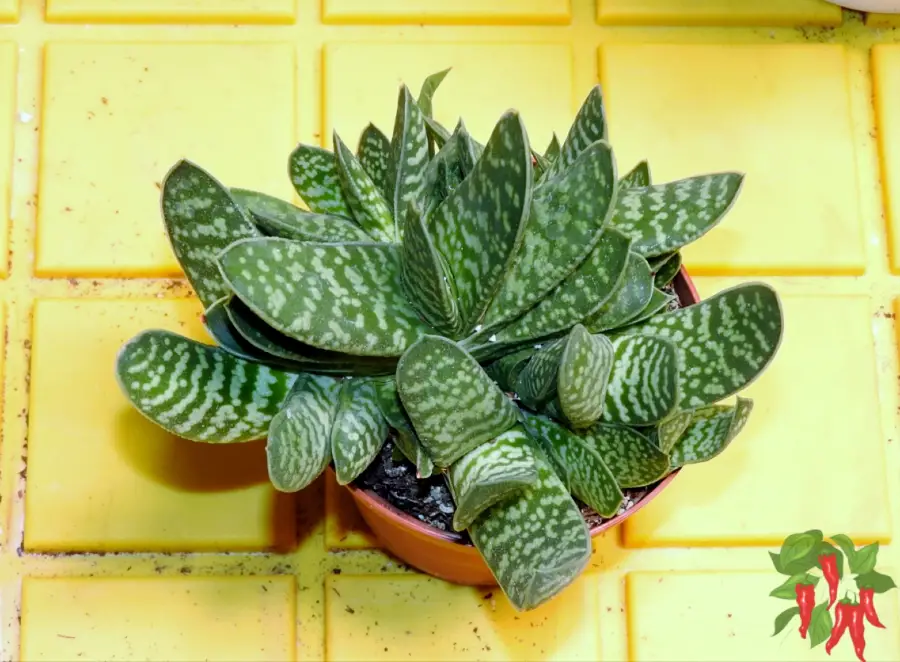
- Haworthia and gasteria (after gradual acclimation)
- Small barrel, columnar, or globular cacti
Indoors, compact forms perform better than spreading types. Proper drainage is essential, as overheated, wet soil can damage roots.
🌴 Upright and cane-style houseplants
Upright plants tolerate full sun better than wide, horizontal growers because their leaf orientation limits direct exposure.
Many cane-style plants also evolved in bright, open environments, making them naturally suited to strong indoor light.
- Ponytail palm
- Yucca cane
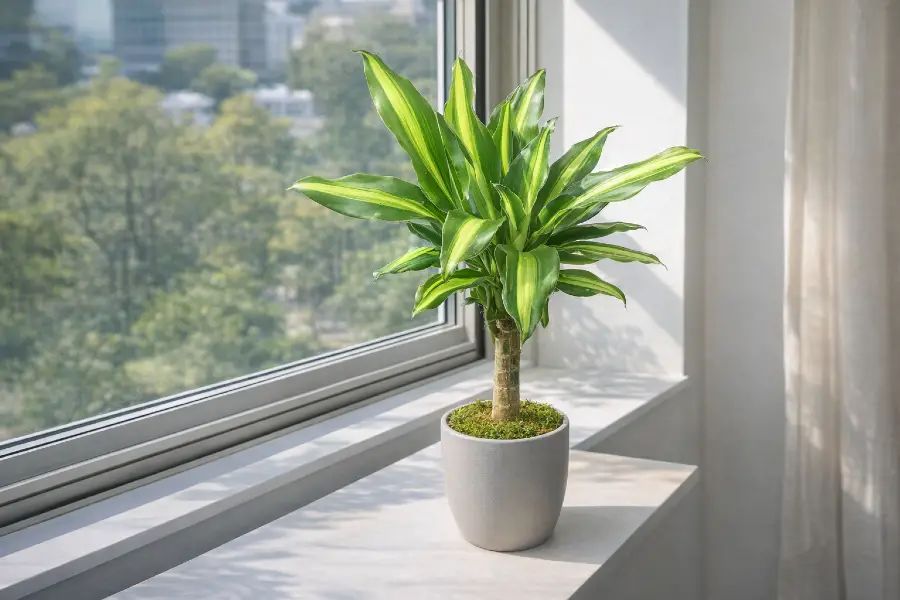
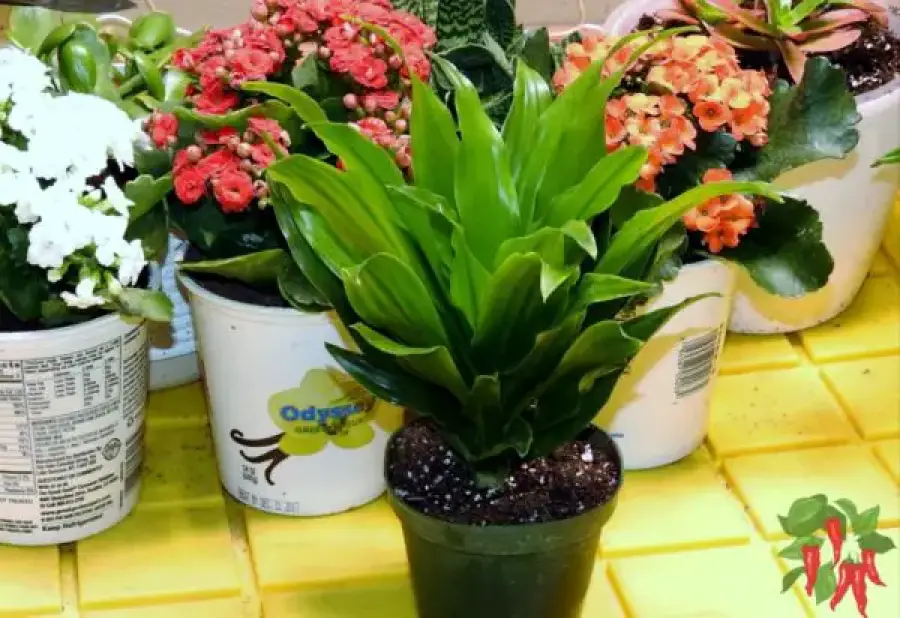
- Bright-light tolerant dracaena varieties
These plants should be positioned slightly back from the glass to reduce heat buildup while still receiving direct light.
🌿 Thick-leaf and semi-woody indoor plants
Not all leafy plants burn in full sun. Those with thicker, waxy, or semi-woody leaves can adapt well to bright windows.
These plants often handle sun better when exposure is consistent rather than fluctuating.
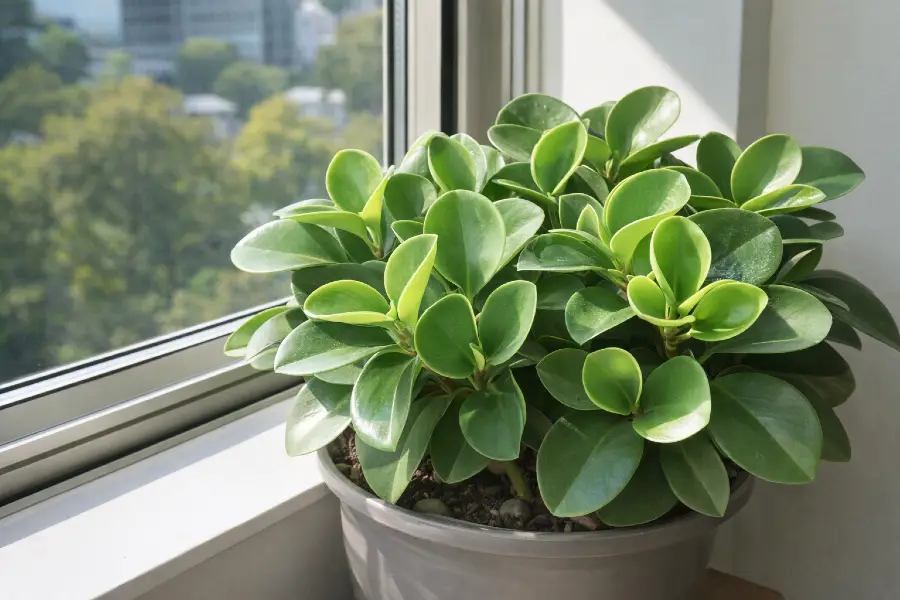
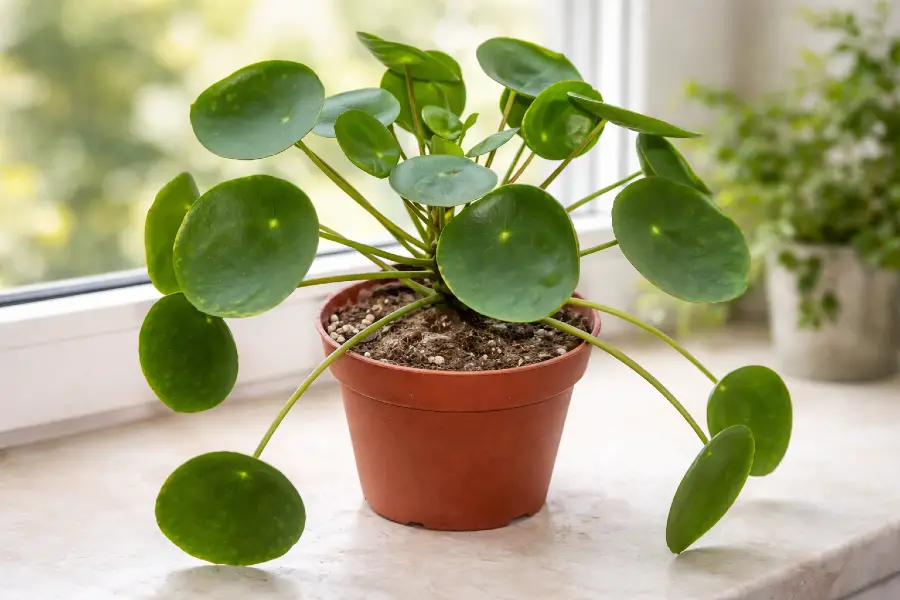
- Peperomia obtusifolia
- Rubber plant (kept compact indoors)
- Some jade plant varieties
Sudden shifts in placement are more damaging than steady, strong light.
🌿 Sun-tolerant herbs grown indoors
Herbs behave differently than ornamental houseplants. Many thrive in full sun indoors because they’re adapted to frequent harvesting and rapid regrowth.
Regular trimming prevents stress and keeps plants compact, which helps them tolerate intense light.
- Basil
- Rosemary
- Thyme
- Oregano
Unlike most houseplants, herbs often perform best directly on sunny window sills.
⚠️ Plants that struggle despite “full sun” labels
Some plants are commonly labeled as full sun plants but still burn indoors because they rely on outdoor conditions that don’t exist inside.
- Plants with very thin or delicate leaves
- Fast-growing vines that overheat near glass
- Plants adapted to high outdoor humidity
If a plant repeatedly scorches despite careful placement, it’s often better suited to bright indirect light rather than true full sun indoors.
📍 How to place full-sun plants indoors without burning
Even plants that can tolerate full sun will struggle if placement is off. Indoors, the difference between thriving and burning often comes down to a few inches and a little planning.
🪟 Distance from the window glass
Leaves pressed directly against glass experience higher temperatures than the surrounding air. This localized heat can cause scorching even in sun-tolerant plants.
Placing plants a few inches back from the glass usually provides enough light while reducing heat stress. This is especially important during summer when sun intensity peaks.
🧵 Using diffusion as a control tool
Sheer curtains, light-filtering blinds, or even slight repositioning can soften midday sun without eliminating it. Diffusion reduces temperature spikes while keeping light levels high.
Using diffusion doesn’t mean a plant “can’t handle” sun — it means you’re managing it intentionally.
🔄 Acclimating plants to full sun indoors
One of the fastest ways to burn a plant is moving it suddenly into full sun. Even sun-adapted plants need time to adjust when grown indoors.
⏳ Gradual exposure matters
Start by placing plants in bright indirect light, then gradually move them closer to direct sun over one to two weeks. This allows leaves to thicken and adjust internally.
Rushing this process is one of the most common causes of leaf scorch.
👀 Signs acclimation is working
- Leaves remain firm and evenly colored
- New growth looks healthy, not pale or crispy
- No sudden leaf drop or spotting
❌ Common mistakes that cause burning indoors
- ❌ Overwatering to compensate for heat stress
- ❌ Moving plants directly from low light into full sun
- ❌ Assuming outdoor “full sun” rules apply indoors
- ❌ Ignoring seasonal changes in sun angle
Many symptoms blamed on sunlight are actually caused by heat and moisture imbalance.
🔁 When a plant still burns
If a plant continues to scorch despite careful placement and acclimation, it may simply not be suited to prolonged indoor full sun.
In those cases, moving the plant slightly farther back from the window can make a big difference. South- and west-facing windows still provide bright conditions several feet away.
Choosing the right light level for each plant is not a failure — it’s part of learning how indoor environments work.
🏁 Conclusion
Indoor plants can handle full sun without burning when their natural traits match the conditions created by bright windows.
By choosing plants adapted to intense light, managing heat near glass, and acclimating them gradually, you can use full sun indoors as an advantage instead of a risk.
Best Direct Sunlight Plants: Ultimate Guide to Sun Lovers
❓ FAQ
Can indoor plants really handle full sun?
Yes. Plants with thick leaves, water storage, or upright growth can tolerate full sun indoors when placed and acclimated correctly.
How many hours of sun cause burning indoors?
Burning is influenced more by heat and sudden exposure than by hours alone. Consistent placement and airflow matter.
Is west-facing sun stronger than south-facing sun?
West-facing sun is often hotter but shorter in duration, while south-facing sun is longer and more consistent.
Should I rotate plants in full sun?
Yes. Rotating plants helps ensure even growth and reduces stress on one side.
Related Content
Visit my Amazon Influencer Page for videos and gardening products Grow Your Own Garden