
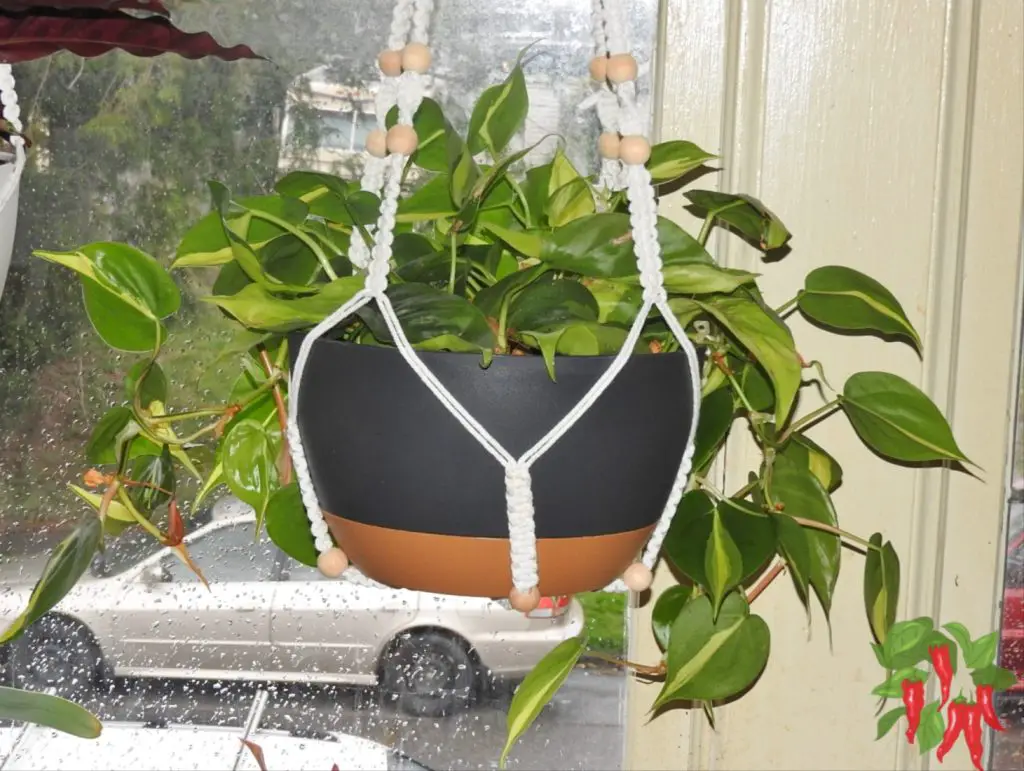
Indoor Plants with Fast Growth are a great choice for beginners who want to fill indoor spaces with greenery without waiting years for noticeable growth.
Fast-growing houseplants like pothos, spider plants, philodendrons, monstera, and dieffenbachia can quickly add height, trailing vines, and large foliage to apartments, bedrooms, offices, and other indoor spaces.
This guide covers indoor plants with fast growth, including beginner-friendly options, simple care tips, propagation ideas, and ways to manage rapid indoor growth without overwhelming your space.
What You’ll Learn
- The best indoor plants with fast growth for beginners
- Fast-growing indoor plants that work well in apartments and small spaces
- How to encourage healthy indoor plant growth with proper lighting and watering
- Ways to manage climbing, trailing, and rapidly growing houseplants indoors
- How to propagate fast-growing plants to expand your collection
- Common mistakes that can slow indoor plant growth or cause weak growth
🌿 Quick Answer: What Are the Fastest-Growing Indoor Plants?
Some of the best indoor plants with fast growth include pothos, spider plants, heartleaf philodendrons, monstera, and dieffenbachia. These houseplants can produce noticeable new leaves, longer vines, or larger foliage when they receive suitable light, water, and growing conditions.
For beginners, pothos, spider plants, and heartleaf philodendrons are especially good choices because they’re relatively easy to care for, respond well to pruning, and can be propagated to create more plants. Monstera and dieffenbachia are excellent options when you want larger tropical foliage that can fill an indoor space.
Keep in mind that fast growth depends on growing conditions. Most houseplants grow more quickly in bright indirect light than in dim rooms. Proper watering, adequate nutrients, and healthy roots also make a difference.
🪴 Fast-Growing Indoor Plants at a Glance
Whether you want trailing vines for a shelf, a hanging plant for a small apartment, or large tropical leaves for a living room, these five houseplants offer different ways to bring fast-growing greenery into your home.
| Houseplant | Growth Habit | Preferred Light | Best Indoor Use |
|---|---|---|---|
| Spider Plant | Arching leaves and baby plantlets | Bright indirect light; tolerates lower light | Hanging baskets, shelves, and small spaces |
| Pothos | Fast-growing trailing or climbing vines | Bright indirect light; tolerates lower light | Shelves, hanging planters, and climbing displays |
| Monstera deliciosa | Large climbing tropical foliage | Bright indirect light | Living room corners and large indoor displays |
| Philodendron | Trailing, climbing, or upright growth depending on variety | Bright indirect light; some tolerate lower light | Hanging baskets, shelves, and plant supports |
| Dieffenbachia | Upright growth with large, patterned leaves | Medium to bright indirect light | Floor planters, room corners, and tropical displays |
🌱 Growing Tip: Fast-growing doesn’t mean a plant will grow quickly in every room. Light is one of the biggest factors affecting indoor growth. Give your plants suitable lighting, water according to their needs, and provide enough root space and nutrients to support healthy new growth.
Indoor Plants with Fast Growth for Beginners
Are you looking to transform your living space into a lush, green oasis but worried about your gardening skills?
Fast-growing indoor plants are the perfect solution for beginners. These botanical wonders offer instant gratification, quickly filling empty spaces and boosting your confidence as a plant parent.
In this guide, we’ll explore the world of rapid growing houseplants, providing you with all the information you need to create a thriving indoor garden in no time.
Top Fast-Growing Indoor Plants for Beginners
1. Spider Plant (Chlorophytum comosum)
The Spider Plant is a beloved choice for novice gardeners, thanks to its air-purifying abilities and unique growth pattern.
This adaptable plant thrives in various light conditions and is known for producing charming “spiderettes” or baby plants.

• Easy to care for
• Produces offspring for propagation
• Tolerates low to bright indirect light
• Excellent air purifier
2. Pothos (Epipremnum aureum)
Pothos is a fast-growing, trailing plant that can add a touch of greenery to any space.
Its versatility makes it perfect for beginners, as it can grow in both low and bright light conditions.

• Grows quickly in various environments
• Ideal for hanging baskets or climbing trellises
• Easy to propagate from cuttings
• Tolerates occasional neglect
3. Monstera Deliciosa
The Monstera Deliciosa, with its iconic split leaves, is a rapid grower that can become the centerpiece of any room.
This tropical plant is relatively low-maintenance and can reach impressive heights in just a few months.

• Distinctive, large foliage
• Thrives in bright, indirect light
• Can grow several feet tall
• Adds a tropical feel to indoor spaces
4. Philodendron
Philodendrons are climbing plants known for their heart-shaped leaves and quick growth.
They’re forgiving of minor neglect, making them ideal for those still honing their plant care skills.

• Versatile climbing or trailing plant
• Adapts well to various light conditions
• Easy to propagate
• Available in various leaf shapes and sizes
5. Dieffenbachia (Dumb Cane)
Dieffenbachia is a fast-growing plant that can reach up to six feet tall, perfect for filling larger spaces. Its large, variegated leaves add visual interest to any room.

• Rapid vertical growth
• Thrives in humid environments
• Available in various leaf patterns
• Ideal for creating privacy screens or room dividers
🐾 Are Fast-Growing Indoor Plants Safe for Cats and Dogs?
If you share your home with cats or dogs, pet safety is an important consideration when choosing fast-growing houseplants. Several popular tropical plants have attractive foliage but contain substances that can cause problems if pets chew or swallow their leaves.
Here’s how the five fast-growing plants featured in this guide compare:
- Spider Plant: Considered non-toxic to cats and dogs by the ASPCA. Its arching leaves and baby plantlets make it an attractive choice for pet-friendly hanging baskets.
- Pothos: Toxic to cats and dogs. Its calcium oxalate crystals can cause mouth irritation, drooling, and vomiting if chewed.
- Monstera deliciosa: Toxic to cats and dogs. Chewing its leaves can cause painful mouth irritation and digestive symptoms.
- Philodendron: Philodendrons are toxic to cats and dogs because they contain irritating calcium oxalate crystals.
- Dieffenbachia: Toxic to cats and dogs. Its irritating plant sap can cause significant mouth discomfort, drooling, and swelling if chewed.
Choosing Fast-Growing Plants for Pet-Friendly Homes
Spider plants are one of the better choices when you want a fast-growing houseplant in a home with pets. They grow attractive arching foliage and produce plantlets that can be propagated into new plants.
Even non-toxic plants can cause digestive upset if eaten, so it’s still a good idea to keep houseplants away from pets that like chewing leaves. Hanging baskets, elevated plant stands, and thoughtful placement can help, although curious cats may still reach plants from nearby furniture.
Before bringing a new houseplant home, check its botanical name in the ASPCA Toxic and Non-Toxic Plants Database.
Care Tips for Fast-Growing Plants
Light Requirements
Fast-growing plants have varying light needs. While Pothos and Spider Plants can tolerate low light conditions, Monstera and Dieffenbachia prefer bright, indirect light.
Place your plants near windows that receive filtered sunlight for optimal growth.
Watering and Humidity
Most fast-growing plants prefer their soil to dry out slightly between waterings. However, tropical plants like Monstera and Dieffenbachia thrive in higher humidity.
Consider using a humidifier or placing a pebble tray filled with water near these plants to increase moisture levels.
Soil and Potting
Use well-draining potting mixes to support rapid growth and prevent root rot. As your plants grow quickly, they may need repotting more frequently than slower-growing varieties.
Look for signs like roots growing through drainage holes or slowed growth as indicators that it’s time to size up your pot.
Coco Coir and Perlite: A Dynamic Duo for Fast-Growing Plants
For optimal growth, consider using a mix of coco coir and perlite as your potting soil. This combination offers several advantages for fast-growing indoor plants:
• Excellent water retention: Coco coir can hold up to 10 times its weight in water, ensuring your plants have access to moisture without becoming waterlogged.
• Superior aeration: Perlite creates air pockets in the soil, promoting healthy root growth and preventing compaction.
• pH neutral: Unlike peat moss, coco coir is pH neutral, making it suitable for a wide range of plants.
• Eco-friendly option: Coco coir is a sustainable alternative to peat moss, as it’s a renewable resource.
• Pest resistance: Both coco coir and perlite are naturally resistant to pests and fungi, reducing the risk of infestations.
• Lightweight mix: The combination creates a lightweight potting mix, making it easier to move your plants around as needed.
To create an ideal mix for fast-growing plants, combine about 70% coco coir with 30% perlite.
This ratio provides the perfect balance of moisture retention and drainage, supporting rapid, healthy growth for your indoor plants.
Pruning and Propagation
Pruning for Healthy Growth
Regular pruning is essential for maintaining the shape and health of fast-growing plants.
For vining plants like Pothos and Philodendrons, trim long stems to encourage bushier growth.
Remove any yellow or damaged leaves to redirect energy to healthy growth.
Easy Propagation
Many fast-growing plants are easy to propagate, allowing you to expand your collection without additional cost. For plants like Pothos:
• Cut a healthy stem with at least two leaf nodes
• Remove the lower leaves
• Place the cutting in water or moist soil
• Wait for roots to develop (usually 2-4 weeks)
• Transfer to a pot with fresh soil once roots are established
• Spider plants can be propagated by spiderettes they produce
Unique Tips for Managing Rapid Growth
Supporting Climbing Plants
For vining plants like Monstera, Philodendrons, and Pothos, provide support structures such as trellises, moss poles, or wall hooks to guide their growth.
This not only creates an attractive display but also helps manage their rapid expansion.
Managing Plant Size
To control the size of fast-growing plants:
• Prune regularly to maintain desired shape
• Choose appropriate pot sizes to limit growth
• Trim roots during repotting to restrict size
• Use smaller pots for a more compact appearance
❓ Frequently Asked Questions About Fast-Growing Indoor Plants
What indoor plants grow the fastest?
Some of the fastest-growing indoor plants include pothos, spider plants, heartleaf philodendrons, tradescantia, monstera, and dieffenbachia. Pothos and heartleaf philodendrons are especially good for producing long vines, while monstera and dieffenbachia can develop large tropical foliage when growing conditions are favorable.
What fast-growing indoor plants are best for beginners?
Pothos, spider plants, and heartleaf philodendrons are excellent choices for beginners. They’re relatively easy to care for, adapt to normal indoor conditions, and respond well to pruning. Spider plants also produce baby plantlets, making them particularly easy to propagate.
How quickly do fast-growing houseplants grow indoors?
Growth rates vary depending on the plant, available light, temperature, nutrients, and root health. Under favorable conditions, some pothos and philodendrons can produce new leaves and noticeable vine growth within a few weeks. Larger plants such as monstera may produce new leaves less frequently, but each leaf can make a noticeable difference in the plant’s appearance.
Can fast-growing indoor plants grow in low light?
Some fast-growing houseplants, including pothos and heartleaf philodendrons, tolerate lower light conditions. However, their growth usually slows in dim rooms. If you want faster growth, provide suitable bright indirect light or supplemental grow lighting when natural light is limited.
How can I encourage my indoor plants to grow faster?
Start by giving each plant the right amount of light, watering according to its needs, and using a growing mix that supports healthy roots. Adequate nutrients during active growth also help. For many tropical houseplants, bright indirect light is one of the most important factors in encouraging fuller, stronger growth.
How often should I water fast-growing indoor plants?
Watering depends on the plant, pot size, growing medium, temperature, and available light. Fast-growing plants may use water more quickly during active growth, but that doesn’t mean they should stay constantly wet. Check the growing mix and water when appropriate for the particular plant rather than following a fixed schedule.
How do I keep fast-growing indoor plants from getting too large?
Regular pruning is one of the easiest ways to control fast-growing houseplants. Trim long pothos and philodendron vines, provide supports for climbing plants, and choose plants that fit your available space. You can also propagate healthy cuttings instead of allowing plants to become overcrowded.
Are fast-growing indoor plants easy to propagate?
Many are easy to propagate. Pothos, heartleaf philodendrons, and tradescantia can grow from stem cuttings that include nodes. Spider plants are usually propagated by separating and rooting the small plantlets they produce. Propagation is a practical way to expand your collection without buying additional plants.
Why is my fast-growing indoor plant becoming leggy?
Leggy growth often develops when a plant isn’t receiving enough light. Stems may stretch, and the spaces between leaves can become longer. Moving the plant to a brighter location or providing supplemental lighting can encourage more compact new growth. Pruning stretched stems can also help improve the plant’s appearance.
Are fast-growing indoor plants safe for cats and dogs?
It depends on the plant. Spider plants are considered non-toxic to cats and dogs, while pothos, philodendrons, monstera, and dieffenbachia are toxic if chewed or eaten. If you have pets, check the plant’s botanical name in the ASPCA Toxic and Non-Toxic Plants Database before choosing a new houseplant.
🌿 Final Thoughts on Indoor Plants with Fast Growth
Indoor plants with fast growth are a great way to bring greenery into your home without waiting years for noticeable results. Whether you’re decorating a small apartment, filling an empty living room corner, or adding trailing plants to shelves, fast-growing houseplants can make a space feel more alive and welcoming.
Pothos, spider plants, and heartleaf philodendrons are especially good choices for beginners. They’re relatively easy to grow, respond well to pruning, and can help you create fuller indoor plant displays. Monstera and dieffenbachia are also attractive options when you want larger tropical leaves and a more dramatic appearance.
One thing I’ve learned from growing houseplants is that fast growth depends on providing the right conditions. A plant known for growing quickly may slow down considerably when it doesn’t receive enough light or when its roots aren’t healthy. Good lighting, proper watering, and a suitable growing mix make a real difference.
You also don’t need a large home to enjoy fast-growing plants. Trailing vines can be guided along shelves, climbing plants can grow upward on supports, and regular pruning helps keep plants manageable in smaller rooms.
🌱 Fast-Growing Indoor Plant Tips
- Provide bright indirect light: Most fast-growing indoor plants grow fuller and healthier with better lighting.
- Prune regularly: Trimming long stems helps control size and encourages bushier growth.
- Use supports for climbing plants: Moss poles, trellises, and wall hooks help manage rapid growth indoors.
- Propagate healthy cuttings: Many fast-growing plants can easily be expanded into new plants.
- Choose plants that fit your space: Some fast growers become much larger indoors over time.
Whether you want trailing vines, tropical foliage, or a fuller indoor plant collection, start with plants that suit your available space and lighting. Give them the conditions they need, enjoy watching the new growth develop, and don’t be afraid to prune or propagate when they start getting larger.
A few healthy, fast-growing houseplants can make a big difference in how your home looks and feels, and watching them grow is part of the enjoyment of indoor gardening.
Happy growing, and don’t forget to stay green! 🌿
🌱 Best Indoor Plants for Beginners
Just getting started with houseplants? These beginner-friendly guides will help you pick, grow, and care for indoor plants with confidence!
- 🌿 Best Indoor Plants for Beginners (Pillar Guide)
- 🐛 Common Indoor Plant Pests and How to Avoid Them
- 💨 Top Indoor Plants for Air Purification
- 🌱 How to Propagate Indoor Plants for Beginners
- 💧 Watering Tips for New Indoor Plant Owners
- 🌼 Easiest Indoor Plants to Grow
- 🪴 How to Choose the Right Indoor Pot for Beginners
- ⏳ Best Indoor Plants for Busy People
- 🌿 Beginner Guide to Indoor Plant Fertilizers
- 🏡 Indoor Plants for Small Spaces
- 😊 Best Indoor Plants for Improving Mood
- 💵 Budget-Friendly Indoor Plants for Beginners
- 🔄 How to Repot Indoor Plants for Beginners
- ❄️ Best Winter Indoor Plants for Beginners
- 🪴 Beginner-Friendly Hanging Indoor Plants
- 🐾 Pet-Friendly Indoor Plants for Beginners
- 🌵 Beginner-Friendly Succulents
- 💧 Best Indoor Plants for Low Humidity
- ⚠️ Common Mistakes Beginners Make with Indoor Plants
- 🌨️ Best Indoor Plants for Winter Months
- 🌸 Beginner-Friendly Indoor Flowering Plants
- ⚡ Indoor Plants with Fast Growth
- 🖤 Best Indoor Plants for Minimalist Decor
- 🌿 Best Indoor Plants to Start a Collection
- See all articles in our Best Indoor Plants for Beginners category
📚 References and Further Reading
For more information about growing healthy indoor plants, encouraging strong growth, and choosing houseplants for homes with pets, these university Extension and animal safety resources provide helpful guidance:
- University of Minnesota Extension – Lighting for Indoor Plants. Explains how light intensity, duration, and supplemental lighting affect indoor plant growth. Helpful for understanding why fast-growing houseplants may slow down in dim rooms.
University of Minnesota Indoor Lighting Guide - University of Georgia Extension – Growing Indoor Plants with Success. Covers houseplant growing conditions, watering, fertilization, potting media, and general maintenance to support healthy indoor growth.
University of Georgia Indoor Plant Guide - University of Missouri Extension – Home Propagation of Houseplants. Provides guidance on propagating indoor plants using stem cuttings, division, and other methods for expanding your houseplant collection.
University of Missouri Houseplant Propagation Guide - ASPCA – Toxic and Non-Toxic Plants. A searchable database for checking whether individual houseplants may be toxic to cats, dogs, and horses. Particularly useful when choosing pothos, philodendrons, monstera, dieffenbachia, or spider plants for your home.
ASPCA Plant Toxicity Database
Related Content


Visit my Amazon Influencer Page for videos and gardening products Grow Your Own Garden