
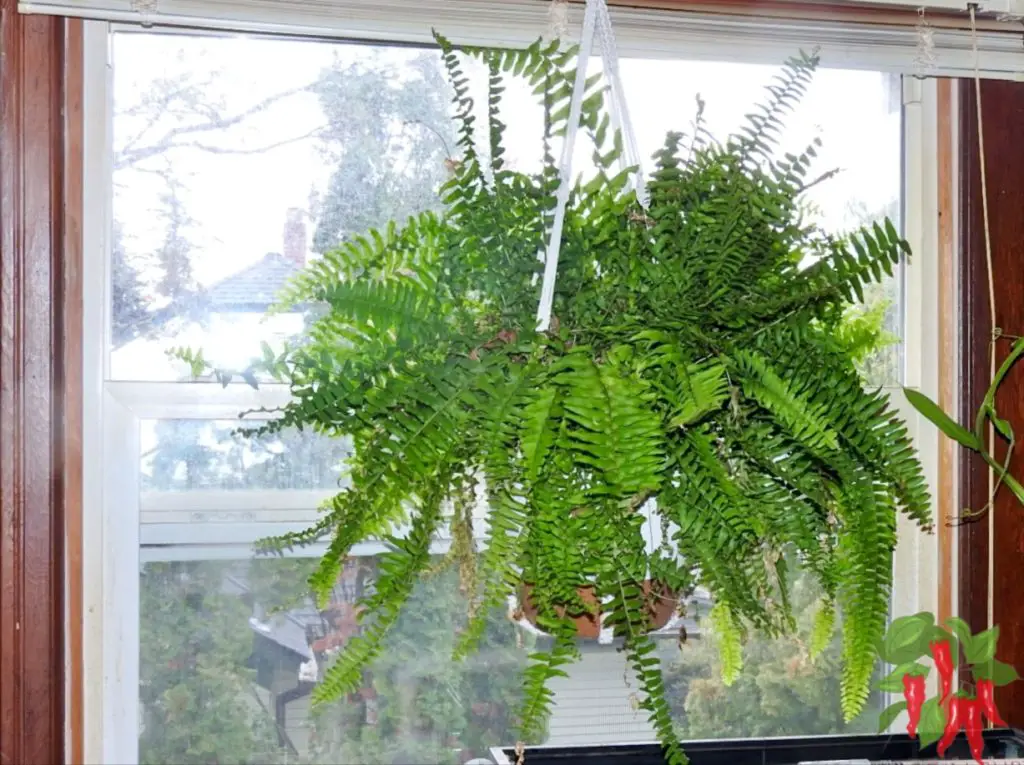
Pet-Friendly Indoor Plants for Beginners make it possible to enjoy indoor greenery without worrying about common houseplants that may be harmful to cats or dogs.
Easy-care pet-safe plants like spider plants, Boston ferns, prayer plants, areca palms, and haworthias can grow well in apartments, bedrooms, offices, and other indoor spaces while remaining safer for curious pets.
This guide covers pet-friendly indoor plants for beginners, including simple care tips, safe plant placement ideas, lighting needs, and ways to build an indoor plant collection that works well for both pets and plant owners.
What You’ll Learn
- The best pet-friendly indoor plants for beginners and apartments
- Easy-care indoor plants that are safer for cats and dogs
- How to place indoor plants safely around curious pets
- Pet-safe plants that work well in low light and indoor spaces
- Ways to keep pets from chewing or damaging indoor plants
- Common mistakes to avoid when choosing houseplants for homes with pets
Quick Answer: What Are the Best Pet-Friendly Indoor Plants for Beginners?
Some of the best pet-friendly indoor plants for beginners include Spider Plants, Areca Palms, Boston Ferns, Haworthias, Prayer Plants, Bromeliads, and Ponytail Palms. These plants are generally considered non-toxic to cats and dogs while offering choices for different light levels, room sizes, and care routines.
Pet-friendly does not mean a plant should be eaten. Even non-toxic plants can cause stomach upset when pets chew or eat enough plant material. Check the safety of each plant before bringing it home, and keep plants away from pets that regularly chew leaves or dig in pots.
Pet-Friendly Indoor Plants at a Glance
| Spider Plant | Easy care, adaptable, and excellent for hanging baskets |
| Areca Palm | Larger tropical plant that prefers bright indirect light |
| Boston Fern | Lush foliage; appreciates consistent moisture and humidity |
| Haworthia | Compact succulent that likes bright light and less frequent watering |
| Prayer Plant | Colorful foliage and useful for indirect-light locations |
| Bromeliad | Colorful tropical choice for bright indirect light |
| Ponytail Palm | Drought-tolerant, distinctive, and well suited to bright locations |
Important: Always verify the exact plant species before buying. Common names can be confusing, and plants sold under similar names are not necessarily equally safe for pets.
Pet-Friendly Indoor Plants
Pet-Friendly Indoor Plants for Beginners are your ticket to a lush, green home that’s safe for your furry friends!
Want to add some greenery to your space but worried about your curious cat or dog?
Or maybe you’re new to plant care and don’t want to risk harming your pets?
Don’t worry – these pet-safe plants are here to prove that you can have a thriving indoor garden that’s both beautiful and safe for your four-legged family members.
Why Choose Pet-Friendly Indoor Plants?
Pet-friendly indoor plants make it easier to decorate with greenery while creating a safer and more comfortable environment for cats, dogs, and other indoor pets.
Safer Indoor Decorating
Choosing non-toxic houseplants helps reduce the stress of worrying about curious pets chewing leaves or digging in soil. Pet-safe plants allow you to decorate shelves, windows, plant stands, and living spaces more confidently.
Better for Apartments and Small Spaces
Many pet-friendly indoor plants work well in apartments and compact homes where pets and plants share the same living areas. Smaller plants, hanging displays, and tabletop plants can add greenery without overcrowding the room.
Works Well With Hanging and Shelf Displays
Spider plants, Boston ferns, prayer plants, and trailing pet-safe plants look great in hanging baskets, floating shelves, and elevated plant stands. This makes it easier to style indoor plants while keeping them farther from playful pets.
Beginner-Friendly Plant Confidence
Easy-care pet-friendly plants help beginners build confidence with indoor gardening without worrying as much about choosing unsafe houseplants. Starting with adaptable plants usually makes indoor plant care less overwhelming.
Top Pet-Friendly Indoor Plants for Beginners
Ready to green up your space without risking your pet’s health? Here are some top picks that are both easy to care for and pet-safe:
Spider Plant (Chlorophytum comosum)

This plant is like the gift that keeps on giving – it produces baby plants and is safe for pets!
• Care tips: Thrives in indirect light and tolerates low light. Water only when the soil dries out.
• Why it’s great: One of the easiest plants to propagate and safe for both cats and dogs.
Areca Palm (Dypsis lutescens)
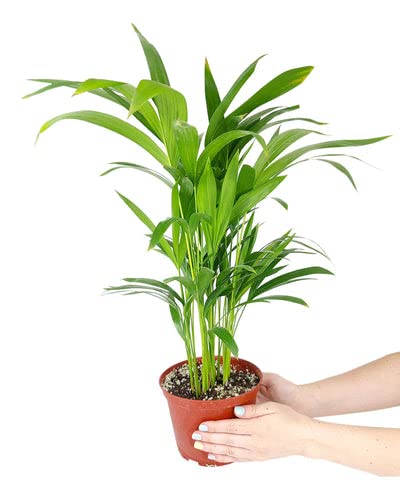
Want to bring a touch of the tropics to your pet-friendly home? The Areca Palm’s got you covered!
• Care tips: Grows best in bright, indirect light, and prefers the soil to dry out between waterings.
• Why it’s great: Adds a tropical feel and is non-toxic to pets, although its fronds might attract playful animals.
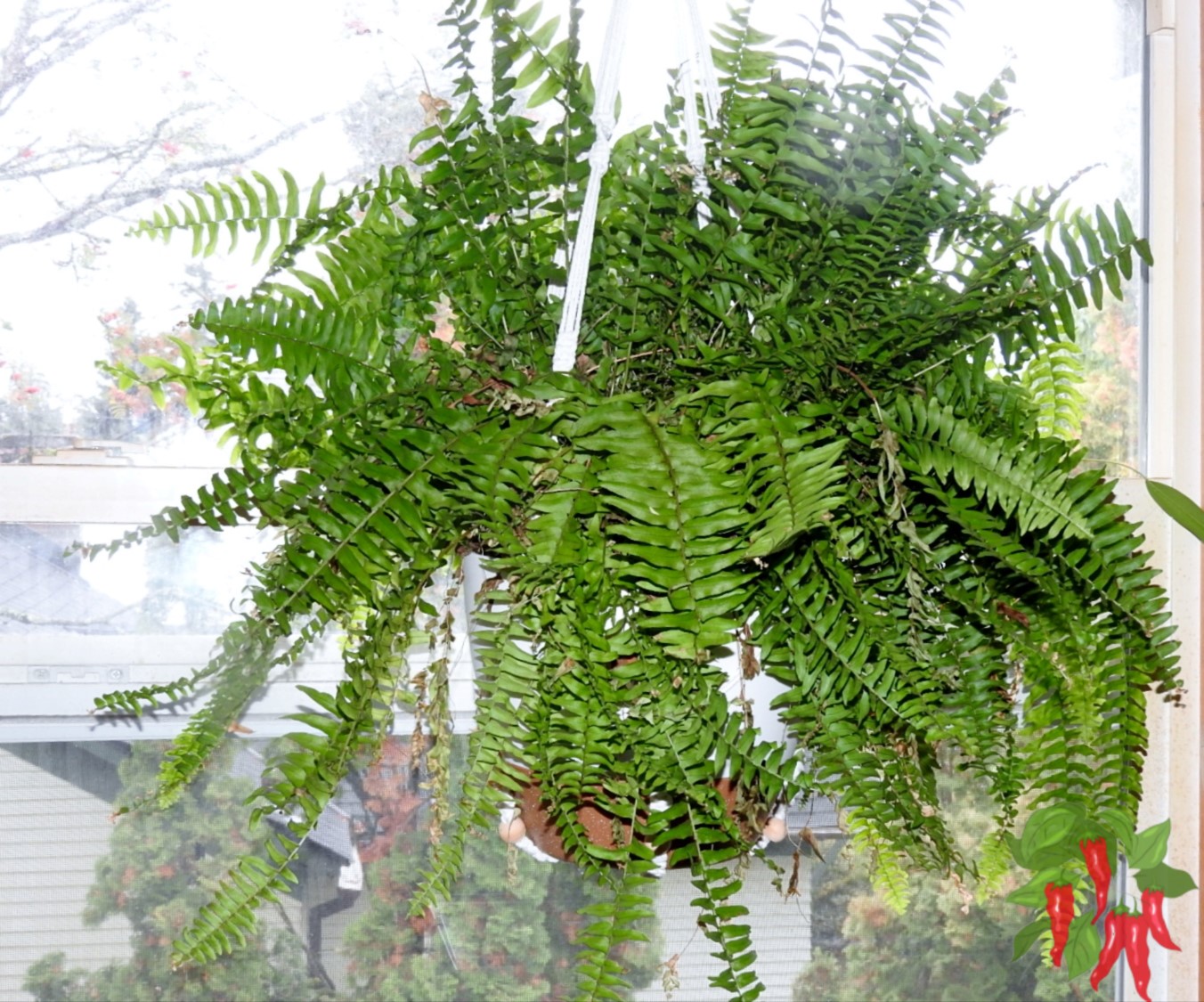
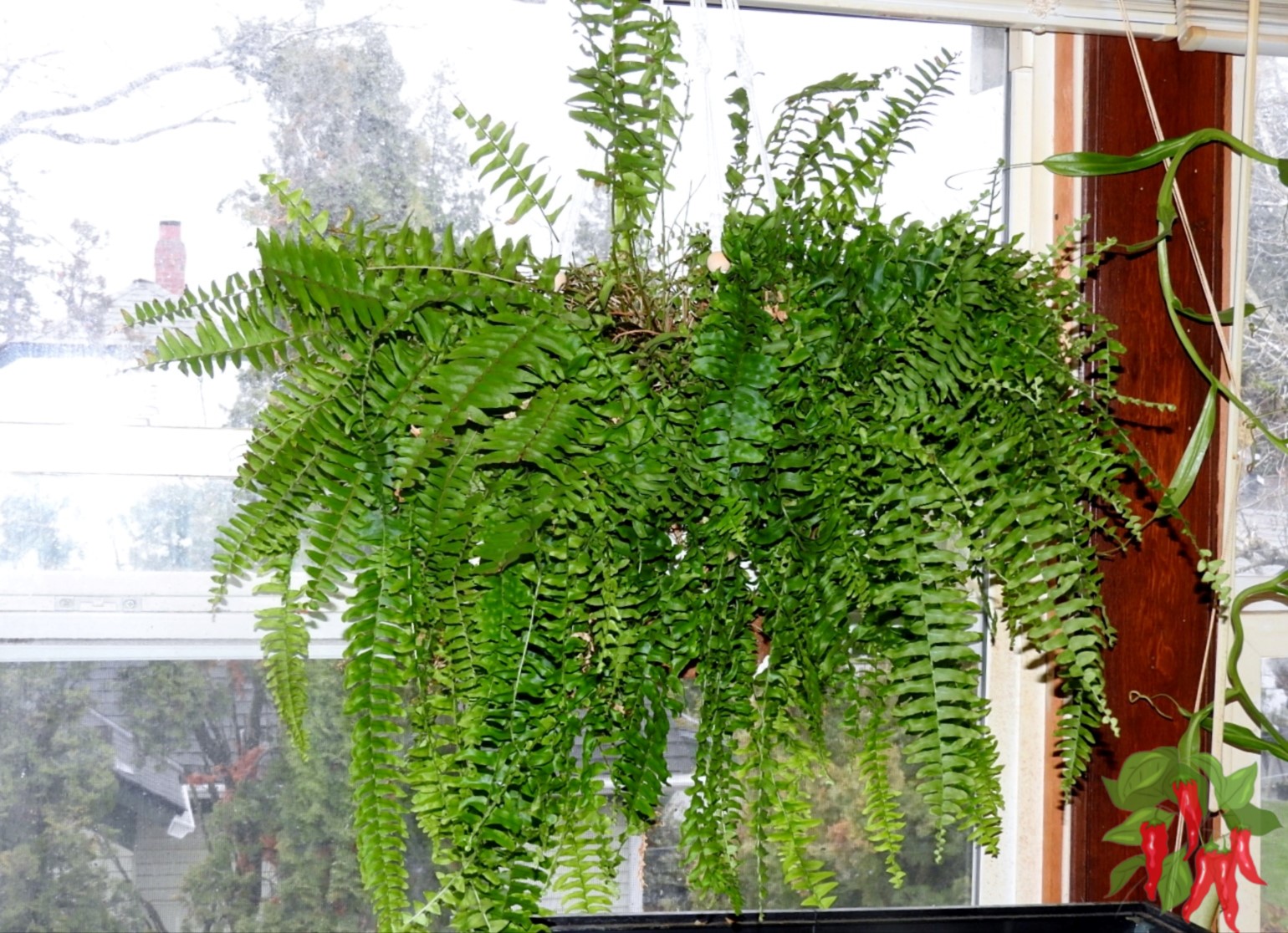
Boston Fern (Nephrolepis exaltata)

This lush fern is like a green fountain for your home – and it’s totally pet-safe!
• Care tips: Loves humidity and indirect light, making it perfect for bathrooms.
• Why it’s great: Completely safe for pets, though it needs consistent moisture and humidity to thrive.
Haworthia

This little succulent is like the pet-friendly version of aloe vera!
• Care tips: Requires bright light and minimal watering, making it a perfect succulent for beginners.
• Why it’s great: Looks like aloe vera but is non-toxic, ideal for households with pets.
Prayer Plant (Maranta leuconeura)

This plant puts on a nightly show by folding its leaves – and it’s safe for your pet audience!
• Care tips: Thrives in low light and high humidity; requires regular watering.
• Why it’s great: Known for its striking leaf patterns and is safe for pets, making it a beautiful statement plant.
Lesser-Known Pet-Friendly Plants
Think you’ve seen all the pet-safe plants? These hidden gems will surprise you:
Bromeliad

This plant is like wearing a colorful hat – it adds a pop of fun to any room!
• Care tips: Needs bright light and occasional misting to maintain humidity.
• Why it’s underappreciated: Often grown as an epiphyte, it adds variety to your plant collection and is safe for pets.
Ponytail Palm (Beaucarnea recurvata)

Don’t let the name fool you – this isn’t a real palm, but it is really pet-friendly!
• Care tips: Prefers bright light and dry conditions, making it drought-tolerant.
• Why it’s great: Its unique appearance makes it stand out, and it’s pet-safe despite being a palm-like plant.
Always Check Plant Safety for Your Pets
Even when a houseplant is commonly described as pet-friendly, I recommend checking the exact plant before bringing it into a home with cats or dogs. Common plant names can sometimes be confusing, and different plants may be sold under similar names.
The ASPCA Toxic and Non-Toxic Plants List is a useful reference for checking individual plants for cats and dogs.
Remember that non-toxic does not mean edible. Even a pet-safe plant can cause digestive upset if your pet eats enough leaves or other plant material, so it is still a good idea to discourage chewing.
Pitfalls to Avoid When Caring for Pet-Friendly Plants
Even with easy-care plants, there are a few things to watch out for:
Overwatering:
• Many of these plants, such as succulents, don’t require frequent watering.
• When in doubt, it’s better to underwater than overwater.
Improper Light Conditions:
• Ensure plants like ferns get enough indirect light to prevent their leaves from wilting.
• Remember, even pet-safe plants need the right conditions to thrive.
Tips for Arranging Pet-Friendly Plants at Home
Make your pet-friendly garden a showstopper with these tips:
Use Hanging Baskets:
• Keep plants like spider plants out of reach of playful pets by using hanging baskets.
• It’s like creating a green chandelier in your home!
Choose Hardy Plants:
• If your pets are particularly curious, opt for hardy plants like Boston ferns that can withstand a little nibbling.
• Think of it as choosing plants that can handle a little pet love.
Pet-Friendly Indoor Plants for Beginners FAQs
What are the best pet-friendly indoor plants for beginners?
Spider Plants, Boston Ferns, Prayer Plants, Areca Palms, Ponytail Palms, Haworthias, and many Bromeliads are good choices for beginners with cats or dogs. The best choice also depends on the light, humidity, and available space in your home.
What indoor plants are safe for cats and dogs?
Many popular houseplants are considered non-toxic to cats and dogs, including Spider Plants, Boston Ferns, Prayer Plants, Areca Palms, Ponytail Palms, and Haworthias. Always verify the exact plant species because similar common names can sometimes refer to different plants.
Does non-toxic mean a plant is safe for pets to eat?
No. A plant listed as non-toxic is still not meant to be food for your pet. Eating plant material can cause vomiting, diarrhea, or other digestive upset even when the plant is not considered poisonous. Try to discourage pets from chewing any houseplant.
How can I check whether a houseplant is toxic to my pet?
Check the exact plant name against a reliable pet-toxicity resource before bringing it home. The ASPCA maintains searchable lists of plants that are toxic and non-toxic to cats and dogs. This is especially important when a plant is sold under several different common names.
What pet-friendly indoor plants work in lower light?
Prayer Plants and some pet-safe ferns can tolerate lower indoor light better than many other houseplants. Lower light does not mean no light, however. Even shade-tolerant plants need usable natural or supplemental light to remain healthy.
Are hanging plants a good choice for homes with pets?
Yes. Hanging baskets can help keep plants away from curious cats and dogs while also saving floor and shelf space. Spider Plants and Boston Ferns are especially attractive in hanging displays, but make sure trailing leaves remain out of reach if your pet likes to chew plants.
Should I still keep pet-safe plants out of reach?
It is a good idea, especially if your pet regularly chews plants or digs in potting soil. Shelves, hanging baskets, plant stands, and other elevated locations can protect both your pets and your plants.
What is the biggest mistake when choosing houseplants for a home with pets?
One of the biggest mistakes is relying only on a plant’s common name or appearance. Identify the plant as accurately as possible and check its toxicity before bringing it home, particularly if your cat or dog is likely to chew the leaves.
Final Thoughts on Pet-Friendly Indoor Plants
Pet-Friendly Indoor Plants for Beginners make it possible to enjoy indoor greenery while creating a safer environment for cats, dogs, and other curious pets.
Plants like spider plants, Boston ferns, prayer plants, ponytail palms, haworthias, and areca palms can add texture, greenery, and natural color to apartments, bedrooms, offices, and living rooms without relying on many of the common toxic houseplants found indoors.
Choosing beginner-friendly pet-safe plants also makes indoor plant care easier because many of these plants adapt well to normal household conditions and simple care routines.
Pet-Friendly Indoor Plant Tips
- Always verify plant safety: Double-check that plants are considered non-toxic before bringing them home.
- Use hanging baskets and shelves: Raising plants can help reduce chewing and accidental damage from pets.
- Match plants to your lighting: Pet-safe plants still need proper indoor conditions to grow well.
- Start with easy-care varieties: Spider plants, haworthias, and prayer plants are beginner-friendly options.
- Watch pet behavior around plants: Some pets may ignore plants completely, while others may constantly chew leaves or dig in soil.
Whether you want a few safe plants for a shelf or a larger indoor collection over time, pet-friendly indoor plants can help create a greener, calmer, and more comfortable home for both people and pets.
🌱 Best Indoor Plants for Beginners
Just getting started with houseplants? These beginner-friendly guides will help you pick, grow, and care for indoor plants with confidence!
- 🌿 Best Indoor Plants for Beginners (Pillar Guide)
- 🐛 Common Indoor Plant Pests and How to Avoid Them
- 💨 Top Indoor Plants for Air Purification
- 🌱 How to Propagate Indoor Plants for Beginners
- 💧 Watering Tips for New Indoor Plant Owners
- 🌼 Easiest Indoor Plants to Grow
- 🪴 How to Choose the Right Indoor Pot for Beginners
- ⏳ Best Indoor Plants for Busy People
- 🌿 Beginner Guide to Indoor Plant Fertilizers
- 🏡 Indoor Plants for Small Spaces
- 😊 Best Indoor Plants for Improving Mood
- 💵 Budget-Friendly Indoor Plants for Beginners
- 🔄 How to Repot Indoor Plants for Beginners
- ❄️ Best Winter Indoor Plants for Beginners
- 🪴 Beginner-Friendly Hanging Indoor Plants
- 🐾 Pet-Friendly Indoor Plants for Beginners
- 🌵 Beginner-Friendly Succulents
- 💧 Best Indoor Plants for Low Humidity
- ⚠️ Common Mistakes Beginners Make with Indoor Plants
- 🌨️ Best Indoor Plants for Winter Months
- 🌸 Beginner-Friendly Indoor Flowering Plants
- ⚡ Indoor Plants with Fast Growth
- 🖤 Best Indoor Plants for Minimalist Decor
- 🌿 Best Indoor Plants to Start a Collection
- See all articles in our Best Indoor Plants for Beginners category
References
- ASPCA – Toxic and Non-Toxic Plants – Searchable information about plants considered toxic or non-toxic to cats and dogs.
- University of Minnesota Extension – Growing Indoor Plants with Success – Guidance on light, watering, humidity, and general houseplant care.
- University of Wisconsin–Madison Extension – Spider Plant (Chlorophytum comosum) – Growing conditions and care for one of the most popular beginner-friendly houseplants.
- Clemson Cooperative Extension – Indoor Plants: Light Requirements and Care – Practical information about maintaining healthy houseplants indoors.
Related Content


Visit my Amazon Influencer Page for videos and gardening products Grow Your Own Garden