
Pet-Safe Indoor Plants for Small Spaces make it possible to enjoy the beauty of houseplants without worrying about curious cats or playful dogs. Many popular houseplants can be harmful if chewed, but there are plenty of attractive, compact options that are considered non-toxic to pets.
Whether you live in an apartment, have limited shelf space, or simply want a few small plants around your home, pet-friendly varieties can add greenery, texture, and color while helping you create a safer environment for your furry companions.
This guide explores the best Pet-Safe Indoor Plants for Small Spaces, including easy-care favorites, placement ideas, and tips for keeping both your plants and pets happy.
What You’ll Learn
- The best pet-safe plants for apartments and small homes
- Compact plant varieties that work well on shelves and windowsills
- How to choose plants that are safe for cats and dogs
- Creative ways to display plants in pet-friendly homes
- Simple care tips for keeping small houseplants healthy
Quick Answer: What Are the Best Pet-Safe Indoor Plants for Small Spaces?
The best pet-safe indoor plants for small spaces include spider plants, Boston ferns, areca palms, calatheas, polka dot plants, baby rubber plants, and parlor palms. These houseplants are considered non-toxic to cats and dogs and offer attractive foliage for apartments, small rooms, shelves, and compact indoor plant displays.
For small shelves and tabletops, baby rubber plants, polka dot plants, and compact calatheas are excellent choices. Spider plants look beautiful in hanging baskets, while Boston ferns add soft, cascading greenery. Parlor palms offer a tropical appearance with relatively slow growth, and young areca palms can make attractive floor plants where space allows.
Although these plants are considered non-toxic, that doesn’t mean pets should eat them. Even pet-friendly foliage can cause digestive upset when chewed or swallowed. Choosing suitable plants, providing proper care, and using thoughtful placement will help you create a greener home that’s comfortable for both plants and pets.
At a Glance: Best Pet-Safe Indoor Plants for Small Spaces
Use this quick comparison to find pet-friendly houseplants that fit your available space, lighting, and decorating style.
| Plant | Light Needs | Best Placement | Pet Safety |
|---|---|---|---|
| Spider Plant | Bright indirect; tolerates lower light | Hanging baskets, shelves, plant stands | Non-toxic to cats and dogs |
| Boston Fern | Bright indirect | Hanging baskets, elevated stands, humid rooms | Non-toxic to cats and dogs |
| Areca Palm | Bright indirect | Floor corners, bright rooms | Non-toxic to cats and dogs |
| Calathea | Medium to bright indirect | Shelves, tables, humid rooms | Non-toxic to cats and dogs |
| Polka Dot Plant | Bright indirect | Windowsills, small tables, compact displays | Non-toxic to cats and dogs |
| Baby Rubber Plant | Medium to bright indirect | Desks, shelves, tabletops | Non-toxic to cats and dogs |
| Parlor Palm | Low to bright indirect | Small floor spaces, plant stands, corners | Non-toxic to cats and dogs |
Pet safety tip: The baby rubber plant (Peperomia obtusifolia) is different from the common rubber plant (Ficus elastica), which is toxic to cats and dogs. Always check a plant’s botanical name when shopping, especially when several plants share similar common names.
For additional information, consult the ASPCA Toxic and Non-Toxic Plants Database.
Pet-Safe Indoor Plants for Small Spaces: Complete Guide
When you’re sharing your space with plants and pets, choosing pet-safe indoor plants becomes a top priority.
Many common indoor plants can be harmful to pets, so it’s essential to pick varieties that add beauty without posing a risk to curious cats and dogs.
In a small apartment or compact home, making smart choices about plant safety is just as important as finding plants that don’t take over your space.
Why Choose Indoor Plants That Are Pet-Safe?
For pet owners, ensuring that indoor plants are safe is more than just a matter of taste; it’s a way to protect the animals we love.
Some popular plants can cause stomach upset or more serious issues if pets chew on the leaves.
Choosing pet-safe plants brings peace of mind, letting you enjoy greenery without any hidden hazards.
Balancing Greenery with Pet Safety in Small Spaces
Living in a small space can make finding safe spots for plants a little challenging, especially with pets who might explore every corner.
Thankfully, plenty of compact, non-toxic plants do well in apartments, from easygoing Spider Plants to lush Boston Ferns.
With the right plants, you can enjoy the best of both worlds: a home filled with greenery that’s also a safe haven for your pets.
Why Safe Houseplants for Pet Owners Matter
Choosing the right indoor plants is about more than just aesthetics when pets are part of the picture.
While many plants bring beauty to a space, certain varieties can pose real risks to our furry companions.
Cats and dogs often get curious about plants, especially those with dangling leaves or interesting textures.
Unfortunately, some common houseplants contain toxins that can cause anything from mild stomach upset to more severe symptoms if nibbled on by a curious pet.
The ASPCA maintains a database of plants Toxic and Non-Toxic Plants
The Benefits of Non-Toxic, Pet-Safe Plants
Opting for pet-safe plants means you can enjoy your indoor greenery without the worry of harmful side effects for your pets.
Non-toxic plants allow you to create a vibrant, plant-filled home that’s equally welcoming for both you and your pets.
By choosing safe varieties, you’re not only adding natural beauty to your space but also protecting the health and well-being of your pets—giving you the freedom to enjoy your plants without constantly watching over curious paws.
Top Pet-Safe Indoor Plants for Small Spaces
When you have limited room and pets choosing the right plants becomes even more important.
Here’s a look at some top pet-safe plants that thrive in small spaces, each bringing unique beauty to your home while keeping things safe for your furry friends.
Spider Plant (Chlorophytum comosum)

Spider Plants are a favorite for pet-friendly homes. They’re non-toxic, easy to grow, and adaptable to various light levels.
Their arching leaves add a playful touch to any space, and they do especially well in hanging displays, keeping them out of the way of curious paws.
Plus, they’re known for their air-purifying qualities, making them a practical choice for small spaces.
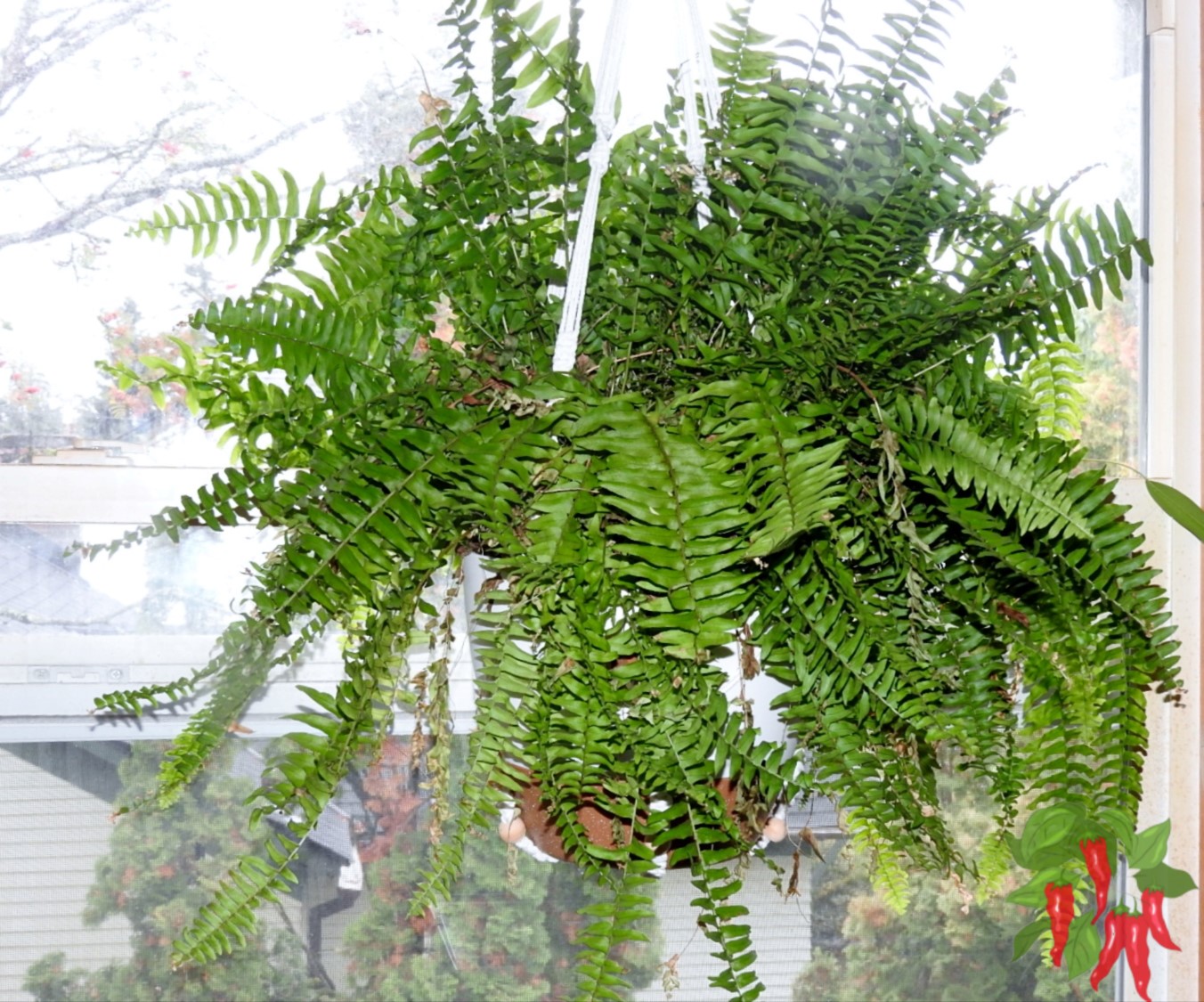
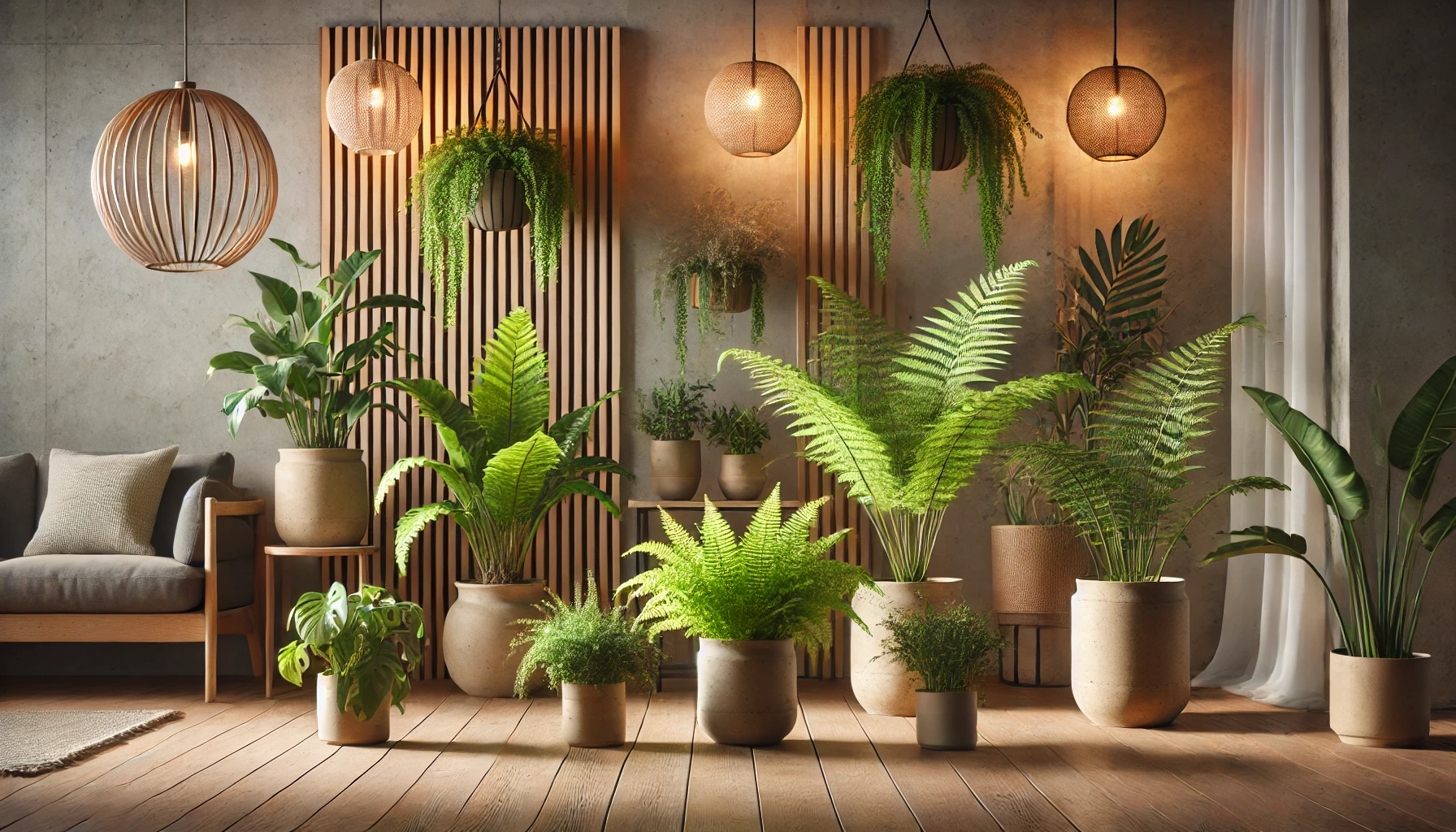
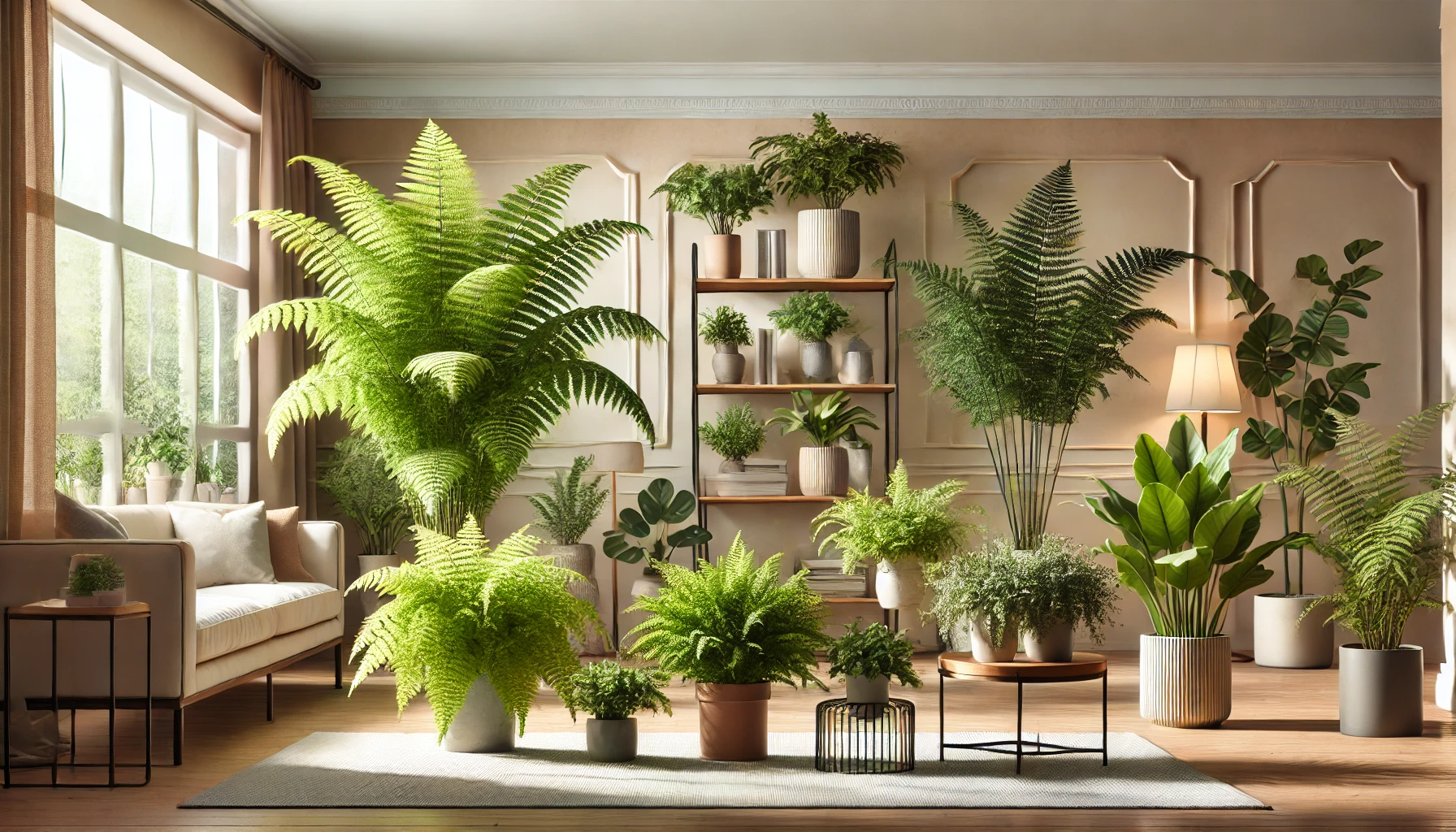
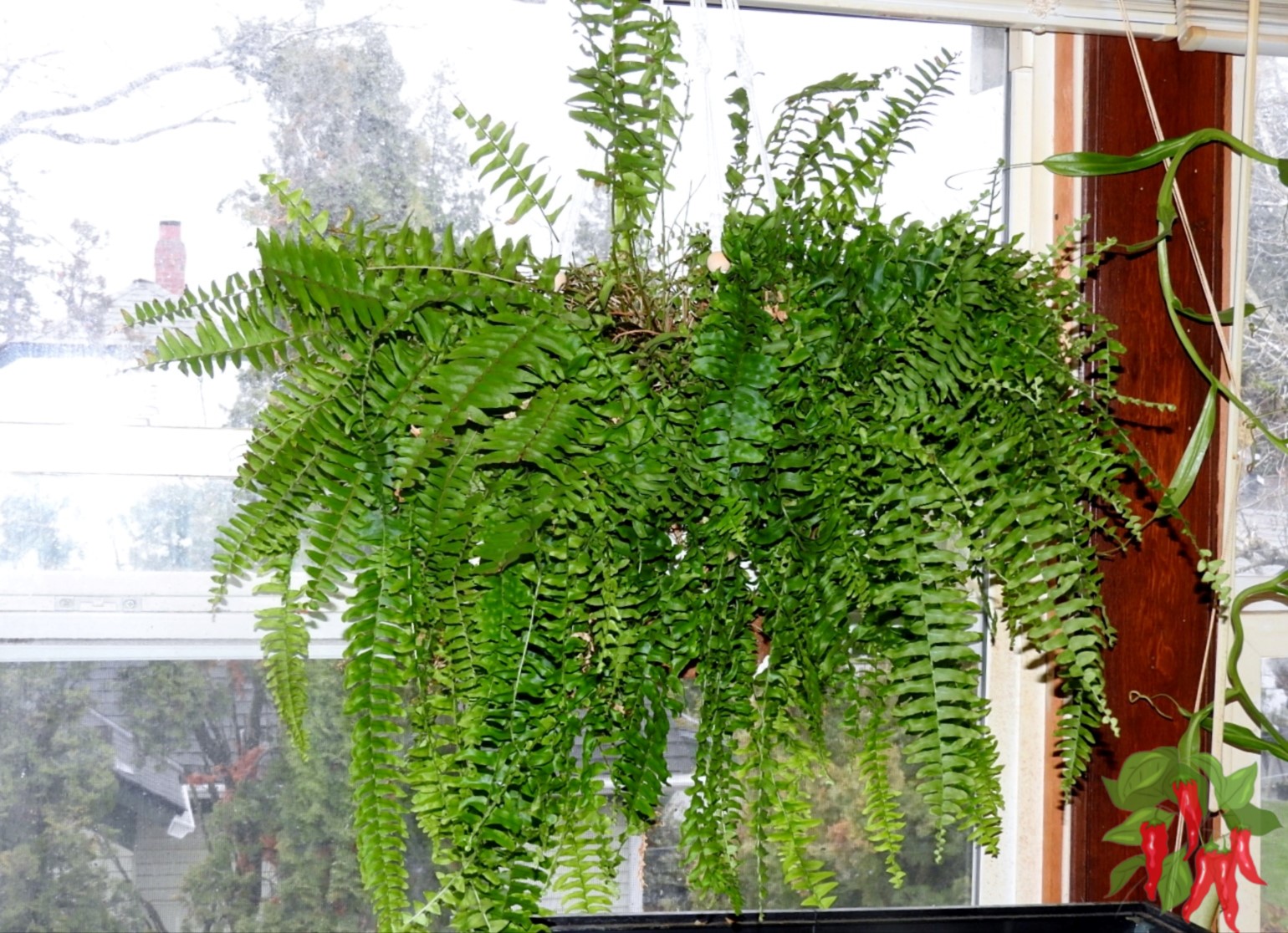
Boston Fern (Nephrolepis exaltata)

With its lush, fluffy leaves, the Boston Fern brings a soft, calming look to any room.
This fern does best in indirect light and slightly humid conditions, making it a great choice for bathrooms or areas away from direct sunlight.
Boston Ferns are non-toxic to pets and are safe even if a curious cat or dog decides to explore the plant a bit.
Areca Palm (Dypsis lutescens)

The Areca Palm has a tropical look with feathery fronds that fit perfectly into a small space.
This pet-safe palm doesn’t grow too large indoors and prefers indirect light, so it’s easy to find a cozy spot for it in your home.
With its pet-friendly nature, you can enjoy a touch of the tropics without worrying about pet safety.
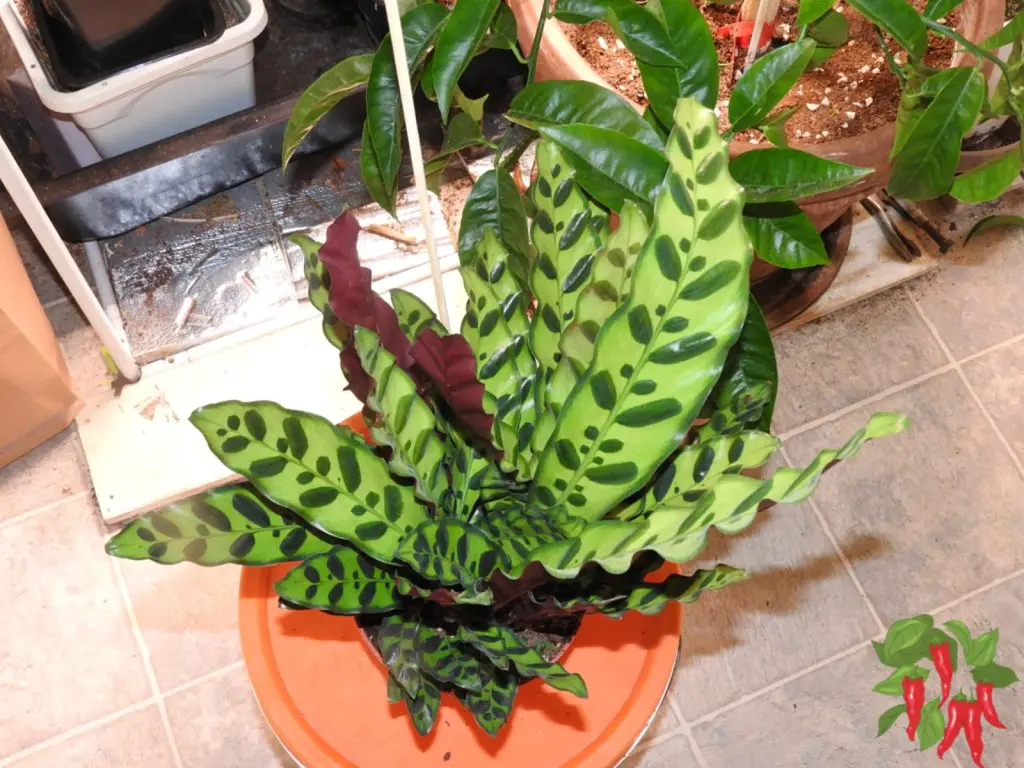
Calathea

Known for its striking, patterned leaves, Calathea adds a beautiful splash of green to small spaces.
It’s also safe for pets, so you don’t have to worry if they get curious about the foliage.
Calatheas prefer higher humidity and indirect light, so they’re perfect for a bathroom or a spot near a humidifier to keep their leaves looking lush.
Polka Dot Plant (Hypoestes phyllostachya)

If you’re looking for a pop of color, the Polka Dot Plant is a cheerful option. Its pink, white, or red-spotted leaves are pet-safe and add personality to your space.
The Polka Dot Plant is compact, perfect for smaller rooms or tabletops, and thrives in bright, indirect light.
Baby Rubber Plant (Peperomia obtusifolia)
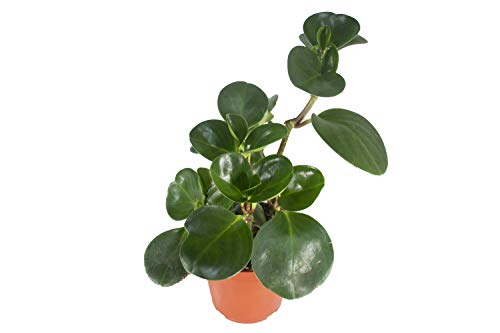
The Baby Rubber Plant has thick, glossy leaves and is one of the easiest plants to care for.
Its non-toxic leaves make it a great choice for pet owners, and it doesn’t take up much space.
This plant tolerates low to moderate light, so you can place it just about anywhere, and it’ll be happy with minimal watering.
Parlor Palm (Chamaedorea elegans)

The Parlor Palm is another gentle, pet-safe choice with feathery fronds that give a soft, elegant look to small spaces.
It does well in indirect light, making it ideal for corners or rooms with limited sunlight.
This palm is slow-growing, so it won’t outgrow its space quickly, letting you enjoy its beauty without worry.
Space-Saving Display Tips for Pet-Safe Plants
In a small space with pets, getting creative with plant displays can be both practical and stylish.
By using vertical space and unique setups, you can enjoy greenery without cluttering your floor or putting plants in easy reach of curious paws.
Here are some pet-friendly display ideas to maximize space and keep plants safe:
Hanging Planters
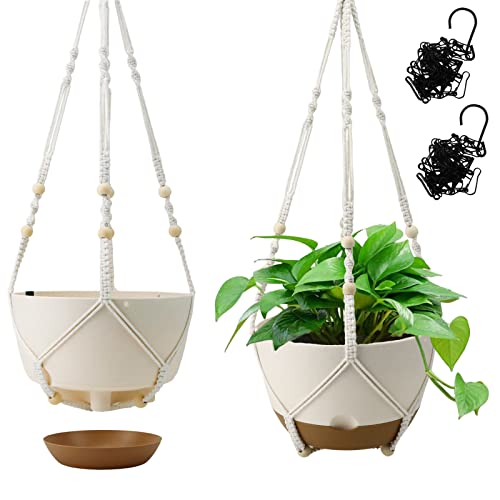
Hanging planters are a great way to keep plants safely out of a pet’s reach while making the most of vertical space.
• Perfect for trailing plants like Spider Plants or Pothos.
• Adds greenery without taking up any floor or shelf space.
• Ideal for placing in well-lit corners or near windows.
Shelves and Wall-Mounted Planters

Adding shelves or wall-mounted planters can make your walls a mini plant oasis, keeping your plants high up and safe from pets.
• Allows plants to be displayed at various heights for a layered look.
• Frees up floor space and can double as wall decor.
• Great for placing a mix of plants, from small ferns to Baby Rubber Plants.
Multi-Level Plant Stands and Window Ledges

Multi-level plant stands and window ledges offer a layered setup that’s both space-efficient and easy on the eyes.
• Allows you to group plants with different light needs.
• Keeps plants off the ground and out of easy reach.
• A sunny windowsill can make an ideal home for compact plants like Polka Dot Plants or Calatheas.
Terrariums

Terrariums are enclosed glass containers perfect for small plants, especially those that like humid conditions, such as ferns.
• Keeps plants protected and contained, reducing the risk of pet interference.
• Adds a unique, decorative touch to small spaces.
• Ideal for bathrooms or humid areas, where plants like ferns can thrive.
Tips for Keeping Pets Away from Plants
Even with pet-safe plants, curious pets may still try to nibble, dig, or play with them.
To help your plants and pets peacefully coexist, here are some simple tricks for keeping plants out of reach and encouraging pets to stay away from them.
Safe Deterrents
Natural deterrents can discourage pets from bothering plants without harming them.
• Place citrus peels around plant bases—pets often dislike the smell of citrus.
• Try a pet-safe repellent spray, available at most pet stores, to lightly mist plant areas.
• Consider using a gentle deterrent like aluminum foil or pine cones around the base to make it less inviting.
Placement Strategies
Thoughtful placement can help keep plants safe from curious paws and noses.
• Position plants on high shelves, hanging planters, or wall-mounted displays to keep them out of reach.
• Use multi-level plant stands to create a pet-free zone on upper levels.
• Keep plants in rooms or areas pets don’t frequent if possible, like home offices or bathrooms.
Pet-Safe Chew Alternatives
Giving pets something safe and interesting to chew can keep them from exploring your plants.
• Offer pet-friendly grasses, like “cat grass,” which cats especially enjoy nibbling on.
• Provide safe chew toys to satisfy any chewing urges in dogs and keep them distracted.
• Rotate chew toys and grass so pets stay interested and don’t wander over to your plants.
Caring for Pet-Safe Plants in Small Spaces
Keeping indoor plants happy and healthy in a small apartment with pets is easy with a few simple care routines.
These tips cover watering, lighting, humidity, and pest control to help your plants thrive without adding stress to your day.
Watering Tips
Balancing water needs indoors can be tricky, especially in dry environments.
• Let the top inch of soil dry before watering, especially for plants like Baby Rubber Plants or Spider Plants.
• Use a moisture meter if you’re unsure, which helps prevent overwatering.
• Self-watering pots or trays can also be a great solution for keeping soil evenly moist without the guesswork.
Light Requirements
Matching each plant to the right amount of light keeps them healthy and looking their best.
• Place sun-loving plants like Areca Palms near windows with indirect light.
• Keep low-light tolerant plants like Calatheas in rooms with less natural light.
• Rotate plants every couple of weeks to help them grow evenly.
Humidity Control
Many pet-safe tropical plants need a bit more humidity than standard indoor air provides.
• Use a small humidifier near your plants, especially in the winter when indoor air is dry.
• Group plants together to create a humid microenvironment.
• Place a shallow tray of water with pebbles underneath pots to increase humidity around plants without making the soil soggy.
Pest Prevention
Keeping pests away is key to a healthy indoor garden, especially when using pet-safe methods.
• Wipe leaves with a damp cloth to remove dust and discourage pests.
• Use diluted neem oil or insecticidal soap, which are gentle options for pest control.
• Check plants regularly for any signs of pests and remove affected leaves as soon as you spot an issue.
Pet-Safe Indoor Plants for Small Spaces FAQs
Choosing houseplants for a home with cats or dogs brings up a few extra questions. Here are some practical answers to help you enjoy indoor greenery while keeping your pets in mind.
What are the best pet-safe indoor plants for small spaces?
Spider plants, Boston ferns, calatheas, polka dot plants, baby rubber plants, and parlor palms are excellent choices for small spaces. These plants are considered non-toxic to cats and dogs and offer different leaf shapes, colors, and growing habits. Young areca palms are another option if you have enough room for a plant that will eventually grow larger.
Can cats and dogs eat pet-safe houseplants?
Pet-safe houseplants are considered non-toxic, but they are not meant to be eaten. Chewing or swallowing plant material can still cause vomiting or mild digestive upset, especially if a pet eats a large amount. It’s best to discourage chewing, even when the plant is listed as non-toxic.
What are the best pet-safe indoor plants for low light?
Parlor palms and spider plants are good choices for rooms with limited natural light. Parlor palms tolerate lower light levels, while spider plants can adapt to moderately shaded conditions. Both will grow better when they receive enough indirect light. Remember that low light is different from a room with no natural light at all.
How can I keep my cat or dog away from houseplants?
Start by placing plants in secure locations where your pets cannot easily reach them. Hanging baskets, sturdy wall-mounted shelves, and enclosed plant displays can help. However, cats are excellent climbers, so an elevated shelf is not always out of reach. You can also provide suitable chew toys and pet-friendly cat grass to redirect your pet’s attention.
Are baby rubber plants safe for cats and dogs?
Yes. The baby rubber plant (Peperomia obtusifolia) is considered non-toxic to cats and dogs. However, it should not be confused with the common rubber plant (Ficus elastica), which is toxic to pets. Checking botanical names is a good habit when buying plants for a pet-friendly home.
Can I grow edible indoor plants that are safe for pets?
Yes. Basil and culinary parsley are examples of herbs generally considered non-toxic to cats and dogs. They can be grown in small containers near a bright window or under a grow light. Even with pet-friendly herbs, it’s best to prevent excessive chewing and keep fertilizers and other growing products away from curious pets.
How do I decorate a small apartment with pet-safe plants?
Use a combination of hanging baskets, narrow plant stands, windowsills, and wall-mounted shelves. A spider plant can add greenery above a table, a baby rubber plant fits neatly on a shelf, and a parlor palm can soften an empty corner. Mixing different plant heights and foliage textures helps a small room feel greener without making it look crowded.
Final Thoughts: Creating a Pet-Friendly Home With Houseplants
Choosing the best pet-safe indoor plants for small spaces makes it easier to enjoy beautiful greenery while creating a home that’s welcoming to your cats and dogs.
You don’t need a large house or a dedicated plant room to enjoy indoor gardening. A spider plant hanging near a window, a baby rubber plant on a shelf, or a compact parlor palm in a corner can bring natural color and texture into even the smallest apartment.
One of the things I enjoy about houseplants is how easily you can use them to change the feeling of a room. A few well-placed plants can make an ordinary shelf more interesting, soften the look of furniture, or turn an empty corner into an attractive little green space.
When pets are part of your household, choosing non-toxic plants is an important first step. Thoughtful placement, secure containers, and keeping an eye on curious pets will help protect both your plants and your furry companions.
A Few Pet-Friendly Plant Tips to Remember
- Choose non-toxic varieties: Spider plants, Boston ferns, calatheas, baby rubber plants, and parlor palms are excellent options for homes with cats and dogs.
- Make the most of small spaces: Use hanging baskets, shelves, plant stands, and compact containers to add greenery without overcrowding your rooms.
- Match plants to available light: Even pet-friendly houseplants need suitable growing conditions to stay healthy and attractive.
- Discourage chewing: Non-toxic plants can still cause digestive upset when eaten, so keep an eye on pets that like to nibble leaves.
- Keep plant care simple: Check soil moisture before watering, provide suitable humidity when needed, and inspect plants regularly for pests.
Start with a few plants that fit your home and your daily routine. As you discover which varieties grow best in your space, you can gradually add more greenery without sacrificing room for your pets or your furniture.
Above all, a pet-friendly indoor garden should be enjoyable for everyone. Choose plants you love, give them the conditions they need, and create a living space where your plants and pets can comfortably coexist.
Happy growing, and don’t forget to stay green! 🌿
🏡 Explore More Small Space Plant Ideas
Discover creative ways to decorate apartments, studios, cozy rooms, and compact homes with indoor plants. Visit our Small Space Plant Decor category for space-saving plant displays, vertical gardening ideas, windowsill plants, and tips for adding greenery without creating clutter.
Key Takeaways:
- Pet-Safe Plant Choices: Select non-toxic plants like Spider Plants, Boston Ferns, and Calatheas to keep your home safe.
- Creative Displays: Use hanging planters, shelves, and terrariums to maximize space and keep plants out of reach.
- Simple Care Tips: Regular watering, light management, and pest checks keep plants thriving in small spaces.
- Discourage Nibbling: Safe deterrents and strategic placement help keep pets away from your plants.
- Edible Options: Herbs like basil and parsley are pet-safe and add fresh flavor to your cooking.
With these tips, you can enjoy the benefits of both plants and pets in a home that’s safe and beautiful. Let me know if there’s anything more I can help with!
🏡 Best Indoor Plants for Small Spaces
Short on space but love greenery? These guides will help you choose the best indoor plants for small spaces, keeping your home fresh, stylish, and full of life!
- 🌿 Best Indoor Plants for Small Spaces (Pillar Guide)
- 🪴 Best Hanging Plants for Small Spaces
- 🌵 Real Mini Succulents for Small Spaces
- 🐾 Pet-Safe Indoor Plants for Small Spaces
- 💧 Low Maintenance Indoor Plants
- 🌸 Small Flowering Indoor Plants
- 📏 Space-Saving Indoor Plants
- See all articles in our Best Indoor Plants for Small Spaces category
References
- ASPCA – Toxic and Non-Toxic Plants — A searchable reference for checking whether individual houseplants are considered toxic or non-toxic to cats and dogs.
- Iowa State University Extension – How to Care for Houseplants — Practical information about indoor lighting, watering, temperature, humidity, and keeping houseplants healthy.
- University of Minnesota Extension – Growing Indoor Plants with Success — Guidance on choosing suitable indoor growing conditions and caring for plants in containers.
- Washington State University Extension – Houseplants — Information about selecting, growing, and maintaining houseplants in home environments.
Related Content

Visit my Amazon Influencer Page for videos and gardening products Grow Your Own Garden