
This post contains affiliate links. If you buy something from one of our links we may earn a commission. Thanks
If you’ve been wanting to add greenery to your home but worry about curious paws or playful whiskers, you’re in the right place.
Pet-safe plants give you all the beauty of indoor gardening without the stress, and the best part is you don’t need any experience to get started.
These easy picks fit right into real-life homes, even the busy, chaotic, fur-filled ones. 🌿🐾
What You’ll Learn 🌿🐾
• Simple watering, light, and soil tips to keep plants healthy
• Gentle ways to keep curious pets out of your greenery
• How to choose long-lasting pet-safe plants you’ll enjoy for years
• Common beginner mistakes and how to avoid them
Pet-Safe Plants for Beginners 🌿🐾
1. Safe, Simple Plants for Pet-Loving Homes 🐾🌿
If you’ve ever spotted your cat batting at a leaf or caught your dog sniffing around a planter, you’re not alone.
Setting up a pet-safe indoor garden can feel confusing at first, but it doesn’t have to be.
There are tons of beautiful, non-toxic plants that beginners can grow without stress — and your pets can roam freely without risk.
In this guide, you’ll discover pet-safe plants for beginners that are tough, forgiving, and perfect for anyone just stepping into indoor gardening.
We’ll walk through easy favorites, simple care tips, and friendly ways to keep both your plants and pets happy.
2. What Makes a Plant “Pet-Safe”? 🤔
A plant is considered “pet-safe” when it’s generally non-toxic to cats and dogs. That means:
- 🌱 It’s not known to cause poisoning if nibbled
- 🌱 No irritating sap that burns or stings skin
- 🌱 No harmful crystals or oils in the leaves
- 🌱 No dangerous compounds like those found in pothos, philodendrons, or peace lilies
Even safe plants aren’t meant to be snacks, but at least they won’t send you into a panic if your cat gets curious. Pet-safe plants are perfect for new plant owners who want peace of mind and a greener home.
🌿 Important for Pet Owners
Before bringing any new plant home, double-check its safety using the ASPCA’s official
toxic and non-toxic plant database. It’s one of the most trusted resources for pet parents.
3. Best Pet-Safe Plants for Absolute Beginners
If you’re looking for simple, non-toxic plants that fit right into a busy, pet-filled home, you’re off to a great start.
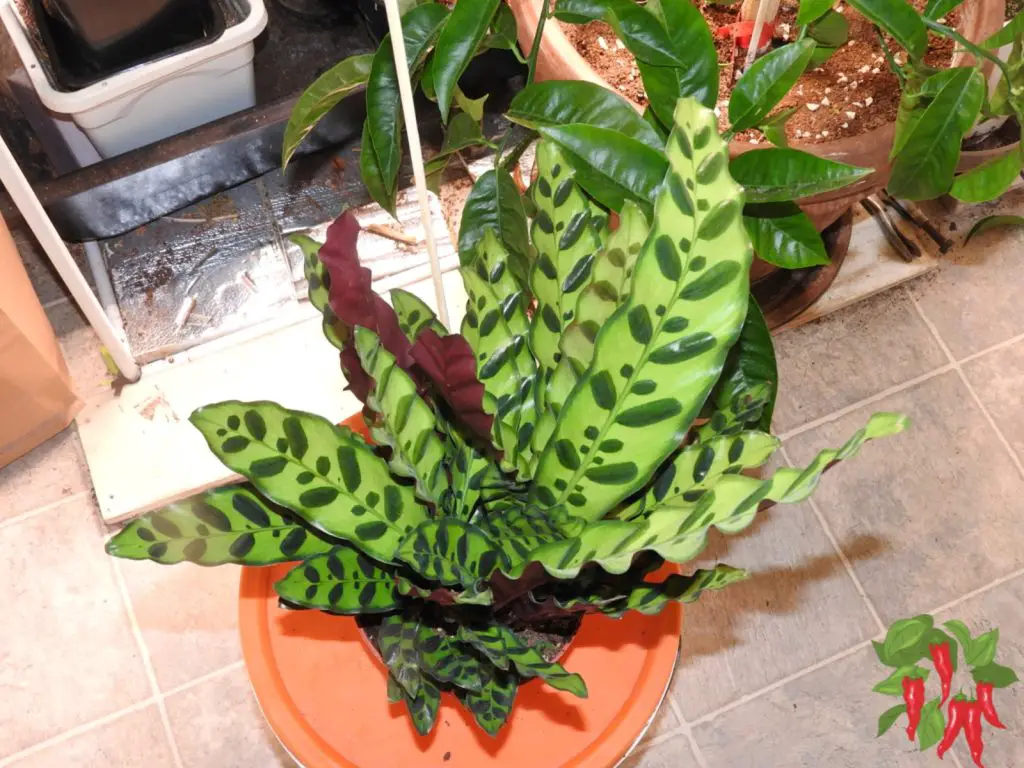
Some of the easiest options for beginners include classics like the Baby Rubber Plant, Spider Plant, Ponytail Palm, Boston Fern, Fittonia, and vibrant Calathea types.
You can even grow a few pet-safe herbs like basil and thyme for extra greenery. These forgiving plants let you build a safe indoor garden without worrying about curious paws or the occasional nibble. 🌿🐾
Let’s dig into the easiest, hard-to-kill, and totally pet-safe plants that beginners love.
3.1 Baby Rubber Plant (Peperomia obtusifolia) 🌿
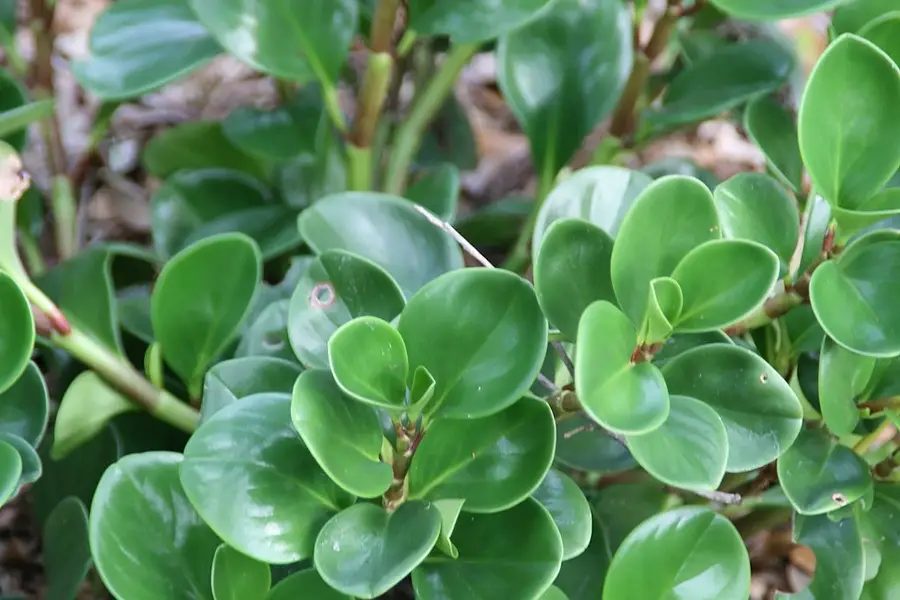
This little charmer is compact, non-toxic, and super beginner-friendly.
Why beginners love it:
- Thrives in medium light
- Handles missed waterings
- Thick, glossy leaves that look great anywhere
Beginner tips:
- Water when the top inch of soil feels dry
- Keep it out of harsh direct sun
- Perfect for desks, nightstands, or small shelves
Baby Rubber Plant: Beginner-Friendly and Safe – Heavenly Houseplants
3.2 Spider Plant ⭐ 🕷️🕸️
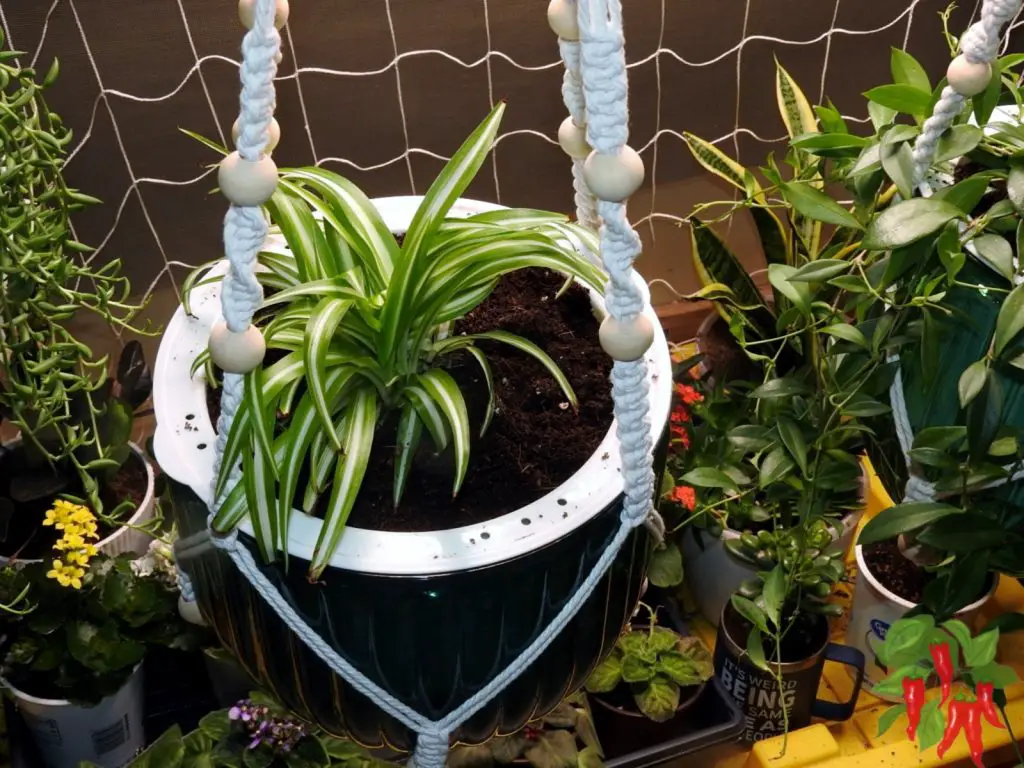
A classic for a reason — it’s one of the easiest pet-safe plants to grow indoors.
Why it works:
- Tough as nails and very forgiving
- Bounces back from neglect
- Cats sometimes play with the leaves, but it’s non-toxic
Beginner tips:
- Loves bright, indirect light
- Water when the top inch feels dry; don’t keep it soggy
- Snip brown tips if the humidity is low or the water is hard
3.3 Ponytail Palm 🌴
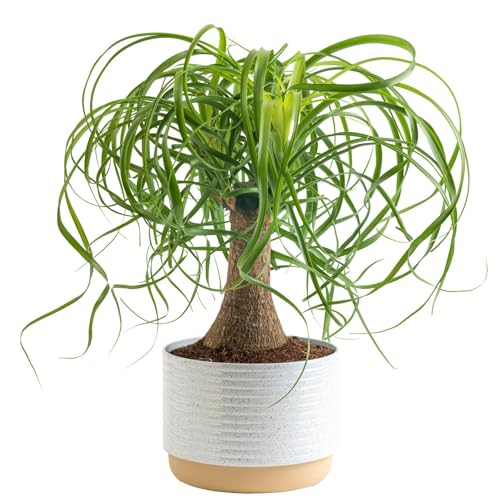
This “plant” is actually a succulent in disguise — and it barely needs attention.
Why it’s great for new plant parents:
- Stores water in its bulb-like base
- Perfect for inconsistent waterers
- Totally non-toxic to pets
Beginner tips:
- Give it bright light for best growth
- Water every 2–3 weeks, allowing soil to dry between waterings
- Great decorative plant for living rooms or sunny corners
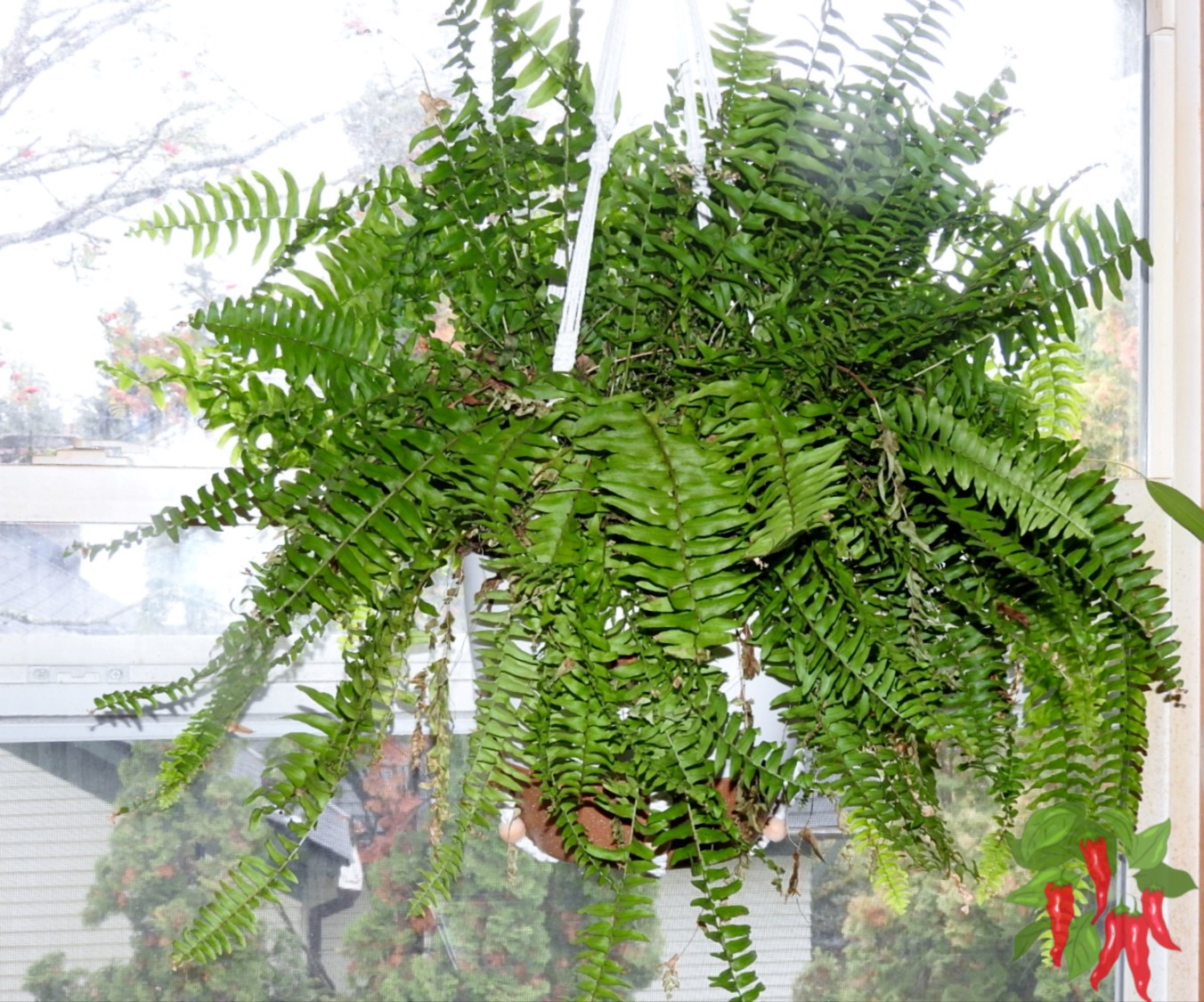
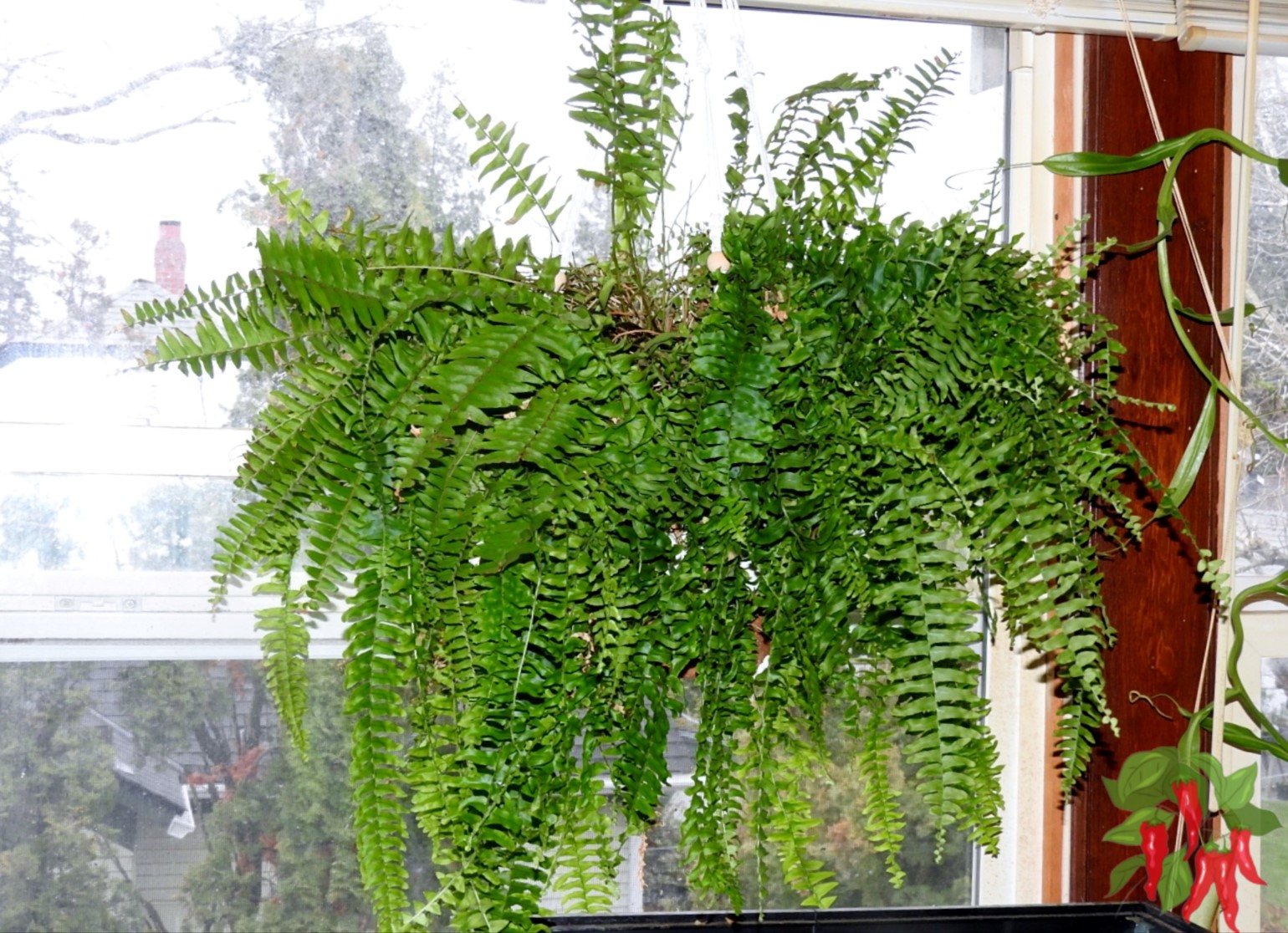
3.4 Boston Fern 🌿✨

If you want lush, classic greenery, Boston ferns deliver — and they’re fully pet-safe.
Why beginners choose it:
- Soft, delicate fronds that add texture
- Great for bathrooms or kitchens
- Thrives with steady moisture and humidity
Beginner tips:
- Keep soil lightly moist but not soggy
- Mist occasionally if your home is very dry
- Avoid direct sun that can scorch fronds
3.5 Fittonia (Nerve Plant) 🎨
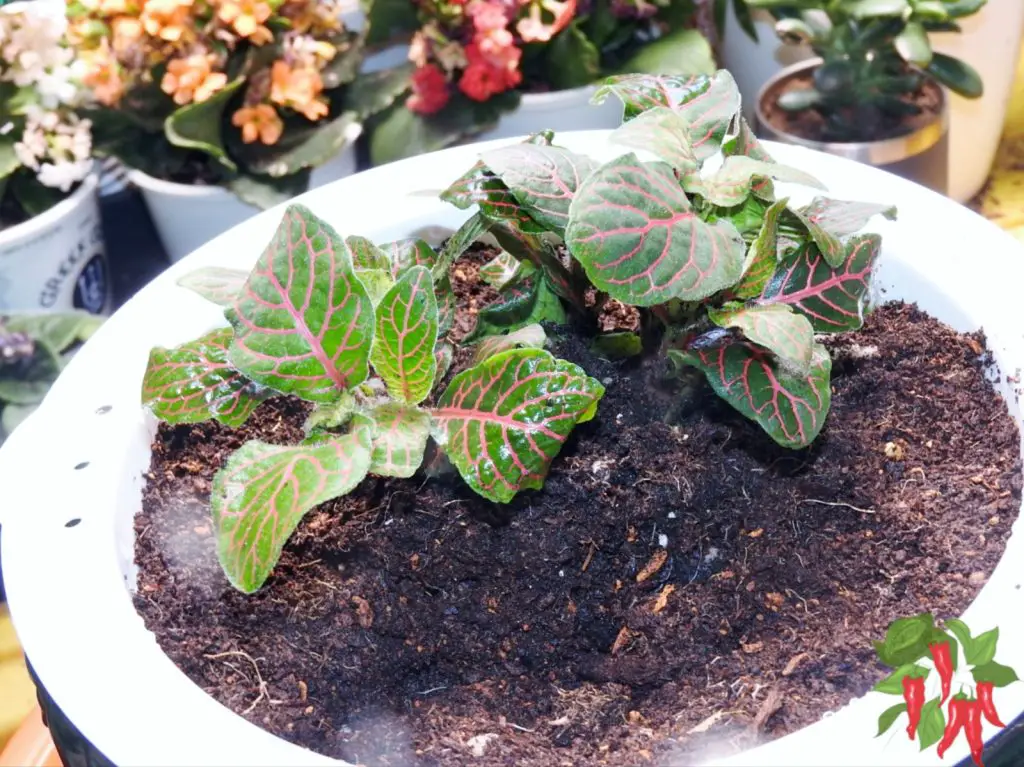
Small, colorful, and dramatic (in a cute way), Fittonia is a perfect starter plant.
Why beginners love it:
- Totally safe for pets
- Bold leaf patterns and bright veins
- “Wilts dramatically” when thirsty, then perks back up after watering
Beginner tips:
- Keep soil evenly damp, but not waterlogged
- Loves medium, indirect light
- Great for terrariums and small tabletop displays
3.6 Calathea 🪴💃
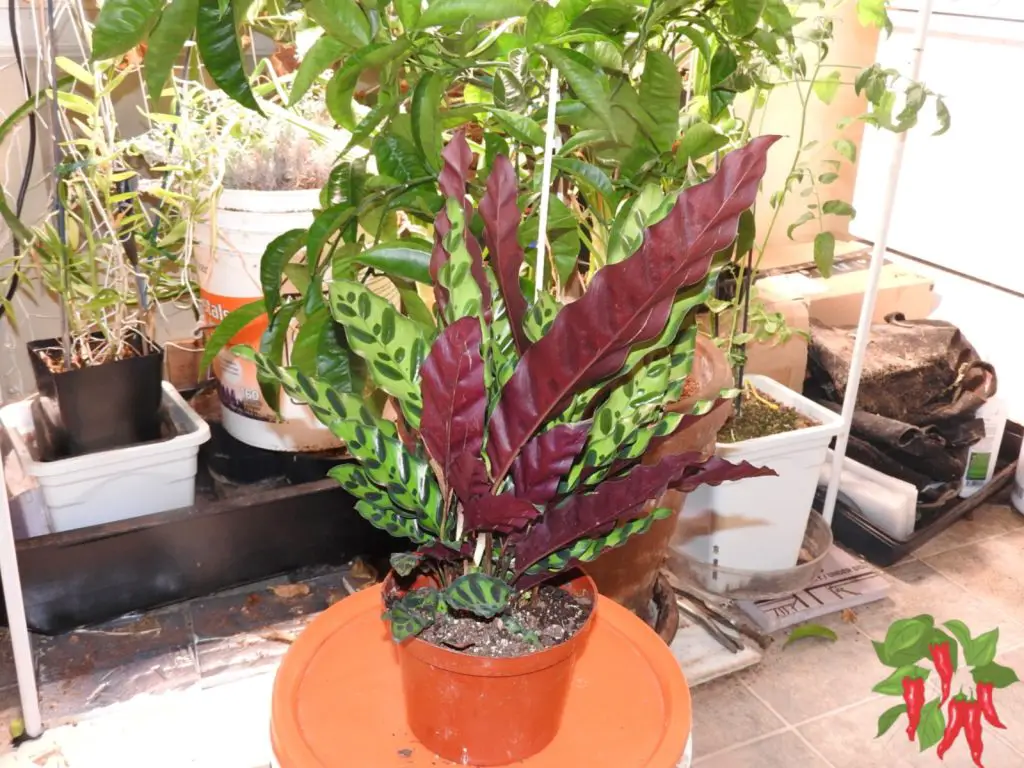
If you want vibrant, patterned leaves without worrying about toxicity, Calathea is a must.
Why it’s beginner-friendly:
- Safe for all pets
- Comes in many beautiful patterns and colors
- Appreciates regular watering and humidity
Beginner tips:
- Keep soil moist, not soggy
- Provide medium, indirect light
- Higher humidity helps prevent crispy edges
3.7 Pet-Safe Herbs for Beginners 🌿🍃
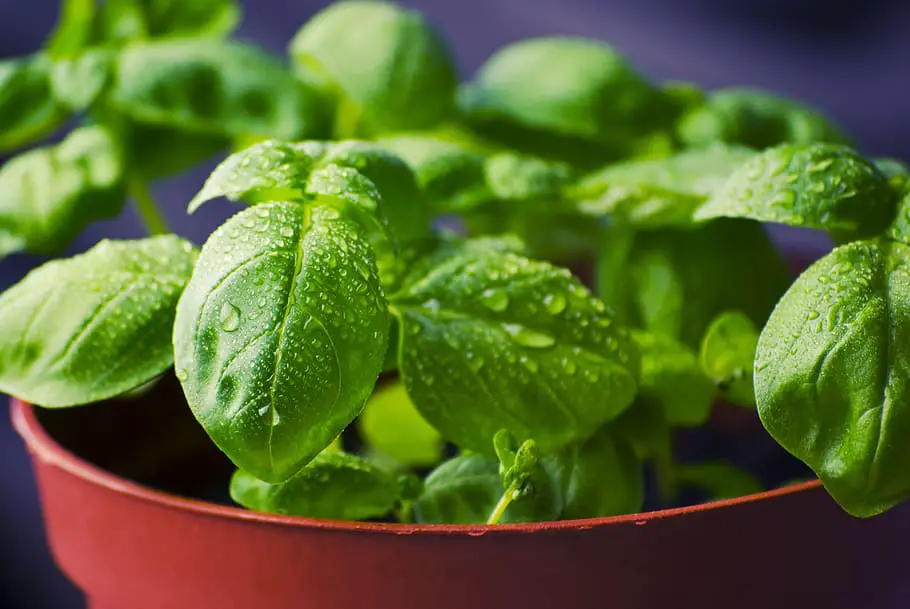
If you want something useful, fragrant, and totally safe for pets, herbs are an awesome addition to your beginner-friendly plant lineup. Most grow quickly, don’t take much space, and bounce back fast if you miss a watering or two.
Great starter herbs that are pet-safe:
- Basil — easy, fast-growing, and perfect for sunny windows
- Thyme — compact, low-maintenance, and great for kitchen counters
- Parsley — soft leaves and steady growth with regular light
- Rosemary — loves bright light and dries out between waterings
- Dill — airy foliage and perfect for bright, indirect indoor spaces
Beginner tips:
- Give herbs 4–6 hours of bright light daily (a grow light helps!)
- Use a potting mix with good drainage
- Trim lightly but regularly to keep them full and leafy
- Let the top inch of soil dry before watering again
Herbs are one of the easiest ways to grow confidence while keeping your home safe for curious pets — and you get fresh flavor for your cooking, too. 🌿🐾
3.8 Parlor Palm (Chamaedorea elegans) 🌿
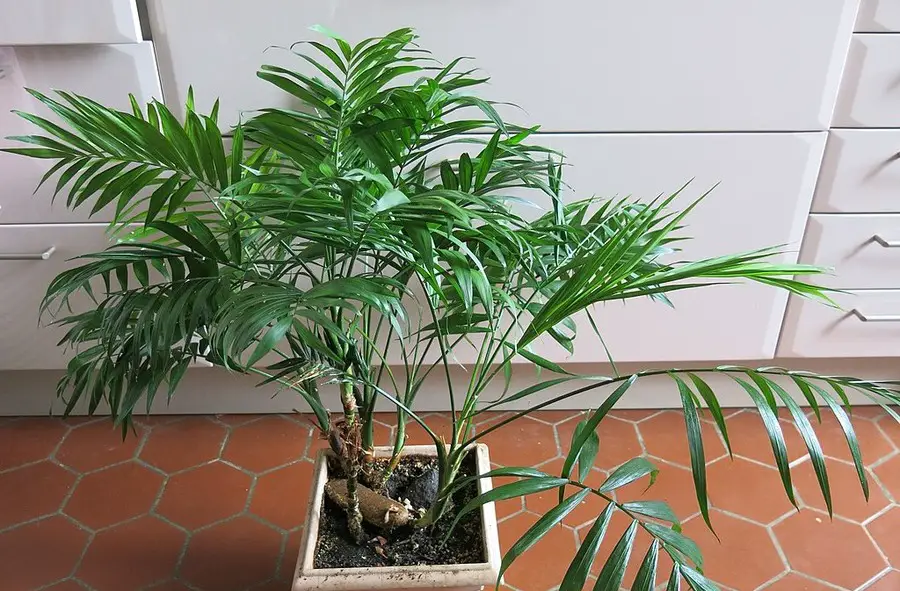
The parlor palm is one of the most popular pet-safe houseplants of all time — and for good reason. It’s soft, feathery, slow-growing, and handles a wide range of indoor conditions without making a fuss.
Why beginners love it:
- Thrives in low to medium light
- Non-toxic and completely safe for curious pets
- Low-maintenance and slow-growing
Beginner tips:
- Let the top inch of soil dry before watering
- Dust fronds occasionally to keep them healthy
- Keep out of direct sun to avoid leaf burn
3.9 Pilea peperomioides (Chinese Money Plant) 🪙🌿
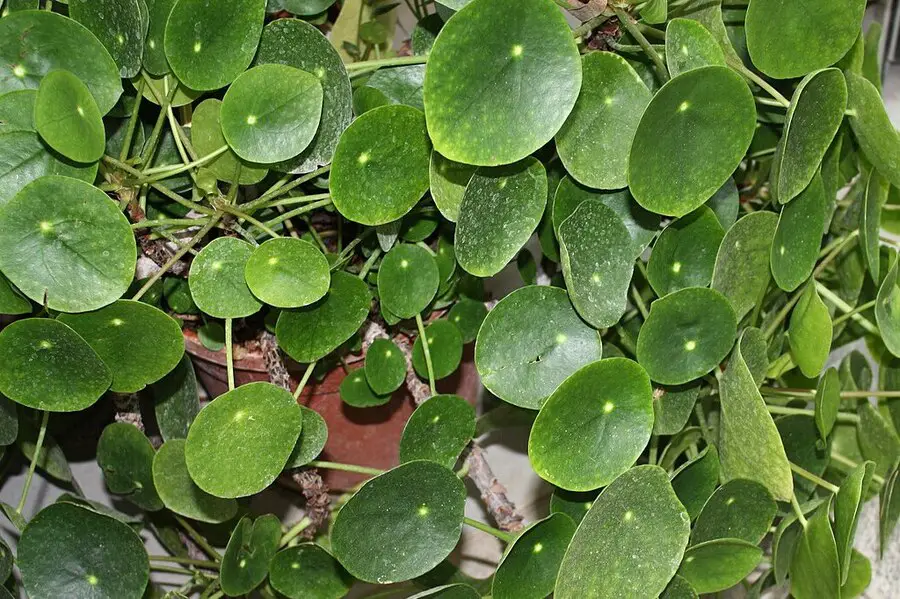
This trendy, pet-safe plant grows adorable round leaves that look like tiny green coins. It’s beginner-friendly, cute, and makes lots of baby offshoots you can propagate.
Why beginners love it:
- Fun and easy to grow
- Safe for both cats and dogs
- Produces pups you can repot or share with friends
Beginner tips:
- Prefers bright-indirect light
- Water when the top inch feels dry
- Rotate weekly to keep its shape even
3.10 Haworthia (Aloe Look-Alike, But Safe!) 🌵
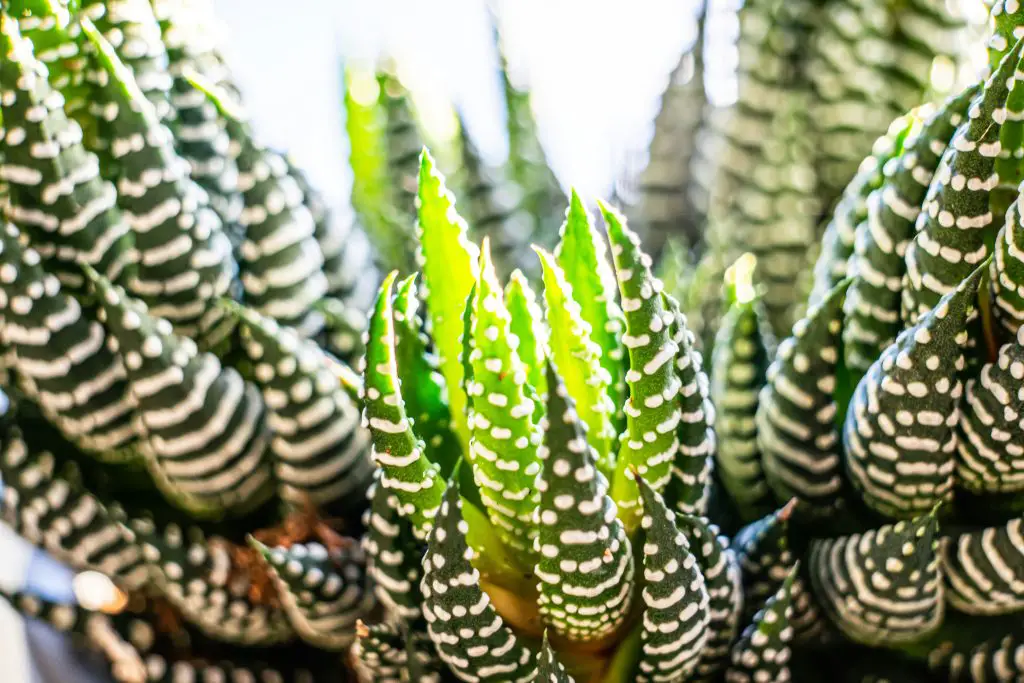
If your heart wants an aloe plant but your pets won’t allow it, haworthia is the perfect alternative. It looks similar, stays compact, and is fully pet-safe.
Why beginners love it:
- Super low-water succulent
- Compact and great for desks or windowsills
- Completely non-toxic to pets
Beginner tips:
- Bright light is best, but avoid harsh direct sun
- Let soil dry fully before watering
- Use a cactus or well-draining potting mix
More Pet-Safe Plants Beginners Love 🌿🐾
If you want even more variety, here are extra safe, beginner-friendly plants that also make great options for indoor homes with pets:
- Cast Iron Plant (Aspidistra): almost impossible to kill, handles low light
- Areca Palm: bright-indirect beauty that grows into a full, lush plant
- Friendship Plant (Pilea involucrata): soft, textured leaves and easy growth
- African Violet: compact, pet-safe blooms for bright rooms
- Bamboo Palm: classic indoor palm that stays elegant and pet-safe
- Polka Dot Plant (Hypoestes): colorful foliage that’s perfect for terrariums
- Orchid (Phalaenopsis): surprisingly pet-safe and great for bright spots
All of these options are safe around curious cats and dogs, giving you plenty of room to expand your indoor garden as your confidence grows. 🌿✨
4. Light Requirements for Pet-Safe Beginners ☀️➡️🌿
Lighting doesn’t need to be complicated. Here’s a quick-start guide:
- 🌤️ Bright-indirect light: Spider plant, ponytail palm, many calatheas
- 🌥️ Medium light: Baby rubber plant, fittonia
- 🌦️ Low light: Some peperomia and tougher calathea varieties
Easy shadow test: Stand where you want to place your plant around midday and hold your hand above a piece of paper. If you see a soft, fuzzy shadow, most pet-safe plants will be happy there.
5. Watering Basics That Keep Plants Thriving 💧
Beginner plant parents often water too much — but most of these plants prefer a lighter touch.
Simple watering guidelines:
- Baby rubber plant: let the top inch dry between waterings
- Spider plant: keep lightly moist, not soggy
- Ponytail palm: let soil dry almost completely, then water deeply
- Boston fern: likes consistent moisture
- Calathea and fittonia: prefer evenly moist soil
Use your finger as a simple moisture meter. If the soil feels cool and damp, wait. If it feels dry at your first knuckle, it’s time to water.
6. Soil Selection for Pet-Safe Plants 🌱
Good soil makes plant care way easier and helps prevent root rot.
Easy beginner soil formula:
- 2 parts all-purpose potting mix or coco coir
- 1 part perlite for drainage
- Optional: Add a handful of worm castings or compost for coconut coir
Special tweaks:
- Ponytail palm → add extra perlite or sand for fast drainage
- Boston fern → add more coco coir or peat to hold moisture
7. Best Placement for a Pet-Safe Home Setup 🏡
Placement affects both plant happiness and pet curiosity.
Beginner-friendly placement ideas:
- High bookshelves away from jumping surfaces
- Window ledges that catch bright indirect light
- Plant stands in lightly used corners
- Console tables where pets don’t hang out often
Keep ferns away from AC vents and heaters, and avoid blazing direct sun on ponytail palms or calatheas unless they’re slowly acclimated.
8. Keeping Curious Pets Away (Gently!) 🐱🚫🌿
Just because plants are safe doesn’t mean they need to be chewed on daily.
Pet-friendly deterrent ideas:
- Use elevation — shelves, stands, or hanging pots
- Place temporary aluminum foil under pots where pets dig
- Add a decorative pebble layer on top of the soil
- Offer cat grass as a “yes” plant for cats that love chewing
Avoid harsh sprays or home remedies that aren’t pet-safe. When in doubt, always double-check labels and safety notes.
9. Common Beginner Mistakes to Avoid 🛑
Here are the biggest things that trip up new plant parents:
- Watering on a strict schedule instead of checking the soil
- Using heavy garden soil instead of potting mix
- Placing plants in dark corners far from windows
- Putting ferns and calatheas in very dry rooms with no humidity help
- Skipping pest checks on new plants
If something seems “off,” don’t panic. Plants are great teachers — they tell you what they need with their leaves, and you adjust from there.
10. Easy Fertilizing Tips for Pet-Safe Plants 🌼
Most pet-safe plants only need feeding during spring and summer when they’re actively growing.
Beginner-friendly fertilizer options:
- Diluted liquid houseplant fertilizer once a month
- Slow-release pellets mixed into the top of the soil
- Light compost tea used sparingly
When in doubt, fertilize less rather than more. Too much fertilizer can burn roots and cause more problems than it solves.
11. Avoiding Pests Without Harsh Chemicals 🐛
Plants get pests when they’re stressed, but you can prevent most issues with a few simple habits.
Pet-safe remedies:
- Mild soapy water spray for soft-bodied pests like aphids
- Sticky traps to catch fungus gnats
- Neem oil use as directed on labels
Prevention tips:
- Quarantine new plants for a week or two before placing them with others
- Wipe dust off leaves monthly with a damp cloth
- Avoid overwatering, which invites fungus gnats and root issues
12. Troubleshooting Beginner Problems 🔧🌿
Here’s a quick guide to common symptoms and what they might mean:
- Yellow leaves: often too much water or poor drainage
- Crispy brown tips: low humidity or irregular watering
- Drooping leaves: very dry soil or a plant adjusting to a new spot
- Slow growth: not enough light or nutrients
- Curling leaves: dryness, drafts, or sudden temperature swings
Make one change at a time — adjust light, water, or placement — and give your plant a week or two to respond.
13. Indoor Temperature & Humidity Tips 🌡️
Most pet-safe starter plants love the same temperatures you do — generally between 65–75°F.
Avoid placing plants:
- Right next to heaters or fireplaces
- Directly under AC vents
- In drafty entryways
Ferns and calatheas appreciate a little extra humidity. You can help by grouping plants together, using a pebble tray with water under the pot (without the pot sitting in the water), or running a small humidifier nearby.
14. Pet-Safe Herbs Beginners Can Grow 🌿🍃
Herbs are a fun, useful way to grow more greenery indoors while keeping things safe for pets.
Good pet-safe herb options indoors:
- Basil
- Thyme
- Rosemary
- Dill
- Parsley
Most herbs want bright light, a container with drainage holes, and a well-draining potting mix. Harvest lightly at first, then more regularly as the plant fills out.
15. Choosing Plants That Last for Years 🌿⏳
When you’re new, choosing durable varieties sets you up for long-term success.
Some of the strongest, longest-lasting pet-safe plants:
- Baby rubber plant
- Ponytail palm
- Fittonia (with consistent moisture)
- Spider plant
Tips for picking healthy plants in-store:
- Check leaves for spots, holes, or sticky residue
- Look for pests on leaf undersides and soil surface
- Avoid plants sitting in waterlogged soil
16. Pet-Safe Plant FAQs ❓🐾
Are spider plants actually safe for pets?
Yes, spider plants are generally considered non-toxic to cats and dogs. Some pets may still get an upset stomach if they chew a lot of foliage, so it’s smart to discourage chewing and contact your vet if you notice vomiting or other concerning symptoms.
Can cats get upset stomachs from “safe” plants?
Yes, even non-toxic plants can sometimes cause mild stomach upset if a pet eats a large amount. If your cat or dog chews on any plant and then acts unwell, it’s always a good idea to check with your veterinarian for guidance.
What’s the easiest pet-safe plant for total beginners?
Baby rubber plants and spider plants are excellent starter choices. They’re forgiving, adjust to typical indoor conditions, and don’t require complicated care routines.
Do pet-safe plants still clean the air?
Many popular pet-safe plants, like ferns and spider plants, are often used as “air-refreshing” houseplants. While they won’t replace good ventilation, they can still contribute to a fresher, greener indoor environment.
How do I stop my cat from digging in the soil?
Try adding a decorative layer of pebbles on top of the soil, using higher plant stands, or offering cat grass as a more appealing alternative. Redirecting your cat’s attention is usually more effective than punishment.
Can I keep pet-safe plants in low light?
Some pet-safe plants can handle lower-light rooms, especially certain peperomia and calathea varieties. Just keep in mind that growth will be slower, and plants may need occasional rotation to stay full and healthy.
17. Pet-Safe Plants Conclusion 🌿❤️🐾
Starting out with pet-safe plants for beginners is one of the easiest ways to build confidence, brighten your home, and keep your furry friends safe. Whether you pick a ponytail palm for its quirky look or a spider plant for its durability, you’ll discover that plant care is much more relaxing than you might expect.
Take it slow, start with one or two plants, and get to know their rhythm. Your indoor garden will grow right alongside you — and your pets can stay curious, comfortable, and safe the whole way through. 🌿🐾
👉 Pet Friendly Indoor Plants: Beautiful and Safe Choices
References 📚 (.edu sources for pet-safe plants & herbs)
- Clemson Cooperative Extension – Peperomia Houseplants (Baby Rubber Plant)
- University of Wisconsin Extension – Spider Plant (Chlorophytum comosum)
- University of Minnesota Extension – Growing Tropical Ferns Indoors (Includes Boston Fern)
- Clemson Cooperative Extension – Indoor Palms (Parlor Palm & Other Indoor Palms)
- North Carolina State Extension – Haworthia
- Penn State Extension – Palms as Houseplants
- University of Minnesota Extension – Growing Herbs in Home Gardens
- University of Maryland Extension – Care of Herbs and Starting Herbs from Seed
- University of Minnesota Extension – Houseplants (General Care & Plant Directory)
Related Content

Visit my Amazon Influencer Page for videos and gardening products Grow Your Own Garden