

Using Feng Shui in Vertical Gardens combines space-saving gardening techniques with traditional Feng Shui design concepts. Whether installed indoors or outdoors, vertical gardens can add greenery, texture, and visual interest while making efficient use of walls, fences, and compact living spaces.
For homeowners and apartment dwellers alike, vertical gardens provide an attractive way to incorporate more plants without sacrificing valuable floor space. When combined with Feng Shui-inspired design principles, they can also serve as intentional focal points within a room or outdoor area.
This guide explores how vertical gardens are used in Feng Shui-inspired spaces, including plant selection, placement considerations, design ideas, and practical growing tips.
What You’ll Learn
- How vertical gardens can be incorporated into Feng Shui-inspired spaces
- The best plants for indoor and outdoor vertical garden systems
- Space-saving design ideas for walls, balconies, and small rooms
- Plant placement considerations for different areas of the home
- How to maintain a healthy and attractive vertical garden
1. Using Feng Shui in Vertical Gardens to Increase Energy Flow
Feng Shui Meets Vertical Gardens
Vertical gardens are more than just a modern gardening trend. They’re a natural way to invite balance and vitality into your home.
When you incorporate Feng Shui principles into their design, these lush walls of greenery become powerful tools for increasing energy flow, boosting positivity, and nurturing a harmonious atmosphere.
Using Feng Shui to Guide Your Garden Design
Feng Shui principles focus on creating environments that feel balanced and intentional.
By considering plant choices, placement, and the energy of specific spaces, vertical gardens can be customized to support your well-being.
Whether you’re aiming to energize a workspace or bring calm to a living room, these principles can guide your garden to success.
2. The Role of Feng Shui in Energy Flow
Understanding Chi and Its Impact
Chi, or life energy, flows through every space, influencing how it feels and functions.
When Chi moves freely, a room feels lively and balanced. However, blocked or stagnant Chi can create tension or discomfort.
In indoor spaces, vertical gardens can play a pivotal role by breaking up stagnant areas and encouraging smoother energy circulation.
Feng Shui Principles and Vertical Gardens
Feng Shui offers practical guidelines for arranging spaces to optimize Chi. Vertical gardens align beautifully with these principles by bringing nature indoors and introducing vertical movement to stagnant energy. For instance:
- Corner Spaces: Transform energy traps with lush greenery.
- Pathways: Guide Chi gently through hallways with trailing plants.
- Balance: Combine soft, rounded plants with structured greenery to create harmony.
By thoughtfully placing your vertical garden, you can foster an environment that feels uplifting and balanced.
3. Designing Vertical Gardens with Feng Shui in Mind
Creating a vertical garden with Feng Shui principles isn’t just about aesthetics—it’s about cultivating balance and harmony.
The right plants and thoughtful design choices can transform your space into a wellspring of positive energy.
Choosing the Right Plants
In Feng Shui, plants are more than decorative accents; they symbolize life and energy. Here are some popular choices to enhance your vertical garden:
-
- Lucky Bamboo: Represents resilience and strength, making it ideal for workspaces or areas where growth is a focus.

- Lucky Bamboo: Represents resilience and strength, making it ideal for workspaces or areas where growth is a focus.

Learn more about Growing Lucky Bamboo in Feng Shui: Easy Lucky Bamboo Care – Heavenly Houseplants
-
-
- Peace Lilies: Known for their calming energy and air-purifying qualities, they are perfect for spaces needing tranquility.
- Peace Lilies: Known for their calming energy and air-purifying qualities, they are perfect for spaces needing tranquility.
-

Learn How To Care for Peace Lily – Heavenly Houseplants
-
-
- Pothos: These hardy, cascading plants signify vitality and are excellent for maintaining flow in your space.
- Pothos: These hardy, cascading plants signify vitality and are excellent for maintaining flow in your space.
-

Learn How To Care for Golden Pothos: Easy Care Plant for Beginners
Healthy, thriving plants are key to maintaining balanced Chi. Avoid wilted or artificial plants, as they can disrupt energy flow.
Balancing the Five Elements
A balanced vertical garden should include all five Feng Shui elements to promote harmony:
-
-
- Wood: Represented by the plants themselves, bringing vitality and growth.
- Water: Add a small water feature, like a fountain or blue-toned pots, for flow and tranquility.
- Fire: Use red or orange flowers or accessories to energize the space.
- Earth: Incorporate stone planters or natural-colored pots to ground the design.
- Metal: Include metallic accents like frames or silver-toned planters for structure and clarity.
-
Balancing these elements through thoughtful choices can help create a vertical garden that not only looks great but also feels harmonious.
It’s all about finding synergy between beauty and energy flow.
4. Using Feng Shui to Position Vertical Gardens
Placing your vertical garden thoughtfully can amplify its benefits, turning it into an energetic powerhouse for your space.
Feng Shui principles, like the Bagua map, can guide you in positioning your greenery to enhance specific life areas.
Bagua Map for Placement
The Bagua map divides spaces into zones, each associated with aspects of life like wealth, health, or creativity.
Here’s how to align your vertical garden for maximum impact:

-
-
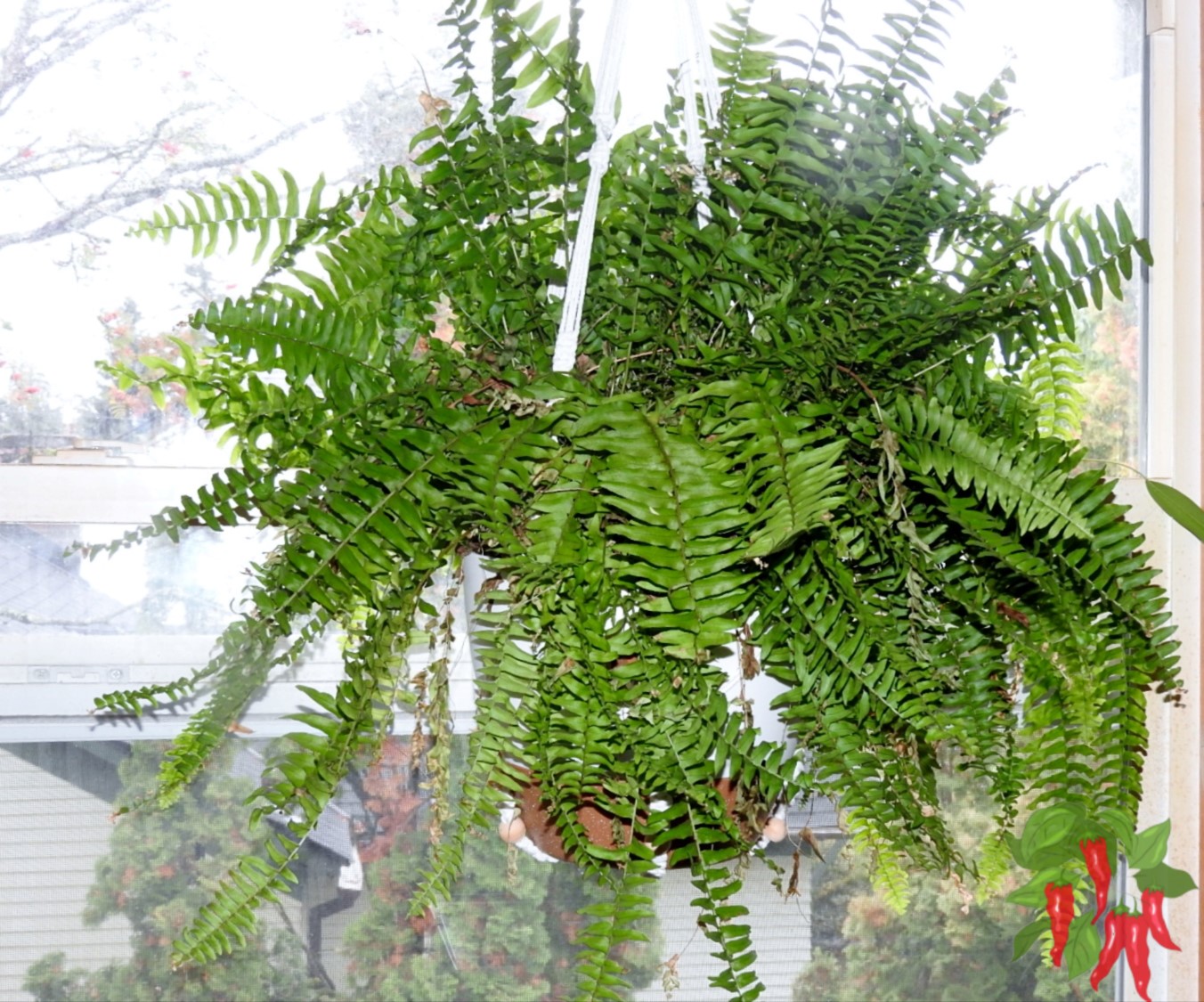
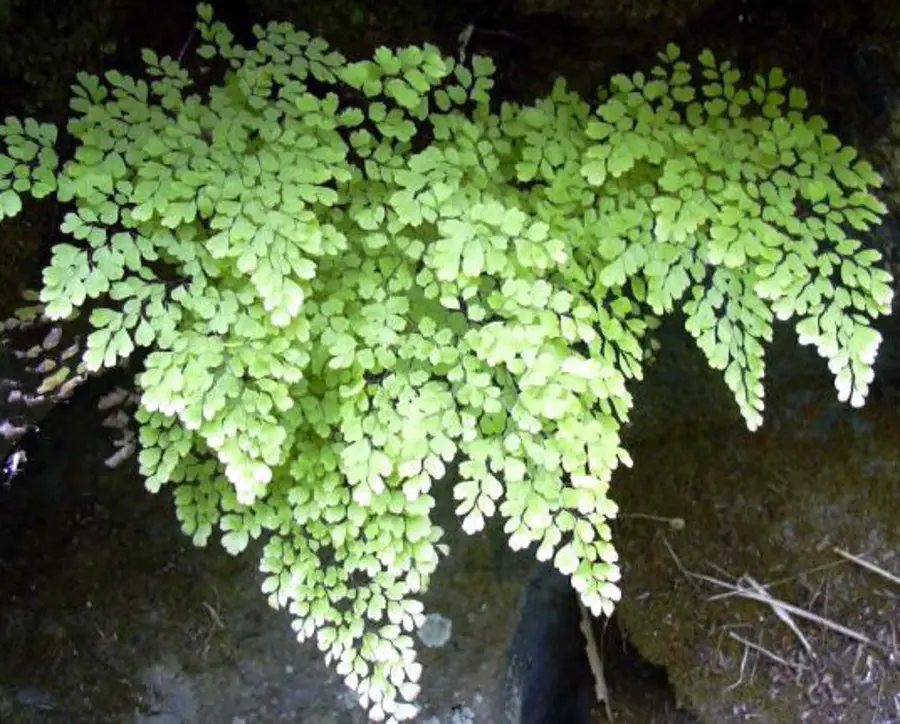
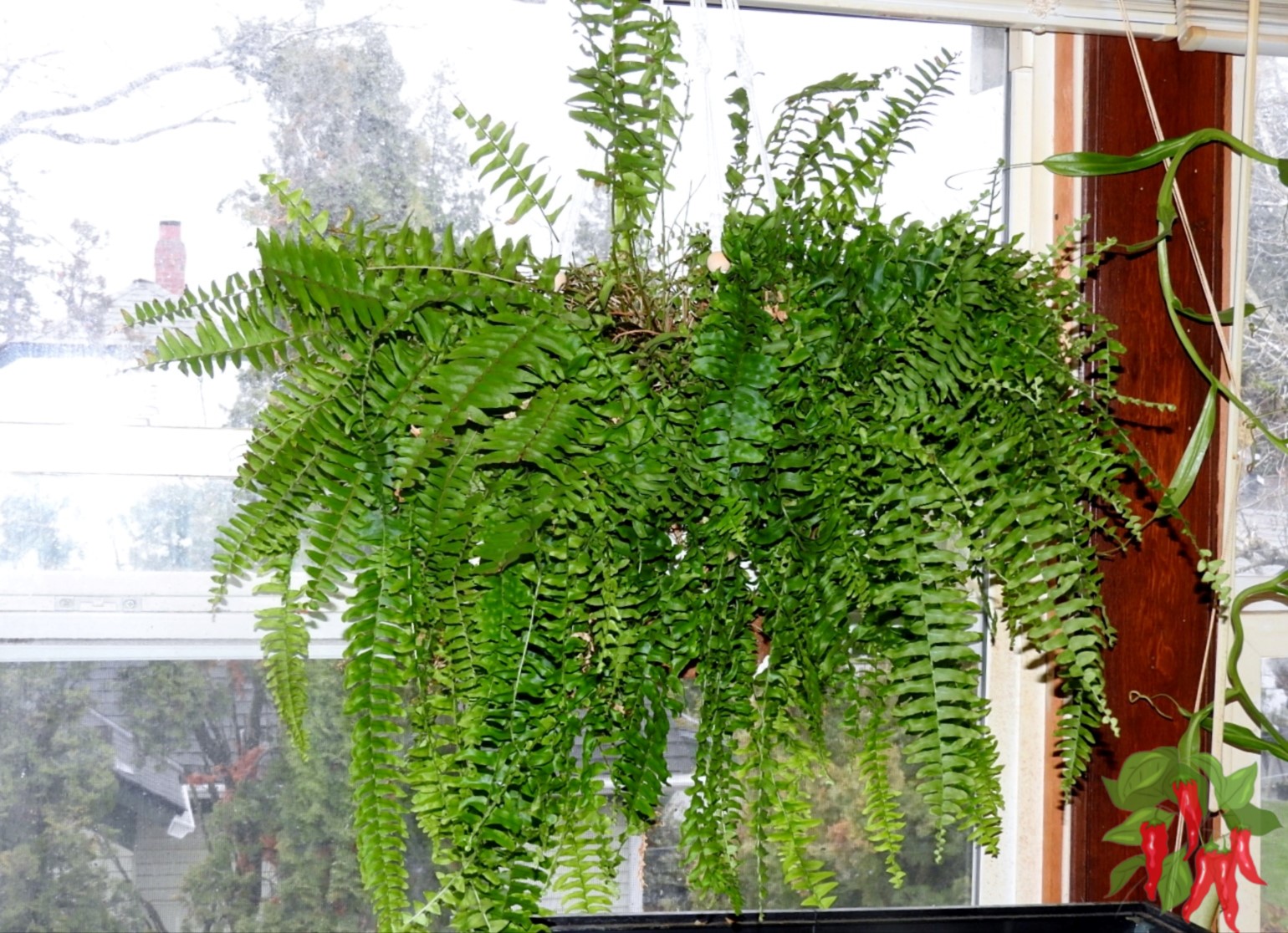
- Wealth and Prosperity (Southeast): Boost abundance by placing your garden in this area. Include vibrant, upward-growing plants like jade or Ferns.
- Health and Family (East): Add air-purifying plants such as Peace Lilies, to encourage well-being and connection.
- Creativity and Children (West): Incorporate playful, cascading plants like String of Pearls to inspire creativity.
-
Visualize the Bagua map over your room to determine the ideal placement for your garden.
Avoiding Feng Shui Pitfalls
Even with good intentions, some common mistakes can block energy flow. Here’s what to watch out for:
-
-
- Cluttered Corners: Overloading a corner with too many plants can stagnate Chi instead of circulating it. Keep arrangements balanced and tidy.
- Blocking Pathways: Ensure your garden doesn’t obstruct walkways or doorways, as this can disrupt the flow of energy.
- Neglecting Care: Dead or wilting plants can generate negative energy. Regular maintenance is essential to keep Chi flowing smoothly.
-
By using Feng Shui principles to position your vertical garden, you can create a space that feels both harmonious and purposeful.
Each placement becomes an opportunity to bring positivity and vitality into your home.
5. Benefits of Using Feng Shui in Vertical Gardens
Vertical gardens offer more than just a pretty addition to your home. When combined with Feng Shui principles, they become powerful tools for cultivating balance, energy, and well-being.
Let’s explore how they enhance your space.
Increased Energy Flow
Vertical gardens are champions at keeping Chi or life energy moving. By integrating greenery into your indoor spaces, you can redirect stagnant energy and promote harmony:
-
-
- Energizing Entryways: A vertical garden near your front door can welcome positive energy into your home. Choose vibrant plants to set an uplifting tone.
- Revitalizing Living Rooms: Strategically placed greenery in living areas enhances energy circulation, creating a lively yet soothing atmosphere.
-
These arrangements ensure every part of your home feels energized and refreshed.
Boosting Well-Being

Plants naturally boost our mood, and Feng Shui takes that to the next level by using specific arrangements to support emotional and physical health:
-
-
- Mental Clarity: Plants like Peace Lilies and Snake Plants improve air quality, which helps clear your mind and reduce stress.
- Relaxation Zones: Adding soft, cascading plants like Pothos to your vertical garden creates a calming visual effect perfect for winding down after a long day.
-
A thoughtfully designed vertical garden can act as a daily source of calm and inspiration.
Improved Aesthetics and Harmony
Beyond energy flow, vertical gardens bring balance to the look and feel of your space.
Feng Shui encourages a mix of shapes, textures, and elements for a harmonious vibe:
-
-
- Balanced Yin and Yang: Pair bold, structured plants (Yang) with softer, trailing varieties (Yin) to create visual and energetic equilibrium.
- Decorative Accessories: Use pots and frames that align with Feng Shui elements like earthy ceramics or metallic accents for a polished look.
-
By blending beauty with intention, your vertical garden becomes more than decor it becomes a statement of harmony and purpose.
Feng Shui vertical gardens can transform your space into a sanctuary, where energy flows freely, and every corner feels alive with positivity.
6. Practical Tips for Using Feng Shui in Vertical Gardens
Creating a vertical garden that aligns with Feng Shui principles is easier than you might think.
With the right plants, pots, and regular care, you can keep the positive energy flowing in your home.
Selecting Feng Shui-Friendly Plants
Plants are the heart of any vertical garden, and their energy influences the balance of your space:
-
-
- Best Choices: Opt for plants like Pothos, Ferns, and Snake Plants, which are known to encourage smooth energy flow. Their soft shapes and air-purifying qualities make them ideal for harmony.
- What to Avoid: Stay away from plants with sharp or spiky leaves, like cacti, as they can disrupt the gentle movement of Chi.
-
By choosing plants thoughtfully, you’ll create a space that feels vibrant yet peaceful.
Choosing the Right Pots and Accessories
The pots and decor in your vertical garden play a big role in its Feng Shui impact:
-
-
- Material Matters: Earthen pots provide a grounding effect, while metallic planters bring clarity and focus.
- Color Choices: Use colors that align with the five Feng Shui elements—green for wood, red for fire, yellow for earth, white for metal, and blue for water.
- Reflect and Amplify: Add mirrors or crystals to reflect light and energy, amplifying the positive effects of your plants.
-
These small choices add layers of intention and balance to your vertical garden.
Maintaining Energy Flow Through Care
A healthy garden is a happy garden, and Feng Shui emphasizes the importance of upkeep to sustain positive energy:
-
-
- Regular Maintenance: Trim dead or yellowing leaves to prevent stagnant energy.
- Watering and Lighting: Make sure your plants receive the right amount of water and light to thrive. Consider LED grow lights for indoor spaces that lack natural light.
- Reassess Placement: Occasionally rearrange your plants to refresh the energy flow and avoid stagnation.
-
Consistent care keeps your vertical garden looking its best and ensures the Chi remains active and balanced.
A well-maintained vertical garden brings life to your home, fostering harmony, beauty, and a steady flow of positive energy.
7. Common Feng Shui Mistakes to Avoid with Vertical Gardens
Even the most beautiful vertical garden can disrupt energy flow if Feng Shui principles are overlooked.
By steering clear of common mistakes, you can keep your space harmonious and full of positive Chi.
Overcrowding Plants
Packing too many plants into a small space can create more harm than good:
-
-
- Why It’s a Problem: Overcrowding blocks airflow and can lead to stagnant energy, which affects the balance of Chi.
- How to Fix It: Leave enough space between plants to allow energy to circulate freely. Think of it as giving your plants room to breathe.
-
Neglecting Dead or Dying Plants
Plants that are struggling can drain energy from your home instead of enhancing it:
-
-
- Why It’s a Problem: Dead leaves and dying plants symbolize decay, which disrupts the flow of Chi and can invite negative energy.
- How to Fix It: Regularly check your plants for yellowing leaves or signs of distress, and address issues promptly. Remove any dead foliage to keep the energy fresh and flowing.
-
Ignoring the Bagua Map
Placement is key when integrating vertical gardens into your home’s Feng Shui layout:
-
-
- Why It’s a Problem: Placing a vertical garden in the wrong Bagua zone can block energy or fail to activate the desired area, like wealth or health.
- How to Fix It: Use the Bagua map as a guide to place your garden in zones that align with your intentions, such as the southeast corner for prosperity or the east for family harmony.
-
A Balanced Garden, a Balanced Space
Avoiding these mistakes ensures that your vertical garden doesn’t just look great but also supports positive energy flow throughout your home.
Regular care, thoughtful placement, and intentional design are your best tools for Feng Shui’s success.
8. Feng Shui in Vertical Gardens: Real-Life Examples
Seeing Feng Shui principles come to life in vertical gardens is truly inspiring. These real-life examples show how intentional design and placement can enhance energy and transform spaces.
Energizing a Home Office
A home office can become a powerhouse of productivity with the right vertical garden setup:
-
-
- Where to Place It: Position the garden in the career zone of your office, typically the north area, according to the Bagua map.
- Why It Works: Plants like Lucky Bamboo or Pothos symbolize growth and resilience, creating an environment that supports focus and success.
- Personal Story: A friend of mine added a wall-mounted garden behind her desk, and she swears it’s helped her concentrate during long workdays.
-
Revitalizing Living Spaces
Transform dull corners into vibrant, inviting areas with greenery:
-
-
- How It’s Done: Add a mix of trailing plants like Philodendrons and upright varieties like Snake Plants to create depth and dimension.
- Energy Impact: The greenery softens harsh lines, refreshes the air, and ensures Chi circulates throughout the room.
- Quick Tip: Add an accent light to highlight the garden in the evenings, keeping the energy alive even after dark.
-
My Living Room
I placed a Peace Lily and hanging plants like a Heartleaf Philodendron for Health and Family (East) and Pothos and Lucky Bamboo for Wealth and Prosperity (Southeast) in my living area.
I feel the room has become much more energized by adding these plants, making my time there much more enjoyable.
Enhancing Entryways
First impressions matter, and a well-placed vertical garden can set the tone for your entire home:
-
-
- Best Spot: Place the garden near the front door to greet visitors with vibrant energy and good fortune.
- Energy Boost: Plants like Ferns or Peace Lilies bring a calming and welcoming presence while encouraging smooth energy flow into the house.
- Practical Note: Use pots in earthy tones to ground the space and reflect Feng Shui’s emphasis on balance.
-
Real-Life Inspiration for Every Space
These examples prove that Feng Shui principles can turn vertical gardens into powerful energy enhancers.
Whether it’s your office, living room, or entryway, small adjustments can create big shifts in how your space feels.
9. Key Takeaways for Using Feng Shui in Vertical Gardens
Feng Shui in vertical gardens is more than a design trend. It’s a thoughtful way to create harmony and vitality in your home.
Here’s a quick recap to help you get started and stay inspired.
Recap of Vertical Garden Benefits
-
-
- Enhanced Energy Flow: Vertical gardens strategically placed using Feng Shui principles promote smooth Chi circulation.
- Balanced Spaces: They bring emotional and physical harmony by balancing Yin and Yang energies.
- Aesthetic Appeal: These gardens not only refresh your space but also add an elegant, natural charm to your home.
-
Practical Next Steps
-
-
- Start Small: Try adding one or two Feng Shui-inspired vertical gardens to key areas like your living room or home office.
- Experiment: Play with plant selections, pots, and placement to see what resonates with your energy and space.
- Stay Consistent: Keep your plants healthy with regular care to maintain positive energy flow.
-
Wrapping Up: Transform Your Space with Feng Shui Vertical Gardens
Using Feng Shui in vertical gardens goes beyond aesthetics—it’s about creating a living design that uplifts your energy and enhances your daily life.
Whether you’re looking to balance a specific area of your home or add a soothing element, the principles of Feng Shui make vertical gardens a meaningful addition to any space.
Key Takeaways
-
-
- Vertical gardens designed with Feng Shui promote energy balance and well-being.
- Thoughtful plant selection and placement are essential for positive Chi circulation.
- Regular care and mindfulness in design amplify the benefits of your space.
-
Vertical gardens guided by Feng Shui principles can transform your home into a sanctuary of balance and growth.
With a little planning and care, you’ll create spaces that nurture your energy and well-being. Happy Gardening.
✨ Indoor Plants and Feng Shui
Enhance harmony, balance, and positive energy in your home with these Feng Shui indoor plant guides.
- 🌱 Feng Shui Plants (Pillar Guide)
- 🏡 Indoor Plants and Feng Shui
- 🌿 Feng Shui Vertical Gardens for Office Spaces
- 🌸 Best 24 Feng Shui Indoor Plants
- 💧 Growing Feng Shui Plants
- 🌳 Common Chinese House Plants for Feng Shui
- 🪴 Feng Shui Hanging Plants
- 🛏️ Feng Shui Bedroom Plants
- 🍃 ZZ Plant Feng Shui
- 🌱 Using Feng Shui in Vertical Gardens
- 🎋 Growing Lucky Bamboo in Feng Shui
- 🏠 Indoor Plants for Feng Shui
- ☯️ Indoor Plants for Positive Energy
- 🌼 Chinese Evergreen Care
- 🌺 Growing Peonies Indoors and Outdoors
- See all articles in our Indoor Plants and Feng Shui category
Related Content

Visit my Amazon Influencer Page for videos and gardening products Grow Your Own Garden