
This post contains affiliate links. If you buy something from one of our links we may earn a commission. Thanks
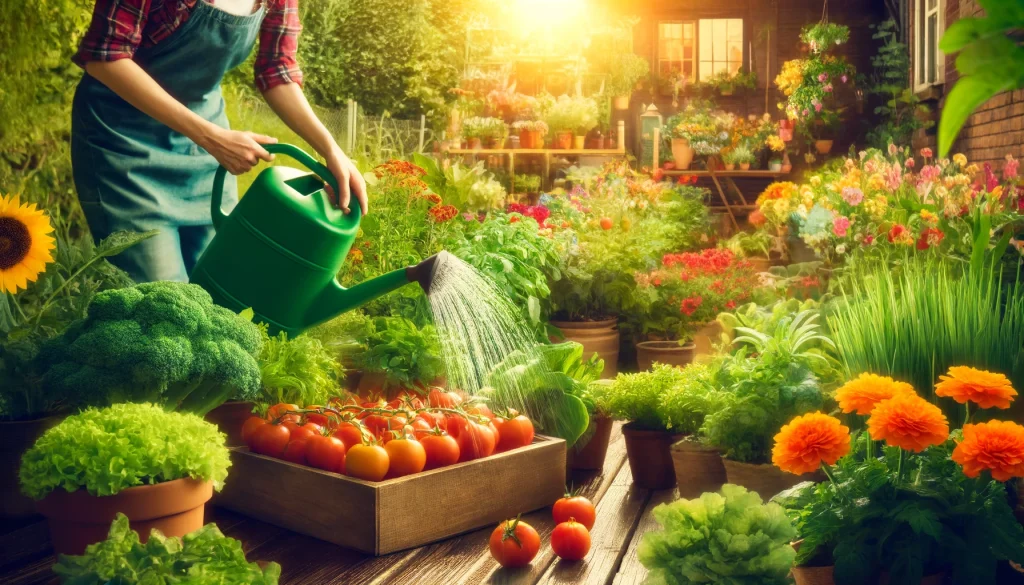
Learn how watering indoor plants using the best practices can turn your brown thumb green in no time!
Struggling to keep your leafy friends alive and thriving? You’re not alone – watering is often the trickiest part of plant care for many indoor gardeners.
But don’t worry. With a few simple tips and tricks, you’ll be a watering wizard before you know it, keeping your green pals happy and healthy.
Watering Indoor Plants Key Takeaways
- Watering Indoor Plants Best Practices include checking soil moisture before watering,
- Use room temperature water and ensure proper drainage.
- Water thoroughly until it drains from the bottom of the pot.
- Adjust watering frequency based on plant type, season, and environmental conditions.
- These practices help prevent overwatering and underwatering, ensuring healthy plant growth.
1. Introduction: The Importance of Proper Watering
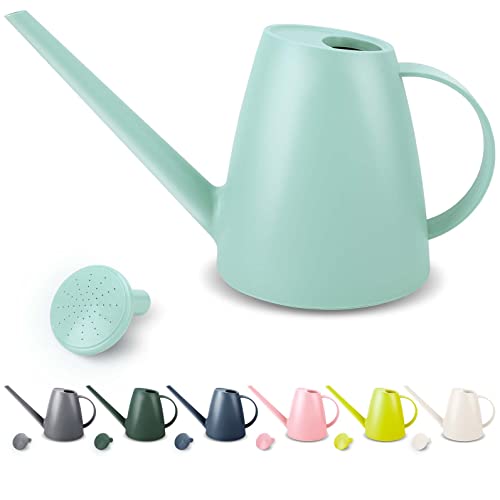
Want to keep your indoor jungle thriving? Watering Indoor Plants Using Best Practices is your ticket to green success!
Struggling with droopy leaves or yellowing foliage? You’re not alone – watering is often the trickiest part of plant care.
With a few simple tips, you’ll be a watering wizard in no time, keeping your leafy pals happy and healthy.
2. Understanding Plant-Specific Watering Needs
Not all plants are created equal when it comes to watering. Let’s break it down:
Drought-tolerant plants:
These tough cookies can handle a bit of neglect:
Care tip: Let the soil dry completely between waterings.
Moisture-loving plants:
These tropical beauties like to keep their feet damp:
Care tip: Keep soil consistently moist but not waterlogged.
Thirsty plants:
Some plants are like that friend who’s always up for a drink:
Care tip: Water when the top inch of soil feels dry.
3. Signs of Overwatering and Underwatering
Learning to read your plants’ signals is key to proper watering:
Overwatering signs:
- Yellowing leaves
- Mushy stems
- Soggy soil
- Fungus gnats hanging around
Underwatering signs:
Dry, crispy leaf edges
Drooping or wilting
Soil pulling away from pot edges
How to avoid both:
Use the finger test! Stick your finger about an inch into the soil. If it feels dry at that depth, it’s time to water.
4. Seasonal Adjustments for Watering
Just like us, plants change their habits with the seasons:
Active growth period (Spring/Summer):
- Plants are thirstier due to higher temperatures and growth
- Water more frequently, but always check the soil first
Dormant period (Fall/Winter):
- Growth slows down, so water needs also decrease
- Reduce watering frequency, but don’t let plants dry out completely
5. Techniques for Proper Watering
It’s not just about how much, but how you water:
Water thoroughly:
- Pour water until it drains from the bottom of the pot
- This ensures water reaches all the roots
Top watering vs. bottom watering:
- Top watering: Traditional method, good for most plants
- Bottom watering: Great for preventing oversaturation, especially for sensitive plants
Misting:
- Helpful for increasing humidity for tropical plants
- Not a substitute for proper watering
6. Choosing the Right Water
Not all water is created equal in the plant world:
Types of water:
- Tap water: Usually fine, but let it sit out overnight to dechlorinate
- Rainwater or filtered water: Best for sensitive plants
- Avoid softened water: High salt content can harm plants
Water temperature:
- Room temperature is best
- Avoid shocking roots with ice-cold or hot water
7. Tools and Tips for Efficient Watering
Let’s gear up for watering success:
Self-watering systems:
- Great for consistent moisture
- Perfect for forgetful waterers or frequent travelers
Moisture meters:
- Takes the guesswork out of when to water
- Especially helpful for beginners or tricky plants
8. Addressing Common Watering Problems
Even plant pros face watering challenges. Here’s how to tackle them:
Reviving overwatered plants:
- Let the soil dry out completely
- Trim any rotted roots
- Repot in fresh, well-draining soil if necessary
Dealing with salt buildup:
- Flush the soil every few months
- Water thoroughly until water runs clear from drainage holes
Preventing root rot:
- Ensure pots have drainage holes
- Use well-draining soil mix
- Don’t let plants sit in standing water
9. Conclusion: Watering Indoor Plants: Best Practices
Mastering the Watering Game
As we’ve explored, proper watering is the key to keeping your indoor plants happy and healthy.
By understanding your plants’ needs and following these best practices, you can avoid common pitfalls and watch your green friends thrive.
Tailoring Your Approach
Remember, each plant is unique. Take the time to learn about your specific plants’ watering preferences and adjust your care routine accordingly.
The Power of Observation
Become a plant detective! Regular observation of your plants’ leaves, soil, and overall appearance will help you catch and address watering issues early.
Key Takeaways:
• Check soil moisture before watering
• Use room temperature and dechlorinated water when possible
• Ensure pots have proper drainage
• Adjust watering frequency with seasons and plant type
• Water thoroughly, but avoid letting plants sit in standing water
• Consider using tools like moisture meters for more precise watering
• Address watering problems promptly to prevent long-term damage
• Remember, it’s generally better to underwater than overwater
By implementing these watering best practices, you’re setting your indoor plants up for success. Happy watering, and may your indoor jungle flourish!
Mastering the Art of Watering
As we’ve explored, proper watering is the cornerstone of healthy, thriving indoor plants. It’s not just about how much water you give but when and how you do it.
Plant-Specific Care
Remember, each plant has its own unique watering needs. Take the time to understand your plants’ preferences and adjust your care accordingly.
The Power of Observation
Become a plant detective! Regular observation of your plants’ leaves, soil, and overall appearance will help you catch and address watering issues early.
Key Takeaways:
• Learn your plants’ specific watering needs
• Check soil moisture before watering
• Adjust watering frequency with seasons
• Water thoroughly, ensuring proper drainage
• Use room temperature water, preferably dechlorinated
• Consider tools like moisture meters for more precise watering
• Address watering problems promptly to prevent long-term damage
• Remember, it’s better to underwater than overwater in most cases
By implementing these watering best practices, you’re setting your indoor plants up for success. Happy watering, and may your indoor jungle thrive!
Learn more: Great Indoor Houseplants
🌿 Indoor Houseplant Guides
Discover the best ways to grow, style, and care for indoor houseplants of all types, from tropicals to pet-safe picks.
- 🌱 Great Indoor Houseplants (Pillar Guide)
- 🐾 Pet-Friendly Indoor Plants
- 💧 Watering Indoor Plants
- 🌴 Tropical Indoor Plants
- 🌟 Rare & Exotic Indoor Plants
- 🐕 Pet-Safe Indoor Plants
- 🌳 Indoor Trees & Large Plants
- 🏢 Indoor Plants for Offices
- 🚿 Indoor Plants for Bathrooms
- 🪴 Indoor Plant Care Tips
- 🌿 Indoor Hanging Plants (Ultimate Guide)
- 🌸 Best Flowering Indoor Plants for Beginners
- ⚡ Fast-Growing Indoor Plants
- 🌵 Drought-Tolerant Indoor Plants
- 🪞 Best Planters & Pots for Indoor Plants
- See all articles in our Indoor Houseplants category
Related Content

Visit my Amazon Influencer Page for videos and gardening products Grow Your Own Garden