
This post contains affiliate links. If you buy something from one of our links we may earn a commission. Thanks
🌴 Introduction: Choosing Easy Plants for Pet-Friendly Homes
Picture your home turning into a cozy indoor jungle with lush leaves on the shelves, a few trailing vines along the window, and not a single surprise vet trip because your pets decided to “taste-test” a plant. That’s the dream, right?
🏡 As a beginner, you’ve probably heard two big pieces of advice: get easy houseplants and make sure they’re pet-safe.
But no one really explains how to mix those two goals without overthinking every plant you bring home. That’s where things start to feel confusing.
🐾 In this guide, you’ll discover exactly why choosing easy plants for pet-friendly homes is such a simple, stress-free way to start your indoor gardening journey.
You’ll learn what actually makes a plant “easy,” what qualifies as “pet-friendly,” and how to choose plants that fit your space, your lifestyle, and your furry companions.
By the time you finish this post, you’ll know how to build a safe, low-maintenance collection of plants that looks great, works with your routine, and keeps your pets out of trouble. Let’s get you set up for a calm, confident start. 🌿🐾
What You’ll Learn 🌟
- 🌿 Why “easy” plants are perfect for busy, beginner indoor gardeners
- 🐶 Why pet-friendly plants matter and how they keep your animals safer
- 🌱 Simple traits to look for when choosing safe, low-maintenance plants
- 🏡 How to set up your space so plants thrive and pets stay out of trouble
- ❓ Answers to common beginner questions about pets, plants, and safety
Why Choose Easy Plants for Pet-Friendly Homes?
Sharing your home with both plants 🌿 and pets 🐾 can feel a little tricky at first. You want that cozy indoor jungle vibe, but you also want to keep your furry friends safe and avoid constant plant drama (chewing, digging, knocking things over…).
The good news? You don’t have to choose between houseplants and pets. When you focus on easy-care, pet-friendly plants, you make life simpler for yourself, safer for your animals, and a lot more fun overall.
1. What Makes a Plant “Easy” for Beginners? 😊
When people say a plant is easy, they usually mean it doesn’t throw a fit every time you forget to water it or move it to a new spot. For a beginner, that’s huge.
Easy plants typically:
- 💧 Tolerate a bit of inconsistent watering (you’re learning, after all!)
- 🌤 Do well in common indoor light levels like bright, indirect light
- 🪴 Don’t need fancy soil, humidity tents, or special fertilizers
- 🐞 Are less prone to pests and problems when basic needs are met
- 📏 Grow at a manageable pace instead of taking over your living room
As a new indoor gardener, you’re building habits: checking soil, noticing leaf changes, figuring out what “bright but indirect” actually looks like in your home. Easy plants give you room to make mistakes while you learn.
2. Why Pet-Friendly Plants Matter So Much 🐕🐈
Many pets, especially young cats and dogs, explore the world with their mouths and paws. They nibble leaves, dig in soil, and occasionally knock pots right off the shelf. That’s normal behavior—but it can be risky if you’re growing toxic plants indoors.
Some common houseplants can cause:
- 🤢 Vomiting or diarrhea
- 😿 Drooling, mouth irritation, or lethargy
- ⚠️ More serious issues in large amounts (depending on the plant and the pet)
When you choose plants that are considered non-toxic or low risk for pets, you’re lowering the chances that a curious nibble turns into an emergency vet visit.
Extension and veterinary resources recommend taking plant toxicity seriously and making informed choices for homes with animals.
Pet-friendly plants help you:
- Relax a little more about what your pets might chew on
- Enjoy greenery without constantly worrying “Is this safe?”
- Focus on learning plant care, not memorizing toxic plant lists
🌿 Important for Pet Owners
Before bringing any new plant home, double-check its safety using the ASPCA’s official toxic and non-toxic plant database. It’s one of the most trusted resources for pet parents.
3. Why “Easy” + “Pet-Friendly” Is the Perfect Combo 🎯
You don’t just want plants that are safe for pets. You also want plants that are forgiving for you.
When you combine both, you get:
- 🧘 Less stress – you’re not juggling high-maintenance divas and worrying about toxicity
- 🚀 Faster wins – easier plants look good and stay alive while you’re learning
- 💚 More joy – your home feels greener and cozier, and your pets are part of the picture
Extension guides on pet-safe plants often highlight species that are both non-toxic and relatively simple to grow indoors.
That means you’re not limited to rare, fussy plants just to keep your animals safe—you can pick beginner-friendly options that already fit your lifestyle.
4. Common Beginner Questions About Pets & Plants 🙋♀️
New plant parents with pets usually ask some version of:
- “Can I even have houseplants if my cat eats everything?”
- “How do I know if a plant is safe for both cats and dogs?”
- “Are there plants that are both low-maintenance and pet-safe?”
- “Do I have to give up trendy plants like certain succulents or tropicals?”
- “What if my light is terrible or I forget to water?”
The rest of this guide is built around those worries, so you walk away feeling confident instead of overwhelmed.
5. Traits to Look for in Easy, Pet-Friendly Plants 🔍
5.1 Safe (or Low Risk) for Pets
“Pet-friendly” typically means a plant is non-toxic to cats and dogs if they take a nibble. That doesn’t mean you want your pets snacking on your plants all day, but it lowers the risk of something serious if it happens.
Good habits:
- 🔎 Look up plants by their scientific name when you can
- 📋 Use trusted toxicity lists and extension publications
- 📞 Call your vet or a poison control resource if you’re ever unsure
5.2 Low-Maintenance Care Needs
An easy plant doesn’t ask for perfection. Great beginner plants often:
- 🌤 Prefer bright, indirect light (a common indoor condition)
- 💧 Need water only when the top inch of soil feels dry
- 🪴 Are happy in a general, well-draining potting mix
- 🧩 Don’t need constant repotting or pruning
5.3 Flexible Placement Around Pets
Even pet-safe plants are happier when they’re not constantly being batted, chewed, or knocked over. Think about:
- 📚 Using sturdy shelves or plant stands out of direct pet traffic
- 🪜 Hanging planters in spots where cats can’t easily leap into them
- 🪵 Heavier pots that are harder to flip during zoomies
5.4 Extra “Nice-to-Have” Benefits
Many pet-safe plants also offer perks like:
- 🌬 Helping freshen the look and feel of indoor spaces
- 😌 Creating a calmer, more relaxing vibe at home
- 🎨 Adding color and texture to shelves, desks, and windowsills
6. Examples of Easy, Pet-Friendly Houseplants 🌱
There are lots of good options, but here are a few commonly recommended as both beginner-friendly and low risk for pets when grown indoors:
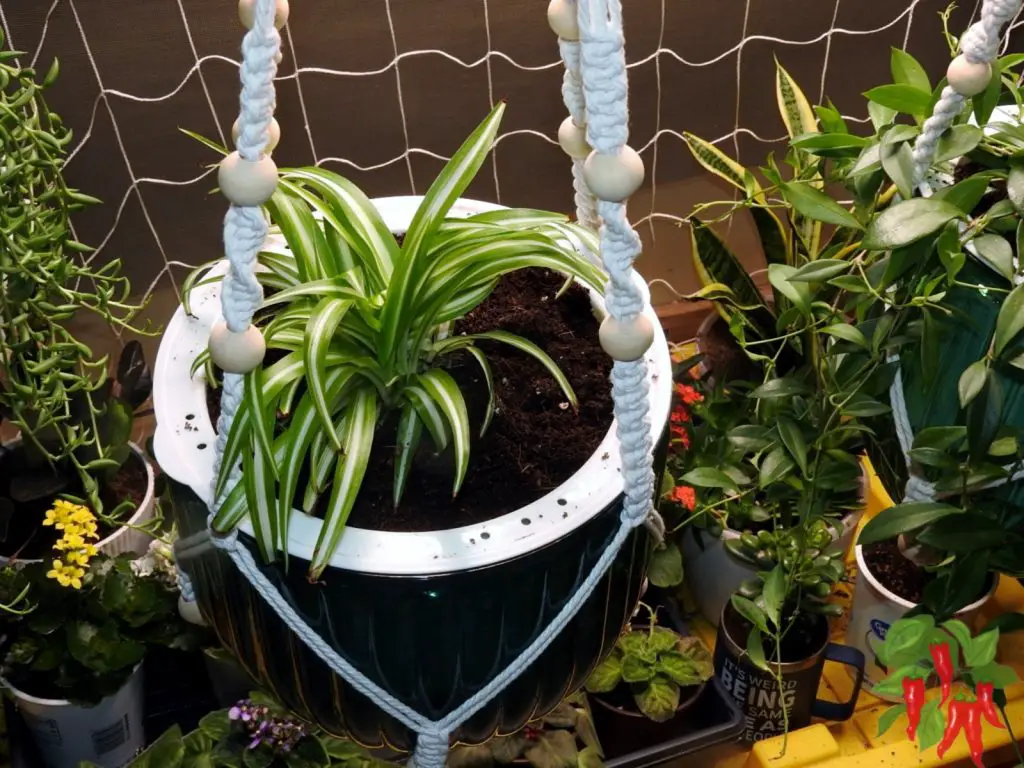
- 🕷 Spider Plant (Chlorophytum comosum) – Tolerates a range of indoor conditions, easy to propagate, and considered non-toxic.

- 🌴 Parlor Palm (Chamaedorea elegans) – A slow-growing palm that handles typical indoor light and adds a soft, tropical feel.

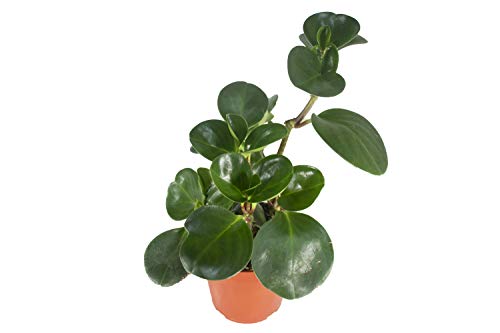
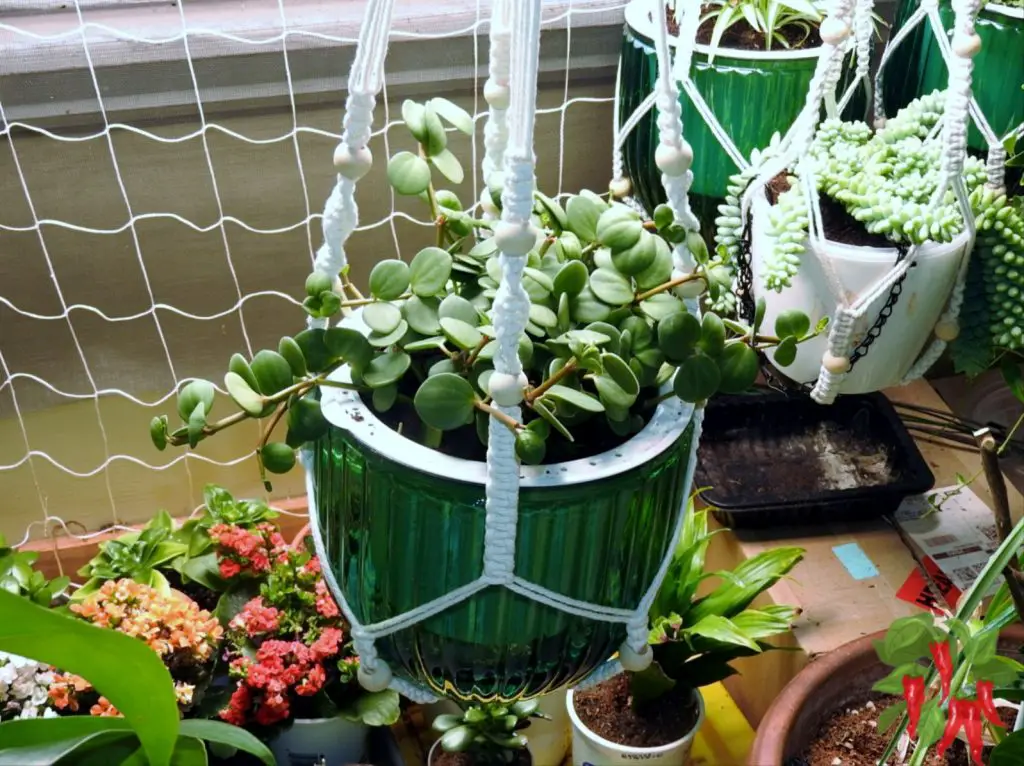
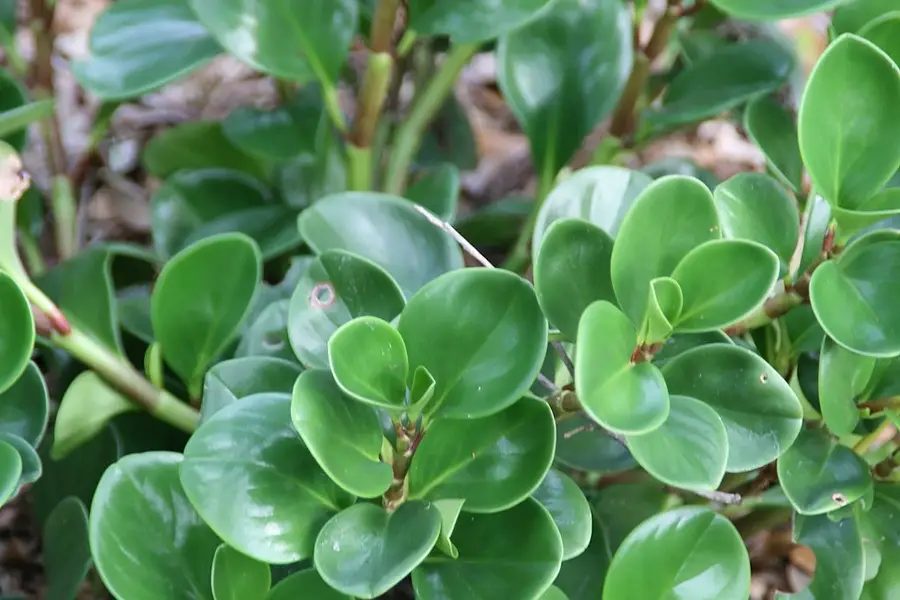
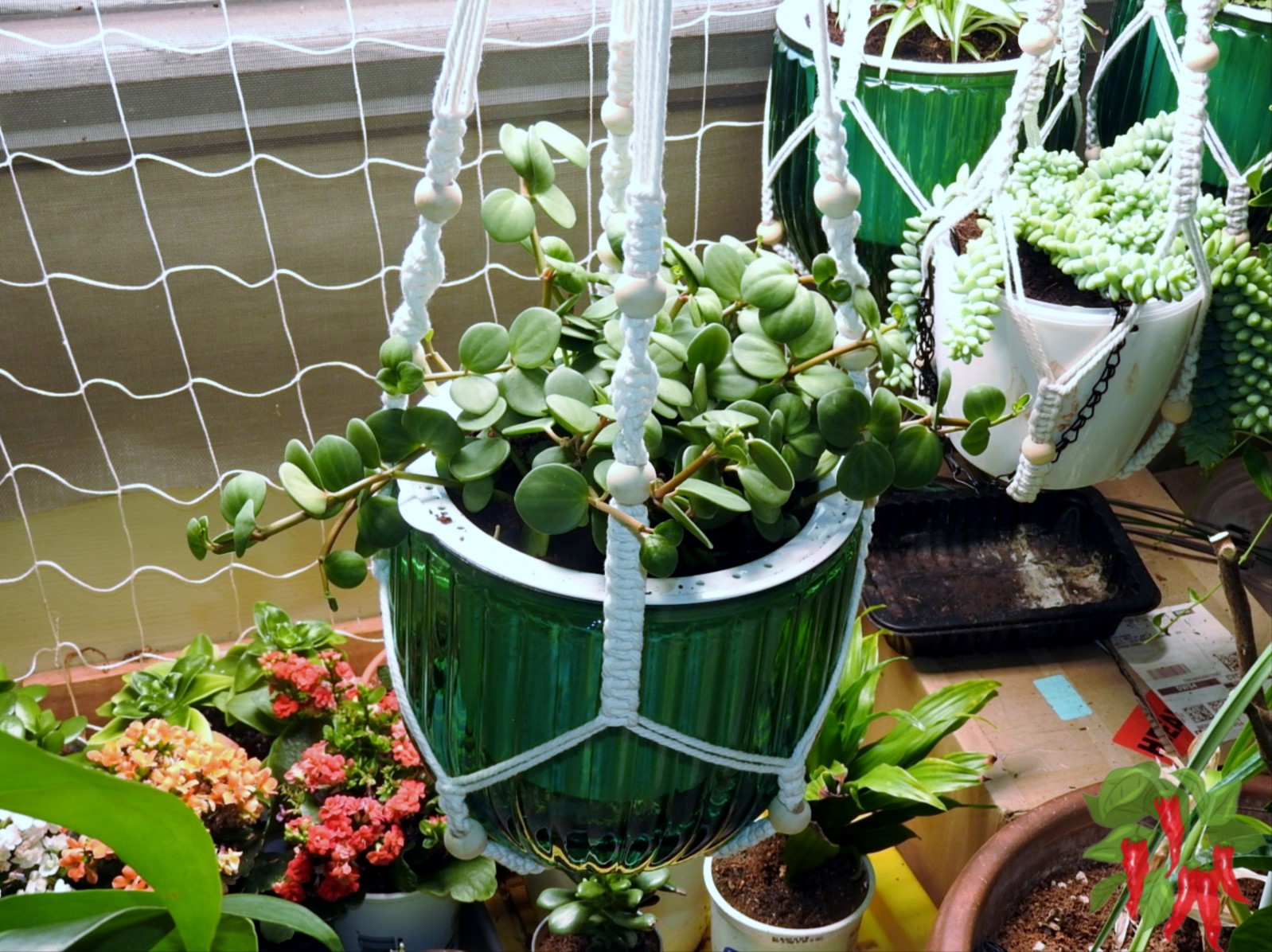
- 🍼 Baby Rubber Plant (Peperomia obtusifolia) – Compact, glossy foliage, low care needs, great for shelves.
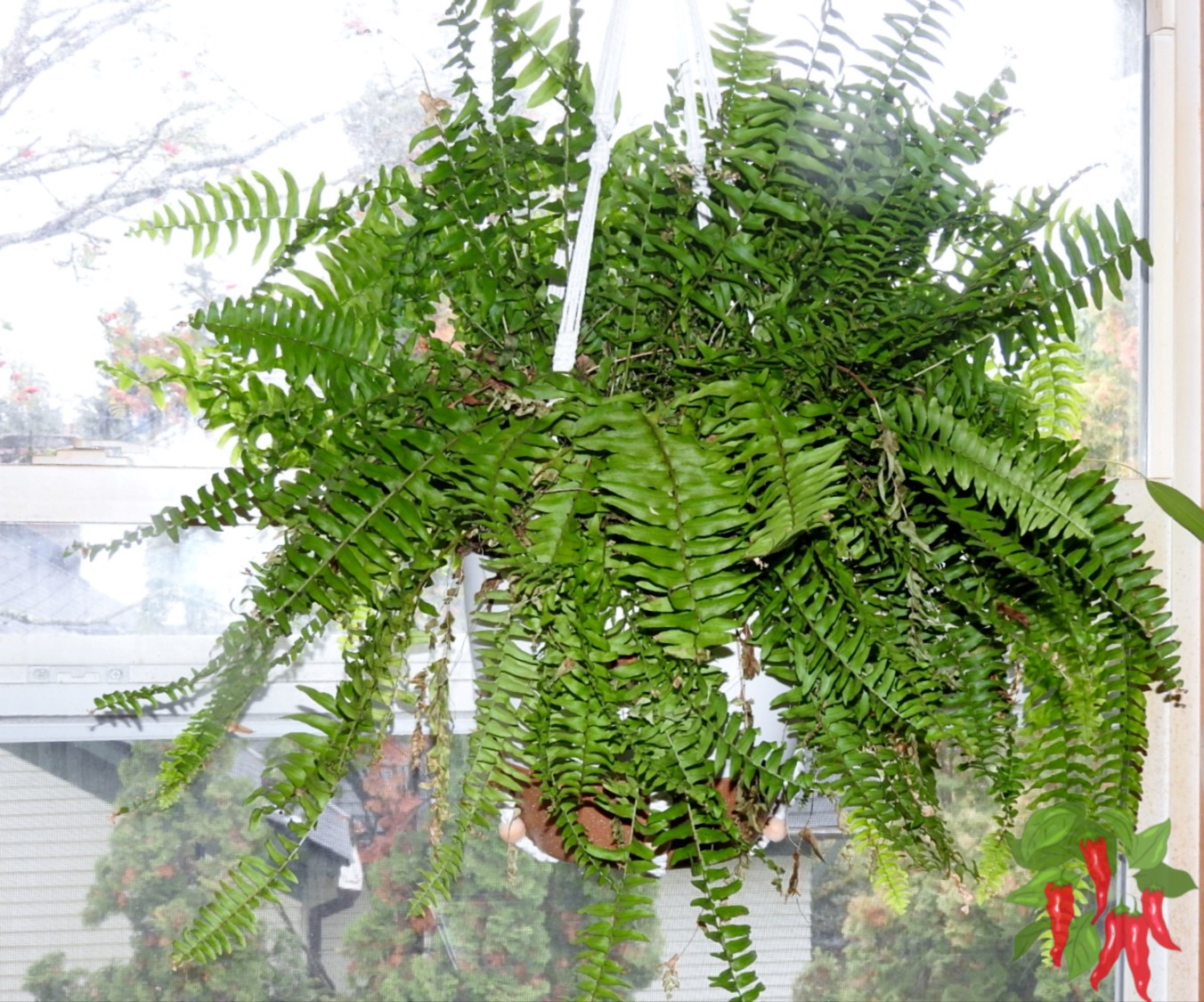
- 🌿 Boston Fern (Nephrolepis exaltata) – Lush, full fronds, ideal for slightly more humid areas.

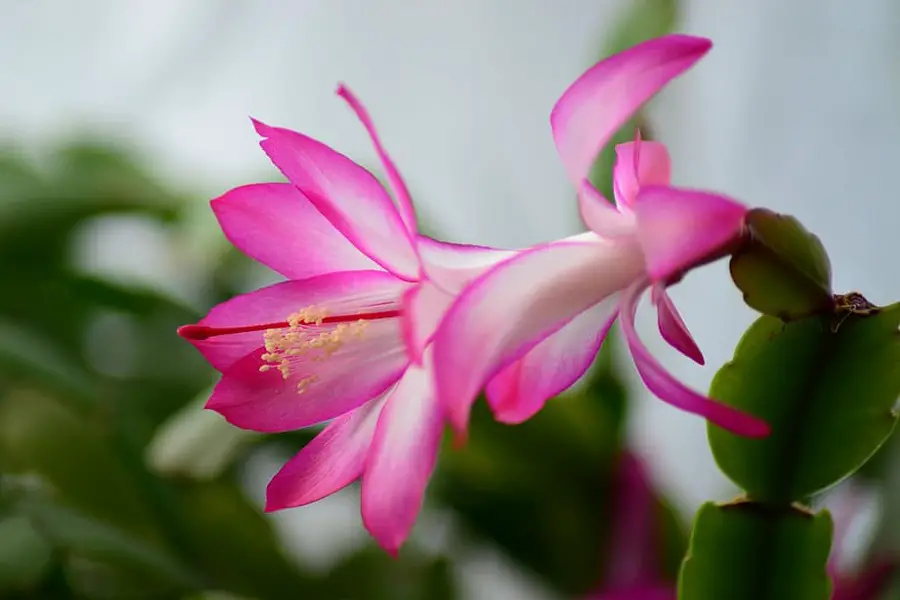
- 🎄 Christmas Cactus (Schlumbergera) – Safe for pets and offers seasonal blooms with minimal fuss.

7. How to Choose the Right Plants for Your Pet-Friendly Home 🧭
7.1 Take a Quick Look at Your Space
- 🌞 Find the brightest windows for light-loving plants.
- 🌥 Identify medium-light areas for adaptable species.
- 🌑 Note where darker corners might only support low-light plants.
- 🐾 Pay attention to high pet-traffic zones.
7.2 Think About Your Pet’s Personality
- 😼 Chewers may target trailing plants or grass-like varieties.
- 🐶 Diggers may disturb soil or root around the pot.
- 🎯 Zoomie-prone pets may knock over flimsy or top-heavy plants.
7.3 Choose Stable Pots & Good Soil
- 🪵 Use weighted or sturdy pots.
- 🌱 Choose well-draining potting mix.
- 🚰 Ensure pots have drainage holes.
7.4 Introduce New Plants Slowly
- 👀 Watch how pets respond in the first few days.
- 📦 Move the plant if it becomes an irresistible toy.
- 🧽 Remove fallen leaves so they aren’t eaten.
7.5 Manage Pet–Plant Interactions
- 🧸 Offer toys or cat grass to redirect curiosity.
- 🧺 Place plants out of usual play zones.
- 🪴 Top soil with decorative stones if digging becomes an issue.
7.6 Troubleshooting Common Issues
- 🌊 Droopy leaves + soggy soil: Reduce watering and check drainage.
- ☀️ Lean toward window: Rotate weekly.
- 💥 Plant knocked over: Repot, water lightly, and relocate.
- 🐾 Persistent chewing: Adjust placement or plant type.
8. Plants and Products to Be Careful With ⚠️
Many popular houseplants are beautiful but toxic to pets. Always check before bringing a new plant home.
- 🌼 Some lilies and holiday plants
- 🌵 Certain succulents or cacti
- 🌿 Common ornamentals like pothos, philodendron, or snake plant
Also be mindful of:
- 🧪 Fertilizers and soil additives—store them safely away.
- 🚫 Indoor pesticides—many aren’t pet-safe.
9. FAQs: Easy Plants & Pet-Friendly Homes ❓
Q1. Can I really have houseplants if my cat or dog chews everything?
Yes! Start with non-toxic plants, place them smartly, and watch how your pet behaves.
Q2. How do I know if a plant is safe for pets?
Search the plant using both its common and scientific names in trusted resources or extension sites.
Q3. Are pet-safe plants more expensive or harder to find?
Not at all. Many affordable, common houseplants are pet-safe.
Q4. What if I forget to water or over-water?
Pick forgiving plants, use well-draining soil, and water only when the top inch is dry.
Q5. My home has low light. Can I still have pet-safe plants?
Yes—many tolerate low light, and grow lights are an easy backup.
Q6. What if my pet knocks over a plant or eats some leaves?
Clean up, monitor your pet, and call a vet if the plant isn’t known to be safe.
Q7. Will plants improve my home environment?
Absolutely. Plants add calm, beauty, and a sense of life to any space.
Q8. Are all succulents safe for pets?
No—check each one individually, since toxicity varies by species.
10. Conclusion: A Happy Home for Plants and Pets 🌿🐾
Choosing easy plants for a pet-friendly home sets you up for success. You get:
- 💚 A safer home for curious pets
- 🧘 Less stress about toxicity
- 🌱 A smoother, more rewarding start as an indoor gardener
Start with one or two plants that fit your light and lifestyle. Watch how your pets interact, adjust as needed, and let your confidence grow.
With the right picks and a little planning, your home can be a thriving, joyful space for both your plants and your pets. 🌟
👉 Pet Friendly Indoor Plants: Beautiful and Safe Choices
References 📚
- Clemson Cooperative Extension – Pet-Safe Indoor Houseplants
- UF/IFAS Extension – Poisonous Plants and Pets
- University of Georgia Extension – Keep Your Pets Safe Around Plants
- University of Wisconsin–Madison Extension – Houseplants and Your Pets
- University of Connecticut Extension – Houseplants: Safe and Toxic Varieties
- University of Tennessee Extension – Growing Indoor Plants with Pets
Related Content
Visit my Amazon Influencer Page for videos and gardening products Grow Your Own Garden