
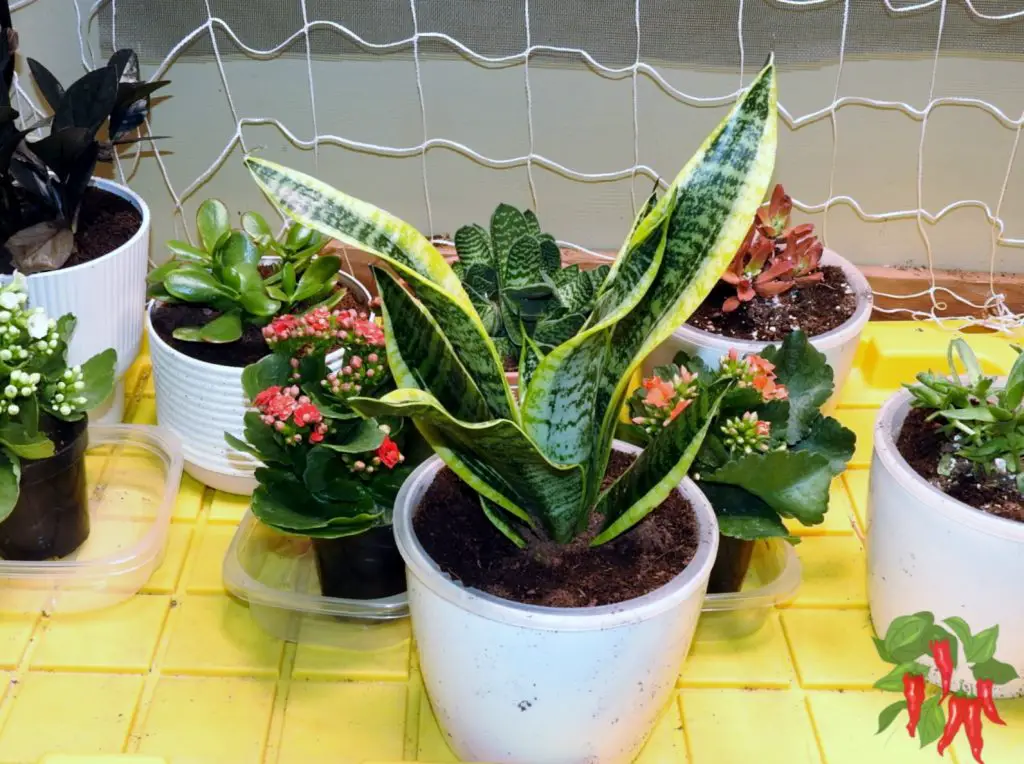
Desk and bookshelf plants are a great way to bring greenery into your home without taking up valuable floor space. Whether you’re decorating a home office, bedroom, living room, or small apartment, compact indoor plants can add color, texture, and personality to desks, shelves, and other small surfaces.
One of the things I like about smaller houseplants is how easily you can work them into your existing decor. A compact Snake Plant can add upright greenery between books, a Peperomia can brighten a desk, and a neatly trimmed Pothos can soften the edge of a bookshelf with its trailing leaves. You don’t need a large collection to make a small space feel more inviting.
The key is choosing plants that fit the space and remain manageable as they grow. Some houseplants naturally stay compact, while others need occasional pruning or a larger container over time. Pot size, shelf depth, available light, and the plant’s growth habit all matter when creating a display that looks attractive and stays easy to maintain.
In this guide, you’ll discover five types of compact indoor plants that work well on desks and bookshelves, along with practical ideas for arranging them. You’ll also learn how to choose plants for different lighting conditions, keep small containers properly watered, and create attractive displays without overcrowding your workspace or shelves.
🌿 What You’ll Learn
- Which compact indoor plants work best on desks, bookshelves, and other small surfaces.
- How Snake Plants, ZZ Plants, Pothos, Peperomia, and small succulents compare for size, growth habits, and care.
- How to match plants with available shelf depth, container size, and surrounding furniture.
- Which plants tolerate lower light levels and which need brighter locations.
- How to arrange upright and trailing plants for an attractive, balanced display.
- Simple watering, drainage, and maintenance tips for plants growing in small containers.
- Common desk and bookshelf decorating mistakes and how to avoid them.
- How to choose stable containers and consider pet safety when placing plants on accessible shelves.
Find A Wide Variety Of Plant Shelves On Amazon
🌿 Quick Answer: What Are the Best Desk and Bookshelf Plants?
The best desk and bookshelf plants are compact varieties that fit comfortably in small containers, grow at a manageable pace, and look attractive without taking over the available space. Some of the best choices include compact Snake Plants, ZZ Plants, Peperomia, trimmed Pothos, and small succulents for brighter locations.
For narrow bookshelves, compact Snake Plants provide upright foliage without spreading too far. ZZ Plants are another easy-care choice, especially where natural light is limited. Peperomia varieties work well on desks because many remain relatively small, while Pothos can soften the edges of shelves when its trailing vines are kept trimmed.
Light is just as important as plant size. Snake Plants and ZZ Plants tolerate lower light levels, although they still need enough light to grow. Peperomia and Pothos generally do well in bright, indirect light, while most small succulents need several hours of strong light to maintain compact growth. Choose a plant that matches your shelf depth, available light, and the amount of care you want to provide.
🪴 Best Desk and Bookshelf Plants at a Glance
This quick comparison highlights the five plant groups featured in this guide and helps you choose the right plant for your desk, bookshelf, or small indoor display.
| Plant | Growth Habit | Light Needs | Best Placement |
|---|---|---|---|
| Compact Snake Plant | Upright, slow-growing, tidy foliage | Low to bright indirect light | Narrow bookshelves, desks, small corners |
| ZZ Plant | Upright to arching stems, slow-growing indoors | Low to bright indirect light | Desks, open shelves, low-light areas |
| Pothos | Trailing vines, manageable with pruning | Medium to bright indirect light; tolerates lower light | Upper shelves, bookcases, shelf edges |
| Peperomia | Compact, bushy, or gently trailing, depending on variety | Medium to bright indirect light | Desktops, small shelves, side tables |
| Small Succulents | Compact rosettes or upright growth, depending on species | Bright light; many prefer direct sun | Sunny desks, window-adjacent shelves |
Small-space decorating tip: Before choosing a plant, measure the available shelf depth and height, not just the width. Leave room for foliage to grow, make sure the container sits securely on the surface, and keep plants away from electronics or important papers when watering. For deeper shelves with limited natural light, a suitable LED grow light can help keep your plants healthy.
🌿 What makes a good desk or bookshelf plant?
Not every “small plant” belongs on a desk or shelf. These spots demand plants with specific habits.
- 📏 Compact growth: Slow-growing or naturally small varieties
- ⚖️ Good balance: Won’t tip easily in shallow pots
- 🌤️ Light-flexible: Handles indirect or medium light
- 🧹 Low mess: Minimal leaf drop or debris
Plants that vine aggressively, shed leaves often, or need deep pots usually become frustrating fast in tight spaces.
🪴 Best desk and bookshelf plants (compact and well-behaved)
These plants stay manageable indoors and work well in shallow containers and narrow shelves.
🌱 Snake plant (compact varieties)
Compact snake plants grow upright instead of outward, making them ideal for narrow shelves and desks. They tolerate low light and irregular watering better than most plants.
- 📍 Best for: Narrow shelves, corners, desk edges
- ⚠️ Watch out for: Overwatering
🌿 ZZ plant
ZZ plants are slow growers with thick stems that stay tidy. They’re excellent for desks and bookshelves where you want greenery without fuss.
- 📍 Best for: Low-light desks and shelves
- ⚠️ Watch out for: Soil staying wet too long
🌿 Pothos (kept trimmed)
Pothos works well on shelves if you keep it pruned. A small pot with controlled vines adds softness without overwhelming the space.
- 📍 Best for: Upper shelves or bookcases
- ⚠️ Watch out for: Letting vines sprawl too far
🌱 Peperomia
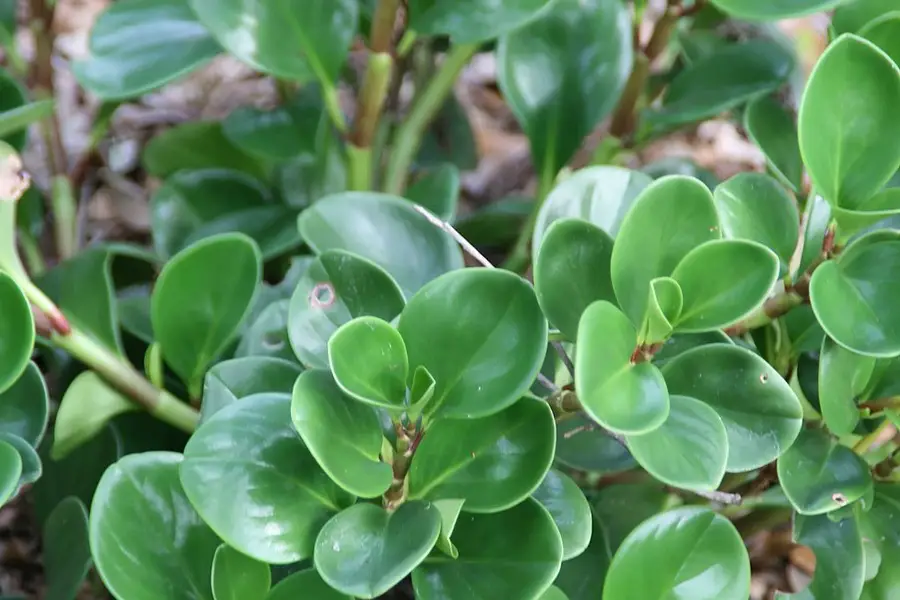
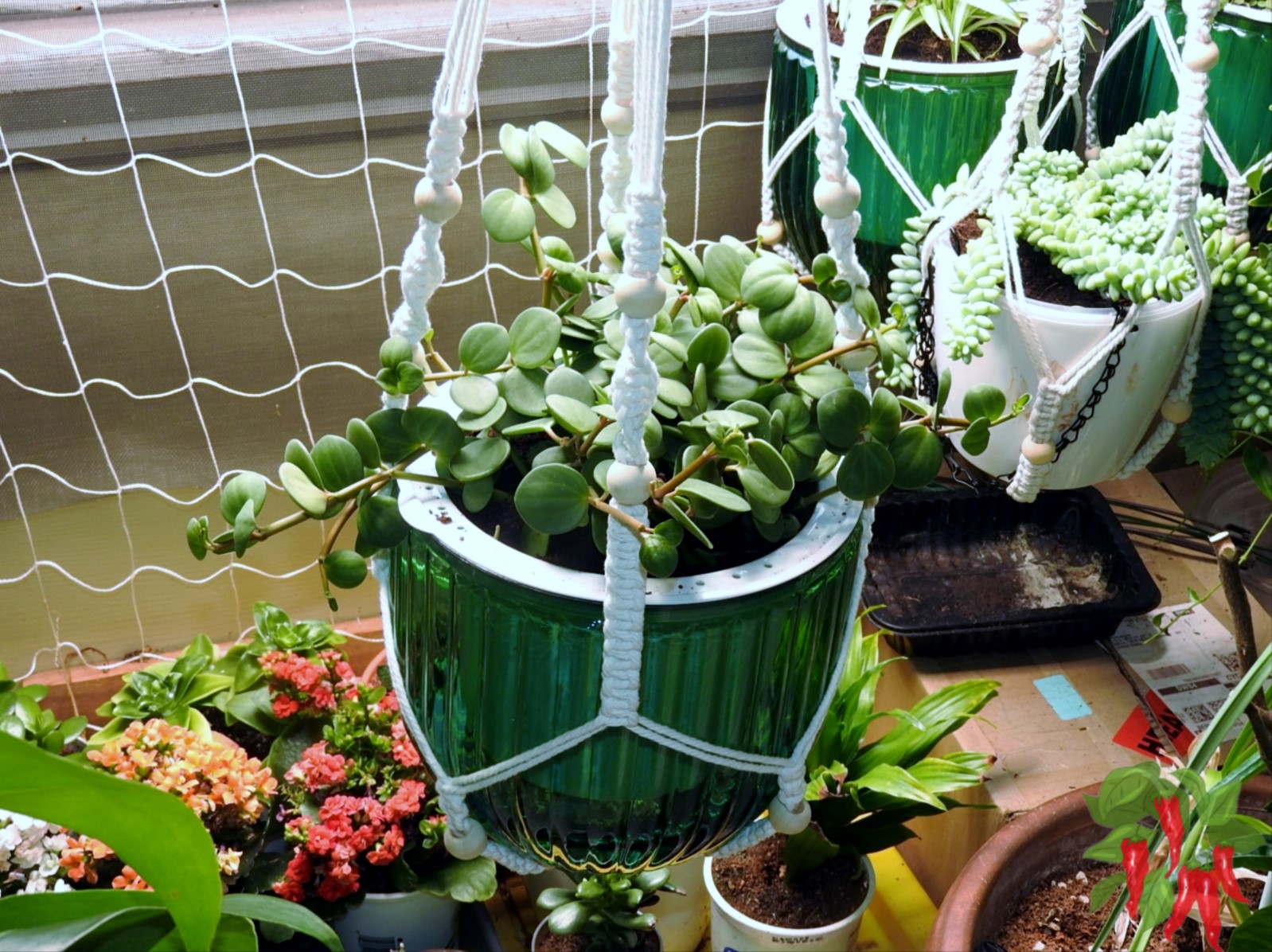
Peperomias are excellent desk plants. Many varieties stay compact, have shallow root systems, and tolerate indoor conditions well.
- 📍 Best for: Desks and shallow shelves
- ⚠️ Watch out for: Overwatering
🌵 Small succulents (with enough light)
Compact succulents can work on desks or shelves near bright windows. They stay small but require more light than leafy plants.
- 📍 Best for: Bright desks or window-adjacent shelves
- ⚠️ Watch out for: Low light causing stretching
📚 How to place plants on desks and bookshelves
Placement matters just as much as plant choice. Even the right plant can look awkward if it’s in the wrong spot.
🖥️ Desk placement tips
- Keep plants slightly off-center to avoid blocking your view
- Use heavier pots for tall plants to prevent tipping
- Choose plants that don’t shed leaves onto keyboards or papers
📖 Bookshelf placement tips
- Place plants toward the back of shelves for stability
- Mix upright plants with one trailing plant for balance
- Avoid crowding—negative space makes plants stand out
💡 Light realities for desk and shelf plants
Most desks and bookshelves receive indirect light. Even rooms with windows may not deliver enough light to deeper shelves.
- 🌤️ Near windows: Peperomia, succulents, pothos
- 🌥️ Medium light: Snake plant, ZZ plant
- 💡 Low light: Snake plant, ZZ plant (slow growth is normal)
If growth stalls, a brighter bulb or small desk grow light can make a big difference.
🚿 Watering rules for small pots
💧 Less soil dries faster
Desk and shelf plants often live in small pots, which dry out quicker than floor planters. Check soil regularly, but don’t water on a schedule.
🕳️ Drainage still matters
Always use pots with drainage or a nursery pot inside a decorative container. Standing water is the fastest way to kill compact plants.
🧽 Clean leaves occasionally
Dust builds up quickly at desk height. Wiping leaves helps plants photosynthesize and keeps them looking sharp.
🚫 Common desk and bookshelf plant mistakes
- ❌ Choosing fast-growing plants that outgrow shelves
- ❌ Using pots that are too light or too tall
- ❌ Overwatering because the plant “looks small”
- ❌ Cramming too many plants into one shelf
In small spaces, fewer well-chosen plants always look better than crowded shelves.
🎯 How to choose the right plant for your space
For low-light desks
- Snake plant
- ZZ plant
For bright desks or window-adjacent shelves
- Peperomia
- Small succulents
- Pothos (trimmed)
For tall, narrow shelves
- Compact snake plant
- ZZ plant
🐾 Are Desk and Bookshelf Plants Safe for Cats and Dogs?
When decorating desks and bookshelves with houseplants, pet safety is worth considering. Cats may climb onto shelves or desks, while dogs can sometimes reach plants on lower furniture. Some popular compact houseplants are toxic if eaten, so choosing the right varieties is especially important in homes with curious pets.
Fortunately, you can still create attractive displays using pet-friendly plants, stable containers, and thoughtful placement.
Pet Safety of the Five Featured Plant Groups
| Plant | Pet Safety |
|---|---|
| Snake Plant (Dracaena trifasciata) | Toxic to cats and dogs. Ingestion may cause nausea, vomiting, or diarrhea. |
| ZZ Plant (Zamioculcas zamiifolia) | Toxic if chewed or swallowed. Calcium oxalate crystals can cause mouth irritation, drooling, and digestive upset. |
| Pothos (Epipremnum aureum) | Toxic to cats and dogs. May cause oral irritation, drooling, vomiting, and difficulty swallowing. |
| Peperomia (Peperomia spp.) | Many commonly grown Peperomia species are considered non-toxic to cats and dogs. Confirm the species before purchasing. |
| Small Succulents (various species) | Varies by species. Haworthia and Echeveria are generally considered non-toxic, while Jade Plants and Aloe can be toxic to pets. |
Choosing Pet-Friendly Desk and Bookshelf Plants
If your cats or dogs have access to your desk or bookshelves, Peperomia varieties are among the better choices for compact greenery. Many stay small, have attractive foliage, and fit comfortably in decorative containers.
For a bright shelf, certain small succulents, including Haworthia and Echeveria, may also be suitable. Always check the botanical name because not every succulent is safe for pets.
Even plants classified as non-toxic are not intended to be eaten. Chewing foliage can still cause digestive upset, and fertilizers or plant treatments may introduce additional hazards.
Keep Desk and Bookshelf Displays Secure
Pet safety involves more than choosing non-toxic plants. Small containers can tip over, and trailing vines may attract cats that enjoy playing with hanging objects.
- Use stable containers: Choose pots with secure bases that are unlikely to tip when bumped.
- Keep plants away from shelf edges: Position containers where they cannot easily be knocked onto people or pets.
- Secure tall shelving: Anchor bookshelves and other furniture that could tip if a pet climbs onto them.
- Watch trailing vines: Keep Pothos and other potentially toxic trailing plants completely inaccessible to pets that chew foliage.
- Protect your workspace: Use waterproof saucers and keep watering spills away from electronics, cables, and important papers.
- Clean up fallen leaves: Remove dropped foliage, spilled growing medium, and standing water promptly.
Check Plant Toxicity Before Decorating
A compact plant may look perfect on a bookshelf, but its safety depends on the species and whether your pets can reach it. A high shelf is not necessarily inaccessible to a climbing cat, so pet-friendly plants are often the simplest choice for shared spaces.
If you suspect your pet has eaten a toxic houseplant, contact your veterinarian or an animal poison control service promptly.
For more information, visit the ASPCA Toxic and Non-Toxic Plants Database, where you can check individual plants by their common or botanical names.
❓ Frequently Asked Questions About Desk and Bookshelf Plants
What are the best desk plants for low light?
Compact Snake Plants and young ZZ Plants are among the best choices for desks with limited natural light. Both tolerate lower light levels and generally grow slowly indoors. However, low light does not mean complete darkness. If your desk is far from a window or receives very little usable light, a small LED grow light can help keep your plants healthy.
Do bookshelf plants need grow lights?
Not always. Bookshelf plants can grow successfully with natural light if the shelves receive enough illumination from nearby windows. However, deeper shelves and bookcases positioned far from windows may be too dark for healthy growth. A compact LED grow light can provide supplemental lighting, allowing you to decorate shelves that otherwise receive insufficient natural light.
How often should I water desk and bookshelf plants?
Water according to the plant’s needs and the moisture level of its growing medium rather than following a fixed schedule. Small containers may dry faster than larger pots, but light, temperature, plant size, and growing medium also affect watering frequency. Snake Plants, ZZ Plants, and many succulents prefer their growing medium to dry considerably between waterings, while Pothos and many Peperomias may need water more frequently.
Can trailing plants work on bookshelves?
Yes. Trailing plants such as Pothos can look beautiful on bookshelves because their vines soften straight shelf edges and add natural movement to the display. Keep the vines trimmed so they don’t cover books, block nearby objects, or become tangled. If you have cats or dogs, remember that Pothos is toxic when ingested, so choose a pet-friendly alternative for accessible shelves.
What plants stay small enough for a desk?
Many Peperomia varieties, compact Snake Plants, and small succulents are excellent choices for desks because they have manageable growth habits. Young ZZ Plants can also work well, although standard varieties may eventually outgrow the space. Choose plants that fit comfortably beside your computer, paperwork, and other desk accessories while leaving enough room for their foliage to develop.
What plants are best for narrow bookshelves?
Compact Snake Plants, small Peperomias, and carefully trimmed Pothos are good choices for narrow bookshelves. Upright plants make efficient use of vertical space, while compact varieties fit neatly between books and decorative objects. Measure the shelf depth before selecting a container, and make sure the pot sits securely without extending beyond the edge.
Can succulents grow on an office desk?
Yes, provided the desk receives enough light. Many compact succulents, including Echeveria and Haworthia, can make attractive desk plants, but their lighting requirements vary. Echeverias generally need strong light to maintain their compact shape, while some Haworthias prefer bright, filtered light. If your office desk receives little natural light, supplemental grow lighting may be necessary.
Which desk and bookshelf plants are safe for cats and dogs?
Many commonly grown Peperomia varieties are considered non-toxic to cats and dogs, making them appealing choices for accessible desks and bookshelves. Certain small succulents, including Haworthia and Echeveria, are also generally considered non-toxic. Snake Plants, ZZ Plants, and Pothos are toxic if ingested. Always confirm the botanical name and check the ASPCA Toxic and Non-Toxic Plants Database before adding unfamiliar plants to a home with pets.
🏁 Final Thoughts: Choosing the Best Desk and Bookshelf Plants
Desk and bookshelf plants are a wonderful way to bring greenery into your home without using valuable floor space. Whether you’re decorating a home office, bedroom, living room, or small apartment, a few carefully chosen houseplants can make shelves and workspaces feel more attractive, comfortable, and welcoming.
What I like about compact houseplants is how easily they fit into everyday spaces. A small Snake Plant can add upright greenery between books, a Peperomia can brighten a desk, and a trimmed Pothos can soften the edge of a bookshelf. You don’t need a large collection or elaborate display to make a noticeable difference.
Choose Plants That Fit Your Space
The best desk and bookshelf plants are those that fit comfortably in the available space and remain manageable as they grow. Compact Snake Plants and many Peperomias are excellent choices for narrow shelves, while young ZZ Plants can provide attractive upright foliage. Pothos works especially well when you want a trailing plant that can be kept neatly trimmed.
Think about the depth of your shelves, the height between shelves, and the space available around your desk. A plant that looks small at the garden center may eventually need a larger container or a different location. Giving your plants a little room to grow will help keep your display attractive over time.
Match Your Plants to the Available Light
Light is one of the most important considerations when decorating desks and bookshelves with living plants. Snake Plants and ZZ Plants tolerate lower light levels, while Peperomias and Pothos generally perform better with brighter indirect light. Most small succulents need stronger light to maintain their compact shape and healthy growth.
If your desk or bookshelf is far from a window, supplemental LED grow lighting can help. Even a small, well-positioned plant light can make more decorating locations practical for houseplants.
Keep Your Display Simple and Easy to Maintain
A few healthy plants usually create a more attractive display than shelves crowded with containers. Combine upright plants with an occasional trailing variety, choose pots that complement your furniture, and leave enough open space for books, decorative objects, and everyday activities.
Use stable containers, provide suitable drainage, and check the growing medium before watering. Keeping leaves clean and occasionally trimming overgrown plants will also help your display stay neat.
If you share your home with cats or dogs, remember that Snake Plants, ZZ Plants, and Pothos are toxic when ingested. Many Peperomias are generally considered non-toxic and can be a better choice for accessible shelves.
Start With One Plant and Build From There
If you’re just getting started, choose one compact plant that suits your lighting conditions and available space. A small Peperomia, compact Snake Plant, or young ZZ Plant can be a good starting point, depending on your household and growing conditions.
As you become familiar with the plant’s growth habits, you can experiment with additional containers, different heights, and new arrangements. Your display can change as your plants grow and your decorating preferences develop.
The best desk and bookshelf plants combine attractive foliage, manageable growth, and practical care. Choose plants that fit your space, give them the conditions they need, and enjoy bringing a little more greenery into your everyday surroundings.
Indoor Plant Shelf Ideas (Decorating With Plant Shelves Indoors)
For more plant shelf styling and display ideas, visit our category page here:
Plant Shelf Ideas.
Best Indoor Plants for Small Spaces: Big Impact Tiny Footprint!
📚 References and Further Reading
- University of Illinois Extension. Lighting for Houseplants. Guidance on matching indoor plants to different light levels, including Snake Plants, Pothos, and Peperomia.
- University of Illinois Extension. Brighten Up Dim Interiors With Low-Light Houseplants. Information on growing Snake Plants and ZZ Plants in rooms with limited natural light.
- North Carolina State University Extension. Peperomia (Radiator Plant). Botanical information, growth habits, lighting, and watering requirements for compact Peperomia varieties.
- University of Illinois Extension. Houseplant Spotlight: The ZZ Plant. Practical guidance on ZZ Plant size, indoor lighting, drainage, and watering.
Related Content
Visit my Amazon Influencer Page for videos and gardening products Grow Your Own Garden