This post contains affiliate links. If you buy something from one of our links we may earn a commission. Thanks
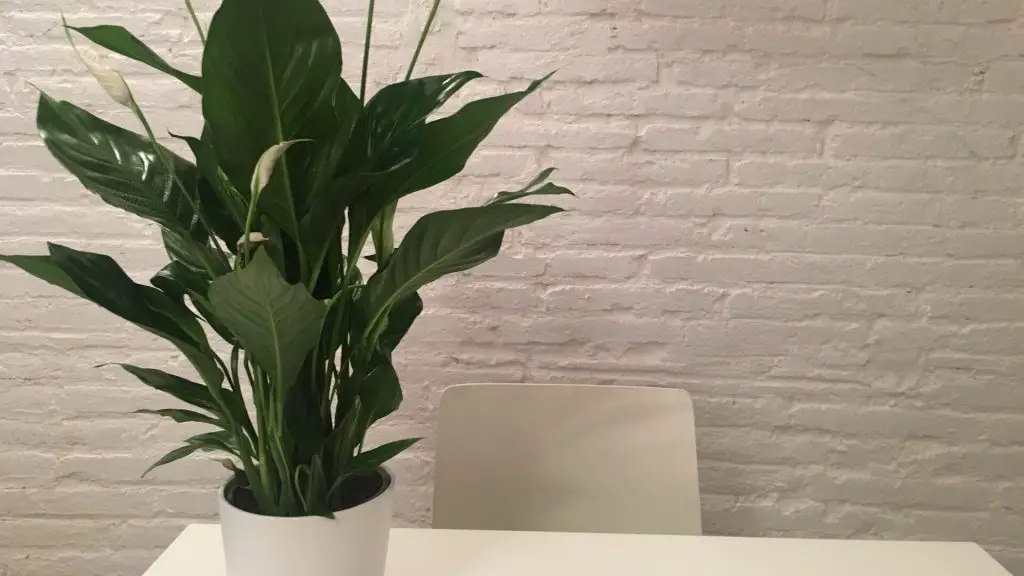
Identifying the Best Plants for Very Low Light Conditions
Identifying the Best Plants for Very Low Light Conditions isn’t as tricky as you might think!
Stuck with a dark corner that’s crying out for some green? Don’t worry – nature has some clever plant species that can thrive even in dim spaces.
Let’s explore how to find these shade-loving superstars and turn your low-light areas into lush, vibrant corners!
Best Plants for Very Low Light Conditions Key Takeaways
- Identifying the Best Plants for Very Low Light Conditions involves looking for plants with large, dark green leaves that efficiently capture light.
- Consider species like snake plants, ZZ plants, and pothos. Check plant labels for “low light” or “shade tolerant” indicators.
- Observe the plant’s natural habitat – those from forest floors often tolerate low light well.
Understanding Very Low Light Conditions
Before we dive into plant selection, it’s crucial to understand what we mean by “very low light” in indoor settings.
These are typically areas far from windows or in north-facing rooms where direct sunlight never reaches.
While challenging, these spaces aren’t impossible for plant growth – you just need to know what to look for.
Characteristics of Low Light Plants
Nature has equipped certain plants with remarkable adaptations to thrive in low light conditions.
These shade-loving species have developed unique features that allow them to make the most of limited light.
Understanding these characteristics not only helps in identifying suitable plants for dim spaces but also provides insights into their care requirements.
Plants adapted to very low light conditions often share certain traits:
• Large, broad leaves: To maximize light absorption
• Dark green foliage: Indicates high chlorophyll content for efficient photosynthesis
• Slow growth: Energy conservation in low-light environments
• Thin leaves: Allow light to penetrate through to lower leaves
Natural Habitats of Low Light Plants
To truly appreciate low light plants, it’s helpful to understand where they come from.
These resilient species have evolved in specific environments that shaped their ability to thrive in shade.
By exploring their natural habitats, we can better replicate ideal conditions in our homes and gain a deeper appreciation for these adaptable green wonders.
Many low light tolerant plants originate from:
• Forest understories
• Tropical rainforest floors
• Shaded rocky areas
Common Low Light Plant Families
In the vast world of botany, certain plant families have a knack for thriving in low light conditions.
Familiarizing yourself with these groups can give you a head start in identifying potential candidates for your shadier spots.
Let’s explore some of the most common plant families known for their shade tolerance and adaptability.
Certain plant families are known for their shade tolerance:
• Araceae: Includes pothos, philodendrons, and peace lilies
• Aspidistra: Features cast iron plants
• Dracaena: Includes many popular low-light houseplants
Reading Plant Labels
When shopping for low light plants, look for these indicators:
• “Low light” or “shade tolerant” descriptions
• Light requirement symbols: ◯ often indicates full shade tolerance
Popular Very Low Light Plants
Now that we understand the characteristics and origins of low light plants, let’s dive into some specific examples.
These popular species are not only capable of surviving in very low light conditions but can actually thrive and beautify even the dimmest corners of your space.
From hardy classics to lesser-known gems, there’s a low light plant for every preference.
Here’s a starter list of plants that thrive in very low light:
1. Snake Plant (Sansevieria)

Costa Farms Premium Live Indoor Snake Sansevieria Floor Plant Shipped in Décor Planter, 2-Feet Tall
2. ZZ Plant (Zamioculcas zamiifolia)
 Costa Farms ZZ Live Indoor Tabletop Plant in 6-Inch Grower Pot
3. Chinese Evergreen (Aglaonema)

4. Cast Iron Plant (Aspidistra elatior)

Aspidistra Elatior ‘Milky Way’ – 4″ from California Tropicals
5. Pothos (Epipremnum aureum)
 Pearls & Jade Pothos 4inch Pot Epipremnum aureum -Live Houseplants
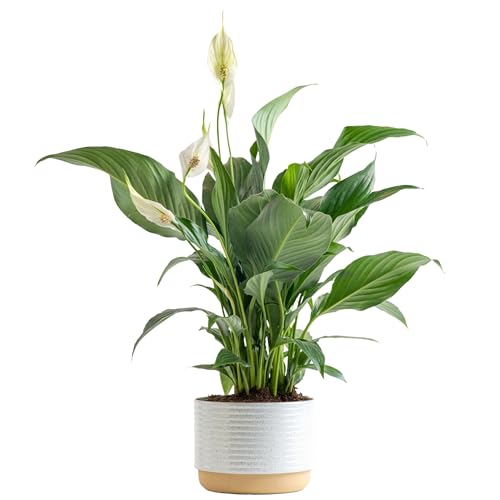
6. Peace Lily (Spathiphyllum)
7. Parlor Palm (Chamaedorea elegans)

8. Dracaena varieties

Assessing Light Levels in Your Space
Before bringing home your new low light plants, it’s crucial to understand the light conditions in your space.
But how do you measure something as intangible as light? In this section, we’ll explore practical methods for assessing light levels in your home or office, ensuring you can provide the right environment for your shade-loving plants.
To ensure you’re providing appropriate conditions:
• Use a light meter app on your smartphone
• Observe shadows: If you can barely see your hand’s shadow, it’s likely very low light
• Monitor for several days to account for variations
Care Tips for Very Low Light Plants
While low light plants are adaptable, they still require proper care to thrive. In this section, we’ll delve into the specific needs of these shade-tolerant species.
From watering practices to cleaning techniques, these care tips will help you maintain healthy, vibrant plants even in the dimmest conditions.
Let’s explore how to give your low light plants the TLC they need.
While these plants can tolerate low light, they still need proper care:
• Water sparingly: Low light means slower growth and less water consumption
• Clean leaves regularly to maximize light absorption
• Rotate plants occasionally for even growth
• Avoid fertilizing too much, as growth is naturally slow
Identifying the Best Plants for Very Low Light Conditions Conclusion:
Identifying plants that thrive in very low light conditions opens up possibilities for greening even the darkest corners of your home or office.
By understanding the characteristics of these shade-loving plants and assessing your light conditions, you can create lush, green spaces in areas you might have thought were inhospitable to plant life.
Very Low Light Plants Key Takeaways:
• Look for plants with large, dark green leaves
• Consider plants native to forest floors or understories
• Read plant labels for “low light” or “shade tolerant” indicators
• Use light meter apps or observe shadows to assess light levels
• Water sparingly and clean leaves regularly
• Rotate plants for even growth
• Avoid over-fertilizing in low light conditions
• Be patient – growth will be slower in very low light
By applying these principles and continuing to observe and learn, you’ll be well on your way to creating thriving green spaces even in the dimmest areas of your home or office. Happy low light gardening!
🌑 Low Light Plant Guides
Discover the best low light plants and learn how to keep them thriving with these helpful care tips and guides.
- 🌱 Best Low Light Plants (Pillar Guide)
- 💡 How to Measure Light Levels for Indoor Plants
- 🌿 Low Light Indoor Plants
- ⚠️ Troubleshooting Common Issues in Low Light
- ✨ Low Light Indoor Plants for Beginners
- 🪴 Tips for Maximizing Plant Health in Minimal Light
- 🎨 Creative Ways to Use Low Light Plants in Interior Design
- 🔎 Identifying the Best Plants for Very Low Light
- 🍃 Best Practices for Caring for Shade-Loving Plants
- 🌵 How to Care for Snake Plant
- See all articles in our Low Light Plants category
Related Content

Visit my Amazon Influencer Page for videos and gardening products Grow Your Own Garden