
This post contains affiliate links. If you buy something from one of our links we may earn a commission. Thanks
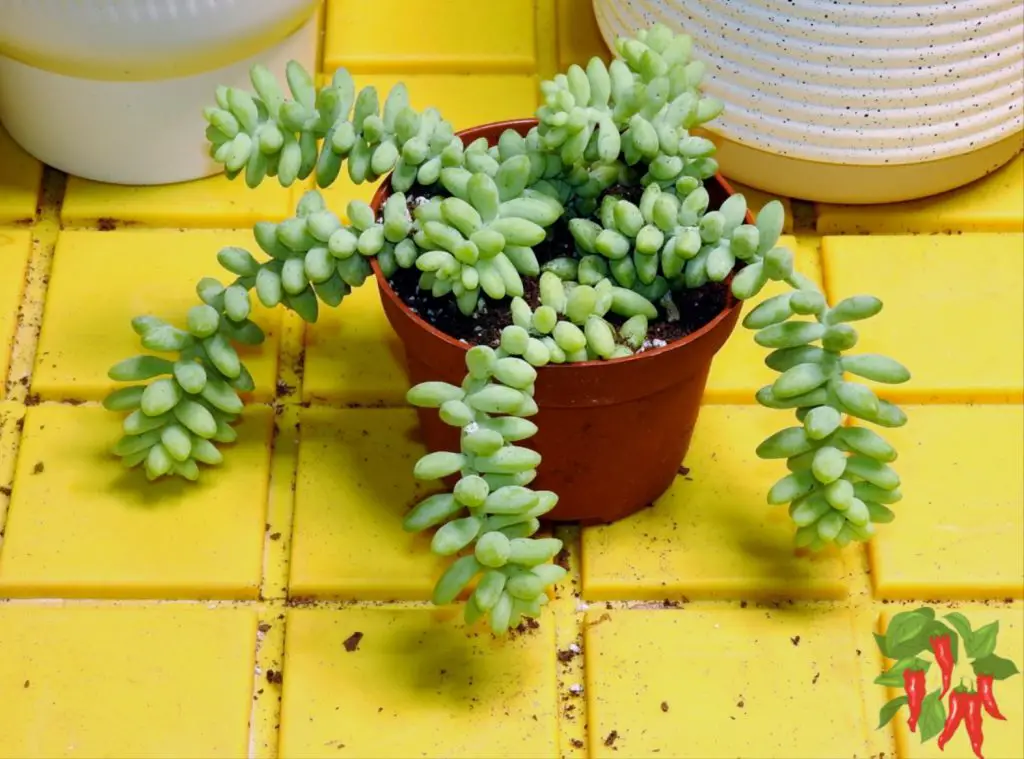
Sedum Burrito Care made simple! Learn how to keep your Burro’s Tail succulent healthy, happy, and growing like a pro. It’s easier than you think!
Sedum Burrito Care Indoors Made Simple
Sedum Burrito Care might sound tricky at first, but it’s really all about getting a few simple things right.
Struggling with droopy leaves or sluggish growth? Don’t worry! With the right tips and tricks, you’ll have this beautiful trailing succulent thriving and stealing the spotlight in no time.
Sedum Burrito Care Key Takeaways
- Sedum Burrito Care requires providing bright indirect light, well-draining soil, and a “soak and dry” watering routine.
- This succulent thrives in warm, dry conditions and needs minimal maintenance.
- Keep it out of frost and avoid overwatering to prevent root rot.
- Proper care ensures lush, trailing growth for this unique plant.
1. Sedum Burrito Succulent: A Brief Introduction
Sedum Burrito (Sedum morganianum), affectionately known as the Baby Burro’s Tail, is a trailing succulent that’s a favorite among plant lovers for its unique, cascading appearance.
Native to southern Mexico and Honduras, the Sedum Burrito plant is part of the Crassulaceae family, celebrated for its chubby, bead-like leaves.
Its soft green, slightly powdery foliage grows in plump, rope-like stems, making it a stunning addition to hanging baskets or shelves.
Sedum morganianum, the donkey tail or burro’s tail, is a species of flowering plant in the family Crassulaceae, native to southern Mexico. Wikipedia
Sedum Burrito isn’t just eye-catching. It’s also low-maintenance, perfect for both seasoned gardeners and beginners looking for an easy-care beauty.
Sedum Burrito for Sale
Want to get your own Sedum Burrito Succulent? I got mine on Amazon. It was part of a combo package with a Sedum Burrito and a String of Pearls.

2. Basic Care Requirements for Sedum Burrito
Caring for a Sedum Burrito is as simple as following a few key steps to meet its needs.
This plant thrives when its environment mimics its native arid habitat. Let’s break down the essentials for keeping your succulent happy and healthy:
Sedum Burrito Light Requirements
Sedum Burrito loves bright, indirect sunlight, which helps it maintain its vibrant green color and compact growth. While it can tolerate partial shade, too much low light might lead to leggy stems and sparse leaves. If grown indoors, placing it near a sunny window or under a grow light works wonders.
Burro’s Tail Soil
Well-draining soil is non-negotiable for this succulent. A sandy or loamy mix works best, as it prevents water from pooling around the roots and causing rot.
Many gardeners swear by a cactus or succulent potting mix for an easy, no-fuss solution.
Coco Coir and Perlite Mix for Sedum Burrito
A coco coir and perlite mix is an excellent soil choice for Sedum Burrito. It’s my go-to mix for all my succulents.
Coco coir retains just enough moisture without becoming waterlogged, while perlite improves drainage and aeration.
Together, they create a light, well-draining medium that prevents root rot and supports healthy growth. This mix is perfect for mimicking the plant’s natural arid habitat!
For a coco coir and perlite mix suitable for Sedum Burrito, aim for the following ratio:
- 70% Coco Coir: Provides moisture retention and a lightweight base.
- 30% Perlite: Ensures excellent drainage and airflow to prevent root rot.
This balanced blend keeps the soil airy while maintaining the right moisture level for your succulent to thrive.
Sedum Burrito Care – Watering
This plant prefers the “soak and dry” method. Allow the soil to dry out completely between waterings, then water thoroughly until it drains out the bottom.
Overwatering is a common issue, so when in doubt, wait a few extra days before watering again.
Temperature
Sedum Burrito thrives in temperatures between 64°F and 75°F, making it perfect for most indoor environments. However, it’s not frost-tolerant, so keep it away from cold drafts or freezing conditions if grown outdoors.
Humidity
Low to average humidity levels suit this succulent just fine. High humidity can encourage rot or fungal issues, so keep it in a well-ventilated space if your area tends to be damp.
By meeting these basic needs, your Sedum Burrito will reward you with lush, trailing growth that’s sure to be a showstopper in any space!
3. Sedum Burrito Propagation Techniques

Propagating the Sedum Burrito succulent is a fun and rewarding process, allowing you to grow more of these stunning succulents from just a few cuttings or offsets.
Whether you’re using leaves, stems, or offsets, here’s how to expand your plant family step by step:
Leaf Cuttings
Propagating Sedum Burrito from individual leaves is surprisingly simple and a great way to start. Here’s how to do it:
- Select Healthy Leaves: Gently twist off plump, undamaged leaves from the stem. Ensure the base of the leaf remains intact, as this is where new roots will form.
- Allow to Callus: Lay the leaves on a dry surface for 2–3 days to let the ends callus over. This step prevents rotting when planted.
- Plant in Soil: Place the callused ends on well-draining soil, but don’t bury them. Leave them in bright, indirect light.
- Water Sparingly: Mist the soil lightly when it feels completely dry. Roots should form within a few weeks, followed by tiny new plants.
Stem Cuttings
If you want faster results or have long, leggy stems, stem cuttings are the way to go. Follow these steps:
- Cut the Stem: Use clean, sharp scissors to snip a healthy stem with several leaves. Aim for a section that’s about 4–6 inches long.
- Let it Callus: Just like with leaves, allow the cut end to dry for a few days until it forms a callus.
- Plant in Soil: Insert the callused end into well-draining soil. Ensure the stem is upright and stable.
- Water Lightly: After planting, wait a few days before watering. Use the “soak and dry” method to encourage root growth. New roots typically appear in 2–3 weeks.
Offsets
Sedum Burrito often produces little “pups” or offsets at the base of the plant. These are ready-made new plants just waiting to be separated. Here’s how:
- Locate Offsets: Look for small clusters of growth near the base of the mother plant.
- Separate Gently: Use your fingers or a clean knife to carefully separate the offsets, ensuring they come away with some roots attached.
- Plant in Fresh Soil: Place the offsets in a small pot with well-draining soil, keeping them upright.
- Water Carefully: Water lightly to help the roots establish, but don’t overdo it. They’ll start growing independently in no time.
Propagation isn’t just practical—it’s exciting to watch new plants grow! Whether you’re starting with leaves, stems, or offsets, you’ll soon have a thriving collection of Sedum Burrito to share or enjoy.
4. Common Issues and Solutions for Sedum Burrito

Even with its low-maintenance reputation, Sedum Burrito can face a few challenges.
Thankfully, with some quick identification and proper care, most issues can be easily resolved.
Let’s dive into the common problems you might encounter and how to handle them.
Pests
Sedum Burrito is susceptible to common houseplant pests like mealybugs and spider mites. Here’s how to spot and treat them:
- Mealybugs: These tiny, white, cotton-like pests often hide in leaf crevices or along the stems.
Solution: Dab affected areas with a cotton swab dipped in rubbing alcohol to remove them. For larger infestations, use insecticidal soap or neem oil. - Spider Mites: Look for webbing or tiny specks on the leaves, often a sign of these tiny pests.
Solution: Increase humidity slightly by misting and wipe down the plant with a damp cloth. If needed, spray with neem oil or a diluted soapy water solution.
Diseases
While Sedum Burrito is hardy, it can still suffer from root rot and fungal infections if care conditions aren’t ideal.
- Root Rot: Caused by overwatering or poorly draining soil, root rot leads to mushy roots and a dying plant.
Prevention and Solution: Always let the soil dry completely between waterings and use a well-draining cactus mix. If rot is present, cut away the affected roots and repot the plant in fresh, dry soil. - Fungal Infections: Symptoms include discolored spots on leaves or stems.
Solution: Remove infected parts of the plant and ensure good airflow around it. Avoid overhead watering and consider using a fungicide if the problem persists.
Leaf Drop
If your Sedum Burrito is shedding leaves, it’s usually a sign of stress. Here’s what might be going wrong:
- Overwatering: Excess water can cause leaves to fall off, starting at the base of the plant.
Solution: Adjust your watering schedule and check that the soil drains properly. - Light Stress: Too much direct sunlight or insufficient light can also lead to leaf drop.
Solution: Move the plant to a spot with bright, indirect light. - Handling Damage: Sedum Burrito has fragile leaves that can fall off with rough handling.
Solution: Handle the plant gently and avoid moving it frequently.
By staying alert to these issues and addressing them promptly, your Sedum Burrito will remain healthy and beautiful.
A little extra care goes a long way in keeping this succulent thriving!
5. Seasonal Care for Sedum Burrito
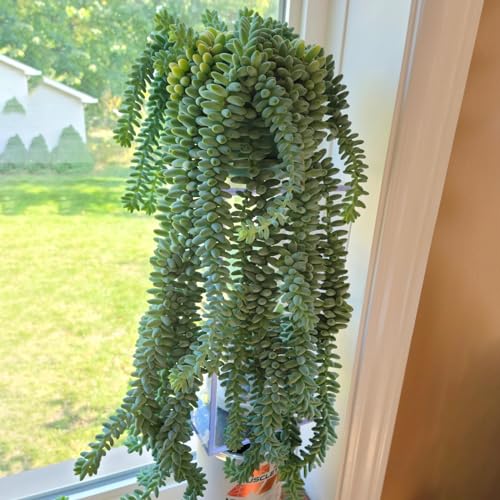
Just like people adjust to the seasons, your Sedum Burrito benefits from some seasonal tweaks to its care routine.
Understanding its growing and dormancy periods ensures it stays healthy and vibrant all year long.
Here’s how to keep your plant happy through the changing seasons.
Spring and Summer: The Growing Season
Spring and summer mark Sedum Burrito’s most active growth period, so this is the time to give it a little extra attention.
- Watering: Stick to the “soak and dry” method, but expect to water more often as the plant uses up moisture faster.
- Fertilizing: Feed the plant with a diluted succulent fertilizer once a month to encourage lush, trailing growth.
- Light: Make sure it gets plenty of bright, indirect sunlight, and if you move it outdoors, gradually acclimate it to avoid sunburn.
- Repotting: If the plant has outgrown its pot, spring is the perfect time to repot using fresh, well-draining soil.
- Propagation: Spring and early summer are ideal for taking cuttings or separating offsets to grow new plants.
Fall and Winter: The Dormant Phase
During fall and winter, Sedum Burrito slows down and enters dormancy. It’s time to dial back on care to let the plant rest.
- Watering: Reduce watering significantly, allowing the soil to stay dry longer between waterings. Overwatering during dormancy can lead to root rot.
- Temperature: Keep the plant in a space that stays above 50°F. If you’re in a colder climate, bring it indoors to protect it from frost.
- Light: While its growth slows, Sedum Burrito still needs bright, indirect light. Position it near a sunny window or under a grow light if natural light is limited.
- No Fertilizer: Skip fertilizing during this time, as the plant isn’t actively growing.
By adapting your care routine to the seasons, you’ll help your Sedum Burrito thrive year-round.
A little attention during its active phase and rest during dormancy will keep this succulent looking its best!
6. Advanced Care Tips for Sedum Burrito

Once you’ve mastered the basics, there are a few advanced care practices that can help your Sedum Burrito thrive even more.
Fertilization, pruning, and repotting are all ways to give this plant a little extra TLC to keep it growing strong and looking its best.
Fertilization
While Sedum Burrito is a light feeder, a little boost during its growing season can enhance its growth and vibrancy.
- When to Fertilize: Feed your plant once a month during spring and summer when it’s actively growing. Skip fertilizing in fall and winter to avoid stressing the plant.
- Type of Fertilizer: Use a balanced, diluted succulent or cactus fertilizer. Aim for a half-strength solution to avoid burning the roots.
- How to Apply: Water the plant first, then apply the fertilizer to moist soil. This prevents fertilizer salts from damaging the roots.
Pruning
Pruning isn’t just about looks—it helps your Sedum Burrito stay healthy and encourages fresh growth.
- When to Prune: Trim in spring or early summer, just before or during the growing season.
- How to Prune: Use sharp, clean scissors or pruning shears to remove leggy, damaged, or dead stems. Trim back overgrown sections to shape the plant or to encourage bushier growth.
- What to Do With Cuttings: Don’t throw them away! Use trimmed stems for propagation to grow new plants.
Repotting
Sedum Burrito doesn’t need frequent repotting, but occasionally it will outgrow its container or need fresh soil.
- When to Repot: Plan to repot every 2–3 years, or when you notice roots growing out of the drainage holes or the soil becoming compacted.
- How to Repot:
- Choose a pot slightly larger than the current one, with good drainage.
- Prepare a fresh succulent or cactus mix.
- Gently remove the plant, shaking off old soil from the roots.
- Place it in the new pot and fill it with fresh soil, leaving some space at the top.
- Wait a few days before watering to let any damaged roots heal.
By incorporating these advanced care practices, your Sedum Burrito will continue to thrive and flourish.
A little extra attention to fertilization, pruning, and repotting can make all the difference in keeping this stunning succulent at its best!
7. Display Ideas for Sedum Burrito
Sedum Burrito is a showstopper when displayed creatively, thanks to its lush, cascading stems.
Whether you want to highlight its natural beauty or mix it up with other plants, there are plenty of ways to showcase this succulent in style.
Hanging Baskets
Hanging baskets are a classic way to display Sedum Burrito, as they perfectly complement its trailing growth habit.
- Why It Works: The plant’s long, rope-like stems spill over the edges, creating a stunning waterfall effect.
- How to Style: Use a lightweight, well-draining hanging pot, and position it in a spot with bright, indirect light. Indoors, hanging it near a sunny window works beautifully.
- Pro Tip: Rotate the basket occasionally to ensure even light exposure and growth.
Terrariums
While not a traditional choice for Sedum Burrito, terrariums can add a modern twist to its display.
- Why It Works: Glass enclosures highlight the plant’s unique leaf structure and create a mini indoor garden.
- How to Style: Use an open-top terrarium to allow for airflow and prevent excess moisture. Add layers of pebbles, activated charcoal, and cactus soil, then gently nestle the Sedum Burrito inside.
- Pro Tip: Avoid overwatering, as the enclosed space can trap moisture and lead to rot.
Mixed Succulent Arrangements
Pairing Sedum Burrito with other succulents creates a visually striking arrangement that adds texture and color to any space.
- Why It Works: Its trailing stems contrast beautifully with upright or rosette-shaped succulents like Echeveria or Haworthia.
- How to Style: Choose a shallow, wide planter and group the plants in clusters. Leave enough space for each plant to grow without crowding.
- Pro Tip: Stick to succulents with similar light and water requirements for a low-maintenance, cohesive display.
Whether you prefer the elegance of a hanging basket, the charm of a terrarium, or the versatility of a mixed arrangement, Sedum Burrito’s beauty will shine in any setting.
Get creative and make it the star of your space!
8. Safety Considerations for Sedum Burrito
When introducing plants into your home, it’s always a good idea to know whether they’re safe for both your furry friends and your family.
Sedum Burrito, while stunning, has a few safety aspects to keep in mind.
Toxicity to Pets
The good news? Sedum Burrito is considered non-toxic to pets, making it a safer choice for households with cats, dogs, or other animals.
However, it’s still best to keep the plant out of reach. Curious pets might nibble on the leaves, which could cause mild stomach upset or vomiting due to the indigestible nature of the plant material.
Toxicity to Humans
For humans, Sedum Burrito is also generally safe. However, the leaves are delicate and coated with a fine, powdery substance that can rub off with handling.
While not harmful, it’s a good idea to wash your hands after touching the plant, especially if you have sensitive skin.
Best Practices
- Placement: Keep Sedum Burrito in a spot where pets and young children won’t accidentally knock it over. The leaves are fragile and prone to breaking off.
- Handling: Handle the plant carefully to avoid damaging its leaves and stems.
- Emergency Tip: If ingestion occurs and you notice any adverse reactions in pets or humans, consult a veterinarian or doctor for guidance.
With these safety tips in mind, you can confidently enjoy the beauty of your Sedum Burrito while keeping everyone in your home safe!
9. Sedum Burrito vs. Donkey Tail: What’s the Difference?
Sedum Burrito and Donkey Tail (Sedum morganianum) are often mistaken for one another but they each have unique traits.
Sedum morganianum Burrito features smaller, rounder, bead-like leaves and a denser, more compact growth habit. Sometimes it is sold as Burro’s Tail.
In contrast, Sedum morganianum Donkey Tail has longer, more elongated leaves and tends to grow with a looser, flowing cascade.
Which One Fits Your Space Better?
If you’re working with a smaller area or prefer a tidy, compact look, Sedum Burrito is a great choice.
Its dense trailing stems make it perfect for hanging baskets or cozy displays.
For those with ample space who want a more dramatic, flowing effect, Donkey Tail’s longer, trailing stems add an impressive statement to any collection.
Choosing the Right Plant for You
The decision ultimately comes down to personal preference and space. Both are beautiful, low-maintenance succulents that will thrive with proper care.
Whether you choose Sedum Burrito or Donkey Tail, you’ll have a striking addition to your indoor or outdoor garden!
9. Conclusion: Growing Your Sedum Burrito
Caring for a Sedum Burrito is a joyful and rewarding experience. This gorgeous succulent’s cascading stems and chubby, bead-like leaves make it a standout addition to any plant collection.
By focusing on its basic needs—like bright, indirect light, well-draining soil, and proper watering—you’ll set your plant up for success.
Mastering Advanced Sedum morganianum Care and Display Ideas
We’ve also explored advanced care tips like fertilizing, pruning, and repotting, along with creative display ideas to show off its beauty.
Hanging baskets, terrariums, and mixed succulent arrangements bring out its unique charm, while thoughtful pruning and propagation ensure its long-lasting health and growth.
Safe and Family-Friendly Succulent
Best of all, Sedum Burrito’s non-toxic nature makes it a safe, family-friendly choice.
You can enjoy its beauty without worry, knowing it’s gentle for pets and humans when handled with care.
Sedum morganianum Key Takeaways
- Provide bright, indirect sunlight for healthy growth.
- Use well-draining soil and practice the “soak and dry” watering method.
- Protect from frost and avoid overwatering to prevent root rot.
- Propagate using leaves, stems, or offsets to grow new plants.
- Showcase its beauty in hanging baskets, terrariums, or mixed arrangements.
This simple care routine will keep your Sedum Burrito looking lush and happy!
Bringing It All Together
Caring for a Sedum Burrito plant doesn’t need to be complicated. Whether you’re mastering its watering schedule, finding the perfect sunny spot, or learning propagation tricks, this plant rewards your effort with its striking, cascading beauty.
Ready to let this succulent shine in your collection?
With this guide, you’re ready to make your Sedum Burrito thrive and become a proud centerpiece in your home. Happy growing!
🌵 Indoor Succulent Guides
Discover how to grow, care for, and enjoy stunning indoor succulents! These guides cover everything from light needs to individual plant care.
- 🌱 Indoor Succulent Plant Care (Pillar Guide)
- 💡 Light Requirements for Indoor Succulents
- 🌙 Best Indoor Succulents for Low Light
- 🌵 Succulents and Cacti for Indoors
- 🌿 How to Grow Jade Plants
- 🪴 How to Grow Gasteria
- 🔥 Crassula Capitella ‘Campfire’ Plant
- 🌸 Sedum Burrito Care
- ✨ 17 Benefits of Growing Succulents Indoors
- 🍃 Crassula Capitella Varieties
- 🌼 Kalanchoe Care Indoors
- 🌴 Caring for Ponytail Palm
- 💎 String of Pearls Care
- See all articles in our Indoor Succulents category
Related Content

Visit my Amazon Influencer Page for videos and gardening products Grow Your Own Garden