
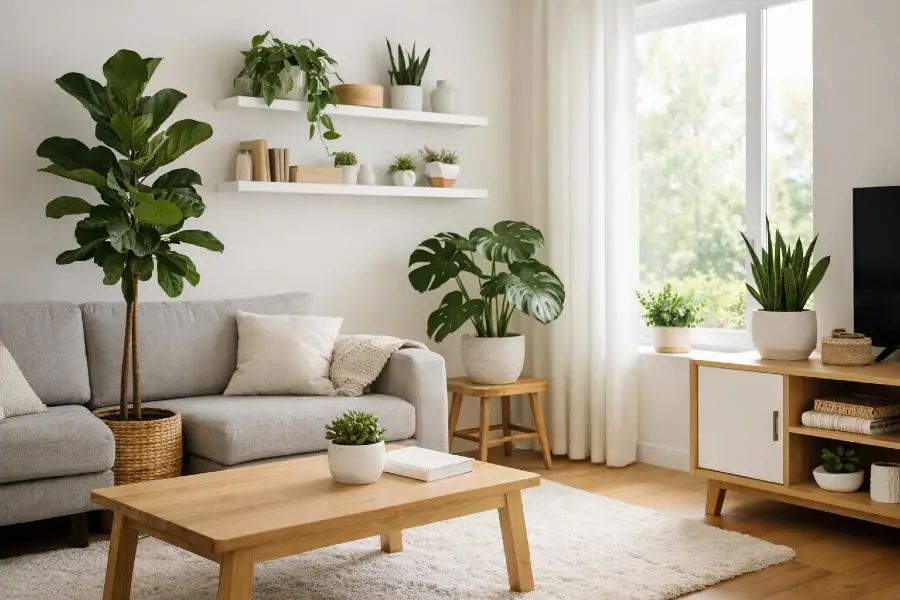
If you’re trying to figure out where to put plants in a room, the answer is usually less about the plant and more about the space. Indoor plants work best when they fill empty areas, soften furniture lines, or add height where a room feels flat.
Many people buy a plant first and then try to find a place for it later, but decorating with indoor plants usually works better when you look at the room first and decide what it needs.
This guide will show you the best places to put indoor plants in a room including corners, shelves, tables, windows, and small spaces so your plants look intentional and not randomly placed.
Find Easy Indoor Houseplants On Amazon
What You’ll Learn
- Best places to put indoor plants in a room
- How plant placement affects how a room looks and feels
- Where large plants vs small plants should go
- How to place plants in small rooms and apartments
- Common indoor plant placement mistakes
🌿 Think of Plants as Part of the Room Layout
Indoor plants should be treated like furniture or decor pieces, not just objects that sit wherever there is space. A well-placed plant can fill an empty corner, balance a heavy piece of furniture, or soften a shelf that looks too rigid.
Before deciding where to put a plant, look at the room and identify areas that feel unfinished or empty. Plants work best when they solve a visual problem in the room.
- Empty corners that need height
- Shelves that look too stiff or flat
- Tables that feel unfinished
- Windows that could use greenery
- Small spaces that need decor without more furniture
If you want a full guide on styling plants around a room, you can also read How to Decorate With Indoor Plants.
📍 Put Plants in Empty Corners
Corners are one of the best places to put indoor plants because they often need height and visual interest. A plant can fill the space without adding bulky furniture.
Large plants work especially well in corners because they can anchor the room and make the layout feel more balanced.
- 🌳 Tall plants work best in corners
- 🪴 Medium plants can be raised on stands
- 🌿 Corners near windows are ideal for light-loving plants
If the corner is dark or north-facing, you may want to read Creative Ideas for Decorating Dim Corners and North Facing Spaces.
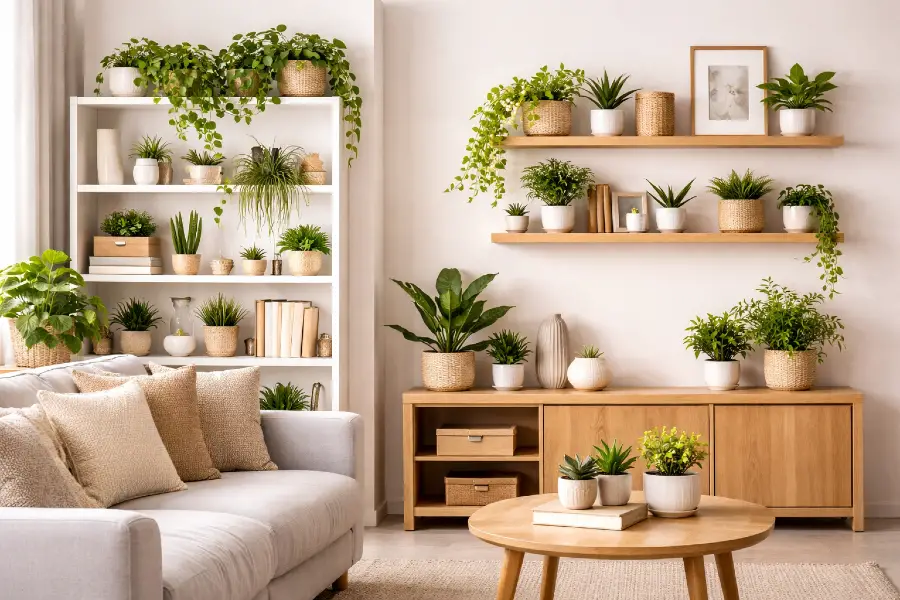
📚 Put Plants on Shelves and Bookcases
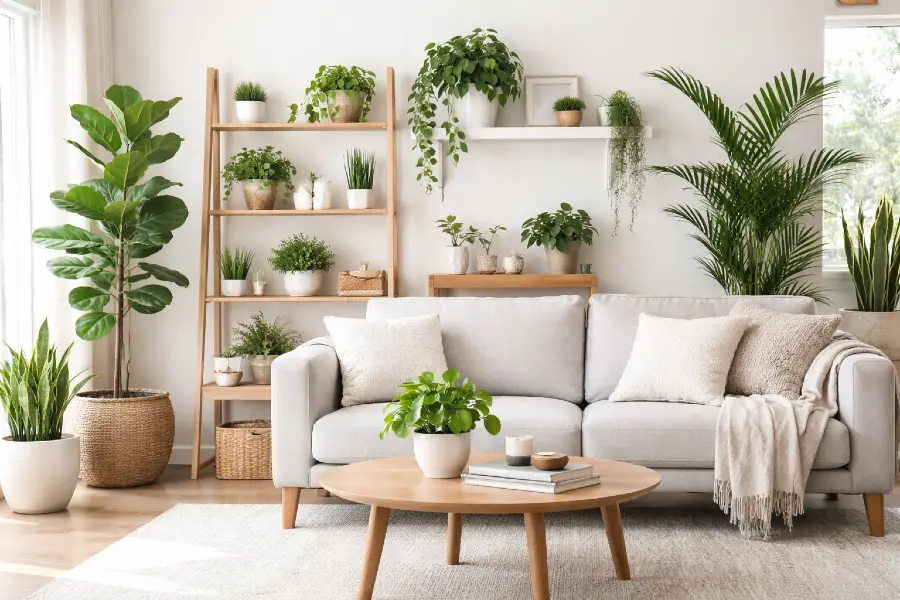
Shelves are perfect for smaller plants and trailing plants. Plants break up rows of books and decor items and help shelves feel more natural and less rigid.
When placing plants on shelves, try not to put plants on every shelf. Leaving some empty space usually looks better.
- Trailing plants work well on higher shelves
- Small upright plants work on eye-level shelves
- Mix plants with books and decor items
- Avoid overcrowding shelves
If you are working with limited floor space, shelves are one of the best ways to add plants without making the room feel crowded. You can also see Maximize Vertical Space With Indoor Plants for more ideas.
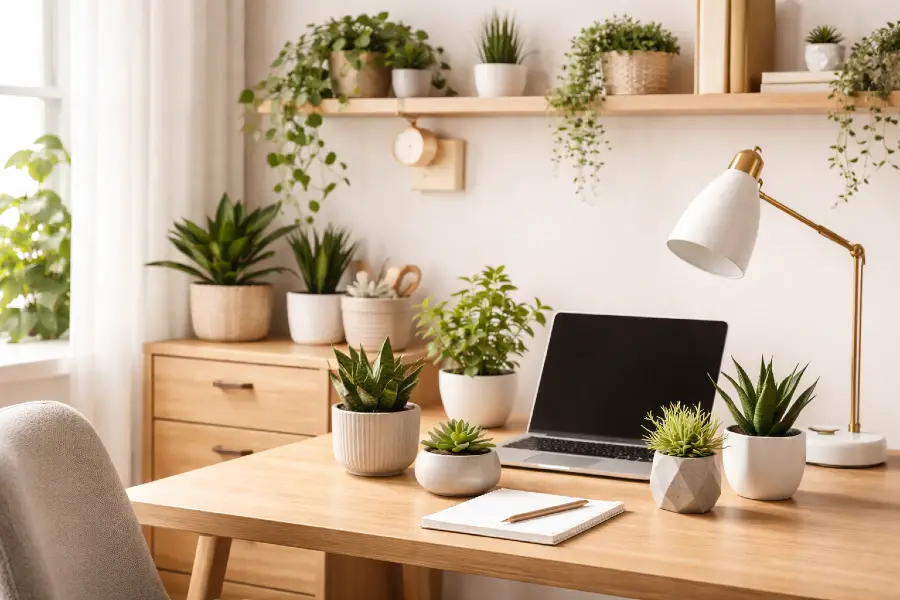
🪑 Put Plants on Tables, Consoles, and Desks
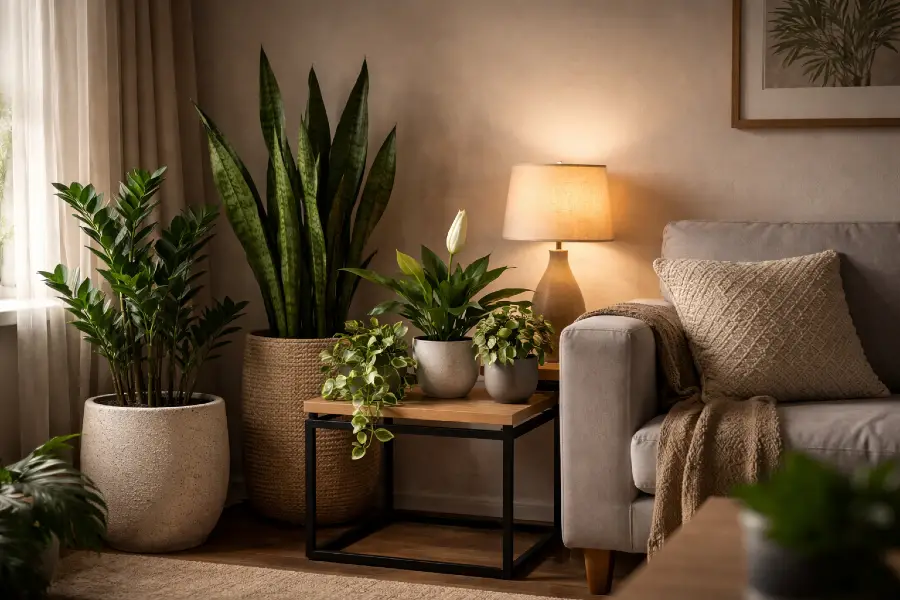
Tables are one of the easiest places to add indoor plants because even a small plant can make the space feel more complete. Coffee tables, side tables, entry tables, desks, and dressers are all good locations.
The main thing to watch is size. A plant that is too large can take over the table, while several tiny plants can look cluttered.
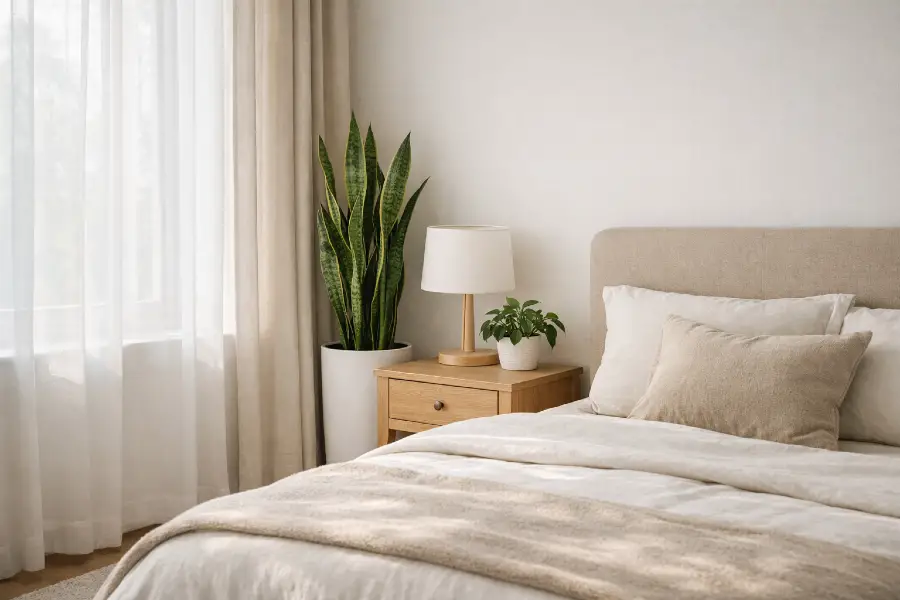
- Use small plants on desks and nightstands
- Use one plant on a coffee table instead of several
- Entry tables look good with one medium plant
- Keep table plants low so they do not block views
🪟 Put Plants Near Windows
Windows are one of the most natural places for indoor plants because many plants need bright light. Plants near windows often look more intentional because they are placed where they can actually grow well.
You do not need to fill every window with plants. Usually one or two plants near a window looks better than a crowded windowsill.
- 🌞 Windowsills work well for small plants
- 🪴 Medium plants can go on stands near windows
- 🌿 Trailing plants can hang near windows
- 🌳 Large plants can sit beside bright windows
🏠 Put Plants Beside Furniture
Plants look very natural when placed beside furniture like sofas, chairs, cabinets, and media consoles. This helps soften the straight lines of furniture and makes the room feel more balanced.
A plant beside a sofa or chair often looks better than a plant placed randomly in the middle of a wall.
- Place plants beside sofas to soften the edges
- Put plants near media consoles to add height
- Use plants beside cabinets or shelves to balance the room
🏠 Where to Put Plants in Small Rooms
Small rooms and apartments can still look great with indoor plants, but placement becomes more important. In small spaces, plants should usually go up instead of out.
- Use shelves instead of floor space
- Use narrow plant stands
- Use windowsills for plants
- Use hanging plants instead of large floor plants
Small spaces usually look better with fewer plants placed well instead of many small plants scattered everywhere.
🌿 Balance Plants Around the Room
Another important part of plant placement is balance. If all the plants are on one side of the room, the space can feel uneven. Try to spread plants around the room so the space feels balanced.
This does not mean every corner needs a plant, but it does help if plants are placed in different areas so the room feels cohesive.
- One plant in a corner
- One plant on a shelf
- One plant near a window
- One plant on a table or desk
This simple layout often looks better than grouping all plants in one spot.
⚠️ Common Indoor Plant Placement Mistakes
Many plant placement mistakes happen when people try to put plants everywhere instead of placing them intentionally.
- Putting too many plants in one room
- Using plants that are too small for the space
- Ignoring light conditions
- Putting plants where they get bumped or in the way
- Clustering all plants on one side of the room
Plants should improve the room, not make it harder to walk through or use the space.
📋 Simple Indoor Plant Placement Guide
If you are not sure where to start, this simple placement guide works in most rooms:
- 🌳 One plant in a corner
- 📚 One plant on a shelf
- 🪟 One plant near a window
- 🪑 One plant on a table or desk
That simple setup can make almost any room feel more finished without adding clutter.
🌿 Final Thoughts
Knowing where to put plants in a room is really about balance, light, and filling empty spaces. Indoor plants usually look best in corners, on shelves, near windows, beside furniture, and on tables where they help the room feel more complete.
When plants are placed intentionally instead of randomly, the whole room looks more balanced and designed instead of cluttered.
How to Decorate With Indoor Plants (Indoor Plant Styling and Decor Ideas)
If you want more indoor plant styling ideas, you can browse all of our articles here:
Plant Styling & Decor.
Frequently Asked Questions
Where should indoor plants go in a living room?
Indoor plants usually look best in empty corners, on shelves, on side tables, and near windows where they can receive natural light.
Is it better to put plants on the floor or on shelves?
Large plants usually look best on the floor in corners, while smaller plants work better on shelves, tables, and windowsills.
How many plants should be in a room?
Most rooms look best with a few well-placed plants instead of many small plants scattered everywhere.
Where should plants go in a small apartment?
In small apartments, plants usually work best on shelves, windowsills, and narrow plant stands instead of taking up floor space.
Can plants go in dark corners?
Yes, but you need to choose plants that tolerate low light conditions for darker corners and north-facing rooms.
➡️ Next Post
Next: Decorating Shelves With Plants (Shelf Plant Styling Ideas)
Related Content
Visit my Amazon Influencer Page for videos and gardening products Grow Your Own Garden