
This post contains affiliate links. If you buy something from one of our links we may earn a commission. Thanks
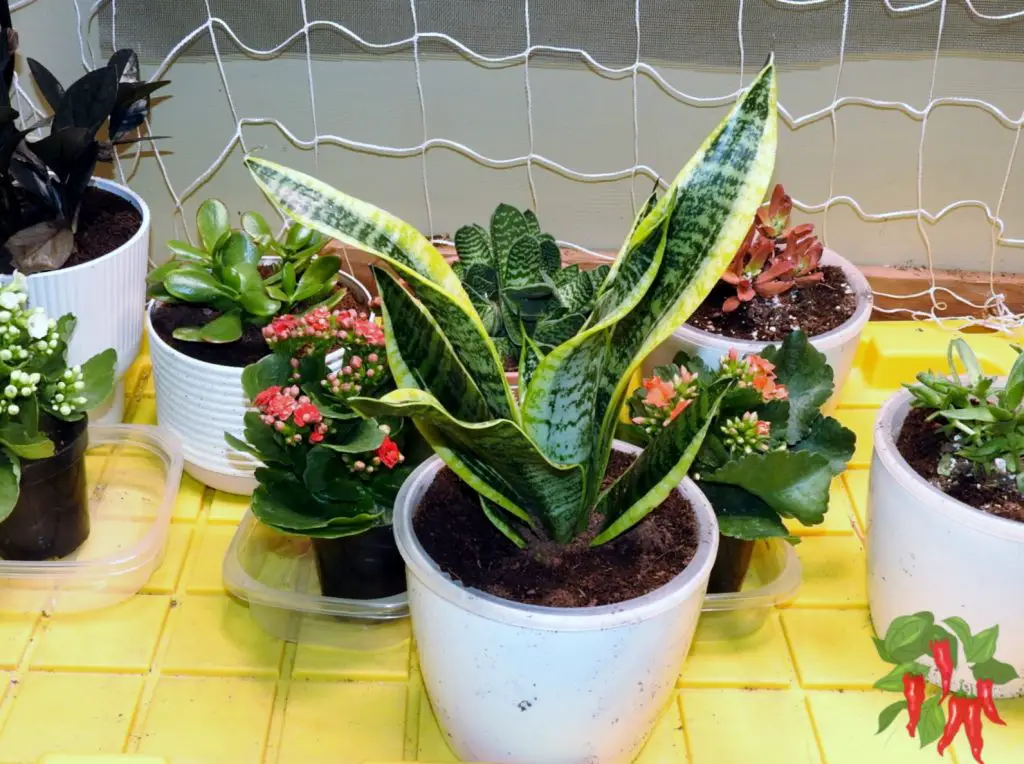
Learn everything about growing Snake Plants indoors, from care tips to Feng Shui placement, for a healthy, low-maintenance, and positive-energy plant.
Growing Snake Plants Indoors Key Takeaways:
- Growing Snake Plants Indoors is simple and rewarding.
- These hardy plants thrive in bright indirect light.
- They tolerate low light and need minimal watering.
- Use well-draining soil and let it dry out between waterings.
- Snake plants purify the air and bring Feng Shui benefits.
- They are easy to grow and perfect for beginners.
Why Grow Snake Plants Indoors?
Growing Snake Plants Indoors is a simple and rewarding way to bring fresh greenery and positive vibes into your home.
If you’ve ever struggled with fussy houseplants that just won’t cooperate, snake plants are the perfect low-maintenance alternative.
They thrive in almost any condition, purify the air, and add a touch of Feng Shui harmony to your space.
Buy Your Own Snake Plant
I got my Snake Plant on Amazon. It’s the one in this post’s top pic. You can get one too. It’s very easy to care for and almost bullet proof even for newbies.

1. Growing Snake Plants Indoors
Snake plants are a dream come true for anyone, whether you’re new to houseplants or simply don’t have much time to spare.
Their tall, stylish leaves bring a modern vibe to any room, and they’re incredibly easy to care for.
Here’s everything you need to know about giving your snake plant the right light, water, and soil to keep it thriving.
Light Requirements
Snake plants are versatile when it comes to lighting, making them perfect for almost any indoor space.
- Bright, Indirect Light: They thrive in bright, indirect light, which encourages healthy growth and vibrant leaves.
- Low Light Tolerance: Snake plants can adapt to low light conditions, though growth may slow.
- Avoid Direct Sunlight: Too much direct sunlight can scorch the leaves, leading to unsightly damage.
Watering Needs
Overwatering is the biggest mistake you can make with a snake plant. Knowing when and how much to water is key to keeping them healthy.
- Dry Soil Between Waterings: Allow the soil to dry out completely before watering to avoid root rot.
- Water Sparingly: These plants need less water in cooler months when their growth slows.
- Watch for Signs: Yellowing or mushy leaves are signs of overwatering—scale back immediately.
Soil and Potting
The right soil and pot setup can make all the difference in preventing common problems like overwatering.
- Well-Draining Soil: Use a cactus or succulent mix that allows water to pass through quickly.
- Drainage-Friendly Pots: Always choose pots with drainage holes to let excess water escape.
- Repot When Needed: Repot every 2-3 years or when the plant outgrows its container.
With the right balance of light, water, and soil, your snake plant will survive and thrive in your home.
Snake Plant Care Reference Guide
| Characteristic | Details |
|---|---|
| Common Name | Snake Plant |
| Botanical Name | Dracaena trifasciata (formerly Sansevieria trifasciata) |
| Native Habitat | West Africa |
| Plant Type | Succulent |
| Growth Pattern | Upright, sword-like leaves |
| Mature Size | 1-4 feet tall, 1-2 feet wide |
| Watering | Allow soil to dry out completely between waterings |
| Light/Sun Exposure | Bright, indirect light; tolerates low light |
| Soil Type | Well-draining soil; cactus or succulent mix |
| Soil pH | 6.0-7.0 (neutral to slightly acidic) |
| Temperature | 60-80°F (16-27°C); avoid temperatures below 50°F (10°C) |
| Humidity | Low; tolerates dry indoor conditions |
| Bloom Time & Flower Color | Rare; produces small, fragrant greenish-white flowers |
| Potential Problems | Root rot, overwatering, pests like mealybugs and spider mites |
| Repotting | Every 2-3 years or when root-bound |
| Hardiness Zones (USDA) | 9-11 (indoor plant in most climates) |
2. Feng Shui Placement for Snake Plants
 Costa Farms Premium Live Indoor Snake Sansevieria Floor Plant Shipped in Décor Planter, 2-Feet Tall
Snake plants don’t just look amazing they’re little energy boosters for your home.
In Feng Shui, their tall, upright leaves represent growth and protection, making them perfect for creating a space that feels balanced and welcoming.
Let’s figure out where they’ll shine the brightest in your home.
Optimal Locations
Picking the right spot for your snake plant can do wonders for the energy flow in your space.
- East or Southeast Areas: These directions are all about health and prosperity in Feng Shui, so popping a snake plant here is like giving your home a little energy upgrade.
- Near Entryways: Place your snake plant by the front door to block negative vibes and create a friendly, inviting atmosphere.
- Office Corners: If your workspace feels a little stale, a snake plant can help freshen up the energy and keep you focused.
Areas to Avoid
Even though snake plants are awesome, they don’t belong everywhere.
- Bedrooms: Their sharp, spiky leaves can mess with the calming energy you need for good sleep, so skip the bedroom placement.
- Cluttered Spots: Keep them out of messy areas—clutter blocks the positive flow of energy, and your snake plant deserves better than that.
Placing your snake plant in just the right spot can make your home feel more vibrant and balanced while keeping negativity at bay.
3. Snake Plant Watering Schedule
Snake plants are tough and low-maintenance, but when it comes to watering, they’ve got one rule: less is more.
Overwatering is their number-one enemy, so understanding when and how to water them is crucial.
Let’s dive into the best ways to keep your snake plant hydrated without drowning it.
General Watering Guidelines
Snake plants are desert natives, so they’re used to dry conditions. Watering them too often is a recipe for trouble.
- Check the Soil: Water only when the top inch of soil feels completely dry. A quick poke with your finger will tell you if it’s time.
- Cut Back in Winter: During the cooler winter months, the plant’s growth slows, so you can water less frequently. Think every 3-4 weeks.
Signs of Overwatering
Snake plants aren’t shy about letting you know when they’ve had too much water. Watch for these telltale signs:
- Yellowing Leaves: A signal that the roots are struggling from sitting in soggy soil.
- Soft, Mushy Leaves: This is often a sign of root rot caused by excess moisture.
Tips for Proper Watering
A little prevention goes a long way with snake plants. Keep these tips in mind:
- Drainage is Key: Always use pots with drainage holes to let excess water escape.
- Use the Right Soil: A well-draining cactus or succulent mix helps prevent waterlogging.
- A coco coir and perlite mix makes an alternate more sustainable choice. Try a 50/50 mix or use a 75% coco to 25% perlite for less frequent watering.
- Don’t Guess—Check: If you’re unsure, wait another day or two. Snake plants handle dryness better than excess water.
Watering your snake plant the right way keeps it happy and healthy without any fuss.
4. Benefits of Snake Plants in Feng Shui

Snake plants bring more to the table than just their stylish looks. They pack a powerful punch when it comes to energy and health.
In Feng Shui, they’re known as protectors of the home, and their air-purifying abilities make them a top choice for anyone looking to freshen up their space.
Protective Energy
Think of snake plants as your home’s bodyguard, quietly standing watch with their strong, upright leaves.
- Symbol of Strength: Their tall, sword-like leaves represent resilience and protection, warding off negative energy.
- Ideal for Entryways: Placed near a doorway, they act as a shield, keeping bad vibes out and inviting good energy in.
Air Purification
Snake plants don’t just look good—they’re like living air filters, cleaning up your home’s atmosphere.
- Removes Toxins: They’re known for reducing harmful substances like formaldehyde, benzene, and carbon dioxide.
- Boosts Oxygen: Unlike most plants, snake plants release oxygen at night, making them a great addition to your home.
Health Benefits
A healthier home means a healthier you, and snake plants make that happen effortlessly.
- Improved Air Quality: Cleaner air can reduce allergies and irritants, making your space more comfortable.
- Stress Relief: Having plants around has been shown to lower stress levels and create a calming environment.
Snake plants truly are the full package—stylish, functional, and full of positive energy.
5. Propagating Snake Plants
Propagating snake plants is a simple and rewarding way to grow your collection or share these amazing plants with friends.
Whether you’re a first-timer or a pro, snake plants make propagation straightforward and stress-free.
Here’s how to get started and set your new plants up for success.
Easy Propagation Methods
There are two easy ways to propagate snake plants, and both yield fantastic results.
- Leaf Cuttings:
- Select a healthy leaf and cut it near the base.
- Place the cutting in water or directly into the soil.
- If using water, change it weekly to keep it fresh.
- Roots will start to form within a few weeks.
- Division:
- Gently remove the plant from its pot and locate the offsets or “pups.”
- Separate the offsets from the main plant, ensuring each has roots attached.
- Replant the divisions in their own pots with well-draining soil.
The Best Time to Propagate Snake Plants
Timing can make a big difference when propagating snake plants.
- Spring or Early Summer: These are the plant’s active growing months, giving your new cuttings or divisions the best chance to thrive.
Care for New Snake Plants
Once your cuttings or divisions are planted, a little TLC will help them settle in.
- Light: Place the new plants in a spot with warm, indirect light. Avoid direct sunlight, which can stress them out.
- Water Sparingly: Keep the soil lightly moist but let it dry out between waterings. Overwatering is a common mistake during propagation.
Propagating snake plants is as easy as it is satisfying, and with a little patience, you’ll have a whole new crop of these hardy beauties.
6. Dealing with Snake Plant Pests
Even though snake plants are tough and low-maintenance, they can occasionally attract some unwelcome visitors.
Pests like mealybugs and spider mites can cause trouble if not managed quickly. The good news is that a little care and attention can keep your plant pest-free and thriving.
Common Pests
The two most common pests you might encounter on your snake plant are:
- Mealybugs: These appear as white, cottony clumps on the leaves or stems and suck sap from the plant.
- Spider Mites: Tiny, almost invisible bugs that leave behind fine webbing and can cause leaves to yellow or dry out.
Pest Management
If pests find their way onto your snake plant, act fast to minimize damage.
- Wipe Them Away: Use a damp cloth or a cotton swab dipped in rubbing alcohol to physically remove pests from the leaves.
- Insecticidal Soap: For larger infestations, spray the plant with insecticidal soap, ensuring you cover all surfaces, including the undersides of leaves.
- Isolation: Keep the affected plant away from others to prevent the pests from spreading.
Pest Prevention
The best way to deal with pests is to stop them from showing up in the first place.
- Proper Air Circulation: Ensure your plant isn’t in a stuffy spot. Good airflow makes it harder for pests to thrive.
- Avoid Overwatering: Pests are often attracted to damp conditions, so let the soil dry out between waterings.
- Inspect Regularly: Take a close look at your plant every now and then to catch any issues early.
With a little prevention and quick action, your snake plant can stay healthy and pest-free.
7. Snake Plants in Bedrooms

Snake plants are a great addition to bedrooms, thanks to their unique ability to release oxygen at night. This makes them perfect for improving air quality while you sleep.
However, in Feng Shui, careful placement is key to maintaining a balanced, restful energy in your space.
Snake Plant Benefits
Snake plants don’t just look good in bedrooms. They actively contribute to a healthier, more relaxing environment.
- Oxygen at Night: Unlike most plants, snake plants continue to release oxygen after the sun goes down, which can help improve air quality as you sleep.
- Improved Sleep Quality: Cleaner air and a touch of greenery create a calming atmosphere that promotes better rest.
Placement Tips
Where you place your snake plant in the bedroom matters, especially if you want to maintain positive Feng Shui.
- Away from the Bed: Keep the plant at a distance from your bed to avoid any sharp, active energy disrupting your restful space.
- Corner Placement: Tuck it into a quiet corner where it can still thrive in indirect light without becoming a focal point.
Key Considerations
To get the most out of having a snake plant in your bedroom, you’ll want to make sure it’s thriving.
- Healthy Plant, Healthy Energy: A vibrant, well-cared-for snake plant enhances the room’s energy and contributes to a harmonious space.
- Dust-Free Leaves: Wipe the leaves occasionally to keep them dust-free, which helps them work better as air purifiers.
With a little care and thoughtful placement, your snake plant can make your bedroom a restful retreat.
8. Troubleshooting Snake Plant Issues
Even though snake plants are low-maintenance, they’re not completely immune to a few hiccups.
Whether it’s curling leaves or browning tips, these issues are usually easy to fix with a little detective work.
Here’s how to identify and solve common problems so your snake plant stays healthy and happy.
Leaf Curling
When snake plant leaves start curling, they’re trying to tell you something’s not quite right.
- Common Causes:
- Underwatering: Dry soil can cause the leaves to curl as the plant conserves moisture.
- Cold Drafts: Exposure to chilly air or sudden temperature changes can also stress the plant and cause curling.
- What to Do:
- Check the soil and water thoroughly if it’s bone dry.
- Move the plant to a warmer spot, away from drafty windows or air vents.
Browning Tips
Browning leaf tips are a common issue and often signal environmental factors that need adjusting.
- Common Causes:
- Low Humidity: Snake plants can tolerate dryness but prefer some moisture in the air.
- Excessive Sunlight: Direct sun can scorch the leaves, leading to browning edges.
- What to Do:
- Increase humidity by misting the plant or placing it near a pebble tray.
- Move it to a spot with bright, indirect light to prevent further damage.
General Solutions
Sometimes, you’ll need to make a few adjustments to get your snake plant back on track.
- Water Wisely: Stick to watering when the top inch or two of the soil is dry, but don’t wait too long.
- Relocate Thoughtfully: Find a spot with the right balance of light and temperature for your plant.
- Inspect Regularly: Check your plant weekly to catch and address issues early.
By staying on top of your snake plant’s needs and making small changes, you’ll have a thriving, stress-free plant in no time.
9. Snake Plants and the Five Elements

In Feng Shui, snake plants are more than just decorative. They’re tied to the Five Elements, bringing growth and vitality into your space.
By understanding their elemental association, you can place them strategically to enhance energy and balance in your home.
Element Association
Snake plants are strongly connected to the Wood element, which represents growth, vitality, and new beginnings.
- Symbol of Growth: Their upright, sword-like leaves reflect upward energy, making them a great choice for spaces that need a boost in positivity.
- Encourages Renewal: Wood energy helps stimulate fresh ideas and supports personal or professional growth.
Balancing Elements
Combining snake plants with other elements creates harmony and balance in your space.
- Pair with Metal: Metal elements, such as white or metallic decor, can complement the strength of the Wood element and balance its energy.
- Use with Water: Adding a small water feature nearby enhances the nurturing aspect of the Wood element.
Enhancing Energy
If you have areas in your home that feel stagnant or uninspired, a snake plant can help revitalize the space.
- Energize Corners: Place snake plants in corners or spaces where energy feels stuck to encourage flow.
- Focus on Vitality: Add them to workspaces or creative areas to inspire fresh ideas and productivity.
By aligning your snake plant with the Five Elements, you can bring balance and revitalized energy to your home, making it a space that feels alive and harmonious.
10. Seasonal Growth Tips for Snake Plants
Snake plants are hardy, but their care needs shift slightly with the seasons.
Knowing how to adjust watering and feeding routines throughout the year ensures your plant stays healthy and vibrant, no matter the time of year.
Here’s how to tailor your care for each season.
Spring and Summer
These are the active growing months when your snake plant is most energetic and requires a bit more attention.
- Water More Frequently: As growth picks up, the plant will use more water. Check the soil weekly and water when the top inch feels dry.
- Fertilize Monthly: Use a balanced liquid fertilizer once a month to support healthy leaf growth and strong roots.
- Bright Indirect Light: Ensure your snake plant gets plenty of bright, indirect sunlight to fuel its growth.
Fall and Winter
During the cooler months, snake plants slow down and enter a semi-dormant state. Their care routine should reflect this period of rest.
- Reduce Watering: Allow the soil to dry out even more between waterings, typically every 3-4 weeks. Overwatering during dormancy can lead to root rot.
- Pause Fertilizing: Your snake plant won’t need extra nutrients during this time, so hold off on feeding until spring.
- Maintain Temperature: Keep your plant away from cold drafts and ensure the room stays above 50°F (10°C).
By adjusting your snake plant care seasonally, you’ll keep it thriving year-round with minimal effort. Let me know if you’re ready for a recap or the conclusion section!
Snake Plant Care FAQs
Got questions about growing snake plants indoors? You’re in the right place! Here are some answers to help you care for this low-maintenance, air-purifying favorite.
Q. How much light does a snake plant need?
A. Snake plants thrive in bright, indirect light but can adapt to low-light conditions. Avoid placing them in direct sunlight, which may scorch their leaves.
Q. How often should I water my snake plant?
A. Water when the soil is completely dry, usually every 2-3 weeks. Overwatering is the most common mistake, so less is better with snake plants.
Q. Where should I place a snake plant for good Feng Shui?
A. Position your snake plant near doorways or in the East or Southeast areas of your home to protect against negative energy and promote growth.
Q. What type of soil is best for snake plants?
A. Use a well-draining mix like cactus or succulent soil. Adding perlite or coarse sand improves drainage and prevents root rot.
Q. Can snake plants survive in low humidity?
A. Yes! Snake plants are tolerant of dry indoor air, making them ideal for homes with low humidity levels.
Growing Snake Plants Indoors Conclusion
Snake plants are more than just beautiful, easy-to-care-for houseplants. They’re powerhouses for purifying air and bringing harmony into your space.
Whether you’re a plant novice or an expert gardener, growing snake plants indoors is a fulfilling and rewarding experience.
Snake Plant Quick Recap
Snake plants are some of the easiest houseplants to grow, but caring for them properly ensures they’ll thrive and bring positive energy to your home.
Whether you’re learning about placement for Feng Shui or adjusting care seasonally, here’s a quick rundown of everything you need to know to keep your snake plant happy and healthy.
Growing Snake Plants Indoors
Snake plants thrive on simple care but still have a few preferences for light, water, and soil.
- Light Needs: Bright, indirect light is best, but they can handle low light if needed. Avoid direct sunlight, which can scorch the leaves.
- Watering Tips: Let the soil dry out completely between waterings to prevent root rot. Water less often in cooler months.
- Soil Choice: Use a well-draining mix like a cactus or succulent soil to avoid waterlogging. Always plant in a pot with drainage holes.
Feng Shui Placement for Snake Plants
Strategic placement can transform your snake plant into a symbol of protection and prosperity.
- Best Locations: Place your plant in the East or Southeast areas of your home to boost growth and vitality. By doorways, it acts as a guard against negative energy.
- Avoid Certain Spots: Skip bedrooms, as the sharp leaves may disrupt restful energy. Keep your plant away from cluttered spaces to ensure positive chi flow.
Snake Plant Watering Schedule
Watering a snake plant is straightforward if you know the signs to look for.
- When to Water: Check the top inch of soil—if it’s dry, it’s time to water. This is usually every 2-3 weeks.
- Seasonal Adjustments: In spring and summer, water more often as the plant grows. In fall and winter, cut back to once a month or less.
- Avoid Overwatering: Yellowing or mushy leaves are signs you’re giving it too much water. Stick to sparse watering to keep the roots healthy.
Benefits of Snake Plants in Feng Shui
Snake plants bring more than style—they contribute to your home’s energy and air quality.
- Protective Energy: Their upright, sword-like leaves symbolize strength and protection, making them great for warding off negative vibes.
- Air-Purifying Power: Snake plants remove toxins like benzene and formaldehyde, improving indoor air quality.
- Health Boost: Cleaner air can reduce irritants and stress, making your home feel more comfortable.
Troubleshooting and Seasonal Tips
Snake plants are resilient, but occasional issues or seasonal changes may require adjustments.
- Common Problems: Curling leaves often mean underwatering or exposure to cold drafts. Brown tips could indicate low humidity or too much direct sun.
- Quick Fixes: Adjust watering schedules, move the plant to a draft-free spot, and use a pebble tray to increase humidity if needed.
- Seasonal Care: In spring and summer, water more frequently and fertilize monthly. In fall and winter, reduce watering and skip the fertilizer as growth slows.
With these tips, you’ll have all the knowledge needed to keep your snake plant thriving, stylish, and radiating positive energy in your home.
Snake Plant Care Key Takeaways
- Bright, indirect light works best, but snake plants can adapt to low light.
- Let the soil dry out completely between waterings to prevent root rot.
- Use well-draining soil and pots with drainage holes.
- Place snake plants near doorways or in Feng Shui-friendly areas like the Southeast.
- These plants are perfect for homes with low humidity and beginner gardeners.
By following these tips, you’ll have a thriving snake plant that enhances your home’s look and energy. Ready to start growing? Let’s make it happen!

✨ Indoor Plants and Feng Shui
Enhance harmony, balance, and positive energy in your home with these Feng Shui indoor plant guides.
- 🌱 Feng Shui Plants (Pillar Guide)
- 🏡 Indoor Plants and Feng Shui
- 🌿 Feng Shui Vertical Gardens for Office Spaces
- 🌸 Best 24 Feng Shui Indoor Plants
- 💧 Growing Feng Shui Plants
- 🌳 Common Chinese House Plants for Feng Shui
- 🪴 Feng Shui Hanging Plants
- 🛏️ Feng Shui Bedroom Plants
- 🍃 ZZ Plant Feng Shui
- 🌱 Using Feng Shui in Vertical Gardens
- 🎋 Growing Lucky Bamboo in Feng Shui
- 🏠 Indoor Plants for Feng Shui
- ☯️ Indoor Plants for Positive Energy
- 🌼 Chinese Evergreen Care
- 🌺 Growing Peonies Indoors and Outdoors
- See all articles in our Indoor Plants and Feng Shui category
Related Content

Visit my Amazon Influencer Page for videos and gardening products Grow Your Own Garden