
This post contains affiliate links. If you buy something from one of our links we may earn a commission. Thanks
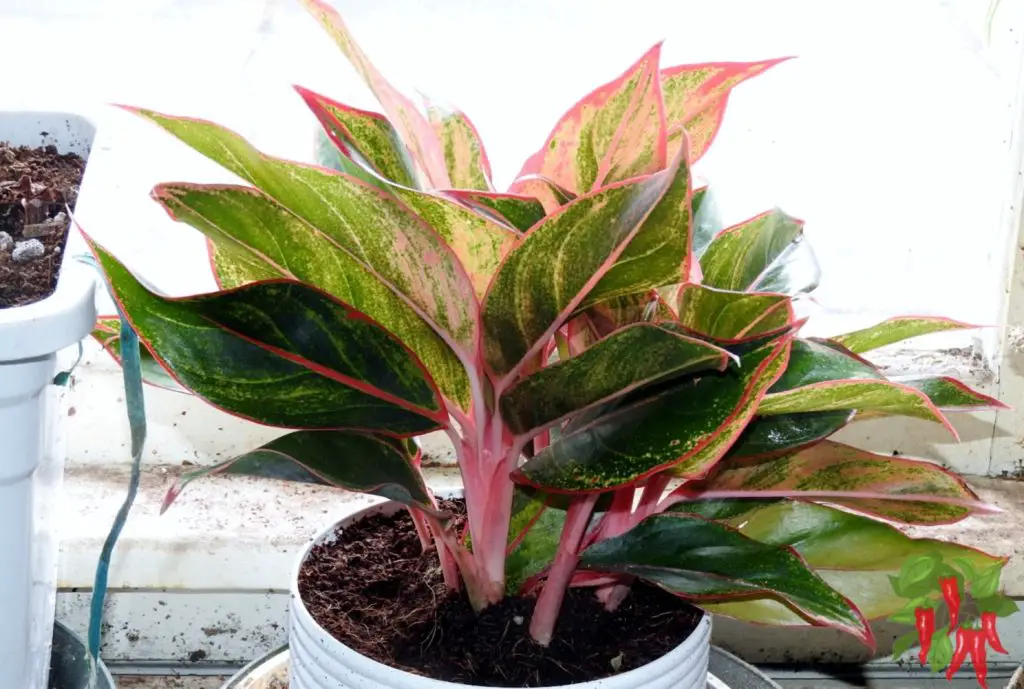
In this Beginner Guide to Indoor Plant Fertilizers you’ll learn when, how, and what to feed your houseplants for a thriving indoor jungle! Simple tips for success.
Beginner Guide to Indoor Plant Fertilizers Key Takeaways:
- Beginner Guide to Indoor Plant Fertilizers explains the essential basics of feeding houseplants.
- Plants need fertilizer during the spring and summer growing seasons, typically every 46 weeks.
- Choose between liquid, granular, or slow-release options, and always follow package instructions to avoid overfertilizing.
- Water before applying to prevent root burn.
[eztoc]
1. Indoor Plant Fertilizers
Beginner Guide to Indoor Plant Fertilizers is your key to unlocking lush, thriving houseplants!
Ever wondered why your plants seem a bit lackluster despite your best efforts? Or maybe you’re worried about giving your green buddies the right nutrients?
With a little know-how about plant food, you’ll have your indoor jungle flourishing in no time.
Let’s dive into the world of fertilizers and give your plants the boost they need to truly shine!
The Essential Role of Indoor Plant Nutrients
- Indoor plants rely on fertilizers for essential nutrients that naturally deplete over time.
Nutrient Depletion in Containers
- In containers, plants quickly use up the limited nutrients in their potting mix through growth and watering.
Supporting Plant Health
- Regular fertilization replenishes vital minerals like nitrogen, phosphorus, and potassium needed for healthy roots, leaves, and flowers.
Signs of Nutrient Deficiency
- Without supplemental feeding, indoor plants can become weak, yellow, and stunted as their soil becomes nutrient poor.
2. Why Fertilizing Indoor Plants Is Important
Fertilizing indoor plants is like giving them a nutritious meal. Just as we need a balanced diet to stay healthy, plants require specific nutrients to thrive.
In the confined environment of a pot, these nutrients can quickly become depleted.
Let’s explore why feeding your green friends is crucial for their long-term health and vitality.
• Nutrient Depletion: Over time, nutrients in the soil are used up or washed out during watering, so they need to be replenished.
• Boost Growth: Fertilizer provides essential nutrients (like nitrogen, phosphorus, and potassium) to support foliage, roots, and overall plant health.
3. Types of Indoor Plant Fertilizers
Not all fertilizers are created equal. There are several types, each with its own benefits and best uses.
Understanding these differences will help you choose the right fertilizer for your plant’s needs and your lifestyle.
Let’s dive into the world of plant food and discover which type might work best for your indoor garden.
3.1 Liquid Fertilizers
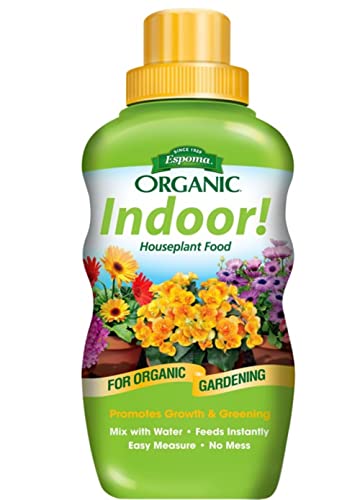
What Are They
Liquid fertilizers come as concentrated solutions or water soluble powders that dissolve in water.
They typically contain a balanced blend of nitrogen, phosphorus, and potassium (NPK), plus trace minerals.
How They Work
- Mix with water according to package directions
- Apply during the regular watering schedule
- Nutrients are immediately available to plant roots
- Can be applied as a foliar spray for quick absorption through leaves
- Allow precise control of nutrient concentration
Benefits
- Fast acting results
- Easy to adjust the concentration
- Even distribution of nutrients
- Good for emergency nutrient deficiencies
- Can be customized for different growth stages
Best Uses
- During active growing season (spring/summer)
- For heavy feeders like tropical plants
- When plants need a quick nutrient boost
- For seedlings and young plants
- Weekly or biweekly feeding schedules
3.2 Granular Fertilizers
 DR EARTH INC 756P Exotic Dr. Earth Exoitc Blend Palm, Tropical & Hibiscus Fertilizer 4lb, Natural
What Are They
Dry fertilizer pellets or grains containing concentrated nutrients that break down gradually.
How They Work
- Sprinkled directly onto the soil surface
- Nutrients released when watered
- Breakdown occurs over several weeks
- Must be worked into the top layer of soil
- The release rate depends on the watering frequency
Benefits
- Longer lasting than liquid fertilizers
- Less frequent application needed
- More economical for large collections
- Lower risk of nutrient leaching
- Steady nutrient release
Best Uses
- Large containers and planters
- Established plants
- Low maintenance routines
- Plants that prefer consistent feeding
- Every 2-3 months during the growing season
3.3 Slow Release Fertilizers

Osmocote Smart-Release Plant Food Plus Outdoor & Indoor, 2 lb.
What Are They
Specially coated pellets or stakes that release nutrients gradually over extended periods.
How They Work
- Nutrients enclosed in a protective coating
- Coating breaks down slowly with moisture
- Release triggered by temperature/moisture
- Can last 3 or more months per application
- Provides steady, measured nutrient supply
Benefits
- Ultra-low maintenance
- One application lasts months
- Reduces risk of overfertilizing
- Consistent nutrient levels
- Time and labor saving
Best Uses
- Busy plant owners
- Vacation periods
- Year round feeding
- Plants requiring steady nutrition
- Large indoor gardens
The use of fertilizer spikes will take the guesswork out of fertilizing. Here is what I recommend for container plants:
 I recommend using Jobes Organics fertilizer spikes.
They are easy to use and last for 2-3 months.
They are designed for container-grown plants.
Using 2 spikes for a 12-inch pot or 3 for an 18-inch pot takes the guesswork out of fertilizing.
They provide a 3-5-5 fertilizer blend along with micronutrients and beneficial bacteria.
4. Synthetic vs. Organic Fertilizers
The debate between synthetic and organic fertilizers is ongoing in the plant care world.
Both have their pros and cons, and the choice often comes down to personal preference and plant needs.
Let’s break down the differences to help you make an informed decision for your indoor garden.
• Synthetic Fertilizers: Chemically produced and provide a quick nutrient boost but can lead to overfertilization if not used carefully.
• Organic Fertilizers: Made from natural sources, such as compost or worm castings, and help improve soil quality in addition to feeding the plant.
5. When and How Often to Fertilize
Timing is everything when it comes to fertilizing indoor plants. Too much or too little can both cause problems.
Understanding your plants’ growth cycles and nutrient needs throughout the year is key to a successful fertilizing routine.
Let’s explore when and how often you should be feeding your green friends.
• Active Growing Season: Most indoor plants should be fertilized during spring and summer when they are actively growing. A general rule is every 4-6 weeks.
• Dormant Season: Reduce or stop fertilizing during the fall and winter when plants are not actively growing.
6. Choosing the Right Fertilizer for Specific Plants
Just like people, different plants have different dietary needs. What works for a leafy fern might not be ideal for a blooming orchid.
Understanding the specific nutritional requirements of your plants will help you choose the right fertilizer for each one.
Let’s look at some common plant types and their fertilizer preferences.
• Succulents and Cacti: Need less frequent fertilizing with a diluted solution.
• Flowering Plants: Require a higher phosphorus content to encourage blooming.
• Leafy Plants: Look for fertilizers with higher nitrogen content to promote lush, green growth.
7. Common Mistakes to Avoid
Even with the best intentions, it’s easy to make mistakes when fertilizing indoor plants.
Some errors can actually harm your plants rather than help them. Being aware of these common pitfalls can save you from potential plant problems down the line.
Let’s explore what not to do when feeding your indoor garden.
• OverFertilizing: Can cause leaf burn or root damage. Always follow the recommended dosage on the fertilizer package.
• Fertilizing Dry Soil: Always water your plants before applying fertilizer to avoid root burn.
8. Conclusion: Beginner Guide to Indoor Plant Fertilizers
Feeding Your Way to a Thriving Indoor Garden
As we’ve explored, fertilizing your indoor plants is a crucial step in ensuring their health and vitality.
From understanding different types of fertilizers to knowing when and how to apply them, you’re now equipped with the knowledge to give your green friends the nutrient boost they need.
Choosing the Right Fertilizer
Remember, not all plants have the same nutritional needs. Consider your plant’s specific requirements and your own lifestyle when selecting a fertilizer.
Timing is Everything
Knowing when to fertilize – and when to hold back – is key to maintaining healthy plants year round.
The Dos and Don’ts of Fertilizing
By avoiding common mistakes and following best practices, you’ll be well on your way to mastering the art of indoor plant fertilization.
Key Takeaways:
• Start with a balanced, all purpose fertilizer if you’re unsure about your plants’ specific needs
• Always follow package instructions to avoid overfertilizing
• Fertilize during the active growing season (usually spring and summer) and reduce or stop during dormant periods
• Water your plants before applying fertilizer to prevent root burn
• Consider using organic fertilizers for a gentler, more sustainable approach
• Pay attention to your plants – yellowing leaves or stunted growth might indicate a need for fertilizer
• Different plants have different nutritional needs – research your specific plants for the best results
• Don’t be afraid to experiment and adjust your fertilizing routine as you learn more about your plants
By incorporating these fertilizing tips into your plant care routine, you’ll be nurturing healthier, happier plants in no time.
Happy fertilizing, and enjoy watching your indoor garden thrive!
🌱 Best Indoor Plants for Beginners
Just getting started with houseplants? These beginner-friendly guides will help you pick, grow, and care for indoor plants with confidence!
- 🌿 Best Indoor Plants for Beginners (Pillar Guide)
- 🐛 Common Indoor Plant Pests and How to Avoid Them
- 💨 Top Indoor Plants for Air Purification
- 🌱 How to Propagate Indoor Plants for Beginners
- 💧 Watering Tips for New Indoor Plant Owners
- 🌼 Easiest Indoor Plants to Grow
- 🪴 How to Choose the Right Indoor Pot for Beginners
- ⏳ Best Indoor Plants for Busy People
- 🌿 Beginner Guide to Indoor Plant Fertilizers
- 🏡 Indoor Plants for Small Spaces
- 😊 Best Indoor Plants for Improving Mood
- 💵 Budget-Friendly Indoor Plants for Beginners
- 🔄 How to Repot Indoor Plants for Beginners
- ❄️ Best Winter Indoor Plants for Beginners
- 🪴 Beginner-Friendly Hanging Indoor Plants
- 🐾 Pet-Friendly Indoor Plants for Beginners
- 🌵 Beginner-Friendly Succulents
- 💧 Best Indoor Plants for Low Humidity
- ⚠️ Common Mistakes Beginners Make with Indoor Plants
- 🌨️ Best Indoor Plants for Winter Months
- 🌸 Beginner-Friendly Indoor Flowering Plants
- ⚡ Indoor Plants with Fast Growth
- 🖤 Best Indoor Plants for Minimalist Decor
- 🌿 Best Indoor Plants to Start a Collection
- See all articles in our Best Indoor Plants for Beginners category
Related Content

Visit my Amazon Influencer Page for videos and gardening products Grow Your Own Garden