

Boston Fern Care made simple! Learn tips for lush growth, Feng Shui placement, and creating harmony indoors with this classic, calming plant.
Boston Fern Care is about more than keeping your fern lush and healthy. It’s also a way to create serene, balanced energy in your home.
These classic plants are easy to grow indoors and bring harmony to any space when placed thoughtfully.
This guide covers everything you need to know about Boston Ferns from care tips to Feng Shui placement.
Boston Fern Care Key Takeaways
- Boston Fern Care involves bright indirect light.
- Provide high humidity and consistently moist soil.
- Use pots with drainage holes to avoid waterlogging.
- For Feng Shui, place Boston Ferns in the health corner (East) or bathrooms to boost vitality and harmony.
- Proper care ensures they thrive while promoting a serene, balanced energy indoors.
Boston Fern Care: Indoor Growth Tips and Feng Shui Harmony

Boston Ferns are beloved for their lush, arching fronds and timeless beauty. These versatile plants elevate indoor decor and play a key role in Feng Shui by fostering harmony and balance.
Whether you’re drawn to their aesthetic appeal or their energy-enhancing qualities, Boston Ferns are a perfect addition to your home.
What Makes Boston Ferns Unique?
Boston Ferns (Nephrolepis exaltata) stand out for their elegant appearance and easy adaptability.
- Iconic Fronds: Known for their long, feathery fronds that add texture and greenery to any space.
- Air-Purifying Qualities: Proven to remove toxins and improve indoor air quality.
- Adaptability: Thrives in a variety of indoor environments, especially those with high humidity.
Benefits of Growing Boston Ferns Indoors
Boston Ferns are more than just a pretty plant—they bring numerous advantages to your home.
- Natural Air Cleanser: Filters pollutants like formaldehyde and xylene.
- Feng Shui Harmony: Enhances positive energy flow by balancing Chi.
- Stress Relief: Their calming presence can improve focus and reduce stress in living and working spaces.
Part 1: Essential Care Tips

Keeping Boston Ferns lush and healthy starts with understanding their needs. From light and soil to water and humidity, every detail matters.
This section covers all the basics to help your Boston Fern thrive indoors while maintaining its beauty and energy-enhancing qualities.
Light: Providing the Perfect Amount
Boston Ferns flourish in the right lighting conditions. Too much or too little light can harm their delicate fronds.
- Bright, Indirect Light: Place near east or north-facing windows for soft, filtered sunlight.
- Avoid Direct Sunlight: Harsh rays can scorch fronds, leading to brown or crispy tips.
- Low-Light Tolerance: While adaptable, prolonged low light slows growth and reduces vibrancy.
Soil: Creating the Right Foundation
The right soil mix is key to healthy root development and vibrant fronds.
- Well-Draining Soil: A mix of coco coir and perlite is ideal for moisture retention without waterlogging.
- Organic Matter: Incorporate compost or peat moss for added nutrients.
- Aeration: Avoid compacted soil to allow roots to breathe.
Watering Tips for Boston Ferns: Consistency is Key
Boston Ferns love consistently moist soil, but overwatering can be harmful.
- Watering Schedule: Water when the top inch of soil feels dry to the touch.
- Distilled or Rainwater: Use to prevent mineral buildup that can damage roots.
- Drainage: Ensure pots have drainage holes to avoid soggy roots and root rot.
Fertilizer: Feeding for Growth
Regular feeding supports lush, vibrant fronds and steady growth.
- Frequency: Fertilize every 4-6 weeks during spring and summer.
- Type: Use a balanced liquid fertilizer diluted to half strength to avoid overfeeding.
- Dormant Months: Skip fertilizing during fall and winter when growth slows.
Humidity and Temperature: Maintaining a Cozy Environment
Boston Ferns thrive in warm, humid conditions reminiscent of their tropical origins.
- Ideal Humidity: Keep levels between 50-80% to maintain lush, green fronds.
- Temperature Range: 65-75°F (18-24°C) is optimal; avoid cold drafts or sudden temperature changes.
- Humidity Boosters:
- Use a humidifier nearby.
- Mist leaves daily in dry environments.
- Group plants together to create a microclimate.
Potting Options for Boston Ferns
Potting your Boston Fern properly ensures healthy growth and vibrant fronds. The right pot supports the plant and complements its aesthetic. Choose materials and sizes that balance functionality and beauty.
Tips for Pot Selection:
- Drainage: Always opt for pots with drainage holes to prevent root rot.
- Size: Select a pot slightly larger than the root ball for growth.
- Material: Use terracotta for breathability or ceramic pots for visual appeal.
- Aesthetic Choices: Choose green or earthy-toned pots for a harmonious, Feng Shui-friendly look.
Choosing the right pot for your Boston Fern is more than just practical—it’s an opportunity to enhance your home’s energy and style.
A well-potted fern ensures healthy growth while contributing to a serene and harmonious space.
Whether you prioritize function or Feng Shui aesthetics, the right pot sets your fern up for long-term success.
Propagating Boston Ferns: Grow Your Fern Collection

Propagating Boston Ferns is an exciting way to expand your indoor garden while maintaining the calming energy these plants provide.
Boston Ferns are best propagated through division, a straightforward method that ensures healthy new plants.
Why Propagate Boston Ferns?
- Create new plants for different spaces in your home.
- Share the beauty of Boston Ferns with friends and family.
- Refresh an overgrown fern by dividing it into smaller, manageable sections.
Steps to Propagate Boston Ferns:
- Choose the Right Time:
- Propagate in early spring when the fern is actively growing.
- Prepare Tools and Materials:
- A sharp, clean knife or garden shears.
- Fresh, well-draining potting mix (coco coir and perlite work well).
- Appropriately sized pots with drainage holes.
- Remove the Fern from Its Pot:
- Gently loosen the soil around the roots and lift the fern out.
- Brush off excess soil to expose the root system.
- Divide the Root Ball:
- Inspect the root ball for natural separations or clumps.
- Use your hands or a knife to carefully divide the root mass into smaller sections.
- Ensure each section has healthy fronds and roots attached.
- Replant the Divisions:
- Place each divided section into a new pot with fresh, well-draining soil.
- Position the roots gently in the soil, making sure not to bury the crown of the fern.
- Press the soil lightly around the roots for stability.
6. Water Thoroughly:
- Give each newly potted fern a good drink of water, ensuring the soil is evenly moist.
- Allow any excess water to drain completely.
7. Provide the Right Conditions:
- Place the new pots in a spot with bright, indirect light.
- Maintain high humidity by misting or using a humidifier.
- Keep the temperature stable to avoid shocking the new plants.
8. Monitor Growth:
- Over the next few weeks monitor the divisions for signs of new growth.
- Keep the soil consistently moist, but avoid overwatering.
9. Tips for Successful Propagation:
- Don’t divide a fern that’s showing signs of stress, such as browning or wilting.
- Be gentle with the roots to avoid unnecessary damage.
- Use smaller pots initially, as this encourages the roots to establish quickly.
Propagating Boston Ferns rejuvenates your plants and brings fresh energy into your space.
- By following these simple steps, you can create new ferns that thrive and contribute to the beauty and serenity of your home.
- It’s an easy, rewarding way to share the calming charm of Boston Ferns with every corner of your indoor garden.
Seasonal Care for Boston Ferns
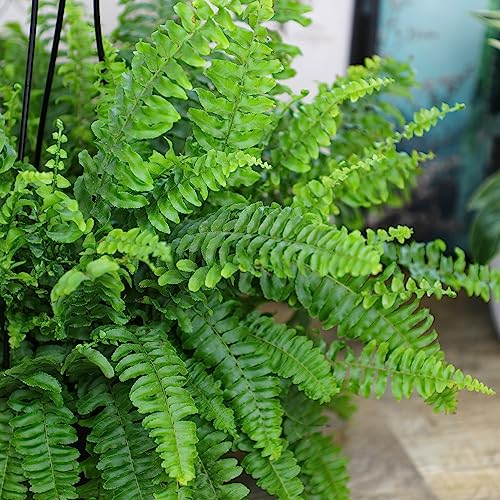
Adapting to the Seasons for Healthy Growth
Seasonal changes bring shifts in light, temperature, and humidity that affect your Boston Fern’s care needs.
By fine-tuning your routine with the seasons, you can ensure your fern remains lush and vibrant all year long.
Each season presents unique challenges and opportunities for supporting your fern’s health.
Spring and Summer Care
During warmer months, Boston Ferns experience their most active growth period. Increased watering and fertilizing support their lush fronds.
- Increase Watering: Check soil moisture more frequently, keeping it consistently damp.
- Fertilizing: Feed with a diluted, balanced fertilizer every 4-6 weeks.
- Boost Humidity: Mist leaves or place near a humidifier to combat dry air.
- Outdoor Placement: Consider moving your fern to a shaded patio for fresh air, but avoid direct sunlight.
Fall and Winter Care
Cooler months slow down your fern’s growth, requiring less water and fertilizer. Focus on maintaining stable conditions.
- Reduce Watering: Allow the top inch of soil to dry slightly before watering.
- Skip Fertilizing: Pause feeding until spring to prevent overgrowth.
- Control Humidity: Use humidifiers or group plants together to maintain moisture levels.
- Protect from Cold Drafts: Keep them away from windows or doors with chilly air leaks.
Light Adjustments
Seasonal light changes can affect your fern’s placement needs.
- Rotate Placement: Move your fern closer to windows in fall and winter to compensate for lower light levels.
- Maintain Indirect Light: Ensure it still receives soft, filtered sunlight to prevent frond damage.
Year-Round Care Tip: Stay attentive to your fern’s appearance and adjust care as needed. Seasonal tweaks will ensure your Boston Fern stays a vibrant, calming presence in your home, no matter the time of year.
Boston Fern Care Basics
Caring for your Boston Fern doesn’t have to be complicated. By focusing on its needs for light, water, humidity, and soil, you’ll provide the perfect environment for healthy, lush growth.
Consistency is key—small adjustments to meet its preferences will go a long way. With these care tips, your fern will flourish, bringing natural beauty and serene energy to your space.
Boston Fern Care Reference Guide
| Characteristic | Details |
|---|---|
| Common Name | Boston Fern |
| Botanical Name | Nephrolepis exaltata |
| Native Habitat | Tropical and subtropical regions |
| Plant Type | Perennial, evergreen fern |
| Growth Pattern | Arching, bushy fronds |
| Mature Size | 1–3 feet tall and wide |
| Watering | Keep soil consistently moist, but not soggy |
| Light/Sun Exposure | Bright, indirect light |
| Soil Type | Rich, well-draining potting mix |
| Soil pH | 6.0–6.5 (slightly acidic) |
| Temperature | 60–75°F (15–24°C) |
| Humidity | 50–80%, high humidity is essential |
| Bloom Time & Flower Color | Does not flower |
| Potential Problems | Browning leaves, pests (mites, scale), and low humidity |
| Repotting | Every 1–2 years, or when roots outgrow the pot |
| Hardiness Zones (USDA) | 9–11 |
Part 2: Feng Shui and Placement
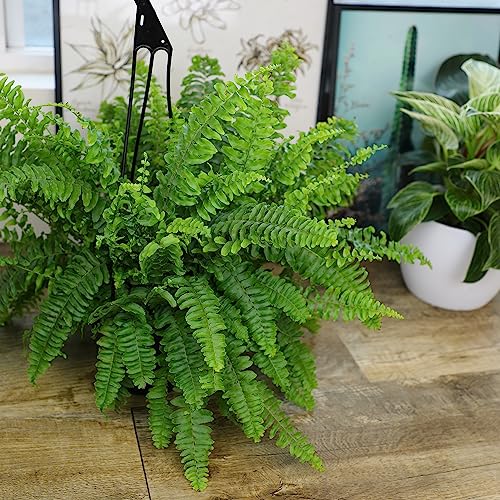
Boston Ferns aren’t just about looks—they bring calm, balanced energy to your home. Where you place them can make all the difference.
Whether you’re boosting harmony in the health corner or adding a touch of serenity to your living spaces, these placement tips will help your fern thrive while enhancing your Feng Shui.
Boston Fern Placement for Relaxation
Placing your Boston Fern in the right spot is key to creating a serene and calming atmosphere.
These plants thrive in areas with consistent humidity and gentle energy flow, making them perfect for relaxation zones in your home.
Thoughtful placement enhances both their health and your home’s harmony.
-
- Bathrooms: Ideal for natural humidity levels to keep fronds lush and vibrant.
- East Sector: Boost health and family harmony by aligning with Feng Shui’s wood element.
- Avoid Direct Sunlight: Protect delicate leaves from scorching by keeping them out of harsh, direct light.
- Keep Away from Drafts: Choose spots free from cold or harsh drafts that could dry out the plant.
Boston Ferns in Feng Shui’s Health Corner
Adding Boston Ferns to Feng Shui’s Health Corner (typically the East sector of your home) can invigorate energy and bring a sense of harmony to your space.
These lush plants symbolize growth and vitality, making them an excellent choice for uplifting emotional and physical well-being in this area.
- Boost Vitality: Ferns naturally enhance the flow of life energy, promoting health and rejuvenation.
- Support Emotional Balance: Their calming presence creates a soothing atmosphere for family connections.
- Combine with Wood Furniture: Pair with wooden elements to amplify grounding energy and reinforce Feng Shui’s wood element.
Placing a Boston Fern in your home’s health corner is a simple yet powerful way to enhance vitality and harmony.
Its lush fronds symbolize growth and balance, creating a nurturing atmosphere for you and your family.
Paired with natural elements like wood, this placement encourages a steady flow of positive energy throughout your space.
The Symbolism of Boston Ferns in Feng Shui
Boston Ferns carry a deep symbolic meaning in Feng Shui, making them a wonderful addition to any home.
Known for their lush fronds and vibrant energy, these plants bring a sense of calm and renewal.
Their connection to the wood element enhances growth, balance, and harmony in your living space.
- Tranquility and Balance: Promote a peaceful atmosphere and smooth energy flow.
- Growth and Renewal: Symbolize fresh beginnings and continual personal development.
- Connection to Nature: Encourage a deeper link to the natural world, enhancing overall well-being.
Boston Ferns are more than just stunning indoor plants. They are a gateway to serenity, balance, and positive energy in your home.
Combining proper care with thoughtful Feng Shui placement, you will enjoy their beauty while enhancing harmony in your living space.
Whether you’re a beginner or a seasoned plant enthusiast, these tips will help your Boston Fern thrive and bring lasting tranquility to your home.
Feng Shui Cures with Boston Ferns

Boston Ferns are more than just beautiful additions to your home and they can act as powerful remedies in Feng Shui.
Their soft, arching fronds and air-purifying qualities make them perfect for neutralizing negative energy, especially in challenging areas.
By strategically placing Boston Ferns, you can enhance energy flow and restore balance in your space.
How to Use Boston Ferns as Feng Shui Cures:
- Balance Sharp Corners: Place a Boston Fern in areas with sharp edges or corners to soften the harsh energy. Corners are known for stagnant Chi, and a lush fern can help redirect energy flow.
- Refresh Cluttered Areas: Ferns work well in areas prone to clutter or chaotic energy. They promote a sense of calm and clarity.
- Soften Harsh Lighting: If a space has overly bright or artificial light, a Boston Fern can absorb and diffuse that energy, making the environment more harmonious.
- Boost Energy in Entryways: Position a Boston Fern near your home’s entrance to welcome positive Chi and ensure a balanced transition between outdoor and indoor energy.
- Restore Energy in Neglected Spaces: Empty or unused corners can disrupt the energy flow of your home. Filling these spaces with a Boston Fern rejuvenates them with vitality and balance.
Feng Shui Placement Tips:
- East sector: Enhances health and vitality.
- Southeast sector: Promotes abundance and financial growth.
- Avoid: Areas with direct sunlight or drafty conditions as these can weaken the plant’s energy.
Boston Ferns are not just visually calming. They’re a tool for creating balance and harmony in your home.
When used thoughtfully, they can correct imbalances and smooth out areas with stagnant or chaotic energy.
With their elegant fronds and purifying properties, Boston Ferns are an excellent choice for anyone seeking to cultivate a serene and energetically balanced space.
Part 3: Enhancing Spaces with Boston Ferns
Boston Ferns are more than just houseplants. They’re natural enhancers for any room. Their cascading fronds bring softness and life to your decor while promoting balance and harmony.
Whether you’re styling a living room or creating a tranquil bedroom Boston Ferns add a refreshing, calming touch that uplifts the entire space.
Boston Ferns for Bedrooms
Boston Ferns are the perfect addition to bedrooms creating a calm and serene environment that promotes restful sleep and relaxation.
Their lush, feathery fronds add softness to your space while improving air quality, making them a natural choice for enhancing aesthetics and Feng Shui energy in your personal sanctuary.
Benefits of Boston Ferns in Bedrooms:
- Improves Air Quality: Boston Ferns act as natural air purifiers, removing toxins like formaldehyde and increasing humidity levels, which can help with better breathing during sleep.
- Reduces Stress: The fern’s calming greenery helps reduce anxiety, making your bedroom a peaceful retreat.
- Boosts Feng Shui Energy: As a symbol of tranquility and balance Boston Ferns harmonize bedroom energy for a restful atmosphere.
Placement Tips for Bedrooms:
- Corners: Place Boston Ferns in corners to soften sharp angles and encourage smooth energy flow.
- Nightstands: Position smaller ferns on nightstands to bring a touch of nature closer to your bed while keeping energy grounded and serene.
- Hanging Planters: Use hanging baskets in larger bedrooms to add a vertical element and maximize space.
- By Windows: Ensure they receive bright, indirect light by placing them near windows, but avoid direct sunlight to prevent leaf burn.
Feng Shui Considerations:
- Place Boston Ferns on the east side of your bedroom to align with health and vitality energy.
- Avoid placing ferns too close to electronics or cluttered areas, as these can disrupt their calming effect.
Adding a Boston Fern to your bedroom creates a perfect balance of beauty, health, and relaxation.
Their air-purifying qualities and soothing presence transform your space into a haven for restful sleep and emotional well-being.
With proper placement and care, Boston Ferns enhance the energy and comfort of your bedroom, ensuring you wake up refreshed and rejuvenated.
Boston Fern Placement in Bathrooms
Bathrooms are a natural fit for Boston Ferns, thanks to their love of high humidity and indirect light.
These spaces provide the perfect environment for lush, vibrant growth while benefiting from the plant’s calming and purifying energy.
With thoughtful placement, Boston Ferns can turn your bathroom into a tranquil, rejuvenating retreat.
Bathroom Placement Ideas:
- Near Sinks or Showers: Place Boston Ferns close to sinks or showers to capitalize on the moisture in the air. The natural humidity helps keep their fronds healthy and prevents them from drying out.
- By a Window: If your bathroom has a window, position the fern nearby to provide access to bright, indirect light. This ensures optimal growth without risking leaf burn from direct sunlight.
- Hanging Planters: Use hanging baskets to make the most of vertical space while adding an elegant, cascading look. Hanging ferns also keep countertops clear.
- On Shelves: Position Boston Ferns on open shelves for a lush, layered appearance. The greenery pairs beautifully with towels or other decor.
- Avoid Drafty Areas: Protect the plant from cold drafts or direct airflow from air vents, as these can damage the delicate fronds and disrupt their health.
Feng Shui Tip:
- Place Boston Ferns near mirrors to amplify their calming energy. Mirrors reflect and double the plant’s soothing presence, promoting relaxation and harmony in the space.
- Position the fern in the bathroom’s southeast corner for financial luck or in the East corner to boost health and vitality.
Adding a Boston Fern to your bathroom elevates the room’s aesthetic and transforms it into a peaceful sanctuary.
Their ability to thrive in humid environments makes them the perfect bathroom companion.
With thoughtful placement, Boston Ferns can purify the air, balance Feng Shui energy, and create a spa-like ambiance for your daily routines.
Boston Ferns for Meditation and Yoga Spaces

Meditation and yoga spaces are all about cultivating a peaceful and balanced environment.
Boston Ferns, with their graceful fronds and calming presence, are an ideal addition to these wellness areas.
Their natural ability to purify air and enhance energy flow makes them perfect companions for mindfulness practices, helping you find your center and stay grounded.
Incorporating Boston Ferns into Wellness Spaces:
- Corners for Energy Balance:
- Placing Boston Ferns in room corners softens the space and promotes balanced energy.
- Corners are often stagnant areas, and a Boston Fern can revitalize Chi flow in these spots.
- Use decorative pots to match the room’s overall aesthetic.
- Low-Light Areas:
- Boston Ferns thrive in shaded parts of the room, making them suitable for ambient meditation or yoga lighting.
- Their adaptability to indirect light ensures they maintain their lush appearance without needing bright sunlight.
- Position them near soft light sources like Himalayan salt lamps for added serenity.
- Enhance Chi Flow with Thoughtful Arrangements:
- Arrange Boston Ferns alongside neutral decor elements like natural fibers, soft rugs, or minimal furniture to maintain a tranquil aesthetic.
- Pair ferns with flowing curtains or other soft, organic elements to encourage an uninterrupted Chi flow.
- Energy Boost for Your Practice:
- Position Boston Ferns where they visually connect with your yoga mat or meditation cushion.
- Looking at greenery during practice can improve focus and promote emotional balance.
- Use small planters on low stands or hanging baskets
Boston Ferns are a perfect addition to meditation and yoga spaces, creating a tranquil and harmonious atmosphere that supports your wellness routine.
Their calming energy and air-purifying qualities enhance mindfulness practices helping you stay focused and grounded.
With thoughtful placement and care, these ferns can elevate the serenity of your space, making every session more rejuvenating.
Creative Decor Ideas with Boston Ferns

Boston Ferns are versatile plants that can elevate the look of any space with their lush greenery and delicate fronds.
Whether you’re styling a modern living room or a cozy corner, these plants add charm and serenity.
From hanging baskets to decorative pots, here are some creative ways to incorporate Boston Ferns into your decor.
Styling Tips for Boston Ferns:
- Hanging Baskets for Vertical Appeal:
- Hang Boston Ferns in baskets from the ceiling to draw the eye upward and create a layered effect.
- Perfect for small spaces or to fill empty corners.
- Use macramé hangers for a boho vibe or sleek metal chains for a modern touch.
- Pair with Neutral-Toned Furniture for Balance:
- Place Boston Ferns near beige or white furniture to highlight their vibrant greenery.
- Use them as a centerpiece on coffee tables or side tables to complement minimalist decor.
- Combine with wooden or metallic accents for a balanced and cohesive aesthetic.
- Use Decorative Pots for Aesthetic Appeal:
- Choose pots that match your interior style, such as ceramic for a classic look or woven baskets for a rustic charm.
- Opt for green, white, or earthy tones to enhance the natural vibe of the fern.
- Add gold or silver planters in Feng Shui placements to amplify prosperity energy.
- Layer with Other Plants for Depth:
- Group Boston Ferns with trailing plants like pothos or upright ones like peace lilies to create a lush indoor garden.
- Use varying pot heights and sizes to add dimension and texture to your space.
- Brighten Entryways and Hallways:
- Place Boston Ferns near doorways to create a welcoming atmosphere.
- Use tall stands to elevate the plant and make a statement in otherwise plain areas.
- Accentuate Bedrooms and Living Areas:
- Use Boston Ferns as a focal point in living rooms by placing them near a fireplace or entertainment center.
- Decorate bedroom nightstands or shelves with smaller ferns to create a tranquil setting.
Feng Shui Considerations for Decor:
- Position Boston Ferns in the east or southeast corners of your home to align with health and prosperity energy.
- Avoid cluttered areas to ensure smooth Chi flow around the plant.
Boston Ferns are more than just beautiful plants. They are dynamic decor elements that bring life and energy to your home.
Whether styled in a hanging basket, paired with neutral furniture, or showcased in decorative pots, they add elegance and tranquility to any space.
With these creative ideas, your Boston Ferns will transform your home into a vibrant and harmonious retreat.
Combining Boston Ferns with Other Plants
Creating an indoor garden is about more than just aesthetics. It’s about finding plants that complement each other visually and energetically.
Boston Ferns are excellent for this purpose, bringing lush greenery and soft fronds that pair well with other houseplants.
Whether you’re looking for stability, layered textures, or calming energy, these combinations will elevate your indoor space.
Ideas for Complementary Plant Pairings:

- Pair with Snake Plants for Stability:
- Snake Plants, with their upright, architectural leaves, offer a striking contrast to the soft, cascading fronds of Boston Ferns.
- This combination balances yin (soft energy) from the fern and yang (strong energy) from the Snake Plant, creating a harmonious visual and energetic blend.
- Ideal for corners, entryways, or spots where you want to boost grounding energy.
- Combine with Trailing Plants for Layered Textures:

- Add trailing plants like Pothos or String of Pearls to create depth and texture in your indoor garden.
- Place Boston Ferns in the middle with trailing plants cascading from higher positions, like hanging baskets or shelves.
- Use tiered plant stands to highlight the varied growth patterns of each plant.
- Group with Peace Lilies for Calm Energy:
- Peace Lilies enhance the serene vibe Boston Ferns bring thanks to their glossy leaves and occasional blooms.
- Both plants thrive in similar light and humidity conditions, making them easy to care for together.
- Place them near seating areas to create a peaceful, relaxing corner in your living room or bedroom.
- Add a Pop of Color with Anthuriums:
- Pair Boston Ferns with colorful Anthuriums for a bold contrast that adds vibrancy to your space.
- The soft green fronds of the fern highlight the bright, waxy flowers of Anthuriums, making this pairing perfect for focal points.
- Match with ZZ Plants for Low-Maintenance Elegance:
- For a low-care yet stunning combination, group Boston Ferns with ZZ Plants.
- The glossy, structured leaves of the ZZ Plant enhance the fern’s feathery foliage, offering a mix of textures.
- Both plants bring positive energy to Feng Shui placements like the southeast or east areas of your home.
- Feng Shui Tip: Create Energy Flow:
- Arrange Boston Ferns with complementary plants in clusters to encourage smooth Chi flow.
- Avoid overcrowding; instead, focus on balanced spacing to let each plant shine.


Combining Boston Ferns with other houseplants is a wonderful way to create a lush, harmonious indoor garden.
Whether you’re layering textures, adding a pop of color, or fostering calming energy, these pairings bring out the best in each plant.
By choosing the right combinations, you’ll create a vibrant space that’s both beautiful and energetically balanced.
Part 4: Solving Common Problems
Keeping Your Boston Fern Healthy and Happy
Even the hardiest plants can face challenges, and Boston Ferns are no exception.
From browning leaves to drooping fronds, understanding and addressing these issues quickly will keep your fern thriving.
This section will walk you through common problems, their causes, and practical solutions to ensure your fern stays lush and vibrant.
Troubleshooting Boston Fern Issues
Even with the best care, Boston Ferns can occasionally face challenges. Browning leaves, drooping fronds, or unexpected pests can leave you wondering what went wrong.
The good news? These common issues are usually easy to fix with a few adjustments. Let’s dive into practical solutions to keep your fern lush and healthy!
Common Problems and Solutions
- Browning Leaves:
- Cause: Low humidity, inconsistent watering, or exposure to direct sunlight.
- Solution: Increase humidity by misting daily or placing a humidifier nearby. Ensure consistent watering to keep the soil moist but not soggy. Move the plant to a spot with indirect light.
- Pests:
- Cause: Common infestations include spider mites and scale insects, which can weaken your fern and cause discoloration.
- Solution: Inspect leaves regularly for signs of pests. Treat affected areas with neem oil or insecticidal soap. Rinse fronds gently to remove pests and prevent recurrence.
- Drooping Fronds:
- Cause: Overwatering, underwatering, or insufficient light can cause fronds to wilt and droop.
- Solution: Check the soil—if it’s waterlogged, allow it to dry out slightly before the next watering. If too dry, water thoroughly. Relocate the fern to a brighter spot with indirect light if needed.
- Crispy Edges:
- Cause: Dry air or mineral buildup from tap water.
- Solution: Use distilled or rainwater to hydrate your fern and flush the soil periodically to remove salts. Ensure the plant is in a humid location.
Proactive Tips to Prevent Issues
- Maintain a consistent care routine with proper watering and humidity levels.
- Rotate your fern occasionally to ensure even light exposure and growth.
- Keep your fern away from drafts, heating vents, or cold windows.
Boston Ferns can thrive beautifully with the right care and attention. By addressing issues like browning leaves, pests, or drooping fronds promptly, you’ll keep your plant healthy and vibrant.
Troubleshooting may take a little patience, but the rewards of lush, green foliage and improved indoor energy are well worth it!
Avoiding Common Boston Fern Placement Mistakes

Positioning Your Fern for Success
Proper placement is key to keeping your Boston Fern thriving and ensuring it contributes positively to your space.
A few common mistakes like exposure to direct sunlight or dry air, can cause issues with the plant’s health and energy flow.
Here’s how to avoid these pitfalls and create the perfect environment for your fern.
Mistakes to Avoid and Tips for Better Placement
- Direct Sunlight:
- Problem: Harsh sunlight can scorch the delicate fronds, leading to browning and dryness.
- Solution: Opt for bright, indirect light from windows with sheer curtains or filtered exposure.
- Cold Drafts or Heaters:
- Problem: Sudden temperature changes from air vents, doors, or heaters can stress the plant.
- Solution: Place your fern in a stable environment away from heating or cooling sources.
- Poor Airflow:
- Problem: Stagnant air can lead to humidity imbalances or pest infestations.
- Solution: Position your fern where there’s gentle airflow, like near a window with ventilation, but avoid gusty spots.
- Too Little Humidity:
- Problem: Low humidity can cause fronds to turn crispy or droop.
- Solution: Group plants together to create a natural humid microclimate, or place your fern near a humidifier.
Bringing It Together
By avoiding these common placement errors, you’ll provide your Boston Fern with the optimal environment to flourish.
With proper care and positioning, your fern will continue to enhance your indoor space with its lush, calming presence.
Part 5: Air Purification and Outdoor Use
Enhancing Your Space, Inside and Out
Boston Ferns are more than just decorative plants, and they actively purify the air and bring refreshing energy to your home.
This section explores how Boston Ferns improve air quality indoors.
Outdoors, they transform patios and balconies into peaceful retreats and elevate the ambiance of your outdoor spaces, blending beauty with functionality
Air Purification with Boston Ferns
Clean Air, Calm Energy
Boston Ferns aren’t just beautiful. They’re natural air purifiers that help create a healthier and more balanced indoor environment.
Their ability to filter out toxins and boost oxygen levels makes them ideal for enhancing the physical and energetic quality of your space.
Here’s how they work their magic and contribute to a fresher home.
Benefits of Boston Ferns for Air Quality
- Remove Toxins:
- Problem: Common indoor pollutants like formaldehyde, benzene, and xylene can linger in the air from household items like cleaning products or furniture.
- Solution: Boston Ferns naturally absorb these toxins improving air quality over time.
- Boost Oxygen Levels:
- Benefit: Increased oxygen supports better breathing and promotes a fresher, more invigorating environment.
- Tip: Keep Boston Ferns in bedrooms or living rooms where you spend the most time to maximize this benefit.
- Humidity Control:
- Benefit: Ferns release moisture through transpiration, which can help maintain a comfortable humidity level indoors, particularly in drier climates.
- Tip: Place in areas that tend to feel dry, such as near vents or heating systems, to counteract arid air.
- Enhance Chi Flow:
- Feng Shui Tip: Clean, fresh air is essential for promoting positive Chi flow. Boston Ferns create harmony by ensuring that stagnant or stale air doesn’t disrupt the balance in your space.
Where to Place Boston Ferns for Maximum Purification
- Living Rooms: Ideal for spaces with high activity and air circulation.
- Bedrooms: Enhance sleep quality by providing clean air and calming energy.
- Bathrooms: Utilize their ability to add moisture while purifying the air.
Bringing It All Together
Boston Ferns are more than just a decorative addition—they’re a hardworking plant that supports a healthier home.
Their natural air-purifying abilities and elegant fronds make them a must-have for anyone looking to create a serene and balanced indoor environment.
Boston Ferns in Outdoor Feng Shui
Transform Your Outdoor Space with Serenity
Boston Ferns can bring tranquility and balance to your outdoor spaces just as they do indoors.
With their lush cascading fronds and soothing green hues, they’re perfect for enhancing outdoor Feng Shui.
Whether you have a patio, balcony, or garden, these ferns can help you create a harmonious and inviting atmosphere.
Boston Fern Outdoor Hardiness
Boston Fern is a perennial and is hardy in USDA plant hardiness zones 9–11. Although the fern may appear brown and dead during periods of frost, they will re-emerge in the spring.
USDA Plant Hardiness Zones 9–11 are characterized by their relatively mild winter temperatures:
Zone 9: The average annual minimum temperature ranges from 20°F to 30°F (-6.7°C to -1.1°C).
Zone 10: The average annual minimum temperature ranges from 30°F to 40°F (-1.1°C to 4.4°C).
Zone 11: The average annual minimum temperature is above 40°F (4.4°C).
How to Use Boston Ferns Outdoors
- Shaded Patios and Balconies:
- Benefit: Ferns thrive in shady or partially shaded areas where they are shielded from direct sunlight.
- Tip: Hang Boston Ferns in baskets or place them on stands to create layers of greenery that soften hard edges and uplift the space’s energy.
- Pair with Outdoor Furniture:
- Idea: Complement wooden or wicker furniture with Boston Ferns for a natural, earthy look that promotes calmness.
- Feng Shui Tip: Group ferns around seating areas to encourage relaxation and smooth energy flow during outdoor gatherings.
- Protect from Harsh Conditions:
- Avoid: Direct sunlight, strong winds, and heavy rain can damage delicate fronds.
- Solution: Use covered areas like pergolas, covered patios, or balcony overhangs to shelter your plants while still enjoying the benefits of an outdoor setting.
Feng Shui Benefits of Boston Ferns Outdoors
- Energy Flow: Place ferns in neglected corners or areas with stagnant energy to encourage balance and Chi circulation.
- Welcoming Entryways: Use Boston Ferns near the front door or along pathways to create a calm and inviting entrance.
- Layered Harmony: Combine Boston Ferns with potted flowering plants to create a layered, vibrant outdoor Feng Shui arrangement.
Bringing Nature Closer
Adding Boston Ferns to your outdoor space bridges the gap between nature and your living environment.
Their soft, flowing fronds and vibrant green tones breathe life into shaded areas, creating an outdoor retreat that feels calm and rejuvenating.
With just a little care and thoughtful placement, your patio or balcony can become a peaceful sanctuary.
Part 7: Long-Term Maintenance
Keeping Your Boston Fern Thriving for Years
Long-term care is the key to a lush, vibrant Boston Fern that grows beautifully year after year.
From reporting to regular pruning and maintaining consistent conditions, this section provides practical tips for ensuring your fern stays healthy.
With routine attention, your Boston Fern can continue to enhance your space and energy for the long haul.
Long-Term Care for Boston Ferns
Nurturing Your Fern for Lasting Beauty
Boston Ferns are resilient, but consistent care ensures they stay lush and healthy for years.
Providing the right environment and routine maintenance can keep your fern thriving as a beautiful addition to your indoor or outdoor spaces.
Here’s how to give your fern the long-term care it needs.
Key Practices for Long-Term Care
- Routine Pruning:
- Remove dead, yellowing, or crispy fronds regularly to encourage fresh growth.
- Use clean scissors or pruning shears to avoid spreading pests or diseases.
- Repot Every 2-3 Years:
- Refresh the soil to replenish nutrients and improve drainage.
- Use a slightly larger pot to accommodate root growth without overcrowding.
- Consistency is Key:
- Maintain stable light levels with bright, indirect sunlight.
- Water consistently to keep the soil moist but not waterlogged.
- Ensure humidity remains at 50–80%, either with a humidifier, misting, or grouping plants.
- Seasonal Adjustments:
- Reduce watering slightly in winter when growth slows, but don’t let the soil dry out completely.
- Protect from cold drafts during colder months and keep away from heaters.
Proactive Monitoring for Health
- Check regularly for pests like spider mites or scale and treat promptly with neem oil or insecticidal soap.
- Watch for signs of stress, like browning leaves, which could indicate changes in light, watering, or humidity needs.
Closing Thought
Caring for your Boston Fern doesn’t require much effort, but a little attention goes a long way.
By keeping up with pruning, repotting, and creating a consistent environment, you’ll ensure your fern stays vibrant and enhances your space for years to come.
Boston Fern Care Basics FAQs
Boston Ferns are loved for their beauty and calming energy, but questions about their care often arise. Here are the answers to help your fern thrive.
Q: How often should I water my Boston Fern?
A: Water your fern when the top inch of soil feels dry. Keep the soil consistently moist, but don’t let it sit in standing water.
Q: Can Boston Ferns grow in low light?
A: While Boston Ferns prefer bright, indirect light they can tolerate low light for short periods. Supplement with a grow light if needed.
Q: Where should I place a Boston Fern for Feng Shui?
A: Place Boston Ferns in the health corner (East) or bathrooms for calming energy and harmony. Avoid areas with drafts or direct sunlight.
Q: Why are the leaves of my Boston Fern turning brown?
A: Browning leaves often result from low humidity or inconsistent watering. Mist the leaves or use a humidifier to boost moisture.
Q: Can Boston Ferns be kept outdoors?
A: Yes, they thrive outdoors in shaded patios or balconies. Protect them from harsh sunlight and cold drafts.
Boston Fern Care Conclusion
Creating Harmony with Boston Ferns
Boston Ferns are versatile plants that purify the air, enhance Feng Shui, and elevate indoor decor.
With proper care and thoughtful placement, they can thrive for years, bringing peace and balance to your home. Let’s recap some key points:
Recap of Important Boston Fern Care
Placement Tips: Boston Ferns thrive in specific locations that promote serenity and relaxation. Ideal spots include bathrooms, bedrooms, and meditation areas where natural humidity and indirect light are abundant. Thoughtful placement enhances the calming energy they bring to your home.
Care Basics: Providing high humidity, bright indirect light, and consistently moist (but not soggy) soil is essential for healthy growth. Regular misting or using a humidifier ensures lush fronds, while proper watering and fertilizing routines maintain vibrancy throughout the year.
Feng Shui Benefits: Boston Ferns symbolize balance, renewal, and tranquility. Their flowing fronds soften harsh spaces and promote a harmonious flow of Chi. Whether placed in the health corner or as part of a Feng Shui cure Boston Fern plants are powerful tools for enhancing energy.
Troubleshooting: Common issues like browning leaves, drooping fronds, or pest infestations can be solved with simple adjustments. Increase humidity to combat crispy edges, ensure proper watering to prevent root rot, and treat pests like mites with neem oil for lasting health.
Propagation: Growing new Boston Ferns is easy and rewarding. Dividing root balls or planting runners allows you to spread their lush beauty throughout your home. Propagation is practical and helps distribute positive energy to more spaces in your home.
Boston Fern Key Takeaways
- Boston Ferns thrive in high humidity and bright, indirect light.
- Use Feng Shui placement to boost harmony and serenity.
- Regular care and troubleshooting keep your ferns lush and vibrant.
Creating Balance with Boston Ferns
Boston Ferns are more than just beautiful. They’re natural air purifiers and bringers of calm energy.
Whether you’re incorporating them into Feng Shui or enjoying their aesthetic appeal, these plants thrive with the right care.
Boston Ferns are the perfect choice for adding beauty and balance to any space! Enjoy growing your Boston Fern and bringing peace into your space!
✨ Indoor Plants and Feng Shui
Enhance harmony, balance, and positive energy in your home with these Feng Shui indoor plant guides.
- 🌱 Feng Shui Plants (Pillar Guide)
- 🏡 Indoor Plants and Feng Shui
- 🌿 Feng Shui Vertical Gardens for Office Spaces
- 🌸 Best 24 Feng Shui Indoor Plants
- 💧 Growing Feng Shui Plants
- 🌳 Common Chinese House Plants for Feng Shui
- 🪴 Feng Shui Hanging Plants
- 🛏️ Feng Shui Bedroom Plants
- 🍃 ZZ Plant Feng Shui
- 🌱 Using Feng Shui in Vertical Gardens
- 🎋 Growing Lucky Bamboo in Feng Shui
- 🏠 Indoor Plants for Feng Shui
- ☯️ Indoor Plants for Positive Energy
- 🌼 Chinese Evergreen Care
- 🌺 Growing Peonies Indoors and Outdoors
- See all articles in our Indoor Plants and Feng Shui category
Related Content




Visit my Amazon Influencer Page for videos and gardening products Grow Your Own Garden