
This post contains affiliate links. If you buy something from one of our links we may earn a commission. Thanks
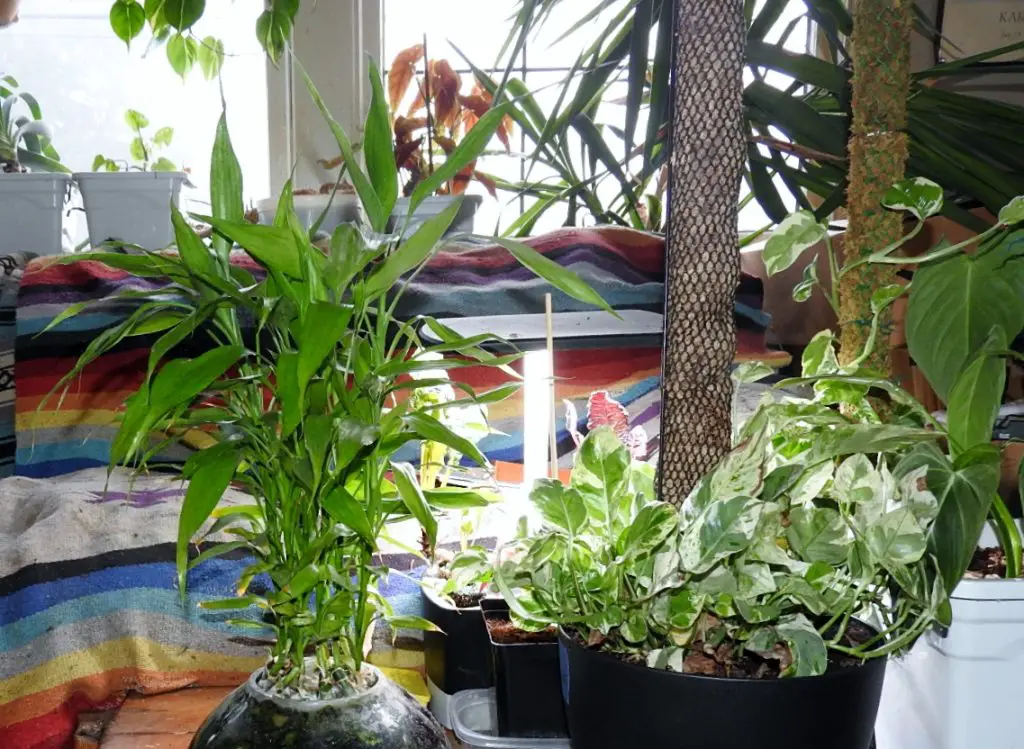
Growing Lucky Bamboo in Feng Shui brings harmony and beauty to your home. Learn care tips, placement secrets, and how many stalks bring luck!
Growing Lucky Bamboo in Feng Shui
Key Takeaways:
- Growing Lucky Bamboo combines easy care with the benefits of Feng Shui.
- Place it in bright indirect light.
- You can grow it in water or soil.
- Avoid tap water with chemicals.
- Ensure proper placement for positive energy.
- Put Lucky Bamboo in the East for health or Southeast for wealth.
- Its stalk count influences its symbolic meaning.
1. Growing Lucky Bamboo in Feng Shui
Growing Lucky Bamboo in Feng Shui blends the joy of caring for a vibrant plant with the ancient art of harmonizing energy in your home.
If you’ve ever wondered where to place Lucky Bamboo or how to keep it thriving, you’re in the right place.
Let’s explore practical tips to grow and place it for maximum positivity.
2. What is Lucky Bamboo?
Lucky Bamboo, known scientifically as Dracaena sanderiana, is a popular houseplant celebrated for its resilience and association with good fortune.
Despite its name, it’s not a true bamboo but shares a similar appearance, making it a favorite in home décor and Feng Shui practices.
Lucky Bamboo is a perennial shrub native to Central Africa. Its stalks resemble those of true bamboo, but they are fleshy rather than hollow.
This plant is renowned for its adaptability and ease of care, thriving in various indoor environments.
Lucky Bamboo in Feng Shui

In Feng Shui, Lucky Bamboo is believed to attract positive energy and harmony. The number of stalks in an arrangement holds specific meanings:
- Two stalks: Symbolize love or double luck.
- Three stalks: Represent happiness, long life, and wealth.
- Five stalks: Correspond to the five areas of health: emotional, spiritual, mental, intuitive, and physical.
- Six stalks: Attract prosperity and wealth.
- Seven stalks: Promote good health.
- Eight stalks: Signify growth and fertility.
- Nine stalks: Bring great luck.
- Ten stalks: Bestow a complete and perfect life.
- Twenty-one stalks: Offer a powerful blessing of great wealth and enduring health.
It’s important to note that an arrangement with four stalks is avoided, as the number four is associated with bad luck in Chinese culture.
Where to Put Lucky Bamboo in Home
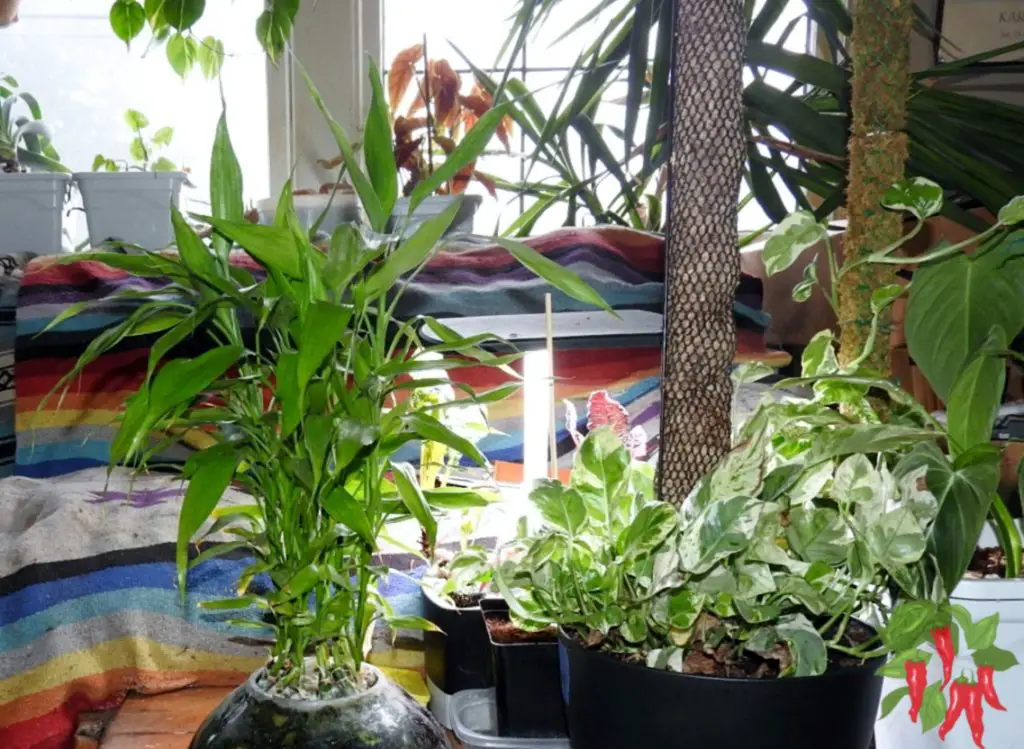
Placement of Lucky Bamboo in Feng Shui:
- East or Southeast: Placing the plant in the eastern part of your home promotes family harmony, while the southeast corner is linked to attracting wealth.
- Avoid Bedrooms: It’s generally advised not to place Lucky Bamboo in bedrooms, as its active energy may disrupt restful sleep.
3. How to Grow Lucky Bamboo
Lucky bamboo is one of those plants that feels like it was made for everyone whether you’re a seasoned gardener or a total newbie.
It’s low maintenance, adaptable, and a bit of a show-off with how well it grows in both water and soil.
Let’s dig into some simple tips for growing lucky bamboo to help your plant thrive:
Growing in Water
If you’re looking for an easy and mess-free option, growing lucky bamboo in water is the way to go.
It’s as simple as picking the right container, adding water, and giving it a good spot to soak up some indirect light.
Plus, there’s something oddly satisfying about seeing those roots spread out in clear water.
- Pick the right container: A sturdy vase or container gives roots plenty of space.
- Stabilize the stalks: Use pebbles or marbles to keep the stalks upright.
- Keep the roots submerged: Fill the container with just enough water to cover the roots.
- Use clean water: Filtered or distilled water works best to avoid chemical damage.
- Refresh regularly: Change the water every week or two to keep things fresh and healthy.
Growing in Soil
If you prefer a more traditional approach, planting lucky bamboo in soil is another great choice.
This method provides a bit more stability and can support larger, healthier growth over time.
Just be sure to use the right soil and a container with drainage holes.
- Use rich, well-draining soil: A good potting mix keeps the roots happy.
- Water consistently: Keep the soil moist, but don’t let it stay soggy.
- Pick the right pot: A container with drainage holes prevents water from pooling.
Light and Temperature
Lucky bamboo is pretty easygoing about its light and temperature needs, but there are a couple of things to keep in mind.
Too much sun can scorch those pretty green leaves. It does best in warm indoor conditions.
- Light: Place it in bright, indirect sunlight. Avoid direct sun, which can harm the leaves.
- Temperature: Keep it cozy between 65°F and 95°F (18°C to 35°C).
Fertilization
Lucky bamboo doesn’t need much feeding, but a little boost now and then can make a big difference.
Less is definitely more here, as overdoing it can cause yellowing or even harm the plant.
- Feed sparingly: A small amount of diluted liquid fertilizer once a month is plenty.
- Skip over-fertilizing: Too much can do more harm than good.
Pruning and Shaping
Keeping your lucky bamboo tidy is easy with a little pruning. It’s also a fun way to shape your plant and keep it growing the way you want.
- Trim as needed: Snip off yellowing or dead leaves to keep your plant looking its best.
- Rotate for even growth: Give the pot a turn every so often to encourage balanced growth.
How to Propagate Lucky Bamboo
Propagating lucky bamboo is easier than you think, and it’s a fun way to grow your collection or share the good vibes with a friend.
All it takes is a healthy plant, a sharp pair of scissors, and a little patience. Let me walk you through the simple steps to turn one lucky bamboo into many.
Step 1: Choose the Right Stalk
Start by selecting a healthy, mature stalk from your existing plant.
Look for one with at least two to three leaf nodes (the small bumps where leaves grow).
Avoid using any stalks that are yellowing or showing signs of stress because healthy cuttings lead to healthy new plants.
Step 2: Make a Clean Cut
Use a clean, sharp pair of scissors or pruning shears to cut just below one of the nodes.
The cutting should be around 4–6 inches long. A clean cut is important to avoid damaging the plant or introducing bacteria.
Step 3: Prep the Cutting
Remove any leaves from the lower part of the cutting, leaving the top leaves intact. This helps focus the plant’s energy on root development instead of supporting too many leaves.
Step 4: Root in Water
Place the cutting in a clean glass of distilled or filtered water. Make sure the bottom of the cutting is submerged.
The leaves should stay above the waterline. Keep the glass in a spot with bright, indirect light.
- Change the water: Refresh it every 7–10 days to keep it clean and oxygenated.
- Wait for roots: Within a few weeks, you’ll notice roots starting to develop.
Step 5: Transition to Soil or Water
Once the roots are about an inch long, you have a choice:
Plant the new bamboo in soil or continue growing it in water. Both options work well, so it depends on your preference.
- For soil: Use a well-draining potting mix and keep the soil consistently moist.
- For water: Transfer the rooted cutting to a vase with clean water, adding pebbles to stabilize it.
Step 6: Care for Your New Plant
Treat your new lucky bamboo just like the parent plant. Place it in bright, indirect light, keep the water clean (if it’s in water), or water the soil regularly (if it’s in soil). With proper care, your propagated bamboo will thrive.
Propagating lucky bamboo is a rewarding experience, and it’s always exciting to see new roots form.
Have fun experimenting, and before you know it, you’ll have a whole little bamboo forest to brighten up your space!
Growing Lucky Bamboo in an Aquarium
Did you know you can grow Lucky Bamboo in your aquarium? It’s not only a unique way to display this plant but also beneficial for your fish.
Lucky Bamboo can help oxygenate the water, absorb excess nutrients, and add a natural aesthetic to your tank. Here’s how to do it right.
Choosing the Right Placement for Lucky Bamboo Plants
Q: Can Lucky Bamboo grow fully submerged in water?
A: No, the leaves of Lucky Bamboo must stay above the waterline to avoid rotting. Only the stalks and roots should be submerged.
- Select healthy stalks: Choose Lucky Bamboo stalks with no yellowing or damage.
- Placement: Secure the bamboo stalks in gravel or pebbles at the bottom of the tank. Make sure the leaves stay above the water level.
- Orientation: Tilt the stalk slightly if the waterline is close to the base of the leaves.
Benefits of Lucky Bamboo in an Aquarium
- Natural filter: Lucky Bamboo absorbs nitrates and other waste products, helping maintain water quality.
- Aesthetic appeal: Its green stalks add a touch of nature to your aquarium.
- Oxygenation: While not as effective as live aquatic plants, it can still contribute to oxygen levels.
Light and Water Quality for Aquarium Bamboo
- Light: Place the aquarium where it receives bright, indirect light. Too much direct light can harm both your bamboo and the fish.
- Water quality: Avoid water with high chlorine or fluoride levels. Use filtered or dechlorinated water for your tank especially if it has fish in it.
- pH balance: Lucky Bamboo thrives in slightly acidic to neutral water, typically in the pH range of 6.0–7.5, which is ideal for most aquariums.
Caring for Bamboo in an Aquarium
- Monitor leaf health: If the leaves turn yellow, it could indicate too much light, poor water quality, or nutrient deficiencies.
- Root growth: Lucky Bamboo roots will grow freely in the gravel and water, anchoring the plant securely over time.
- Avoid algae buildup: Clean the leaves and stalks periodically to prevent algae from covering them.
Q: Is Lucky Bamboo safe for fish?
A: Yes, Lucky Bamboo is non-toxic and safe for most freshwater fish. However, always research compatibility with specific fish species.
Adding Lucky Bamboo to your aquarium is a simple and creative way to enhance both the health and appearance of your tank.
Plus, your fish will appreciate the natural environment it creates!
How to Grow Lucky Bamboo FAQs
When it comes to growing Lucky Bamboo, questions are bound to pop up, especially if you’re new to this versatile plant.
From choosing between soil and water to figuring out its role in Feng Shui, there’s plenty to learn.
Let’s tackle some of the most common questions so you can keep your Lucky Bamboo thriving and looking great.
Q: Does Lucky Bamboo grow better in soil or water?
A: Lucky Bamboo thrives in both water and soil. Water is easier for beginners and makes monitoring simple, while soil supports sturdier, more robust growth over time.
Q: What are the tips for growing Lucky Bamboo?
A:
- Use clean, chemical-free water like distilled or filtered water.
- Provide bright, indirect light to prevent leaf scorching.
- Maintain consistent indoor temperatures between 65°F and 95°F.
- Fertilize sparingly to avoid damaging the plant.
Q: Will Lucky Bamboo grow from a cutting?
A: Yes, you can propagate Lucky Bamboo by cutting a healthy offshoot, placing it in water until roots develop, and then choosing to continue growing it in water or transferring it to soil.
Q: Does Lucky Bamboo flower?
A: Lucky Bamboo flowers rarely, and almost never indoors. When it does, the flowers are small and fragrant but it’s not a common occurrence.
Q: Where do you put Lucky Bamboo in Feng Shui?
A: Place it in the East to promote family harmony or in the Southeast to attract wealth and prosperity following Feng Shui principles.
Q: How many stalks of bamboo are lucky?
A: The number of stalks carries symbolic meanings:
- 2: Love and partnership
- 3: Happiness, long life, and wealth
- 5: Balance in health
- 6: Prosperity
- 8: Growth
- 9: Great luck
- 10: Perfection
- 21: A powerful blessing for health and wealth
Avoid arrangements with four stalks, as the number four is considered unlucky in Feng Shui.
Q: Where to put a bamboo plant in your house?
A: Choose a spot with bright, indirect light, like a living room or office. Avoid bedrooms, as their active energy could disrupt restful sleep.
Q: What direction should bamboo face?
A: Position Lucky Bamboo to face East or Southeast to align with Feng Shui’s positive energy flow.
Q: How long does Lucky Bamboo last?
A: With proper care, Lucky Bamboo can live for several years, continuing to bring beauty and positivity to your space. Grow it in soil for a longer life.
By keeping these FAQs in mind, you can confidently grow and care for Lucky Bamboo while enjoying its aesthetic and symbolic benefits.
Growing Lucky Bamboo in Feng Shui Conclusion
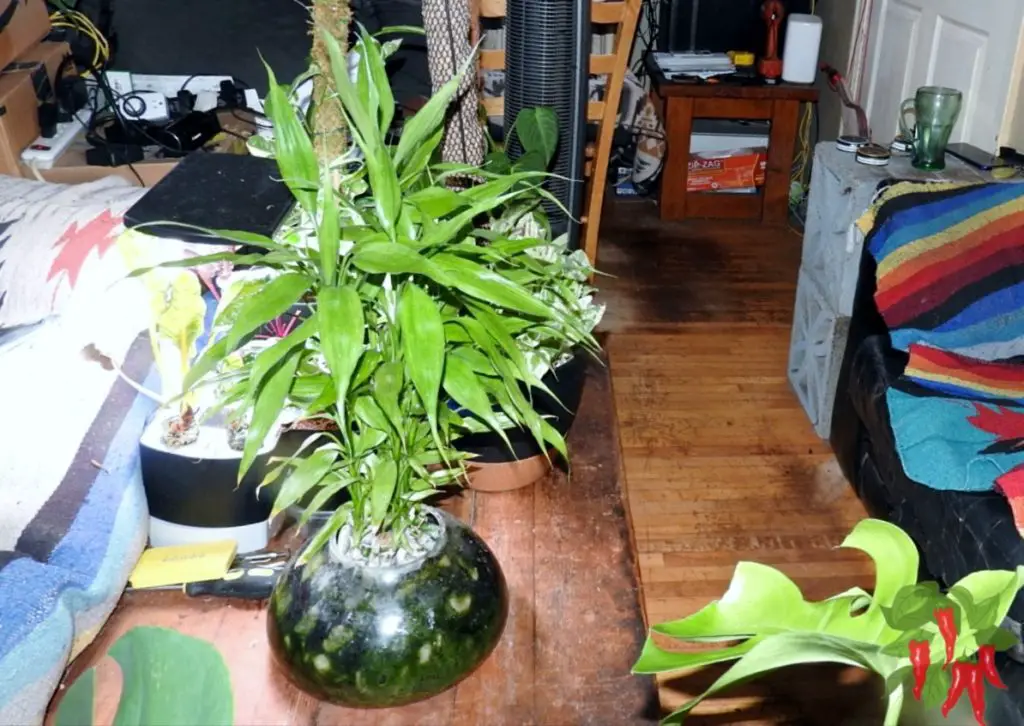
Lucky Bamboo is more than just a pretty plant. By following simple care practices and understanding their role in Feng Shui, you can enjoy a healthier, happier home.
From growing it in water or soil to placing it strategically, this plant is perfect for adding a touch of luck and harmony to your space.
Key Takeaways
- Easy Care: Thrives in water or well-draining soil with minimal maintenance.
- Positive Energy: Place in the east for family harmony or southeast for wealth.
- Lucky Stalk Counts: Different numbers symbolize love, health, wealth, or blessings.
- Clean Water: Use distilled or filtered water to keep it healthy.
- Long Lifespan: With proper care, Lucky Bamboo can last for years.
Final Thoughts
With a little care and attention, Lucky Bamboo can bring life, luck, and harmony into your home for years to come.
Whether you’re growing it in water, soil, or even an aquarium, this resilient plant is a joy to have around.
Keep experimenting, enjoy the process, and watch your green companion thrive!
✨ Indoor Plants and Feng Shui
Enhance harmony, balance, and positive energy in your home with these Feng Shui indoor plant guides.
- 🌱 Feng Shui Plants (Pillar Guide)
- 🏡 Indoor Plants and Feng Shui
- 🌿 Feng Shui Vertical Gardens for Office Spaces
- 🌸 Best 24 Feng Shui Indoor Plants
- 💧 Growing Feng Shui Plants
- 🌳 Common Chinese House Plants for Feng Shui
- 🪴 Feng Shui Hanging Plants
- 🛏️ Feng Shui Bedroom Plants
- 🍃 ZZ Plant Feng Shui
- 🌱 Using Feng Shui in Vertical Gardens
- 🎋 Growing Lucky Bamboo in Feng Shui
- 🏠 Indoor Plants for Feng Shui
- ☯️ Indoor Plants for Positive Energy
- 🌼 Chinese Evergreen Care
- 🌺 Growing Peonies Indoors and Outdoors
- See all articles in our Indoor Plants and Feng Shui category
Related Content

Visit my Amazon Influencer Page for videos and gardening products Grow Your Own Garden