
This post contains affiliate links. If you buy something from one of our links we may earn a commission. Thanks
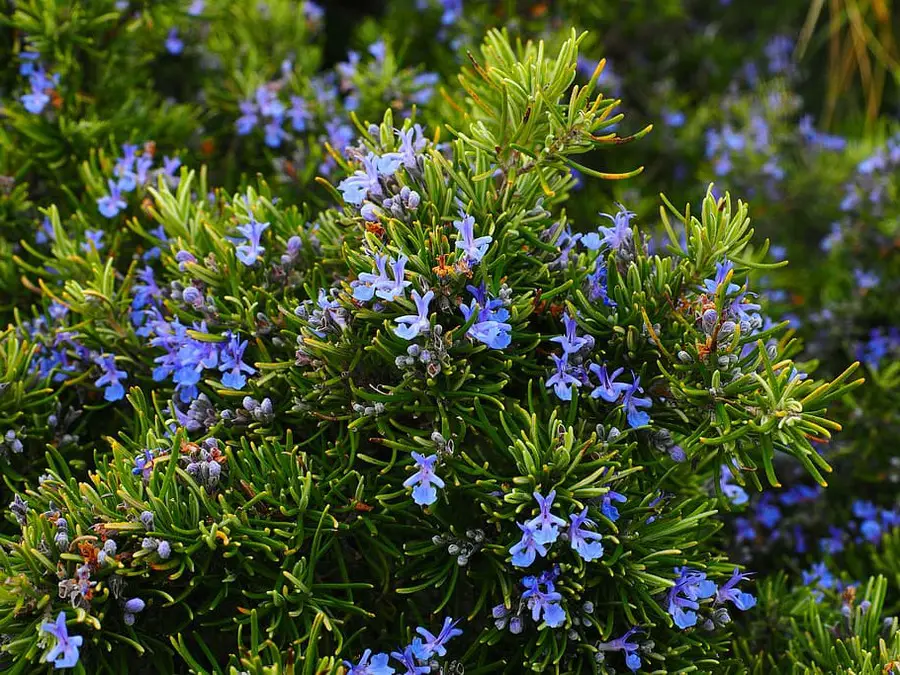
Discover the magic of growing Rosemary indoors with Feng Shui tips that boost energy, health, and home harmony – your ultimate green living guide!
Growing Rosemary indoors is a rewarding way to enjoy this hardy, fragrant herb year-round.
With its love for bright light and well-draining soil, Rosemary is easy to care for and incredibly versatile.
Place it thoughtfully to nurture its growth and invite positive energy into your home, inspired by Feng Shui principles.
Rosemary Plant Care Key Takeaways
- Rosemary Plant Care involves providing bright indirect light.
- Provide well-draining soil and deep but infrequent watering.
- Keep the plant in moderate humidity and temperatures between 65-75°F.
- For Feng Shui place Rosemary in the Southeast for prosperity or near entryways to attract positive energy.
- Proper care ensures healthy growth and enhances Chi flow in your home.
Rosemary Plant Care Indoors

Growing Rosemary indoors is about more than aesthetics. It’s about creating a harmonious, energy-filled space.
In Feng Shui, Rosemary symbolizes clarity, protection, and vitality, making it a powerful addition to your home.
This versatile herb purifies the air, sharpens focus, and enhances the flow of positive Chi.
Let’s explore how to care for Rosemary and harness its Feng Shui benefits.
Growing Rosemary Indoors: Powerful Feng Shui Tips
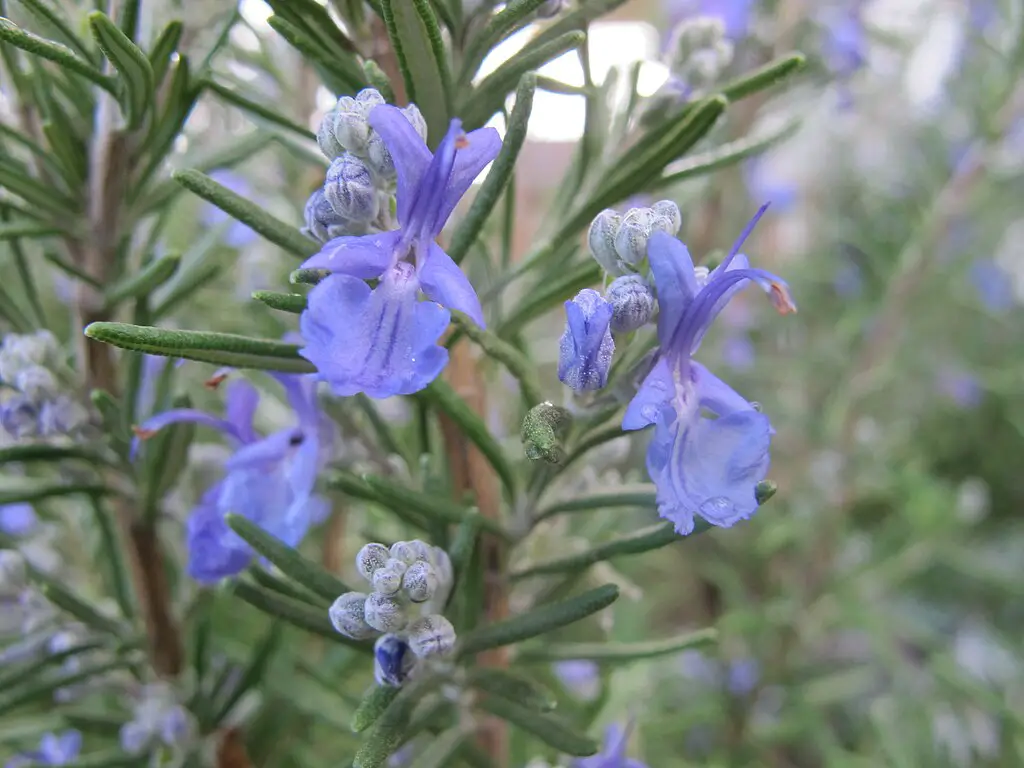
Rosemary (Rosmarinus officinalis) is more than just a fragrant herb for the kitchen it’s also a powerful addition to your indoor garden.
Loved for its culinary uses and air-purifying properties, Rosemary also holds a special place in Feng Shui.
Part 1: Essential Rosemary Care

Caring for Rosemary indoors is easier than you think when you know what it needs.
In this section, we’ll cover everything from the best light and soil to watering and fertilizing tips.
With the right care, your Rosemary will stay healthy, fragrant, and a beautiful part of your indoor garden for years to come.
What Makes Rosemary Unique?
Evergreen Nature of Rosemary
Rosemary stands out as a hardy, evergreen herb that remains lush and vibrant year-round.
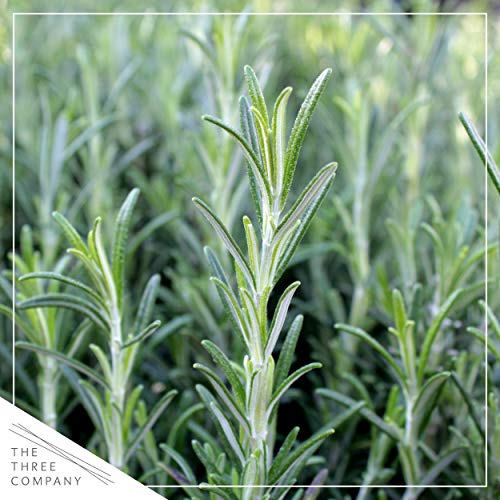
Its needle-like leaves and woody stems bring natural elegance to any space, while its adaptability makes it a popular choice for indoor gardening.
In Feng Shui, rosemary’s evergreen quality symbolizes longevity and vitality, enhancing the flow of positive energy in your home.
Key Features of Rosemary’s Evergreen Nature:
- Year-Round Greenery: Maintains its vibrant foliage even during colder months, symbolizing resilience and stability in Feng Shui.
- Adaptable Growth: Thrives indoors with proper light and care, making it ideal for enhancing Chi in kitchens or living spaces.
- Compact Size: Perfect for windowsills, tabletops, or small garden areas, harmonizing well with your home’s Feng Shui energy flow.
By integrating rosemary into your indoor spaces, you’ll enjoy a beautiful plant that’s deeply aligned with balance and renewal.
Aromatic Properties of Rosemary
One of the most beloved qualities of Rosemary is its refreshing, pine-like aroma. This natural fragrance enhances your indoor environment and offers therapeutic benefits.
The scent of Rosemary is known to boost mood, improve focus, and create a calming atmosphere.
Benefits of Rosemary’s Aromatic Properties:
- Natural Air Freshener: Fills your space with a soothing, herbal scent.
- Boosts Focus and Memory: Studies suggest its aroma can improve concentration.
- Repels Pests: Acts as a natural deterrent for certain insects.
- Relaxation Aid: Helps reduce stress and creates a tranquil indoor setting.
Low-Maintenance Nature of Rosemary
Rosemary is incredibly easy to care for, making it an ideal plant for beginners and seasoned gardeners alike.
With the right light, soil, and watering schedule, this herb requires little effort while providing a high yield of benefits.
Why Rosemary is Low-Maintenance:
- Drought-Tolerant: Doesn’t need frequent watering, reducing upkeep.
- Resilient to Pests: Naturally resistant to many common indoor pests.
- Long Lifespan: Thrives for years with minimal repotting or fertilizing.
- Light-Loving: Flourishes with a sunny windowsill as its main requirement.
Multi-Purpose Benefits of Rosemary
Rosemary’s versatility extends beyond its culinary uses. From enhancing Feng Shui energy to serving as an air purifier, it’s a multifunctional plant that brings a range of benefits to your home.
Whether you’re cooking with it, decorating with it, or using it for its spiritual significance, Rosemary never disappoints.
How Rosemary is Multi-Purpose:
- Culinary Delight: Adds flavor to savory dishes, teas, and infused oils.
- Feng Shui Enhancer: Symbolizes positivity, purification, and mental clarity.
- Air Purifier: Removes toxins and freshens indoor spaces naturally.
- Decorative Appeal: Complements modern and traditional indoor décor styles.
Benefits of Growing Rosemary Indoors

Growing Rosemary indoors goes beyond having a beautiful plant, it also provides practical and Feng Shui benefits.
With its aromatic leaves and versatile uses, Rosemary brings life to your home while promoting wellness and positive energy.
Why You Should Grow Rosemary Indoors:
- Fresh Culinary Supply: Always have fresh Rosemary on hand for your favorite recipes, from savory dishes to infused oils and teas.
- Air Purification: Naturally filters the air, removing toxins and improving indoor air quality.
- Aesthetic Appeal: Its rich green foliage adds elegance and charm to any room.
- Positive Energy Flow: Promotes a sense of calm and balance, aligning with Feng Shui principles.
- Compact Size: Fits perfectly on windowsills, countertops, or small indoor gardens.
Rosemary Plant Care Reference Guide
| Characteristic | Details |
|---|---|
| Common Name | Rosemary |
| Botanical Name | Salvia rosmarinus |
| Native Habitat | Mediterranean region |
| Plant Type | Evergreen shrub |
| Growth Pattern | Upright and bushy |
| Mature Size | 1-4 feet tall, 2-4 feet wide |
| Watering | Deep watering when soil is dry; avoid overwatering |
| Light/Sun Exposure | 6-8 hours of bright, indirect sunlight daily |
| Soil Type | Well-draining mix with coco coir and perlite |
| Soil pH | 6.0-7.0 (slightly acidic to neutral) |
| Temperature | 65-75°F (18-24°C) |
| Humidity | Moderate; mist occasionally in dry environments |
| Bloom Time & Flower Color | Spring to early summer; blue or purple flowers |
| Potential Problems | Root rot, yellowing leaves, pest infestations |
| Repotting | Every 2-3 years; use fresh soil |
| Hardiness Zones (USDA) | 8-10 (outdoors); adaptable indoors |
Light Requirements for Rosemary
Rosemary thrives in bright light, needing 6-8 hours of sunlight daily to maintain its lush, fragrant foliage.
Proper lighting ensures a healthy plant and a vibrant energy boost for your home.
In Feng Shui, Rosemary symbolizes clarity and renewal, and light amplifies its uplifting energy.
Key Lighting Tips:
- South-Facing Windows: Place Rosemary near south-facing windows for optimal natural light.
- Supplement with Grow Lights: If natural light is limited, use LED grow lights to provide consistent brightness.
- Avoid Harsh Midday Sunlight: Protect the plant from intense, direct sunlight, which can scorch its leaves.
- Strategic Feng Shui Placement: Position Rosemary where light energizes areas like workspaces or kitchens, fostering clarity and positivity.
A well-lit Rosemary plant stays healthy and radiates its energy throughout the home, harmonizing spaces with brightness and growth.
Proper lighting creates a balanced environment where both the plant and its Feng Shui benefits thrive.
Soil and Potting Ideas for Rosemary
The right soil and pot can make all the difference in keeping your Rosemary healthy and your indoor space balanced.
Rosemary loves well-draining soil that mimics its natural Mediterranean environment.
From a Feng Shui perspective, proper soil and potting support growth and anchor positive energy in your home.
Key Soil and Potting Tips:
- Well-Draining Soil: Use a mix of 75% coco coir and 25% perlite for optimal drainage and sustainability.
- Drainage Holes: Always choose pots with drainage holes to prevent waterlogging and root rot.
- Terra Cotta Pots: These natural clay pots wick away excess moisture and promote breathability, symbolizing grounding energy in Feng Shui.
- Pot Size: Avoid oversized pots. Rosemary prefers snug containers that support its root system and maintain balance.
Feng Shui Considerations:
- Choose earthy, natural-colored pots to enhance stability and harmony.
- Position pots in areas where they can symbolically “root” calming energy, like the wealth corner or health corner of your home.
Pot Placement Tips:
- Elevated Pot Trays: Use pot trays to catch excess water and protect your furniture or floors.
- Decorative Outer Pots: Pair functional pots with decorative ones to enhance your indoor aesthetic while keeping drainage intact.
A thoughtfully chosen pot and soil mix will support Rosemary’s growth and harmonize the energy flow, enhancing both its beauty and Feng Shui benefits in your living space.
Watering Tips for Rosemary Plants
Watering your Rosemary correctly is vital for its health and energy. This herb thrives on a balance of deep watering and dry intervals, reflecting its Mediterranean roots.
In Feng Shui, intentional watering nurtures the plant and also enhances the energy flow in your home, promoting harmony and vitality.
Key Watering Tips:
- Deep, Infrequent Watering: Water until it drains out of the bottom, then let the top inch of soil dry before the next watering.
- Prevent Waterlogging: Always use pots with drainage holes to avoid soggy roots and stagnant energy.
- Morning Routine: Water in the morning to optimize absorption and invigorate the space with fresh energy.
- Feng Shui Placement Tip: Avoid areas where water might pool or collect near the plant, as this can create stagnant Chi.
Feng Shui Insight:
Balanced watering reflects mindfulness and care, key elements in Feng Shui. A well-hydrated Rosemary plant exudes vibrant energy, enhancing positivity and vitality wherever it’s placed.
Follow these tips to ensure your Rosemary plant stays healthy while fostering a harmonious and uplifting indoor environment.
Fertilization and Nutrient Needs
Rosemary thrives when provided with the right nutrients in moderation. Proper fertilization encourages healthy growth and ensures the plant remains lush and aromatic.
In Feng Shui, nurturing your plant with balanced nutrients aligns with the principle of mindful care, fostering a harmonious and vibrant atmosphere in your home.
Key Fertilization Tips:
- Use Balanced Fertilizer: Apply a liquid fertilizer with equal parts nitrogen, phosphorus, and potassium once a month during the growing season (spring and summer).
- Avoid Over-Fertilizing: Too much fertilizer can weaken the plant, leading to leggy growth and diminished vitality.
- Dilute for Safety: Use half-strength fertilizer for young or smaller Rosemary plants to avoid overwhelming their roots.
- Skip Dormant Months: Hold off on fertilizing in fall and winter when the plant’s growth slows naturally.
Feng Shui Insight:
Regular feeding supports the Rosemary’s vitality, a reflection of nurturing energy in Feng Shui.
A strong, healthy plant symbolizes resilience and growth, amplifying positive Chi in your indoor space.
By fertilizing thoughtfully, you’ll promote your Rosemary’s health and also enhance its energy-enhancing role in your Feng Shui arrangements.
Humidity and Temperature Considerations
Rosemary thrives in stable environments with moderate humidity and consistent temperatures.
Its Mediterranean origins make it adaptable, but maintaining ideal conditions is essential for growth and harmony.
In Feng Shui, creating a stable environment for Rosemary reflects balance and promotes a nurturing atmosphere in your home.
Key Humidity and Temperature Tips:
- Moderate Humidity: Rosemary prefers average humidity levels. If your home is dry, mist the plant occasionally to mimic its natural habitat.
- Ideal Temperature Range: Keep your plant in a room where the temperature stays between 65-75°F (18-24°C) for optimal growth.
- Avoid Cold Drafts: Place Rosemary away from windows or doors that let in cold air, especially during winter months.
- Consistent Conditions: Avoid sudden temperature changes, as they can stress the plant and slow its growth.
- Feng Shui Placement Tip: Ensure Rosemary is positioned in areas with steady airflow, avoiding excessive heat or moisture buildup, to maintain a smooth energy flow.
Feng Shui Insight:
Balanced humidity and temperature symbolize stability and harmony in Feng Shui.
A thriving Rosemary plant in a well-maintained environment contributes to positive Chi, fostering a sense of calm and well-being indoors.
By meeting its humidity and temperature needs, your Rosemary will remain healthy and vibrant, enhancing your indoor garden and the energy flow in your space.
Part 2: Propagation and Seasonal Care

Growing Rosemary indoors becomes even more rewarding when you can propagate new plants and adjust care routines with the seasons.
Propagation breathes new life into your garden, while seasonal adjustments ensure your Rosemary thrives year-round.
This section covers practical tips for multiplying your Rosemary and adapting to changing conditions.
Propagating Rosemary for New Energy
Propagation is a simple and rewarding way to expand your Rosemary collection while introducing fresh, vibrant energy into your home.
In Feng Shui, nurturing new plants symbolizes growth and renewal, enhancing the positive Chi in your space.
Here’s how to propagate Rosemary successfully.
Steps for Propagation
Use Stem Cuttings:
- Select a healthy stem around 4-6 inches long.
- Remove leaves from the bottom two inches of the cutting.
- Place the cutting in water or moist, well-draining soil.
Rooting in Water or Soil:
- For water propagation, use a clear container to monitor root growth.
- For soil propagation, plant the cutting in a coco coir and perlite mix to encourage healthy roots.
Timing is Key:
- Spring or early summer is ideal for propagation when the plant’s growth is most active.
Potting and Growth Tips
- Potting Young Plants: Once roots are about 2 inches long, transplant the cutting into a small pot with drainage holes.
- Encourage Growth: Keep the soil slightly moist and place the pot in a bright spot with indirect light.
- Feng Shui Tip: Position newly potted Rosemary in the east sector of your home to align with growth and renewal energy.
With these steps, you can propagate Rosemary effortlessly while adding beauty and positive energy to your indoor garden.
Seasonal Care for Rosemary
Caring for Rosemary year-round requires adapting to seasonal changes to keep your plant healthy and thriving.
Seasonal adjustments support its natural growth cycles and also help maintain harmony in your space.
In Feng Shui, mindful care during each season symbolizes balance and attentiveness, enhancing positive energy flow.
Key Seasonal Care Tips
Watering Adjustments:
- In colder months, reduce watering frequency as the plant’s growth slows.
- Let the topsoil dry out more thoroughly between waterings.
Light Rotation:
- Rotate the pot weekly to ensure even light exposure, especially during shorter winter days.
- Use a grow light if natural light is insufficient, placing the plant in the south or east for optimal energy alignment.
Fertilization:
- Cut back on fertilization during fall and winter, as Rosemary’s nutrient needs decrease.
- Resume monthly feeding in spring and summer when growth becomes more active.
Feng Shui Tip
- Winter Placement: Position Rosemary in a cozy spot away from cold drafts or heaters. This ensures it retains its vibrant energy while avoiding harsh environmental changes that disrupt Chi flow.
By tailoring your care routine to each season, you’ll keep your Rosemary healthy and your home full of uplifting energy year-round.
Long-Term Care for Rosemary
Keeping Rosemary healthy for the long haul requires regular maintenance and attention to its needs.
With proper pruning, repotting, and consistent care, your Rosemary will remain vibrant and full of energy for years.
In Feng Shui, nurturing plants over time symbolizes growth, stability, and balance in your life.
Key Long-Term Care Tips
Regular Pruning:
- Prune regularly to encourage bushy, healthy growth.
- Remove dead or woody stems to maintain the plant’s energy flow and aesthetic appeal.
Repotting Schedule:
- Repot every 2-3 years to refresh the soil and provide room for root growth.
- Use well-draining soil, like a coco coir and perlite mix, to prevent water retention and promote healthy roots.
Consistent Routine:
- Stick to a steady watering schedule to avoid over- or under-watering.
- Maintain moderate humidity and place the plant where it can receive 6-8 hours of bright, indirect light daily.
Feng Shui Tip
- Renew Energy Through Care: Repotting and pruning represent renewal and removing stagnant energy, enhancing Chi flow in your home.
- Place your Rosemary in the East for health or in the Southeast for wealth and prosperity.
Long-term care is about creating harmony between the plant’s needs and your home environment and ensures your Rosemary continues to thrive and uplift your space.
Common Rosemary Care Mistakes
Even with its hardy nature, Rosemary can struggle if common care mistakes are made.
Avoiding these pitfalls ensures a healthier plant and a stronger connection to positive energy in your home.
In Feng Shui, addressing care errors helps maintain balanced and thriving energy.
Key Mistakes to Avoid
Overwatering or Using Heavy Soils
- Overwatering leads to soggy roots and root rot.
- Avoid dense soils and instead use a well-draining mix with coco coir and perlite.
Low-Light Placement
- Placing Rosemary in dimly lit areas slows growth and weakens the plant.
- Ensure it receives 6-8 hours of bright, indirect sunlight to maintain its vitality.
Neglecting Pruning
- Skipping pruning causes Rosemary to become woody, reducing its ability to produce fresh growth.
- Trim regularly to encourage new stems and a bushier appearance.
Feng Shui Tip
- Restore Balance: Proper care helps the plant and supports harmonious energy flow in your home.
- Avoid placing Rosemary in neglected corners, as this can amplify stagnant energy.
Recognizing and correcting these common mistakes keeps your Rosemary thriving while maintaining a vibrant and positive indoor atmosphere.
Part 3: Feng Shui and Placement

Rosemary isn’t just a culinary herb. It symbolizes protection, vitality, and harmony in Feng Shui.
Thoughtful placement of Rosemary indoors can enhance Chi flow, attract positive energy, and create a calming atmosphere.
This section explores how to position Rosemary to maximize its benefits for your home and well-being.
Rosemary in Feng Shui: Symbolism and Benefits
Rosemary holds a special place in Feng Shui as a symbol of protection, purification, and vitality.
Its vibrant energy supports mental clarity, emotional balance, and harmonious living spaces.
Incorporating Rosemary into your home isn’t just about aesthetics. It’s a way to uplift the energy flow and create a peaceful environment.
Key Feng Shui Benefits:
- Protection and Purification: Repels negative energy and fosters a secure, uplifting atmosphere.
- Mental Clarity: Promotes focus and clear thinking, making it ideal for work or study areas.
- Emotional Balance: Encourages calm and stability, reducing stress and enhancing harmony in relationships.
By embracing Rosemary’s symbolic and energetic qualities, you can transform your indoor spaces into havens of positivity and renewal.
Best Placement for Rosemary Plants Indoors
Where you place Rosemary in your home can greatly influence its growth and Feng Shui benefits.
With its vibrant energy and functional uses, Rosemary can enhance various spaces, inviting positivity and vitality into your environment.
With the right placement, it thrives while harmonizing your home’s Chi flow.
Optimal Indoor Placement:
- Near Entryways: Welcome positive energy and create a refreshing vibe as people enter your home.
- In Kitchens: Symbolizes culinary abundance and vitality, aligning with the heart of the home.
- On Windowsills: Choose south- or east-facing windows for optimal light and energy flow.
- Avoid Clutter: Ensure open, airy surroundings to prevent stagnant Chi and support the plant’s vibrancy.
Thoughtful placement helps your Rosemary flourish while enhancing your home’s energy balance and practicality.
Rosemary in the Health and Family Area
In Feng Shui, the East sector of your home represents health and family harmony.
Placing a Rosemary plant in this area can amplify its nurturing energy, promoting well-being and stronger family connections.
Its fresh, invigorating presence aligns beautifully with the wood element often associated with this space.
Placement Tips for the East Sector:
- Enhance Health Energy: Position Rosemary in the East sector to support vitality and emotional balance for the household.
- Complement with Materials: Use wood or ceramic pots to harmonize with the natural energy of the area.
- Boost Light Flow: Place near windows to allow natural light to energize the plant and the space.
A thoughtfully placed Rosemary plant in the health and family area fosters a sense of calm, connection, and renewal.
Rosemary in the Wealth Corner
The Southeast sector of your home is linked to wealth and prosperity in Feng Shui.
Placing a Rosemary plant here can stimulate abundance and positive energy flow.
Its vibrant growth represents financial stability and growth, making it a perfect addition to the wealth corner.
Placement Tips for the Wealth Corner:
- Southeast Placement: Position Rosemary in the southeast to align with the energy of prosperity and abundance.
- Pair with Symbols: Enhance the effect by placing coins, gold accents, or crystals like citrine near the plant.
- Vibrant Growth: Keep the plant healthy and lush, as thriving greenery symbolizes flourishing finances.
When properly placed and cared for, Rosemary in the wealth corner serves as a living representation of growth and financial success.
Using Rosemary to Clear Negative Energy
Rosemary has long been valued for its ability to cleanse and purify spaces, both physically and energetically.
Its fragrant aroma and strong protective energy make it a powerful tool for clearing stagnant Chi and promoting a fresh, positive atmosphere.
Ways to Use Rosemary for Clearing Negative Energy:
- Stagnant Areas: Place Rosemary plants in corners, hallways, or near other rarely used spaces to refresh energy and enhance flow.
- Smudging Rituals: Burn dried Rosemary bundles like sage to cleanse a room of negative vibrations and invite positive Chi.
- Feng Shui Placement: Position Rosemary near entryways to ward off unwanted energy and welcome harmonious vibes into your home.
- Living Energy: Use healthy, thriving plants as a natural way to uplift the space and clear negativity.
Incorporating Rosemary into your energy-clearing routine fosters balance and harmony, creating a more vibrant and peaceful environment.
Part 4: Enhancing Spaces with Rosemary
Rosemary isn’t just a useful herb. It’s a versatile plant that can elevate the energy and style of any room.
Whether placed in a workspace for focus or a relaxation area for calm, this plant brings aesthetic and energetic benefits.
Let’s explore how Rosemary enhances your home’s Feng Shui and functionality.
Rosemary for Workspaces
Rosemary is a fantastic addition to your workspace, bringing clarity and focus to your daily tasks.
Rosemary’s invigorating scent stimulates the mind and promotes productivity, making it an excellent Feng Shui companion for any home office or study area.
Key Placement Tips:
- Near Desks: Position Rosemary close to your desk for easy access and to harness its energizing properties.
- On Shelves: Use small pots on shelves to add greenery and balance the room’s energy.
- Avoid Clutter: Ensure the area remains tidy to maintain a steady Chi flow and maximize the plant’s benefits.
Incorporating Rosemary into your workspace fosters a focused, harmonious environment that supports mental clarity and positive energy.
Rosemary for Relaxation Spaces
Rosemary isn’t just for kitchens or workspaces. It’s a wonderful choice for creating a peaceful, restorative environment.
Its calming scent promotes relaxation and helps soothe the mind, making it ideal for bedrooms, reading nooks, or meditation corners.
Key Placement Tips:
- In Bedrooms: Place Rosemary on nightstands or windowsills to encourage restful sleep and balance energy.
- In Reading Nooks: Pair Rosemary with cozy seating and soft lighting to enhance focus and relaxation while you unwind.
- Feng Shui Bonus: Position Rosemary in the west or northwest areas to promote tranquility and nurture calm Chi flow.
With the right placement, Rosemary can transform your relaxation spaces into serene sanctuaries that restore your energy and well-being.
Rosemary and Mental Clarity

Rosemary has long been celebrated for its ability to sharpen the mind and boost focus. Its invigorating scent aids memory retention and mental clarity, making it perfect for study areas or creative workspaces.
This herb brings an energetic, fresh vibe that encourages productivity and inspiration.
How to Use Rosemary for Mental Clarity:
- In Study Spaces: Place Rosemary near your desk to enhance concentration during intense tasks.
- Creative Corners: Keep a small Rosemary plant in areas where you brainstorm or work on creative projects to spark fresh ideas.
- Aromatherapy Tip: Gently rub a Rosemary leaf to release its calming yet stimulating fragrance before starting work or studying.
Adding Rosemary to your workspace creates an atmosphere that nurtures focus, clarity, and innovative thinking.
Decorating with Rosemary
Rosemary isn’t just a practical herb, and it’s also a stylish addition to your indoor decor.
Its elegant, upright growth and rich green foliage can bring a rustic yet refined touch to any space.
Thoughtful placement and decorative choices can enhance its charm and functionality.
Tips for Decorating with Rosemary:
- Decorative Pots: Use terracotta or ceramic pots to add a rustic feel that complements Rosemary’s natural look.
- Hanging Planters: Perfect for kitchens or smaller spaces, hanging Rosemary planters save room while adding greenery to eye level.
- Pair with Neutral Decor: Highlight the plant’s lush color by combining it with minimalist or neutral-toned furniture.
- Table Centerpieces: Place a Rosemary plant in a decorative pot as a centerpiece for dining or coffee tables.
Decorating with Rosemary elevates your home’s aesthetics and infuses the space with its invigorating aroma and Feng Shui benefits.
Combining Rosemary with Other Herbs
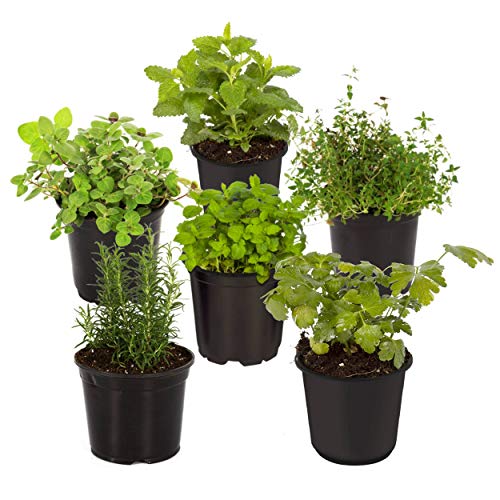
Pairing Rosemary with other herbs creates a dynamic and harmonious indoor herb garden.
Each herb brings its unique aesthetic, fragrance, and energy, making the combination practical and visually appealing.
Thoughtful groupings can enhance the Feng Shui of your home while providing fresh herbs for cooking and wellness.
Best Herb Pairings for Rosemary:
- Lavender: Complements Rosemary with its calming scent, perfect for relaxation spaces.
- Basil: A natural partner for culinary uses, adding fresh energy to kitchens and dining areas.
- Mint: Offers a refreshing contrast to Rosemary’s woody scent, ideal for balance in indoor gardens.
- Thyme and Sage: Combine for a layered herb garden with earthy tones and complementary growth habits.
Benefits of Herb Combinations:
- Layered Textures: Create visual interest with varying heights and foliage types.
- Energy Flow: Promote balanced Chi with diverse plant energies in Feng Shui.
- Practical Use: Enjoy multiple herbs for cooking, aromatherapy, and decor.
Grouping Rosemary with other herbs brings vitality and a touch of nature to your indoor spaces while enhancing their functionality and energy balance.
Part 5: Practical Applications
Rosemary is a multitasking powerhouse in the home. From enhancing your cooking to purifying the air, its practical uses make it a must-have.
In this section, we’ll explore how to use Rosemary for culinary creations, air quality, and even Feng Shui gardens to elevate your space.
Cooking with Rosemary: A Feng Shui Perspective
Rosemary doesn’t just add flavor to your meals. It infuses your food with positive energy and intention.
In Feng Shui, cooking with fresh herbs like Rosemary symbolizes nourishment and abundance, creating harmony in your home.
Ways to Use Rosemary in Cooking:
- Infuse Meals with Energy: Use fresh sprigs in soups, stews, and roasts to bring warmth and vitality.
- Teas and Oils: Brew Rosemary tea for relaxation or make infused oils to enhance flavor and energy flow.
- Decorative Garnishes: Add sprigs to plated dishes, symbolizing care and balance in meal presentation.
Cooking with Rosemary nourishes the body and uplifts the spirit, aligning perfectly with Feng Shui principles of harmony and abundance.
Outdoor Rosemary and Feng Shui Gardens
Rosemary thrives in outdoor gardens. Its earthy aroma and vibrant energy enhance both beauty and balance.
In Feng Shui, placing Rosemary strategically outdoors promotes positive energy flow and connection with nature.
Outdoor Rosemary Placement Tips:
- Near Patios and Pathways: Create a welcoming atmosphere by planting Rosemary along walkways or near outdoor seating areas.
- South or East Placement: Align with Feng Shui principles by planting in these areas associated with growth, vitality, and warmth.
- Garden Edges: Use Rosemary as a border plant to define spaces and maintain energy flow.
- Companion Planting: Pair with lavender or thyme for complementary textures and harmonious energy.
Adding Rosemary to your outdoor spaces enhances the garden’s aesthetics and brings tranquility and vitality, making it a valuable addition to Feng Shui-inspired landscaping.
Rosemary for Air Purification
Rosemary is a natural air purifier. By improving indoor air quality, this plant promotes a healthier, fresher environment while enhancing Feng Shui energy flow.
Its cleansing properties align with creating a balanced and vibrant living space.
Key Air Purification Benefits:
- Removes Toxins: Absorbs harmful substances like carbon dioxide and volatile organic compounds (VOCs).
- Increases Oxygen Levels: Supports fresher and cleaner air circulation.
- Promotes Positive Energy: Clean air boosts Chi flow, encouraging harmony and balance.
- Ideal Placement: Place Rosemary plants near frequently used areas like kitchens or living rooms to maximize air purification benefits.
Integrating Rosemary into your home purifies the air and uplifts the energy, making it a Feng Shui-friendly choice for vibrant, healthy living spaces.
Rosemary in Different Home Areas
Rosemary is a versatile plant that can uplift the energy and aesthetics of various spaces in your home.
By thoughtfully placing it in key areas, you can enhance its benefits for both Feng Shui and practical purposes.
Each room offers unique opportunities to integrate Rosemary’s vibrant energy.
Best Placement Ideas:
- Kitchens: Symbolizes culinary abundance and vitality. Place near a window for adequate light and easy access for cooking.
- Living Rooms: Adds a welcoming touch and purifies air, promoting positive energy flow.
- Entryways: Invites prosperity and protection while making a fresh first impression.
- Bathrooms: Ideal for purifying energy and softening the atmosphere. Ensure adequate light and humidity.
- Bedrooms: Encourages relaxation and calmness. Pair with soft lighting for a soothing vibe.
By adapting Rosemary’s placement to light availability and energy goals, you can maximize its impact in your home, ensuring both functional and Feng Shui benefits.
Part 6: Troubleshooting Rosemary Problems
Even with proper care, Rosemary plants can face challenges that impact their growth and health.
From yellowing leaves to slow growth, understanding and addressing common issues is key to keeping your plant thriving.
This section will explore practical solutions to common problems and tips for maintaining a healthy, vibrant Rosemary plant.
Avoiding Common Rosemary Placement Mistakes
Proper placement is essential for healthy Rosemary growth and maintaining its Feng Shui benefits.
Misplacing your Rosemary plant can lead to poor health and disrupt the flow of positive energy in your home.
By avoiding these common mistakes, you can ensure your Rosemary thrives and uplifts your space.
Key Placement Tips:
- Avoid Low-Light Corners: Rosemary requires bright, indirect sunlight. Dark or dimly lit areas can stunt its growth and weaken the plant.
- Don’t Overcrowd: Placing Rosemary on cluttered shelves can block airflow and hinder energy flow. Give it enough space to spread its branches.
- Keep Away from Drafts: Avoid placing Rosemary near cold drafts or air vents, as temperature fluctuations can stress the plant.
- Mind the Heat: Proximity to heating vents or radiators can dry out the plant and disrupt its moisture balance.
Selecting a balanced, well-lit location creates the perfect environment for your Rosemary to flourish while maintaining its Feng Shui harmony.
Rosemary Plant Health Issues
Even with the best care, Rosemary plants can face challenges. Identifying and addressing these health issues early ensures a thriving, vibrant plant that continues to enhance your space and Feng Shui energy.
Here’s how to tackle the most common problems.
Key Issues and Solutions:
- Yellowing Leaves:
- Cause: Overwatering or poor drainage.
- Solution: Check the soil for moisture and adjust your watering routine. Ensure the pot has proper drainage to prevent waterlogging.
- Pest Infestations:
- Cause: Common pests like spider mites or aphids.
- Solution: Wipe leaves with a damp cloth and treat with neem oil or insecticidal soap. Regularly inspect the plant for signs of pests.
- Slow Growth:
- Cause: Insufficient light or lack of nutrients.
- Solution: Move the plant to a sunnier location or supplement with grow lights. Feed monthly during the growing season with a balanced fertilizer.
Feng Shui Tip:
A healthy Rosemary plant symbolizes vibrant energy and balance.
Addressing these issues means the plant can continue purifying your space and enhancing Chi flow.
Taking proactive steps will keep your Rosemary flourishing, ensuring its longevity and energy-boosting qualities in your home.
Proactive Care Tips
Maintaining a thriving Rosemary plant involves consistent attention and small environmental adjustments.
Regular care ensures your plant stays healthy and vibrant and continues to enhance your home’s energy and aesthetic appeal.
Key Tips for Proactive Care:
- Routine Monitoring:
- Check soil moisture weekly to prevent over- or under-watering.
- Observe light levels and relocate the plant as needed for consistent exposure.
- Inspect leaves for signs of pests or nutrient deficiencies.
- Seasonal Adjustments:
- Spring/Summer: Increase watering frequency and fertilize monthly to support active growth.
- Fall/Winter: Reduce watering, and ensure the plant receives adequate light despite shorter days.
- Rotate the pot occasionally to encourage even growth and light distribution.
Feng Shui Insight:
A well-cared-for Rosemary plant radiates positive energy and vitality, reinforcing harmony and prosperity in your home.
By staying attentive to your plant’s needs, you’ll keep it flourishing and amplify its role in enhancing your indoor Feng Shui.
FAQs: Caring for Rosemary Indoors
Whether you’re new to Rosemary or looking to optimize its growth and energy, these common questions can help you nurture this versatile herb.
Q. How much light does Rosemary need indoors?
A. Rosemary thrives with 6-8 hours of bright, indirect sunlight daily. Place it near a south-facing window or use grow lights to ensure adequate light. Avoid dim areas, as Rosemary struggles without sufficient brightness.
Q. What’s the best soil mix for Rosemary plants?
A. Use a well-draining soil mix like coco coir, perlite, and sand. This combination mimics Rosemary’s Mediterranean origins and prevents root rot by allowing excess water to escape.
Q. Can Rosemary grow in low-humidity environments?
A. While Rosemary prefers moderate humidity, it can adapt to drier conditions. Misting occasionally or using a pebble tray can help maintain moisture around the plant.
Q. How do I propagate Rosemary from cuttings?
A. Take 4-6 inch stem cuttings, strip the lower leaves, and place the stem in water or moist soil. Keep the cutting in bright, indirect light until roots develop, then transfer to a pot with well-draining soil.
Q. Where should I place Rosemary for Feng Shui benefits?
A. For positive energy, place Rosemary near entryways to invite vitality or in the southeast (wealth corner) for prosperity. Kitchens are also ideal for abundance and culinary harmony.
With proper care and thoughtful placement, Rosemary can be a lush, vibrant addition to your home while uplifting your indoor energy.
Conclusion: Rosemary Care and Feng Shui Benefits
Rosemary is more than just a fragrant herb. It symbolizes vitality, protection, and clarity.
Whether you grow Rosemary for its culinary uses or to enhance your home’s energy, Rosemary thrives when placed thoughtfully and cared for consistently.
Recap of Rosemary Care and Feng Shui Benefits
- Placement: Position Rosemary in kitchens, health corners, or workspaces to promote abundance and clarity.
- Care: Ensure bright light, well-draining soil, and moderate humidity to keep your plant thriving.
- Feng Shui: Incorporate Rosemary to encourage prosperity, mental focus, and emotional balance.
Key Takeaways
- Rosemary offers both practical and spiritual benefits, making it a versatile indoor plant.
- With consistent care, Rosemary provides long-lasting health and beauty while uplifting your space’s energy.
- Thoughtful placement enhances your home’s decor and promotes the positive Chi flow essential for a harmonious living environment.
By blending care techniques with Feng Shui principles, you’ll enjoy a Rosemary plant that’s as vibrant as it is meaningful.
✨ Indoor Plants and Feng Shui
Enhance harmony, balance, and positive energy in your home with these Feng Shui indoor plant guides.
- 🌱 Feng Shui Plants (Pillar Guide)
- 🏡 Indoor Plants and Feng Shui
- 🌿 Feng Shui Vertical Gardens for Office Spaces
- 🌸 Best 24 Feng Shui Indoor Plants
- 💧 Growing Feng Shui Plants
- 🌳 Common Chinese House Plants for Feng Shui
- 🪴 Feng Shui Hanging Plants
- 🛏️ Feng Shui Bedroom Plants
- 🍃 ZZ Plant Feng Shui
- 🌱 Using Feng Shui in Vertical Gardens
- 🎋 Growing Lucky Bamboo in Feng Shui
- 🏠 Indoor Plants for Feng Shui
- ☯️ Indoor Plants for Positive Energy
- 🌼 Chinese Evergreen Care
- 🌺 Growing Peonies Indoors and Outdoors
- See all articles in our Indoor Plants and Feng Shui category
Related Content




Visit my Amazon Influencer Page for videos and gardening products Grow Your Own Garden