
This post contains affiliate links. If you buy something from one of our links we may earn a commission. Thanks
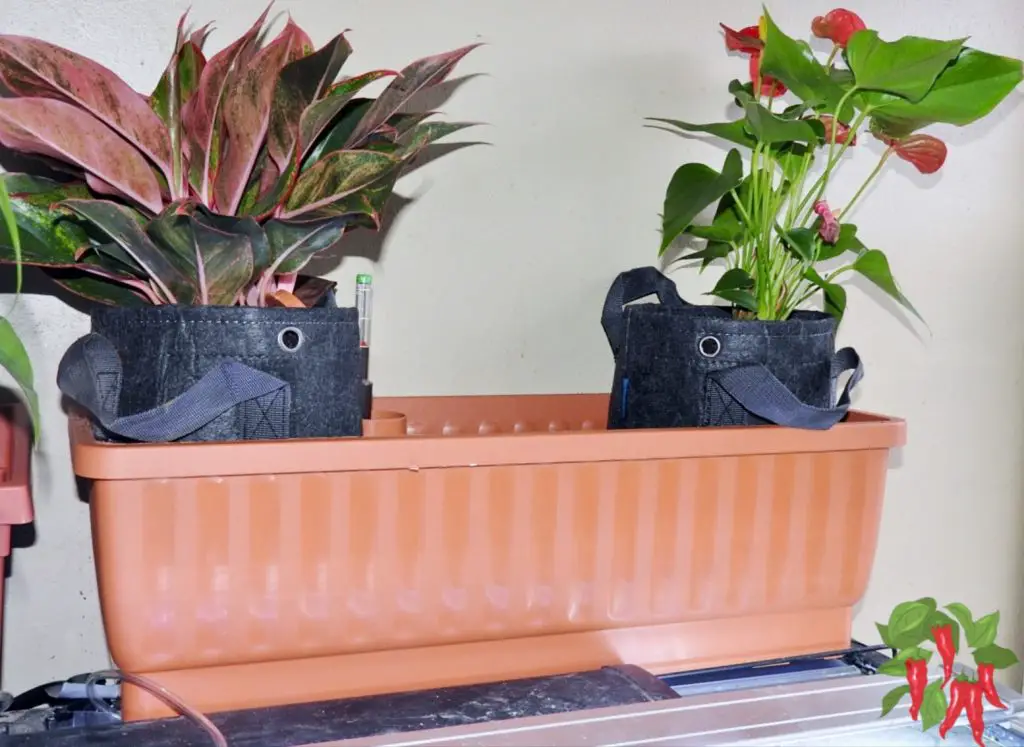
Discover essential Watering Tips for New Indoor Plant Owners! Learn how to keep your green buddies happy and hydrated. Let’s grow together!
Tips for Watering Indoor Plants Key Takeaways:
Watering Tips include:
- Checking soil moisture before watering,
- Using room temperature water,
- Adjust the watering frequency based on plant type and season.
- Water at the soil level to avoid wetting leaves.
- Recognize signs of over and underwatering.
- Most importantly, tailor watering to each plant’s specific needs rather than following a strict schedule.
1. Watering Tips for New Indoor Plant Owners: Keep Your Green Friends Happy!
Watering Tips for New Indoor Plant Owners is your go-to guide for keeping your green friends happy and thriving!
Worried about drowning your plants or leaving them parched? Maybe you’ve accidentally turned a few plants into crispy critters or soupy messes?
Don’t sweat it – with these simple watering tricks, you’ll be nurturing lush, healthy plants in no time, even if you’re a total newbie to the plant parent game.
2. Understanding Your Plant’s Water Needs
When it comes to watering your indoor plants, one size definitely doesn’t fit all. Just like people, different plants have different thirsts, and understanding these needs is key to keeping your green buddies happy.
Let’s dive into what affects your plant’s water requirements:
Plant Types Matter:
Not all plants are created equal when it comes to water needs. Succulents and cacti, for instance, are like camels – they can go long periods without water.
On the flip side, tropical plants are more like thirsty puppies, needing frequent drinks to stay perky.
Soil and Pot Size:
The size of your plant’s home and what it’s filled with play a big role in watering needs:
• Larger pots hold more water and take longer to dry out.
• The type of soil affects water retention – some soils hold onto water like a sponge, while others let it drain quickly.

3. How to Check If Your Plant Needs Water
Wondering if it’s time to water your plant? Here are two simple tests you can do:
Finger Test:
This is like taking your plant’s temperature, but with your finger!
• Stick your finger about an inch into the soil.
• If it’s dry, it’s time to water. If it’s still moist, hold off for now.
Weight Test:
Turn your plant pot into a mini workout:
• Lift the pot – if it feels light, your plant is probably thirsty.
• If it’s still heavy, there’s likely enough water in the soil.
4. Best Practices for Watering Indoor Plants
4.1. Watering Frequency
No Fixed Schedule:
Plants don’t wear watches, so don’t stick to a rigid watering schedule. Instead, water based on your plant’s needs and the dryness of the soil.
Morning Watering:
Give your plants their morning drink! Watering in the AM gives your green friends a full day to absorb the water and prevents them from sitting in damp conditions overnight.
4.2. Watering Techniques
Water at Soil Level:
Think of this as giving your plant a drink, not a shower:
• Water directly at the base of the plant.
• This ensures the roots get the moisture they need.
• Avoid wetting the leaves, which can lead to fungal growth (plants don’t like wet feet or wet heads!).
Bottom Watering:
This is like giving your plant a relaxing foot bath:
• Place the pot in a tray of water.
• Let the plant absorb water through the drainage holes.
• Great for plants that like consistent moisture, like ferns.
4.3. Avoiding Common Watering Mistakes
Overwatering vs. Underwatering:
Finding the right balance is key:
• Overwatering can cause root rot – think soggy socks, but for plants.
• Underwatering leads to wilting and brown leaves – like a plant version of dehydration.
Use Room-Temperature Water:
Treat your plants to just-right water:
• Cold water can shock the roots (plants don’t like brain freeze!).
• Warm water might damage delicate roots.
• Room-temperature water is the Goldilocks choice – just right!
4.4. The Importance of Drainage Holes
Never underestimate the power of a good drainage hole! Think of drainage holes as your plant’s safety valve – they’re absolutely essential for preventing waterlogged roots and ensuring plant health.
Why Drainage Holes Matter:
• Prevent root rot by allowing excess water to escape
• Help maintain proper soil aeration
• Allow roots to “breathe” and grow properly
• Make it easier to flush out built-up minerals and salts
What If Your Pot Lacks Drainage?
If you’ve fallen in love with a decorative pot without holes:
• Use it as a cache pot (outer container)
• Keep your plant in a plastic nursery pot with holes inside
• Place small rocks between the two pots to prevent standing water
Tips for Proper Drainage:
• Cover drainage holes with mesh or broken pottery pieces to prevent soil loss
• Elevate pots slightly using pot feet or a plant stand
• Always empty drainage trays within an hour after watering
• Never let your plant sit in standing water
Pro Tip: When repotting, resist the urge to add gravel or rocks at the bottom of pots – this actually reduces drainage rather than improving it!
5. Self-Watering Planters: A Game-Changer for Plant Care
Self-watering planters can be your secret weapon against the most common watering pitfalls. These clever containers act like a personal plant babysitter, delivering just the right amount of water when needed.

How Self-Watering Planters Work:
• A water reservoir sits beneath the soil
• A wicking system draws water up to the roots
• Plants take what they need when they need it
• On some a water level indicator shows when to refill
Benefits of Self-Watering Planters:
Consistent Moisture:
• Maintains ideal soil moisture
• Prevents stress from irregular watering
• Perfect for moisture-loving plants
Reduced Maintenance:
• Less frequent watering needed
• Great for busy plant parents
• Ideal for vacation periods
Better Root Health:
• Encourages deep root growth
• Reduces risk of root rot
• Promotes stronger plants
Best Plants for Self-Watering Planters:
Perfect For:
• Peace lilies
• Pothos
• Spider plants
• African violets
• Most tropical plants
Not Recommended For:
• Succulents
• Cacti
• Plants prone to root rot
• Plants that prefer dry periods
Tips for Success:
• Start with fresh potting mix designed for self-watering containers
• Don’t overfill the reservoir – leave room for air circulation
• Clean the reservoir periodically to prevent algae growth
• Monitor water levels during extreme temperatures
• Flush the system every few months to prevent mineral buildup
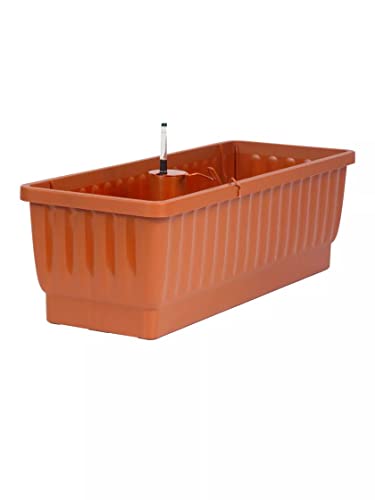 Gardener’s Supply Company 23″ Self-Watering Windowbox for Flowers, Herbs and Succulents, Terra Cotta
6. Adapting Watering to Seasons
Just like we change our routines with the seasons, your plants’ watering needs change too:
Summer Watering:
• Plants might need more frequent watering.
• Heat and light cause quicker evaporation.
• Think of it as your plants needing extra hydration on hot days, just like you!
Winter Watering:
• Plants enter a dormant phase and require less water.
• Be careful not to overwater during cooler months.
• It’s like your plants are taking a winter nap and need less food and drink.
7. Troubleshooting Watering Issues
Even with the best intentions, watering issues can pop up. Here’s how to spot and solve common problems:
Signs of Overwatering:
• Yellowing leaves
• Moldy soil
• Mushy stems
Think of these as your plant’s way of saying, “Help, I’m drowning!”
Signs of Underwatering:
• Drooping or crispy leaves that perk up after watering
It’s like your plant is doing a dramatic faint to get your attention.
Reviving Overwatered Plants:
• Let the soil dry out completely before resuming a proper watering schedule.
• Think of it as putting your plant on a water diet to help it recover.
8. Special Watering Tips for Different Plant Types
Different plants, different needs. Here’s a quick guide for some common indoor plant types:
Succulents and Cacti:
• Water infrequently
• Ensure the soil is completely dry before watering again
• These plants are like camels – they store water and don’t need frequent drinks
Tropical Plants:
• Keep the soil consistently moist
• Mist the leaves regularly to maintain humidity
• Think of recreating a mini rainforest in your home
Flowering Plants:
• Water more frequently when the plant is actively blooming
• It’s like giving your plant extra energy to keep those beautiful flowers coming
9. Conclusion: Watering Tips for New Indoor Plant Owners
Mastering the Art of Plant Watering
As we’ve explored, proper watering is the cornerstone of successful indoor plant care. By understanding your plants’ needs and following these guidelines, you’ll be well on your way to nurturing a thriving indoor garden.
Tailoring Your Approach
Remember, every plant is unique. Pay attention to your plants’ individual needs and adjust your watering routine accordingly.
Growing Confidence in Plant Care
As you practice these watering techniques, you’ll develop a better understanding of your plants and gain confidence in your ability to care for them.
Key Takeaways:
• Check soil moisture before watering – don’t follow a strict schedule
• Use room temperature water to avoid shocking plant roots
• Water at soil level to prevent leaf diseases
• Adjust the watering frequency based on season and plant type
• Learn to recognize signs of over and underwatering
• Consider bottom watering for plants that prefer consistent moisture
• Remember that most plants prefer to dry out slightly between waterings
• Don’t be discouraged by mistakes – every plant parent has overwatered or underwatered at some point
By incorporating these watering tips into your plant care routine, you’re setting yourself up for success as a plant parent. Happy watering, and enjoy watching your indoor garden flourish!
🌱 Best Indoor Plants for Beginners
Just getting started with houseplants? These beginner-friendly guides will help you pick, grow, and care for indoor plants with confidence!
- 🌿 Best Indoor Plants for Beginners (Pillar Guide)
- 🐛 Common Indoor Plant Pests and How to Avoid Them
- 💨 Top Indoor Plants for Air Purification
- 🌱 How to Propagate Indoor Plants for Beginners
- 💧 Watering Tips for New Indoor Plant Owners
- 🌼 Easiest Indoor Plants to Grow
- 🪴 How to Choose the Right Indoor Pot for Beginners
- ⏳ Best Indoor Plants for Busy People
- 🌿 Beginner Guide to Indoor Plant Fertilizers
- 🏡 Indoor Plants for Small Spaces
- 😊 Best Indoor Plants for Improving Mood
- 💵 Budget-Friendly Indoor Plants for Beginners
- 🔄 How to Repot Indoor Plants for Beginners
- ❄️ Best Winter Indoor Plants for Beginners
- 🪴 Beginner-Friendly Hanging Indoor Plants
- 🐾 Pet-Friendly Indoor Plants for Beginners
- 🌵 Beginner-Friendly Succulents
- 💧 Best Indoor Plants for Low Humidity
- ⚠️ Common Mistakes Beginners Make with Indoor Plants
- 🌨️ Best Indoor Plants for Winter Months
- 🌸 Beginner-Friendly Indoor Flowering Plants
- ⚡ Indoor Plants with Fast Growth
- 🖤 Best Indoor Plants for Minimalist Decor
- 🌿 Best Indoor Plants to Start a Collection
- See all articles in our Best Indoor Plants for Beginners category
Related Content

Visit my Amazon Influencer Page for videos and gardening products Grow Your Own Garden