
This post contains affiliate links. If you buy something from one of our links we may earn a commission. Thanks
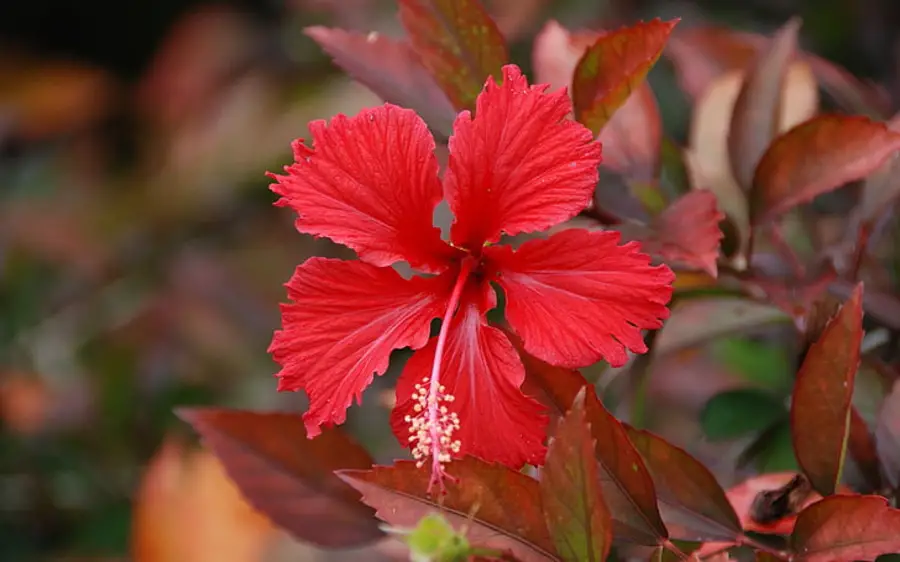
Caring for Hibiscus Indoors brings beauty and harmony to your home. Discover simple tips to grow healthy hibiscus and harness Feng Shui energy.
Caring for Hibiscus Indoors Key Takeaways
- Caring for Hibiscus Indoors involves providing bright, indirect light, consistent watering, and well-draining soil.
- Regular pruning and care keep your plant healthy and vibrant, enhancing both your decor and your home’s positive energy.
- To boost energy flow, place hibiscus in Feng Shui zones like the Fame corner (South) or Wealth area (Southeast).
Caring for Hibiscus Indoors: Feng Shui Growth Tips

Caring for Hibiscus Indoors is easier than you think! Struggling to keep your hibiscus thriving or wondering where it fits in your home’s flow?
This plant doesn’t just bloom beautifully; it also boosts positive energy in your space.
Let’s explore how to grow healthy hibiscus while enhancing your home’s harmony with Feng Shui.
Part 1: The Symbolism and Energy of Hibiscus
Hibiscus is more than just a stunning plant—it’s a symbol of vitality, joy, and harmony in Feng Shui.
Its vibrant blooms bring life and positivity to any space, making it a perfect choice for enhancing your home’s energy.
Let’s explore how Hibiscus connects beauty with powerful symbolic meaning.
The Dual Benefits of Hibiscus Indoors
Hibiscus is not only a showstopper in your indoor garden but also a source of positivity and harmony in Feng Shui.
With its vibrant blooms and uplifting energy, hibiscus can transform your space, making it both beautiful and balanced.
Let’s uncover how this stunning plant brightens your home while enhancing its energy.
Symbolism of Hibiscus in Feng Shui
Hibiscus holds a special place in Feng Shui, symbolizing joy, vitality, and passion. Its lush flowers and bold colors radiate positive energy, making it a natural choice for creating balance and flow in your space.
Key Feng Shui Symbolism of Hibiscus:
- Joy and Vitality: The bright blooms uplift moods and inspire lively energy.
- Passion and Confidence: The hibiscus represents boldness, sparking creativity and action.
- Energy Flow: Its presence enhances harmony and promotes balanced energy throughout your home.
Adding hibiscus to Feng Shui areas like the Fame corner or Wealth area helps amplify its symbolic power while creating a vibrant, welcoming atmosphere.
Emotional Benefits of Hibiscus Blooms
Hibiscus doesn’t just beautify your home; it also improves emotional well-being.
The vivid colors and natural charm of its blooms inspire positivity and happiness, making it the perfect addition to any space where you relax or recharge.
How Hibiscus Blooms Support Emotional Wellness:
- Brightens the Mood: The cheerful colors bring optimism and joy into your environment.
- Reduces Stress: Its calming presence helps create a soothing atmosphere.
- Promotes Positivity: The vibrant energy of hibiscus blooms uplifts your spirits and fosters a welcoming vibe.
Place hibiscus in areas like living rooms, entryways, or meditation zones to enjoy its emotional benefits and create a space that feels light, balanced, and joyful.
Part 2: Practical Hibiscus Care

Growing hibiscus indoors combines the joy of vibrant blooms with the satisfaction of nurturing a healthy plant.
With the right care, hibiscus can thrive in your home, bringing beauty and positive energy to your space.
Let’s dive into the essentials of keeping your hibiscus happy and blooming all year round.
Hibiscus is a genus of flowering plants in the mallow family, Malvaceae. The genus is quite large, comprising several hundred species that are native to warm temperate, subtropical and tropical regions throughout the world. Member species are renowned for their large, showy flowers and those species are commonly known simply as “hibiscus” https://en.wikipedia.org/wiki/Hibiscus
Caring for Hibiscus Indoors
Step-by-Step Guide to Indoor Hibiscus Care
Caring for hibiscus indoors is simple with the right approach. Follow these steps to provide your plant with the environment it needs to thrive and bloom beautifully.
1. Provide Proper Light
Hibiscus loves light, but not all sunlight is the same.
- Place your plant near a window that gets bright, indirect light or direct morning sun.
- Avoid the harsh afternoon sun, which can scorch the leaves.
- If natural light is limited, use a grow light to supplement and ensure your hibiscus gets 6–8 hours of light daily.
2. Maintain Consistent Watering
Hibiscus thrives in moist soil, but overwatering can lead to problems like root rot.
- Check the top inch of soil; water when it feels dry.
- Use room-temperature water to avoid shocking the roots.
- Ensure the pot has good drainage to prevent water from pooling at the bottom.
3. Use the Right Soil
Soil quality is key to a healthy hibiscus.
- Choose a well-draining, nutrient-rich mix, such as a 60/30 blend of coco coir and perlite with 10% added compost or worm castings.
- Avoid heavy, compacted soils that retain too much moisture.
- Consider a soil mix designed for tropical plants to support the hibiscus’s specific needs.
Additional Care Tips
- Temperature: Keep your hibiscus in a room that stays between 65–85°F (18–29°C).
- Humidity: Maintain moderate humidity by misting the leaves or placing a water tray nearby.
- Pruning: Trim back dead or leggy growth to encourage fuller blooms and healthier foliage.
By following these simple steps, your indoor hibiscus will reward you with lush, vibrant blooms and a cheerful presence that brightens your home.
Hibiscus Plant Care Reference Guide
| Characteristic | Details |
|---|---|
| Common Name | Hibiscus |
| Botanical Name | Hibiscus rosa-sinensis |
| Native Habitat | Tropical Asia |
| Plant Type | Flowering perennial |
| Growth Pattern | Upright and bushy |
| Mature Size | 3–6 feet tall indoors |
| Watering | Keep soil consistently moist but not soggy |
| Light/Sun Exposure | Bright, indirect light or direct morning sun |
| Soil Type | Well-draining, nutrient-rich soil |
| Soil pH | 6.0–7.0 (slightly acidic to neutral) |
| Temperature | 65–85°F (18–29°C) |
| Humidity | Moderate to high (50–70%) |
| Bloom Time & Flower Color | Year-round indoors with proper care; colors range from red, pink, yellow, orange, to white |
| Potential Problems | Pests (aphids, spider mites), yellowing leaves, lack of blooms |
| Repotting | Every 2–3 years or when roots outgrow the pot |
| Hardiness Zones (USDA) | 10–11 (outdoors); grown indoors elsewhere |
Seasonal Care for Hibiscus
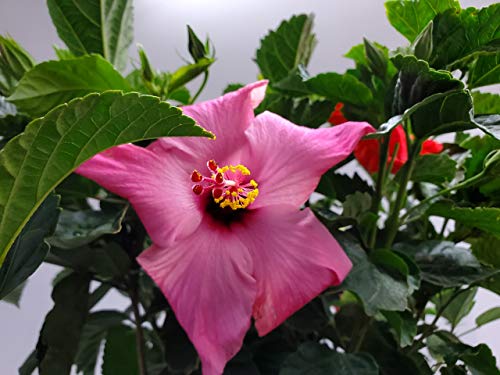
Hibiscus care changes slightly with the seasons to keep the plant healthy and blooming.
Knowing how to adjust your routine ensures year-round vitality and vibrant flowers.
Adjusting Care Routines for Each Season
- Spring and Summer:
- Increase watering as the plant enters its active growth phase.
- Fertilize every 2–4 weeks with a balanced fertilizer to promote blooming.
- Ensure the plant gets plenty of bright, indirect light.
- Fall and Winter:
- Reduce watering to prevent overwatering as growth slows.
- Move the plant away from cold drafts or heat sources like vents.
- Use a grow light if natural sunlight decreases significantly.
Protecting Hibiscus During Colder Months
- Keep indoor temperatures above 60°F (15°C).
- Place a humidity tray nearby or mist the leaves to combat dry indoor air.
- Avoid over-fertilizing during winter when the plant is semi-dormant.
Troubleshooting Hibiscus Growth Problems
Hibiscus plants can face common issues, but with quick action, most problems are easy to fix.
Common Issues and Solutions
- Pests (e.g., aphids, spider mites):
- Treat with insecticidal soap or neem oil.
- Wipe leaves with a damp cloth to remove pests.
- Leaf Drop:
- Check for overwatering or underwatering.
- Ensure the plant isn’t exposed to temperature fluctuations.
- Lack of Blooms:
- Provide 6–8 hours of bright, indirect light daily.
- Use a phosphorus-rich fertilizer to encourage flower production.
Regular observation and quick care adjustments will keep your hibiscus thriving and problem-free.
Long-Term Care for Hibiscus
To enjoy lush growth and vibrant flowers year after year, hibiscus requires consistent care and occasional maintenance.
Strategies for Healthy Growth
- Fertilization:
- Feed every 2–4 weeks during the growing season with a balanced or blooming-specific fertilizer.
- Skip fertilizing during winter dormancy to prevent overfeeding.
- Pruning:
- Prune lightly in early spring to shape the plant and remove dead growth.
- Regular trimming encourages fuller blooms and a bushier appearance.
- Repotting:
- Repot every 2–3 years or when roots outgrow the pot.
- Use a slightly larger pot with fresh, nutrient-rich soil to support healthy growth.
By following these practices consistently, your hibiscus will continue to bloom beautifully and thrive for years to come.
Part 3: Feng Shui Placement and Benefits

Hibiscus isn’t just a decorative plant. It’s a powerful tool for enhancing the energy flow in your home.
When placed thoughtfully, hibiscus amplifies positivity, harmony, and abundance. Let’s explore how to position hibiscus in key Feng Shui areas to unlock its full potential for balancing and uplifting your space.
Best Placement for Hibiscus Indoors
Where you place your hibiscus indoors can significantly impact its health and the energy it brings to your home. Thoughtful placement amplifies its vibrant energy and aligns with Feng Shui principles.
Tips for Positioning Hibiscus Indoors
- Bright, Indirect Light: Place your hibiscus near a sunny window where it can get 6–8 hours of bright, indirect sunlight daily.
- Avoid Harsh Conditions: Keep it away from drafts, heating vents, or overly shaded spots.
- Decorative Pots: Use pots in colors like green or red to align with growth and vitality.
Ideal Areas for Feng Shui Impact
- Fame and Reputation Corner (South): Enhances recognition and vitality.
- Wealth Corner (Southeast): Attracts abundance and prosperity.
- Entryways: Welcomes uplifting energy and harmony.
Hibiscus in the Fame and Reputation Corner
The Fame Corner, located in the South, is associated with recognition, vitality, and fire energy in Feng Shui. Hibiscus, with its bold and vibrant flowers, is a perfect match for this area.
How Hibiscus Boosts Recognition and Vitality
- The bright blooms symbolize success and dynamic energy, reinforcing your reputation.
- Its fire-like colors (red, orange, or pink) align with the South’s energetic qualities.
Styling Tips for the Fame Corner
- Place hibiscus in decorative pots that match the room’s color scheme.
- Position it near natural light to highlight its vibrancy.
- Pair with elements like candles or mirrors to enhance the energy flow.
Hibiscus for Wealth and Prosperity Corners
The Wealth Corner, located in the Southeast, symbolizes growth, abundance, and prosperity. Placing hibiscus here encourages financial stability and positive energy flow.
Attracting Abundance with Hibiscus
- Hibiscus’s lush growth and vibrant flowers symbolize wealth and thriving opportunities.
- Its presence enhances the wood energy associated with the Southeast.
Feng Shui Pairing Tips
- Combine hibiscus with jade plants or bamboo to amplify prosperity energy.
- Use green or gold pots to align with wealth symbolism.
- Add a small water feature nearby to further enhance energy flow.
Hibiscus in Entryways
Your home’s entryway sets the tone for the energy entering your space. Placing hibiscus near entrances creates a welcoming and uplifting atmosphere.
How Hibiscus Welcomes Positive Energy
- Acts as a natural filter, blocking negativity and inviting vibrant energy.
- The bright blooms make a cheerful first impression.
Placement Tips for Entryways
- Position the hibiscus plant on a table or stand near the front door.
- Use matching pots for symmetry if you’re placing plants on both sides of the entryway.
- Ensure it receives indirect light to maintain its health and energy.
Hibiscus for Meditation and Relaxation Zones
Hibiscus can transform a mindfulness space into a haven of calmness and vitality. Its soothing energy promotes focus and relaxation, perfect for meditation areas.
Promoting Calmness and Focus
- The natural beauty of hibiscus helps clear mental clutter, fostering peace.
- Its vibrant yet calming presence balances energy in relaxation spaces.
How to Use Hibiscus in Mindfulness Zones
- Place a hibiscus plant in a corner near your meditation mat or chair.
- Pair with soft lighting, cushions, or crystals to enhance serenity.
- Use its fresh flowers as part of your mindfulness rituals.
Hibiscus for Romantic Energy
Hibiscus is a symbol of passion and love, making it an ideal plant for boosting romantic energy in Feng Shui layouts.
Enhancing Love and Passion with Hibiscus
- The vibrant flowers evoke feelings of warmth and intimacy.
- Their lush presence represents flourishing relationships and connections.
Placement Tips for Romantic Energy
- Place hibiscus in the Southwest corner of your bedroom to align with the Feng Shui relationship area.
- Use red or pink pots to symbolize passion and affection.
- Pair with soft textures like drapes or cushions to create a cozy, inviting atmosphere.
By strategically placing hibiscus in your home, you can maximize its beauty and Feng Shui benefits, creating spaces that feel balanced, vibrant, and welcoming.
Part 4: Hibiscus and Small Spaces

Even if you’re short on space, hibiscus can still thrive and bring its vibrant energy into your home.
This adaptable plant is perfect for compact living, adding beauty and positivity without taking up too much room.
Let’s explore how to make hibiscus a standout feature in even the coziest spaces.
Hibiscus for Small Spaces
Hibiscus can brighten even the smallest spaces with its vibrant blooms and positive energy.
With a little creativity, you can adapt its care and placement to fit compact living environments, whether it’s an apartment or a cozy home.
Adapting Care for Small Spaces
- Light: Place your hibiscus near a window with bright, indirect sunlight, or use a compact grow light for limited natural light.
- Watering: Keep the soil moist but avoid overwatering. Use pots with good drainage to prevent water buildup.
- Humidity: Boost humidity with a pebble tray or by grouping plants together.
Creative Placement Ideas
- Windowsills: Perfect for catching sunlight while saving floor space.
- Hanging Planters: Use hanging baskets to add greenery without crowding your surfaces.
- Vertical Stands: Tiered plant stands let you display multiple plants in a small footprint.
By making thoughtful adjustments, you can enjoy the beauty of hibiscus without sacrificing valuable space.
Decorating with Hibiscus Indoors
Hibiscus is a stylish addition to your home decor. Its lush greenery and colorful blooms make it a focal point that enhances any room’s aesthetic.
Styling Ideas for Home Decor
- Centerpieces: Use a hibiscus plant as a dining table or coffee table centerpiece to add a fresh and lively touch.
- Corner Accents: Place hibiscus in a decorative pot in empty corners to brighten the space.
- Floating Shelves: Display smaller hibiscus plants on shelves for a modern, space-saving look.
Choosing the Right Pots and Arrangements
- Aesthetic Pots: Opt for ceramic or terracotta pots in colors that match your decor, such as green, white, or gold.
- Matching Themes: Use textured or patterned pots to complement a rustic, modern, or tropical style.
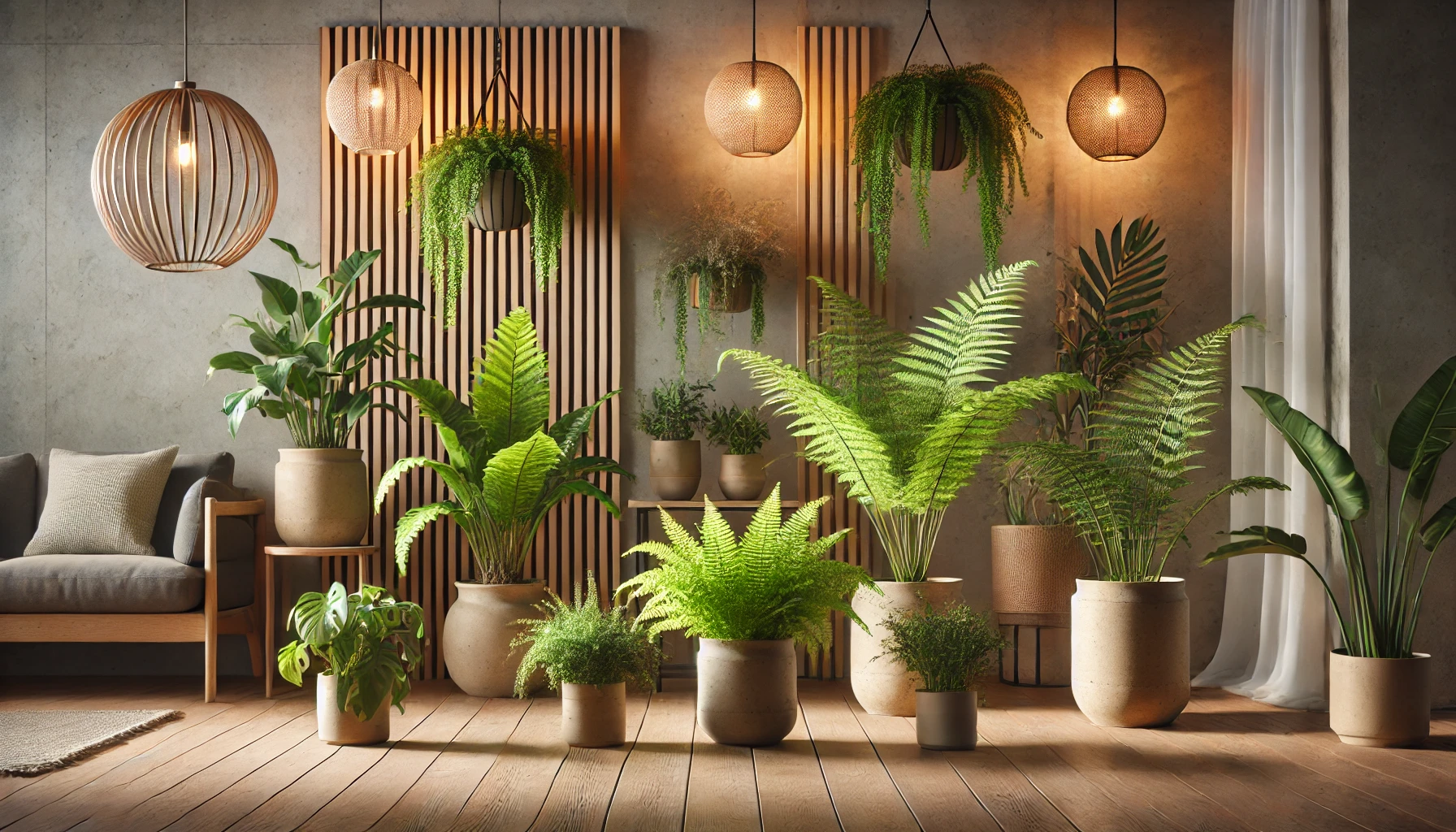
- Creative Groupings: Pair hibiscus with other plants like ferns or succulents for a layered, harmonious display.
By incorporating hibiscus into your decor, you’ll add a touch of elegance and positive energy to your home while showcasing your unique style.
Part 5: Enhancing Energy with Hibiscus

Hibiscus isn’t just a visual delight—it’s a natural powerhouse for uplifting energy in your home.
By thoughtfully integrating hibiscus into your space, you can promote harmony, positivity, and vitality.
Let’s uncover how this vibrant plant enhances energy flow and transforms your living environment.
Hibiscus in Workspaces
Adding hibiscus to your workspace can bring a refreshing boost of creativity, focus, and productivity.
With its vibrant blooms and uplifting energy, it creates a more balanced and inspiring environment, perfect for tackling tasks or sparking ideas.
Boosting Creativity and Focus
- The vibrant flowers provide a visual break, reducing stress and enhancing mental clarity.
- Its lively energy uplifts the mood, keeping you motivated throughout the day.
Placement Tips for Productivity
- Desk Accent: Place a small hibiscus plant on your desk for easy visibility and refreshing energy.
- Window Spot: Position the plant near a bright window to ensure it receives enough light.
- Shared Space: Use hibiscus as a focal point in communal office areas to create a welcoming atmosphere.
Combining Hibiscus with Tropical Greenery
Hibiscus pairs beautifully with other tropical plants to create a lush and harmonious indoor garden.
Together, these plants balance energy and add a vibrant, natural feel to your home.
Pairing Hibiscus with Tropical Plants
- Monstera or Palm Trees: Complement hibiscus with plants that have large, textured leaves for contrast.
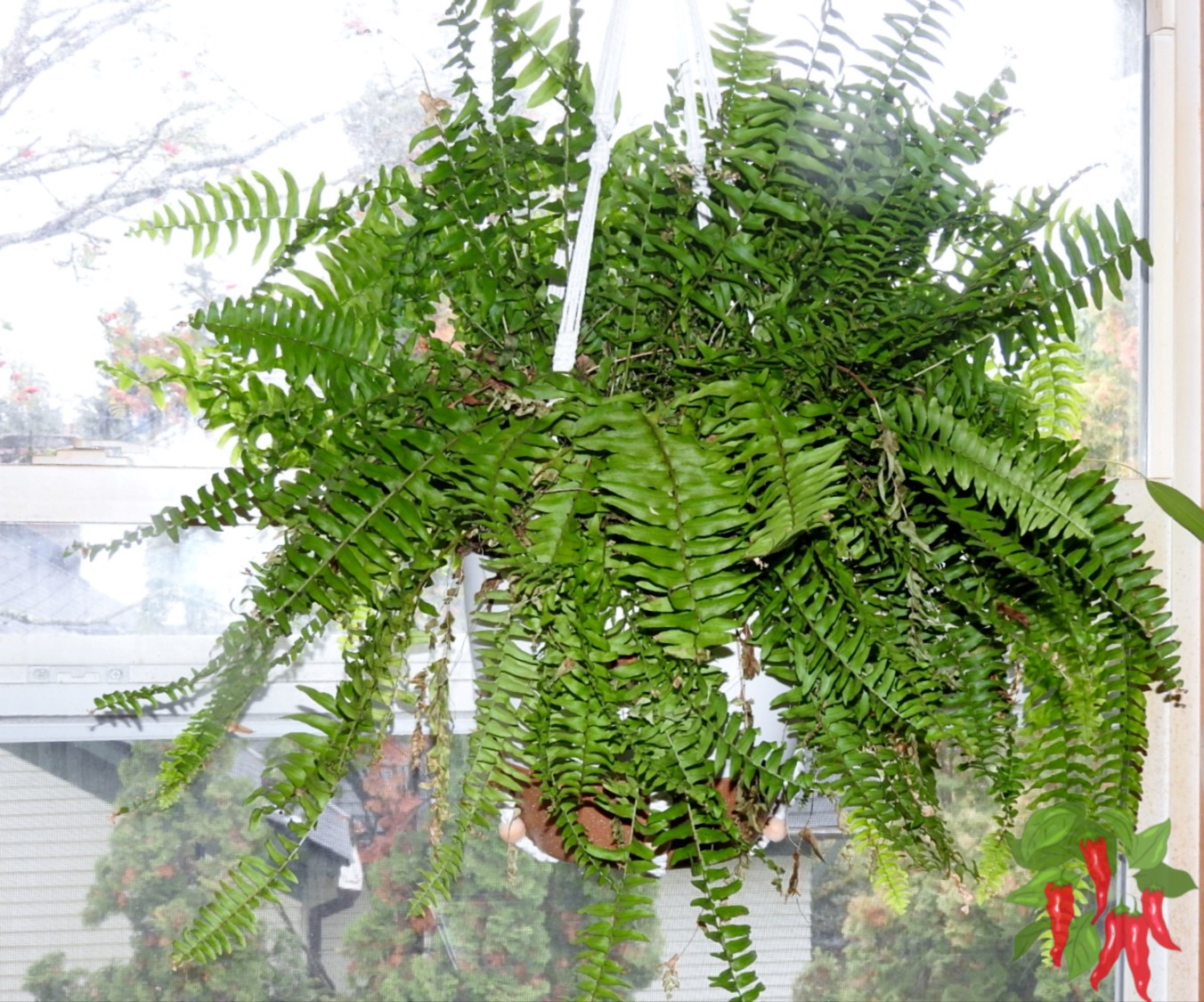
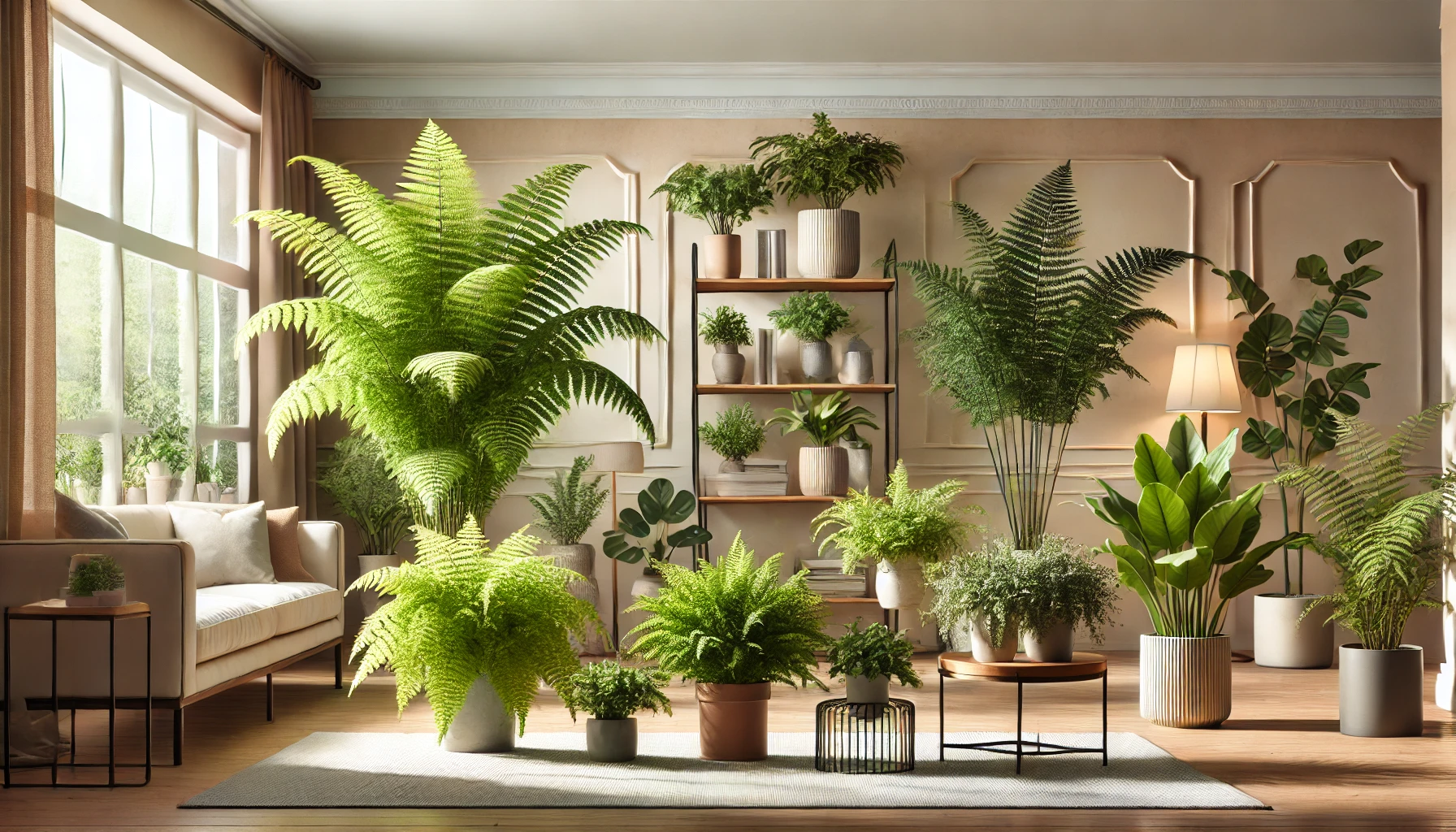
- Ferns: Add ferns for their soft greenery, which balances hibiscus’s bold blooms.
- Philodendrons: These plants share similar light and care needs, making them perfect companions.
Creating a Balanced Space
- Arrange plants in tiered displays, with hibiscus as the centerpiece.
- Use pots with complementary colors to unify the design.
- Position the plants in areas with ample light to keep all elements thriving.
Air-Purifying Benefits of Hibiscus
Hibiscus isn’t just beautiful; it also improves your home’s air quality. This plant absorbs toxins and releases oxygen, making your space healthier and more pleasant.
How Hibiscus Enhances Air Quality
- Removes harmful pollutants from the air, promoting better breathing.
- Adds humidity to dry indoor spaces, improving overall comfort.
Benefits of Hibiscus for Compact and Shared Spaces
- Ideal for apartments or offices where fresh air circulation is limited.
- Its compact size allows it to fit seamlessly into any room while purifying the air and boosting energy.
Feng Shui Cures with Hibiscus
In Feng Shui, hibiscus serves as a remedy for spaces with stagnant or negative energy.
Its vibrant presence clears out negativity and revitalizes energy flow, creating harmony and positivity.
Using Hibiscus to Revitalize Energy
- Its bold, lively blooms symbolize renewal, making it perfect for transforming sluggish spaces.
- The plant’s natural energy promotes a fresh start and better balance.
Placement Strategies for Challenging Areas
- Corners: Place hibiscus in dark or unused corners to reenergize these stagnant zones.
- Hallways: Use hibiscus to guide energy flow through long or narrow spaces.
- Rooms with Heavy Energy: Position hibiscus in spaces that feel tense or cluttered to encourage a lighter, more harmonious atmosphere.
By integrating hibiscus into these areas, you can harness its energy-cleansing properties and create a more vibrant, uplifting home environment.
Part 6: Hibiscus in Outdoor Spaces

Hibiscus Bush – Fiesta Flower – Tropical Plants of Florida – Overall Height 22″ to 26″ (Plant Only)
Hibiscus thrives outdoors, bringing vibrant energy and stunning blooms to patios, balconies, or garden corners.
Whether you have a spacious yard or a compact balcony, hibiscus can enhance your outdoor spaces with its beauty and positivity.
Let’s explore how to make the most of hibiscus in your outdoor areas.
Hibiscus in Outdoor Spaces
Hibiscus is a perfect addition to outdoor spaces like patios, balconies, and gardens, where it can soak up natural sunlight and spread vibrant energy.
Placing hibiscus outdoors not only enhances your home’s curb appeal but also extends its Feng Shui benefits to your outdoor areas.
Tips for Growing Hibiscus Outdoors
- Patios and Balconies: Use large pots with good drainage and place hibiscus in sunny spots with 6–8 hours of light daily.
- Gardens: Plant hibiscus in nutrient-rich soil with enough space for roots to spread.
- Wind Protection: Shield your plant from strong winds using walls or nearby greenery.
Creating Vibrant Energy Outdoors
- Place hibiscus near seating areas to create a calming and uplifting environment.
- Use decorative planters that align with Feng Shui elements, such as green or gold pots, for growth and abundance.
- Arrange hibiscus alongside other flowering plants to create a harmonious and colorful outdoor space.
Propagating Hibiscus for Vibrant Energy
Propagating hibiscus is a rewarding way to expand your plant collection and spread its uplifting energy throughout your home and garden.
With just a few steps, you can create new plants that bring positivity and beauty to multiple spaces.
Step-by-Step Guide to Propagation
- Select Healthy Cuttings: Choose 4–6 inch stems from a healthy hibiscus plant, ensuring they have at least two leaf nodes.
- Prepare the Cuttings: Remove the lower leaves and dip the cut ends in rooting hormone to encourage growth.
- Plant in a Medium: Place the cuttings in moist, well-draining soil or water to develop roots.
- Provide Ideal Conditions: Keep the cuttings in a warm, bright spot with indirect light, maintaining consistent moisture.
- Transplant: Once roots are 1–2 inches long, transfer the cuttings to pots with nutrient-rich soil.
Expanding the Positive Energy
- Place propagated hibiscus in key Feng Shui areas, such as entryways or wealth corners, to amplify energy flow.
- Use new plants to refresh spaces or as thoughtful gifts for friends and family.
- Rotate hibiscus plants between indoor and outdoor areas to maintain balance and vitality.
By propagating hibiscus, you not only expand its presence but also multiply the positive energy it brings to your home and outdoor spaces.
Caring for Hibiscus Indoors FAQs

2 Gallon Proven Winners Blue Chiffon Hibiscus
Hibiscus is a stunning plant that brightens your home while bringing fresh energy to your space.
Below are answers to common questions about growing hibiscus indoors so you can enjoy its beauty and Feng Shui benefits effortlessly.
Q. How much light does hibiscus need indoors?
A. Hibiscus thrives with 6–8 hours of bright, indirect light daily. Place it near a sunny window or use a grow light if natural light is limited.
Q. How often should I water my indoor hibiscus?
A. Water your hibiscus when the top inch of soil feels dry. Keep the soil consistently moist, but avoid letting it get soggy.
Q. What’s the best spot for hibiscus in Feng Shui?
A. Place hibiscus in the Fame corner (South) for vitality or the Wealth corner (Southeast) to attract prosperity and growth.
Q. Can hibiscus improve indoor air quality?
A. Yes, hibiscus helps purify the air by absorbing toxins and releasing oxygen, making it a great addition to your indoor garden.
Q. How can I encourage my hibiscus to bloom indoors?
A. Use a balanced fertilizer every 2–4 weeks during the growing season and ensure the plant gets plenty of light and warmth.
Growing Hibiscus IndoorsConclusion
Hibiscus is more than a beautiful plant—it’s a powerhouse of positivity and harmony for your home.
By pairing proper care with Feng Shui placement, you can enjoy vibrant blooms and uplifting energy in every corner of your space.
Recap Subtopics
Caring for Hibiscus Indoors
- Ensure your hibiscus thrives with bright, indirect light, consistent watering, and nutrient-rich, well-draining soil.
Hibiscus and Feng Shui
- Maximize positive energy flow by placing hibiscus in key Feng Shui zones like the Fame corner (South) for recognition or the Wealth corner (Southeast) for abundance.
Emotional and Environmental Benefits
- Enjoy cleaner air, reduced stress, and a joyful ambiance as hibiscus enhances your home’s overall atmosphere.
Adapting for Small Spaces
- Get creative with space-saving solutions like tiered plant stands, hanging baskets, or windowsills to bring vibrant hibiscus blooms into even the smallest living areas.
Key Takeaways
- Place hibiscus in bright, indirect light with well-draining soil.
- Position it in Feng Shui areas like the Fame or Wealth Corner for energy benefits.
- Water consistently, keeping the soil moist but not soggy.
- Regularly prune and fertilize to encourage blooms and maintain plant health.
- Enjoy its vibrant colors, cleaner air, and positive energy throughout your home.
With these tips, you’ll master Caring for Hibiscus Indoors while creating a harmonious space filled with beauty and vitality.
✨ Indoor Plants and Feng Shui
Enhance harmony, balance, and positive energy in your home with these Feng Shui indoor plant guides.
- 🌱 Feng Shui Plants (Pillar Guide)
- 🏡 Indoor Plants and Feng Shui
- 🌿 Feng Shui Vertical Gardens for Office Spaces
- 🌸 Best 24 Feng Shui Indoor Plants
- 💧 Growing Feng Shui Plants
- 🌳 Common Chinese House Plants for Feng Shui
- 🪴 Feng Shui Hanging Plants
- 🛏️ Feng Shui Bedroom Plants
- 🍃 ZZ Plant Feng Shui
- 🌱 Using Feng Shui in Vertical Gardens
- 🎋 Growing Lucky Bamboo in Feng Shui
- 🏠 Indoor Plants for Feng Shui
- ☯️ Indoor Plants for Positive Energy
- 🌼 Chinese Evergreen Care
- 🌺 Growing Peonies Indoors and Outdoors
- See all articles in our Indoor Plants and Feng Shui category
Related Content

Visit my Amazon Influencer Page for videos and gardening products Grow Your Own Garden